Home › Bhavnagar › Alang
INDUSTRY · SHIP-BREAKING COASTThe world's largest ship-breaking yard — a vast, raw shoreline on the Gulf of Khambhat where the great ships of the world are beached, dismantled and reborn as steel.
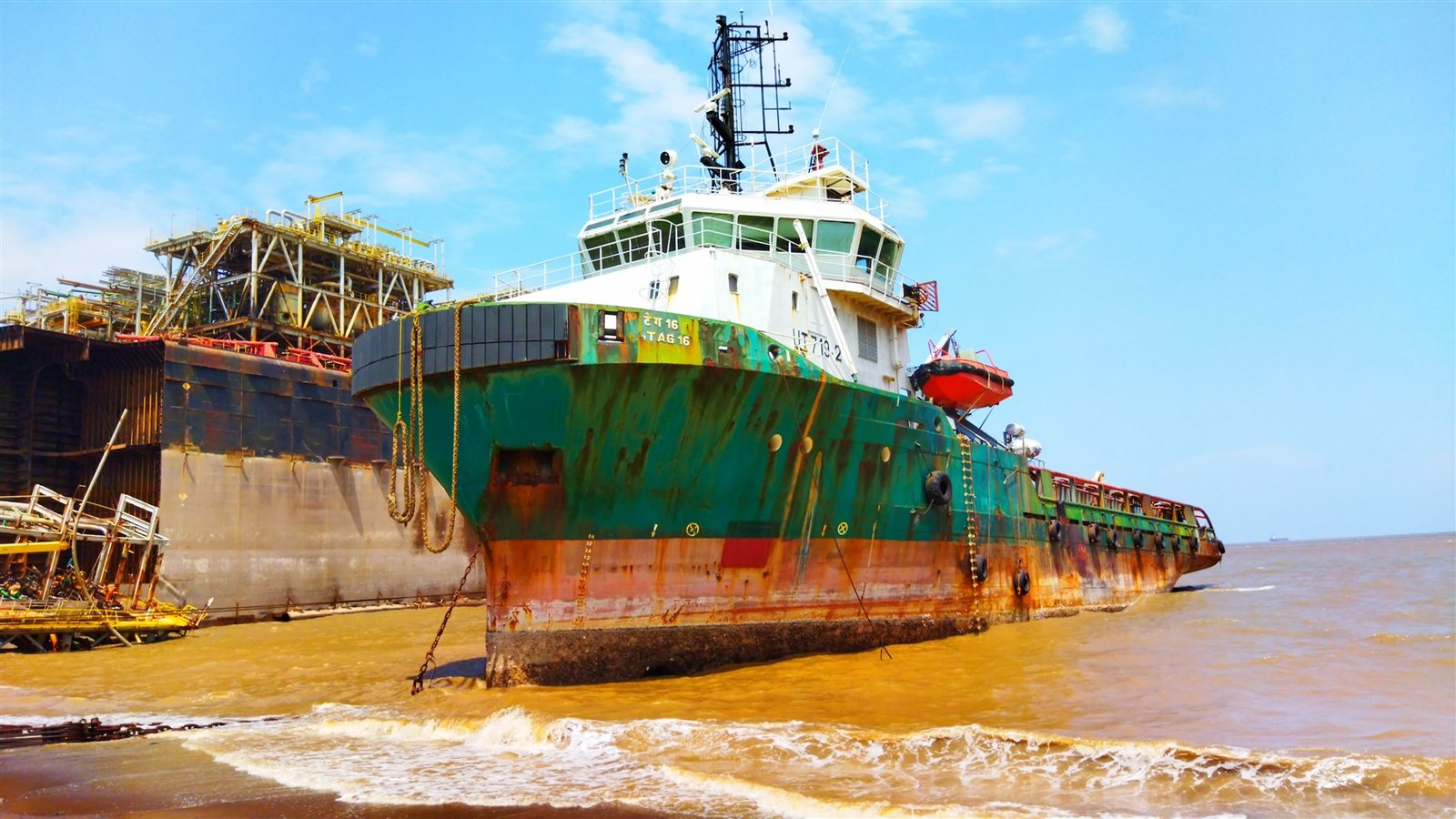
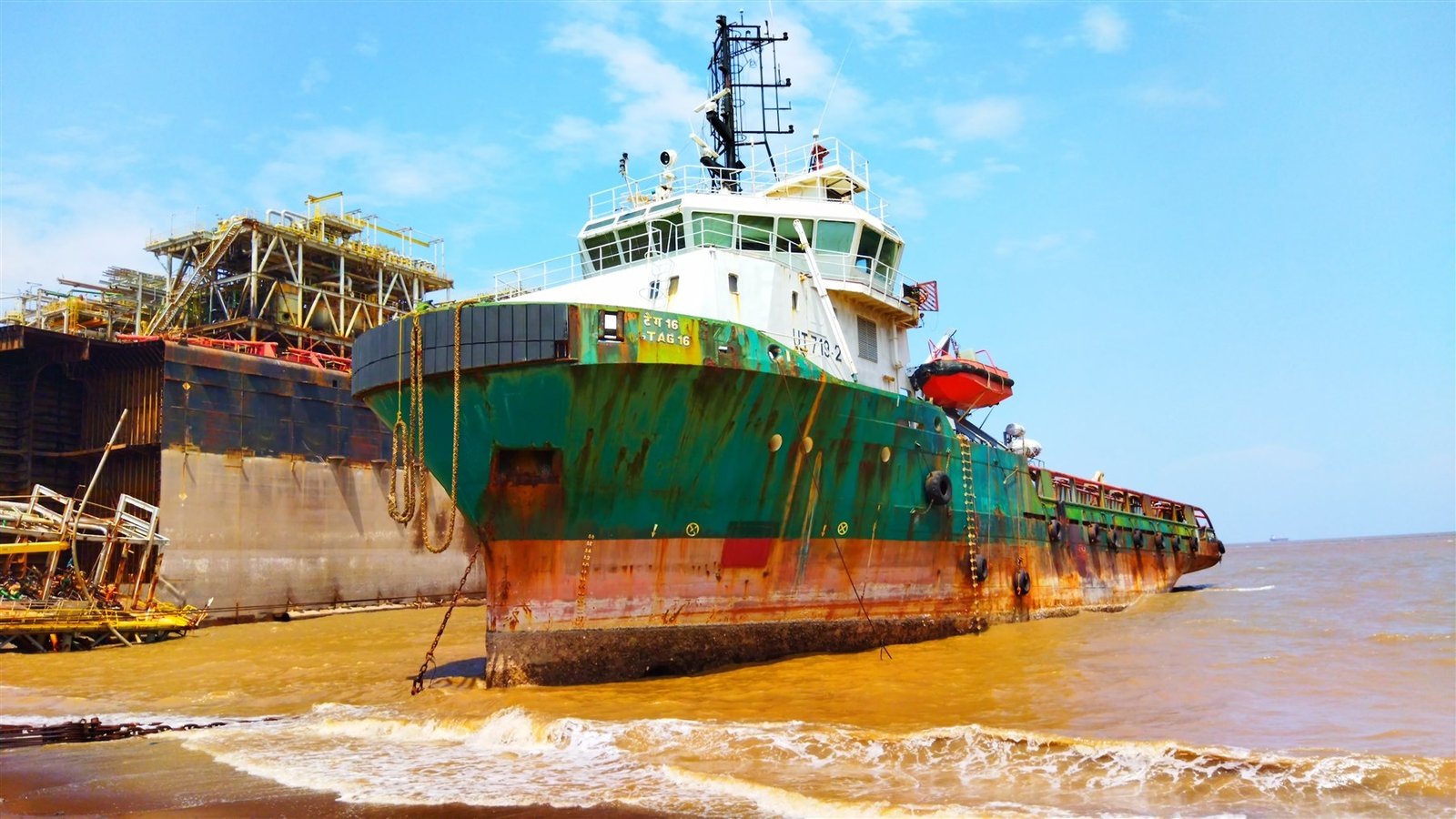
Stretching along the Gulf of Khambhat south of Bhavnagar, Alang is one of the most extraordinary industrial sights on earth — the world’s largest ship-breaking yard. Here, on a long tidal beach with one of the highest tidal ranges on the coast, decommissioned ships from across the globe — tankers, cargo vessels, liners — are deliberately run aground at high tide and then dismantled, plate by plate, by tens of thousands of workers, their steel and fittings recycled and sent on across India.
The scale is staggering: kilometres of beached hulls, towering cut sections and a relentless, gritty energy. Alang is not a polished tourist attraction — access to the yards is restricted and the work is hard and hazardous — but as a phenomenon it is unforgettable, a window onto global trade, recycling and labour.
Travellers usually view it from the roadside and approaches. (This is a working industrial site, not a visitor attraction.)
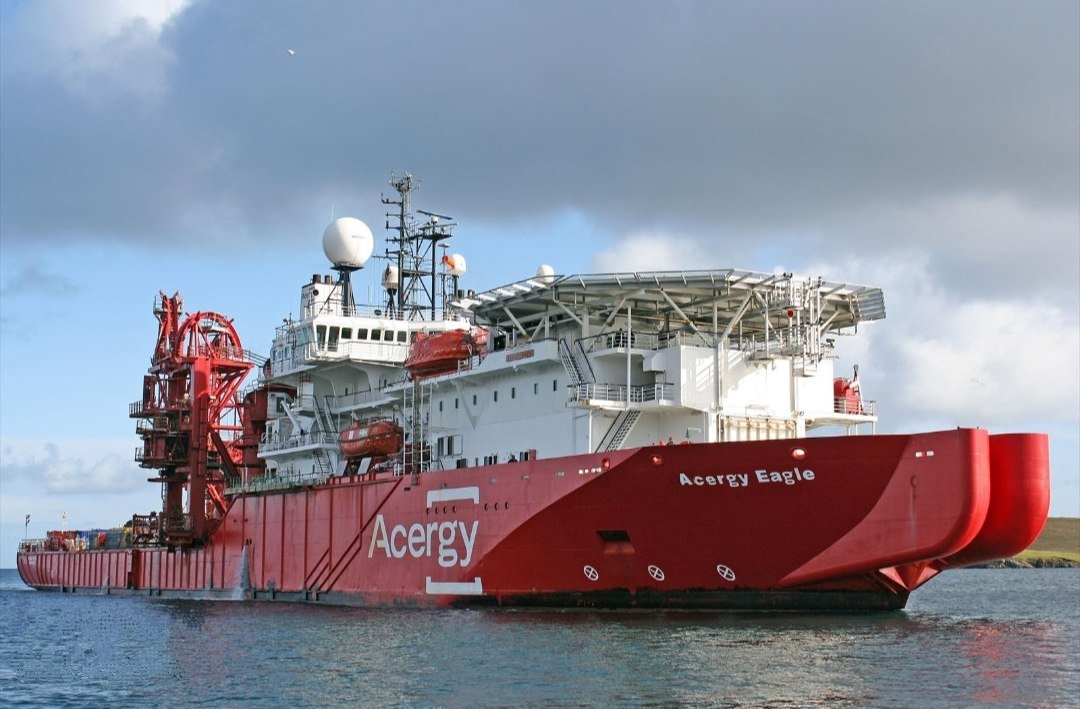
A vessel at the Alang yards.
Beached ships on the tidal shore.
A high-tidal-range shore proves ideal for beaching ships.
Yards spring up along the coast from the 1980s.
Alang becomes the globe's biggest breaking centre.
A vast steel-recycling industry employing thousands.
The biggest ship-breaking yard.
Great hulls run aground.
Ships reborn as steel.
The Gulf of Khambhat.
Industry on a vast scale.
Where the world's ships end.
Vessels on the shore.
Steel cut and recycled.
Vessels on the shore.
Steel cut and recycled.
Vessels on the shore.
Steel cut and recycled.
See the yards from approaches.
Kilometres of beached ships.
Ships beached at high water.
Hazardous, hard labour.
The yards are restricted.
Global recycling and trade.
Cut sections at the yards.
Alang is a vast working landscape rather than a monument: a long tidal beach divided into scores of plots, each leased to a breaking operation, where beached ships are progressively cut down, their steel, machinery and fittings stripped and trucked away.
The ‘architecture’ is the spectacle of scale — towering hulls, cranes, cutting torches and a relentless tide of material — a raw, unforgettable face of the modern industrial world. (Access to the yards is restricted; view responsibly from public areas.)
World’s largest breaking yard
Tidal-beach ship plots
Steel & machinery recycling
Gulf of Khambhat shore
Cool and clear — the best season across Bhavnagar.
Green countryside and atmospheric skies.
Hot inland; sea-cooled on the coast.
⏰ Visit in the cooler months and view from public roads/approaches only — the yards are a restricted, hazardous worksite.
Bhavnagar airport is nearest.
Bhavnagar is the nearest railhead.
~50 km south of Bhavnagar via Talaja road.
STEEL & TIDE
Beached ships from public areas.
The tidal Gulf of Khambhat.
Do not photograph workers intrusively.
Low sun on the hulls.
Rotla, kadhi, shaak and ghee-rich fare.

The city's famous soft ganthiya.
Classic Saurashtra snacks.
Hearty Kathiawadi veg; famous ganthiya.
The world's largest ship-breaking yard, on the coast south of Bhavnagar.
Ships are beached at high tide and dismantled for steel and recycling.
No — access is restricted and the site is hazardous; view from public areas.
The Gulf of Khambhat's huge tidal range is ideal for beaching ships.
Not really — it's a working industry, but a remarkable phenomenon to witness.
About 50 km south of Bhavnagar, near Talaja.
In the cooler months, as a short roadside stop.
From public areas only; never photograph workers intrusively.
WHERE TO STAY
Compare live prices across the big booking sites and reserve in a few taps. Booking happens securely on the partner's site — we may earn a small commission at no extra cost to you.
SHOP THE REGION
Hand-picked crafts and trip gear, available on Amazon.