Home › Jamnagar › Lakhota Lake & Palace
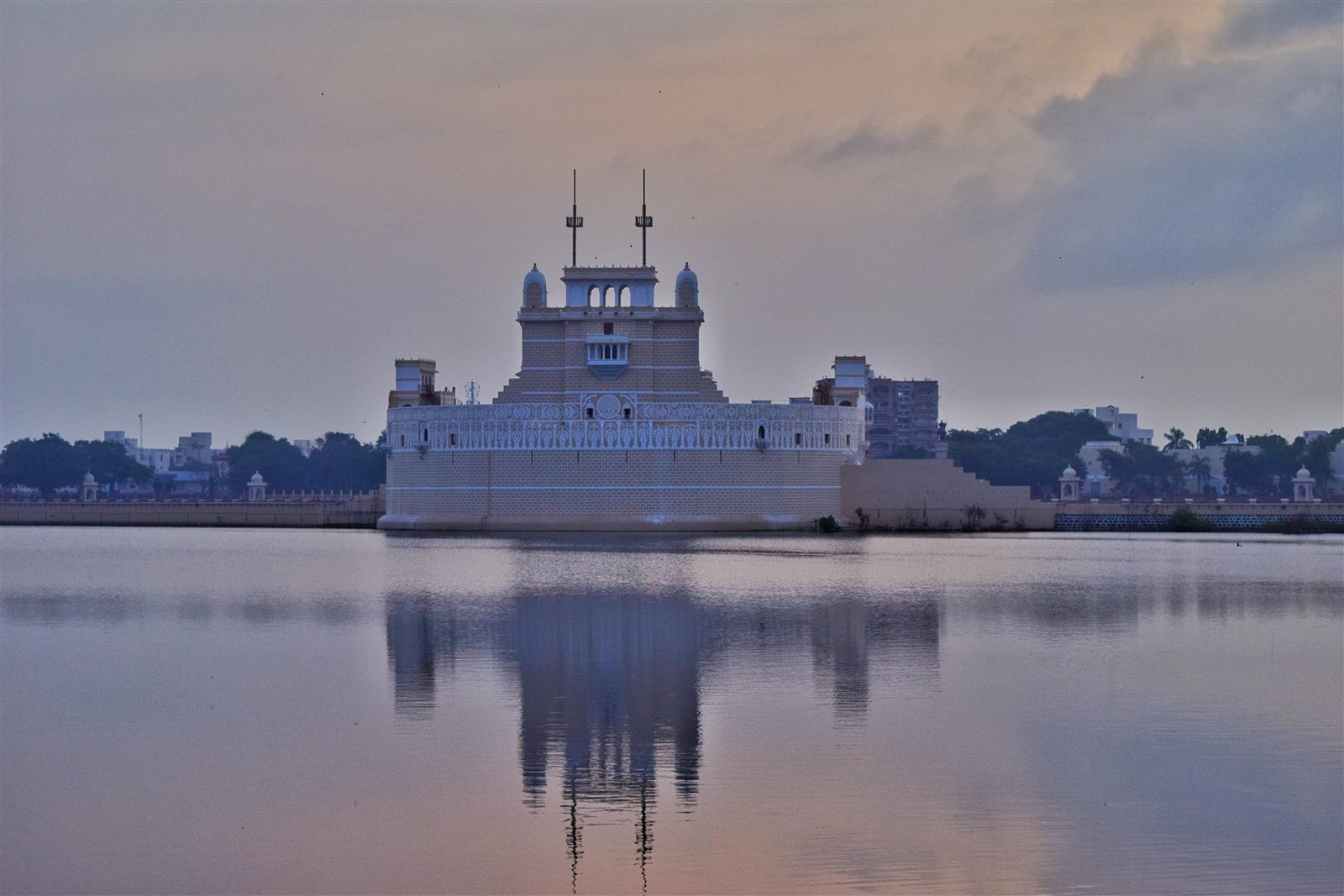
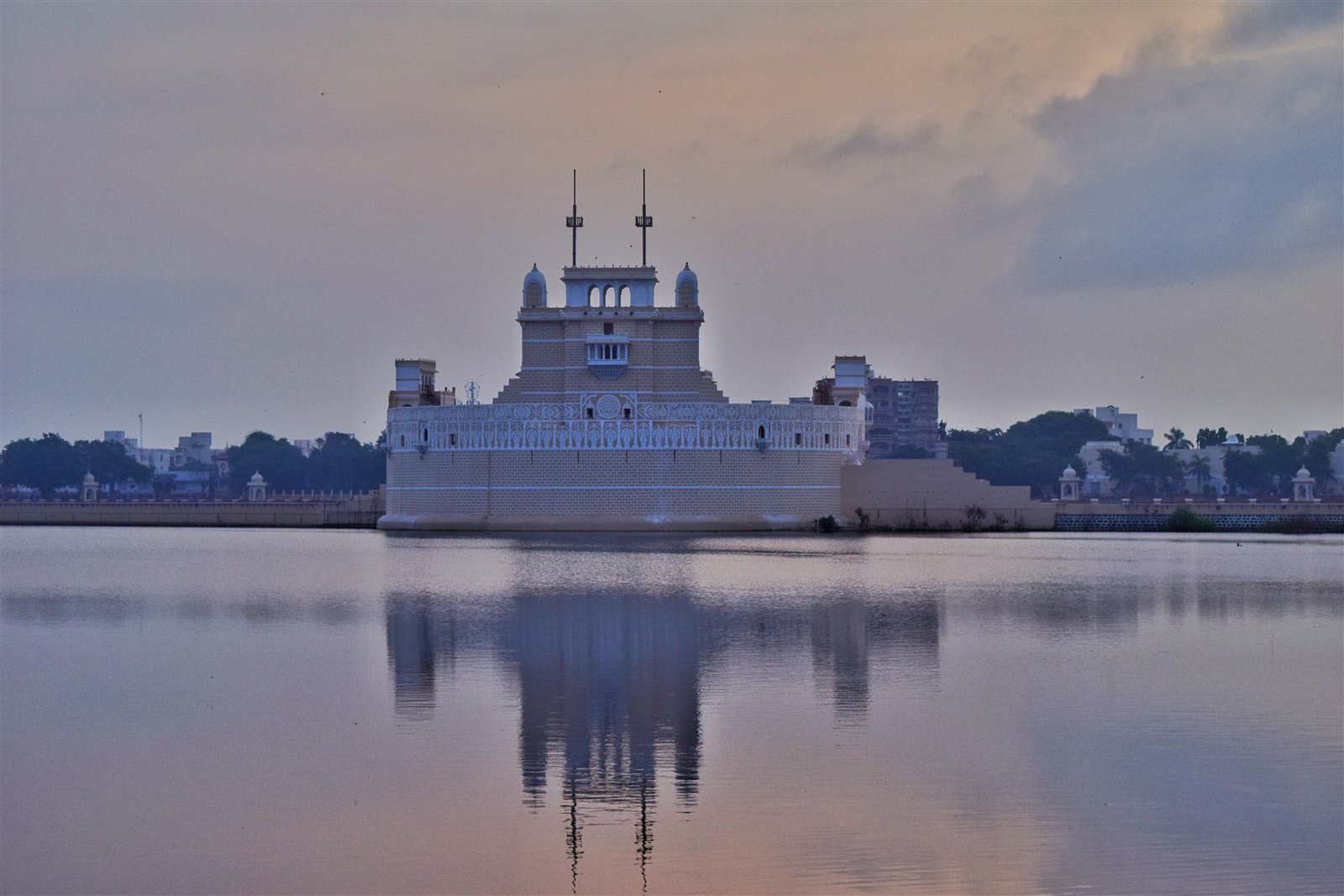
LAKE · PALACE-FORTA 19th-century palace-fort on an island in the heart of Jamnagar's Ranmal Lake — reflected in the water, ringed by birds and glowing at golden hour.
At the very heart of Jamnagar lies Ranmal Lake, and on an island within it stands the Lakhota Palace — a circular, fortified palace reached by a stone causeway, built in the 19th century by Jam Ranmalji II. Once a refuge in times of drought and siege (its construction is said to have given famine relief through employment), it now houses the Lakhota Museum, with sculptures, pottery, weapons and relics of the old Nawanagar state.
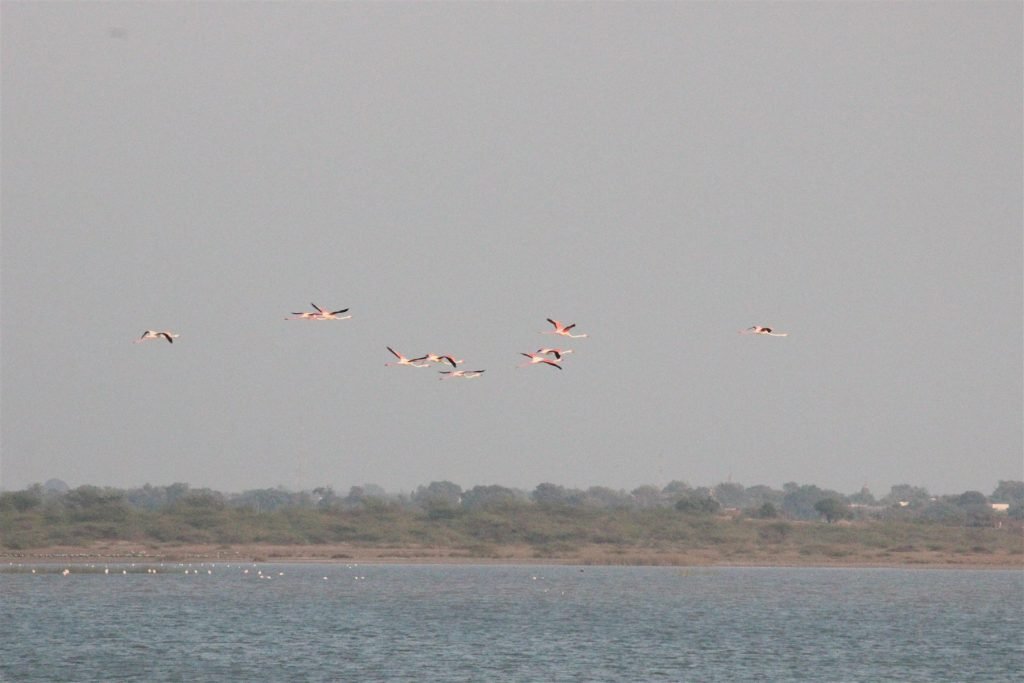
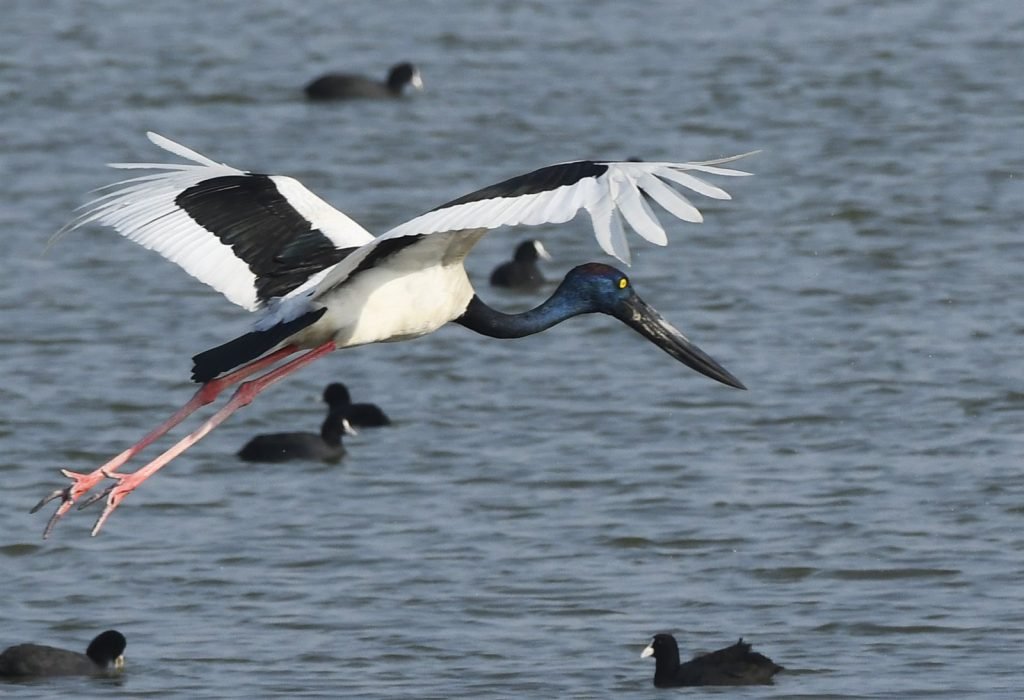
The lake itself is the city’s beloved promenade. Families stroll its edge at dusk, pelicans and flamingos gather on the water, and the whole scene — palace, water and sky — turns to gold at sunset.
With the round Bhujio Kotho tower standing guard nearby, the Lakhota lakefront is the blue-green heart of the Brass City, and the natural place to begin any visit to Jamnagar.
Lakhota lake and palace at golden hour.
The circular Lakhota palace-fort.
Jam Ranmalji II builds the island palace-fort on Ranmal Lake.
Its construction is said to have given famine-era employment.
The fort served as a store and stronghold in hard times.
It houses the Lakhota Museum at the heart of the city.
A circular palace-fort on the lake.
Relics of the Nawanagar state.
Pelicans and flamingos on the water.
Glorious sunsets over the lake.
Jamnagar's favourite evening walk.
The old tower stands close by.
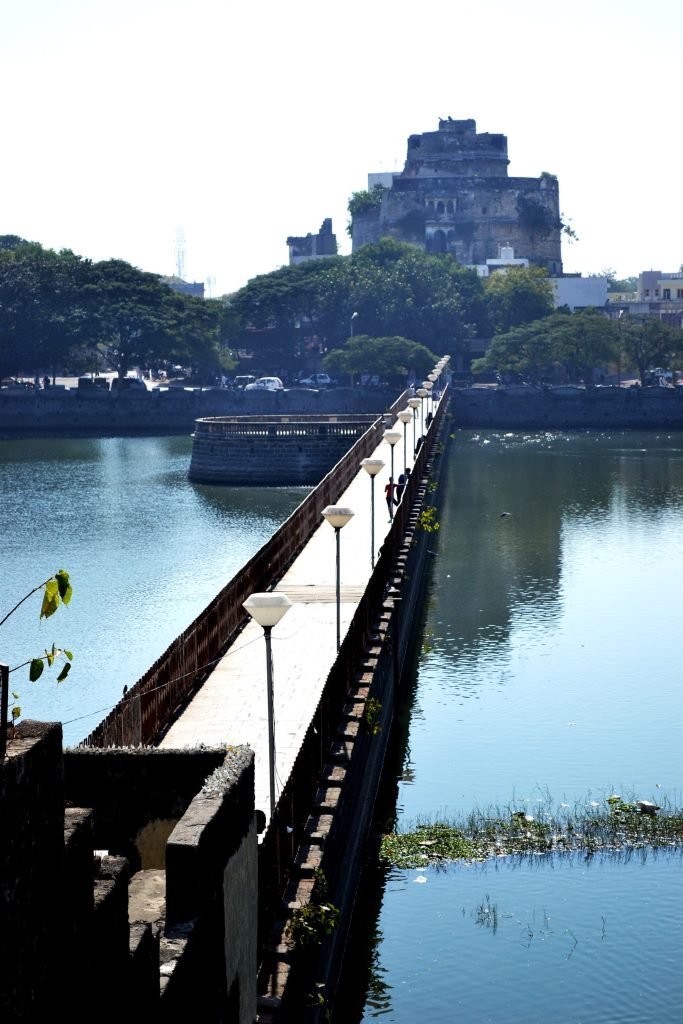
The island palace and causeway.
Ranmal Lake at sunset.
Walk out to the island palace.
See the Nawanagar-era collection.
Join the evening promenade.
Spot pelicans and flamingos.
Stay for golden hour on the water.
Visit the old tower nearby.
The fortified circular palace.
The Lakhota Palace is unusual in form: a compact, circular fortified structure set on an island in Ranmal Lake, linked to the shore by a stone causeway and ringed by a low rampart with bastions. Built to double as a stronghold and a store, it has thick walls, a guardroom and even openings designed for defence.
Inside, its rooms now serve as the Lakhota Museum. The whole composition — round fort, water and the nearby tower — makes a striking, much-loved silhouette at the centre of the city.
Circular fortified palace
Island-and-causeway setting
Bastioned ramparts
Now the Lakhota Museum
Cool and pleasant — the best season to explore Jamnagar.
Lush and green; the wetlands and lakes brim with birds.
Hot and dry — sightsee early or late in the day.
⏰ Come in the late afternoon: tour the museum, then stay on the promenade for sunset over the lake.
Jamnagar Airport (~10 km) is close.
Jamnagar station is well connected; a short ride.
Central Jamnagar — walkable from the old city.
WATER & WALLS
Sunset and golden hour over the water.
The palace reflected in Ranmal Lake.
Pelicans and flamingos at the edges.
Frame the fort with Bhujio Kotho.
◐ Winter · flamingos
Pelicans, flamingos & cranes in winter
Lanes of gleaming hand-beaten brassware
◐ Low tide · corals & life
A serene Krishna temple & centre
Where fresh & salt water birds meet
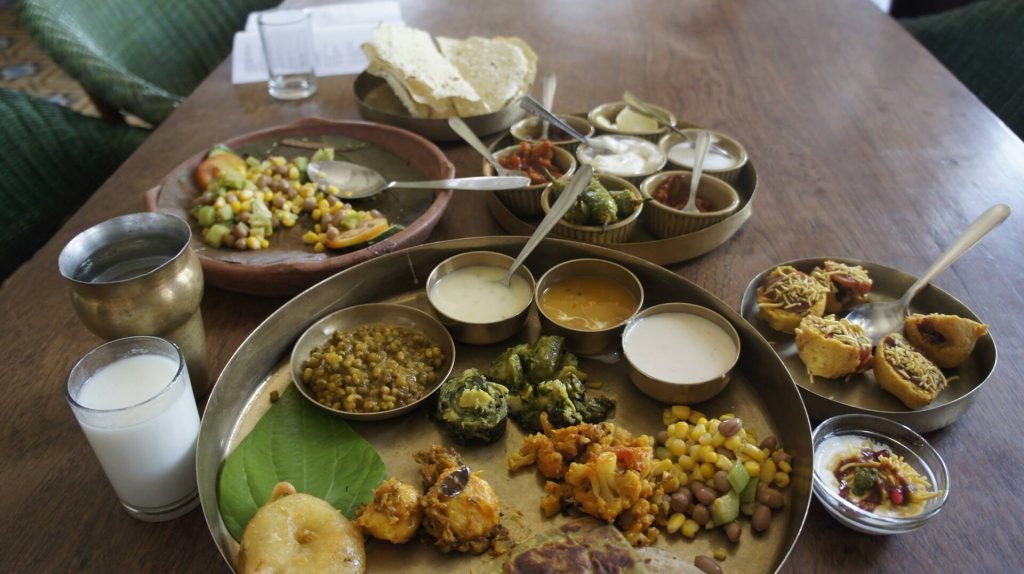
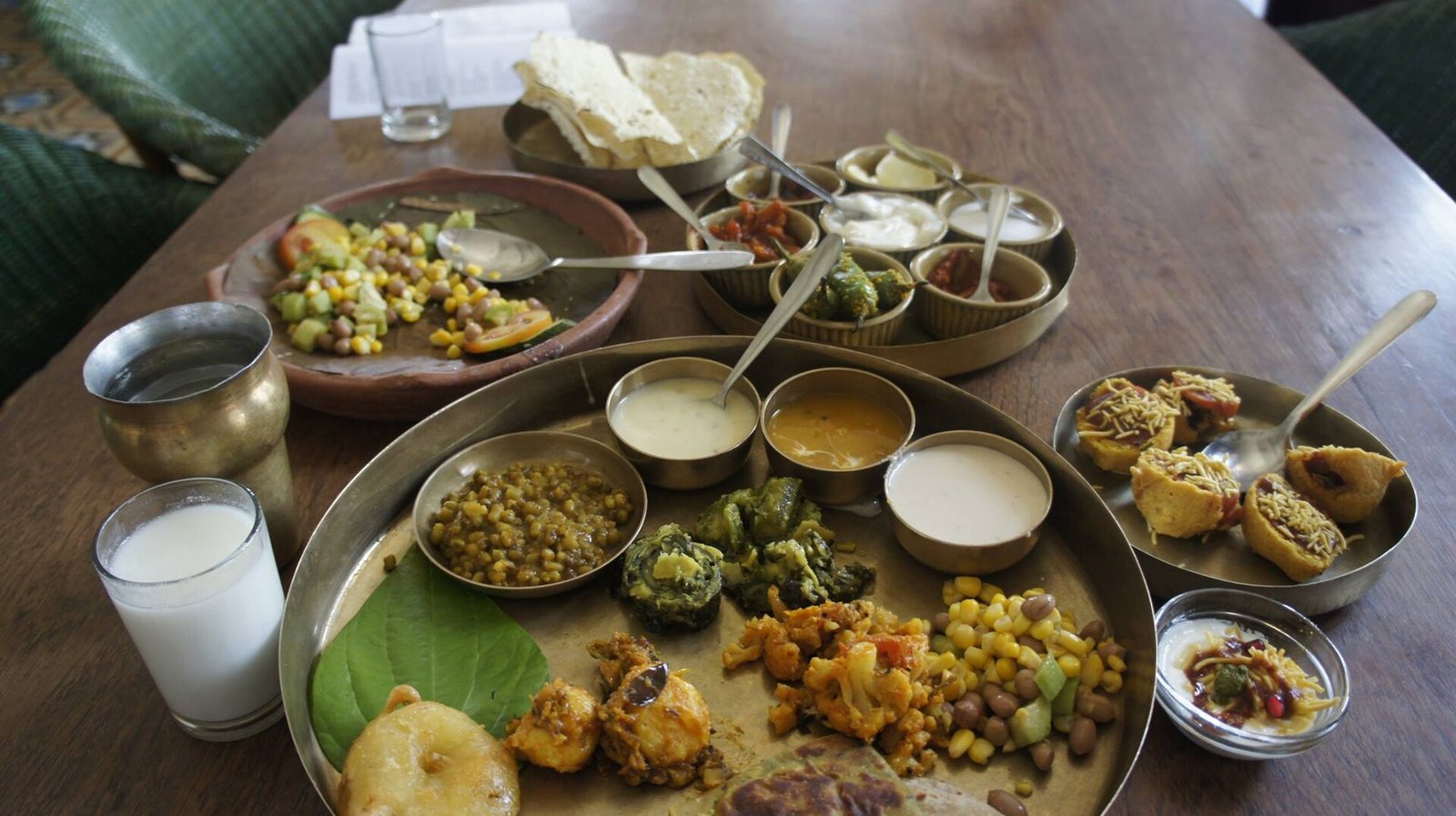
Rotla, kadhi, shaak and ghee-rich fare.
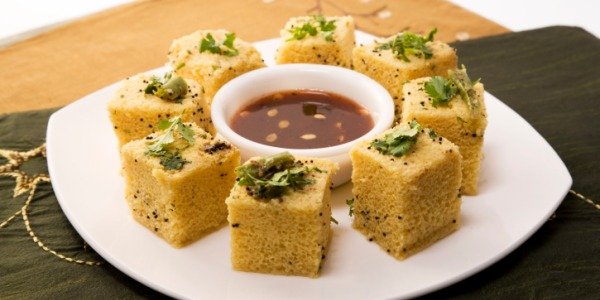
Gathiya and farsan, a Saurashtra staple.
The old city's bustling bazaar snacks.
Jamnagar's food is largely vegetarian.
A 19th-century circular fortified palace on an island in Jamnagar's Ranmal Lake, now a museum.
Jam Ranmalji II of Nawanagar.
The Lakhota Museum, with sculptures, pottery, weapons and state relics.
A small fee for the museum; the lakefront is free.
Daytime hours, usually closed on Wednesdays.
Late afternoon into sunset, for the museum and the lake.
Bhujio Kotho tower, Darbargadh and Bala Hanuman temple.
Yes — pelicans and flamingos frequent the lake.
WHERE TO STAY
Compare live prices across the big booking sites and reserve in a few taps. Booking happens securely on the partner's site — we may earn a small commission at no extra cost to you.
SHOP THE REGION
Hand-picked crafts and trip gear, available on Amazon.