
Home › Kheda › Galteshwar Temple
12TH CENTURY · SOLANKI · HERITAGEGalteshwar Temple
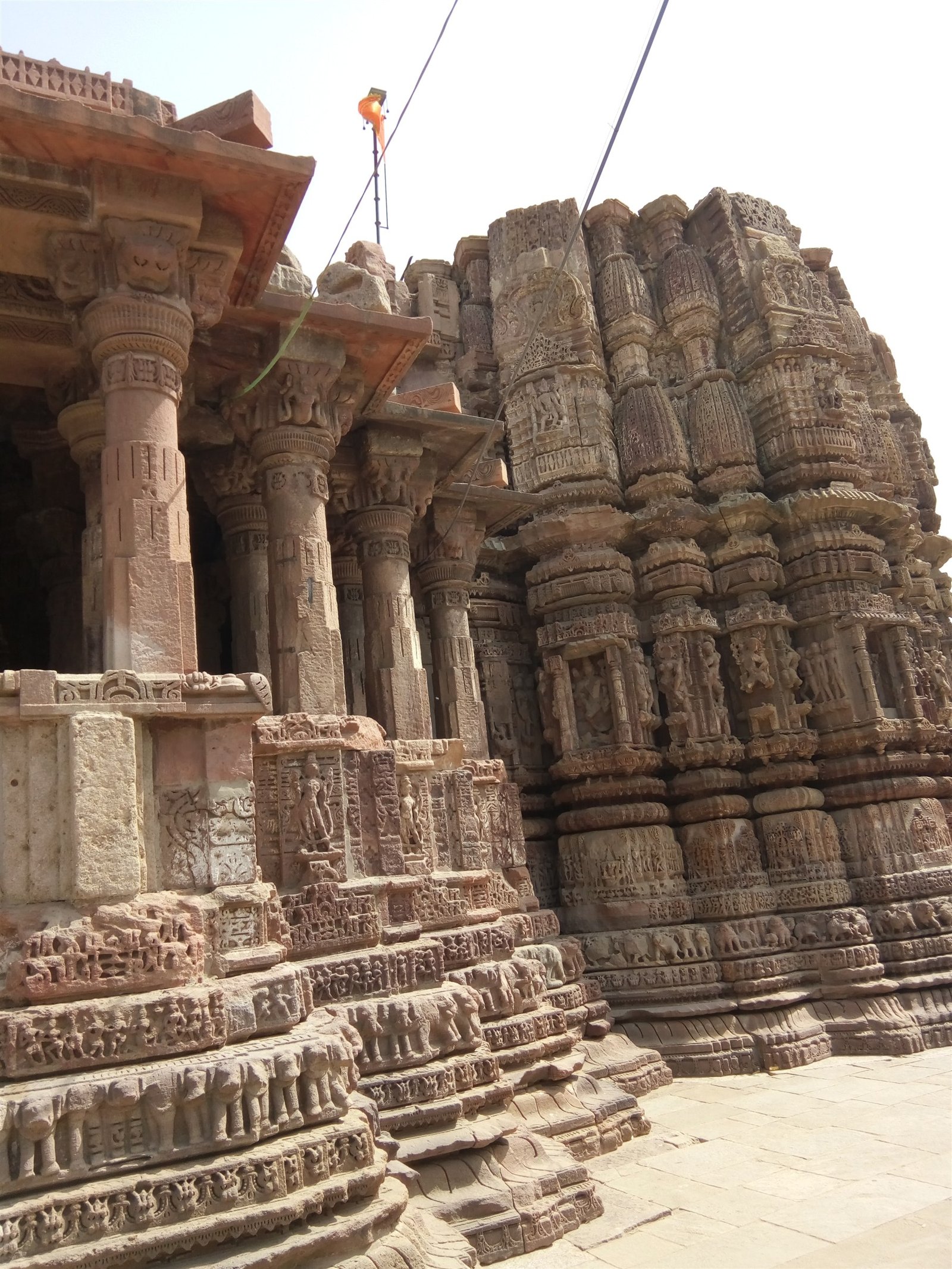
A jewel of Solanki architecture — the 12th-century Galteshwar temple, standing at a river confluence near Sarnal, is one of central Gujarat's finest medieval monuments, its intricately carved mandapa and pillars a masterpiece of the great age of Gujarati temple building.
A Solanki-era masterpiece on the river
The Galteshwar temple is one of the architectural treasures of central Gujarat — a 12th-century Shiva temple of the Solanki (Chaulukya) period, standing in a quiet location near Sarnal, at the confluence of the Galti and Mahisagar rivers in Kheda district.
The temple belongs to the great age of western Indian temple architecture — the same Solanki era that produced the Sun Temple at Modhera and the Rani ki Vav stepwell at Patan. Though smaller and less famous than those masterpieces, Galteshwar shares their extraordinary quality of carving: an octagonal mandapa of remarkable intricacy, richly sculpted pillars, and the refined proportions characteristic of the period.
Dedicated to Shiva as Galteshwar, the temple remains a place of worship as well as a monument. Its riverside setting — quiet, green, and away from the main tourist routes — adds to its appeal, making a visit feel like the discovery of a hidden gem. For the lover of architecture and heritage, Galteshwar is one of the most rewarding of central Gujarat’s lesser-known monuments — a Solanki masterpiece in a beautiful and peaceful setting, far from the crowds.
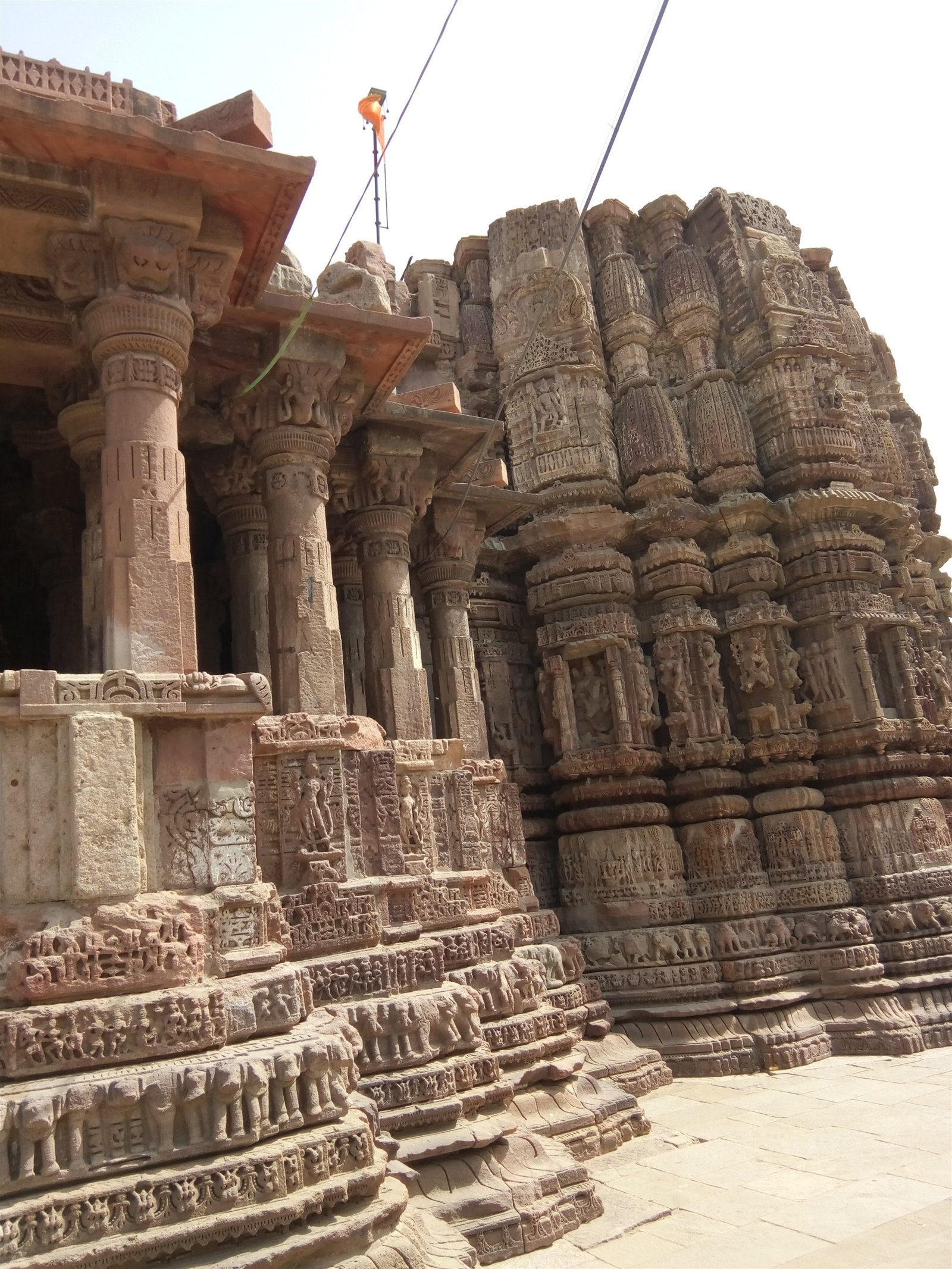
Carved mandapa, Galteshwar temple. Source: Wikimedia Commons.
Solanki carving above the Mahisagar
Carved pillars, Galteshwar. Wikimedia Commons.
Raised during the great age of western Indian temple architecture, under the Solanki (Chaulukya) dynasty.
Galteshwar belongs to the same period that produced the Sun Temple at Modhera and Patan's Rani ki Vav.
The temple stands at the meeting of the Galti and Mahisagar rivers, near Sarnal in Kheda district.
Now both an active Shiva temple and a protected monument, quietly visited by pilgrims and heritage lovers.
Reasons to make the time
Solanki
A 12th-century Solanki masterpiece of the highest architectural quality.
Carving
Intricately carved octagonal mandapa and richly sculpted pillars.
Confluence
A serene riverside setting at the Galti–Mahisagar confluence.
Shiva
An active temple, still worshipped as Shiva Galteshwar.
Hidden
Off the main tourist routes — a genuine hidden gem.
Heritage
A peaceful, photogenic heritage site far from the crowds.
What to look for inside
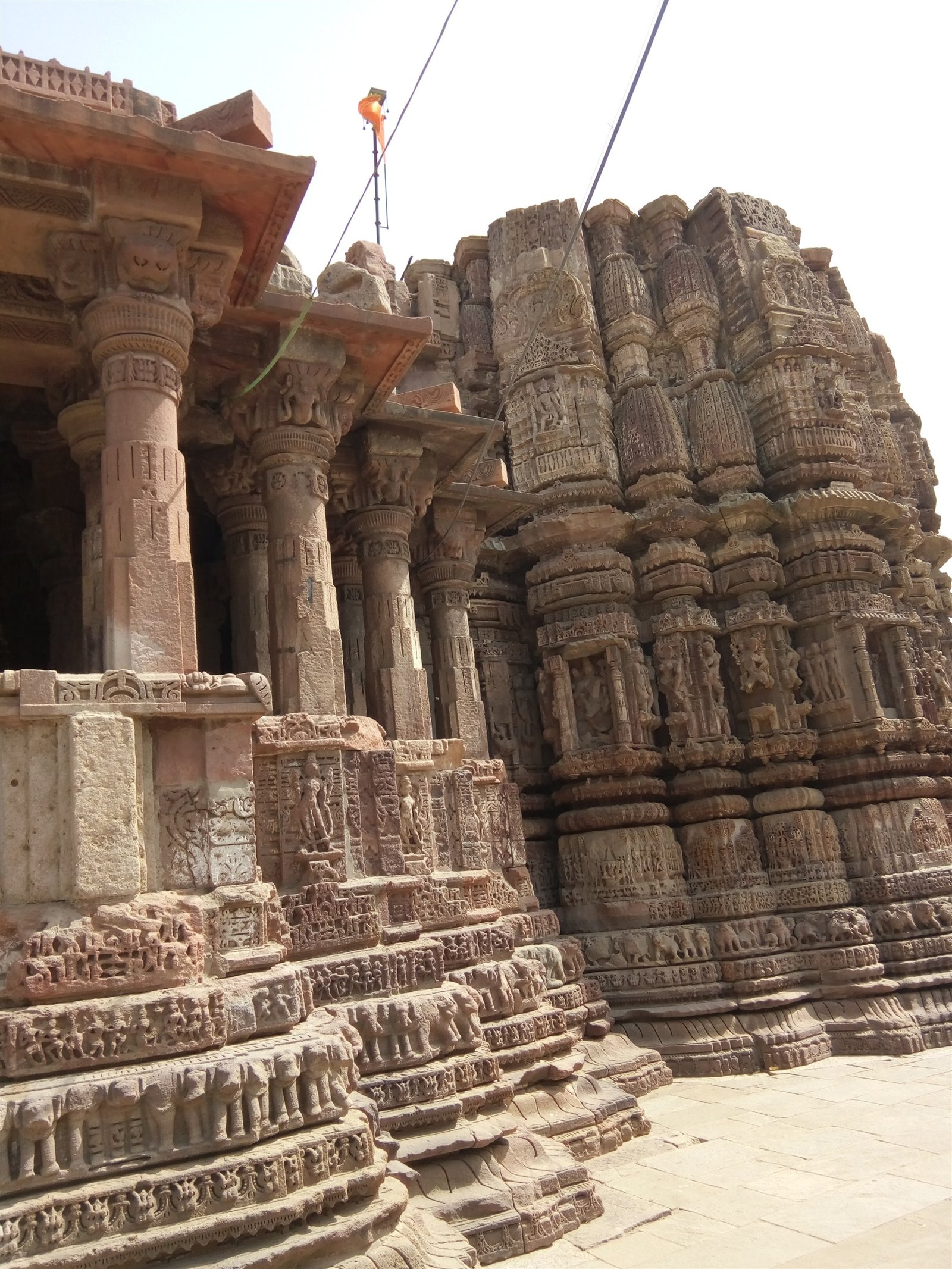 THE MANDAPA
Carved hall
Solanki artistry — an octagonal pillared hall of remarkable intricacy.
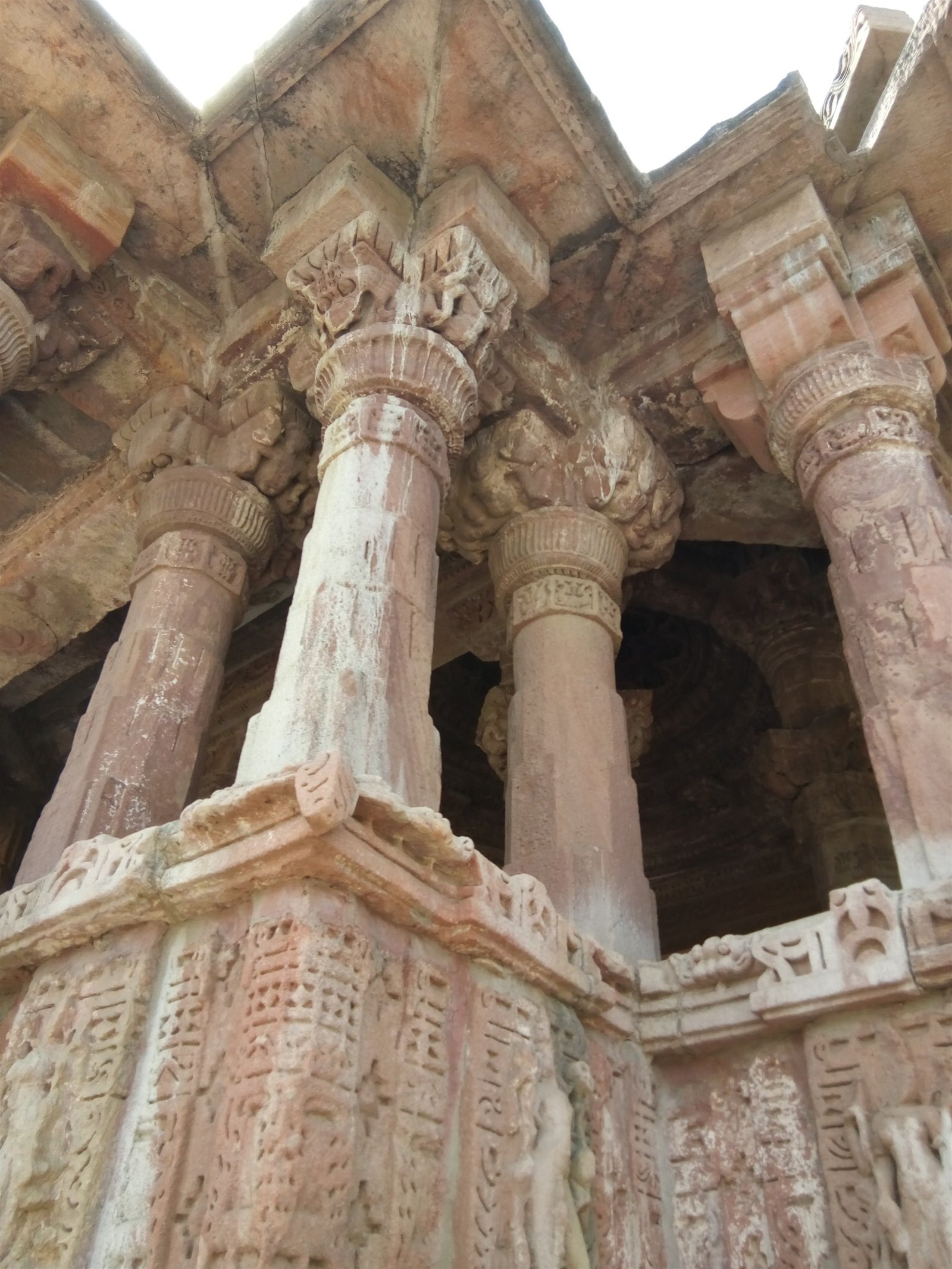 THE PILLARS
Sculpture
Intricate detail in the richly carved pillars of the temple.
OCTAGONAL PLANRefined proportions
The mandapa's eight-sided geometry is a hallmark of Solanki design.
STONE CRAFTMaster carving
Figural and floral sculpture covering shafts and brackets.
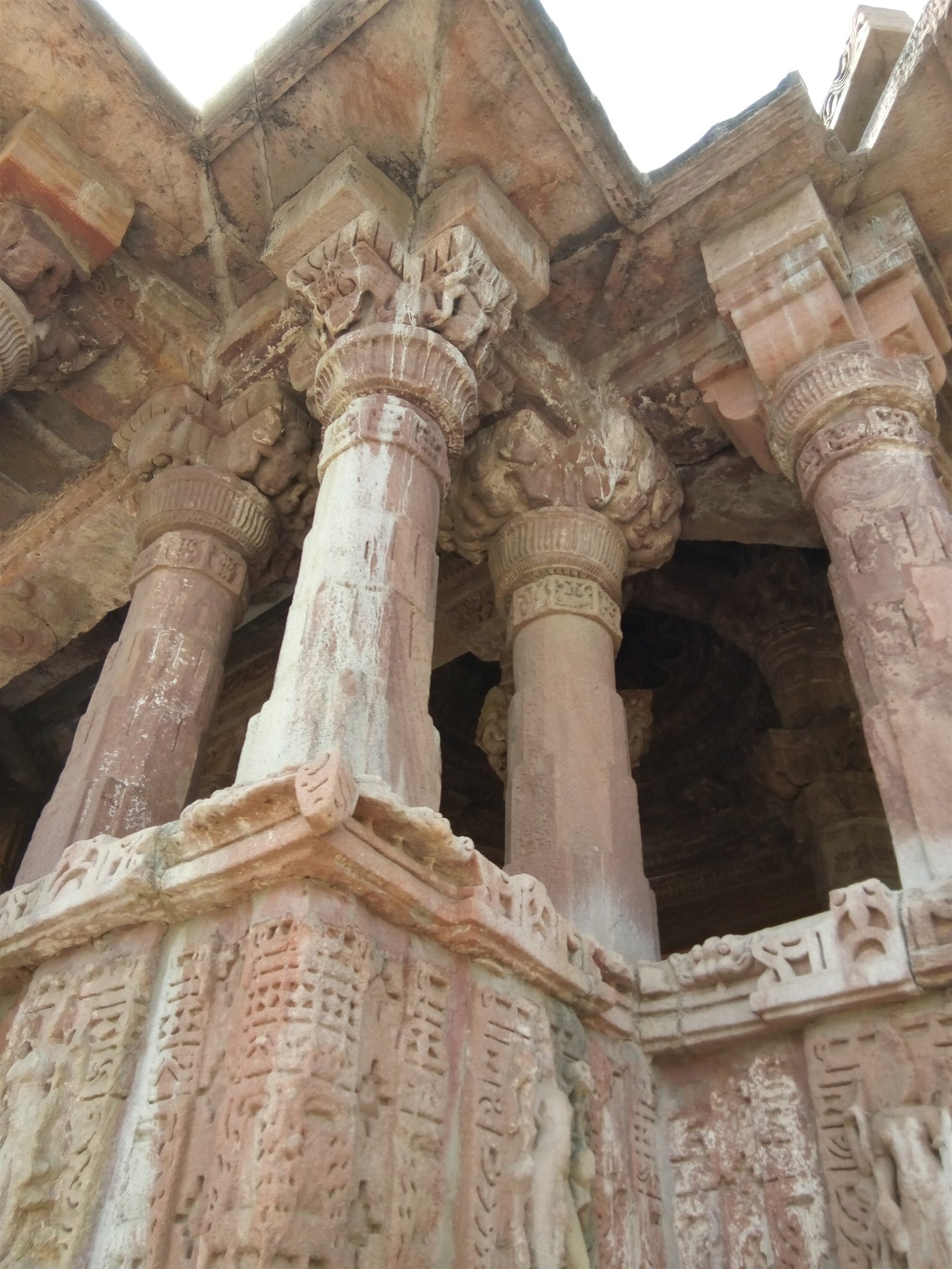 THE SHRINE
Shiva Galteshwar
The sanctum where Shiva is still worshipped as Galteshwar.
 RIVER SETTING
Confluence views
The temple framed by the meeting of the Galti and Mahisagar.
How to spend an hour or two
Study the mandapa
Take in the octagonal, intricately carved pillared hall — the temple's architectural high point.
Examine the pillars
Look closely at the remarkable detail in the richly sculpted Solanki-era pillars.
Offer at the shrine
Pay your respects at the active sanctum, where Shiva is worshipped as Galteshwar.
Walk to the confluence
Stroll to where the Galti and Mahisagar rivers meet, just beside the temple.
Appreciate the quiet
Enjoy a heritage site that lies happily off the usual tourist routes.
Photograph the carving
Capture the Solanki craftsmanship in the soft light of morning or late afternoon.
Galteshwar mandapa. Wikimedia Commons.
Solanki temple architecture
Galteshwar is a 12th-century Solanki-era temple — the same great period of western Indian architecture that produced Modhera’s Sun Temple and Patan’s Rani ki Vav. Its octagonal mandapa, intricately sculpted pillars and refined proportions mark it as a work of the highest quality, set beautifully at the confluence of the Galti and Mahisagar rivers.
Though less famous than the great Solanki monuments, it is among the finest of central Gujarat’s lesser-known heritage sites. (An active temple and protected monument; modest dress; best in winter and post-monsoon.)
Planning more of the area? Our Kheda guide covers the whole district.
If this is what you travel for, browse temples across Gujarat.
A 12th-century Solanki (Chaulukya) Shiva temple
Intricately carved octagonal mandapa and pillars
Set at the Galti–Mahisagar river confluence
Among central Gujarat’s finest lesser-known monuments
When to go
Cool and pleasant — the ideal time to visit. Comfortable all day and perfect for the riverside setting.
Green and lush, with the rivers running full. Best in the mornings between showers.
Hot across central Gujarat — visit in the early morning to beat the heat.
⏰ Winter is the most comfortable season across Kheda district.
Timings & entry
- An active temple with open access during daylight hours
- No ticket required for entry
- Allow 1–2 hours for an unhurried visit
- Modest dress is appreciated at the shrine
- Free entry — Indian and international visitors alike
- A protected monument as well as a working temple
- Still photography is welcome outdoors
- Riverside setting best enjoyed in winter and post-monsoon
Getting there
By Air
Sardar Vallabhbhai Patel International Airport at Ahmedabad sits about 55 km away, with flights from across India and abroad.
By Rail
Nadiad and Anand junctions are the nearest railheads, both well connected on the Ahmedabad–Vadodara line.
By Road
Reached via the NH-48 Ahmedabad–Vadodara highway, then local roads toward Thasra and Sarnal.
Shooting Galteshwar
HERITAGE FRIENDLY
Carved stone, river light and a quiet Solanki monument far from the crowds.
Best light
Come in the early morning or late afternoon — low sun rakes across the carved stone and brings out the relief.
What to shoot
The octagonal mandapa, the sculpted pillars, the shrine, and the river confluence beside the temple.
Be respectful
This is an active temple — keep the sanctum calm, dress modestly and avoid intrusive setups.
Gear tip
A standard lens suits the pillars and carving; go wider for the mandapa interior and riverside views.
Know before you go
More to see close by
 4
4Kapadvanj Torans
Ancient ornamental gateways of a faded town
 COUNTRYSIDE
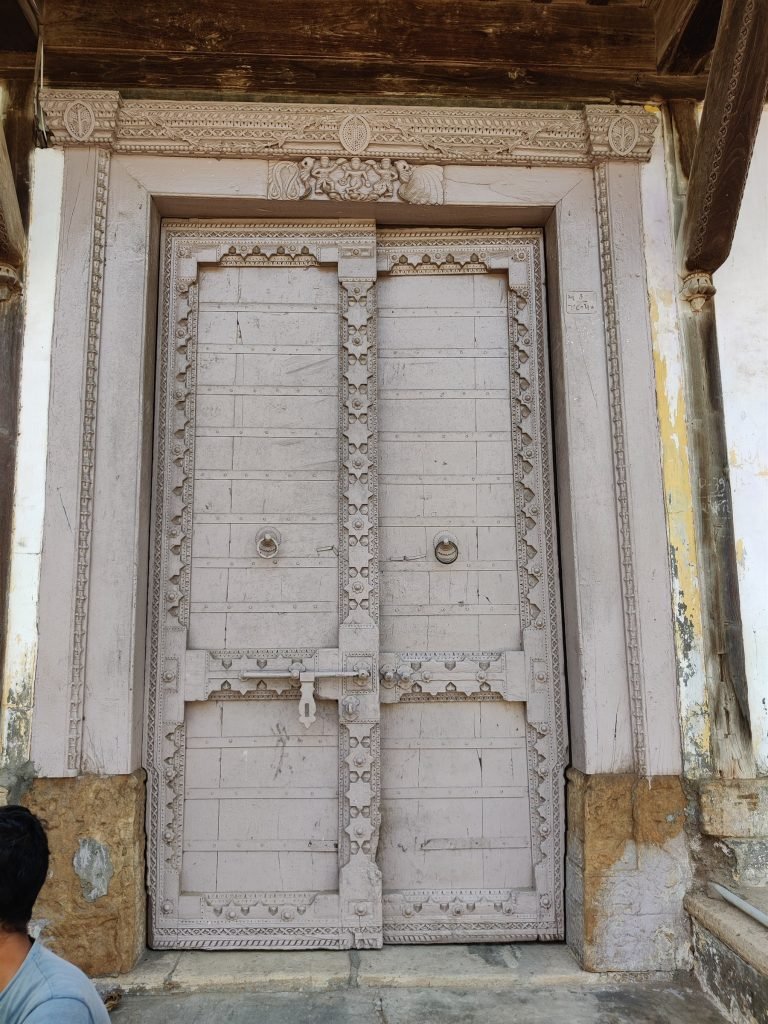
Charotar Villages
Lush dairy & farming country
 HISTORIC
Roza Rozi, Mahemdavad
Old tombs near Mahemdavad
 OLD TOWN
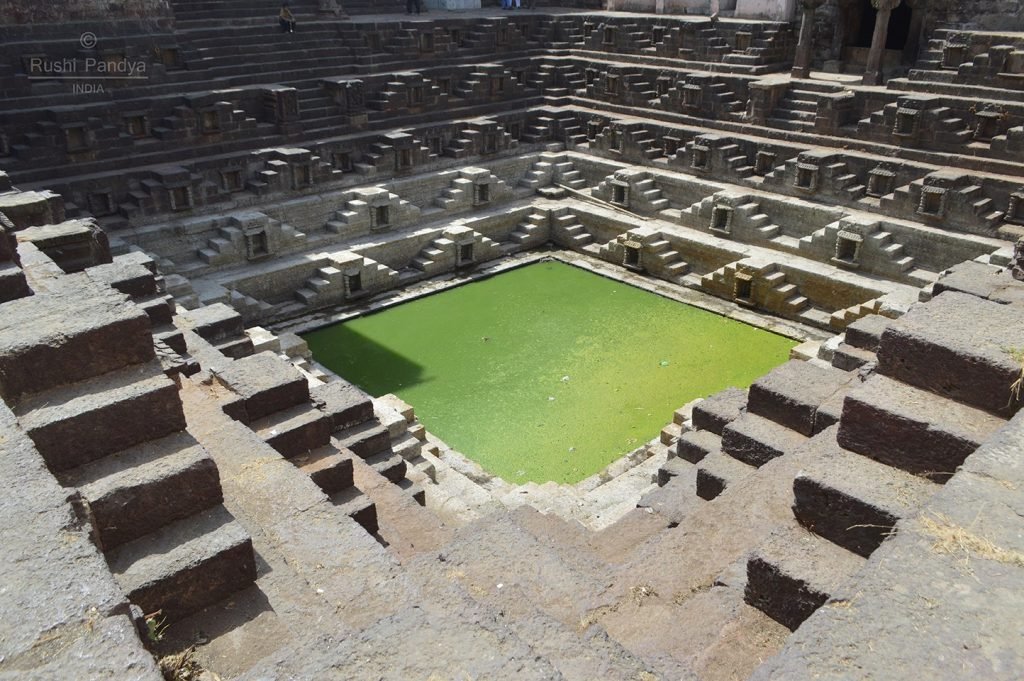
Kapadvanj
Ancient torans and a carved stepwell
 PILGRIMAGE
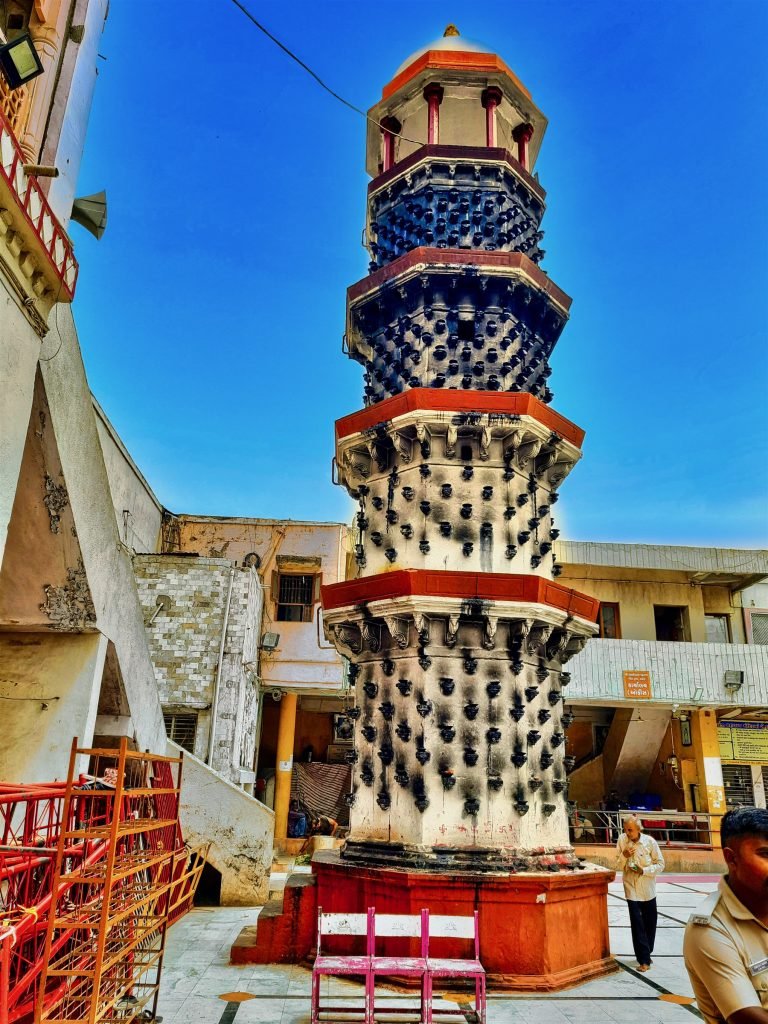
Dakor Ranchhodrai Temple
A great Krishna temple by Gomti lake
 HERITAGE
Kheda Satyagraha Memorial
Site of Gandhi’s 1918 farmer revolt
Where to eat near Galteshwar Temple
Gujarati Thali
Charotar comfort food — an unlimited spread of dal, kadhi, sabzi and rotli.
Doodhpak
A festive milk sweet, thickened and fragrant with cardamom and nuts.
Khaman
Soft, savoury and steamed — the classic Gujarati farsan snack.
Charotar dairy
Rich Amul country milk and dairy from the heart of the milk belt.
A vegetarian belt
The Charotar region is famously veg-friendly — expect superb thalis, farsan and dairy.
Galteshwar Temple FAQ
What is the Galteshwar temple?
A 12th-century Solanki-era Shiva temple in Kheda district, near Sarnal in central Gujarat.
Why is it significant?
It is a fine example of Solanki temple architecture and carving, from the same great age as Modhera and Rani ki Vav.
Where is it?
Near Sarnal, at the Galti–Mahisagar river confluence in Kheda district, central Gujarat.
Is it still a temple?
Yes — it is an active Shiva temple, worshipped as Galteshwar, as well as a protected monument.
What is the best time to visit?
Winter and post-monsoon (October to March), when the riverside setting is green and comfortable.
How does it compare to Modhera?
It is smaller, but of the same great Solanki era and the same exceptional quality of carving.
How do I reach Galteshwar?
Via the NH-48 Ahmedabad–Vadodara highway, then local roads through Thasra toward Sarnal.
What is the nearest railway station?
Nadiad and Anand junctions are the nearest railheads, both well connected.
What else can I see nearby?
Dakor's Ranchhodrai temple, Nadiad's Santram Mandir, Kapadvanj's stepwell and Vadtal's Swaminarayan temple.
Is there an entry fee?
No — the temple has open access and entry is free.
How long should I plan for a visit?
One to two hours is comfortable for the temple and the riverside setting.
What should I wear?
Modest dress is appreciated, as it is an active place of worship.
Related places across Gujarat
 QUIRKY
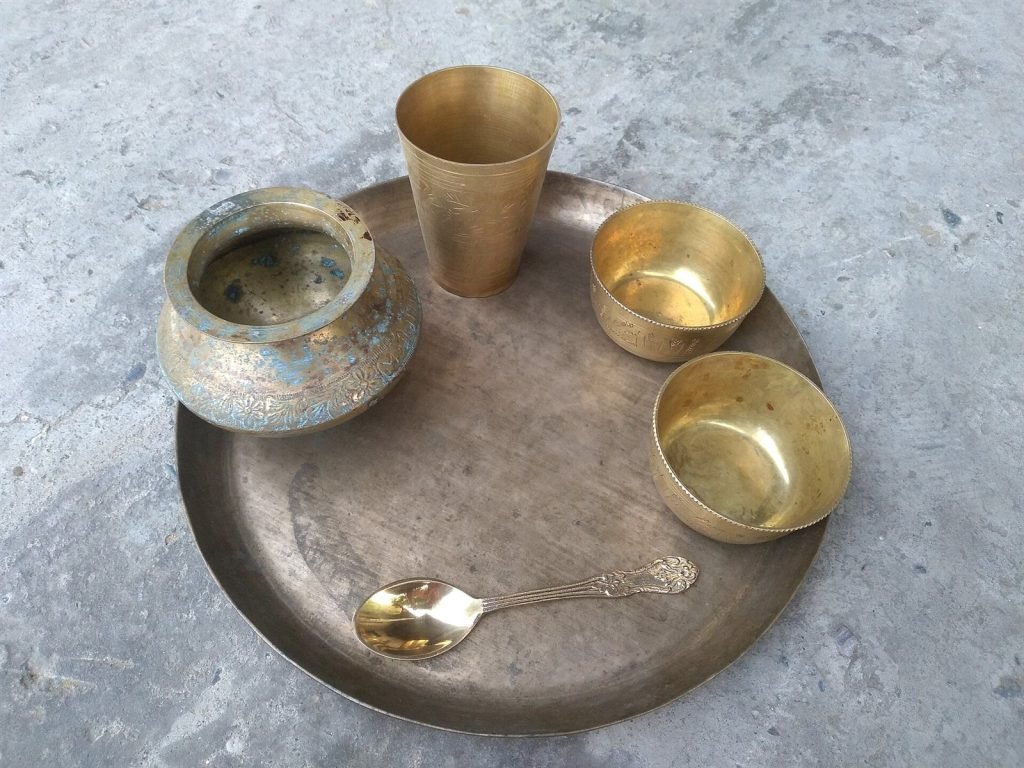
Vechaar Utensils Museum
Thousands of traditional utensils
 COAST
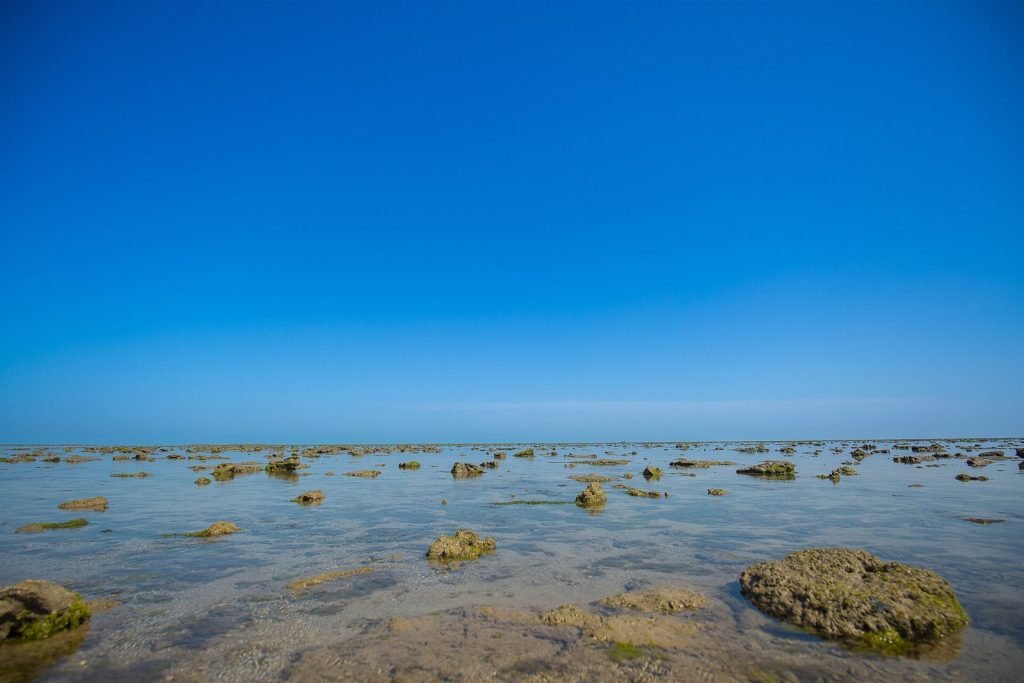
COASTKhambhat Gulf
Vast tidal flats alive with flamingos & waders
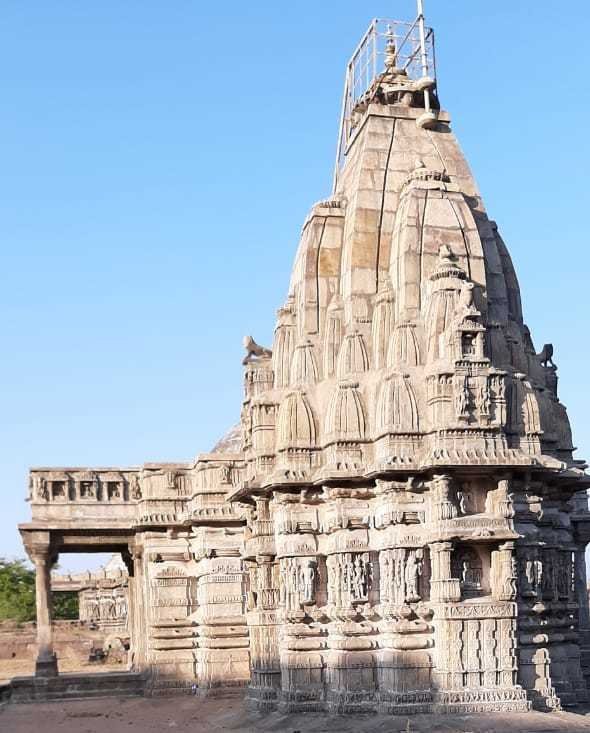
Rafaleshwar Mahadev
A serene Shiva temple by the Machchhu
 SAFARI
Bajana
The classic Little Rann safari base
 ANCIENT
Mata Bhavani Stepwell
An older, atmospheric living shrine
Tribal Deities & Kaleshwari
Sacred groves of the Bhil people
WHERE TO STAY
Find your stay in Gujarat
Compare live prices across the big booking sites and reserve in a few taps. Booking happens securely on the partner's site — we may earn a small commission at no extra cost to you.
Book directly on our partner sites — tap a provider to see live Gujarat hotels & prices:
SHOP THE REGION
Bring home Gujarat — & travel essentials
Hand-picked crafts and trip gear, available on Amazon.
Published 24 June 2026 · Updated 24 August 2026
We’re an independent group of writers and travellers documenting every corner of Gujarat — one place, plate and festival at a time.