Home › Aravalli › Dev ni Mori
BUDDHIST SITE · GUPTA ERA · ARAVALLIA sunken stupa and the finest Buddhist archaeology in Gujarat — Dev ni Mori, the 4th-century CE site whose extraordinary Gupta-era sculptures now rest at the Vadodara Museum.
Dev ni Mori represents one of the most important chapters in Gujarat’s pre-Islamic religious history: a major 4th–5th century CE Buddhist stupa complex in the Meshvo valley. Excavated in the 1960s before the Meshvo reservoir submerged the site, Dev ni Mori yielded extraordinary finds — a sculptural corpus of Gupta-period Buddhist art that includes terracotta figures of rare quality, inscribed copper caskets containing Buddha relics, and architectural fragments that speak to a sophisticated Buddhist artistic tradition in ancient Gujarat.
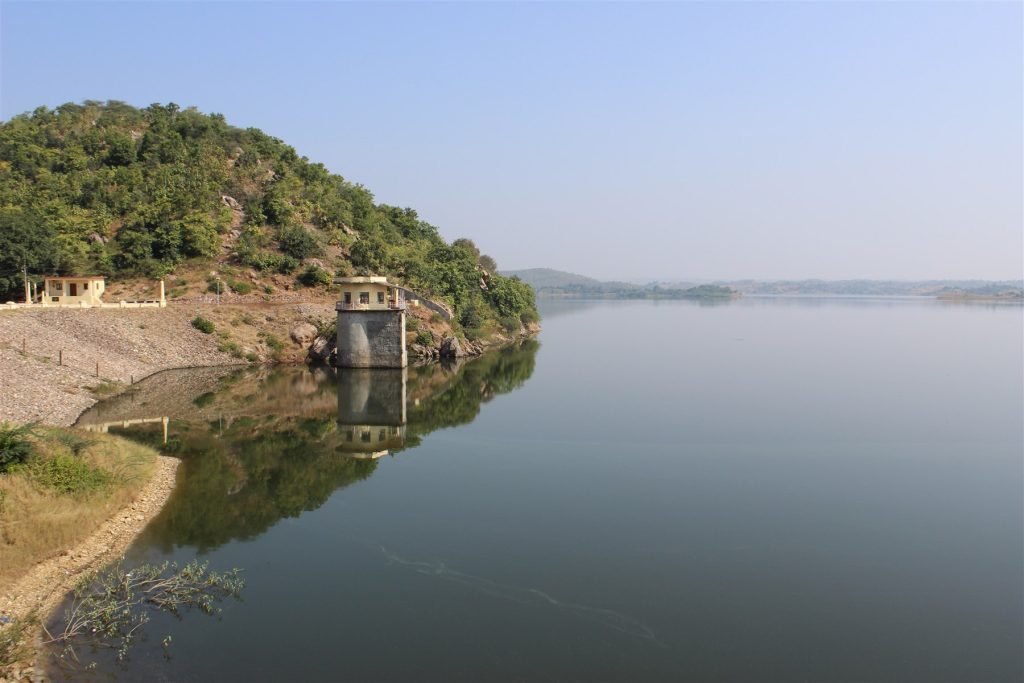
The physical site is now beneath the Meshvo Reservoir. The finds are at the Vadodara Museum — essential viewing for anyone tracing Gujarat’s Buddhist heritage. (Museum at Vadodara. Reservoir area accessible.)
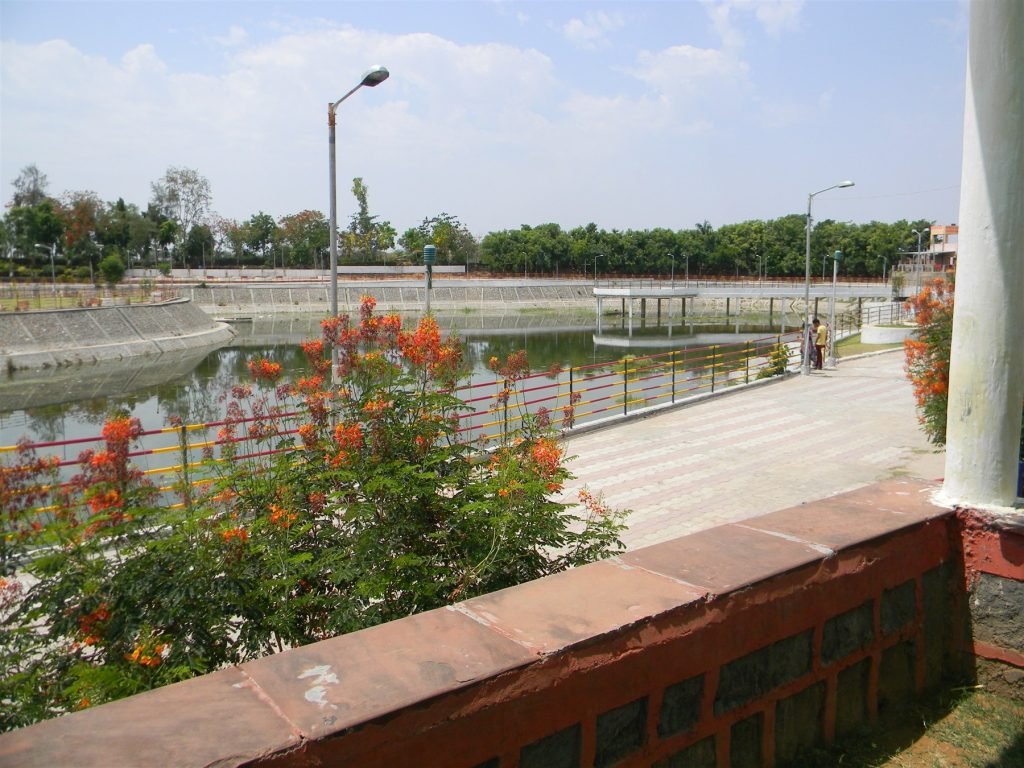
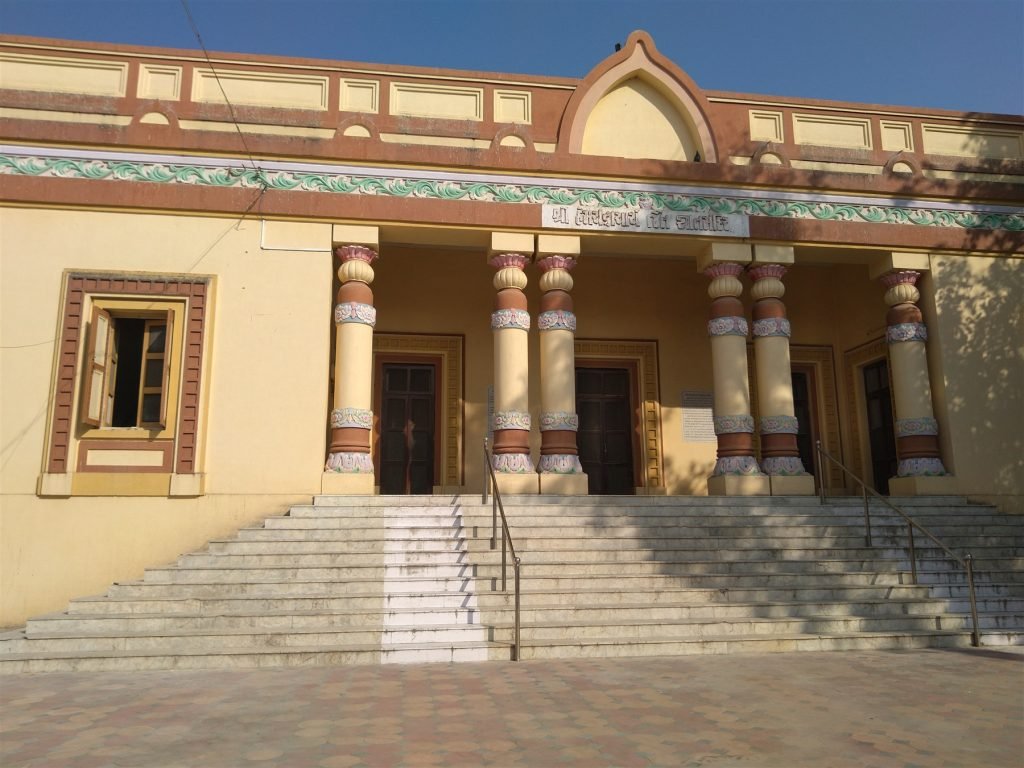
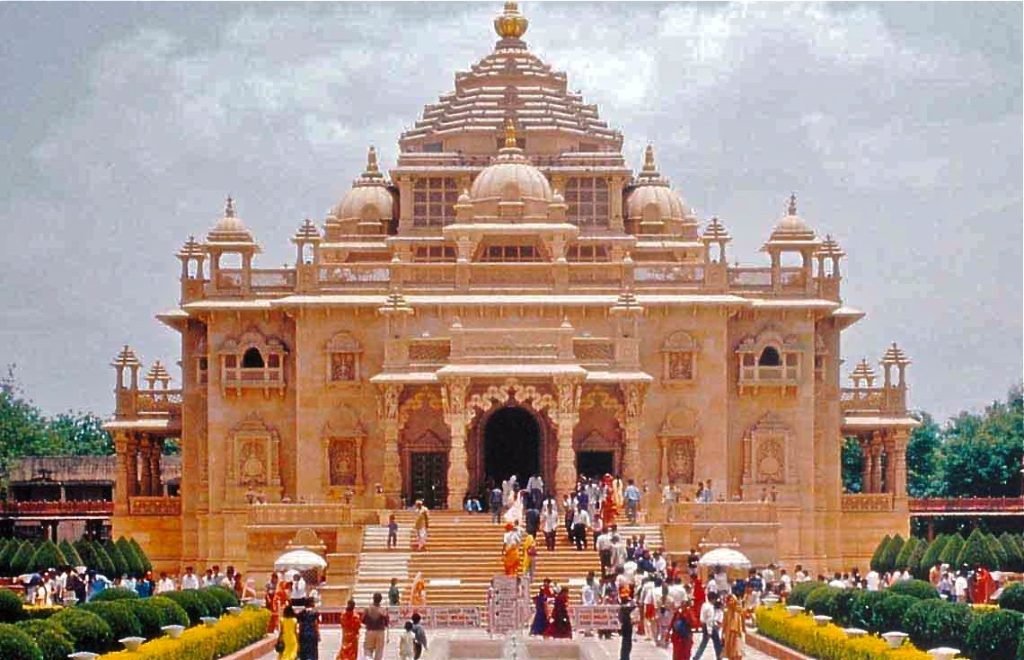
Illustration — Dev ni Mori stupa, Aravalli.
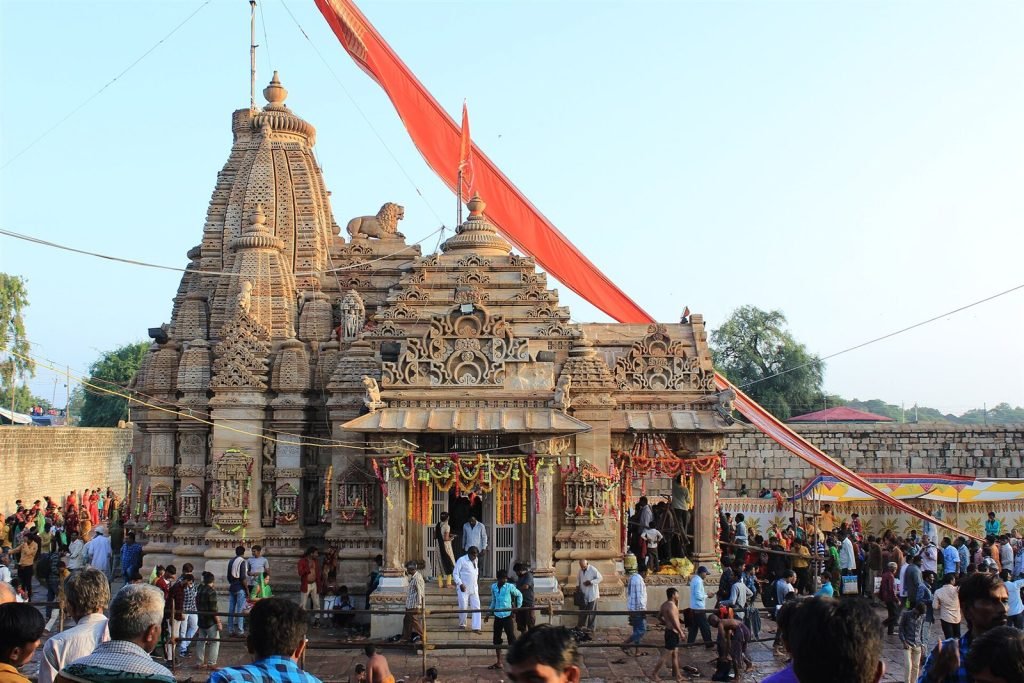
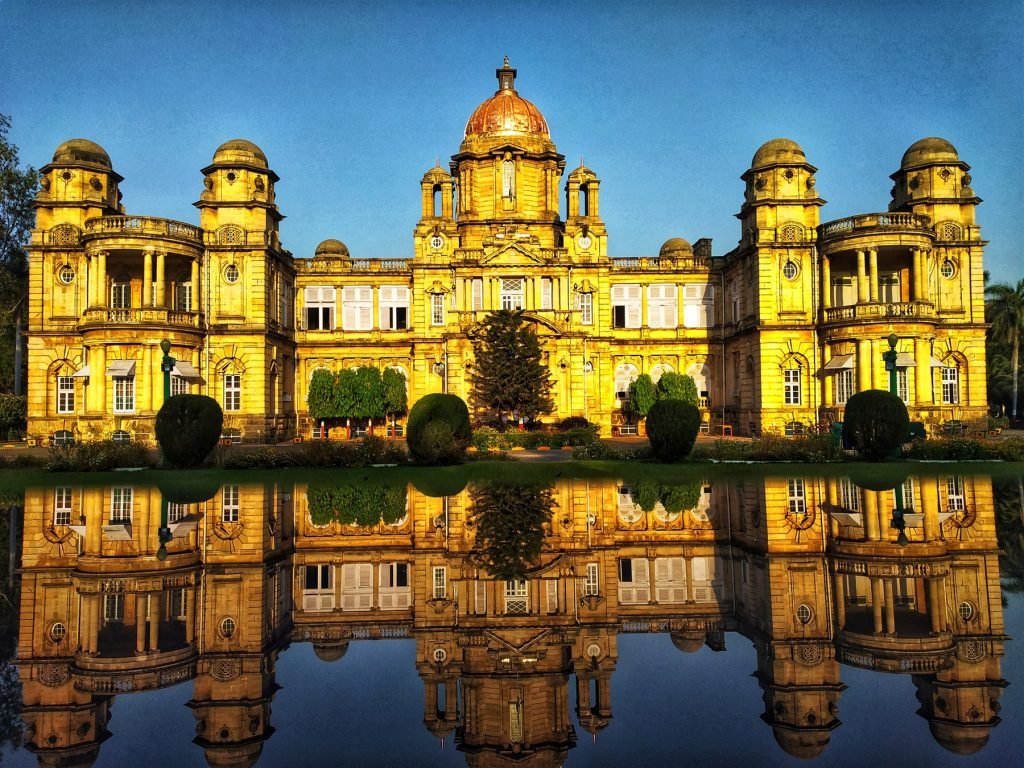
Illustration — Dev ni Mori, Aravalli.
A major Buddhist stupa complex rises in the Meshvo valley of present-day Aravalli.
The site produces terracotta and sculpture of exceptional Gupta-era quality.
Archaeologists excavate and document the site before the reservoir floods it.
The relics are preserved and displayed at the Vadodara Museum.
Gupta-era Buddhist.
Beneath the reservoir.
Copper caskets, terracotta.
Buddhist Gujarat.
Vadodara — essential.
An unusual site.
4th-century CE.
Gupta Buddhist art.
See the submerged site.
The actual finds.
Extraordinary quality.
Aravalli spiritual circuit.
Buddhist Gujarat.
Rare and unusual.
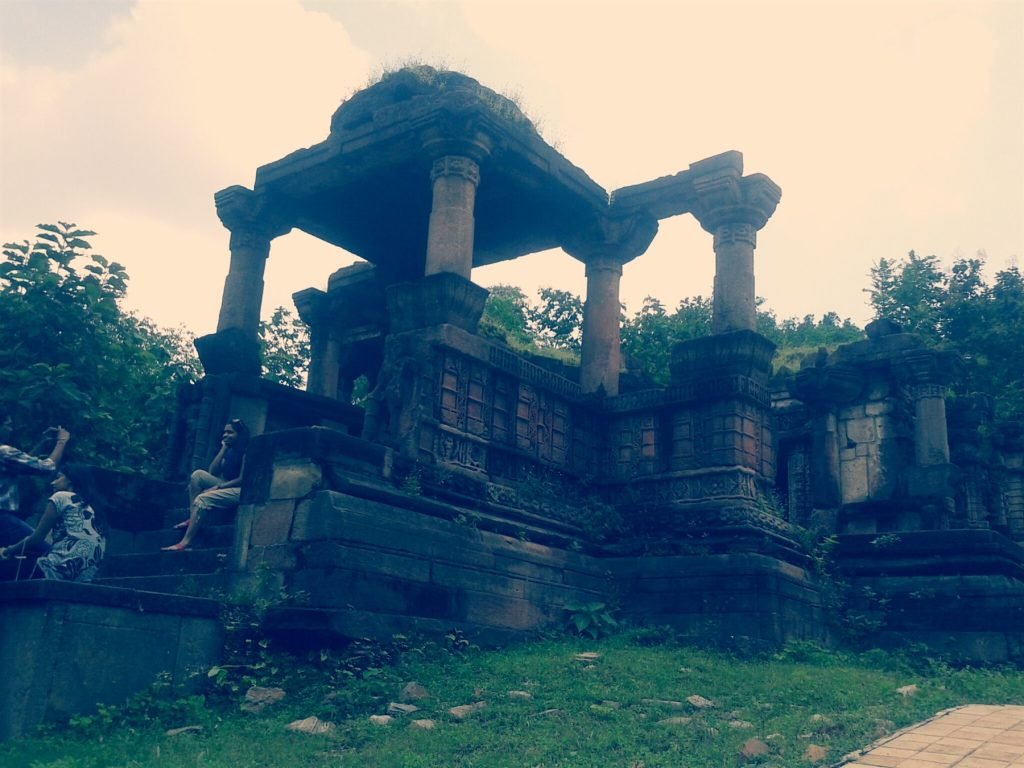
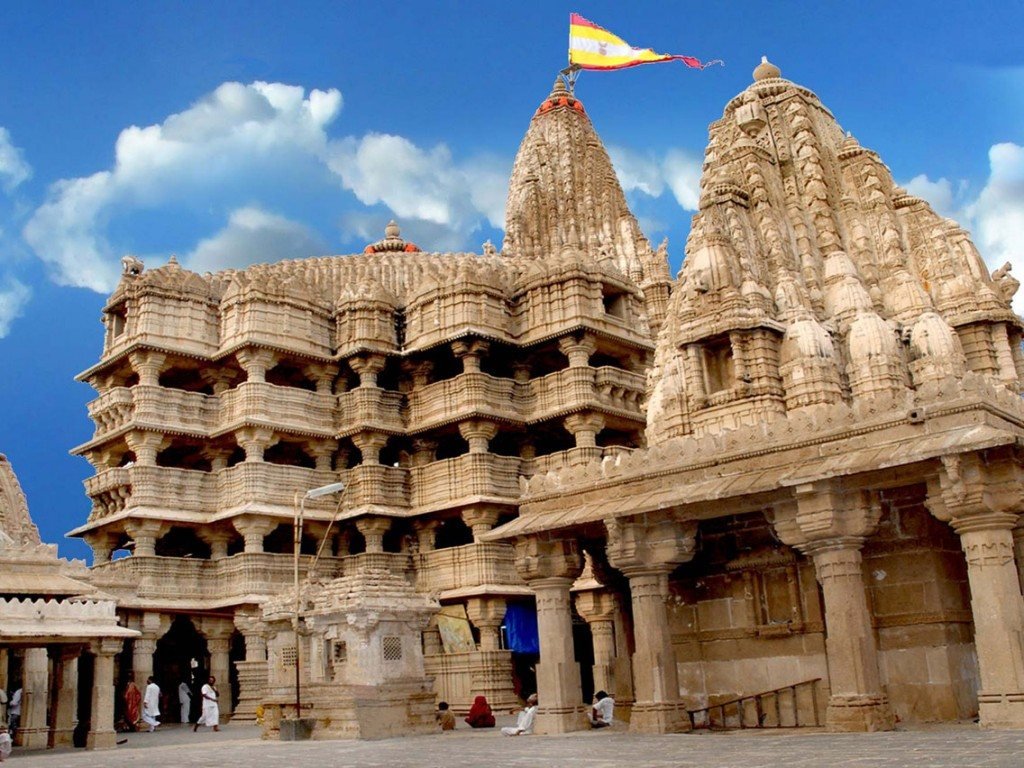
Illustration — Dev ni Mori Buddhist site.
Dev ni Mori was a 4th–5th century CE Buddhist stupa complex — excavated before flooding in 1969 and yielding Gupta-era terracotta, copper reliquary caskets and carved architectural fragments now at the Vadodara Museum. (Illustrated emblem; reservoir area accessible.)
4th–5th century CE Gupta-period Buddhist stupa
Terracotta sculptures of exceptional quality
Copper reliquary caskets with Buddha relics
Submerged 1969; finds at Vadodara Museum
Cool & clear — ideal.
Lush; roads may flood.
Hot; early mornings.
⏰ October to March is ideal for Aravalli.
Ahmedabad airport (~130 km).
Himmatnagar / Modasa.
NH-48 / Modasa.
LOCAL FLAVOURS
Hearty home cooking.
Gujarat's famous snacks.
Local dhabas.
Millets and forest produce.
Quiet, birdrich shores away from the temple crowds
A forested town in the Aravallis
Marvel at the temple's intricate sculptural panels
◐ Carved stone
Rolling green hill country of the district
Hearty home cooking.
Gujarat's famous snacks.
Local dhabas.
Aravalli's kitchens lean hearty and vegetarian — thalis, farsan and tribal millet dishes abound.
No — it's submerged in the reservoir.
Vadodara Museum.
A Buddhist stupa — 4th-century CE.
Free; museum has nominal entry.
October to March.
A morning.
Forest cascades that roar in the monsoon
~42 km
The serene shrine on Kabirvad island
A calm dam-lake beside the Shamlaji temple
Where Swaminarayan lived for decades
Sea-battered ramparts above the harbour
WHERE TO STAY
Compare live prices across the big booking sites and reserve in a few taps. Booking happens securely on the partner's site — we may earn a small commission at no extra cost to you.
SHOP THE REGION
Hand-picked crafts and trip gear, available on Amazon.