Home › Aravalli › Tribal Shrines of Aravalli
ADIVASI · SACRED SITES · ARAVALLISacred stones and spirit flags — the tribal shrines of Aravalli, where Bhil and Garasia Adivasi communities maintain a living animist tradition of sacred groves, ancestral stones and flag-draped hillside shrines.
Throughout Aravalli’s forest hills, the Bhil and Garasia Adivasi communities maintain a rich and living tradition of sacred sites that predate and exist alongside mainstream Hindu temples. These include the Devla or Dev — sacred stones and boulders considered inhabited by ancestral or nature spirits; hillside shrines marked with cloth flags (jhanda); and sacred groves (vav dev, oran) where particular trees or groves are inviolable — no timber, no cultivation.
There is also an elaborate system of clan totems and marriage shrines that structure Bhil social and religious life. For the respectful and curious visitor, these sites offer an encounter with a genuinely different relationship to the sacred — embodied, localized, rooted in landscape rather than enclosed in stone.
Always visit with a local guide and follow community protocols. These are not tourist monuments but living places of worship; permission is required, and a quiet, respectful presence is the only way to experience them well.
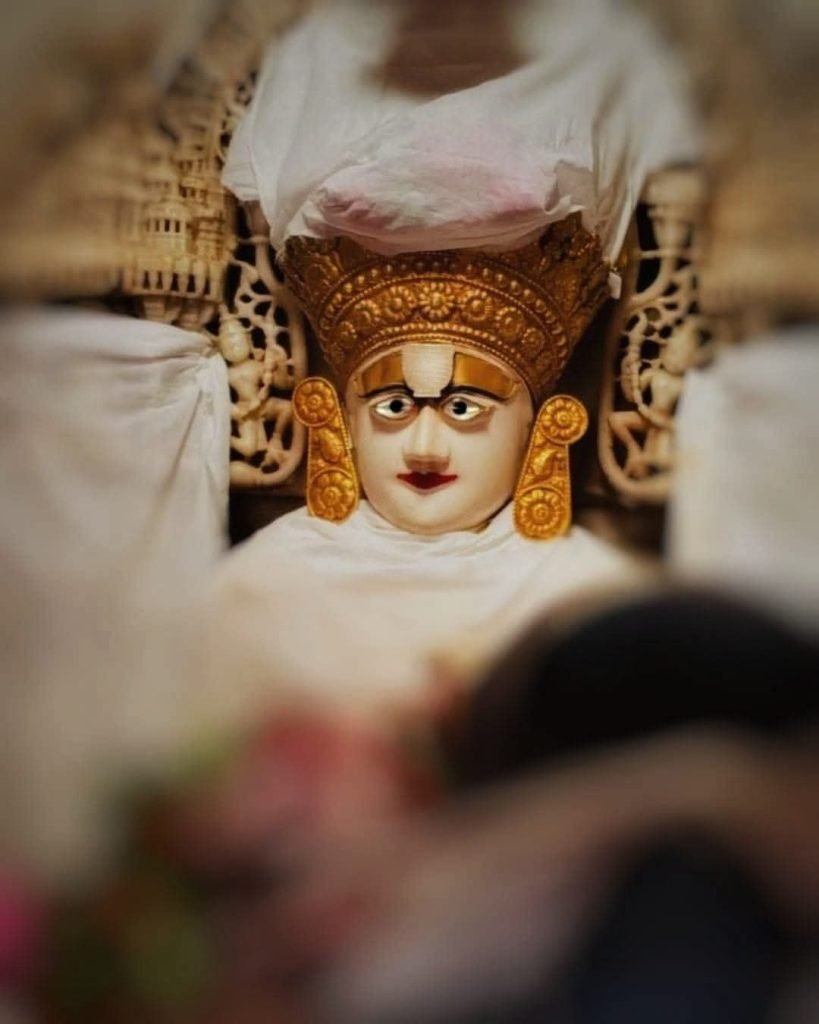
Illustration — Tribal shrine, Aravalli.
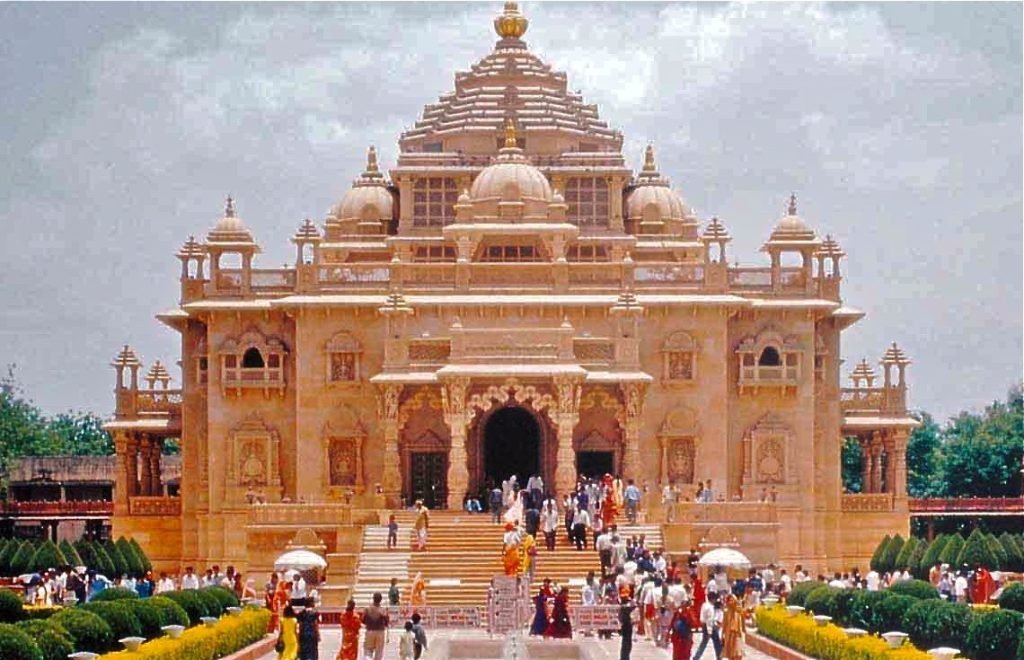
Illustration — Tribal sacred sites.
The Bhil and Garasia peoples have honoured these stones, groves and hillsides since long before recorded history.
The forested Aravalli ranges were long the domain of Bhil communities, who shaped a sacred geography of their own.
The Devla, oran and flag-shrines are still actively tended, garlanded and visited by their communities.
These animist traditions coexist with mainstream Hindu temples, forming a parallel and enduring sacred world.
Inviolable forest — oran where no timber or cultivation is permitted by ancient custom.
Hillside shrines draped with cloth flags (jhanda) marking places of the spirits.
Living Devla — sacred stones and boulders inhabited by ancestral and nature spirits.
A different sacred — an embodied, localized relationship to the holy, rooted in landscape.
Visit only with a local guide who can introduce you and explain community protocols.
With permission only — these are living shrines, not photo backdrops.
Bhil sacred rocks — boulders inhabited by ancestral spirits.
Inviolable forest — groves where no timber or cultivation is allowed.
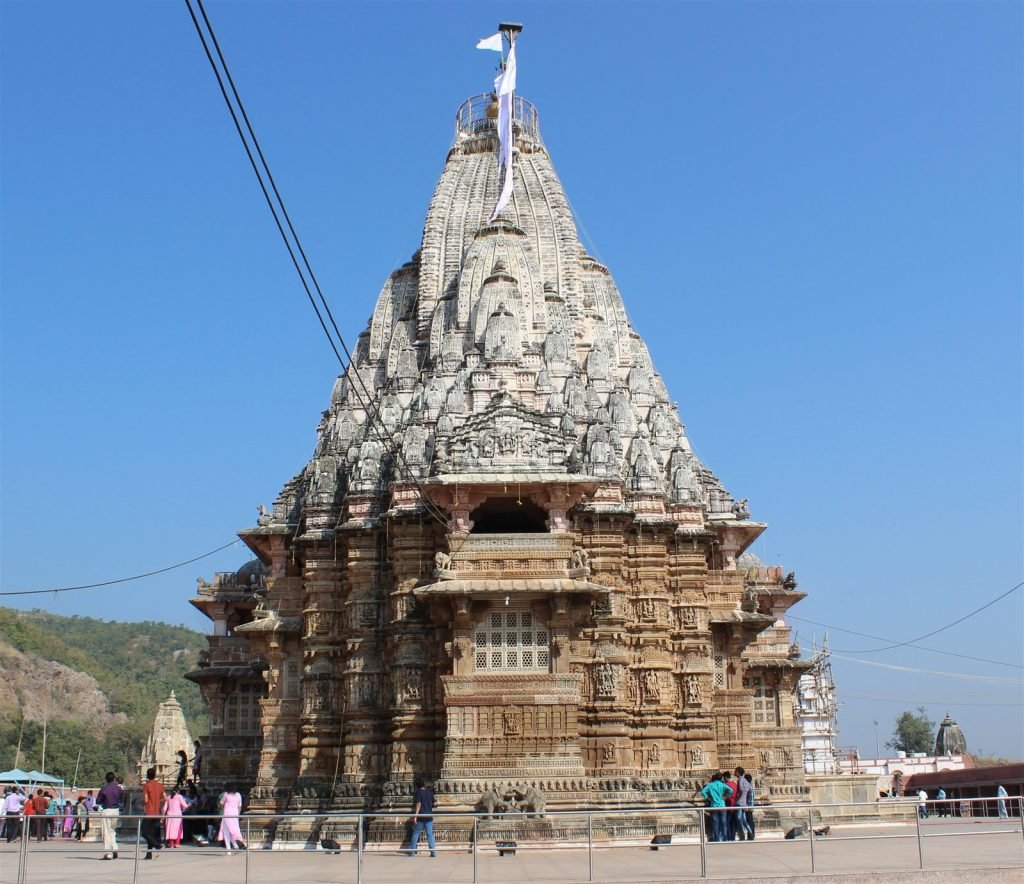
Essential. A guide from a nearby village can introduce you, explain protocols and ensure your visit is welcome.
See the ancestor stones — sacred boulders the Bhil community considers inhabited by spirits.
Walk to an oran, a grove held inviolable by custom where no timber is cut and no land is cultivated.
Learn how hillside spirit-shrines are marked with cloth flags (jhanda) and what they signify.
Hear the tradition first-hand from the people who maintain these living sacred sites.
Permission first — keep your voice low, follow your guide, and never photograph without asking.
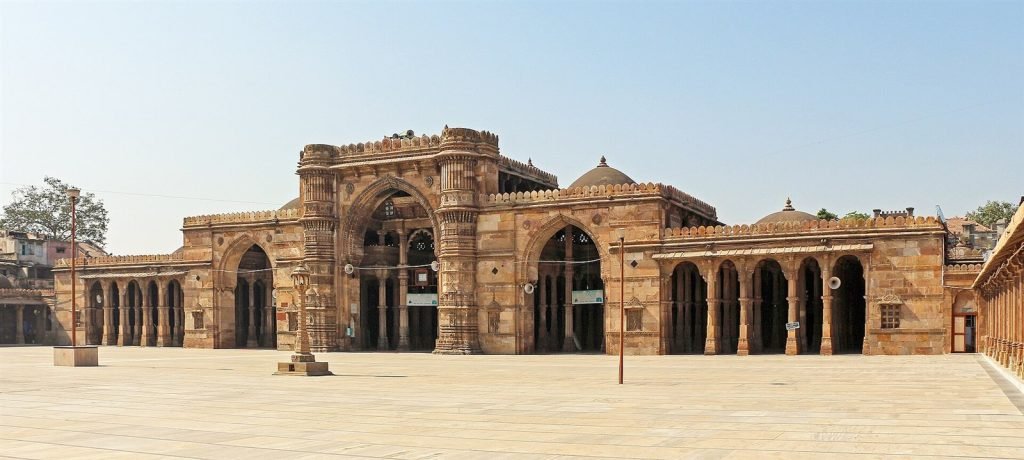
Illustration — Tribal shrine, Aravalli.
The tribal shrines of Aravalli include Devla — ancestral sacred stones and boulders — together with sacred groves (oran) where no timber or cultivation is permitted, and hillside spirit-flag shrines draped with cloth jhanda.
Together these form a living animist sacred tradition maintained by the Bhil and Garasia communities — an illustrated emblem of a faith rooted in landscape. Visit only with a local guide and community permission.
Devla — ancestral sacred stones and boulders
Oran — sacred groves; inviolable by custom
Flag shrines (jhanda) on hillsides
A living Adivasi animist tradition
Cool and clear — the ideal window. Comfortable all day and perfect for unhurried walks into the hills.
Lush and green, but forest roads may flood. Travel cautiously and check conditions locally.
Hot in the Aravalli foothills — set out at first light and keep visits to the early mornings.
⏰ October to March is ideal for Aravalli — cool, dry days and clear light across the hills.
Ahmedabad airport is about 130 km away — the nearest major gateway, with onward road travel into Aravalli.
Himmatnagar and Modasa are the nearest useful railheads for reaching the district and its forest villages.
Reach via NH-48 and Modasa; Bhiloda makes a practical base for the forest villages and shrine areas.
PERMISSION FIRST
Never photograph a shrine, stone or worshipper without explicit permission from your guide and the community.
Early mornings in the cool season give soft light across the hills and the flag-draped shrines.
Keep a low profile, no flash, no staging — these are places of worship, not backdrops.
A modest kit and a quiet manner serve far better here than long lenses or tripods.
A serene dam-lake beside Shamlaji
Lesser-walked forest paths into the Aravallis
Green hideaways and tribal hamlets
◐ Carved stone
A jungle valley of ruined medieval temples
Ancient shrines of the hill country
Hearty home cooking — an unlimited spread of dal, sabzi, rotla and sweets.
Gujarat's famous snacks — dhokla, fafda, khaman and more, fresh from local kitchens.
Local dhabas along the highways serve simple, satisfying roadside meals.
Look out for forest produce and millets — the everyday food of Aravalli's tribal communities.
Sacred stones, groves and flag-shrines of the Bhil and Garasia communities — a living Adivasi animist tradition.
Yes — with a local guide and community permission. These are living places of worship, not tourist monuments.
Ask in Bhiloda or in the forest villages; local people can introduce you and explain the protocols.
Only with explicit permission. Never photograph shrines, stones or worshippers without asking first.
None — but donations are appropriate and gratefully received by the community.
Yes — respectful visitors are welcomed. Follow your guide and observe local customs throughout.
October to March, when the Aravalli foothills are cool, dry and comfortable for walking.
Via NH-48 and Modasa, with Bhiloda as a base; Ahmedabad airport is about 130 km away.
Gandhi's riverside home & the Salt March's start
A hill Shiva shrine above Saputara
Saputara hill station
◐ Midday · turquoise water
A 36 km circumambulation through the forest
The sacred island where Krishna is said to have lived
WHERE TO STAY
Compare live prices across the big booking sites and reserve in a few taps. Booking happens securely on the partner's site — we may earn a small commission at no extra cost to you.
SHOP THE REGION
Hand-picked crafts and trip gear, available on Amazon.