
Home › Kheda › Vaso Wooden Havelis
HERITAGE · WOODEN HAVELIS · CRAFTVaso Wooden Havelis
Carved timber mansions of a prosperous past — the wooden havelis of Vaso, with their intricately worked façades, brackets and balconies, are among the finest surviving examples of the domestic woodcarving tradition of central Gujarat's Charotar region.
The woodcarving heritage of the Charotar
The village of Vaso, in the Charotar region of Kheda district, is renowned among heritage enthusiasts for its extraordinary wooden havelis — the carved timber mansions of prosperous merchant and landowning families, built in the 18th and 19th centuries and decorated with some of the finest domestic woodcarving in Gujarat.
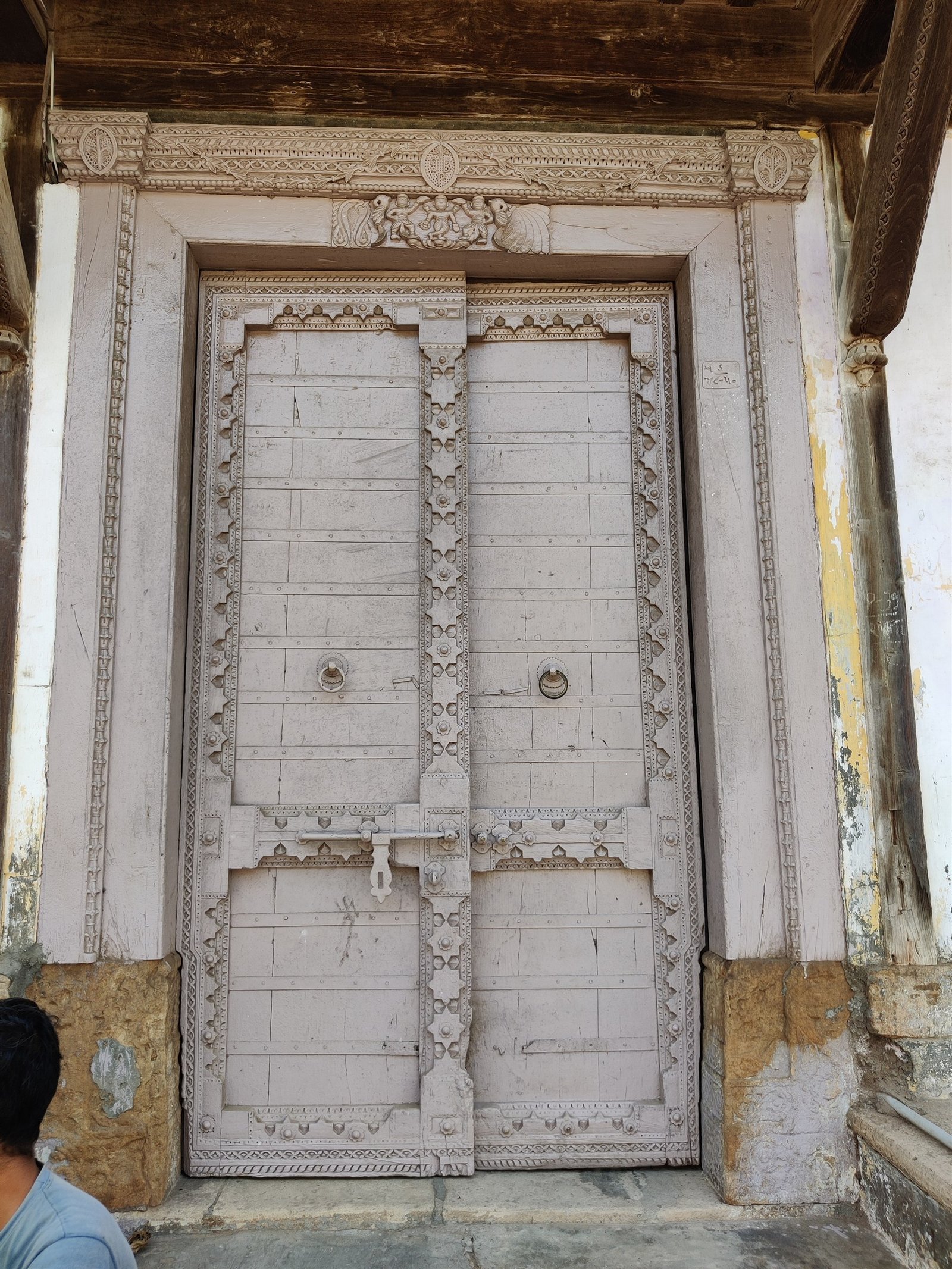
The Charotar — the fertile heartland of central Gujarat — produced great agricultural and trading wealth, and the families who prospered expressed their status in the grandeur of their homes. The havelis of Vaso and the surrounding villages feature elaborately carved wooden façades, brackets, columns, doorways, balconies and window screens, the woodwork executed with a richness and precision that rivals the better-known havelis of Rajasthan.
Many of these havelis have been lost to time and redevelopment, which makes the surviving examples all the more precious. Vaso retains a concentration of them, and a walk through the village is a journey into the domestic architecture and craftsmanship of a prosperous bygone era. (Privately owned heritage homes; view respectfully from the street; do not enter without permission; best in the cooler months.)
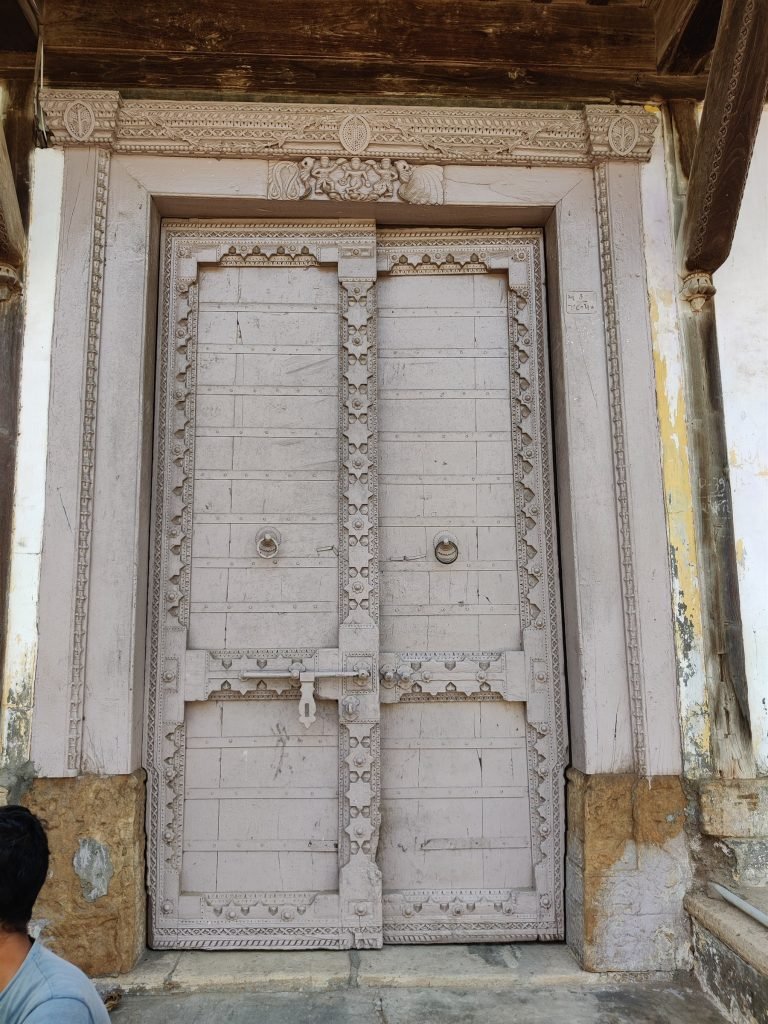
Carved haveli façade, Charotar region. Source: Wikimedia Commons.
Carved woodwork of the Charotar's rich families
Carved haveli woodwork. Wikimedia Commons.
Carved timber mansions raised by the merchant and landowning families of the Charotar at the height of their wealth.
The fertile heartland of central Gujarat produced great agricultural and trading wealth, expressed in the grandeur of homes.
Elaborately carved façades, brackets, columns, doorways and balconies, executed with richness and precision.
Many havelis have been lost to time and redevelopment; the surviving examples are precious and deserving of care.
Reasons to make the time
Havelis
Carved timber mansions.
Woodcarving
Intricate façades.
Heritage
Charotar prosperity.
Village walk
Streets of havelis.
Architecture
A bygone era.
Hidden
Undiscovered treasure.
What to look for inside
THE HAVELISVaso
Carved timber mansions.
 THE CHAROTAR
Heritage
Prosperous villages.
How to spend an hour or two
Walk the haveli streets
Carved façades line the village lanes — a slow wander reveals the finest surviving timber mansions.
Study the woodwork
Look up at the brackets and balconies, where the carver's richness and precision rivals Rajasthan's havelis.
View respectfully
These are privately owned homes — admire them from the street and do not enter without permission.
Learn the Charotar story
Understand the wealth and craft of central Gujarat's fertile heartland that raised these mansions.
Photograph the façades
Frame the carved doorways and window screens from the street, in the soft light of morning.
Appreciate the fragility
Many havelis are lost; the surviving examples are a heritage at risk and worth cherishing.
Carved haveli woodwork. Wikimedia Commons.
Charotar woodcarving tradition
The wooden havelis of Vaso are among the finest examples of the domestic woodcarving tradition of the Charotar — carved timber mansions built in the 18th and 19th centuries by prosperous merchant and landowning families.
Their elaborately worked façades, brackets, columns, doorways and balconies rival the better-known havelis of Rajasthan, and the surviving examples are a precious and fragile heritage. (Privately owned heritage homes; view respectfully from the street; do not enter without permission.)
For everything else the district holds, see our Kheda travel guide.
Carved wooden havelis of the 18th–19th centuries
Among the finest Charotar domestic woodcarving
Built by prosperous merchant and landowning families
A precious and fragile architectural heritage
When to go
Cool and pleasant — ideal. Comfortable all day and perfect for an unhurried village walk.
Green countryside across the Charotar. Showers are short and the fields turn lush.
Hot across central Gujarat; early morning is best for a comfortable walk through the lanes.
⏰ Winter is the most comfortable season across Kheda district — come October to February for cool, bright days.
Timings & entry
- The havelis stand along public village lanes — there are no fixed hours
- View from the street at any reasonable daytime hour
- Mornings offer the softest light and quietest lanes
- Allow 1–2 hours for an unhurried walk
- Open access — the havelis are seen from the public streets
- The homes are privately owned; do not enter without permission
- View respectfully and keep noise to a minimum
- Best enjoyed in the cooler months, October to March
Getting there
By Air
Ahmedabad's Sardar Vallabhbhai Patel International Airport is about 55 km away — roughly a 1.5 hour drive to Vaso.
By Rail
Nadiad and Anand junctions are the nearest railheads, both major stops on the Ahmedabad–Vadodara line, a short drive from the village.
By Road
Vaso sits near the NH-48 Ahmedabad–Vadodara corridor, easily reached by car or bus via Nadiad and Anand.
Shooting the havelis
STREET-VIEW HERITAGE
Carved timber façades, brackets and balconies in soft morning light
Best light
Come in the morning, when low sun rakes across the carved timber façades and brings out the depth of the woodwork.
What to shoot
The carved brackets, columns, doorways, balconies and window screens — the details that make these havelis remarkable.
Be respectful
These are private homes — photograph from the street, avoid intruding, and ask before pointing a lens at residents.
Gear tip
A short telephoto helps isolate the carving high on the façades; go wider to capture a whole haveli from across the lane.
Know before you go
More to see close by
 PILGRIMAGE
Dakor Ranchhodrai Temple
A great Krishna temple by Gomti lake
 4
4Kapadvanj Torans
Ancient ornamental gateways of a faded town
 TEMPLE
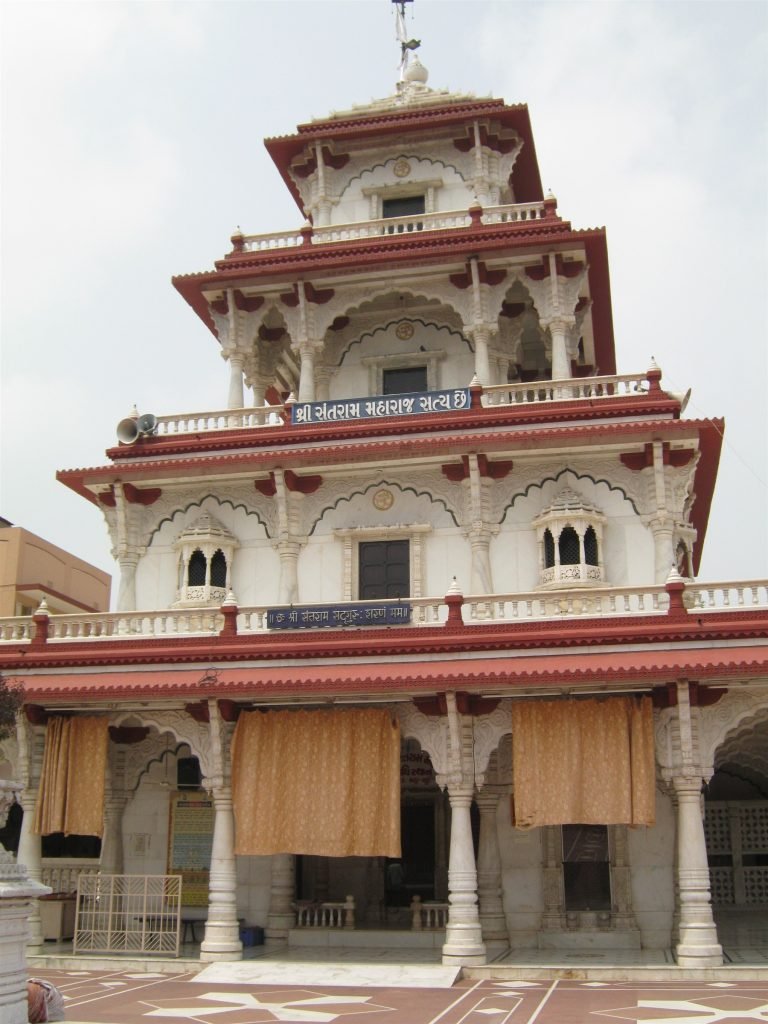
Nadiad Santram Mandir
The revered seat of Santram Maharaj
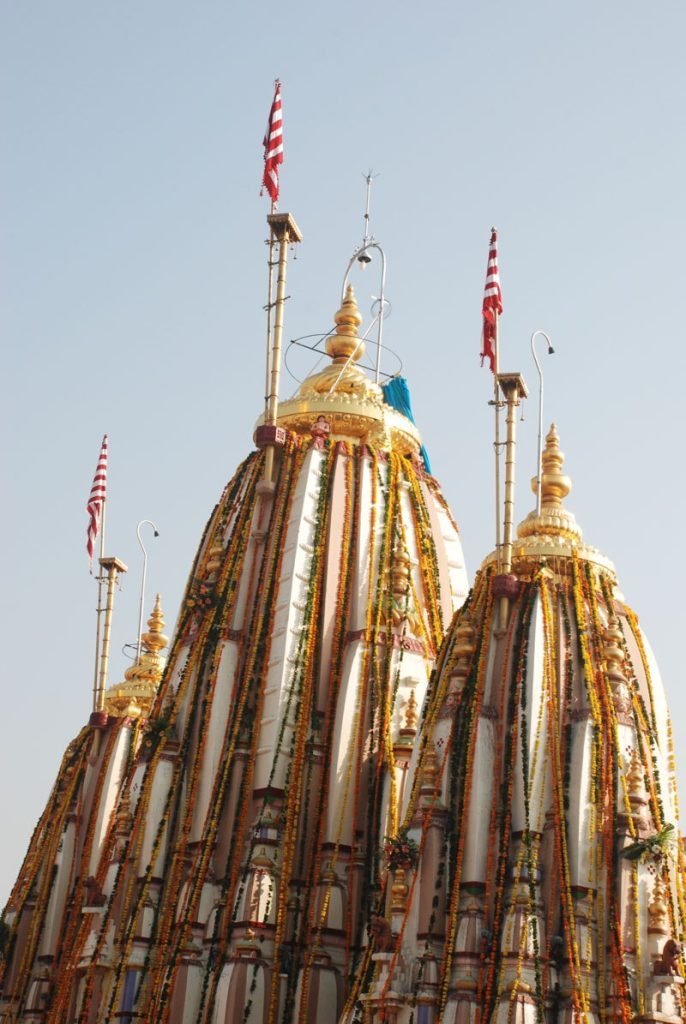
Vadtal Swaminarayan Temple
A principal Swaminarayan dham temple
 COUNTRYSIDE
Charotar Villages
Lush dairy & farming country
 STEPWELL
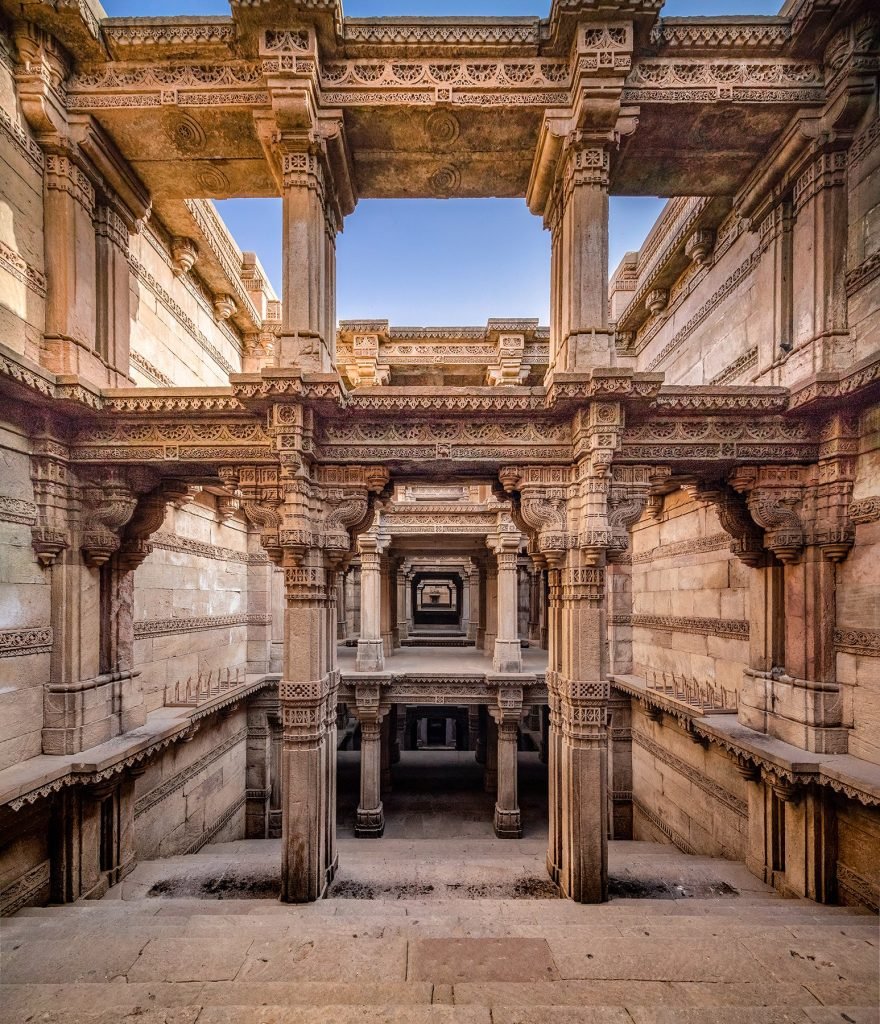
Bhammariyo Kuvo
Mahemdavad’s helical step-well
Where to eat near Vaso Wooden Havelis
Gujarati Thali
Charotar comfort food — an unlimited vegetarian spread of rotli, shaak, dal, rice and farsan.
Doodhpak
A festive milk sweet, slow-simmered and fragrant — a Charotar favourite.
Charotar dairy
This is Amul country — rich country milk, ghee and buttermilk from the heartland's famous dairies.
A vegetarian heartland
The Charotar is famously veg-friendly — expect generous thalis, fresh farsan and excellent dairy.
Vaso Wooden Havelis FAQ
What is Vaso known for?
Its extraordinary carved wooden havelis — the finest domestic woodcarving heritage of the Charotar.
When were they built?
In the 18th and 19th centuries, by prosperous merchant and landowning families.
Can I go inside?
They are privately owned — view respectfully from the street and do not enter without permission.
Why are they significant?
They are among the finest examples of Charotar woodcarving heritage, rivalling the havelis of Rajasthan.
Best time to visit?
The cooler months — October to February — when central Gujarat's weather is comfortable all day.
What is the Charotar?
The fertile, prosperous heartland of central Gujarat, whose agricultural and trading wealth raised these mansions.
How do I reach Vaso?
It lies near the NH-48 corridor; Nadiad (15 km) and Anand (18 km) are the nearest railheads and towns.
How much time should I plan?
One to two hours is comfortable for an unhurried walk through the lanes of havelis.
Related places across Gujarat
 RITUAL
Narmada Aarti
Evening river worship on the banks
 GARDEN
Sayaji Baug
Western India’s largest park, with a zoo & museum
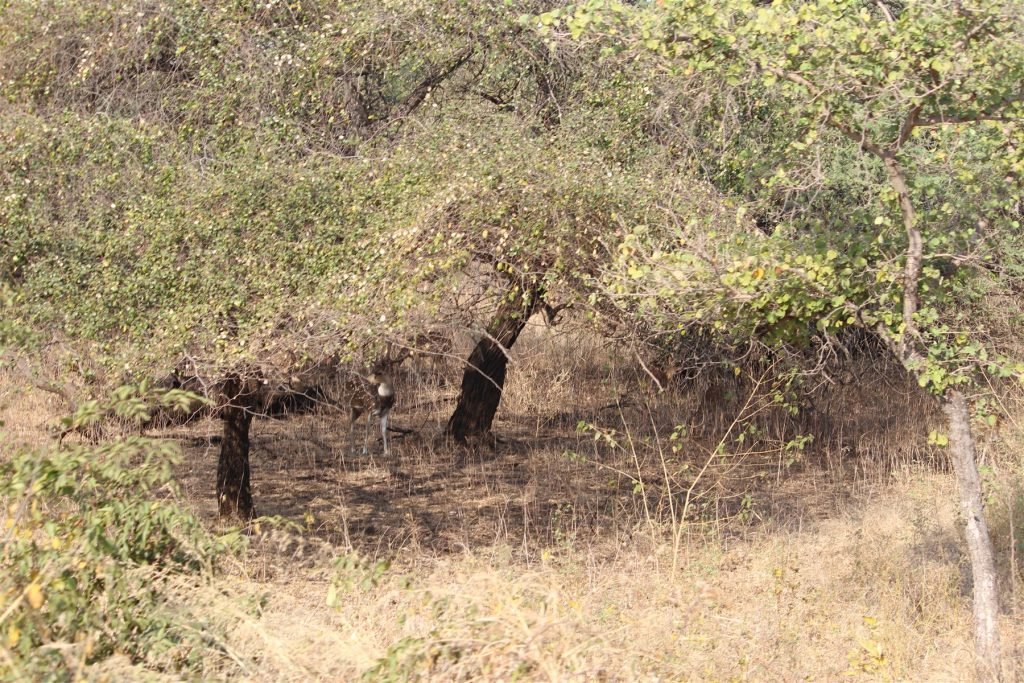 WILDLIFE
Gir National Park
The last wild home of the Asiatic lion
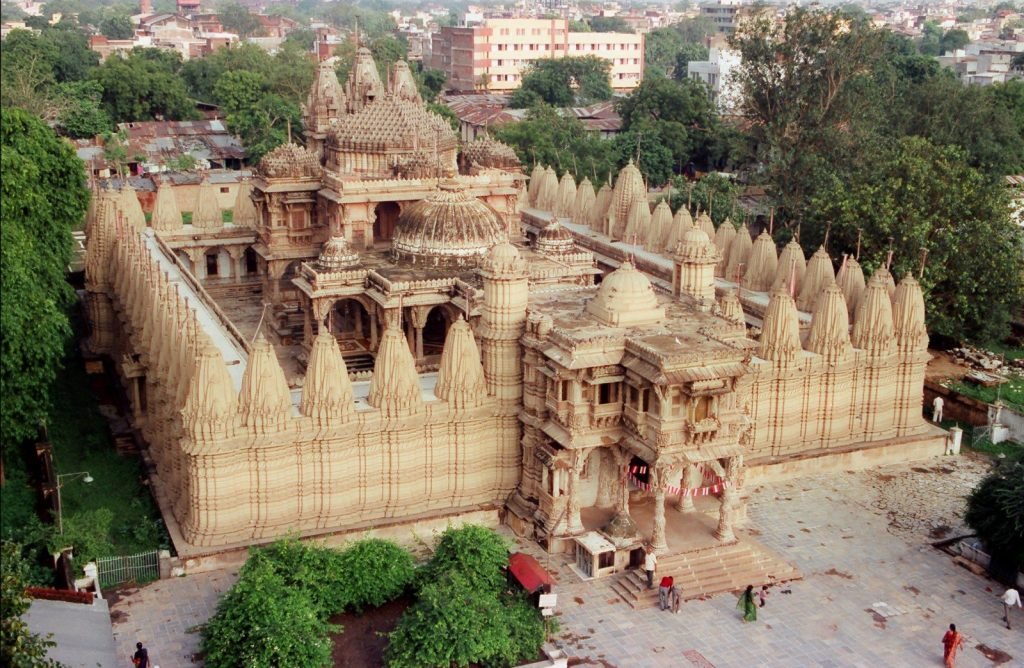
Hutheesing Jain Temple
Exquisite 1848 marble Jain temple
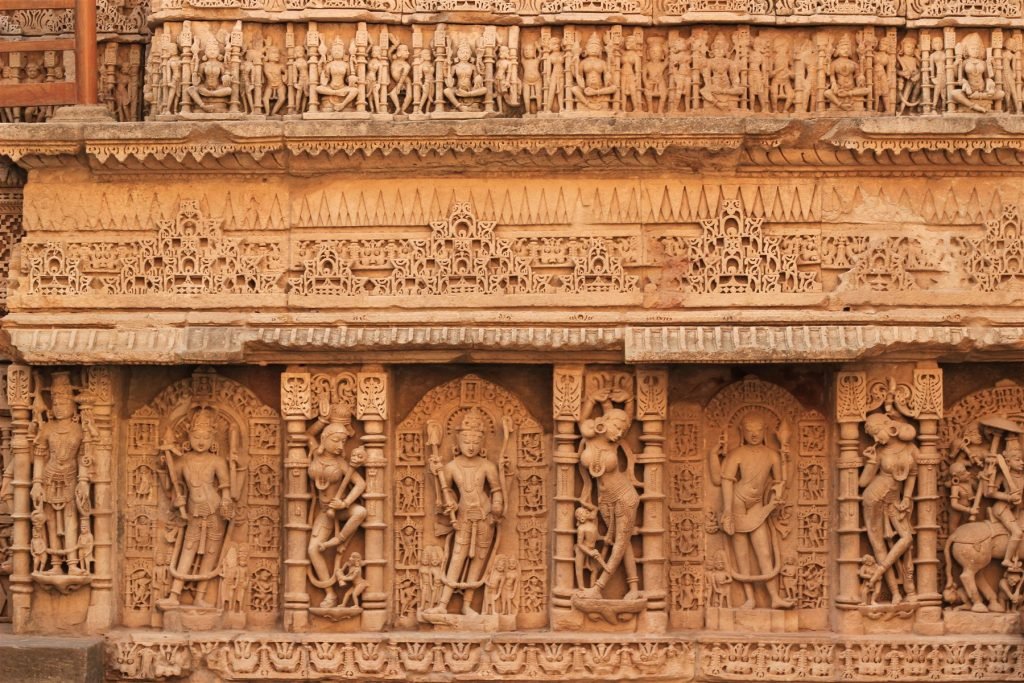 UNESCO
Rani ki Vav
The 11th-century ‘Queen’s Stepwell’ & its 800+ carvings
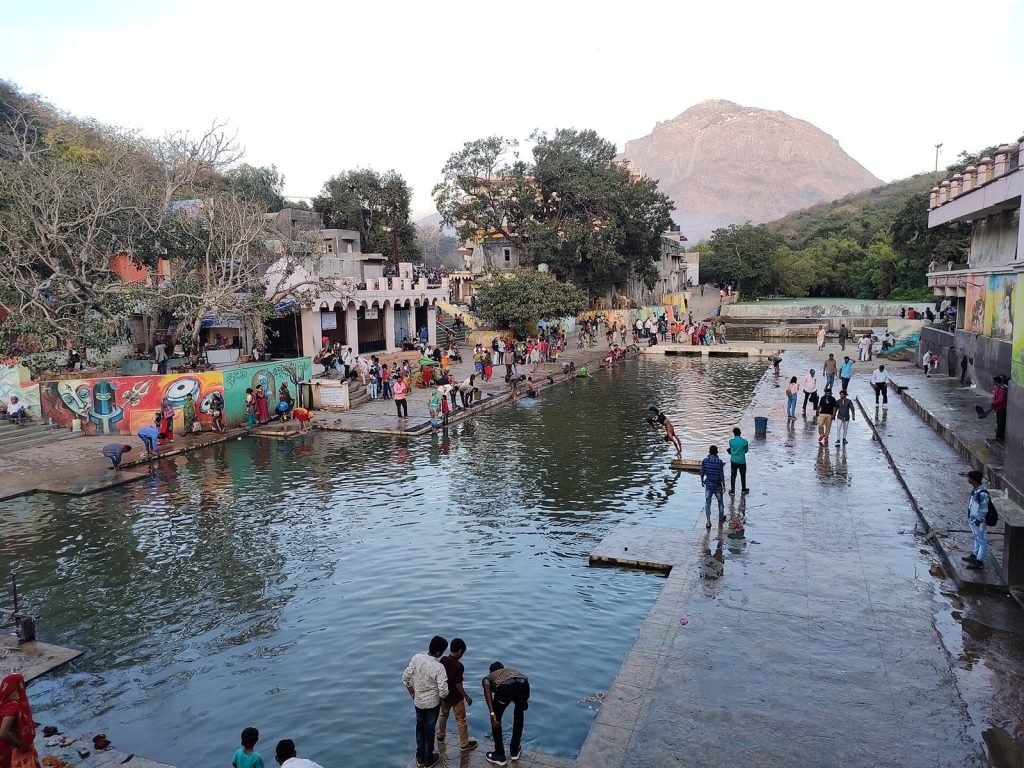 DAM
DAMGuhai Dam
Quiet backwaters rich in birdlife
WHERE TO STAY
Find your stay in Gujarat
Compare live prices across the big booking sites and reserve in a few taps. Booking happens securely on the partner's site — we may earn a small commission at no extra cost to you.
Book directly on our partner sites — tap a provider to see live Gujarat hotels & prices:
SHOP THE REGION
Bring home Gujarat — & travel essentials
Hand-picked crafts and trip gear, available on Amazon.
Published 24 June 2026 · Updated 24 August 2026
We’re an independent group of writers and travellers documenting every corner of Gujarat — one place, plate and festival at a time.