
Tribal Haats
The colour of the tribal countryside — the weekly haat markets of Dahod, where Bhil and Rathwa villagers gather to trade produce, crafts and the votive terracotta horses of their folk religion, are among the most vivid and authentic cultural experiences in eastern Gujarat.
The weekly markets of tribal Dahod
The weekly haat — the periodic village market — is the beating heart of rural and tribal life across Dahod district, and one of the most vivid and authentic cultural experiences the region offers to the traveller. On market days, the Bhil, Rathwa and other Adivasi communities of the surrounding countryside converge on the market towns — Jhalod, Limkheda, Garbada and others — to buy and sell.
The haat is a riot of colour and activity: stalls of fresh produce, grain and spices; livestock and agricultural goods; everyday necessities; and the distinctive products of the tribal culture, from textiles and silver ornaments to the votive terracotta horses that are offered at village shrines. More than a market, the haat is a social occasion — a weekly gathering where news is exchanged, relationships are renewed, and the rhythms of the tribal countryside play out in full view.
The colour, the energy, the faces and the goods make it one of the most photogenic and culturally rich experiences in the district. For the traveller seeking the real texture of tribal Gujarat, timing a visit to coincide with a haat day — and attending respectfully, ideally with a local guide — is one of the great rewards of the region. Visit with a local guide; respect the community; ask before photographing people; market days vary by town.
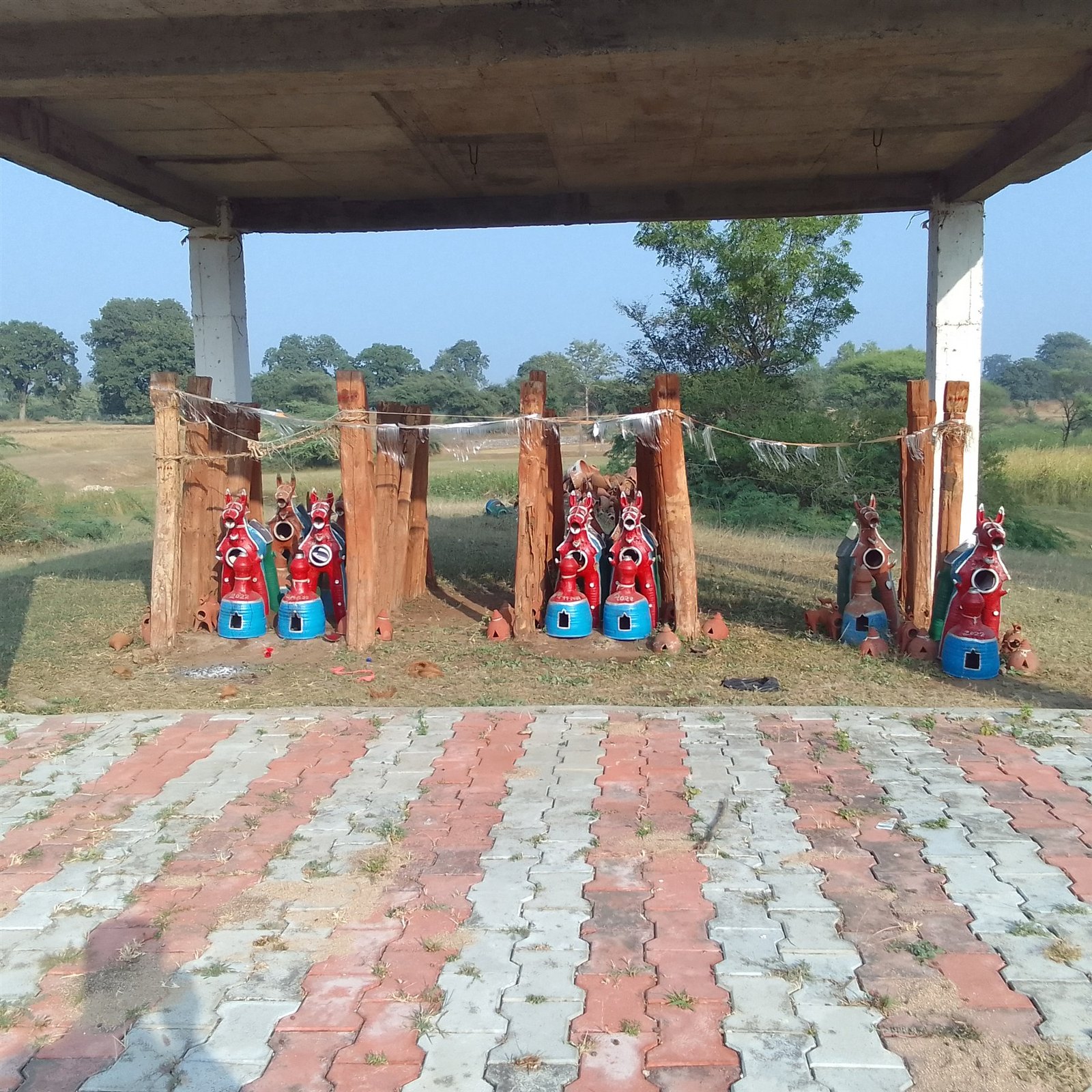
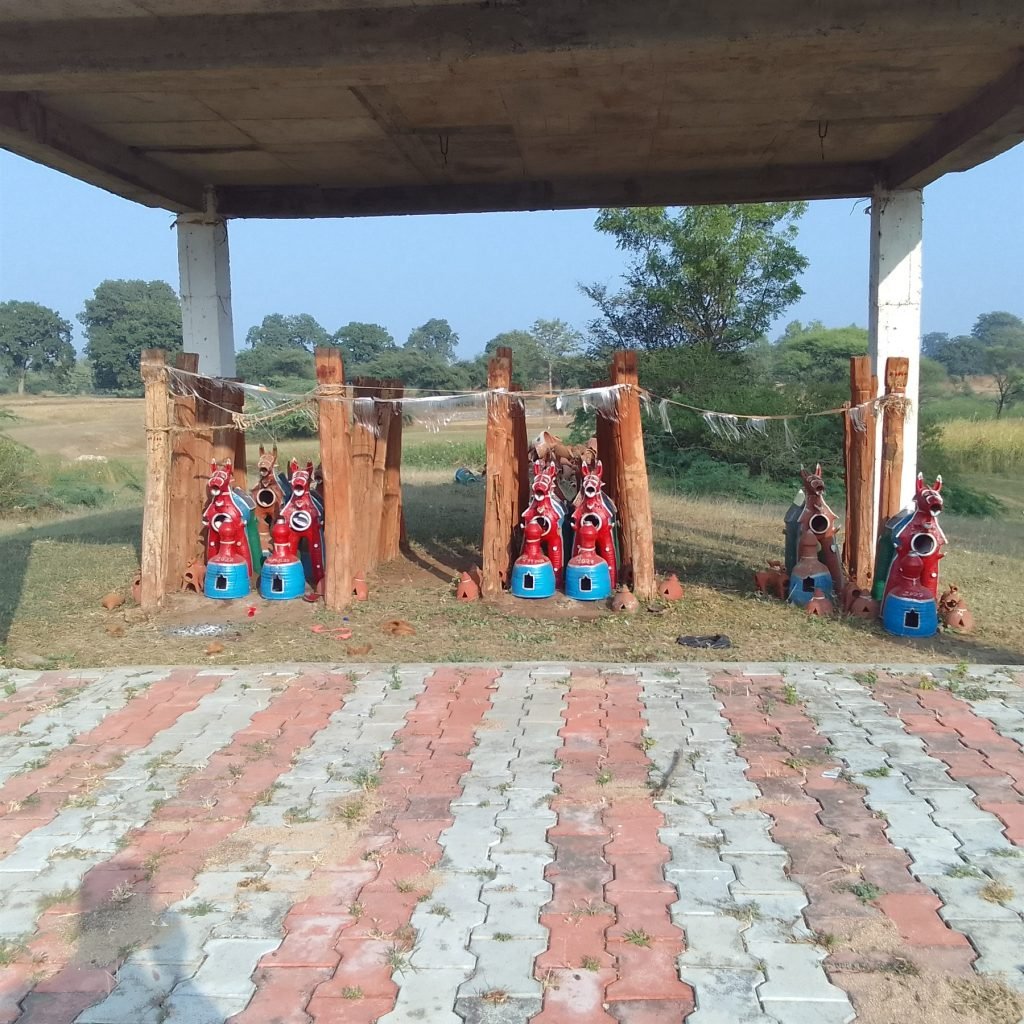
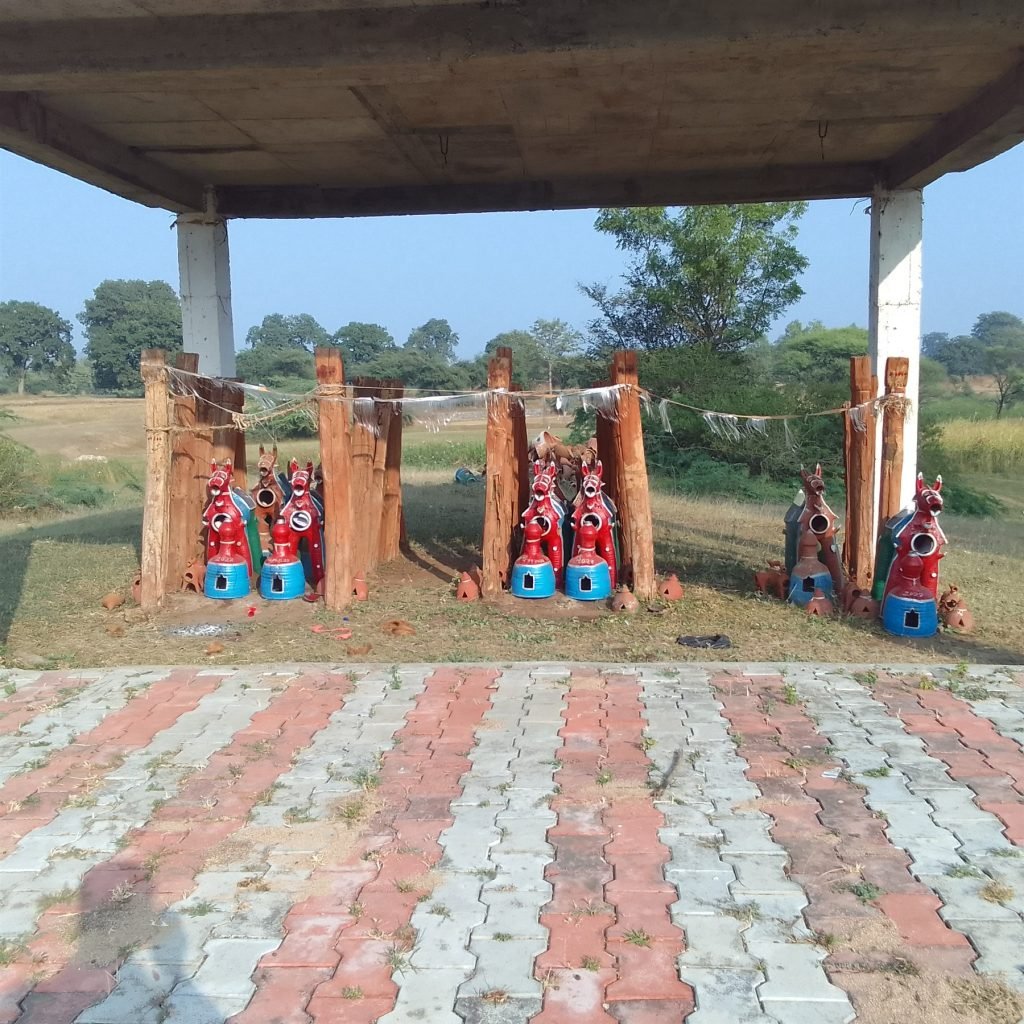
Votive terracotta horses, a tribal craft of Dahod. Source: Wikimedia Commons.
Where the tribal heartland trades and meets
Votive terracotta horses, Dahod. Wikimedia Commons.
The rural trading rhythm.
Bhil and Rathwa.
Textiles, silver, terracotta.
A vivid cultural experience.
Reasons to make the time
Haat
Weekly market.
Tribal life
Bhil and Rathwa.
Terracotta
Votive horses.
Colour
Market energy.
Produce
Grain and spice.
Culture
Vivid and authentic.
What to look for inside
 TERRACOTTA
Votive horses
A tribal craft.
 THE COUNTRY
Tribal belt
Market towns.
How to spend an hour or two
Time a haat day
The great experience.
Walk the market
Produce and crafts.
See the terracotta horses
A tribal craft.
Watch the gathering
A social occasion.
Try the local food
Market flavours.
Photograph respectfully
Ask people first.
Votive terracotta horses, Dahod. Wikimedia Commons.
A weekly tribal market
The weekly haat is the social and economic heart of tribal Dahod — a periodic village market where the Bhil, Rathwa and other Adivasi communities gather to trade produce, livestock, crafts and the distinctive products of their culture, including the votive terracotta horses of their folk religion. More than a market, it is a weekly social occasion and one of the most vivid cultural experiences of the district. Visit with a local guide; respect the community; ask before photographing; market days vary by town.
Our Dahod travel guide maps out the other places worth your time here.
Weekly haat markets across the tribal district
Bhil and Rathwa communities gathering to trade
Produce, livestock, textiles, silver and terracotta crafts
A vivid, authentic and photogenic cultural experience
When to go
Cool and clear — the best season. Comfortable all day for unhurried wandering through the markets.
Green and full of life. The tribal countryside turns lush and the air softens after the rains.
Hot; early morning best. Plan market visits for the cool first hours of the day.
⏰ Winter for clear skies; monsoon for green country and full water flows.
Timings & entry
- Cool, dry season is ideal for market visits
- Winter brings clear skies and comfortable days
- Monsoon greens the tribal countryside
- Summer mornings only — afternoons are hot
- Haat markets are public and free to wander
- Visit respectfully, ideally with a local guide
- Ask before photographing people
- Market days vary by town — check locally
Getting there
By Air
Vadodara airport sits about 155 km away, with Indore a further option to the east — both connect Dahod by road and rail to the rest of the country.
By Rail
Dahod Junction is a major station on the Mumbai–Delhi line, making the district one of the most easily reached tribal belts in Gujarat.
By Road
NH-47 runs through the district, with regular state buses from Godhra and the surrounding market towns reaching every haat.
Shooting the haat
COLOUR & CULTURE
Vivid faces, crafts and produce — but always ask people first.
Best light
Come early on a market day, when the haat is filling and the morning light is soft across the stalls.
What to shoot
The colour of the produce and textiles, the votive terracotta horses, and the energy of the gathering crowd.
Be respectful
Always ask before photographing people; the haat is a community gathering, not a backdrop.
Gear tip
Travel light and go with a local guide who can introduce you and ease the way into candid moments.
Know before you go
More to see close by
 LAKE
LAKEChhab Talav
The serene lake at the heart of Dahod
 WATER
WATERKali Talavadi
A peaceful rural reservoir

Chhab Lake Shrines
Lakeside temples in Dahod
 VILLAGES
Garbada Tribal Belt
Living Bhil tribal hamlets
 3
3Baba Pyara Caves
Ancient rock-cut shelters hidden in the hills
Tribal Deities
Sacred groves of the Bhil people
Where to eat near Tribal Haats
Gujarati Thali
Comfort home cooking.
Tribal food
Forest produce & maize.
Makai
The maize staple.
Dal-bati
A rustic favourite.
A rustic tribal table
Expect maize-based staples, forest produce and simple Gujarati thalis across the market towns.
Tribal Haats FAQ
What is a tribal haat?
A weekly village market where Adivasi communities gather to trade.
Where are they held?
In market towns like Jhalod, Limkheda and Garbada — days vary.
What is sold?
Produce, livestock, textiles, silver and votive terracotta horses.
Can I visit?
Yes — with a local guide, respectfully.
Photography?
Ask before photographing people.
Why visit?
For the most vivid, authentic experience of tribal Gujarat.
When is the best season?
October to March, when the weather is cool and clear across the district.
How do I reach Dahod?
Dahod Junction is a major railway station on the Mumbai–Delhi line; NH-47 connects by road.
What else is nearby?
Ratanmahal sloth bear sanctuary, Devgadh Baria valley country and the Devzari waterfall.
Which communities gather here?
Mainly the Bhil, Rathwa and other Adivasi communities of eastern Gujarat.
Is there an entry fee?
No — the haat markets are open public spaces, free to wander.
How long should I spend?
One to two hours is enough to take in the colour and trade of a haat.
Related places across Gujarat
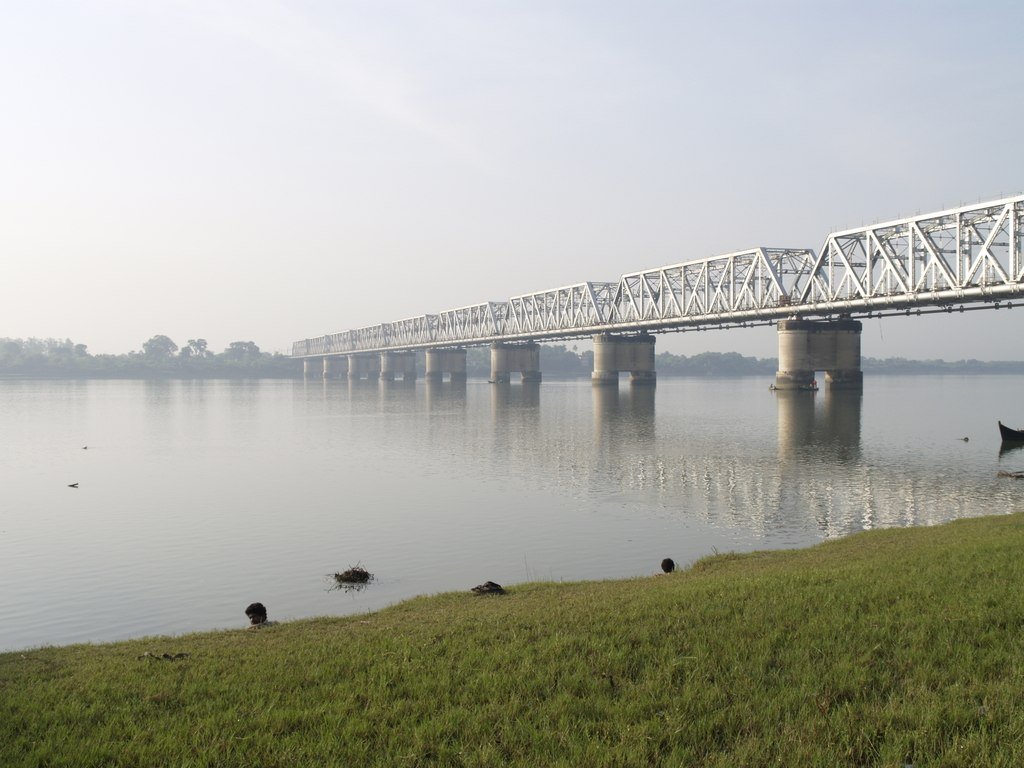
Narmada Ghats
A revered Dattatreya temple on the Narmada
 FOREST
Koraj & Naswadi
Forested tribal hills rich in birdlife
 COLONIAL
Connaught Hall
Stately British-era civic architecture
 WILDLIFE
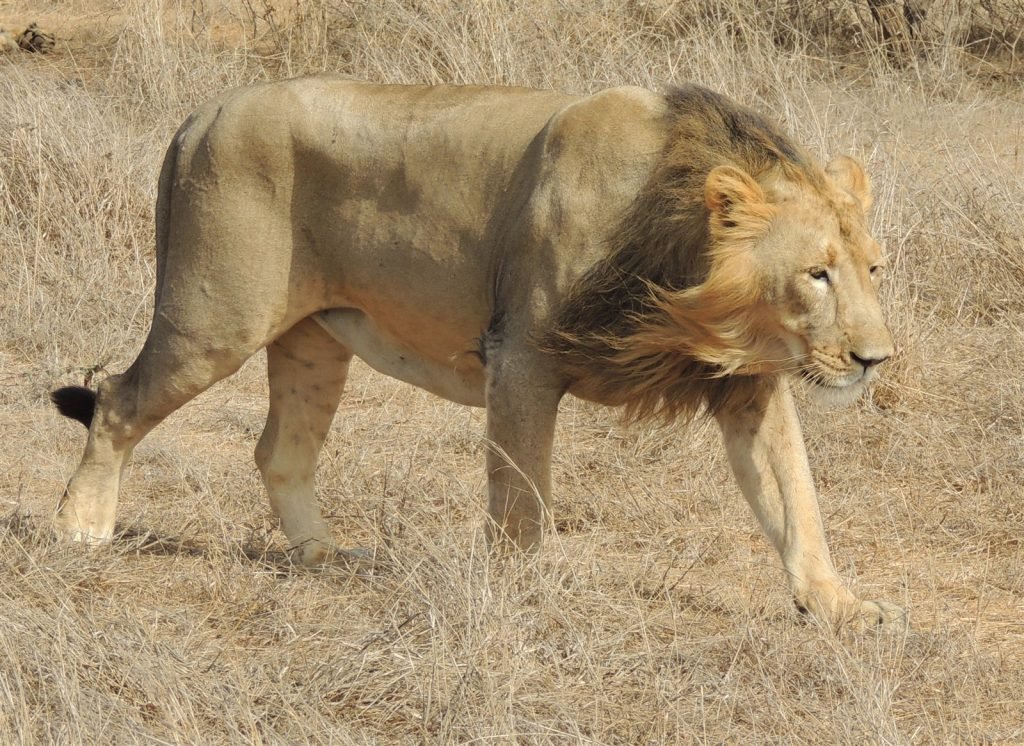
Gir National Park
The last wild home of the Asiatic lion
 LAKE
LAKEAji Dam & Lakes
A scenic reservoir & riverside garden
 ANCIENT
Vadnagar Excavations
Buddhist monastery & 2,000 years of history
WHERE TO STAY
Find your stay in Gujarat
Compare live prices across the big booking sites and reserve in a few taps. Booking happens securely on the partner's site — we may earn a small commission at no extra cost to you.
Book directly on our partner sites — tap a provider to see live Gujarat hotels & prices:
SHOP THE REGION
Bring home Gujarat — & travel essentials
Hand-picked crafts and trip gear, available on Amazon.
Published 24 June 2026 · Updated 24 August 2026
We’re an independent group of writers and travellers documenting every corner of Gujarat — one place, plate and festival at a time.