
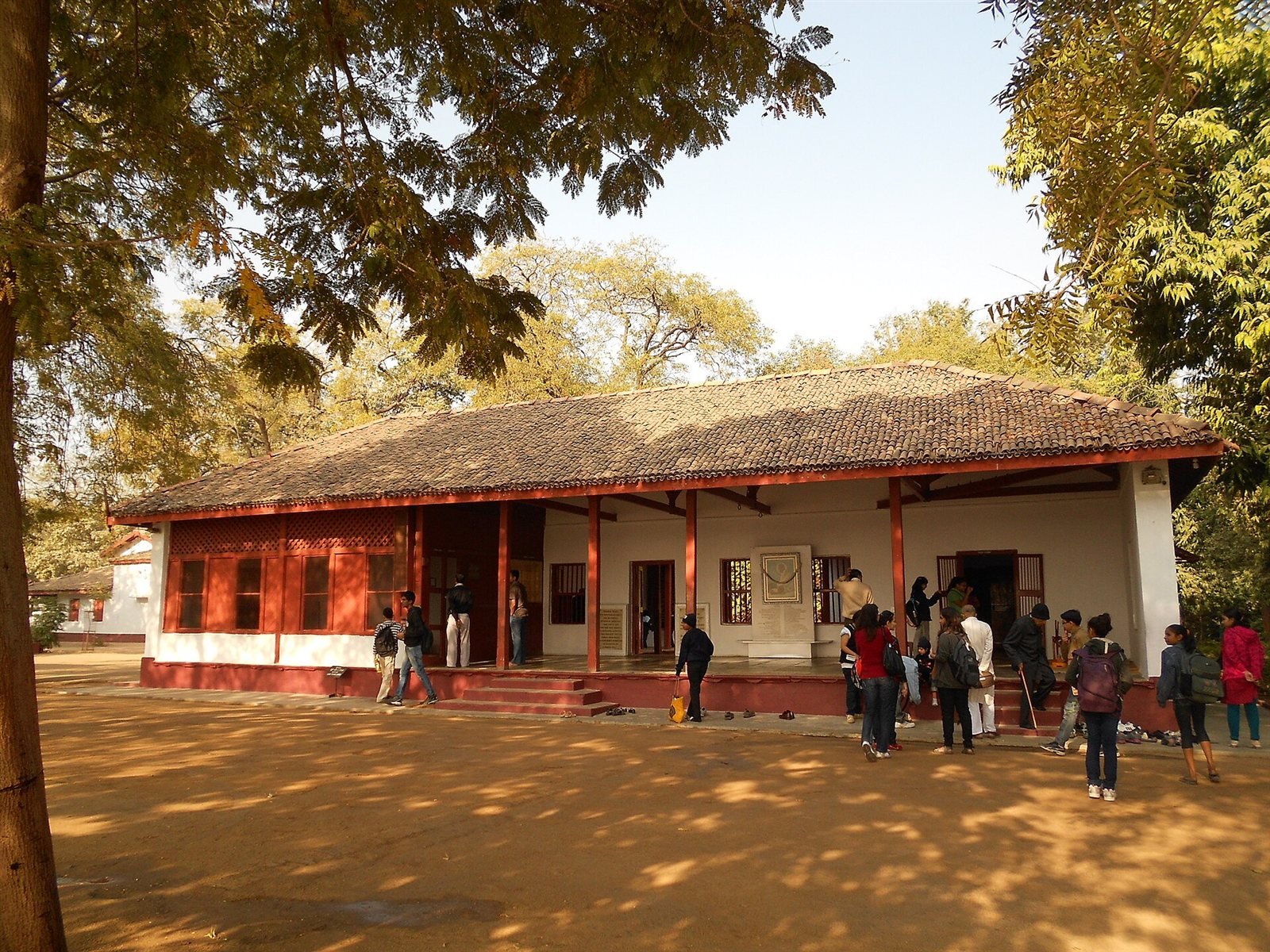
A living monument to a very simple life
Set on the western bank of the Sabarmati River, this unassuming cluster of tiled-roof cottages was Mahatma Gandhi’s home and headquarters from 1917 to 1930. He called it a laboratory for truth — and from here he tested the ideas of self-reliance, non-violence and fearless simplicity that would go on to move a nation.
The ashram is preserved almost exactly as he left it. You walk the same swept courtyards, look into the spare room where he slept and spun cotton, and read his letters and photographs in a quietly designed museum. There are no ropes, no gilded shrines — only the deliberate calm of a place built around an idea.
Entry is free, the grounds are shaded, and the river slides by just beyond the trees. It is less a sightseeing stop than a pause button: somewhere to slow down, read a few lines in Gandhi’s own hand, and consider how much one ordinary-looking house once changed.
“My life is my message” — in Gandhi’s own hand, on the ashram wall.
A riverside experiment that led to the Salt March
Gandhi gathers salt at Dandi, 5 April 1930. The 386-km march set out from this ashram.
Gandhi returns to India after two decades in South Africa, carrying a tested philosophy of satyagraha.
He founds the ashram on the Sabarmati's banks as a self-sufficient community of farmers, weavers and reformers.
The site becomes the nerve-centre of the freedom struggle and the heart of the khadi (hand-spun cloth) movement.
Gandhi and 78 companions walk out of these gates on the Dandi Salt March, defying the British salt tax.
Architect Charles Correa designs the Gandhi Smarak Sangrahalaya, the museum that anchors the site today.
Reasons to make the time
Where history turned
Stand in the courtyard where the Salt March — and a turning point for India — began.
Free & welcoming
No ticket, no upsell. The ashram is open to everyone, every day of the week.
Genuine calm
Shaded earthen courtyards and riverside quiet, minutes from the city's noise.
See it in his hand
Original letters, photographs and personal belongings, displayed without fuss.
The idea of khadi
Understand self-reliance and the spinning wheel that became a symbol of a movement.
Quietly photogenic
Whitewashed walls, tiled roofs and long, soft shadows reward an unhurried camera.
What to look for inside
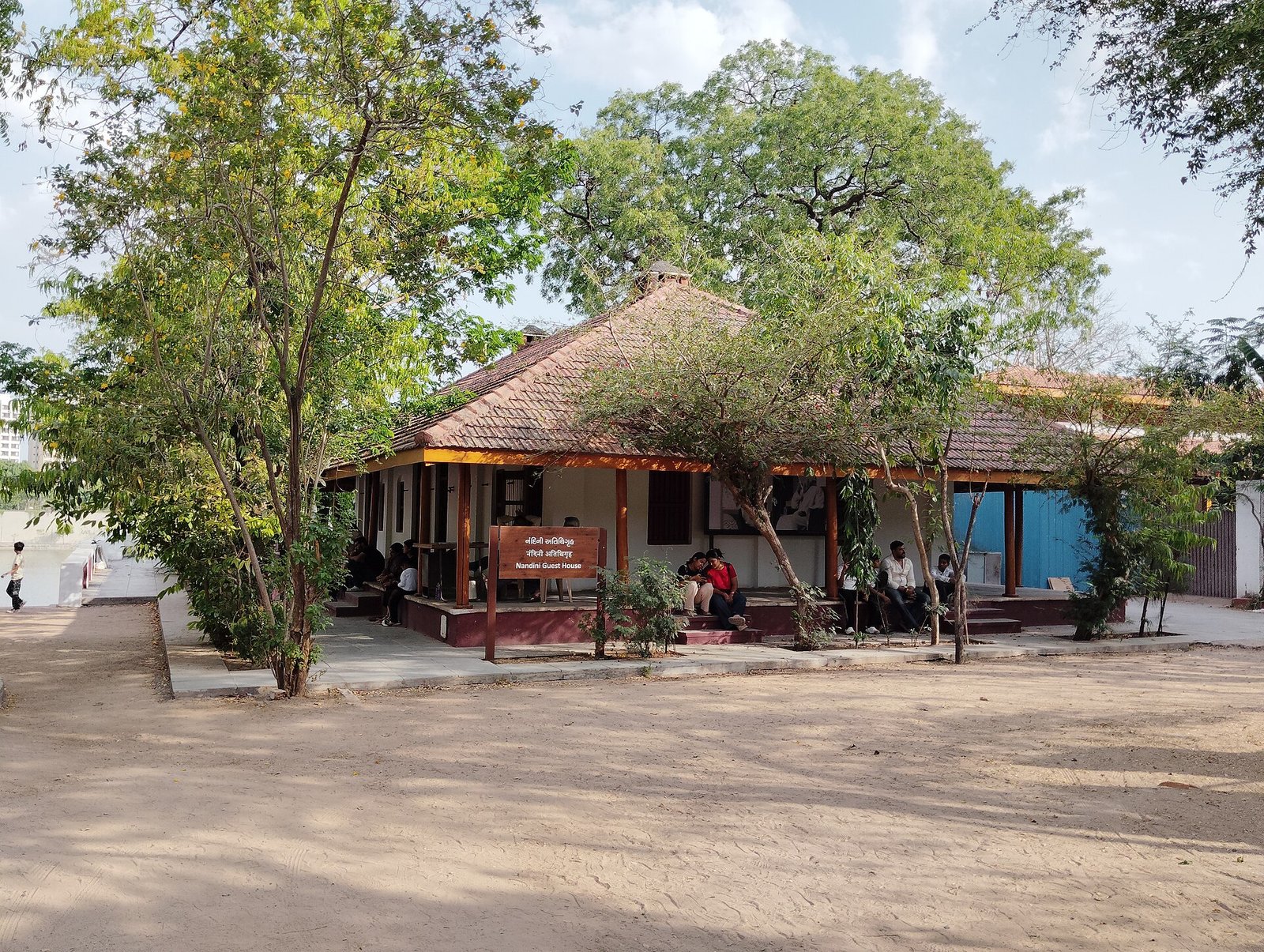 RESIDENCE
Hriday Kunj
Gandhi's own cottage — the heart of the ashram.
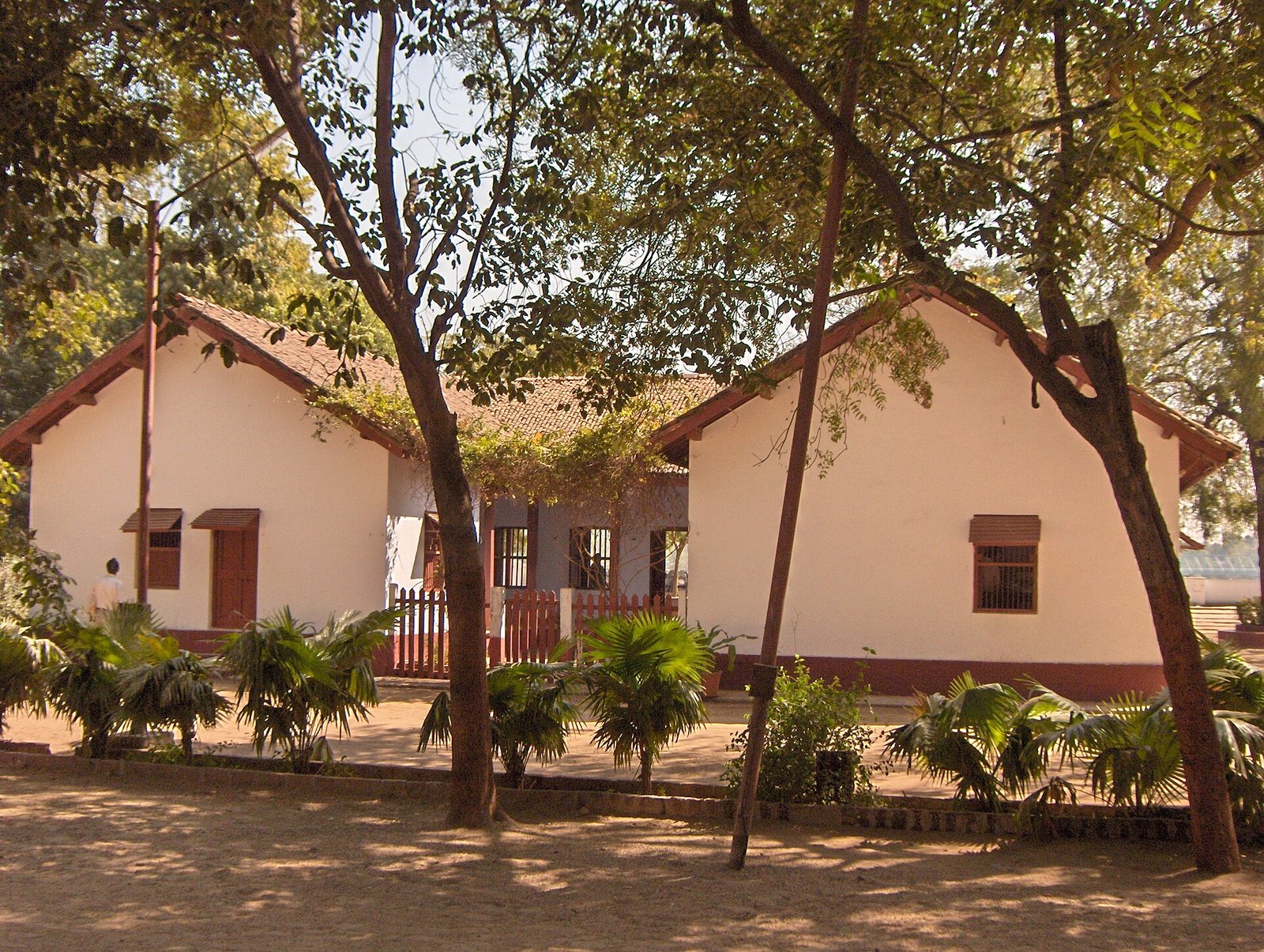 LIVING QUARTERS
The simple rooms
Spare cells where the community lived and worked.
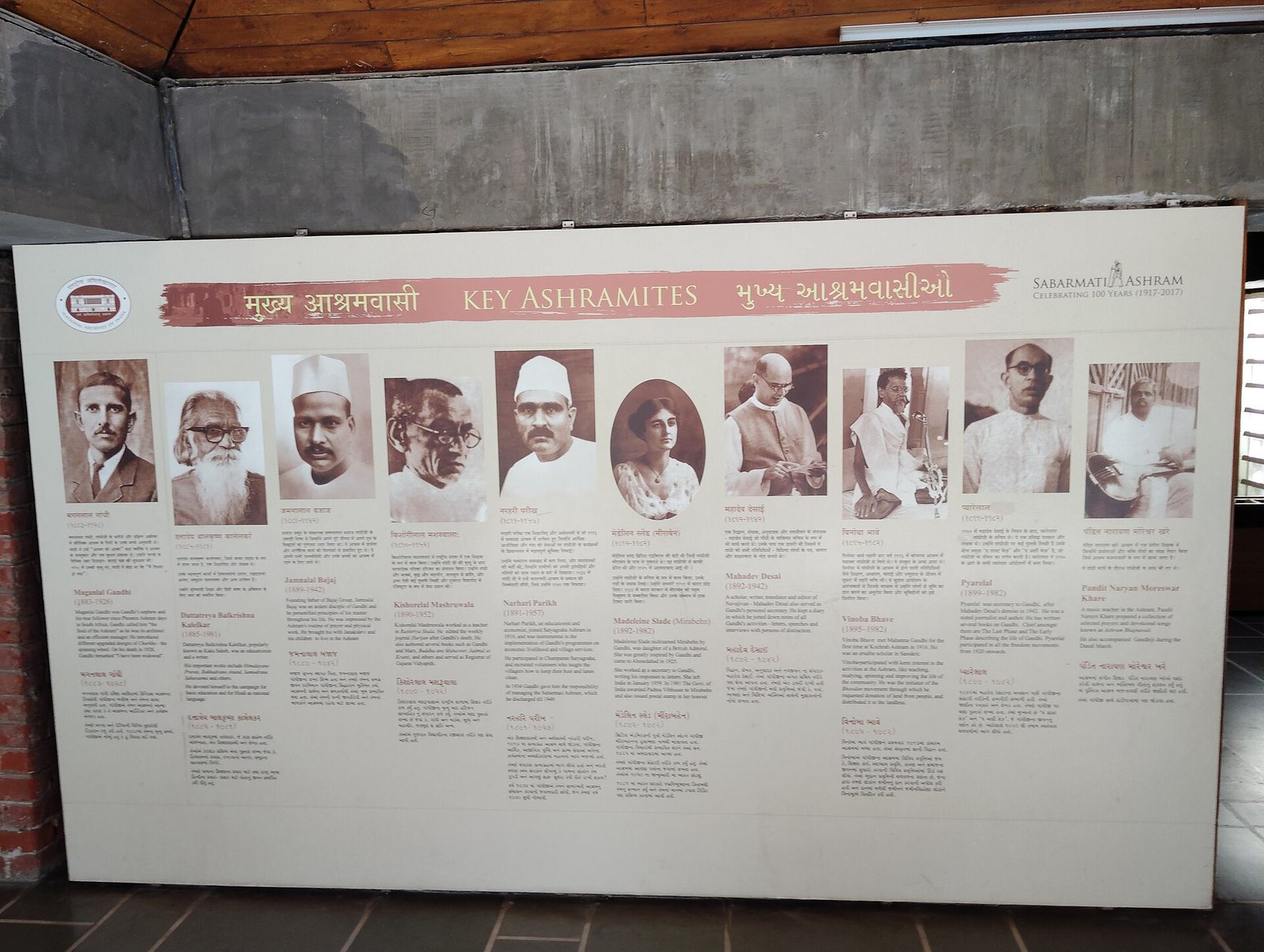 ICONIC WALL
'My life is my message'
Gandhi's words, mounted in three scripts.
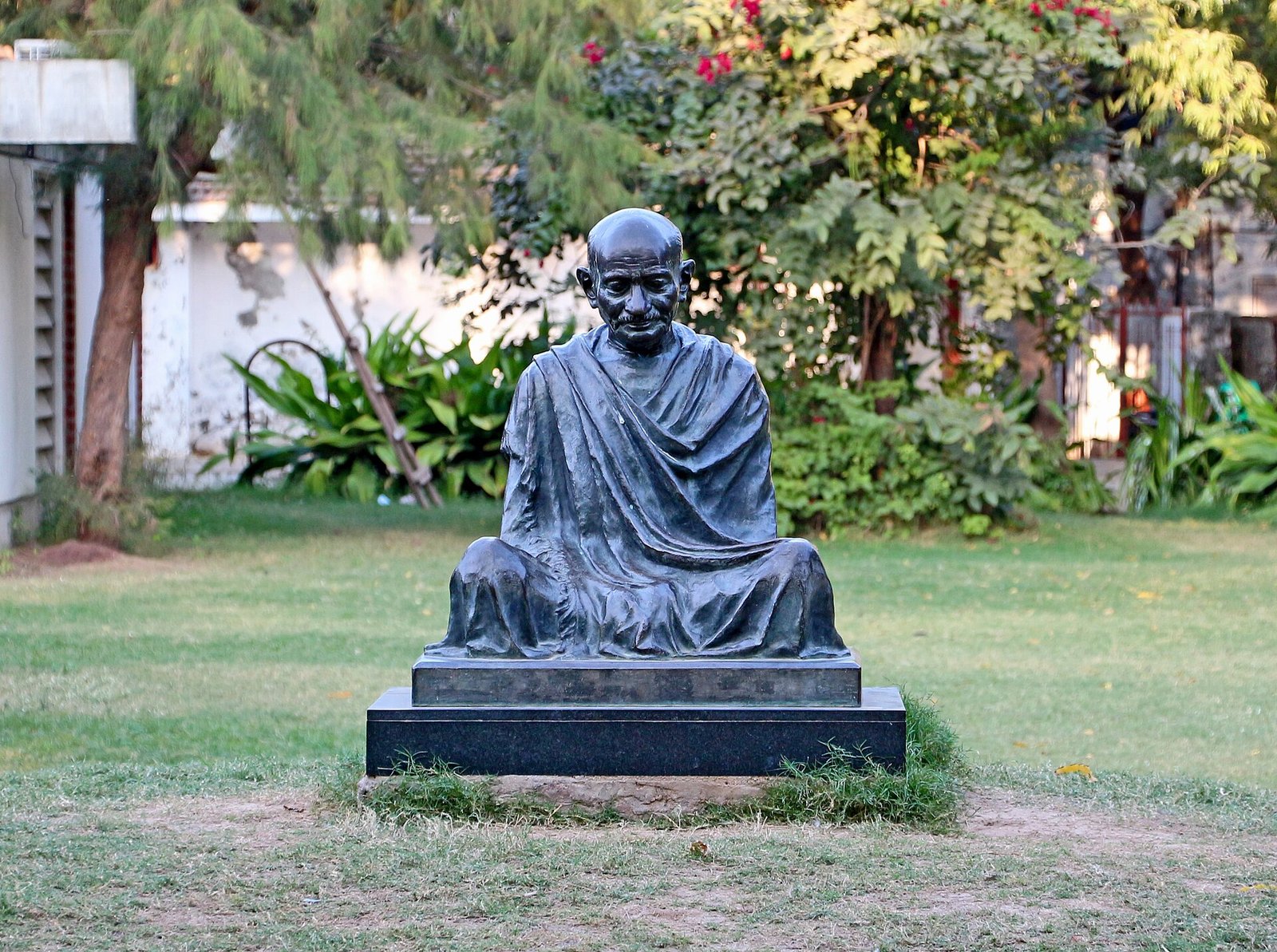 SYMBOL
The Three Monkeys
See, hear, speak no evil — the famous sculptures.
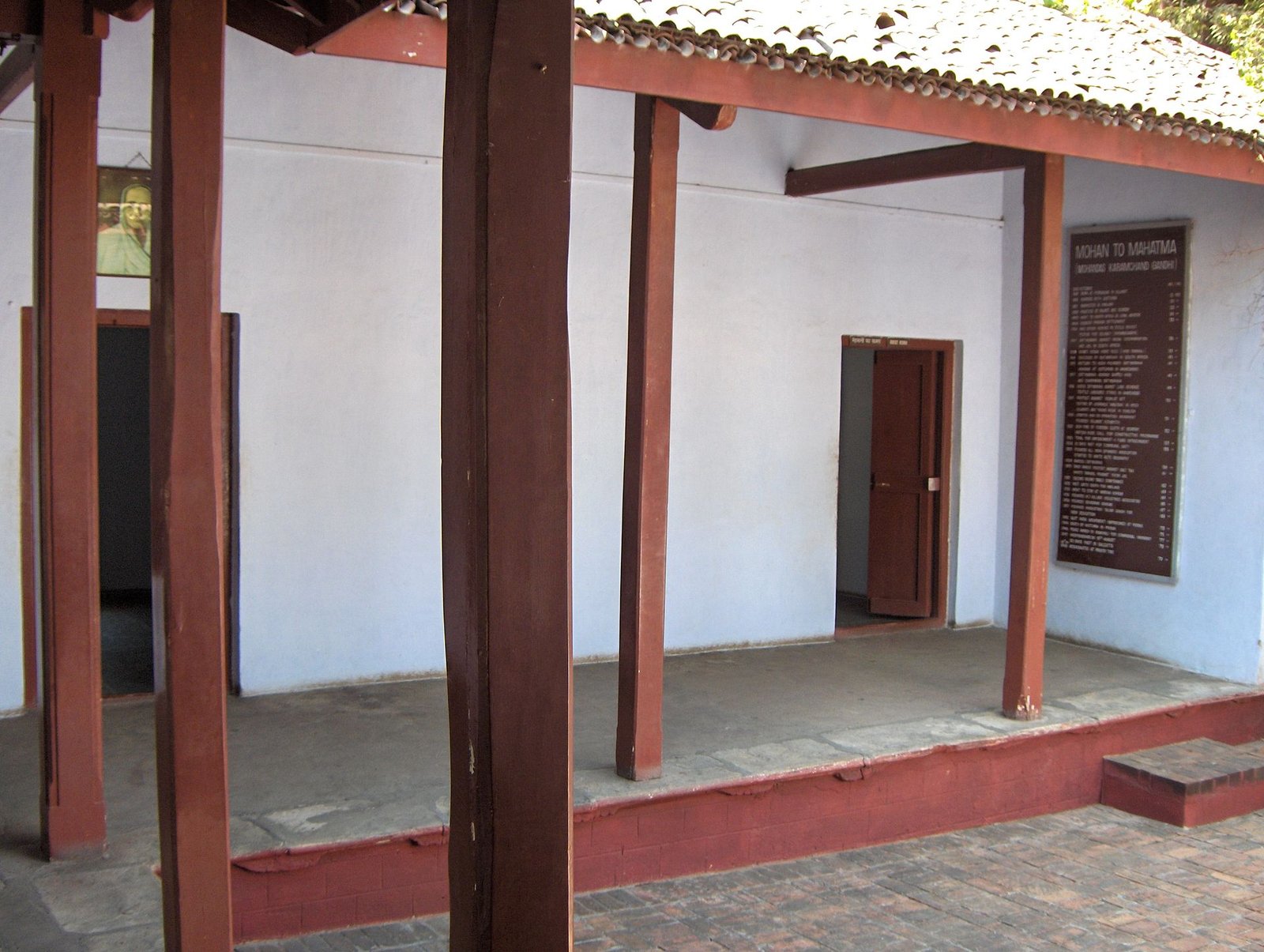 ARCHITECTURE
Riverside verandah
Cool, pillared corridors that open to the Sabarmati.
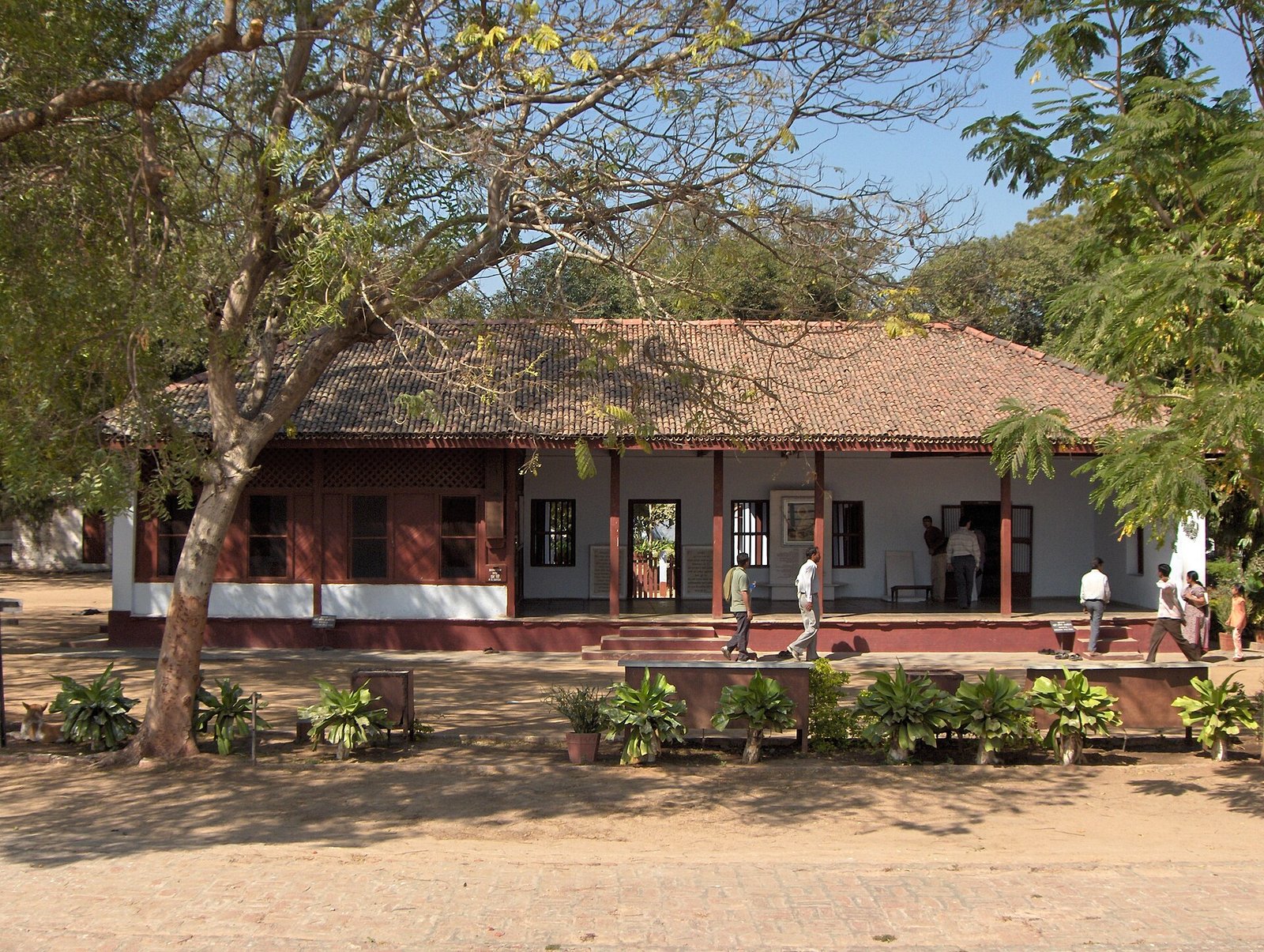 RITUAL
Upasana prayer ground
The open terrace where evening prayers were held.
How to spend an hour or two
Trace his life in the museum
The 'My Life is My Message' galleries follow his journey through photographs, letters and quiet quotations.
Walk through Hriday Kunj
Step into Gandhi's preserved quarters — his low desk, sleeping mat and spinning wheel sit just as he left them.
Read the letters
Original correspondence and reproductions reveal his thinking in real time, in his own restless handwriting.
Sit by the Sabarmati
Find a shaded patch on the bank where the community gathered for morning prayers, and simply slow down.
Find the Three Monkeys
The much-photographed 'see, hear, speak no evil' sculptures sit quietly near the museum block.
Understand the charkha
Displays explain why a humble hand-spun thread became one of history's most powerful political symbols.
Browse khadi & books
The on-site outlet stocks hand-spun cloth and Gandhian writing — a window into the self-reliance idea.
Catch the late light
By four o'clock the white walls turn warm and gold — the quietest, most photogenic hour of the day.
Built for simplicity, framed by the river
The architecture is itself a statement. Low whitewashed walls, locally fired roof tiles, exposed timber posts and bare floors reject ornament in favour of honesty — the buildings practise the same self-reliance Gandhi preached. Wide verandahs shade the cottages through Gujarat’s long summers and open onto swept earthen courtyards. The river is the other architect. The Sabarmati’s bank gives the site its breeze, its calm and its soft, reflected light, while mature neem, tamarind and peepal trees bring shade and birdsong. In 1963 the architect Charles Correa added the Gandhi Smarak Sangrahalaya — a modular brick-and-tile museum that sits humbly among the original huts rather than crowding them out.
The rest of the district is covered in our Ahmedabad travel guide.
There is a longer write-up in our Sabarmati Ashram guide.
Charles Correa’s 1963 museum
Vernacular tiled-roof cottages
Open courtyards & wide verandahs
Shaded riverside grounds
When to go
Cool, dry and bright — the ideal window. Comfortable all day and perfect for unhurried wandering.
The grounds turn green and the air softens. Showers are short; mornings are fresh and uncrowded.
Hot and dry, often 38–43°C. Still very doable — just come right at opening or in the late afternoon.
⏰ Time of day — arrive at opening (8:30 AM) or after 4 PM for soft light, thin crowds and the best photographs.
Timings & entry
- Open all seven days, including public holidays
- Last entry around 6:00 PM
- Museum & galleries keep the same hours
- Allow 1–2 hours for an unhurried visit
- No ticket required — Indian & international visitors alike
- Donations are welcome but never expected
- Still photography is free; tripods restricted in galleries
- Information panels in English, Hindi & Gujarati
Getting there
By Air
Sardar Vallabhbhai Patel International Airport sits about 9 km away — a 20–30 minute cab ride, with flights from across India and the Gulf.
By Rail
Ahmedabad Junction (Kalupur) is around 6 km off, with Sabarmati station even closer. Both are major stops on the national network.
By Road
The ashram is right on Ashram Road. City buses, the BRTS, autos and app-cabs all reach it easily from anywhere in the city.
Shooting the ashram
White walls, long shadows and a river that catches the light.
Best light
Come at opening or after 4 PM — low sun rakes across the whitewashed walls and tiled roofs.
What to shoot
The verandah pillars, the 'My life is my message' wall, the charkha, and reflections off the Sabarmati.
Be respectful
Skip flash and tripods inside the galleries, and keep the prayer ground calm and unstaged.
Gear tip
A 35–50mm lens suits the cottages; go wider for the long verandahs and courtyard symmetry.
Know before you go
Practical advice for visiting the area.
More to see close by
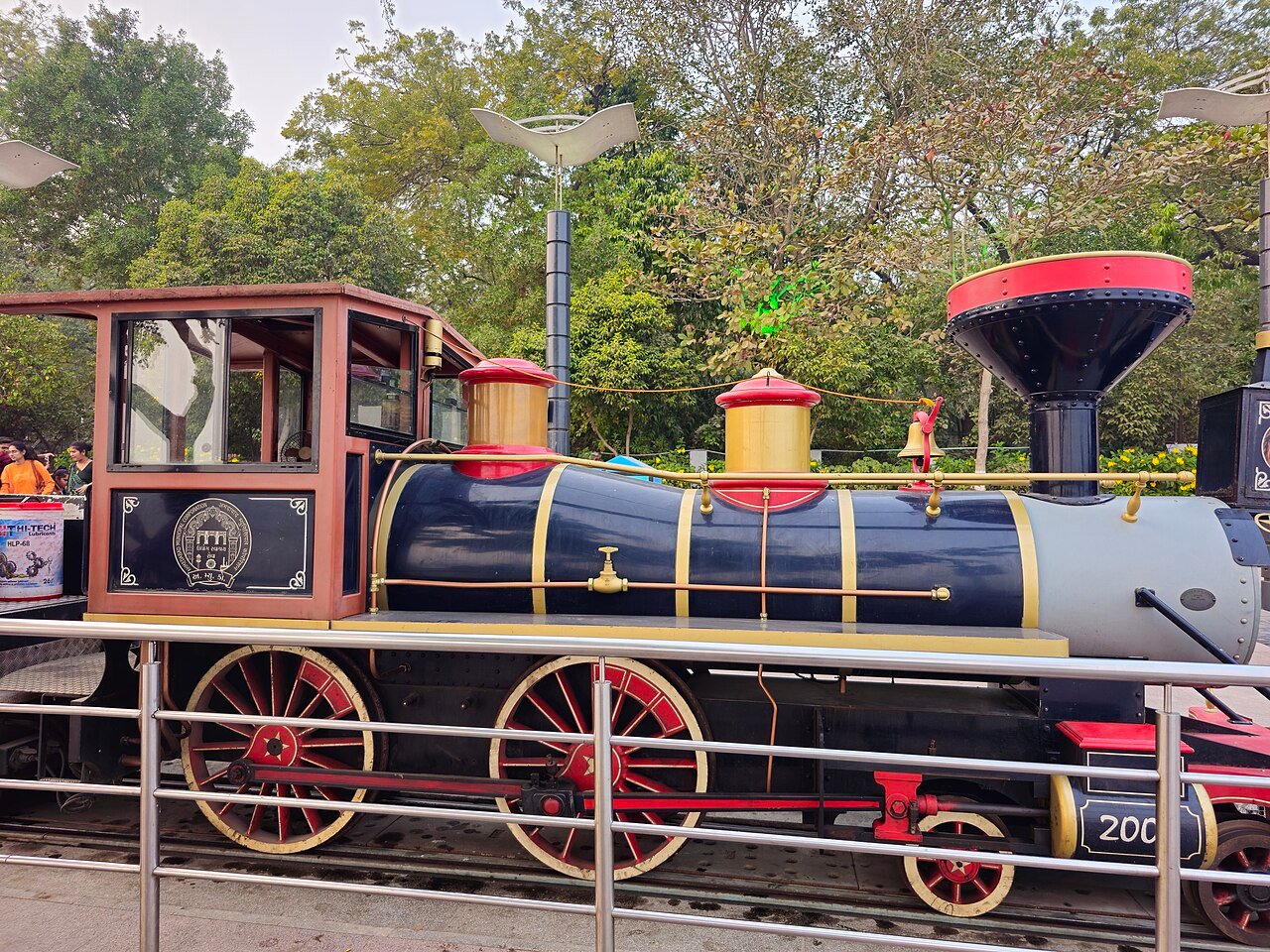 LAKE8 km
Kankaria Lake
A century-old lake with gardens, a toy train and a lively evening crowd.
 HERITAGE6 km
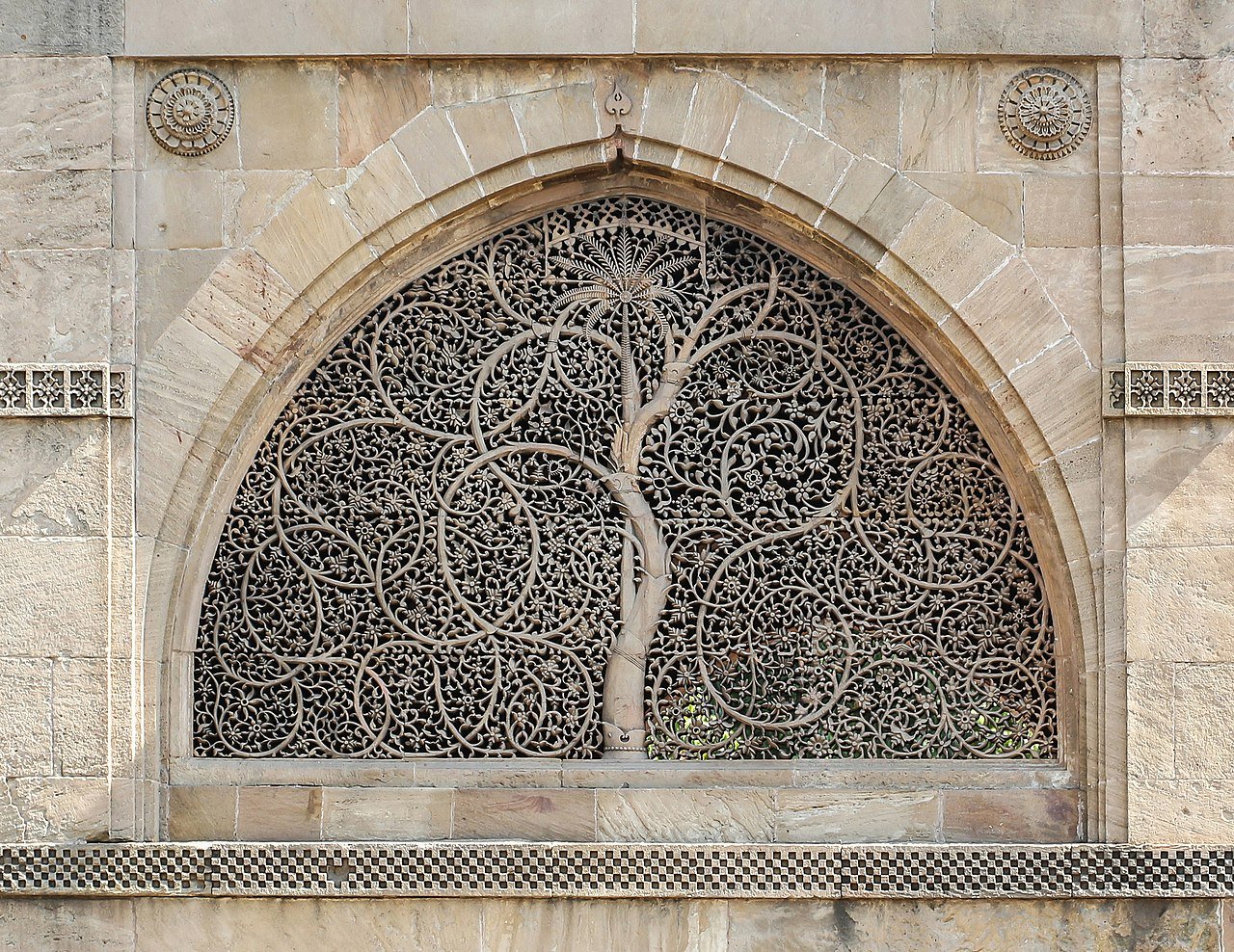
Sidi Saiyyed Mosque
Home to the celebrated stone jaali tree — Ahmedabad's unofficial emblem.
 STEPWELL18 km
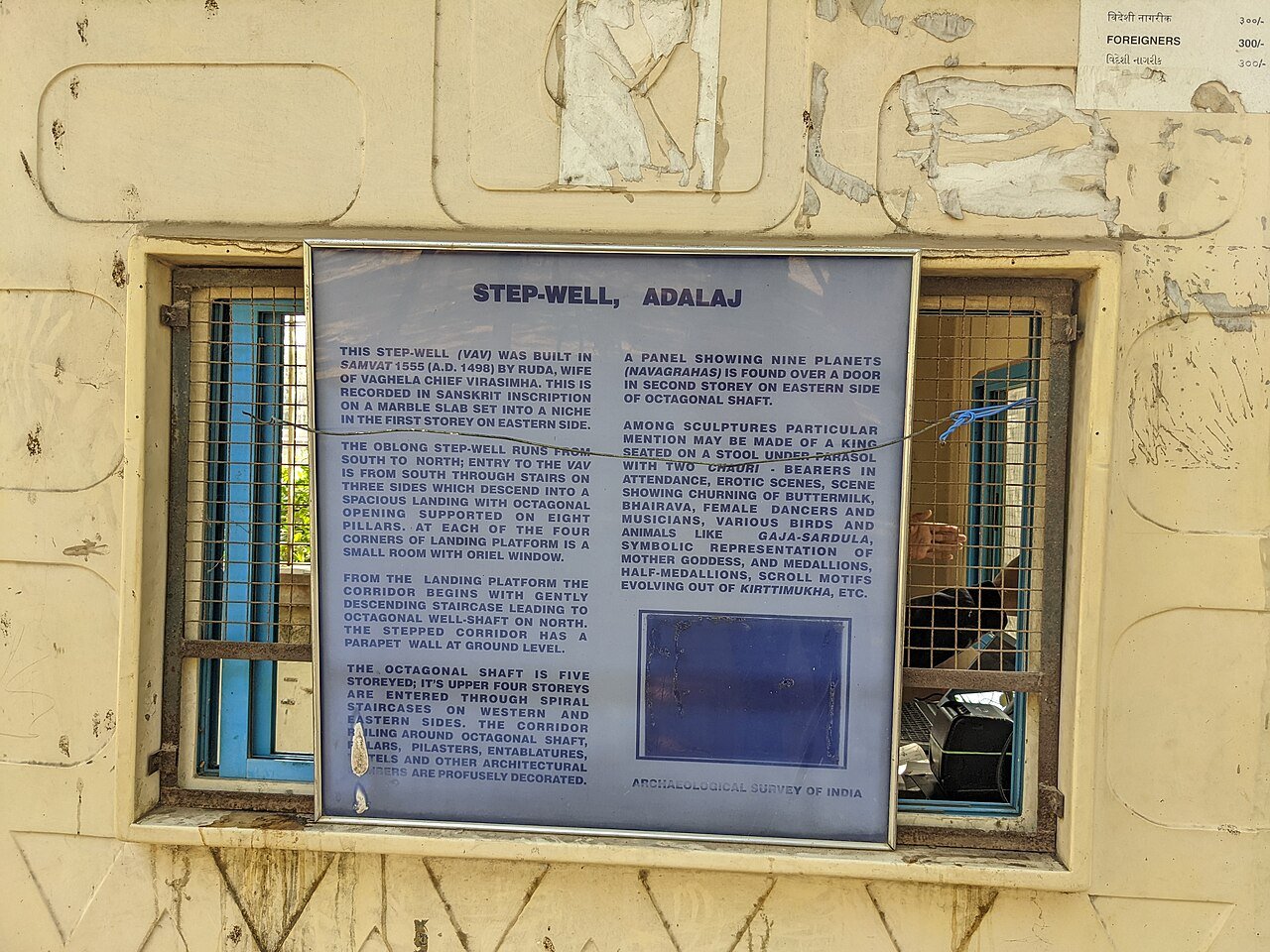
Adalaj Stepwell
A five-storey, intricately carved well that descends into cool darkness.
 TEMPLE5 km
Hutheesing Jain Temple
An elegant white-marble temple built by the city's merchant families.
Where to eat near Sabarmati Ashram
Manek Chowk
By night the old jewellers' square turns into a buzzing street-food bazaar.
Law Garden Khau Galli
An evening lane of carts serving Gujarati chaat, sandwiches and sweets.
Old City stalls
Seek out fresh fafda-jalebi, dabeli and khaman in the lanes by the river.
- Ahmedabad is famously veg-friendly — expect superb unlimited thalis and farsan.
Sabarmati Ashram FAQ
Where is Sabarmati Ashram located?
On Ashram Road, on the western bank of the Sabarmati River in Ahmedabad — about 6 km from the main railway station.
What are the opening hours?
It is open every day, including holidays, from 8:30 AM to 6:30 PM.
Is there an entry fee?
No. Entry is completely free for every visitor, Indian and international alike.
How much time should I plan?
One to two hours is comfortable — a little longer if you read the museum displays closely.
What is the best time of day?
Right at opening or after 4 PM, for soft light, cooler air and thinner crowds.
What is the best season to visit?
November to February, when Ahmedabad's weather is cool and comfortable all day.
Why is the ashram so important?
It was Gandhi's home from 1917 to 1930 and the launch point of the 1930 Dandi Salt March.
Can I take photographs?
Yes — still photography is free outdoors; tripods and flash are restricted inside the galleries.
Is it wheelchair accessible?
The grounds are mostly flat and walkable; a few older structures have steps, but most can be enjoyed at ground level.
Related places across Gujarat
 KEVADIA
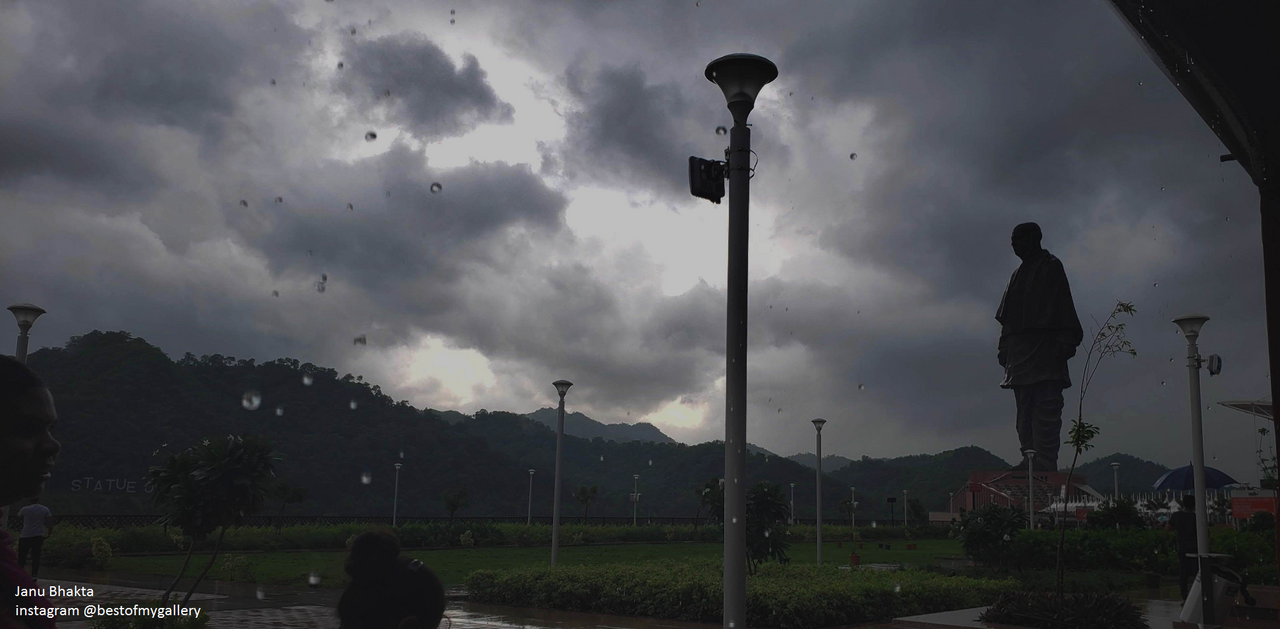
Statue of Unity
The world's tallest statue, rising 182 m above the Narmada.
 PATAN
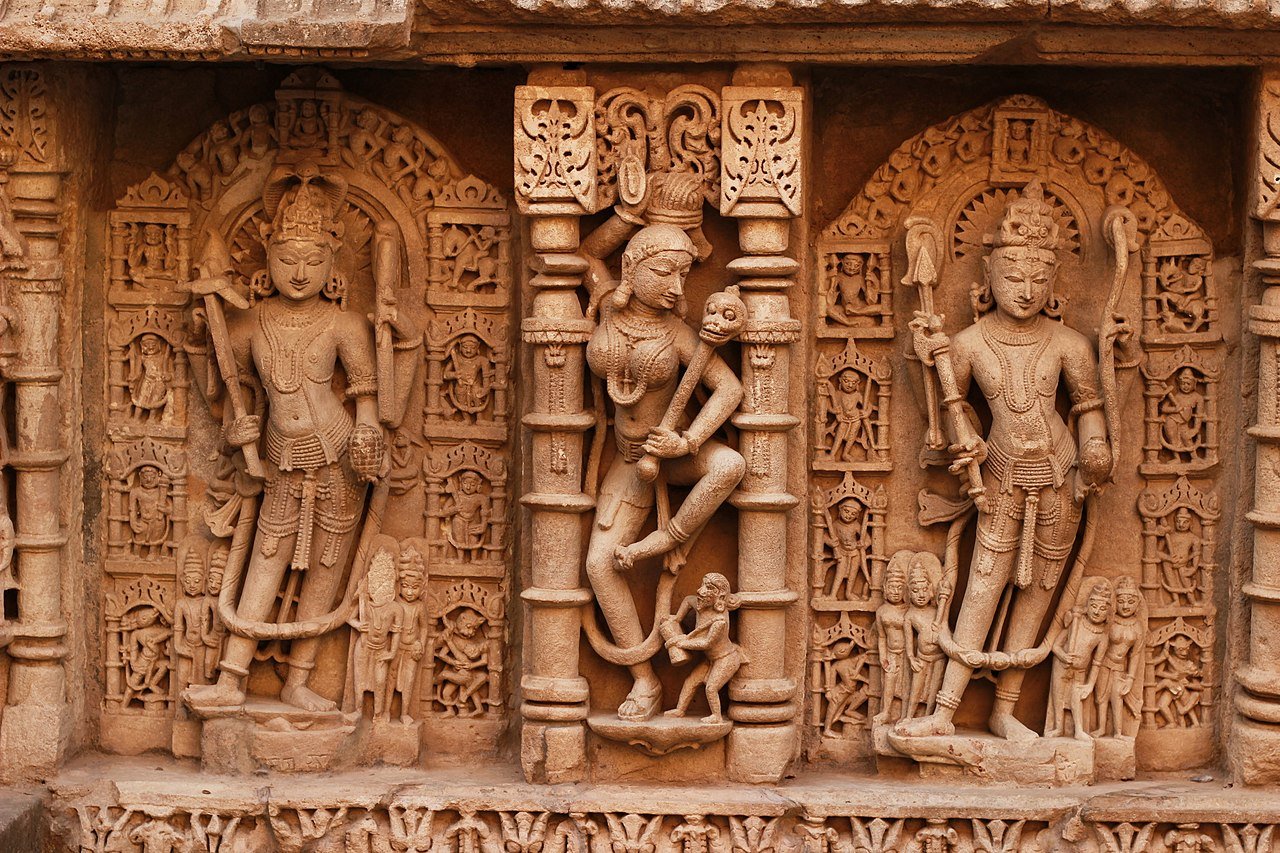
PATANRani ki Vav
A UNESCO-listed stepwell carved like an inverted temple.
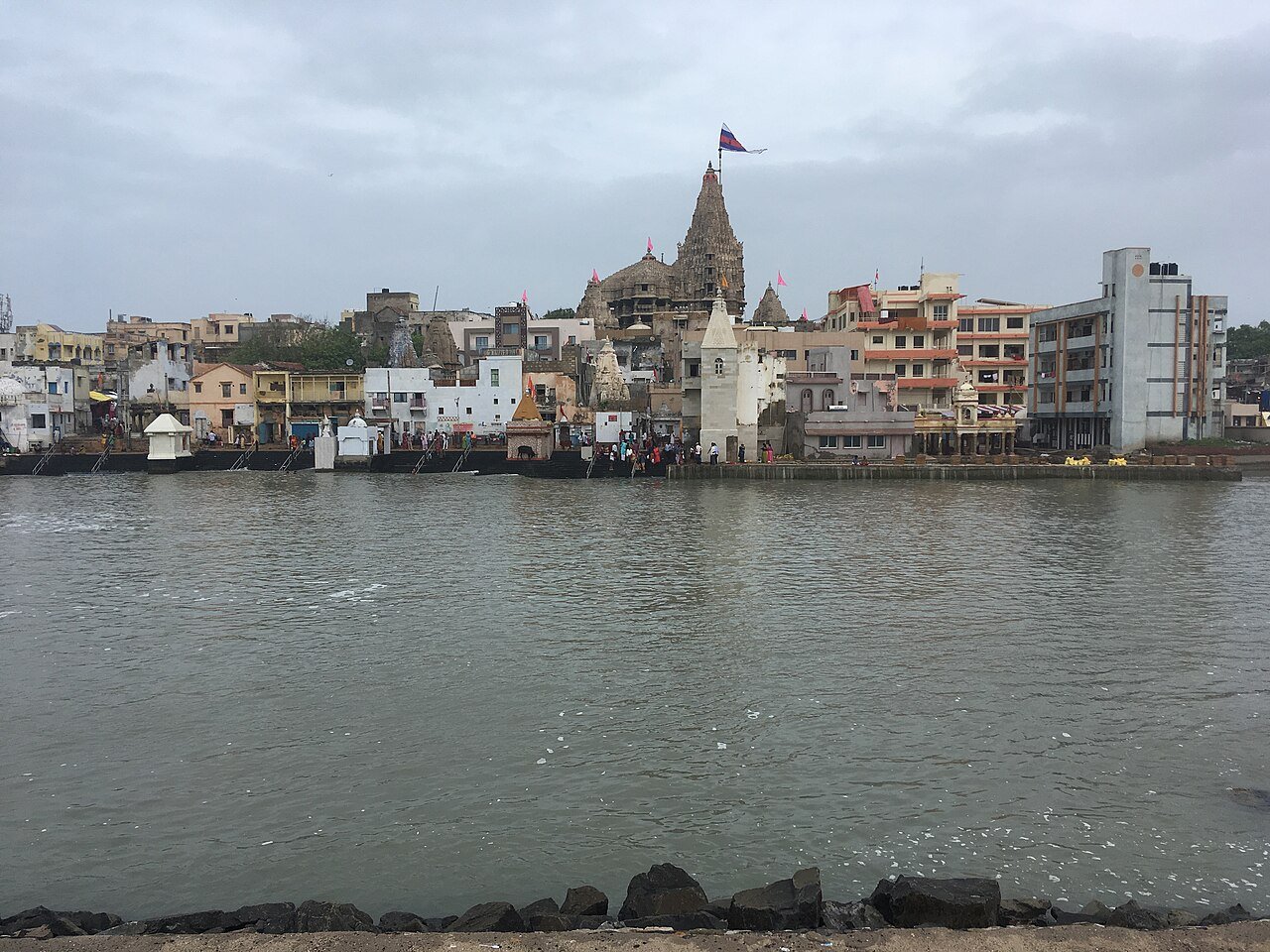 DWARKA
Dwarkadhish Temple
Krishna's ancient kingdom on the Arabian Sea coast.
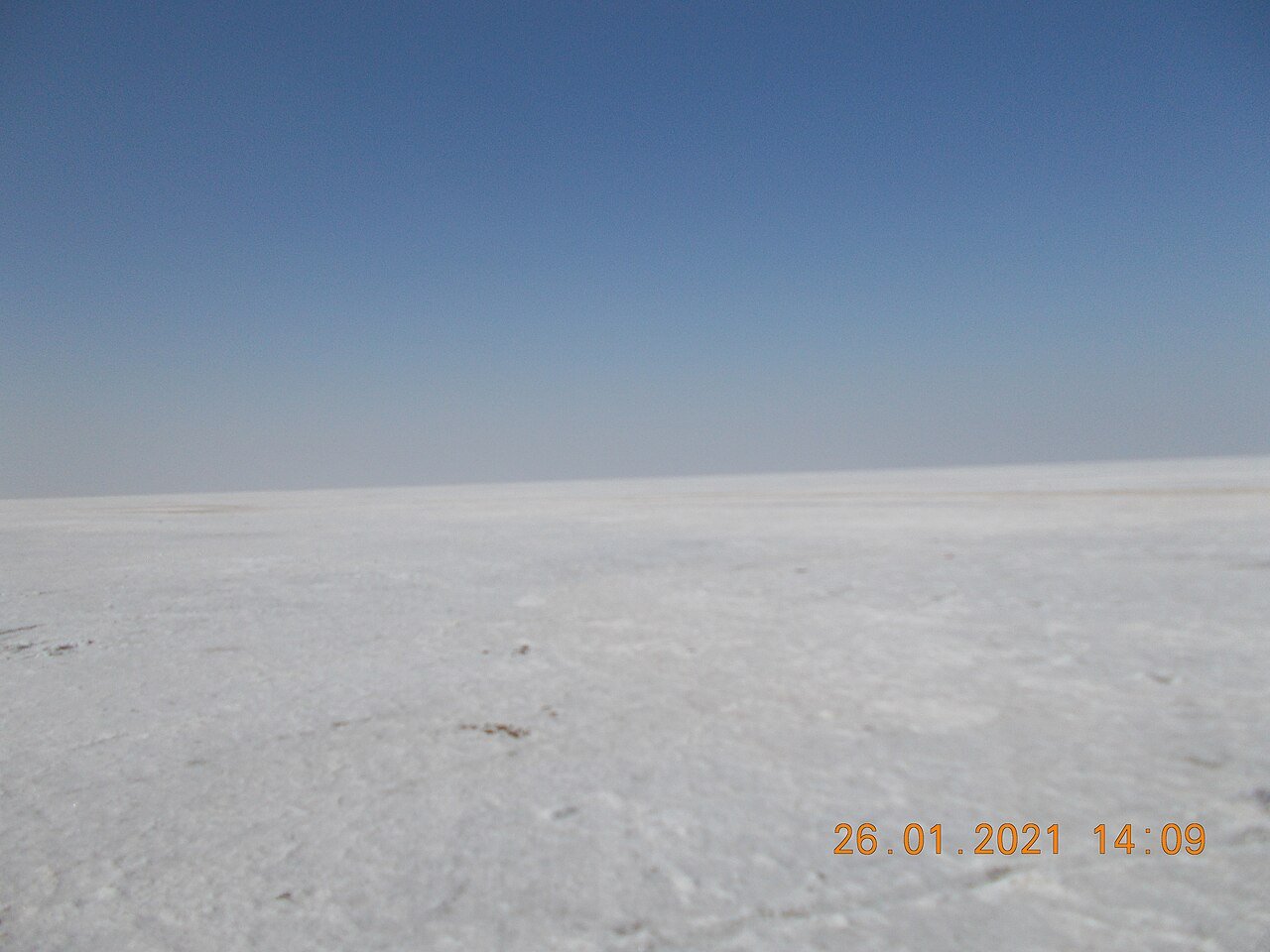 KUTCH
KUTCHRann of Kutch
An endless white salt desert that glows under the moon.
WHERE TO STAY
Find your stay in Gujarat
Compare live prices across the big booking sites and reserve in a few taps. Booking happens securely on the partner's site — we may earn a small commission at no extra cost to you.
Book directly on our partner sites — tap a provider to see live Gujarat hotels & prices:
SHOP THE REGION
Bring home Gujarat — & travel essentials
Hand-picked crafts and trip gear, available on Amazon.
Published 24 June 2026 · Updated 24 August 2026
We’re an independent group of writers and travellers documenting every corner of Gujarat — one place, plate and festival at a time.