Home › Junagadh › Uparkot Buddhist Caves
HERITAGE · ROCK-CUT CAVESSerene rock-cut caves carved on three storeys within Uparkot Fort some 1,800 years ago — carved pillars, cool chambers and a glimpse of Buddhist Junagadh.
Among the most atmospheric corners of Uparkot Fort are its ancient Buddhist caves — a complex of chambers cut down into the living rock on as many as three underground storeys, dating to roughly the 2nd–4th centuries CE. Carved when Junagadh was an important Buddhist centre on India’s trade and pilgrimage routes, the caves served as monastic dwellings and meditation cells for monks.
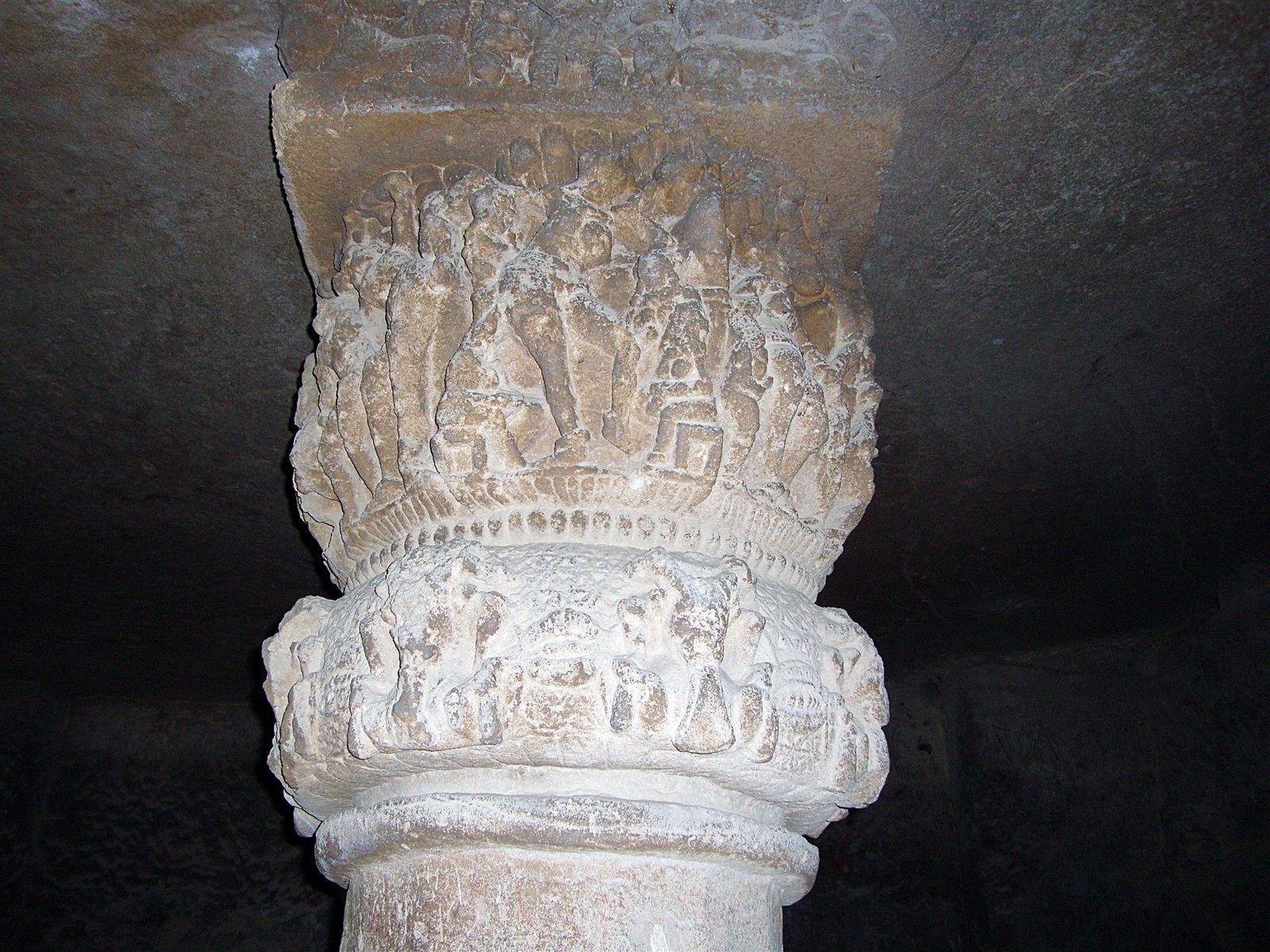
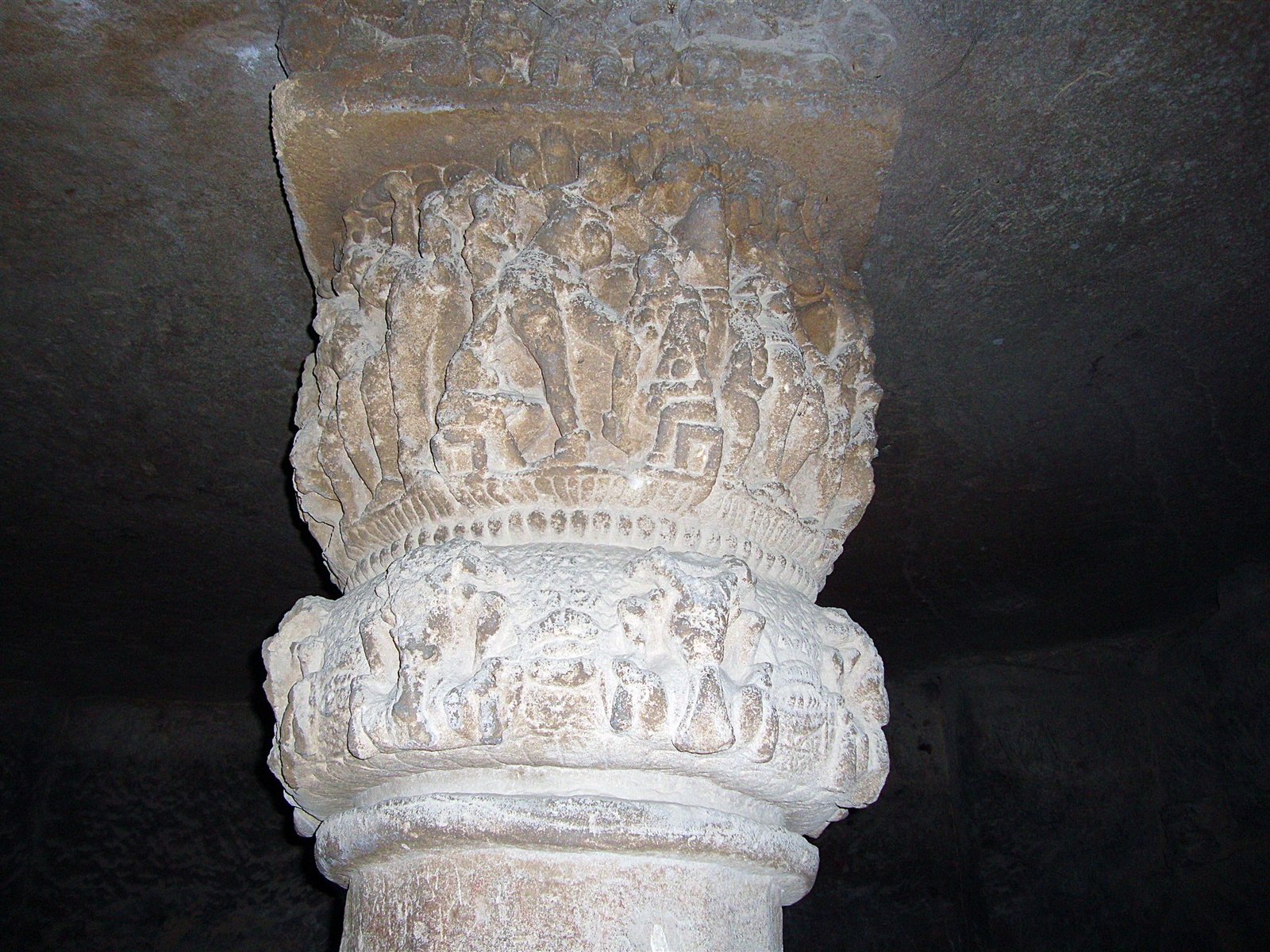
Despite their great age they retain real elegance: ornately carved pillars and capitals, decorated doorways, water cisterns and cool, pillared halls that drop away from the daylight into shadow. Echoes of Greco-Scythian, Satavahana and other influences mingle in their design, hinting at the city’s cosmopolitan past. Quiet, dim and beautiful, the caves are a serene counterpoint to the fort’s mighty walls above.
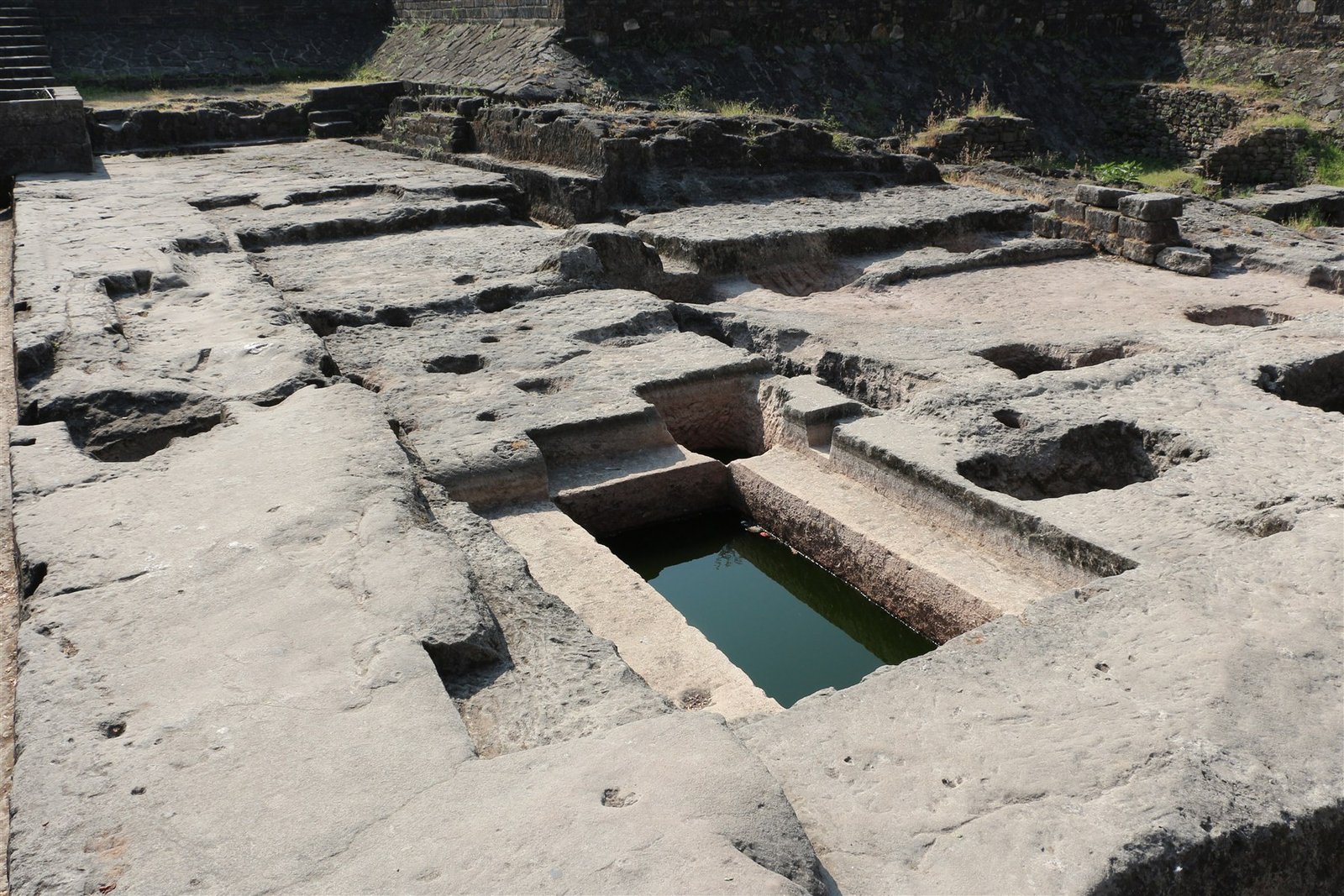
A rock-cut cistern in the caves.
Carved pillars of the cave halls.
Monks carve the caves into Uparkot's rock.
They serve as dwellings and meditation cells.
Greco-Scythian and Satavahana influences mingle.
A serene, ancient highlight of the fort.
Chambers cut on rock levels.
Elegant ancient capitals.
Where monks once lived.
A refuge from the heat.
Mixed ancient influences.
Part of the great fort.
Ornate cave columns.
Ancient cave waterworks.
Within Uparkot's walls.
Explore the rock-cut levels.
Admire the carved capitals.
Ancient cave waterworks.
Cool, dim meditation halls.
See the stepwells nearby.
Pillared chambers in the rock.
The Uparkot Buddhist caves are rock-cut architecture — chambers, halls, cells and cisterns excavated downward into the living rock over as many as three storeys, rather than built up from stone. Their carved pillars, with decorated capitals and brackets, and the worked doorways and water channels, show real artistry despite the austerity of monastic life. The layered, subterranean plan kept the interiors cool and contemplative, suited to meditation, while the carving reflects the cosmopolitan influences that flowed through ancient Junagadh.
Three rock-cut storeys
Carved pillars & capitals
Cisterns & water channels
2nd–4th century origins
Cool and clear — ideal for the fort and its stepwells.
Lush surrounds; stepwell steps can be slippery.
Hot above — but the rock-cut depths stay cool.
⏰ See them with the stepwells on one Uparkot visit; a small torch helps in the dim lower storeys.
Keshod Airport (~40 km) is nearest.
Junagadh station is a short ride away.
Inside Uparkot, central Junagadh.
PILLAR & SHADOW
The carved pillars and capitals.
The pillared chambers.
Daylight falling into the depths.
Never touch the ancient carvings.
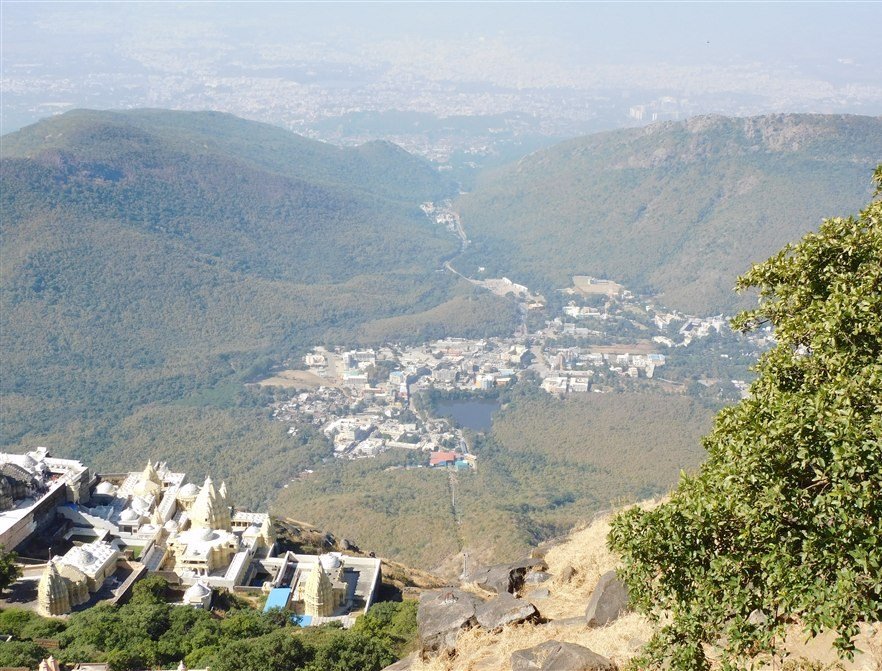
Birdlife and still water below the massif
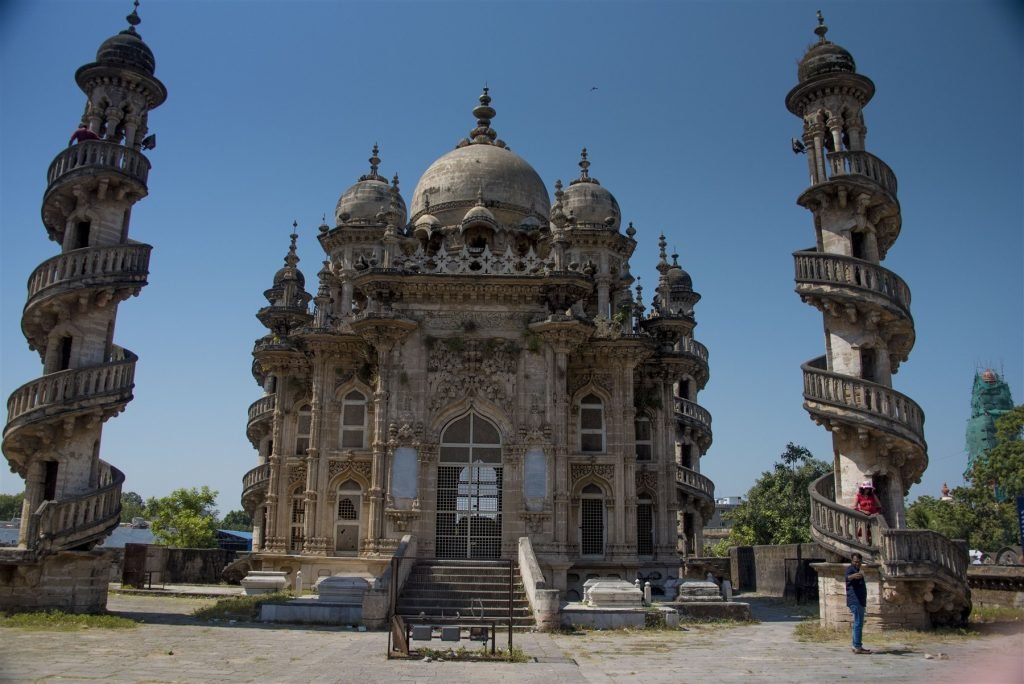
A fantastical Indo-Islamic royal mausoleum
◐ Dawn · the long climb
◐ Bazaars & bustle
A birdy reservoir beneath the massif
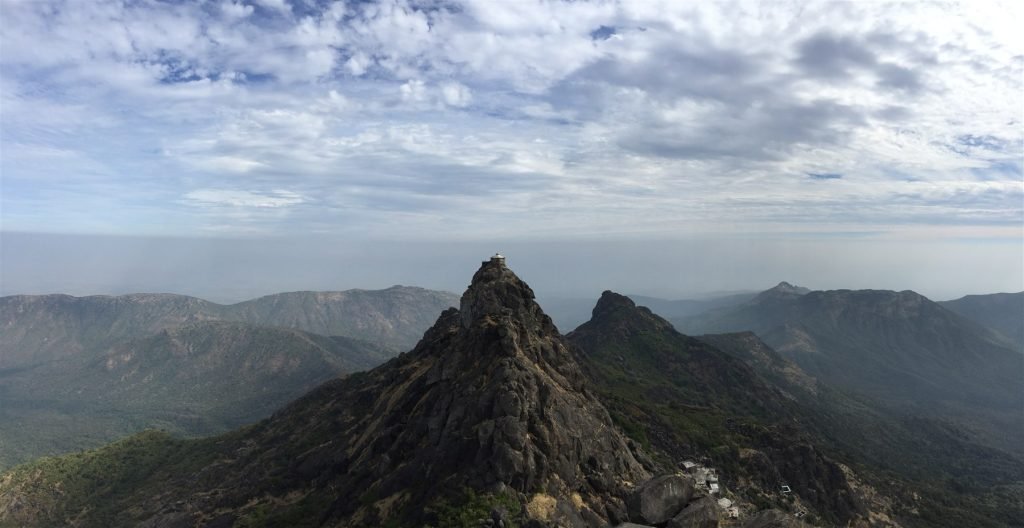
A 36 km circumambulation through the forest
Rotla, kadhi, shaak and ghee-rich fare.

Saurashtra's beloved fried snacks.
Bustling old-city bazaar bites.
Junagadh's Girnar-grown Kesar mango is famed (summer).
Rock-cut monastic caves on three storeys within Uparkot Fort, from the 2nd–4th centuries CE.
Buddhist monks, when Junagadh was a Buddhist centre.
Carved pillars, decorated doorways, cisterns and cool pillared halls.
Roughly 1,800 years old.
Within Uparkot Fort in Junagadh.
They're covered by the Uparkot Fort ticket.
Yes, with care — bring a torch for the dim lower levels.
The Navghan Kuvo and Adi Kadi Vav stepwells.
WHERE TO STAY
Compare live prices across the big booking sites and reserve in a few taps. Booking happens securely on the partner's site — we may earn a small commission at no extra cost to you.
SHOP THE REGION
Hand-picked crafts and trip gear, available on Amazon.