Home › Aravalli › Bhiloda Tribal Haat
ADIVASI MARKET · TRIBAL CULTURE · GEMGujarat's most vivid weekly gathering — the Bhiloda tribal haat, where Bhil and Garasia women arrive at dawn in their finest silver and embroidered dress to sell forest produce, handcraft and the ordinary necessities of Adivasi village life.
The weekly haat at Bhiloda is one of the most vivid and authentic market experiences in Gujarat — a Tuesday morning tribal market where Bhil and Garasia Adivasi communities from the surrounding forest villages converge to sell and buy. Women arrive dressed in their traditional best: silver jewellery at the ears, neck and wrists; embroidered ghaghra-choli in reds and greens; the particular pride of dress that characterises the Bhil tribal aesthetic.
The produce is equally specific — dried forest goods, roots and tubers, tribal honey, handmade baskets and agricultural surplus laid out on cloth and in cane panniers. This is not a tourist market. It functions on its own social logic: a weekly event that is simultaneously commerce, news exchange and community gathering.
The photographer and the curious traveller who attends with respect will find it one of the most rewarding experiences in Aravalli. It runs on Tuesday mornings and is free to enter — but always ask before photographing the people who make it what it is.
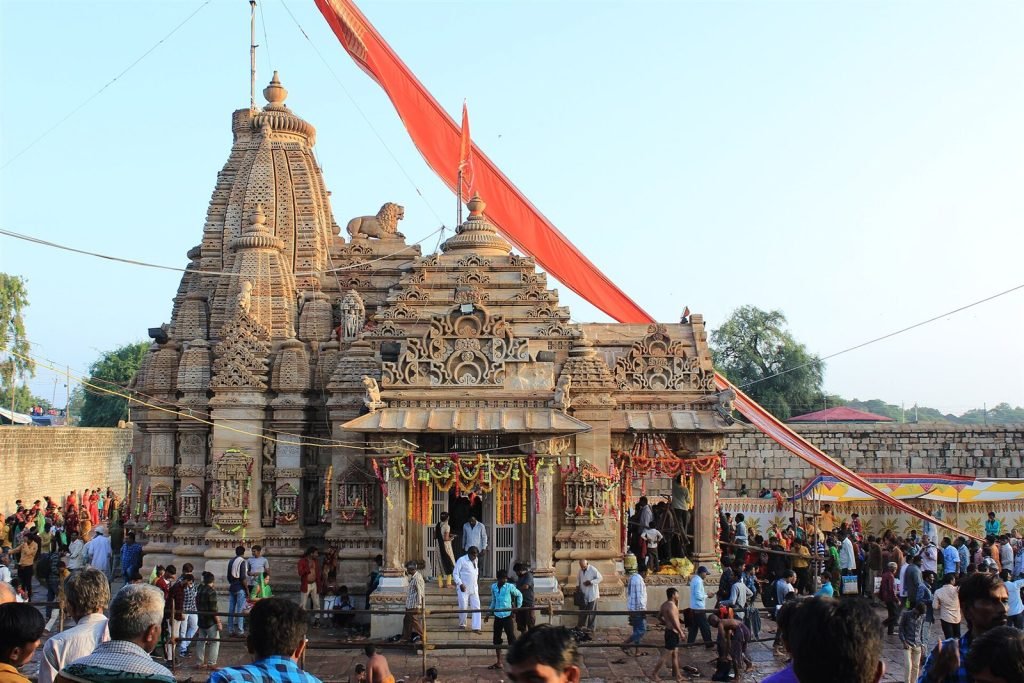
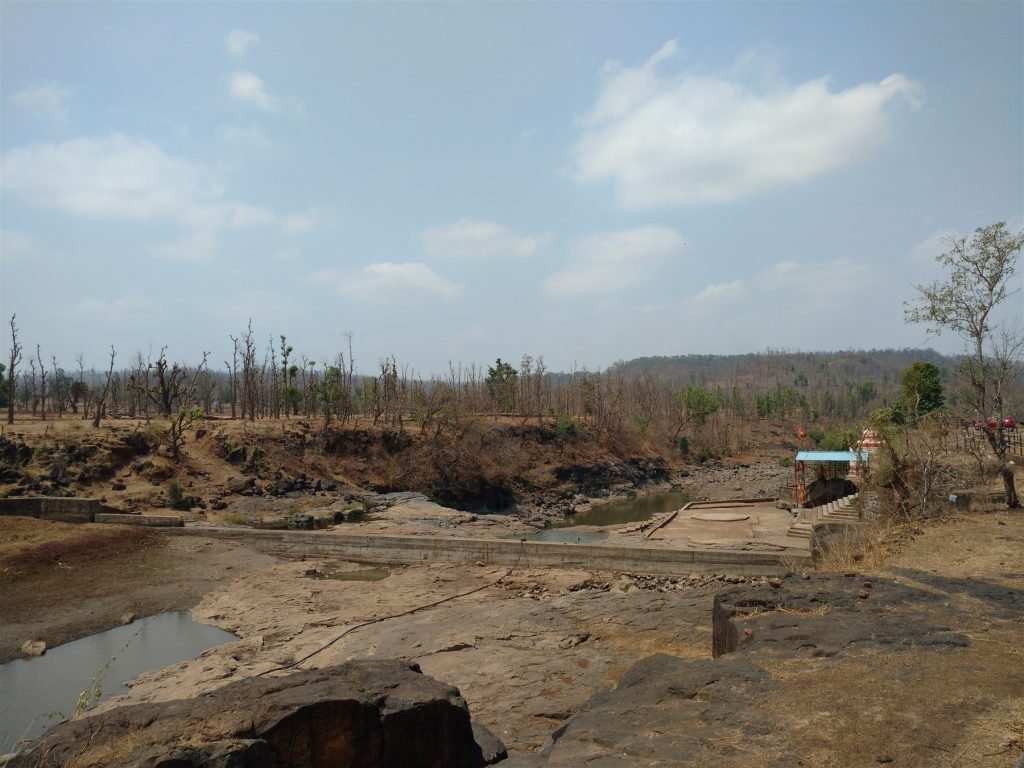
Illustration — Bhiloda tribal haat, Aravalli.
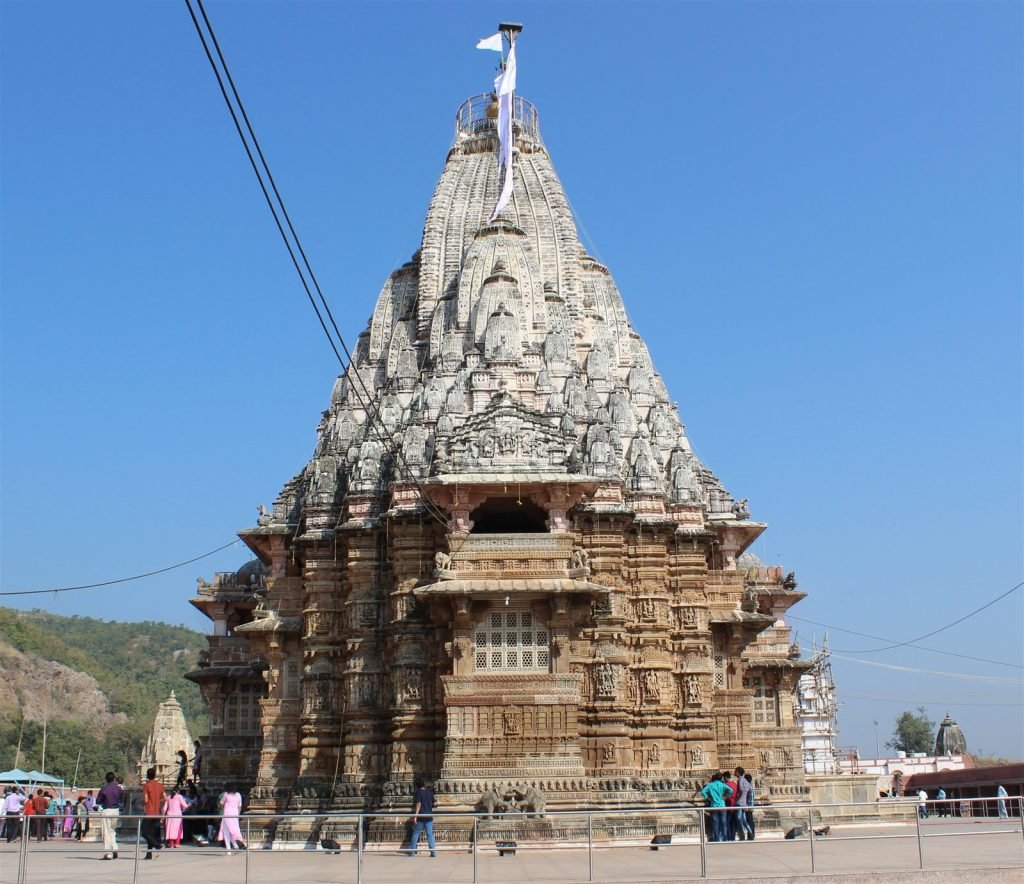
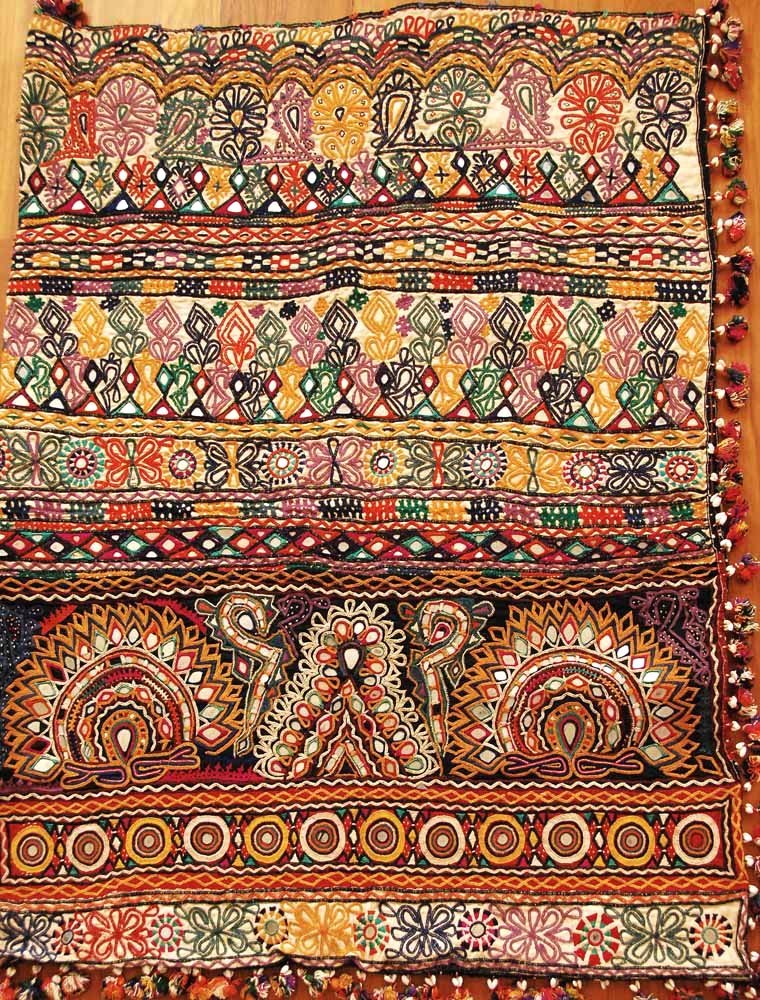
Illustration — Bhiloda tribal haat.
The Bhil and Garasia communities of the Aravalli forests have gathered to barter and trade for generations, long before the formal market town took shape.
A weekly economy grew around forest produce, honey, baskets and farm surplus — goods carried in from scattered hill villages to a common meeting point.
The haat settled into its Tuesday-morning rhythm, becoming as much a social occasion and news exchange as a place of commerce.
The market continues much as it always has — a genuine Adivasi gathering that has resisted becoming a staged spectacle for visitors.
A real tribal market that runs for the community, not for tourists.
Bhil and Garasia women in silver jewellery and embroidered ghaghra-choli.
Tribal honey, baskets, roots, tubers and produce carried in from the hills.
As much a social gathering and news exchange as a marketplace.
Rich material for the respectful photographer — colour, texture and faces.
One of the few markets in north Gujarat still much as it always was.
Adivasi market — the weekly heart of the gathering.
Silver & colour — traditional dress at its finest.
Tribal honey, handmade baskets and forest goods.
Produce and craft spread on cloth and in cane panniers.
Commerce, news and community woven together.
The soft early light that rewards an early arrival.
Reach the haat before 7 AM, when the market is at its busiest and the light is at its softest.
Move slowly through the rows of forest goods, produce and handcraft laid out across the ground.
Take in the silver jewellery and embroidered ghaghra-choli worn by Bhil and Garasia women.
Strike up a conversation about the forest honey, roots and tubers — much of it is specific to these hills.
Always seek permission before raising a camera; this is a community gathering, not a set.
Pick up honey, a basket or produce — a simple way to support the community that makes the market.
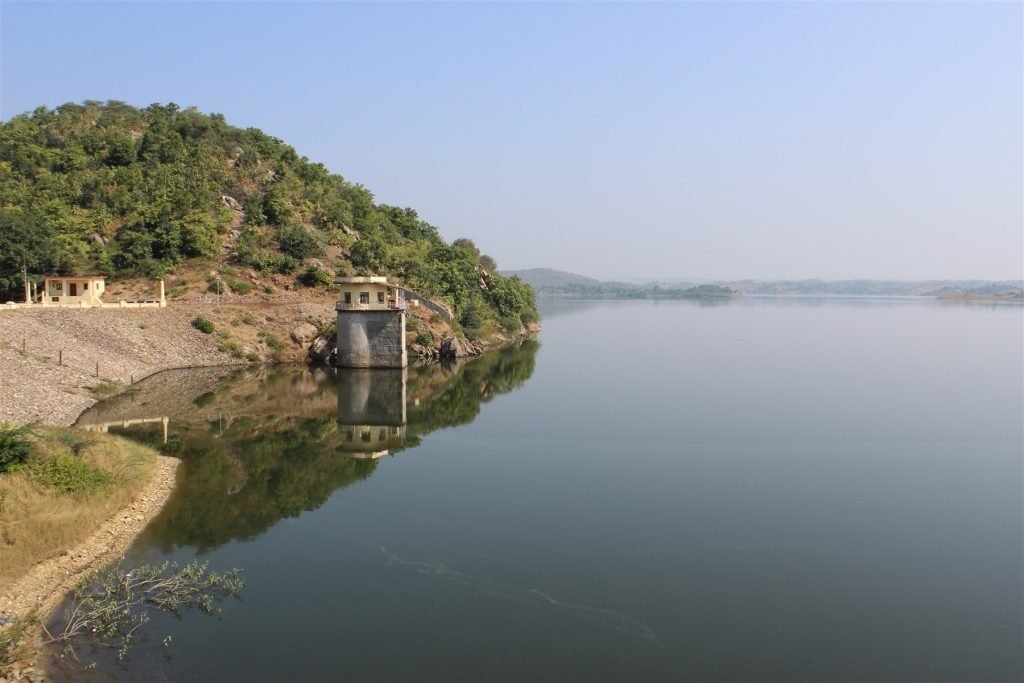
Illustration — Bhiloda tribal haat.
The Bhiloda haat is held every Tuesday morning — a tribal market where Bhil and Garasia communities from Aravalli’s forest villages sell forest produce, handicrafts and daily goods in their traditional dress.
It is a working market that follows its own social logic rather than a visitor itinerary: come early, move gently and ask before photographing. The illustrated emblem here stands in for a gathering best experienced in person, in the cool of a Tuesday dawn.
Tuesday morning tribal market — before 7am
Bhil and Garasia tribal communities
Silver jewellery, embroidered dress, forest produce
One of the most authentic markets in north Gujarat
Cool and clear — the ideal window. Comfortable mornings and the best conditions for an unhurried market walk.
Lush and green, but roads through the hills may flood. Check conditions before setting out from Modasa.
Hot by mid-morning. Still doable if you arrive right at dawn, before the heat builds.
⏰ October to March is ideal for Aravalli — and on any week, come on a Tuesday morning before 7 AM for the fullest market.
Ahmedabad's Sardar Vallabhbhai Patel International Airport is about 130 km away — roughly a three-hour drive into the Aravalli hills.
The nearest railheads are Himmatnagar and Modasa, from where the market town of Bhiloda is an easy road connection.
Bhiloda sits off NH-48 via Modasa. The market town is well linked by state highway, with Modasa about 40 km away.
ASK FIRST, ALWAYS
Arrive at dawn — the early light is soft and warm across the stalls before the sun climbs.
Silver jewellery, embroidered dress, baskets and produce laid on cloth, and the rhythm of the crowd.
Always ask before photographing people. Skip the long lens at close range; a polite nod earns far better frames.
A 35–50mm lens suits the close market rows; keep it discreet and shoot from within the flow, not above it.
Hearty home cooking — an unlimited Gujarati thali in the market town.
Gujarat's famous savoury snacks, fresh from the local shops.
Millets and forest produce — the everyday food of the Aravalli hills.
Bhiloda and Modasa offer honest Gujarati thalis, fresh farsan and roadside dhabas — and the tribal kitchen leans on millets and forest produce.
Tuesday mornings, from dawn. It is a weekly market and does not run on other days.
Forest produce, tribal honey, handmade baskets, handicrafts and everyday daily goods.
No — it is a real working market for the Bhil and Garasia communities, not a staged attraction.
Yes, but always ask the traders first. It is a community gathering, so be respectful.
None. The haat is free and open access.
Two to three hours lets you walk the whole market; one to two is enough for a focused visit.
In the Aravalli district of north Gujarat, off NH-48 via Modasa, about 130 km from Ahmedabad.
Drive via Modasa (about 40 km) or reach the railheads at Himmatnagar or Modasa and continue by road.
October to March, when the Aravalli mornings are cool and clear.
Tribal honey, handmade baskets or fresh produce — small purchases that support the community.
A historic hanging bridge over the Machchhu
A green zoological & nature park
The world's last home of the Indian khur
A calm reservoir amid the hills
Walk where the young Mahatma learned
WHERE TO STAY
Compare live prices across the big booking sites and reserve in a few taps. Booking happens securely on the partner's site — we may earn a small commission at no extra cost to you.
SHOP THE REGION
Hand-picked crafts and trip gear, available on Amazon.