Dev ni Mori represents one of the most important chapters in Gujarat’s pre-Islamic religious history: a major 4th–5th century CE Buddhist stupa complex in the Meshvo valley. Excavated in the 1960s before the Meshvo reservoir submerged the site, Dev ni Mori yielded extraordinary finds — a sculptural corpus of Gupta-period Buddhist art that includes terracotta figures of rare quality, inscribed copper caskets containing Buddha relics, and architectural fragments that speak to a sophisticated Buddhist artistic tradition in ancient Gujarat.
The physical site is now beneath the Meshvo Reservoir. The finds are at the Vadodara Museum — essential viewing for anyone tracing Gujarat’s Buddhist heritage. (Museum at Vadodara. Reservoir area accessible.)
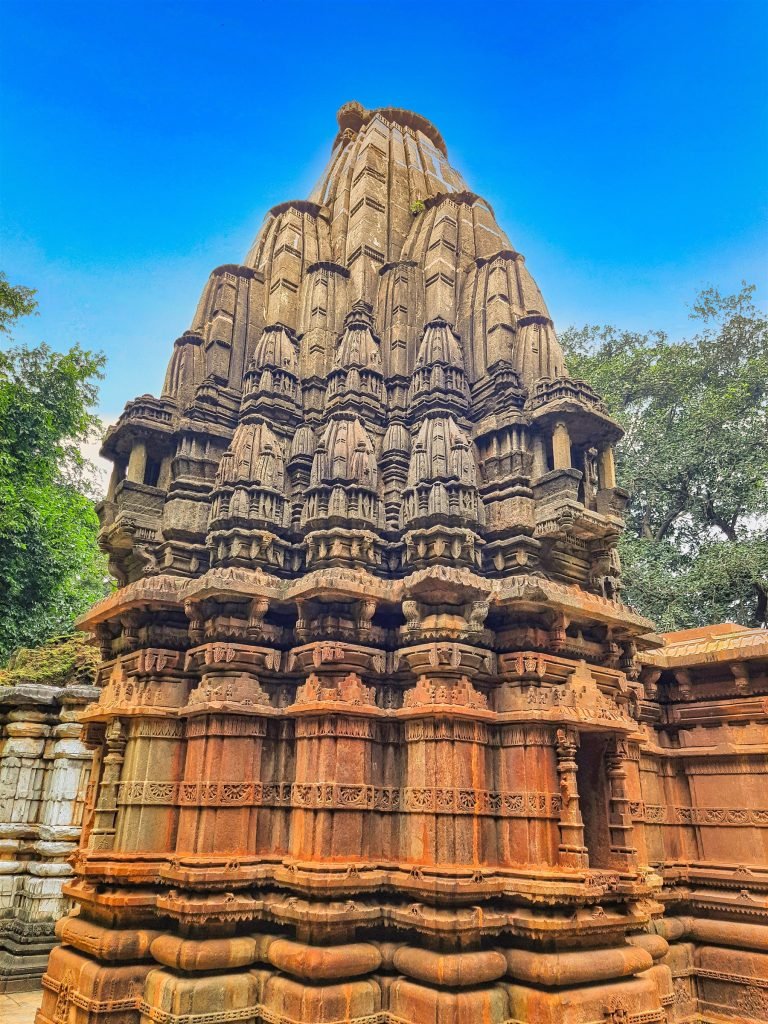
Dev ni Mori stupa, Aravalli.
Dev ni Mori, Aravalli.
A substantial Buddhist monastery and stupa complex stood in the Meshvo valley of what is now Aravalli district, active around the fourth century CE.
Its terracotta Buddha images and sculpture are of exceptional Gupta-period quality — among the finest Buddhist art found anywhere in Gujarat.
Archaeologists from Vadodara excavated and documented the site in the 1960s, ahead of the Meshvo reservoir flooding the valley.
A relic casket was recovered bearing an inscription, and the finds are now held and displayed in Vadodara.
This was a working Buddhist monastic centre in Gujarat in the Gupta period — a chapter of the state's history most visitors never hear about.
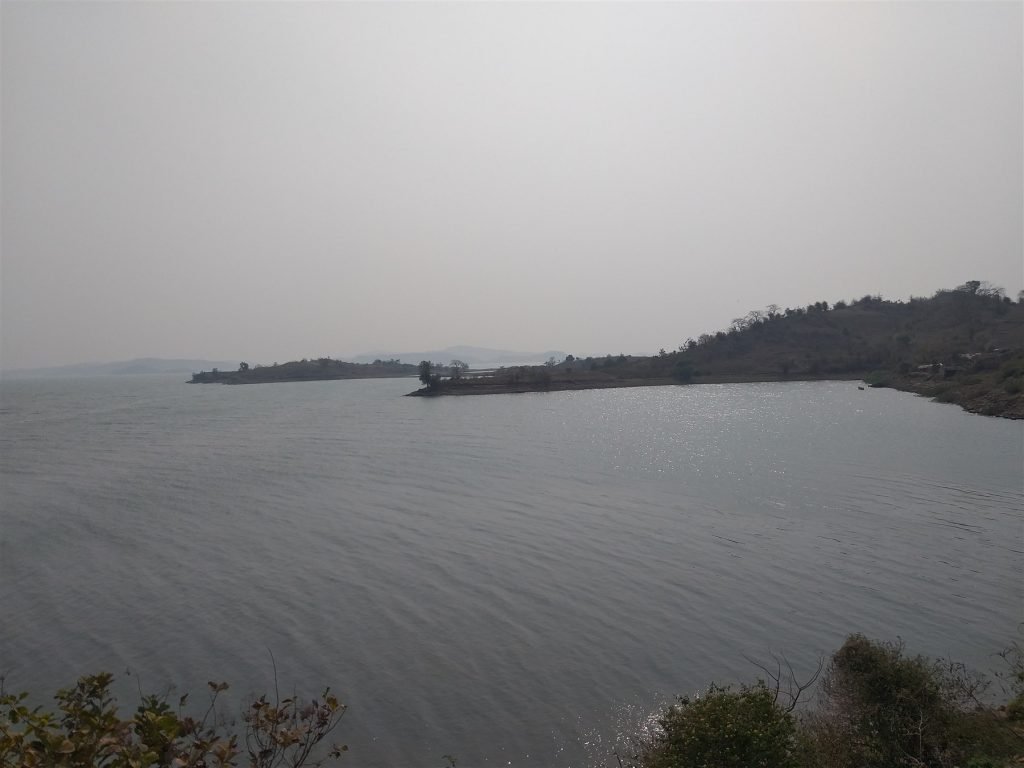
The site itself lies beneath the Meshvo reservoir. There is nothing to walk around, and that has to shape how you plan a visit.
The excavation produced a relic casket, terracotta Buddha heads and figures, and architectural fragments of real quality.
It is the best evidence that Buddhism had a substantial presence in this part of western India.
Vadodara is the essential half of the trip — the museum holds what the valley no longer does.
It is a genuinely unusual site to visit: a place whose significance is entirely displaced from where it happened.
A fourth-century Buddhist stupa complex, now under the Meshvo reservoir.
Where the terracottas, sculpture and relic casket from the site are displayed.
Understand before you go that the site is submerged; the reservoir is what you will actually see.
Plan the Vadodara Museum into the same trip — that is where the finds from the excavation are.
Look closely at the terracotta work, which is of a quality that stands with the best Gupta sculpture.
Build it into an Aravalli circuit with Shamlaji, a few kilometres away and a very different kind of site.
Take in what it means — a substantial Buddhist establishment in Gujarat, in a landscape now entirely Hindu and Adivasi.
Treat it as a piece of history rather than a monument, and it becomes one of the more interesting stops in the district.
Dev ni Mori Buddhist site.
Dev ni Mori was a 4th–5th century CE Buddhist stupa complex — excavated before flooding in 1969 and yielding Gupta-era terracotta, copper reliquary caskets and carved architectural fragments now at the Vadodara Museum. (Illustrated emblem; reservoir area accessible.)
The rest of the district is covered in our Aravalli travel guide.
4th–5th century CE Gupta-period Buddhist stupa
Terracotta sculptures of exceptional quality
Copper reliquary caskets with Buddha relics
Submerged 1969; finds at Vadodara Museum
October to March is the comfortable season across Aravalli, and the best time for the reservoir and the wider district.
The monsoon fills the reservoir and greens the valley, but the approach roads can flood and become difficult.
April to June is hot with little shade around the water; go in the early morning if you go at all.
⏰ October to March is ideal for Aravalli.
Ahmedabad airport (~130 km).
Himmatnagar / Modasa.
NH-48 / Modasa.
LOCAL FLAVOURS
The Meshvo reservoir covering the valley where the stupa stood.
Terracotta Buddha heads and figures, in the Vadodara collection.
The relic casket recovered from the excavation.
The Aravalli hill country around the Meshvo valley.
An old princely town of the region
Calm banks of the Vatrak river
FORESTA jungle valley of ruined medieval temples

The world’s oldest mountains — the Aravalli range in Gujarat, ancient Pre-Cambrian ridges rolling through Aravalli…
Gujarat’s most spectacular tribal fair — the Kartiki Purnima at Shamlaji, when tens of thousands of…
2Marvel at the temple’s intricate sculptural panels
Hearty home cooking.
Gujarat's famous snacks.
Local dhabas.
Aravalli's kitchens lean hearty and vegetarian — thalis, farsan and tribal millet dishes abound.
No. The stupa and monastery lie beneath the Meshvo reservoir, which flooded the valley after the 1960s excavation. There is no standing monument to visit at the site itself.
In Vadodara. The terracottas, sculpture, architectural fragments and the relic casket recovered from the excavation are held and displayed there, and seeing them is the real point of the trip.
A Buddhist stupa and monastery complex of around the fourth century CE, whose sculpture and terracotta work are among the finest Buddhist art recovered anywhere in Gujarat.
The reservoir site is free to visit; the Vadodara Museum charges a nominal entry.
October to March, when the Aravalli district is at its most comfortable and the roads are reliable.
A morning at the reservoir and the surrounding valley. The museum in Vadodara is a separate half-day and worth treating as such.
QUIRKYOver 1,500 dolls from across the world
2Spot leopards & owls in the deep teak woods
3Silent medieval temples deep in the woods
LAKEA serene reservoir & lakeside walks
A graceful Krishna temple in the city
WETLANDLakes & salt flats rich in birdlife
WHERE TO STAY
Compare live prices across the big booking sites and reserve in a few taps. Booking happens securely on the partner's site — we may earn a small commission at no extra cost to you.
Book directly on our partner sites — tap a provider to see live Gujarat hotels & prices:
SHOP THE REGION
Hand-picked crafts and trip gear, available on Amazon.
Published 24 June 2026 · Updated 24 August 2026
We’re an independent group of writers and travellers documenting every corner of Gujarat — one place, plate and festival at a time.
Search Gujarat Explorer
Find places, food, festivals and travel guides across Gujarat
Press Enter to search — or Esc to close
Plan Your Trip
Gujarat Explorer is an independent travel guide. We’re happy to help you shape an itinerary and point you to the right places, stays and experiences across Gujarat.
Book a Cab