
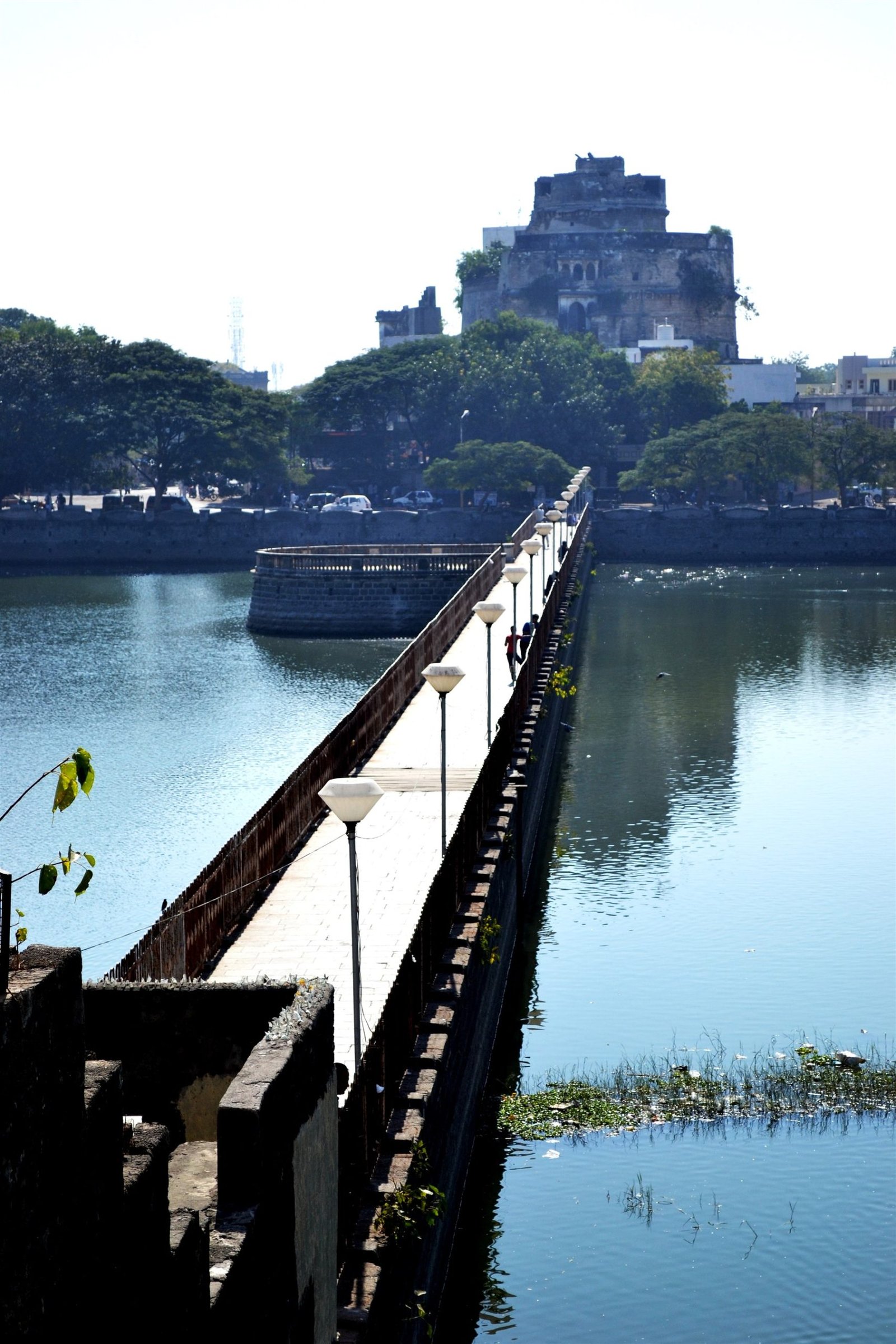
The tower on the lake
Standing on the edge of Ranmal Lake, across the water from the Lakhota Palace, the Bhujio Kotho is Jamnagar’s most distinctive landmark — a huge, round, fortified tower-bastion built in the 19th century. It once served the practical needs of the Jam state: an armoury and arsenal, with a deep well and, by local account, a network of underground chambers and even a secret passage.
Tall, solid and a little austere, it makes a striking pair with the lake and the island palace opposite, its bulk reflected in the water at dusk. Long kept closed for safety, the kotho is admired chiefly from the outside, where it anchors the much-loved Lakhota lakefront skyline — a silhouette every visitor to Jamnagar comes to know.
The round Bhujio Kotho bastion.
An arsenal, a well-house, and the passages beneath
A 19th-century fortified tower.
The great round bastion tower was raised beside Ranmal Lake in the mid-nineteenth century, when the Jams of Nawanagar were strengthening their capital.
It served the state as arsenal and well-house both — munitions stored above, water secured below, in one massive drum of masonry.
Stories have always clung to it: underground chambers, and a secret passage running beneath the lake to the island palace.
The interior stays closed, but the tower remains one of Jamnagar's best-loved landmarks — the anchor of the whole lakefront.
Reasons to make the time
City icon
The great round bastion is Jamnagar's most distinctive piece of fortification.
Lakefront
It anchors the Ranmal Lake skyline opposite the island palace.
Old arsenal
Built as a nineteenth-century armoury and well-house for the Jam state.
Dusk reflection
Mirrored in the lake at sunset, it is the lakefront's best photograph.
Pairs with Lakhota
It faces the Lakhota island palace across the water.
Local legend
Local stories tell of underground chambers and a secret passage.
What to look for inside
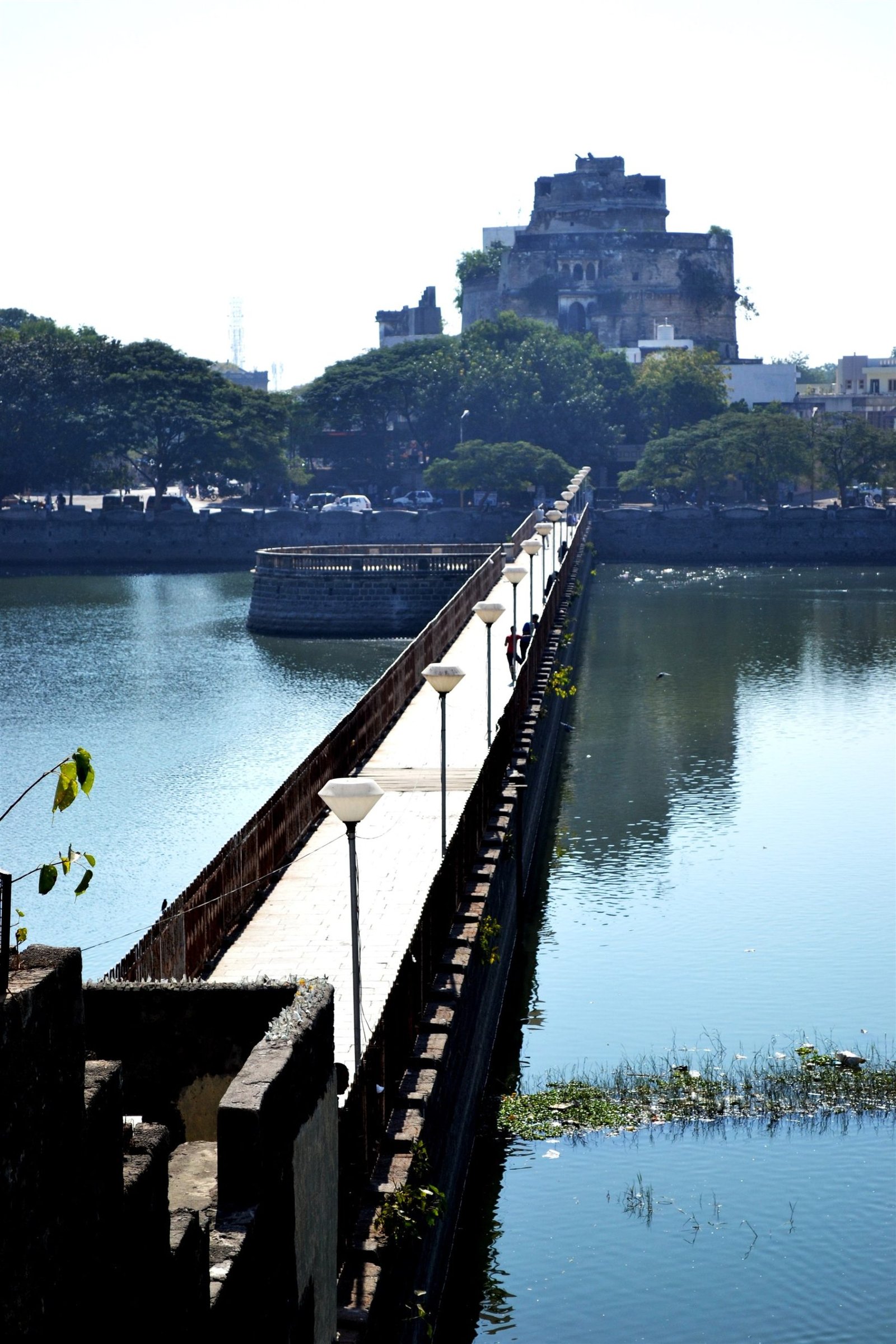 THE TOWER
The bastion
The great round fort tower.
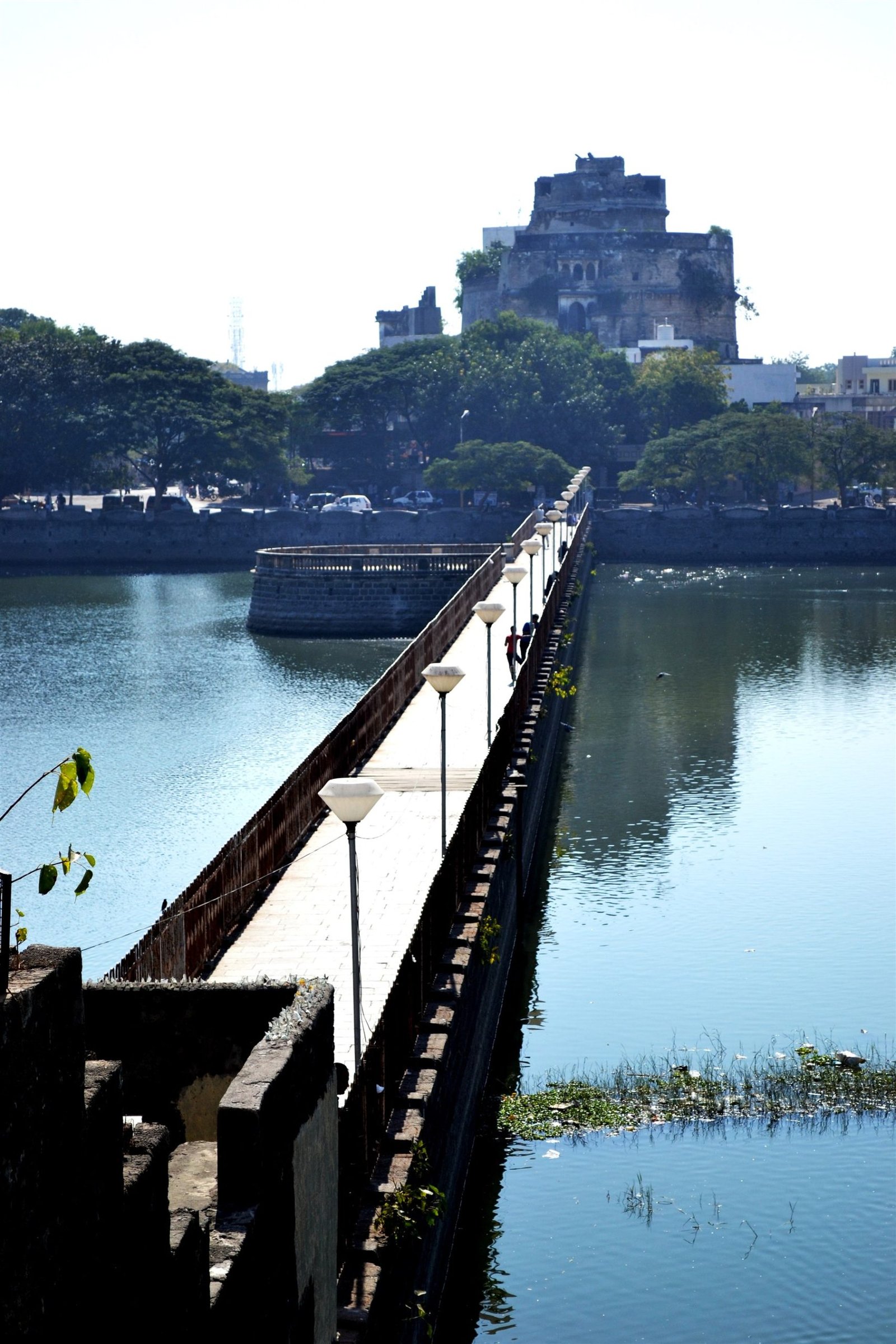 THE LAKE
Lakefront
Reflected in Ranmal Lake.
How to spend an hour or two
Circle the tower
Walk the lakefront promenade around the tower.
Frame the pair
Frame it with the Lakhota palace across the water.
Stay for dusk
See it mirrored in the lake at sunset.
Hear the legends
Hear the stories of hidden chambers below.
Watch the birds
Watch the waterbirds that crowd Ranmal Lake in winter.
Visit Lakhota
Continue to the island palace museum across the causeway.
Solid masonry beside the lake.
A round bastion and a deep well
Bhujio Kotho is a massive cylindrical bastion of solid masonry, raised on the lakeshore as part of Jamnagar’s old defences. Built to store arms and shelter a well, it is more military engineering than ornament — thick-walled, sparing in decoration and designed to endure.
Local tradition adds intrigue: underground chambers and a secret passage are said to run beneath it. Closed to entry for safety, its power today lies in its sheer, simple bulk against the water and sky.
More places to visit across the district are gathered in our Jamnagar travel guide.
Massive round bastion
Solid defensive masonry
Deep well within
Lakeside strategic position
When to go
November to February is Jamnagar's pleasant season.
The monsoon fills the lake and brings the birds.
Summer is hot; come for the sunset hour.
⏰ Photograph it at sunset from the Lakhota lakefront, with the palace and water in the frame.
Timings & entry
- The tower is usually closed to entry
- Admire and photograph it from outside
- The lakefront is open at all hours
- Allow about 30 minutes
- Interior access is generally restricted
- No fee to view from the lakefront
- Take care near the water's edge
- Combine it with the Lakhota palace
Getting there
By Air
Jamnagar Airport (~10 km) is close.
By Rail
Jamnagar station, then a short ride.
On Foot
On the Lakhota lakefront in the city centre.
Shooting the tower
BULK & WATER
A round bastion against the lake
Best light
Sunset over Ranmal Lake.
What to shoot
The tower reflected in the water.
Composition
Framed with the Lakhota palace.
Foreground
Birds and boats on the lake.
Know before you go
More to see close by
 AYURVEDA
Ayurveda University
A renowned centre of traditional healing
 CRAFT
CRAFTBrass Bazaars
Lanes of gleaming hand-beaten brassware
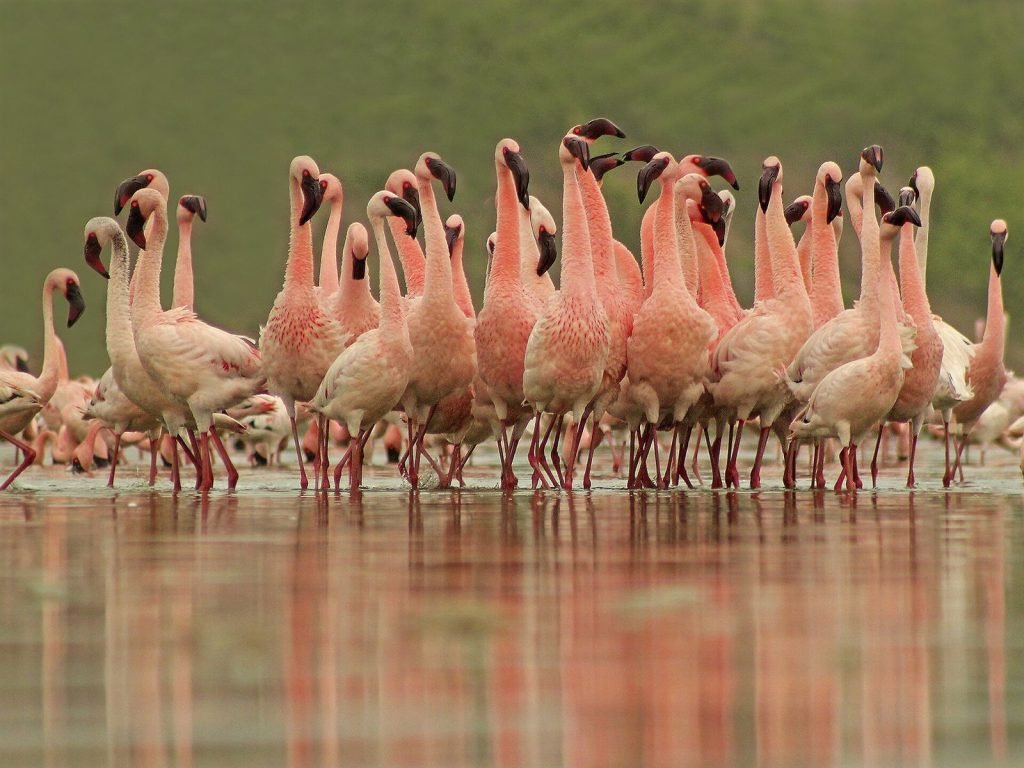 WETLAND
Rozi & Bedi Coast
Vast flamingo flocks in winter
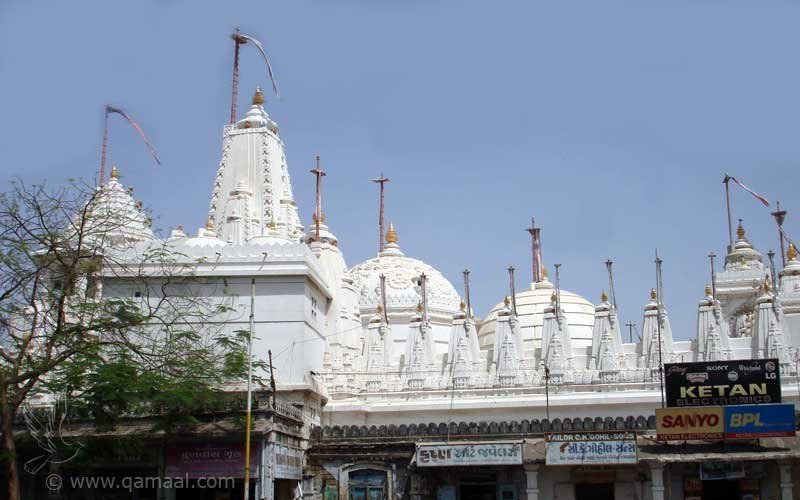 SPIRITUAL
Jamnagar Jain Temples
Ornate Shwetambar temples in the old town
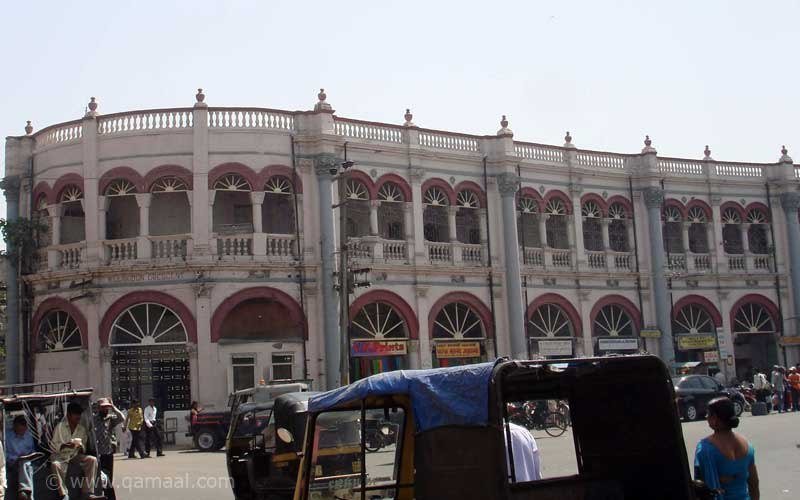 OLD CITY
Darbargadh
The royal quarter & Willingdon Crescent
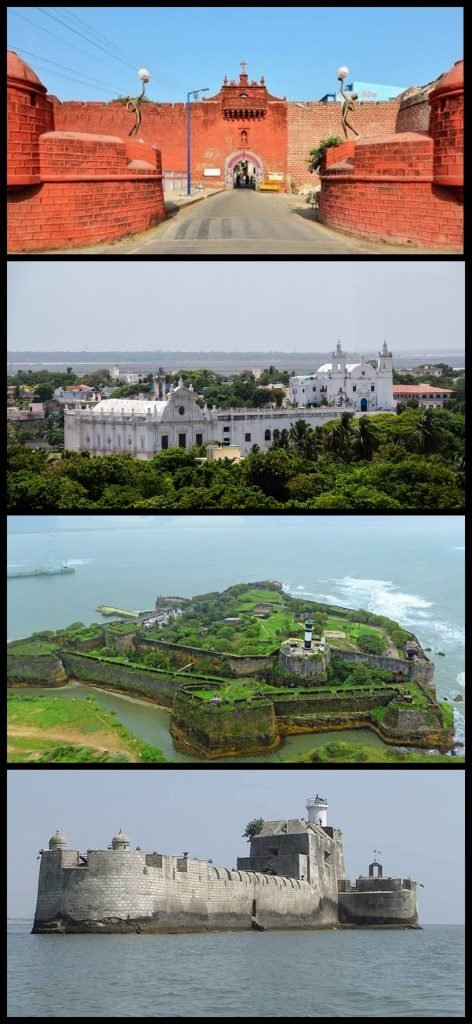
Gulf Mudflats
◐ Golden hour · the flats
Where to eat near Bhujio Kotho
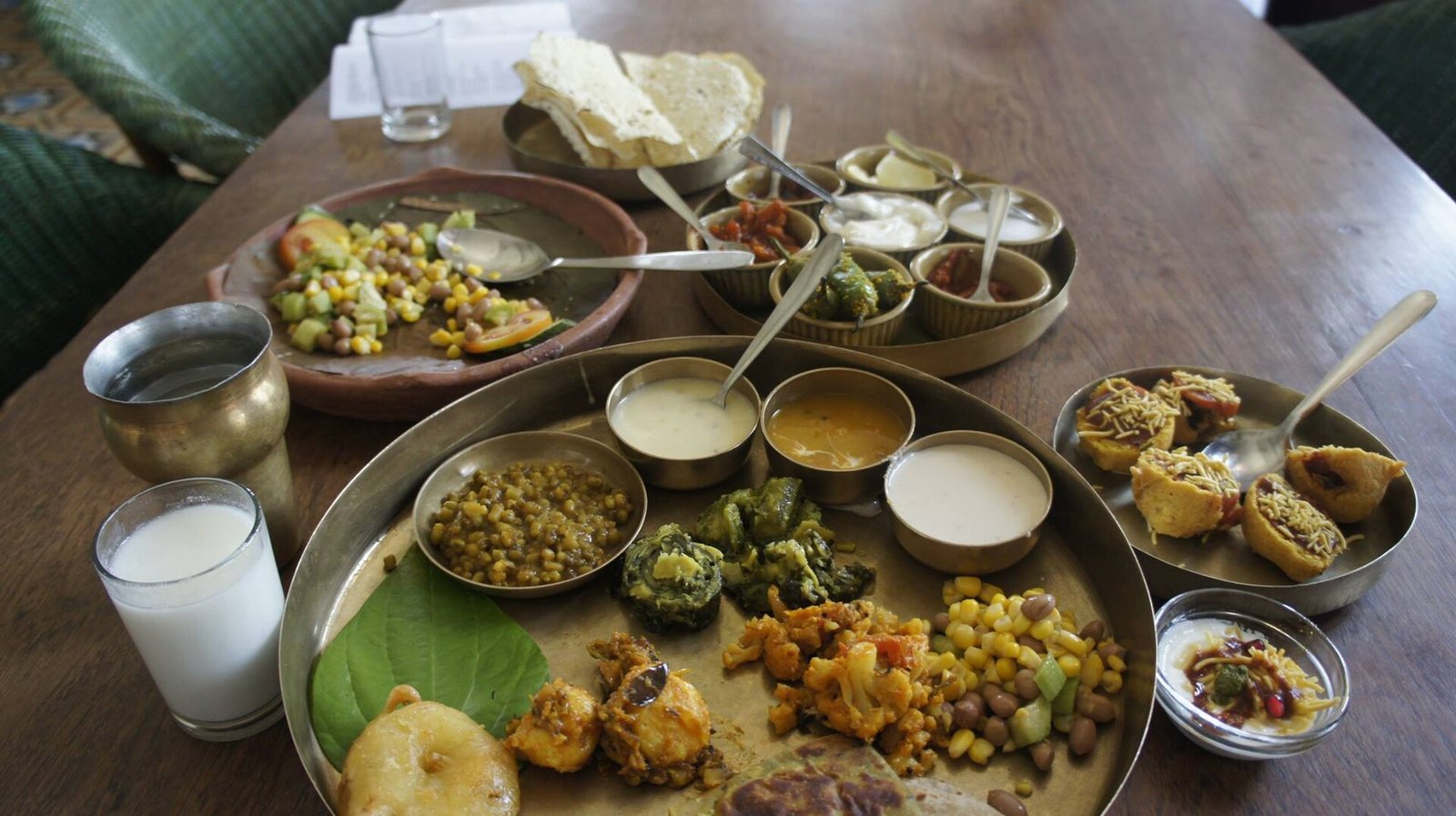 THALI
THALIKathiawadi Thali
Rotla, kadhi, shaak and ghee-rich fare.
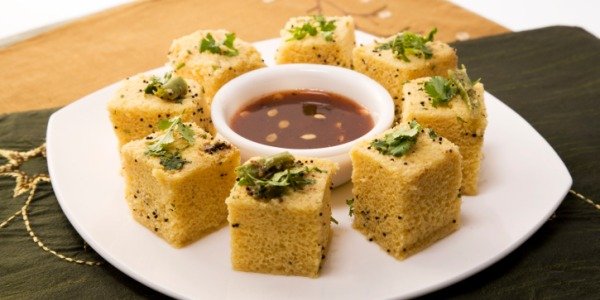 SNACKS
Ganthiya & fafda
Gathiya and farsan, a Saurashtra staple.
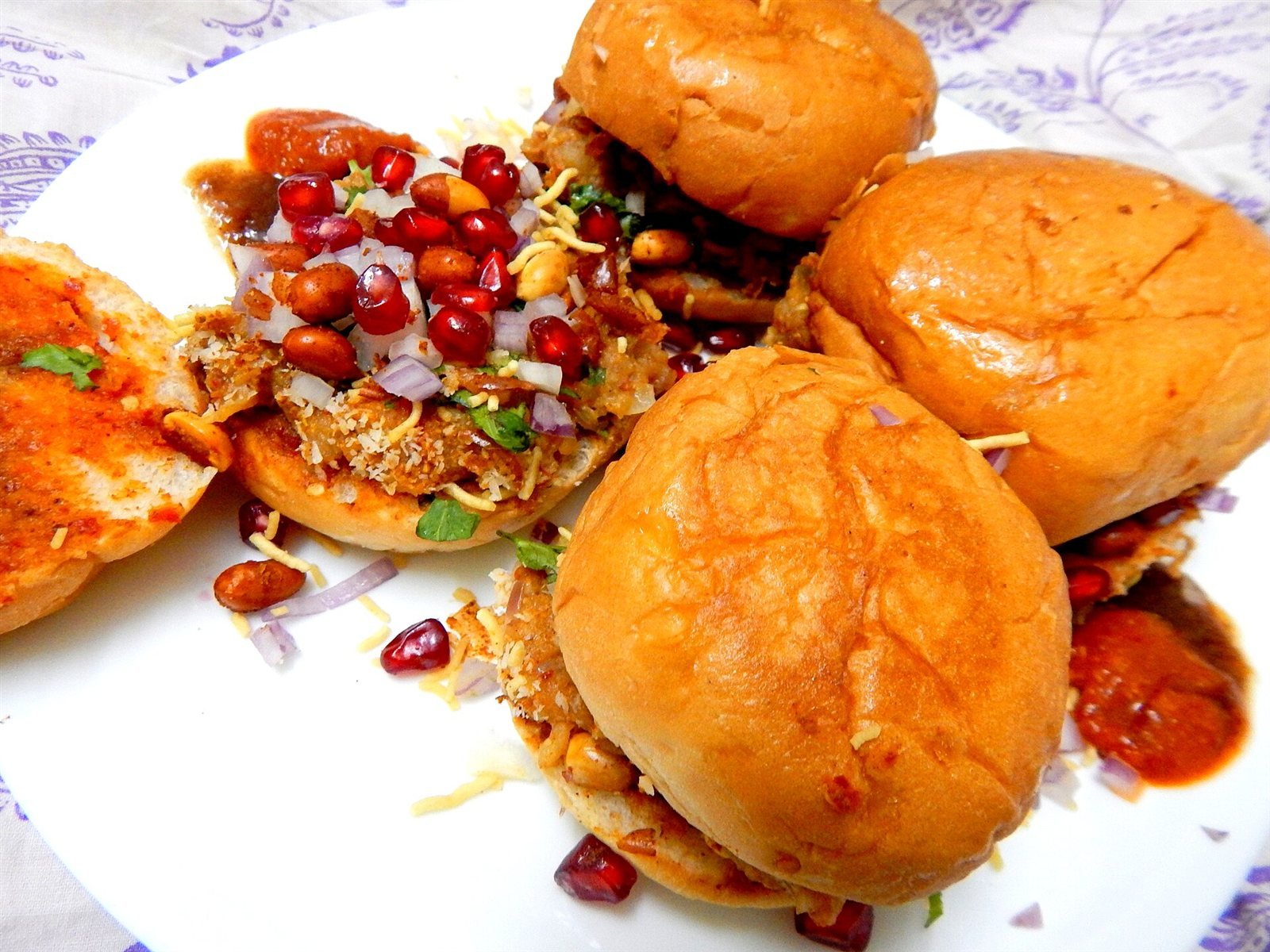 STREET FOOD
Kachori & chaat
The old city's bustling bazaar snacks.
Pure-veg city
Jamnagar's food is largely vegetarian.
Bhujio Kotho FAQ
What is Bhujio Kotho?
A large nineteenth-century round bastion tower beside Jamnagar's Ranmal Lake — the city's most distinctive fortification, opposite the Lakhota island palace.
What was it used for?
As an arsenal and well-house for the Jam state — munitions and gunpowder stored in the upper chambers, with water secured below, so the fortification fed both needs of a besieged capital at once.
Can I go inside?
Generally no — the interior is kept closed; the tower is admired from the lakefront.
Is there an entry fee?
No fee — the lakefront promenade is open to all.
What's the best time?
Sunset, when the tower reflects in the lake and the light is at its best.
What's the legend?
Local stories tell of underground chambers and a secret passage to the palace — part of the tower's folklore.
Where is it?
On the Ranmal (Lakhota) lakefront in the middle of Jamnagar, directly across the water from the island palace museum — the two monuments frame the lake between them.
What's nearby?
Lakhota Palace, Darbargadh and Bala Hanuman temple.
Related places across Gujarat

Chhab Lake Shrines
Lakeside temples in Dahod
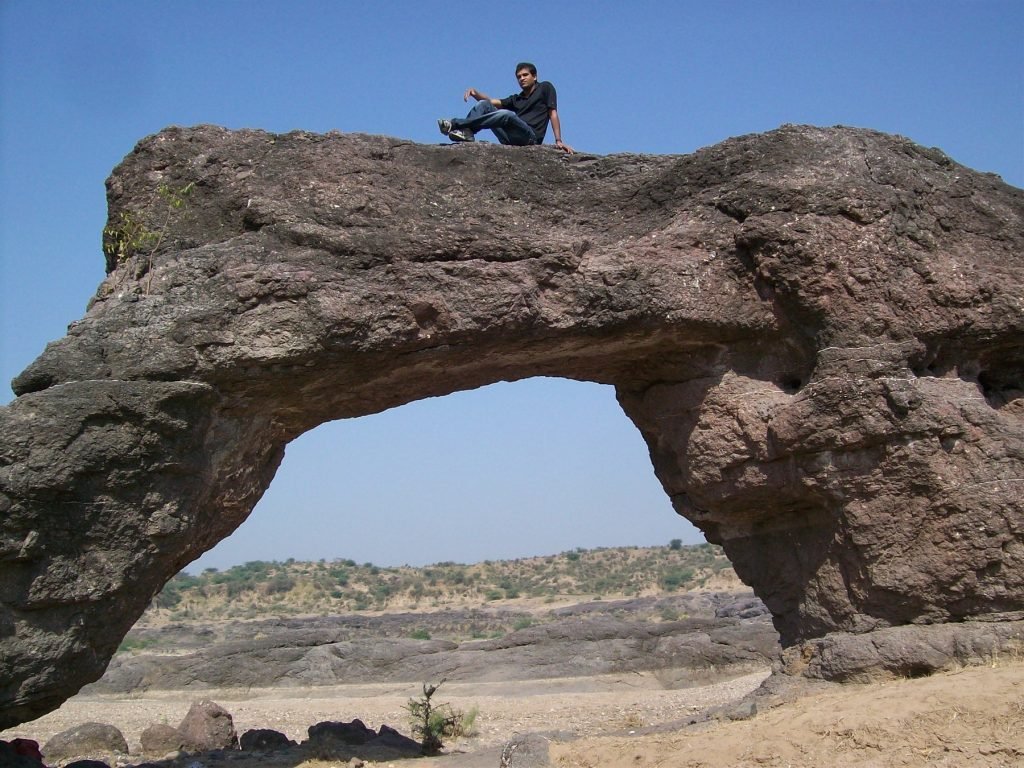 RIVER
RIVERMahi River
The broad, sacred river of the district
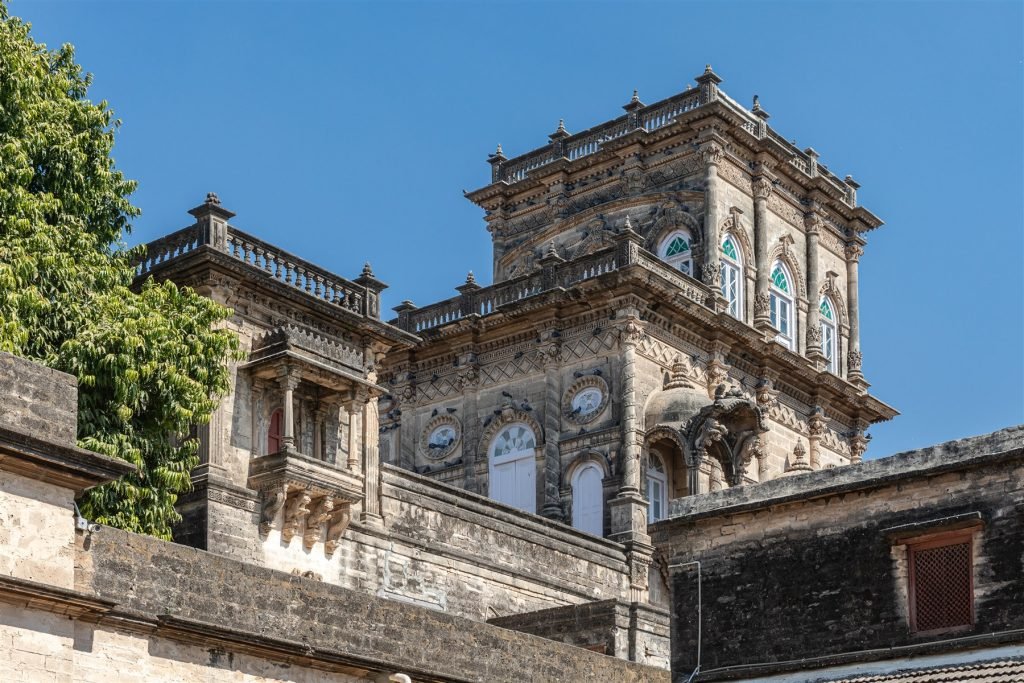
Gondal
A jewel of princely Saurashtra — Gondal, the old Jadeja capital of grand palaces, a famous…
 NATURE
Balaram-Ambaji
Forested hills rich in wildlife
 6
6Village Dayro
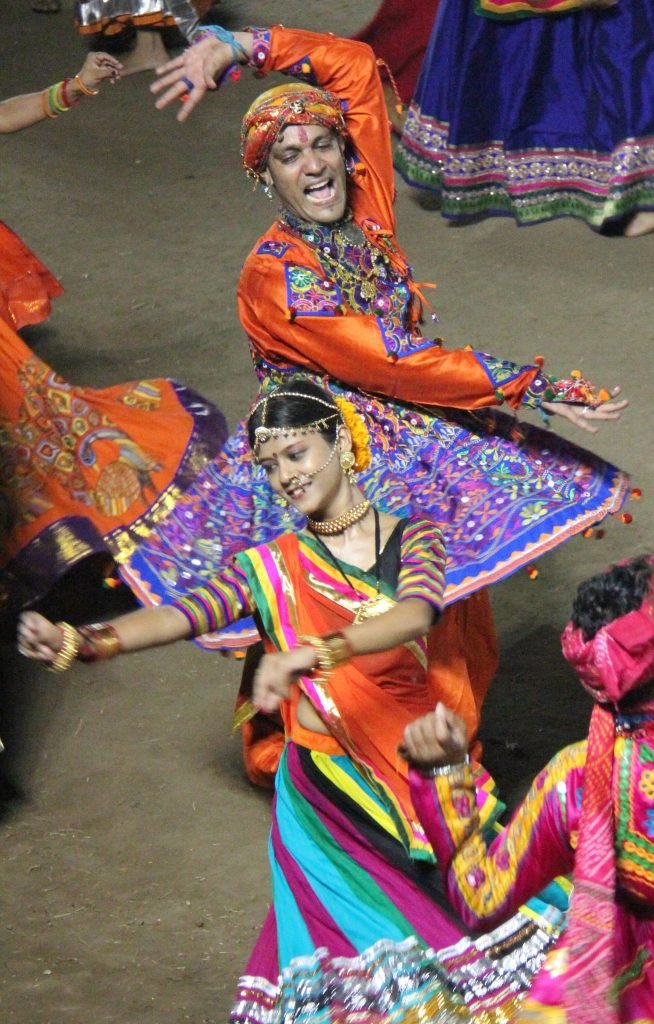
Catch a folk story-and-song night in the hamlets
Tankara Dayanand
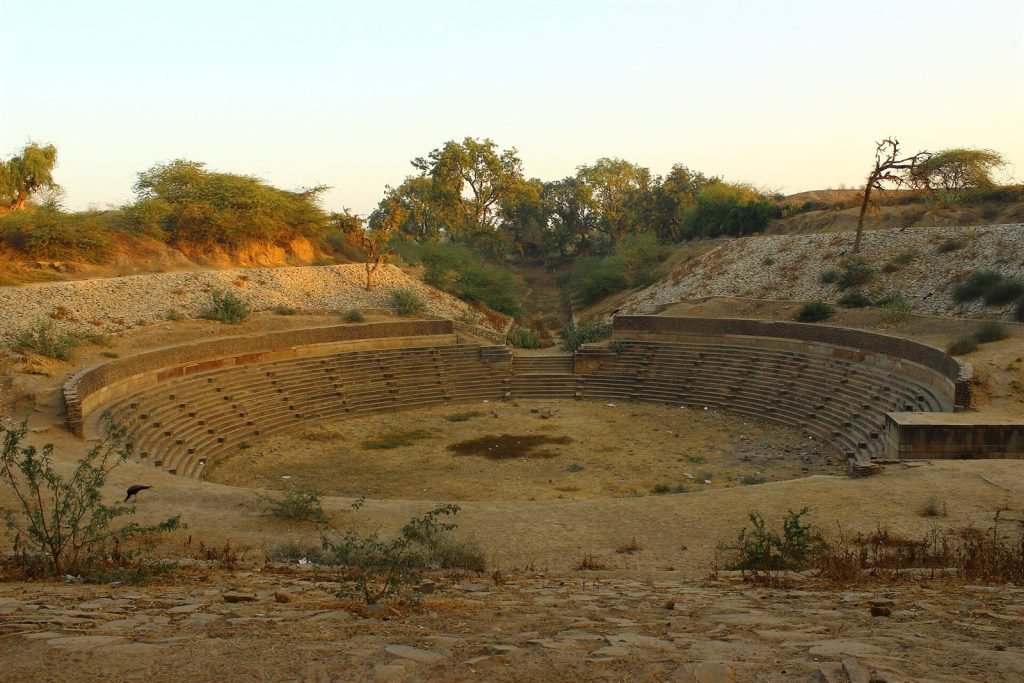
Birthplace of Maharshi Dayanand Saraswati
WHERE TO STAY
Find your stay in Gujarat
Compare live prices across the big booking sites and reserve in a few taps. Booking happens securely on the partner's site — we may earn a small commission at no extra cost to you.
Book directly on our partner sites — tap a provider to see live Gujarat hotels & prices:
SHOP THE REGION
Bring home Gujarat — & travel essentials
Hand-picked crafts and trip gear, available on Amazon.
Published 24 June 2026 · Updated 24 August 2026
We’re an independent group of writers and travellers documenting every corner of Gujarat — one place, plate and festival at a time.