
Home › Kheda › Dakor Ranchhodrai Temple
VAISHNAVA TEMPLE · KRISHNA · PILGRIMAGEDakor Ranchhodrai Temple
One of Gujarat's greatest Krishna shrines — the Ranchhodrai temple at Dakor, where the dark idol of Krishna draws hundreds of thousands of pilgrims, especially on the full-moon days, is among the most important and atmospheric pilgrimage centres in the state.
The great Krishna pilgrimage of central Gujarat
The Ranchhodrai temple at Dakor is one of the most important Vaishnava pilgrimage sites in Gujarat — a great temple to Krishna in his form as Ranchhodrai (“the one who left the battlefield”), drawing devotees from across the state and beyond. The temple’s fame rests on a beloved tradition: the story that the idol of Ranchhodrai was brought to Dakor from Dwarka by a devoted follower, Bodana, whose devotion was so great that Krishna himself chose to come and reside here.
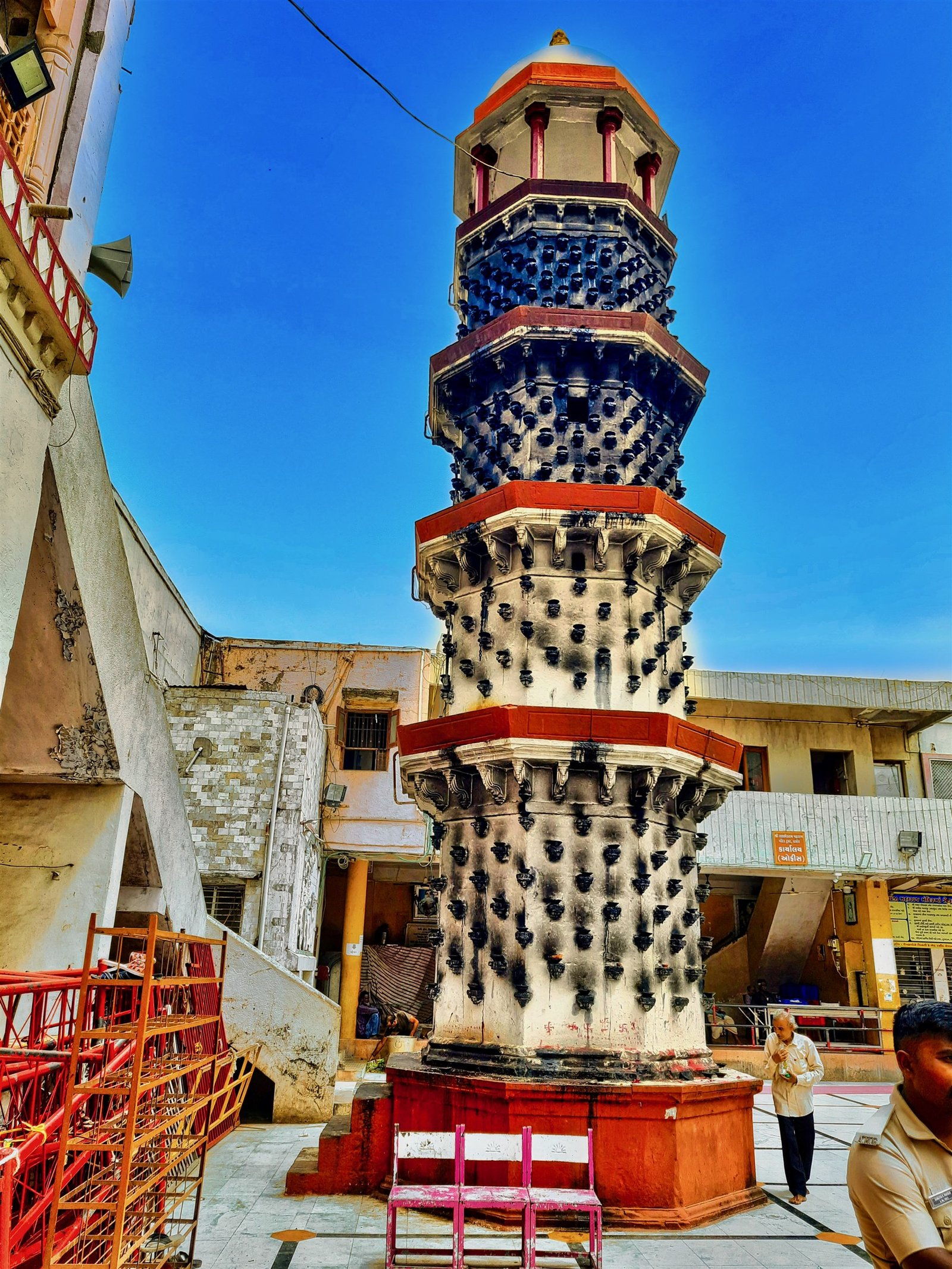
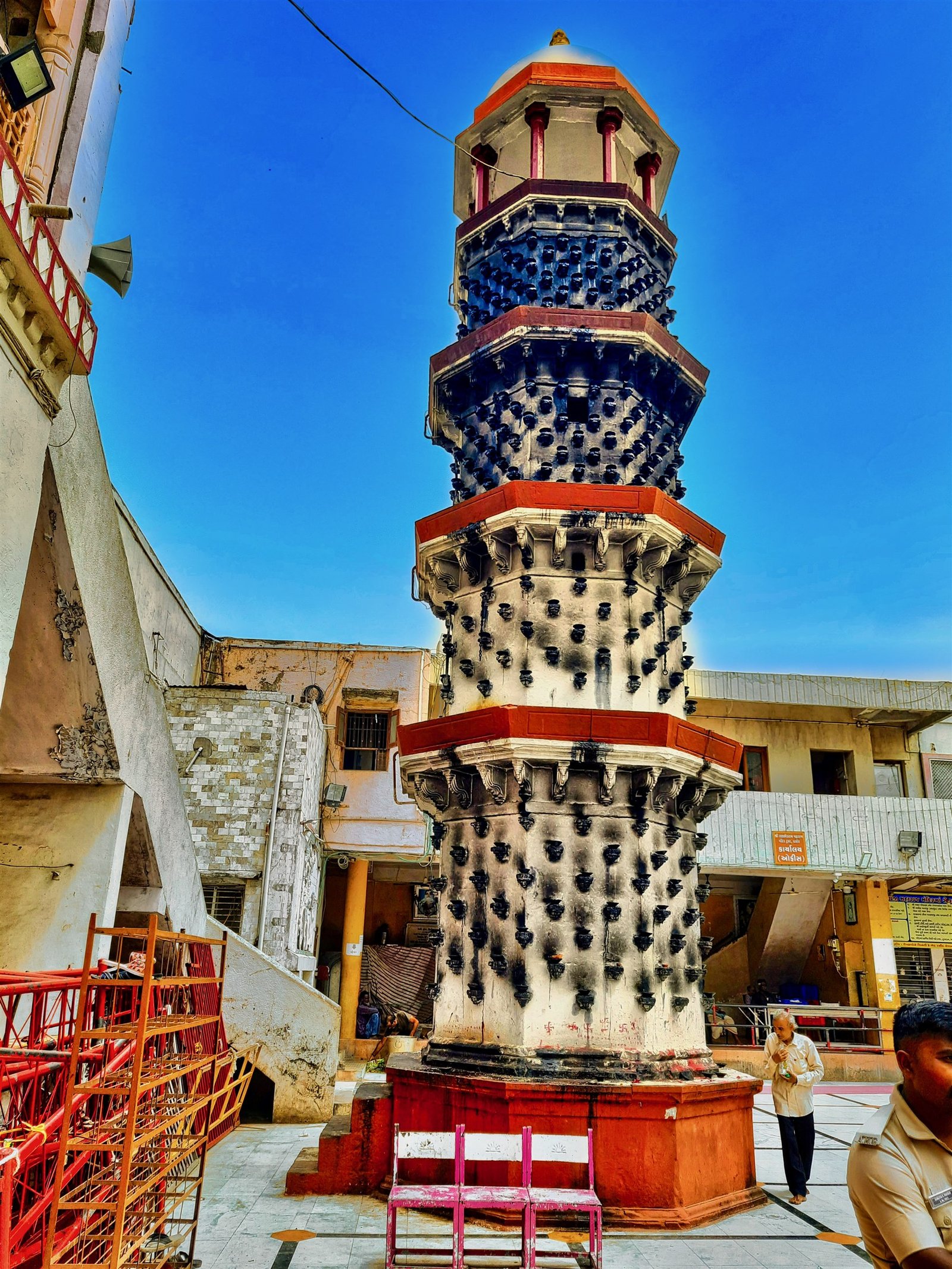
The dark stone idol, richly adorned and worshipped through an elaborate daily cycle of darshan, is the heart of the temple. The present temple, with its tall white shikhara and gilded finials, dates from the 18th century and is built on a grand scale. It stands beside the sacred Gomti lake, where pilgrims bathe before darshan, and the whole town of Dakor is organised around the rhythms of pilgrimage.
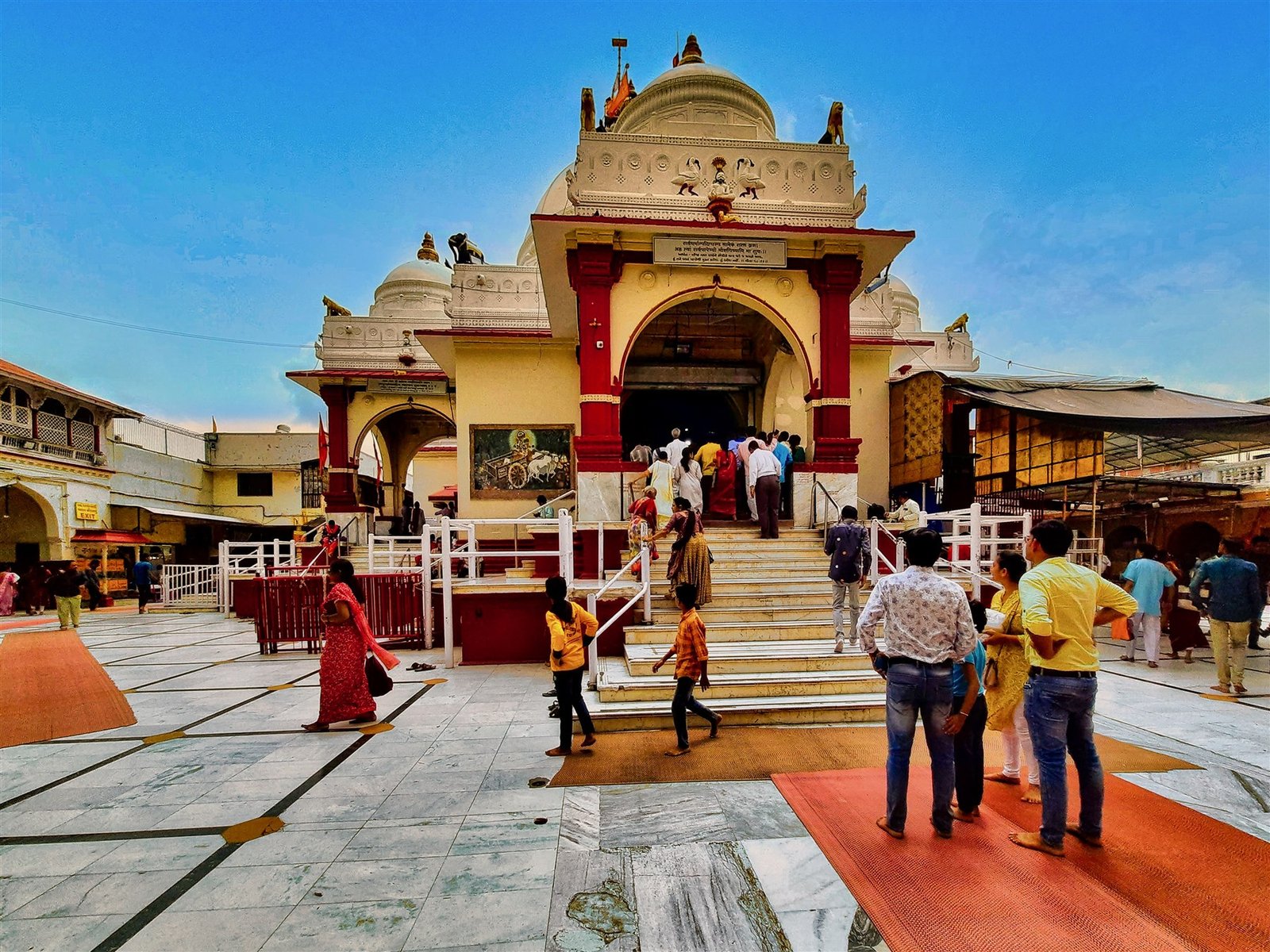
The temple is busiest on the full-moon (Purnima) days, particularly Sharad Purnima and Falgun (Holi) Purnima, when vast numbers of pilgrims — many walking from across Gujarat — converge on Dakor in one of the great pilgrim gatherings of the state. An active and very busy pilgrimage temple; observe darshan timings, dress modestly, and expect the largest crowds on Purnima days.
Ranchhodrai temple, Dakor. Source: Wikimedia Commons.
Bodana's devotion, and the idol that followed him
Ranchhodrai temple, Dakor. Wikimedia Commons.
Bodana's devotion brings Krishna — so great that the lord himself chose to come and reside at Dakor.
The dark idol of Ranchhodrai is brought to Dakor from Dwarka, and a great shrine grows around it.
The present temple is raised on a grand scale, with a tall white shikhara and gilded finials.
Dakor stands as one of Gujarat's foremost Krishna pilgrimage towns, busiest on the full-moon days.
Reasons to make the time
Krishna
Ranchhodrai darshan — the dark, richly adorned idol at the heart of the temple.
Purnima
The great pilgrim days, when vast crowds converge on Dakor.
Gomti lake
Sacred bathing in the temple lake before darshan.
Temple
A grand 18th-century shikhara rising above the town.
Pilgrimage
Walkers from afar, many arriving on foot from across Gujarat.
Darshan
An elaborate daily cycle of worship and viewing.
What to look for inside
 RANCHHODRAI
The temple
Krishna's shrine — the dark Ranchhodrai idol at the heart of Dakor.
 THE COURTYARD
Pilgrimage
Daily darshan, with crowds at their greatest on the Purnima days.
GOMTI LAKESacred bathing
The temple lake beside the shrine, where pilgrims bathe before darshan.
SHIKHARAGrand temple
The tall white shikhara and gilded finials of the 18th-century structure.
PURNIMAFull-moon fairs
The great pilgrim gatherings of Dakor, drawing walkers from afar.
PRASADDakor's gota
The famous temple sweets bought and shared by pilgrims.
How to spend an hour or two
Take darshan
Stand before the dark Ranchhodrai idol, the richly adorned heart of the temple.
Bathe at Gomti lake
Join pilgrims at the sacred temple lake before worship, as tradition demands.
Visit on a Purnima
Come on the great pilgrim days — Sharad and Falgun Purnima — for Dakor at its most alive.
Witness the daily cycle
Follow the elaborate daily darshan, the rhythm around which the whole town turns.
Walk the temple town
Explore Dakor, a place wholly organised around the rhythms of pilgrimage.
Buy the prasad
Pick up Dakor's famous gota and other temple sweets to share.
Ranchhodrai temple, Dakor. Wikimedia Commons.
A grand 18th-century temple
The present Ranchhodrai temple dates from the 18th century — a grand structure with a tall white shikhara and gilded finials, built on a scale befitting one of Gujarat’s major pilgrimage centres. It stands beside the sacred Gomti lake, where pilgrims bathe before darshan, and the surrounding town is wholly organised around the rhythms of pilgrimage.
The temple is busiest on the full-moon days, when vast numbers of pilgrims converge. An active and very busy pilgrimage temple; observe darshan timings, dress modestly, and expect the largest crowds on Purnima days.
Planning more of the area? Our Kheda guide covers the whole district.
A great Vaishnava temple to Krishna as Ranchhodrai
The beloved legend of Bodana’s devotion
Grand 18th-century shikhara beside the Gomti lake
Vast pilgrim gatherings on the full-moon days
When to go
Cool and pleasant — ideal. Comfortable for darshan and exploring the temple town all day.
Dakor's great pilgrim days. The full-moon fairs draw vast crowds and are the heart of the experience.
Hot; early morning best. Come right at opening to beat the heat and the queues.
⏰ Winter is most comfortable; the Purnima fairs at Dakor are the great pilgrim occasions.
Timings & entry
- Worship runs on an elaborate daily darshan schedule
- Arrive early to avoid the longest queues
- Busiest on Purnima days — plan extra time
- Allow 1–2 hours for an unhurried visit
- No ticket required for temple darshan
- Modest dress and respectful behaviour expected
- Bathe at the Gomti lake before darshan, as tradition
- Expect the largest crowds on full-moon days
Getting there
By Air
Ahmedabad airport is about 55 km away, with onward taxis and buses to Dakor.
By Rail
Nadiad and Anand junctions are the nearest railheads, well connected to the wider network.
By Road
Dakor lies off the NH-48 Ahmedabad–Vadodara corridor, easily reached by car or bus.
Shooting the temple
PILGRIMAGE ATMOSPHERE
White shikhara, the Gomti lake and the rhythm of darshan and crowds.
Best light
Early morning is best — soft light on the white shikhara before the day's heat and crowds build.
What to shoot
The shikhara and gilded finials, the Gomti lake, and the streams of pilgrims on Purnima days.
Be respectful
Photography inside the sanctum is restricted — follow temple rules and keep darshan undisturbed.
Gear tip
A wide lens captures the temple and lake together; bring a longer lens for candid pilgrim moments.
Know before you go
More to see close by
 TOWN
TOWNDharmaj
A prosperous NRI Charotar town
 OLD TOWN
Kapadvanj
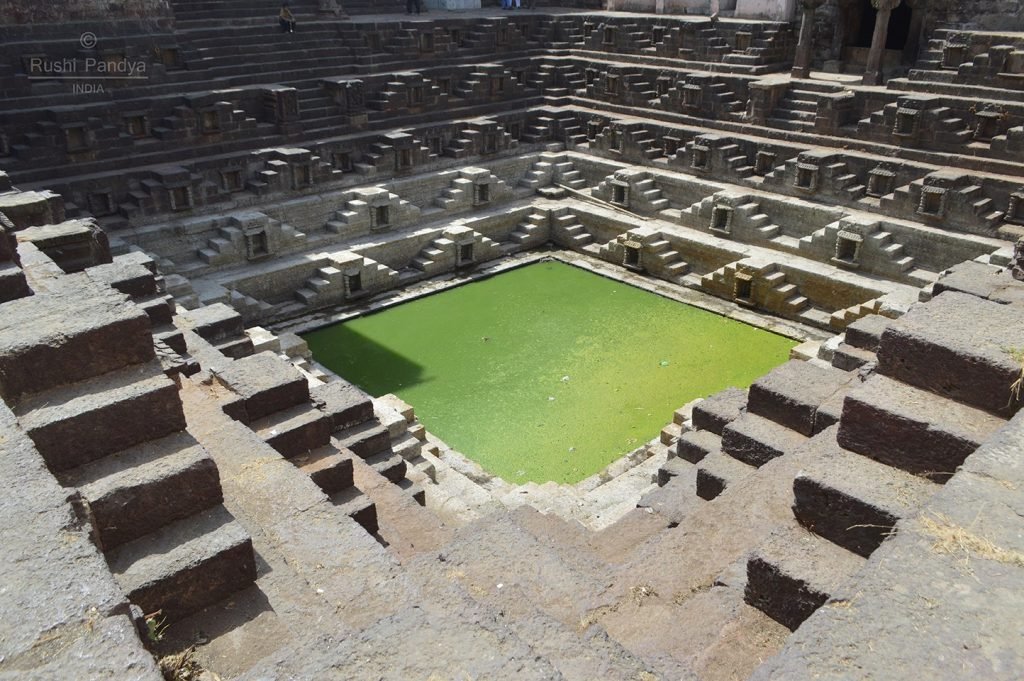
Ancient torans and a carved stepwell
 LAKE
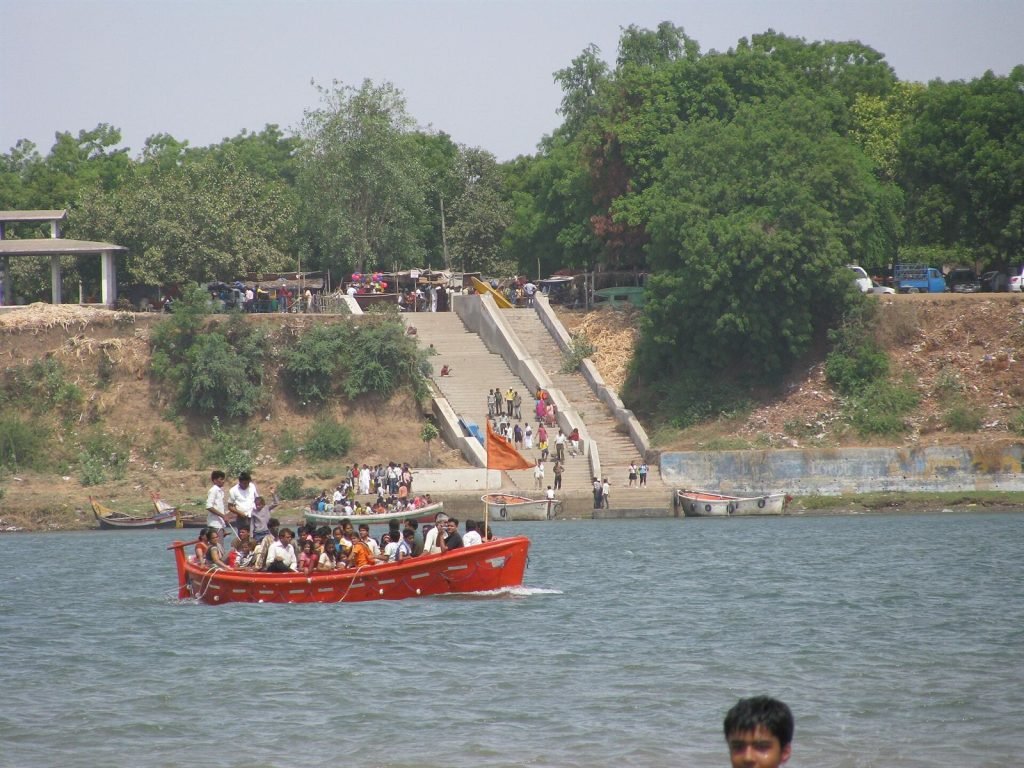
LAKEGomti Lake, Dakor
The sacred tank beside Dakor
 HISTORIC
Roza Rozi, Mahemdavad
Old tombs near Mahemdavad
 TEMPLE
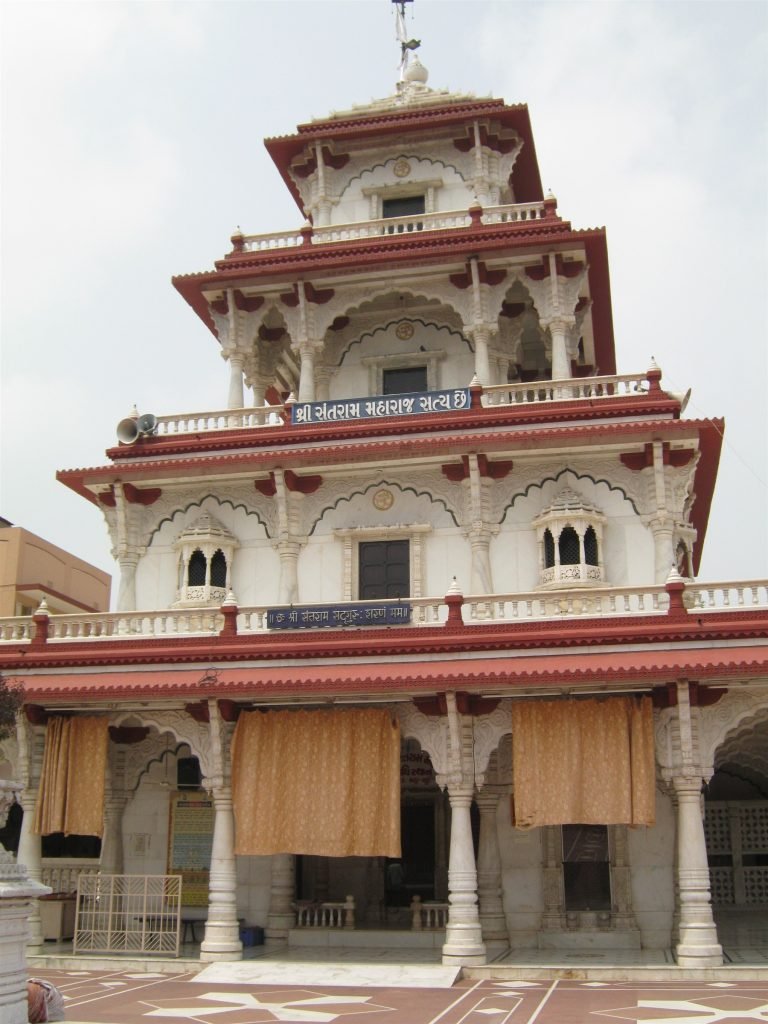
Nadiad Santram Mandir
The revered seat of Santram Maharaj
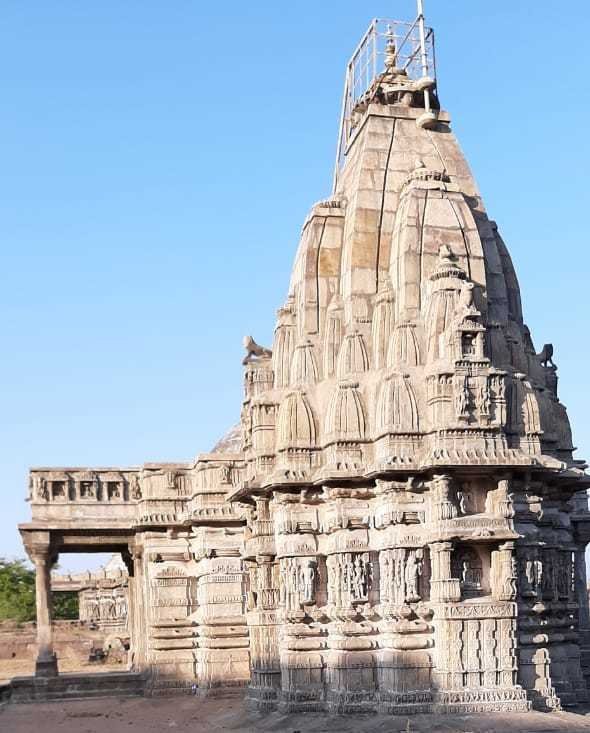
Mahemdavad Shrines
Old temples by the helical step-well
Where to eat near Dakor Ranchhodrai Temple
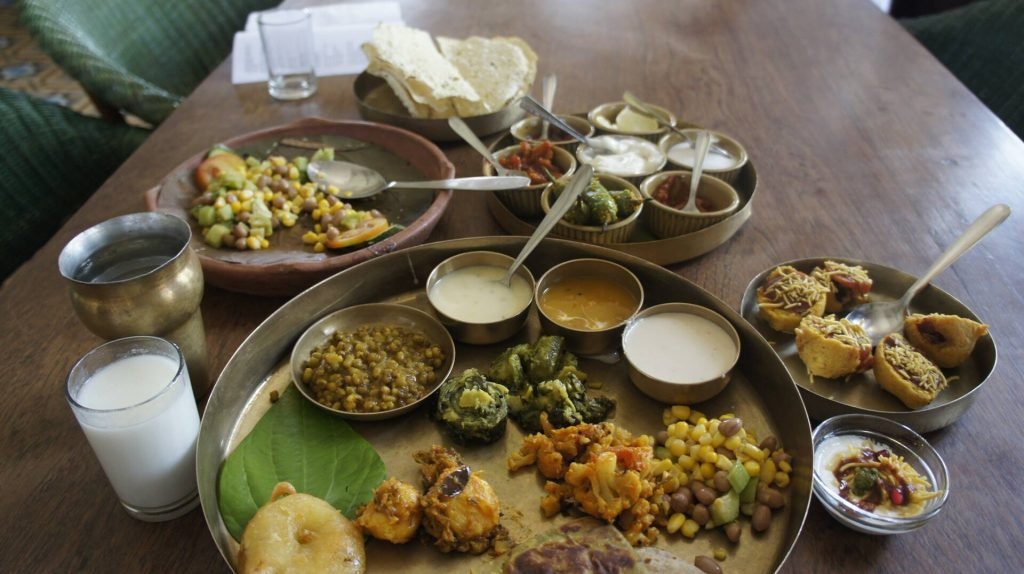
Gujarati Thali
Charotar comfort food — a generous regional thali to fuel a day of pilgrimage.
Doodhpak
A festive milk sweet, rich and slow-cooked, beloved across central Gujarat.
Khaman
Soft, savoury and steamed — the classic Gujarati snack found in every town.
Charotar dairy country
This is Amul country — expect superb milk, doodhpak and dairy sweets across the region.
Dakor Ranchhodrai Temple FAQ
What is Dakor known for?
The Ranchhodrai temple — a great Krishna pilgrimage centre and one of Gujarat's most important shrines.
Who is Ranchhodrai?
Krishna in the form worshipped here, said to have come from Dwarka to reside at Dakor.
When is it busiest?
On full-moon (Purnima) days, especially Sharad and Falgun Purnima, when vast crowds converge.
What is the Gomti lake?
The sacred temple lake where pilgrims bathe before darshan.
What is the dress code?
Modest dress and respectful behaviour are expected at this active pilgrimage temple.
What is the famous prasad?
Dakor's gota and other temple sweets, bought and shared by pilgrims.
How do I reach Dakor?
Ahmedabad airport is about 55 km; Nadiad and Anand are the nearest railheads; Dakor lies off the NH-48 corridor.
How much time should I plan?
One to two hours is comfortable for darshan and a walk around the temple town — longer on Purnima days.
What is the best time to visit?
October to March, when the weather is cool and pleasant; the Purnima fairs are the great occasions.
Is there an entry fee?
Temple darshan is open access; no ticket is required.
Related places across Gujarat
 TRIBAL
Jhalod
A lively tribal market town
ISKCON Jamnagar
A serene Krishna temple & centre
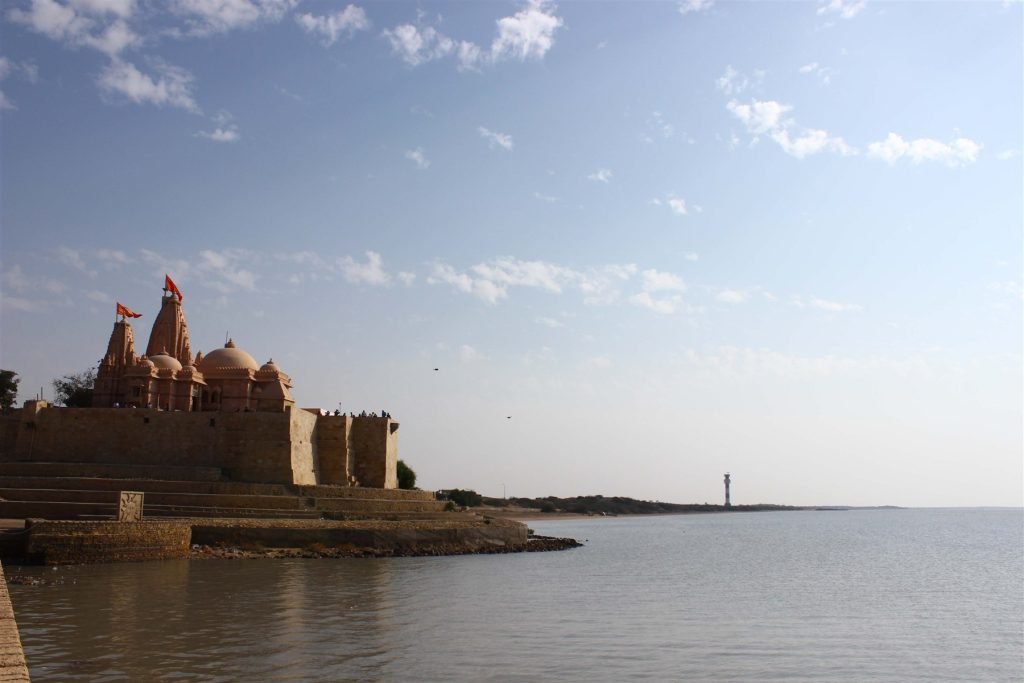
Koteshwar
India’s westernmost temple, by the sea
 HERITAGE
Junagadh Old City
Bazaars, gateways & the Nawabi quarter
 SPIRITUAL
Swaminarayan Temple, Bhuj
A dazzling marble-and-gold temple in Bhuj
 WATERFALL
Girmal Falls
The tallest waterfall in Gujarat
WHERE TO STAY
Find your stay in Gujarat
Compare live prices across the big booking sites and reserve in a few taps. Booking happens securely on the partner's site — we may earn a small commission at no extra cost to you.
Book directly on our partner sites — tap a provider to see live Gujarat hotels & prices:
SHOP THE REGION
Bring home Gujarat — & travel essentials
Hand-picked crafts and trip gear, available on Amazon.
Published 24 June 2026 · Updated 24 August 2026
We’re an independent group of writers and travellers documenting every corner of Gujarat — one place, plate and festival at a time.