
Home › Dahod › Garbada Tribal Belt
TRIBAL CULTURE · VILLAGES · CRAFTGarbada Tribal Belt
The heartland of Adivasi Dahod — the Garbada belt and the surrounding tribal villages are the cultural core of the district, where votive terracotta horses stand at village shrines, the rhythms of agriculture and festival shape the year, and the living traditions of the Bhil and Rathwa communities can be encountered first-hand.
The Adivasi cultural heartland of Dahod
The Garbada belt — the taluka of Garbada and the surrounding tribal countryside — is at the cultural heart of Adivasi Dahod, a region where the great majority of the population belongs to the Bhil, Rathwa and other tribal communities, and where their traditions remain a living, everyday reality.
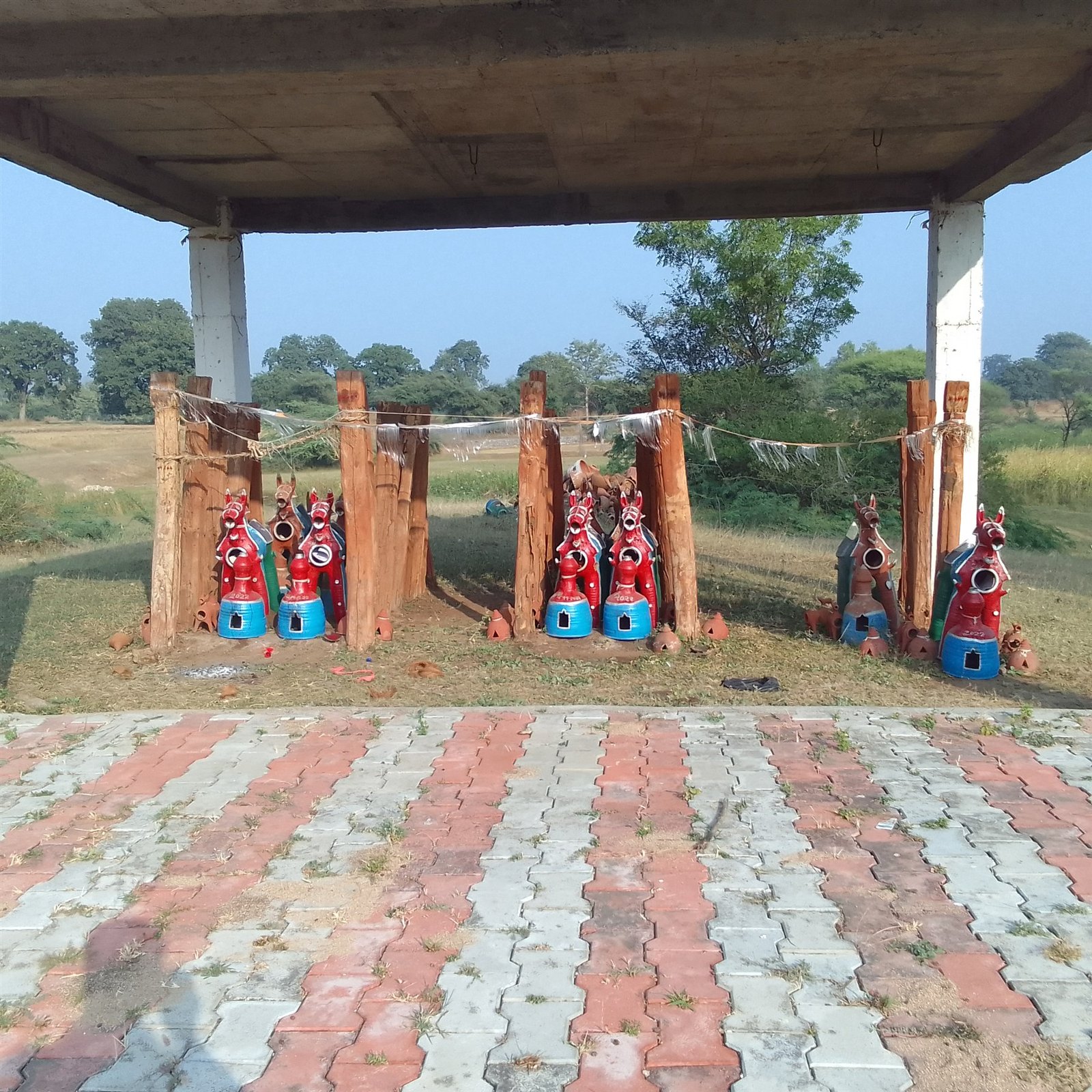
One of the most distinctive and visible expressions of this culture is the tradition of votive terracotta horses — fired clay horse figures, often brightly painted, that are offered at village shrines as fulfilments of vows and as offerings to local and ancestral deities. Clusters of these terracotta horses, standing at shrines under trees or in the open countryside, are among the most evocative sights of tribal Gujarat, connecting present-day communities to an ancient layer of folk religion.
The wider tribal culture of the belt encompasses distinctive agriculture (maize, millet and forest produce), festivals (including the great Holi gatherings of the region), music and dance, and the close relationship between the communities and the forested, hilly landscape they inhabit. For the traveller, the belt offers a window into one of India’s most distinctive tribal cultures — best experienced with a local guide who has community connections. Visit with a local guide, respect village customs and shrines, and ask before photographing people or sacred objects.
Votive terracotta horses at a village shrine, Dahod. Source: Wikimedia Commons.
Bhil and Rathwa country, still keeping its year
Votive terracotta horses, Dahod. Wikimedia Commons.
The Garbada belt sits at the cultural heart of Adivasi Dahod, where the majority of the population belongs to the Bhil, Rathwa and other tribal communities.
Fired clay horse figures, offered at village shrines as fulfilments of vows, connect the communities to an ancient layer of folk religion.
Great Holi gatherings, music and dance, and living terracotta craft shape the cultural calendar of the belt.
Unlike a museum tradition, this is a living, everyday reality — best encountered first-hand and respectfully.
Reasons to make the time
Terracotta
Votive horse shrines.
Tribal life
Bhil & Rathwa.
Festivals
Holi gatherings.
Agriculture
Maize and millet.
Folk craft
Living traditions.
Landscape
Forest and hills.
What to look for inside
 TERRACOTTA
Votive horses
Village shrines.
 COUNTRY
Tribal belt
Forest and field.
TERRACOTTAShrine clusters
Horses under the trees.
COUNTRYBhil & Rathwa
Living tribal communities.
FESTIVALHoli country
The great gatherings.
CRAFTFolk traditions
Music, dance and clay.
How to spend an hour or two
Visit a village shrine
See the terracotta horses standing at shrines under trees and in the open countryside.
Go with a local guide
For respectful access — a guide with community connections makes the encounter mutually enriching.
Learn the votive tradition
Understand the vows and offerings behind the fired clay horse figures.
Visit during a festival
Holi in this region is remarkable — among the cultural highlights of the year.
See the agriculture
Maize and millet country, with forest produce and a deep relationship to the land.
Ask before photographing
Always seek permission before photographing people and sacred objects.
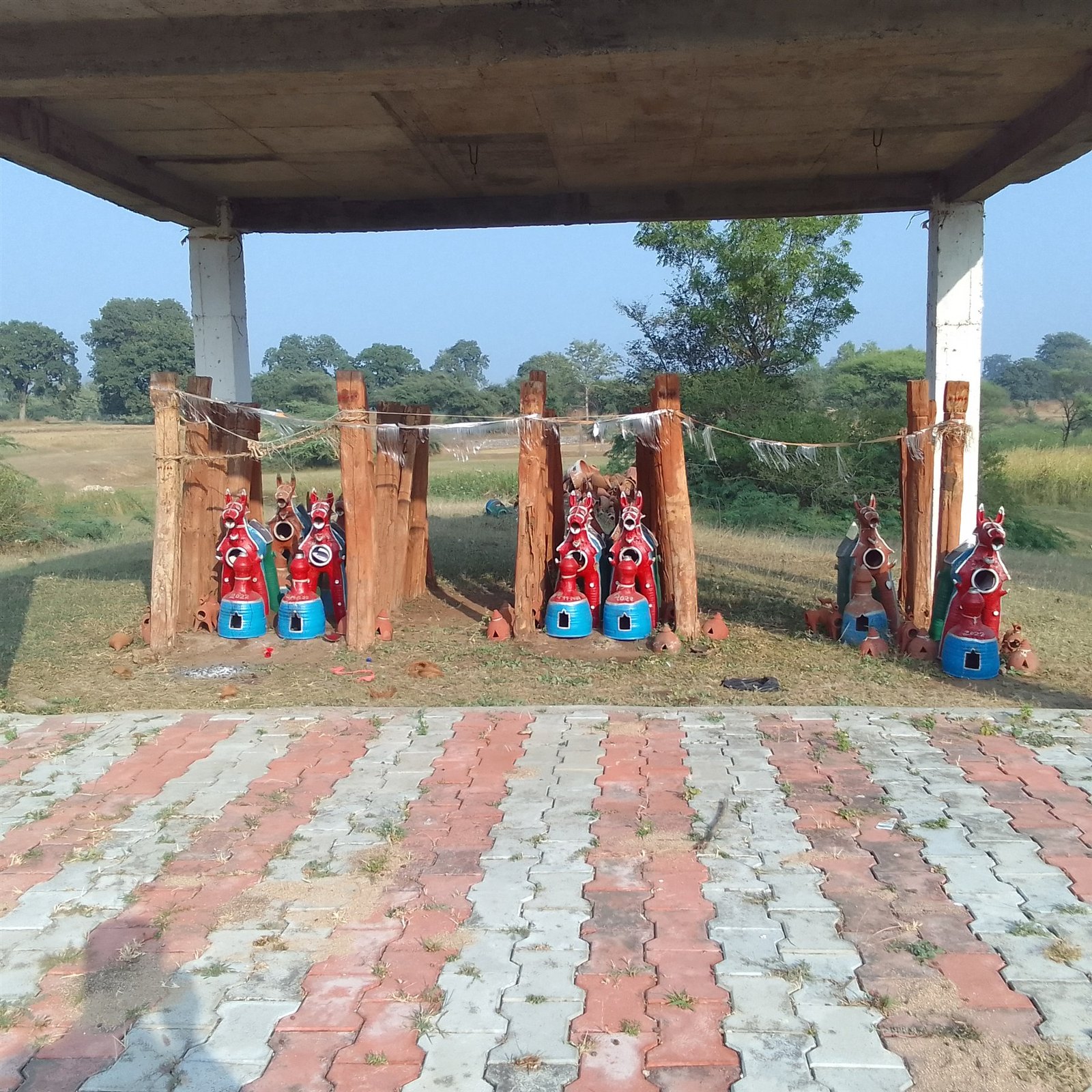
Votive terracotta horses, Dahod. Wikimedia Commons.
Folk tradition and tribal life
The Garbada belt is the cultural heartland of tribal Dahod — Bhil and Rathwa country, where the tradition of votive terracotta horses (offered at village shrines as fulfilments of vows) is among the most evocative and visible expressions of a living folk religion.
The wider culture encompasses distinctive agriculture, festivals, music and a deep relationship with the forested landscape. Visit with a local guide, respect village customs and shrines, and ask before photographing.
Planning more of the area? Our Dahod guide covers the whole district.
The Adivasi cultural heartland of Dahod district
Votive terracotta horses at village shrines — folk religion
Bhil and Rathwa tribal communities and traditions
Festivals, agriculture and a deep landscape relationship
When to go
Cool and clear — the best season. Comfortable all day and ideal for unhurried village visits.
Green and alive. The countryside turns lush and the landscape is at its most vivid.
Hot; early morning best. Still doable, but plan visits for the cooler start of the day.
⏰ Winter is the most comfortable season; market and festival days are the cultural highlights.
Timings & entry
- Cool, dry winter is the most comfortable window
- Market and festival days are the cultural highlights
- Holi gatherings are remarkable but busy
- Allow 1–2 hours for an unhurried visit
- No ticket required to travel the belt
- Visit with a local guide for respectful access
- Respect village customs and shrines
- Ask before photographing people or sacred objects
Getting there
By Air
Vadodara (~155 km) is the nearest major airport, with Indore an alternative option for those approaching from the east.
By Rail
Dahod Junction is a major station on the network and the natural rail gateway to the belt.
By Road
NH-47 serves the district; buses run from Godhra and other regional towns to Dahod and onward.
Photographing the belt
RESPECT FIRST
Living shrines and communities — always ask before you photograph.
What to shoot
The clusters of votive terracotta horses at village shrines, under trees and in the open countryside.
Be respectful
Ask before photographing people or sacred objects — these are living shrines, not props.
The landscape
Maize and millet fields, forested hills and the everyday rhythm of tribal village life.
Festival days
Holi gatherings and market days are the most vivid — but the busiest and most sensitive.
Know before you go
More to see close by
 HISTORIC
Dahod Town
Birthplace of emperor Aurangzeb
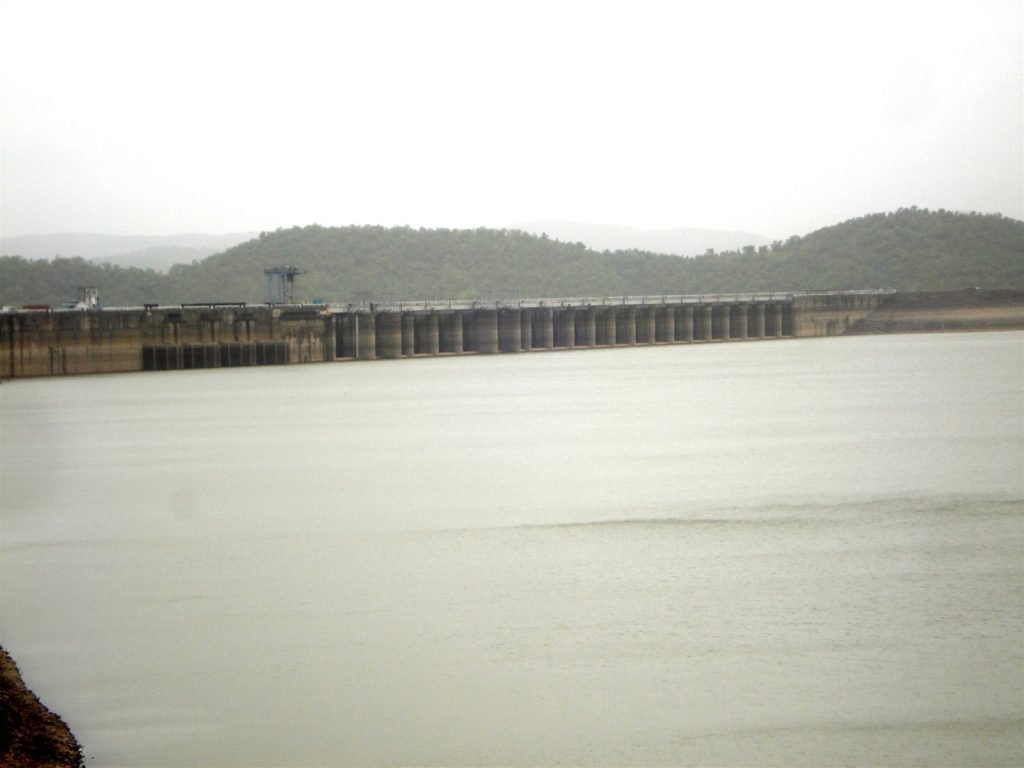 WATER
WATERKali Talavadi
A peaceful rural reservoir
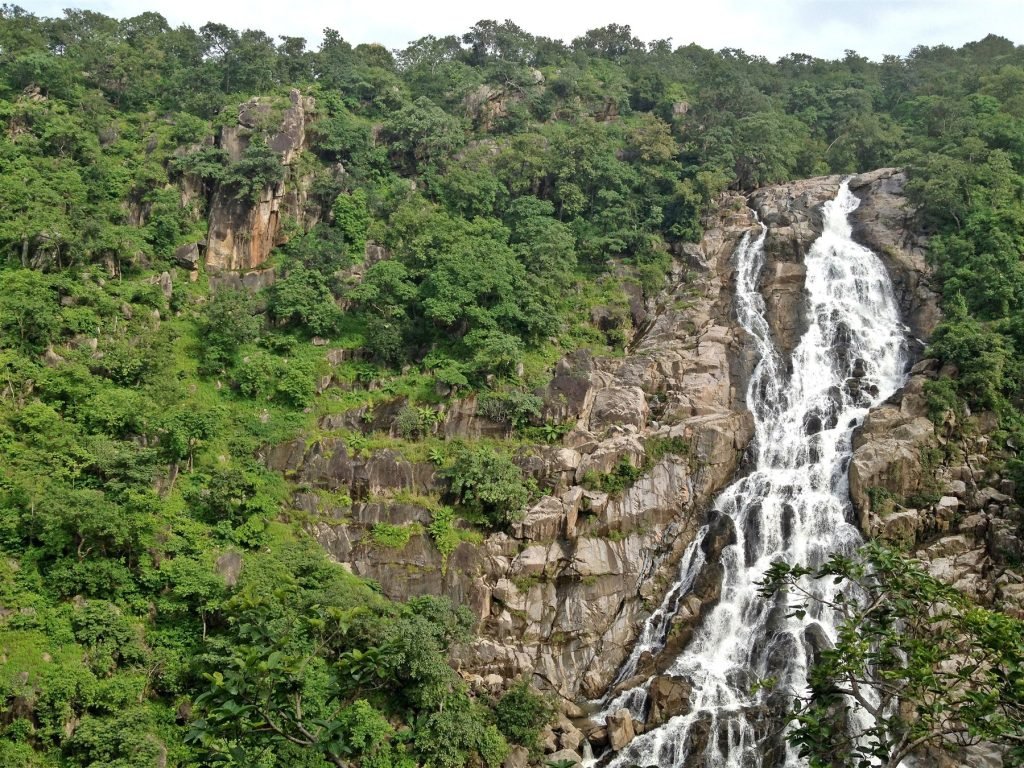 2
2Machan Eco-Camp
Sleep among the teak and bamboo of the highlands
 TOWN
TOWNLimkheda
A gateway town of the highlands
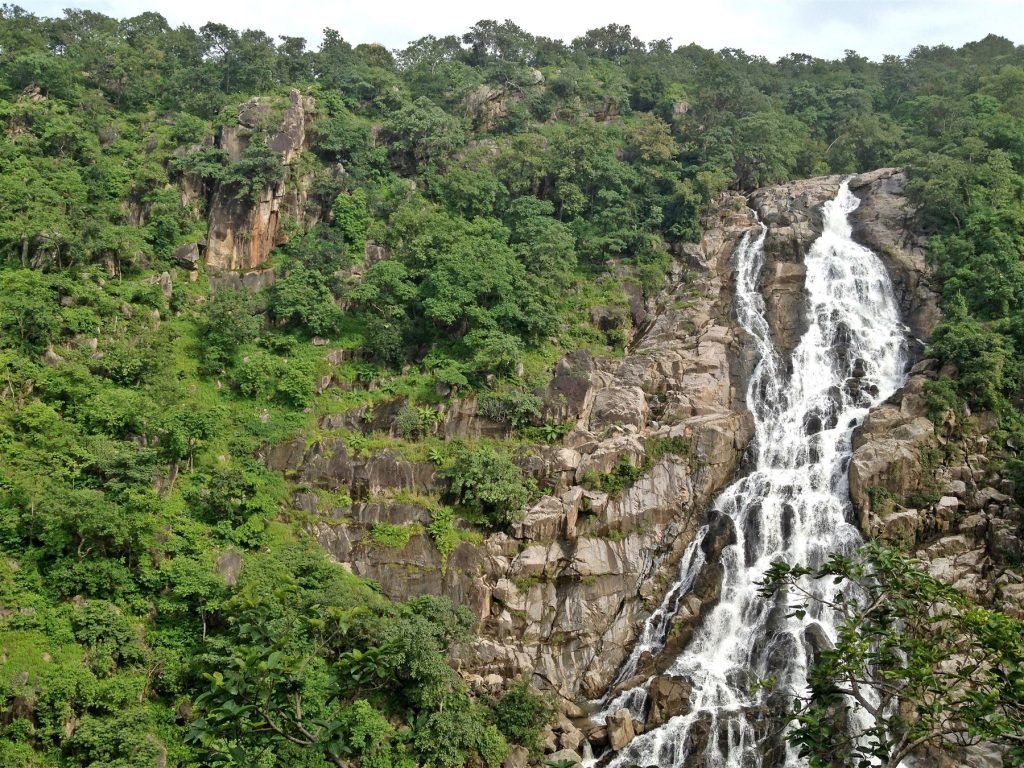 WILDLIFE
Ratanmahal Sloth Bear Sanctuary
A rugged refuge of the Indian sloth bear
 3
3Baba Pyara Caves
Ancient rock-cut shelters hidden in the hills
Where to eat near Garbada Tribal Belt
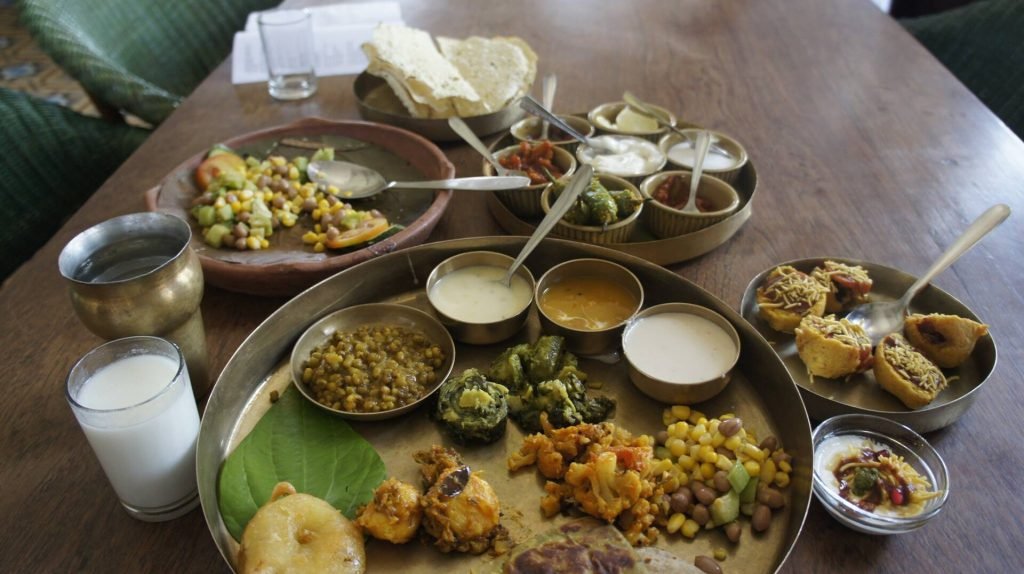
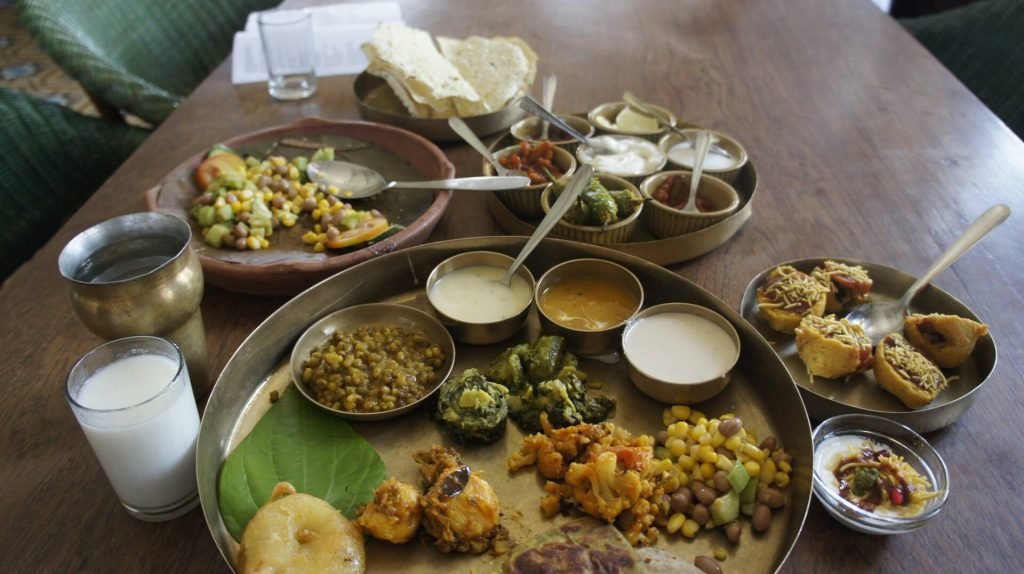
Gujarati Thali
Comfort home cooking.
Tribal food
Forest produce & maize.
Makai
The maize staple.
Dal-bati
A rustic favourite.
Maize country
Expect hearty, rustic cooking built around maize, millet and forest produce — with classic Gujarati thalis in the towns.
Garbada Tribal Belt FAQ
What is the Garbada belt?
The Adivasi cultural heartland of Dahod district — the taluka of Garbada and the surrounding tribal countryside.
What are the votive terracotta horses?
Clay horse figures offered at village shrines as fulfilments of vows and offerings to local and ancestral deities.
Which communities live here?
Bhil, Rathwa and other tribal communities, whose traditions remain a living everyday reality.
Can I visit?
Yes — with a local guide, respectfully, so the encounter is mutually enriching.
What is the best time?
During festivals like Holi, or any market day; winter (Oct–Mar) is the most comfortable season.
Can I take photographs?
Ask before photographing people or sacred objects — these are living shrines, not props.
How do I reach the belt?
Dahod Junction is the rail gateway, about 25 km away; NH-47 and buses from Godhra serve the district by road.
What else is nearby?
Ratanmahal sloth bear sanctuary, Devgadh Baria, Devzari waterfall, Dahod Town and the Dudhimati river valley.
Related places across Gujarat
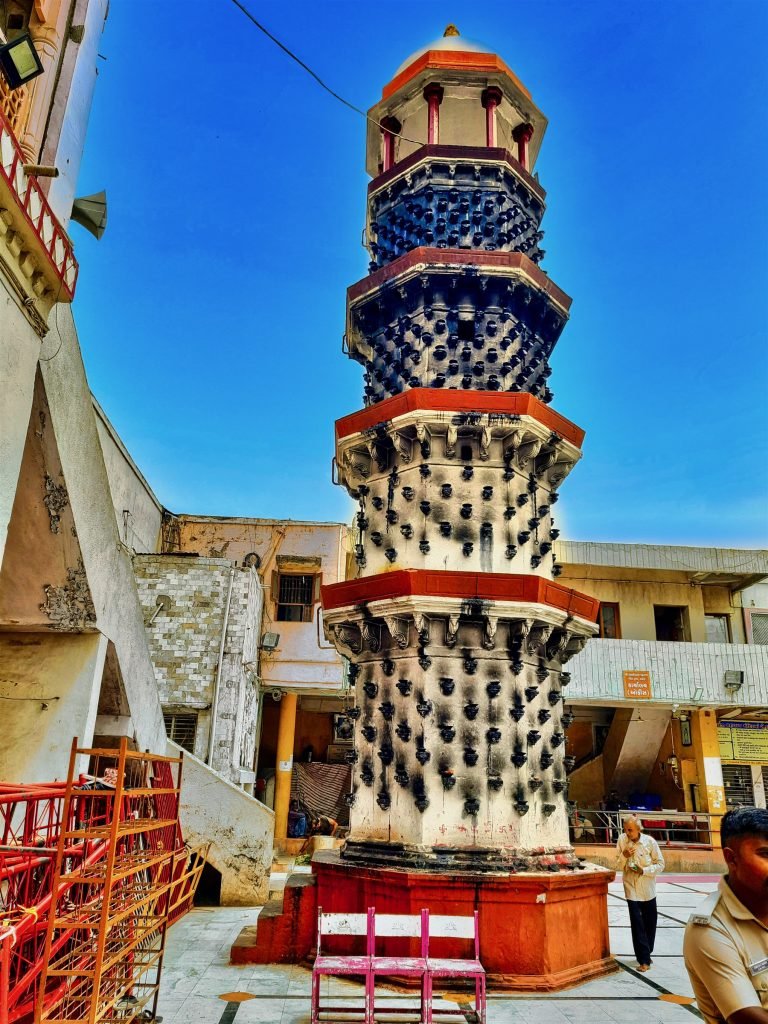 PILGRIMAGE
Dakor Ranchhodrai Temple
A great Krishna temple by Gomti lake
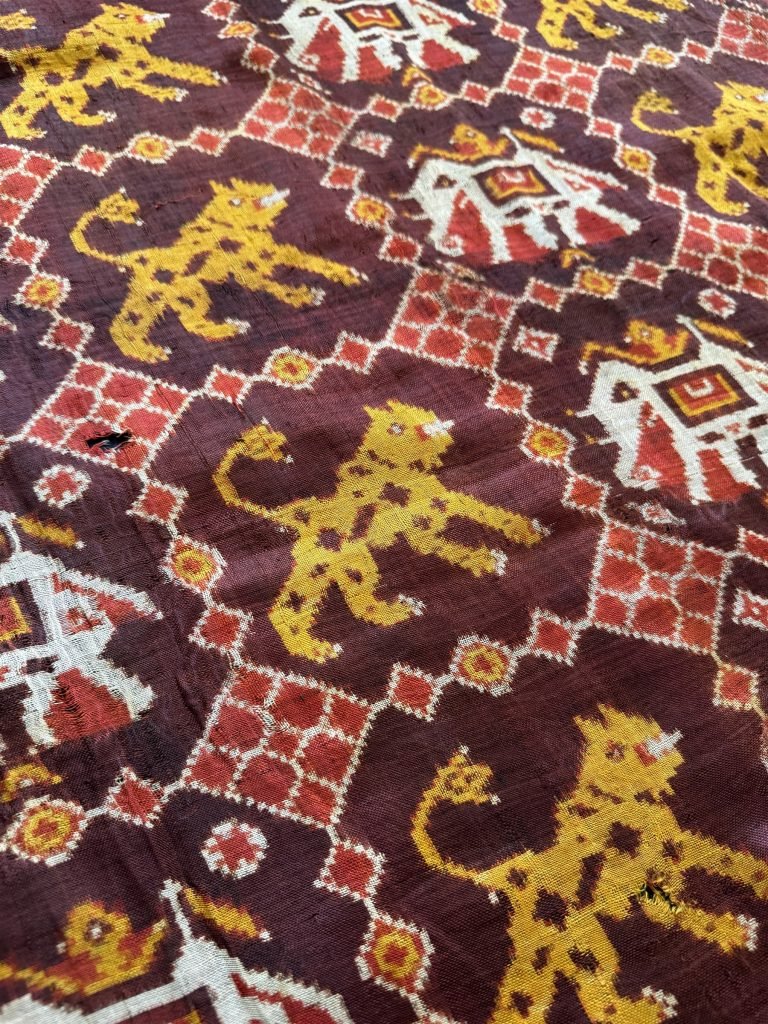 CRAFT
CRAFTPatola Looms
Months of work in a single ikat sari
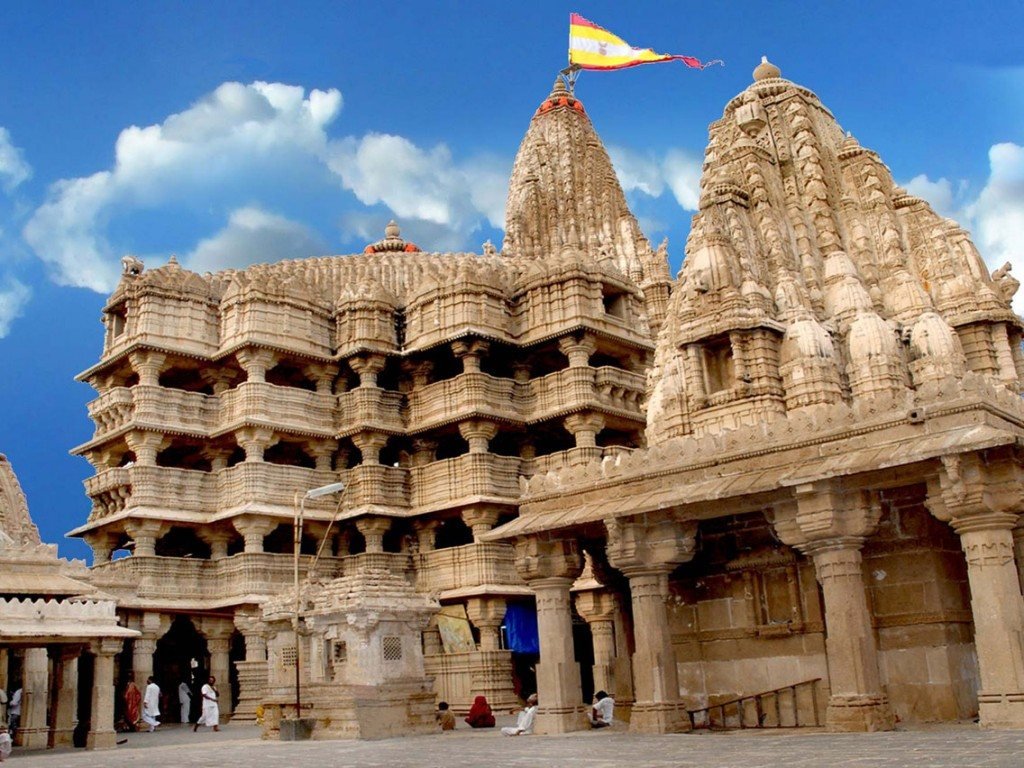
Dwarka
Krishna’s holy city and the Dwarkadhish temple
 GREEN
GREENMangalya Van
A sacred forest grove at Ambaji
 NATURE
Willingdon Crescent
Pelicans, flamingos & cranes in winter
Unjha Umiya Mata
Sacred vavs across the district
WHERE TO STAY
Find your stay in Gujarat
Compare live prices across the big booking sites and reserve in a few taps. Booking happens securely on the partner's site — we may earn a small commission at no extra cost to you.
Book directly on our partner sites — tap a provider to see live Gujarat hotels & prices:
SHOP THE REGION
Bring home Gujarat — & travel essentials
Hand-picked crafts and trip gear, available on Amazon.
Published 24 June 2026 · Updated 24 August 2026
We’re an independent group of writers and travellers documenting every corner of Gujarat — one place, plate and festival at a time.