Home › Morbi › Machchhu Riverfront
NATURE · RIVER · MORBIThe river that runs through the heart of Morbi — its waters shaped the city's palaces, bridges and ghats, and remain woven into its memory and its everyday life.
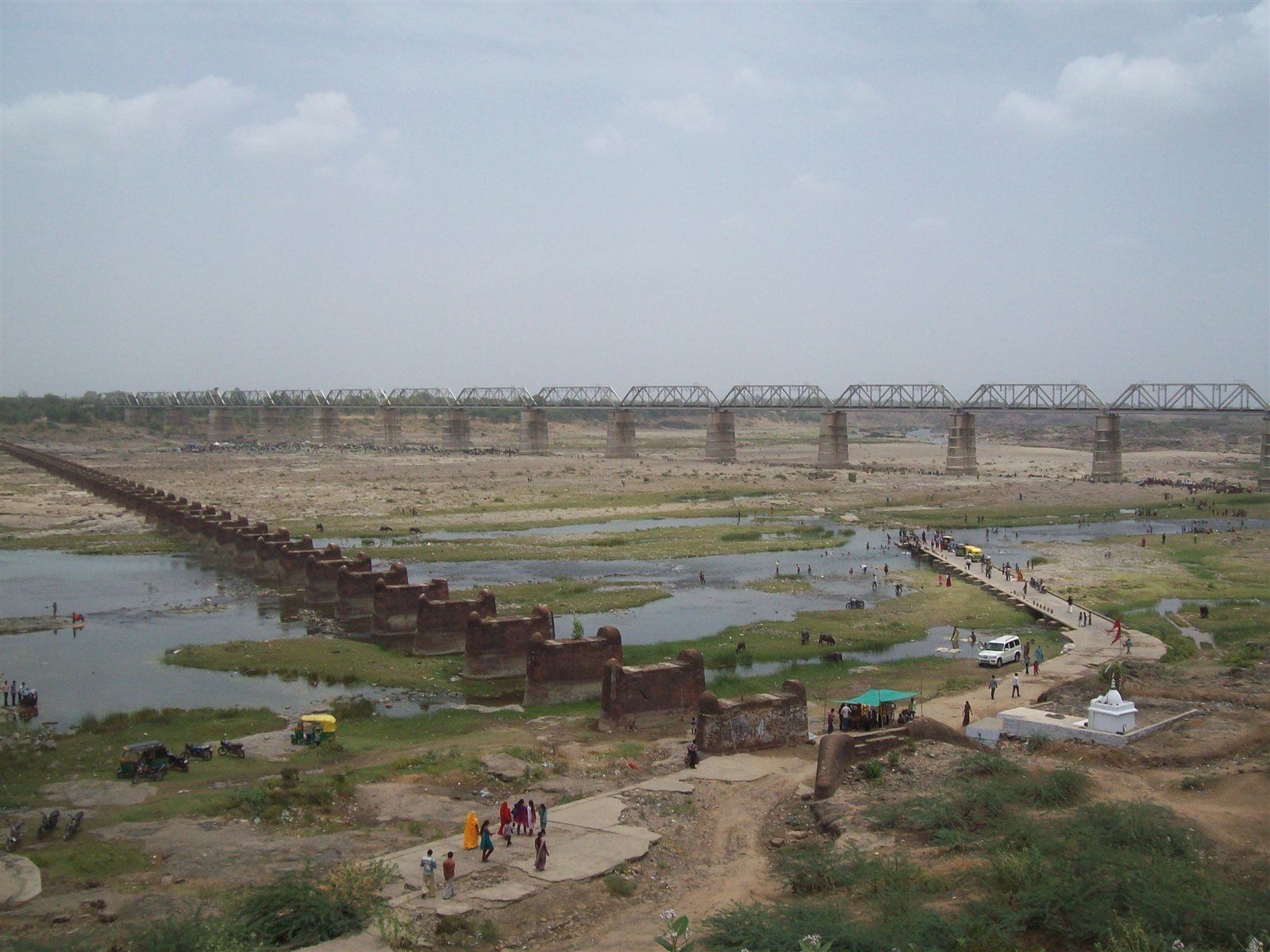
The Machchhu river runs through the heart of Morbi, and its riverfront has long been central to the city’s identity. It was across the Machchhu that Morbi’s rulers built elegant bridges and grand riverside palaces, and along its banks that the city steadily grew into the lively ceramic town it is today.
The river is also bound up with Morbi’s most sorrowful memories — from the 1979 dam-burst flood to the 2022 bridge collapse — events the city remembers with deep respect and quiet dignity. The riverfront is therefore not only a scenic stretch of water but a place of reflection, where heritage and remembrance sit side by side.
Today the riverfront, with its ghats, the nearby Darbargadh and Mani Mandir, and the steady rhythm of daily life by the water, is a meaningful place to understand Morbi’s resilience and heritage. It is a public space; visit it thoughtfully and respectfully, and let the slow movement of the Machchhu set the pace of your walk.
The Machchhu flows quietly through the centre of Morbi, framed by old palaces and ghats.
Generations of Morbi’s life have unfolded along the banks of the Machchhu.
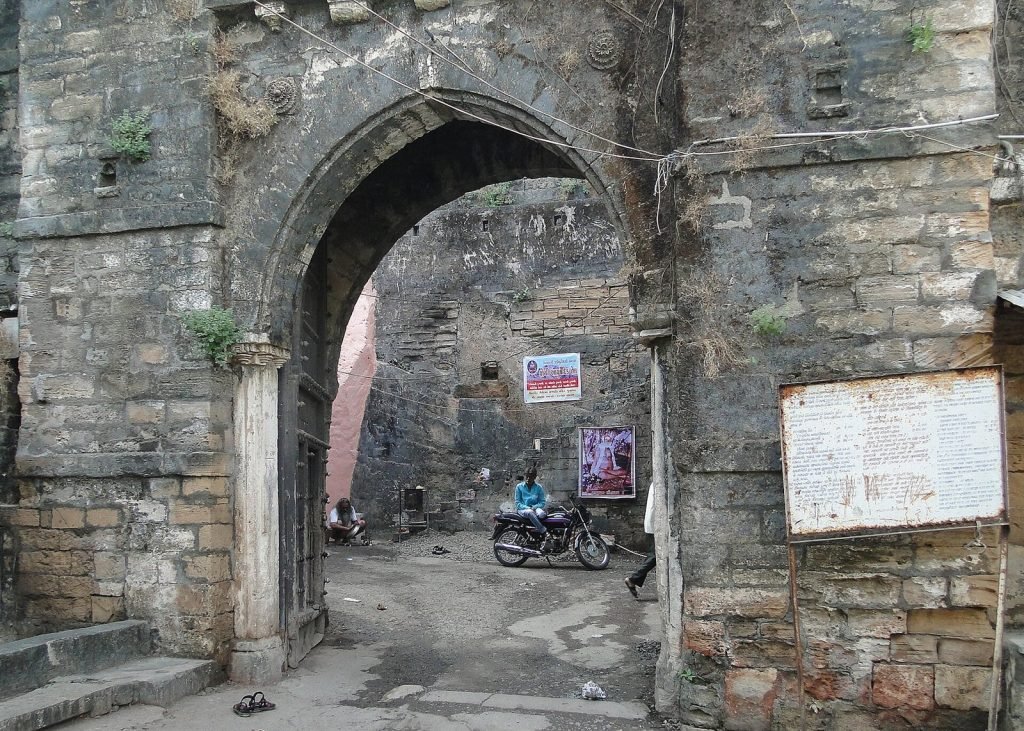
Under the Morbi state, the rulers built ornate palaces and grand bridges across the Machchhu, making the river the showpiece of the city.
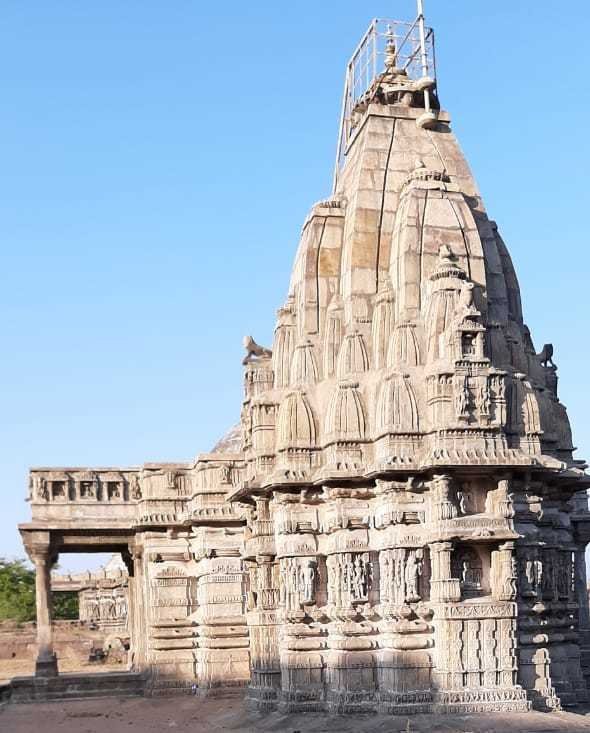
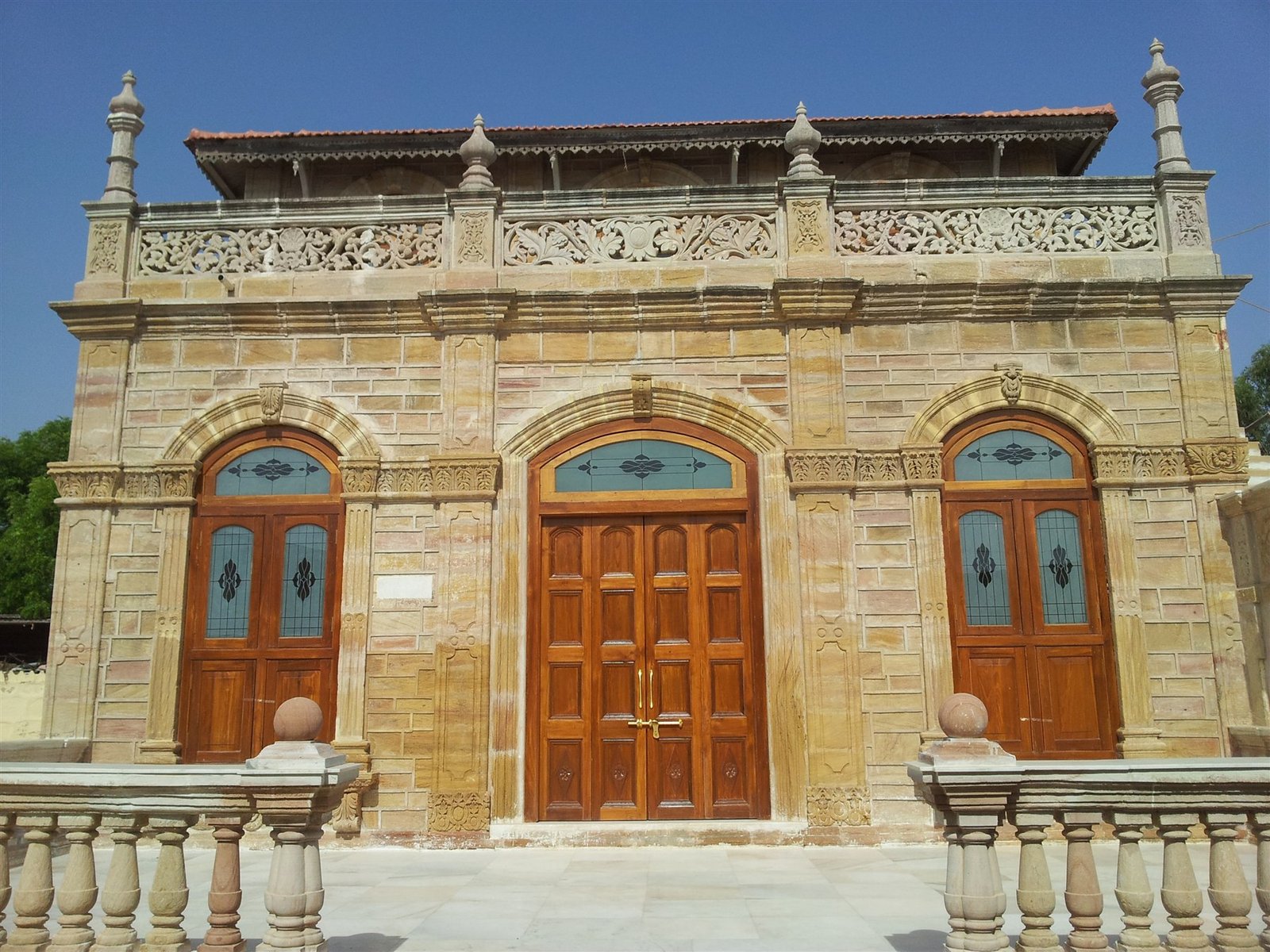
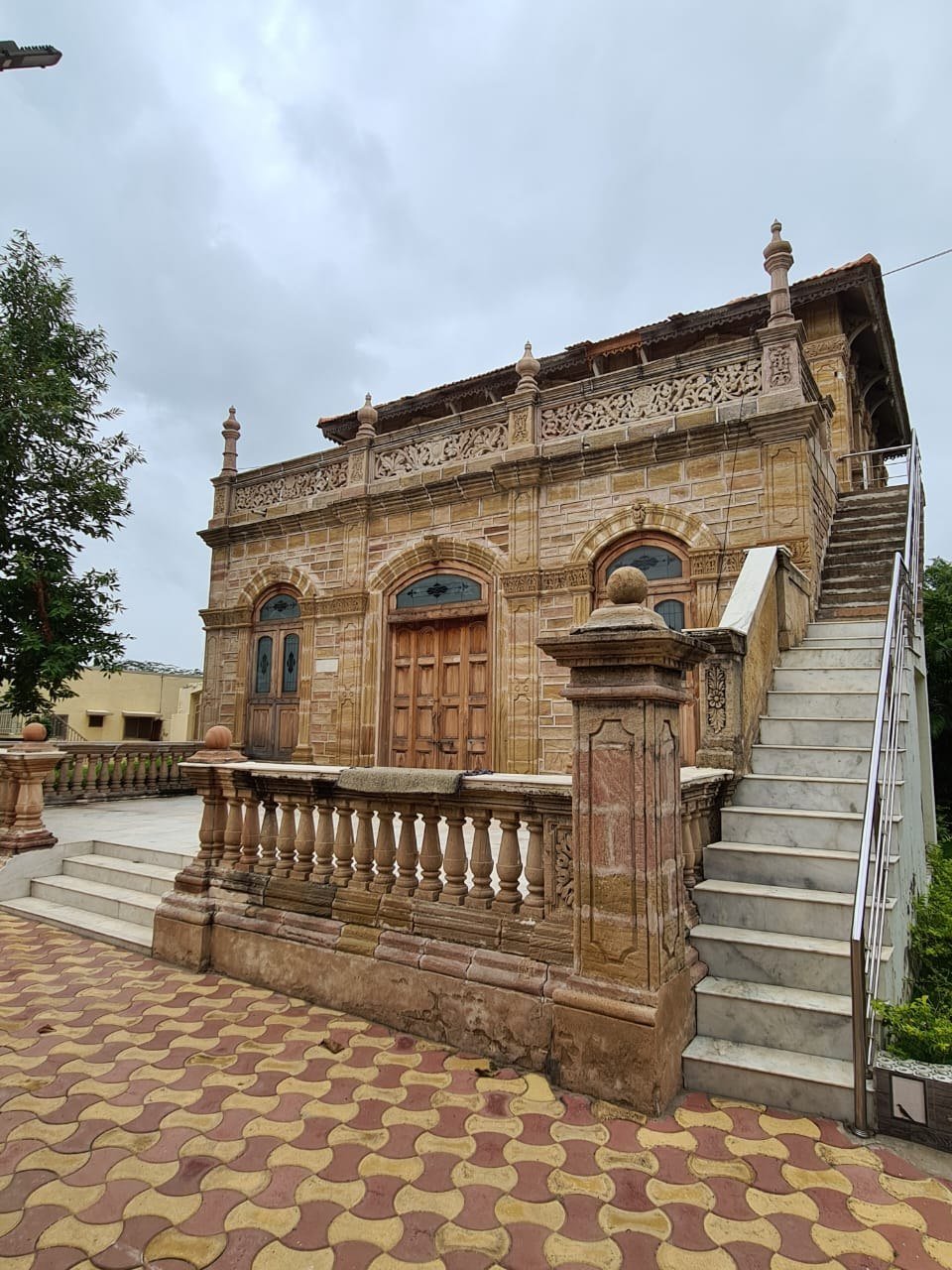
The richly carved Mani Mandir and the riverside Darbargadh anchored the city's heritage close to the water's edge.
A dam-burst flood swept through Morbi, a tragedy the city remembers with deep respect and that shaped its spirit of resilience.
The collapse of a historic suspension bridge brought renewed mourning; the riverfront today is approached with care and remembrance.
Restored ghats, palaces and the rhythm of daily life make the Machchhu riverfront a thoughtful place to walk and reflect.
The Machchhu is the heart of Morbi — to understand the city is to understand its river.
Royal architecture, from the Darbargadh to Mani Mandir, lines the banks in carved stone.
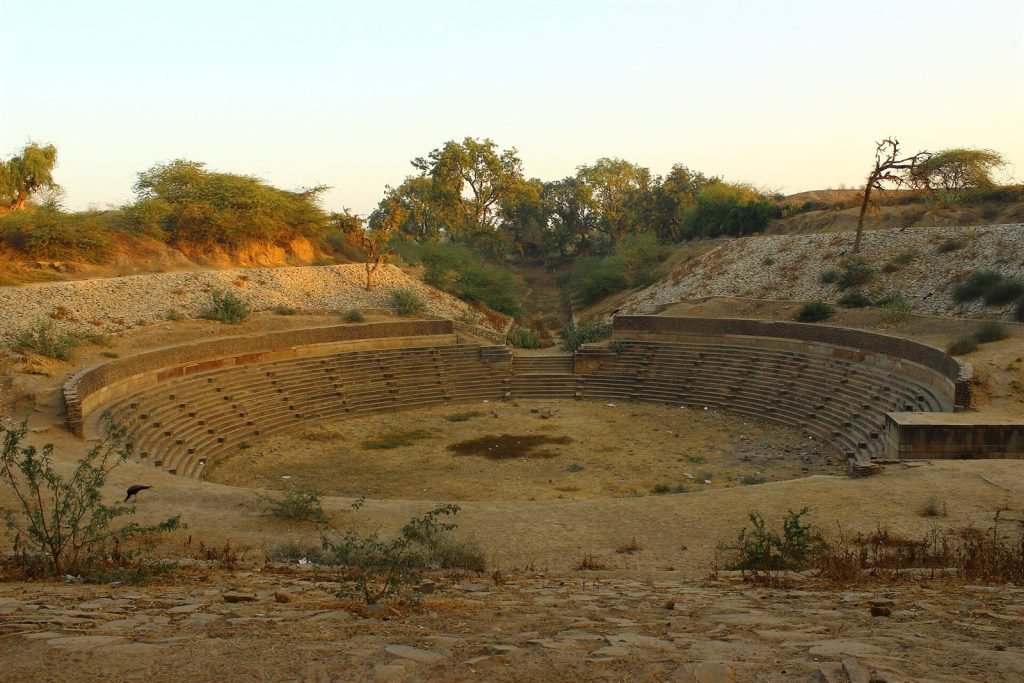
Steps lead down to the water where the everyday rhythms of Morbi quietly unfold.
The riverfront carries the city's resilience through times of grief and renewal.
Morbi's spans across the Machchhu are part of its engineering and architectural story.
A thoughtful, unhurried walk by the water, best taken in the cool of the day.
The slow, broad river that gives Morbi its centre and its name on the map.
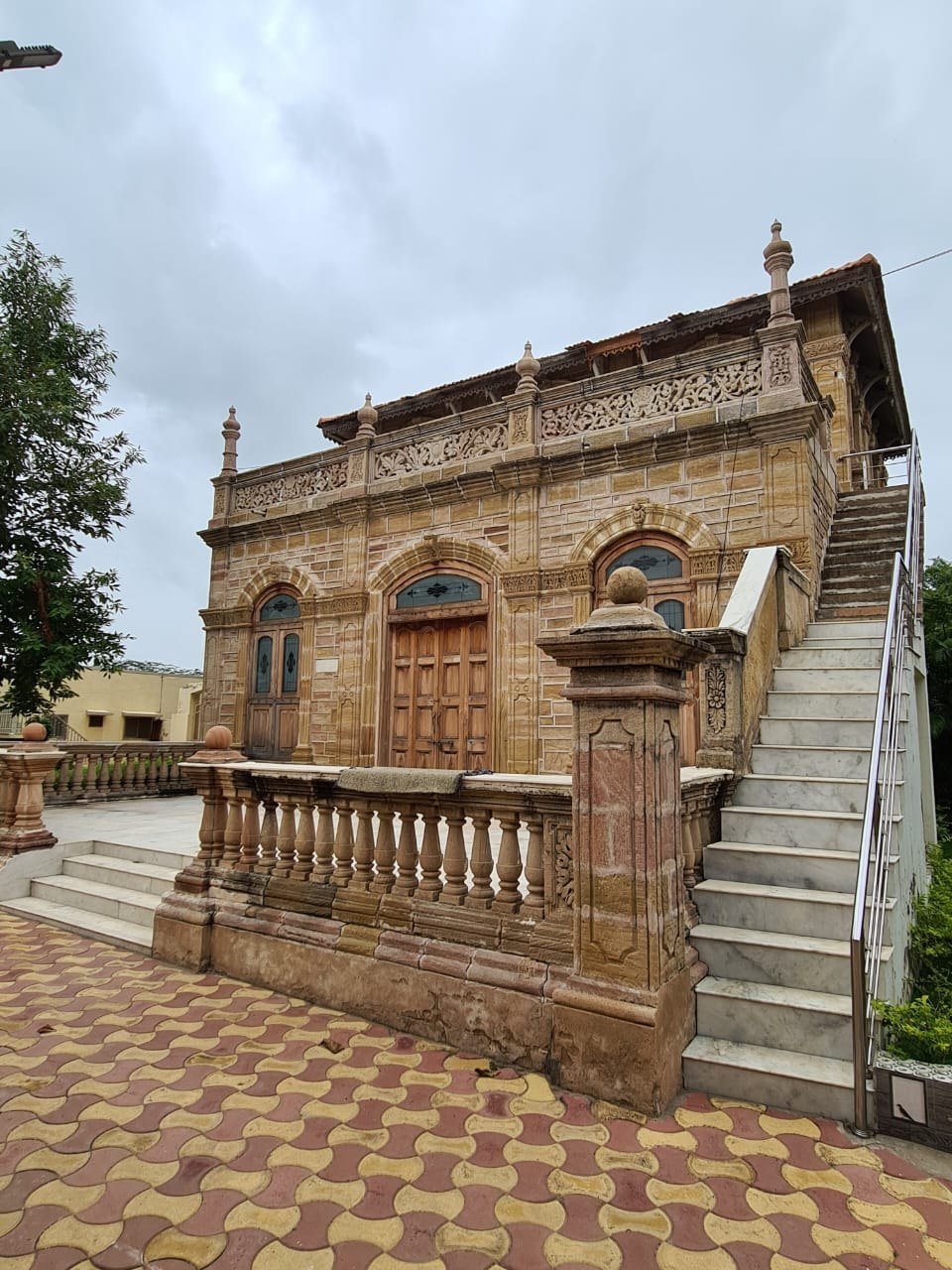
The old royal palace complex standing close to the river's edge.
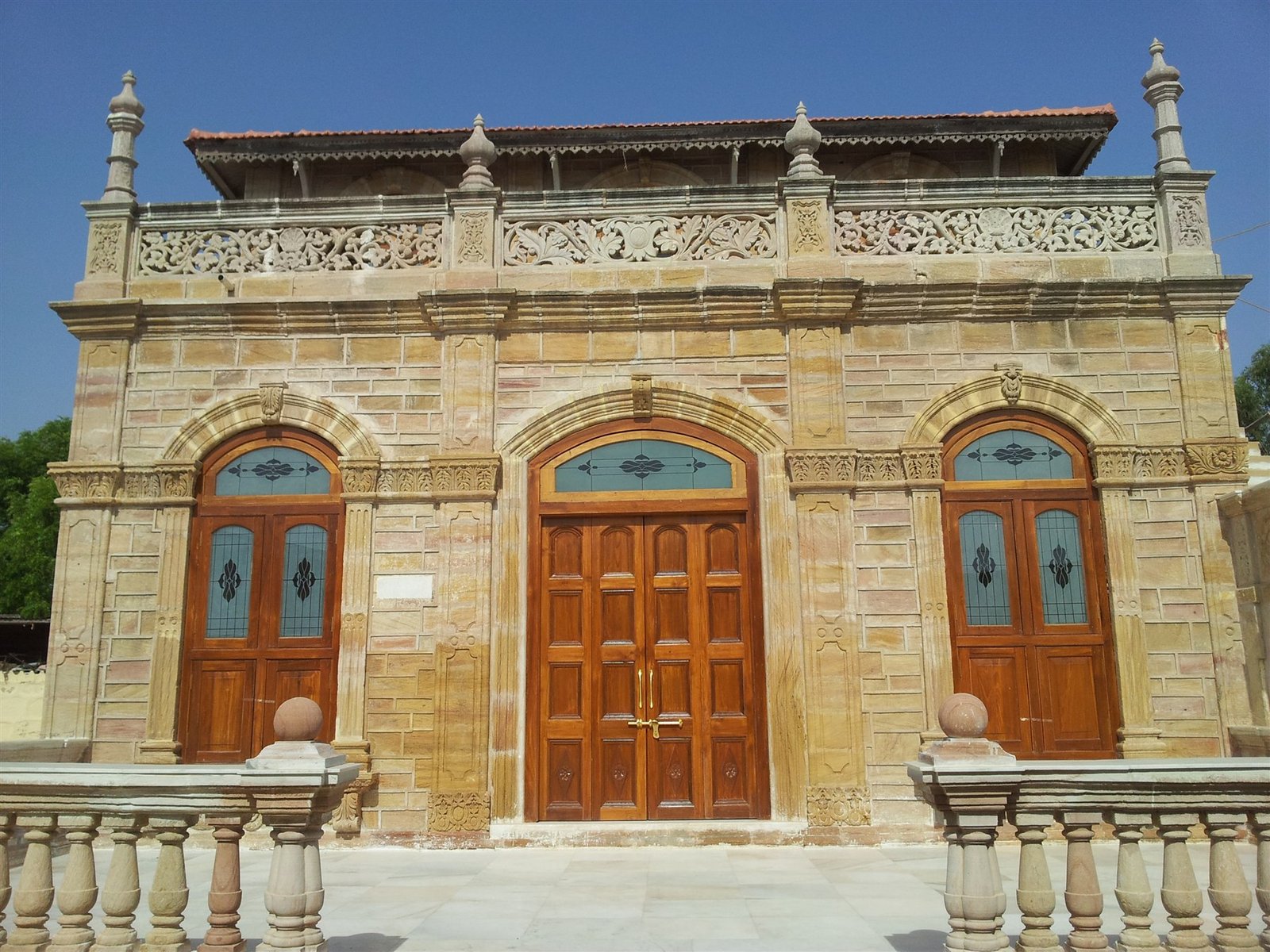
An ornately carved temple-palace near the riverfront, a Morbi landmark.
Quiet ghats where locals gather by the water in the cooler hours.
Historic bridges across the Machchhu, part of the city's heritage.
A riverfront approached with respect, holding the city's resilience.
Take an unhurried walk along the Machchhu, letting the river and its ghats set a slow, reflective pace.
Look up at the Darbargadh and the carved Mani Mandir, the riverside architecture left by Morbi's rulers.
Find a quiet step by the water where the everyday life of Morbi gently unfolds around you.
Read up beforehand and visit thoughtfully — the river carries both the grandeur and the grief of the city.
Come in the morning or the early evening, when the heat eases and the light on the water is at its softest.
Combine the riverfront with Mani Mandir, the Darbargadh and a short drive to Morbi's wider heritage.
This is a working, lived-in part of the city as well as a place of memory — be considerate and unobtrusive.
Capture the palaces, bridges and reflections, but keep the mood quiet and the camera respectful.
Carved palaces and bridges line the Machchhu, a riverside showcase of Morbi’s royal era.
The Machchhu riverfront is the historic heart of Morbi — lined with palaces, ghats and bridges, and bound up with the city’s long story of grandeur, tragedy and resilience. The riverside architecture, from the carved Mani Mandir to the old Darbargadh palace, reflects the ambitions of the former Morbi state and its love of ornament in stone.
The river itself is the organising line of the city. Steps and ghats lead down to the water, bridges reach across it, and the daily life of Morbi has always turned towards its banks. It is a reflective public space, best visited thoughtfully and in the spirit of the city that remembers both its splendour and its sorrows.
The Machchhu river
Riverside palaces & ghats
Bridges of the city
A place of memory & renewal
Cool and pleasant — the ideal season for an unhurried walk along the riverfront and its ghats.
Green and atmospheric after the rains, when the Machchhu runs full; tread carefully near the water.
Hot and dry across Saurashtra — visit very early or in the late evening to beat the heat.
⏰ Visit in the cooler months, and in the morning or evening, for the most comfortable and reflective experience by the river.
The nearest major airport is Rajkot (about 65 km), with Ahmedabad's international airport roughly 220 km away for wider connections.
Morbi has its own railway station with connections within Saurashtra; Rajkot Junction is the nearest large railhead.
Morbi sits on the Rajkot–Kutch highway corridor and is easily reached by road; the riverfront lies within the city itself.
QUIET & REFLECTIVE
The river itself, the carved palaces along its banks, and the bridges that reach across the Machchhu.
Frame the ghats and the waterside with the city rising softly behind, especially in low light.
This is a place of memory as well as a sight — photograph quietly and considerately.
Golden hour, just after sunrise or before sunset, gives the kindest light on the water.
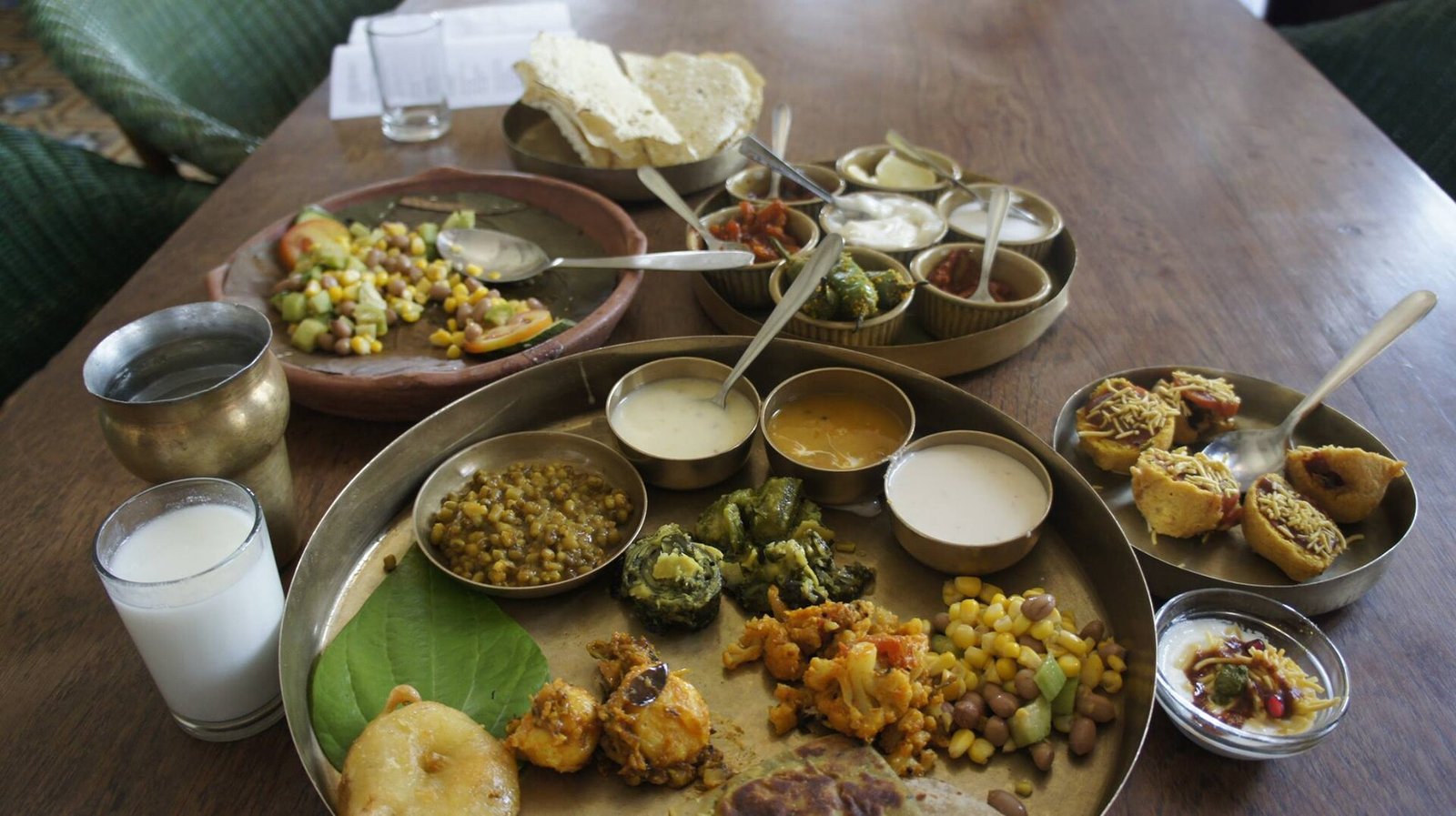
A hearty, spicy Saurashtra-style thali, rich in flavour and generous in portion.
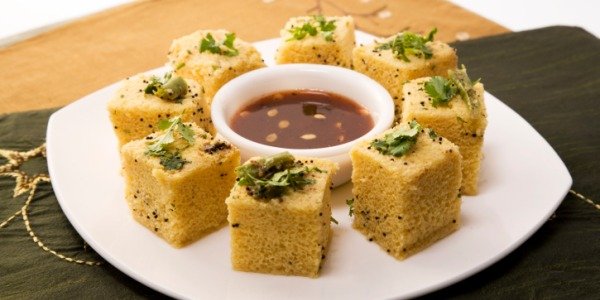
Crisp, fried Gujarati treats and savouries found across Morbi's market lanes.

Simple, satisfying market-town snacks and chaat to round off a riverside walk.
Morbi serves hearty Gujarati vegetarian food — expect wholesome thalis and plenty of farsan.
It is the stretch of the Machchhu river running through the heart of Morbi, lined with palaces, ghats and bridges, and central to the city's identity and heritage.
No. The riverfront is a public space and is generally free to visit.
October to March, in the cooler season, and ideally in the morning or evening for the most comfortable experience.
About an hour is enough for an unhurried walk along the river and its ghats.
The Machchhu shaped Morbi's growth, its palaces and bridges, and it is bound up with the city's history of grandeur, tragedy and resilience.
The river itself, riverside palaces such as the Darbargadh and Mani Mandir, the ghats, and the bridges of the city.
Yes — it is a meaningful, reflective place. Visit thoughtfully and considerately, mindful of the city's memories.
Mani Mandir, the Darbargadh, the ceramic town of Morbi itself, Wankaner and the Little Rann of Kutch.
Morbi is reached easily by road and rail within Saurashtra; Rajkot, about 65 km away, is the nearest large hub and airport.
There are few formal visitor facilities, so carry water and plan for a simple, short visit.
WHERE TO STAY
Compare live prices across the big booking sites and reserve in a few taps. Booking happens securely on the partner's site — we may earn a small commission at no extra cost to you.
SHOP THE REGION
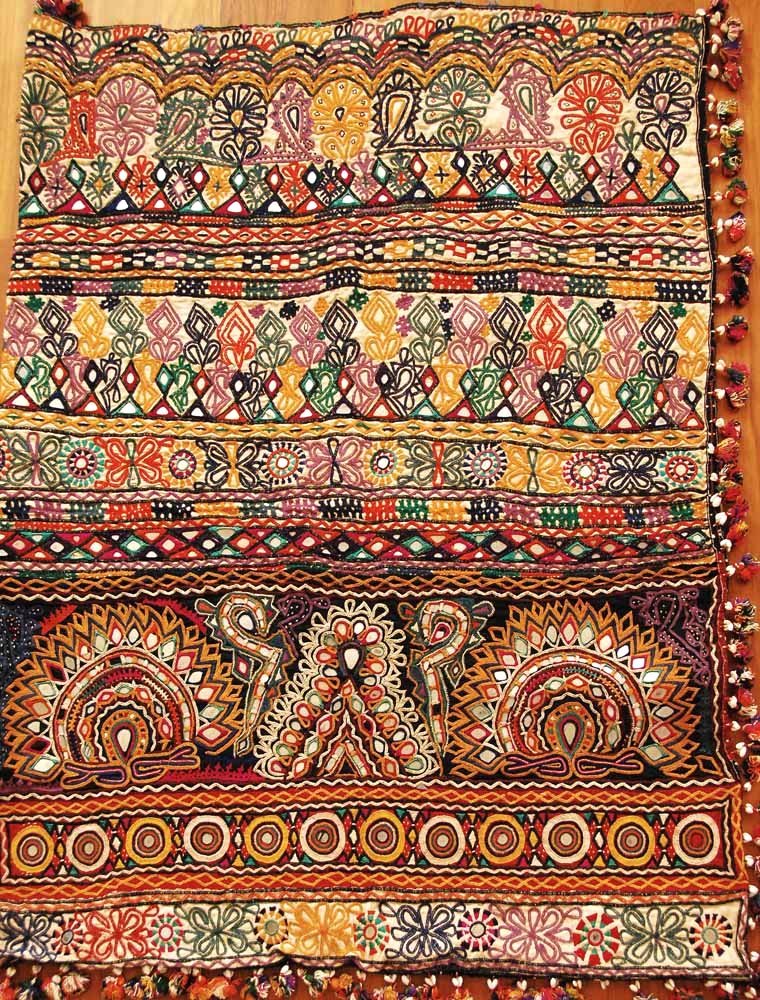
Hand-picked crafts and trip gear, available on Amazon.