
India's clay-craft powerhouse
Morbi is, quite simply, the ceramic capital of India — and one of the largest ceramic clusters in the world. Spreading across the town’s outskirts are hundreds of factories that produce a vast share of the country’s wall and floor tiles, sanitaryware, crockery and even the famous Morbi wall clocks, with a huge volume exported around the globe.
The cluster’s roots lie in the clay and the town’s older craft: Morbi made roof tiles and pottery long before vitrified floor tiles and sanitaryware turned it into an export industry with buyers across the Gulf, Africa and Europe. Factory visits are arranged through the trade rather than tourism, but the showrooms lining the highways are open to anyone curious about the scale.
The industry’s story is also a resilience story: the 2001 earthquake levelled kilns across the district, and Morbi rebuilt bigger — gas-fired, export-oriented, and increasingly automated. October to March suits any visit, with the heritage riverfront best at the day’s golden ends.
Morbi’s numbers explain the traffic on its roads: the district produces around ninety per cent of India’s ceramic tiles and sanitaryware from many hundreds of factories, exports to a hundred-plus countries, and turns over sums that place this mid-sized Saurashtra town among the world’s ceramic capitals alongside Spain’s Castellón and China’s Foshan. The clock-and-pottery heritage came first — Morbi’s clay and its princely workshops — and the industry grew from that root.
For visitors the industry shows itself in showrooms rather than factory tours: the highway into town runs a kilometre-long gallery of tile displays worth a browse, while the heritage riverfront — Mani Mandir, the Darbargadh, the bridges — offers the older Morbi an hour away from the kilns.
This remarkable industry grew from the region’s traditional pottery and clay craft into a high-tech, billion-dollar manufacturing powerhouse, making Morbi one of Gujarat’s most prosperous and industrious towns. While the factories are working industrial units rather than tourist sites, the ceramic story is central to understanding Morbi, and the town’s showrooms and markets display the dazzling range of its output.
For those interested in industry, craft and the modern economy of Gujarat, Morbi’s ceramic city is a phenomenon in its own right.
Morbi's potters, and the industry they became
Clay and kiln.
Morbi has a long pottery and clay-craft heritage.
The modern ceramic industry takes off.
It becomes the country's ceramic capital.
A billion-dollar export powerhouse.
Reasons to make the time
Ceramic capital
India's tile-and-pottery hub.
Tiles
A vast national share.
Sanitaryware
Made and exported widely.
Morbi clocks
A famous local product.
Clay heritage
From traditional pottery.
Global exports
Shipped worldwide.
What to look for inside
Ceramic city
Hundreds of factories.
Tiles & pottery
Dazzling output.
How to spend an hour or two
See the scale
Factories ring the town.
Visit showrooms
The dazzling product range.
Learn the story
From pottery to powerhouse.
Browse markets
Tiles, crockery, clocks.
Respect factories
They are working units.
Pair with heritage
Mani Mandir nearby.
Factories, kilns and showrooms
Morbi’s ceramic city is an industrial landscape rather than a monument: hundreds of factories, kilns and warehouses ring the town, producing tiles, sanitaryware, crockery and clocks on an enormous scale, with showrooms and markets displaying the output.
It is best understood as a phenomenon — the clay-craft heritage of the region scaled up into a global manufacturing powerhouse that defines modern Morbi.
See what else is nearby in our guide to Morbi.
Hundreds of ceramic units
Tiles & sanitaryware
Famous Morbi wall clocks
Global exports
When to go
Cool and pleasant — the best season across Morbi.
Green and atmospheric in the town.
Hot and dry — visit early or late.
⏰ Browse the showrooms and markets for the product range; factories are working units — visit only by arrangement.
Timings & entry
- Showrooms keep business hours
- Factories are working units
- Visits by arrangement only
- Duration varies
- Showrooms/markets are open to all
- Factory tours by arrangement only
- Respect working industrial units
- Combine with Morbi heritage
Getting there
By Air
Rajkot airport is nearest.
By Rail
Morbi has a railway station.
By Road
Around Morbi, off the highways.
In the ceramic city
TILE & KILN
India's ceramic powerhouse
What to shoot
Showroom displays (With permission).
Detail
Tiles and ceramics.
Also
The famous wall clocks.
Respect
Factories are working units.
Know before you go
More to see close by
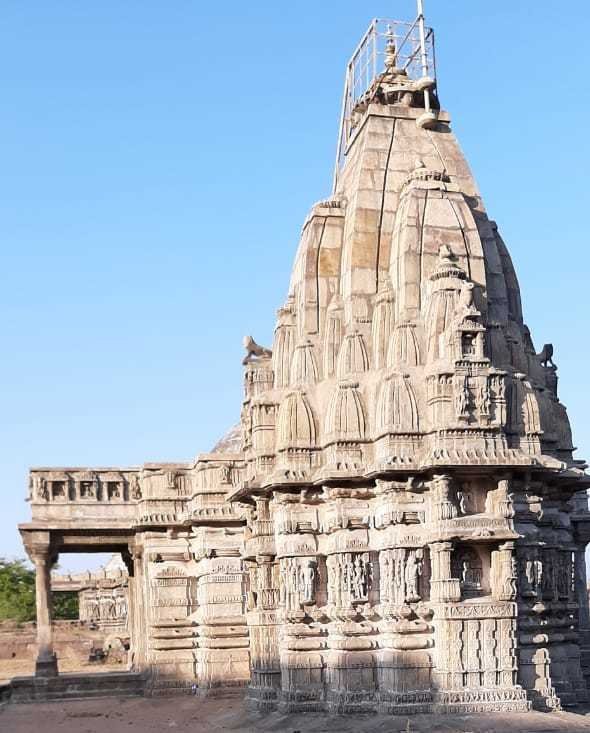
Rafaleshwar Mahadev
A serene Shiva temple by the Machchhu

Mani Mandir
An ornate palace-temple of carved stone
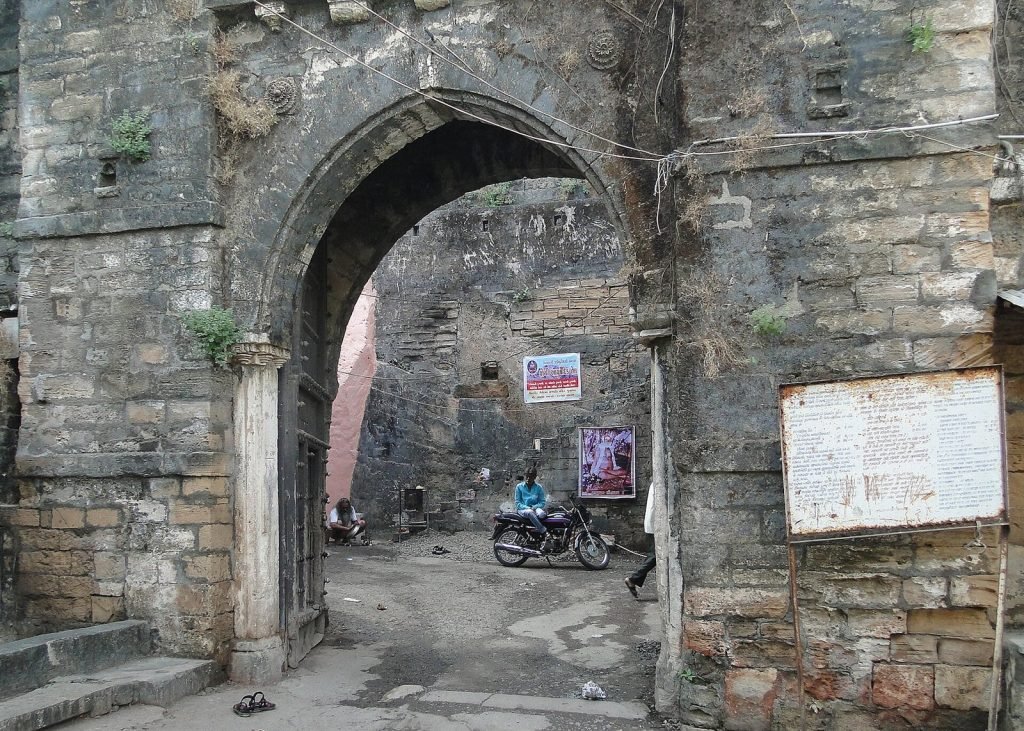
Swaminarayan Mandir
A graceful sampraday shrine in town
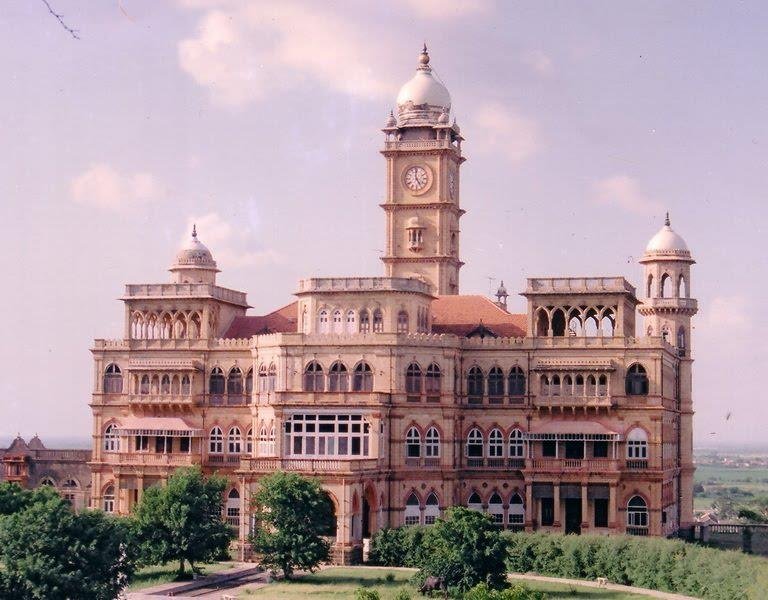 PALACE
Wankaner
A hilltop fantasy of Indo-European design
Tankara Dayanand
Birthplace of Maharshi Dayanand Saraswati
 BAZAAR
Green Chowk Clock Tower
The bustling old market square
Where to eat near Ceramic City
Kathiawadi Thali
Rotla, kadhi, shaak and ghee-rich fare.
Ganthiya & fafda
Saurashtra's fried snacks.
Chaat & bhajiya
Lively local street food.
Veg & sweets
Hearty Kathiawadi veg fare and sweets.
Ceramic City FAQ
What is Morbi's ceramic industry?
One of the world's largest ceramic clusters — India's ceramic capital.
What does it make?
Wall and floor tiles, sanitaryware, crockery and the famous Morbi wall clocks.
Can I tour a factory?
Factories are working units; tours are only by arrangement.
Where can I see the products?
In the town's showrooms and markets.
Why is Morbi the ceramic capital?
Its traditional clay craft scaled into a huge modern industry.
Is it a tourist site?
Not conventionally, but the industry is central to understanding Morbi.
When should I visit?
During business hours; October to March is pleasant.
What's nearby?
Mani Mandir and Morbi's heritage core.
Related places across Gujarat
 ARTISANS
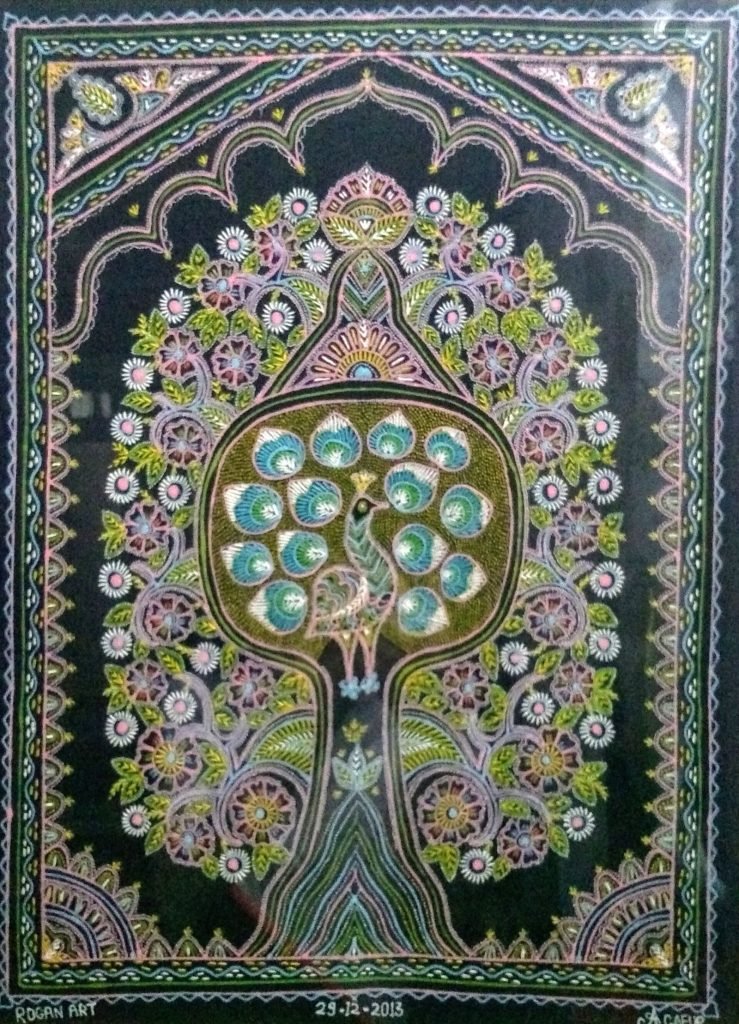
Rogan Art of Nirona
Rogan art, copper bells & lacquer woodwork
 GARDEN
Waghai Botanical Garden
A lush garden of native Ghat flora
 NATURE
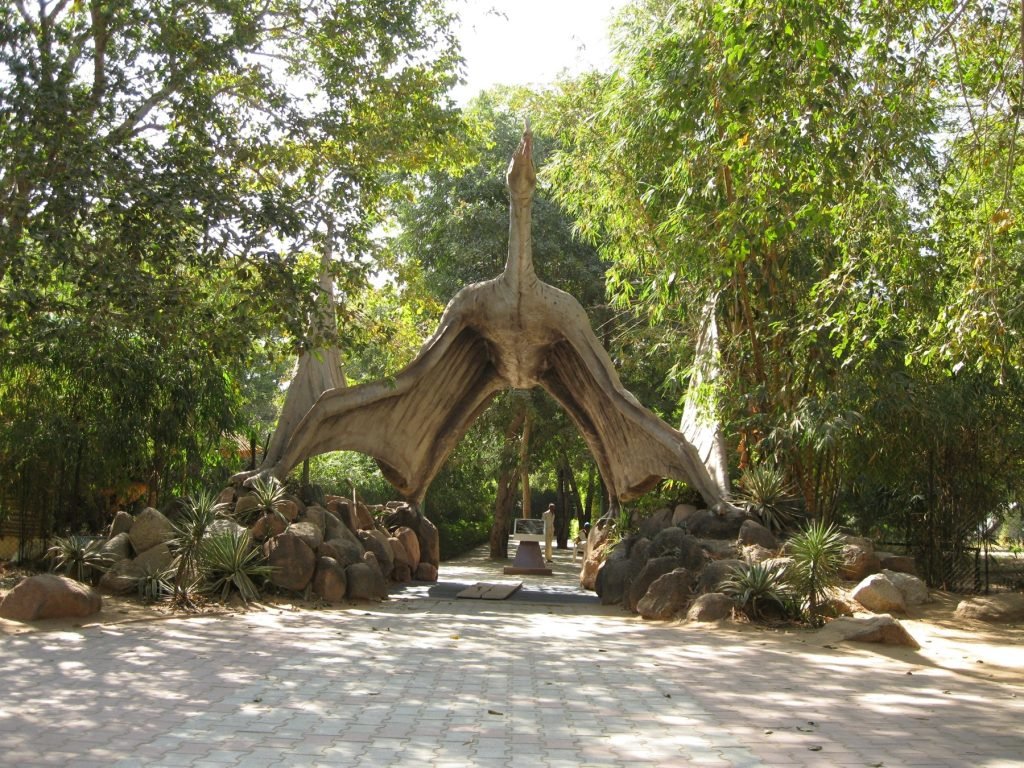
Indroda Nature Park
A ‘Jurassic Park’ of fossils, trails & a zoo
 BUDDHIST
Dev ni Mori
Ancient monastery ruins with Buddha relics
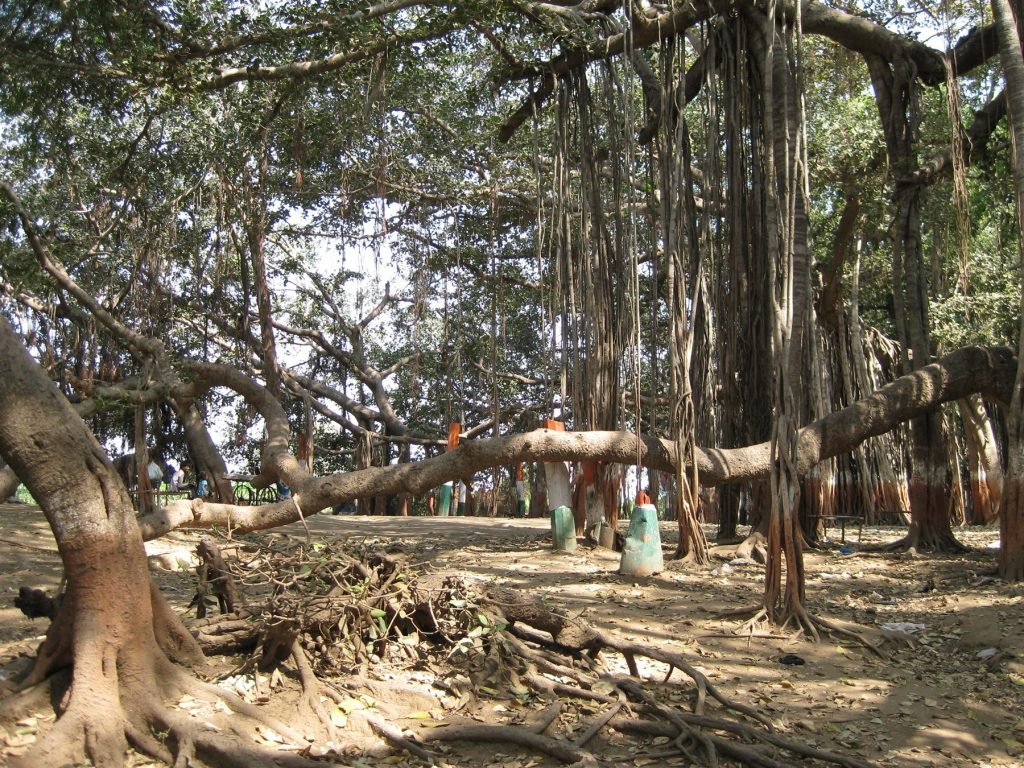 NATURE
Kabirvad
A 300-year banyan island in the Narmada
 PILGRIM
Dawn at Palitana
Climb before sunrise — no one stays overnight on the hill
WHERE TO STAY
Find your stay in Gujarat
Compare live prices across the big booking sites and reserve in a few taps. Booking happens securely on the partner's site — we may earn a small commission at no extra cost to you.
Book directly on our partner sites — tap a provider to see live Gujarat hotels & prices:
SHOP THE REGION
Bring home Gujarat — & travel essentials
Hand-picked crafts and trip gear, available on Amazon.
Published 24 June 2026 · Updated 24 August 2026
We’re an independent group of writers and travellers documenting every corner of Gujarat — one place, plate and festival at a time.