Home › Navsari › National Salt Satyagraha Memorial
FREEDOM · DANDI · NATIONAL MEMORIALWhere a pinch of salt shook an empire — the National Salt Satyagraha Memorial at Dandi marks the place where, in 1930, Mahatma Gandhi ended his historic Salt March and broke the salt law, igniting one of the defining campaigns of India's freedom struggle.
The National Salt Satyagraha Memorial at Dandi commemorates one of the most famous events in the history of India’s freedom struggle — the Salt March of 1930, when Mahatma Gandhi led a 24-day, 240-mile march from Sabarmati Ashram in Ahmedabad to the coastal village of Dandi, where he picked up a handful of salt in symbolic defiance of the British salt monopoly.
This simple act of civil disobedience — making salt from seawater, which the colonial law forbade — became a powerful symbol of non-violent resistance, sparking a nationwide movement and capturing the imagination of the world. The Salt March is remembered as one of the defining moments of the independence movement and a landmark in the global history of non-violent protest.
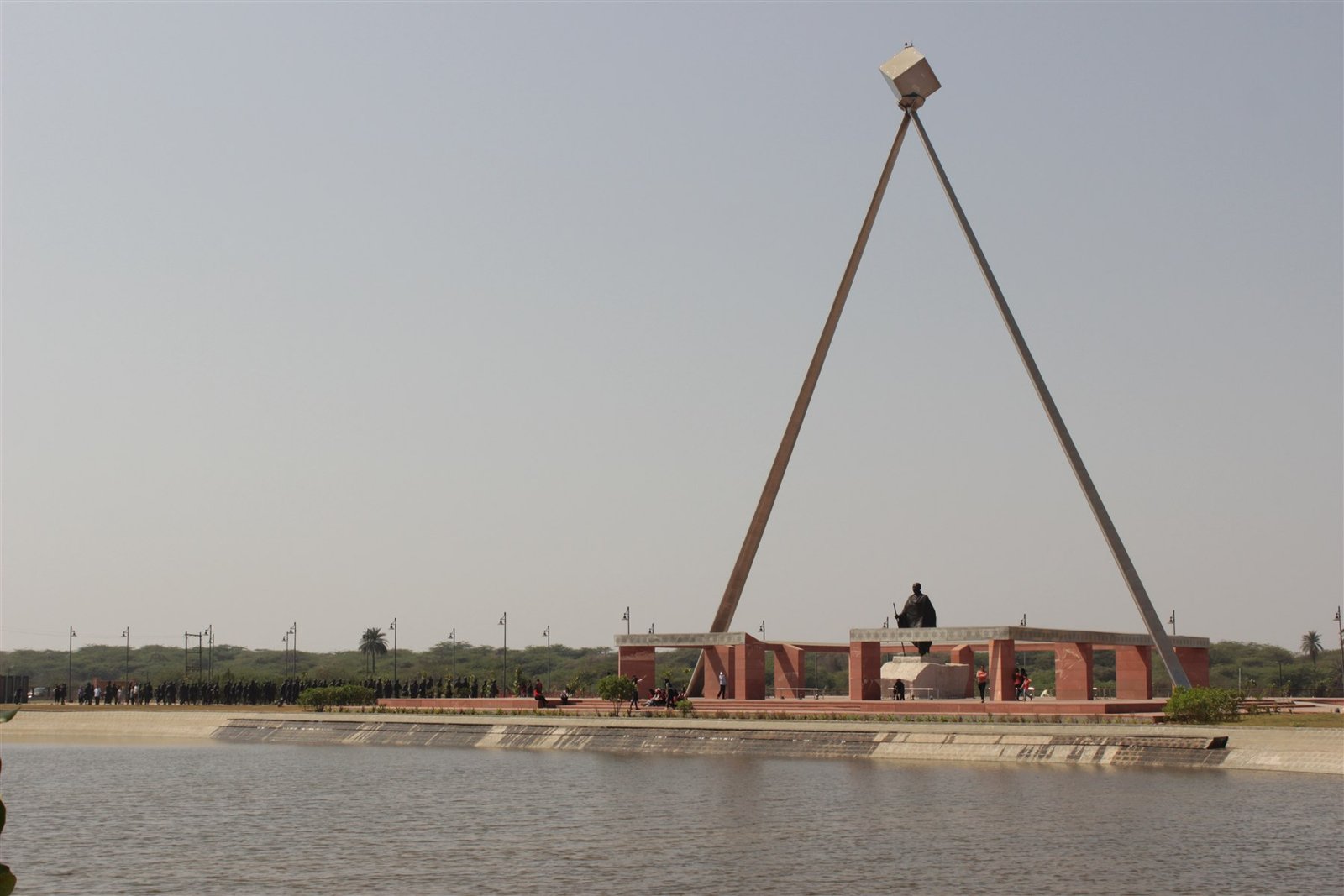
The memorial, inaugurated in 2019, is a striking modern monument: it features statues of Gandhi and the 80 marchers who accompanied him, set around a central structure and reflecting pools (saltpans), with the whole design evoking the march, the act of making salt, and the spirit of the satyagraha. For every visitor it offers a moving encounter with a pivotal moment in modern history — the place where, as Gandhi said, he was about to shake the foundations of the British Empire.
National Salt Satyagraha Memorial, Dandi. Source: Wikimedia Commons.
Salt Satyagraha Memorial, Dandi. Wikimedia Commons.
Gandhi led the Salt March from Sabarmati Ashram to the coastal village of Dandi over 24 days.
Reaching the sea, he picked up a handful of salt in open defiance of the British salt monopoly.
The act sparked a nationwide movement and became a landmark in the global history of peaceful protest.
A striking modern monument was inaugurated at Dandi to commemorate the march and the satyagrahis.
Stand where a defining moment of India's freedom struggle reached its climax.
Trace Gandhi's act of defiance that broke the salt law and stirred a nation.
Walk among striking statues of Gandhi and the 80 marchers who accompanied him.
See the reflecting pools that evoke the saltpans and the act of making salt.
Experience a thoughtfully designed modern monument opened in 2019.
Encounter a world-changing story of non-violent resistance up close.
Gandhi and the march, captured in a striking modern monument by the sea.
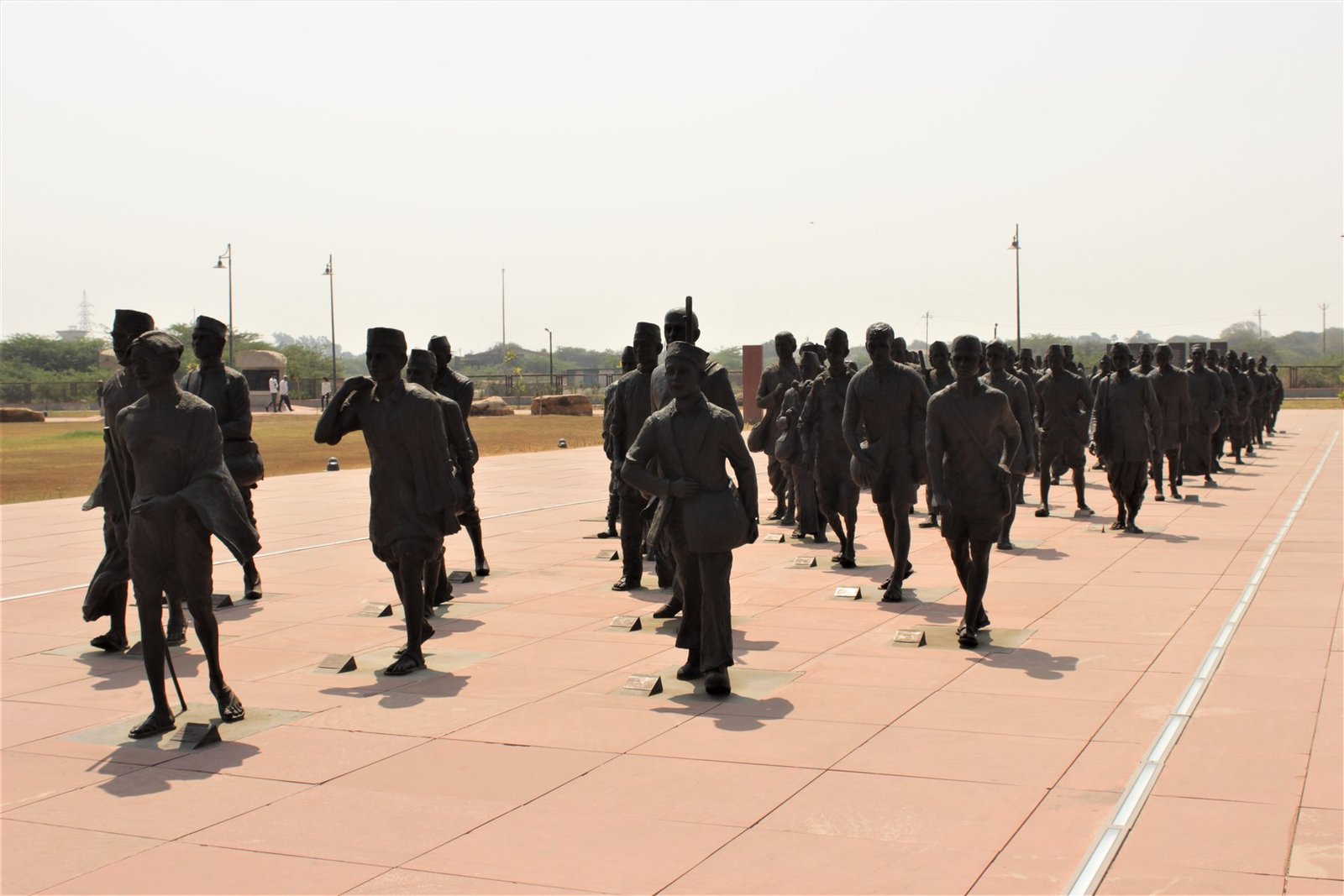
The 80 satyagrahis, rendered as life-size statues striding beside Gandhi.
Shallow pools evoke the saltpans and the act of making salt at Dandi.
A central commemorative structure anchors the memorial's striking design.
Displays trace the Salt March and the wider campaign of civil disobedience.
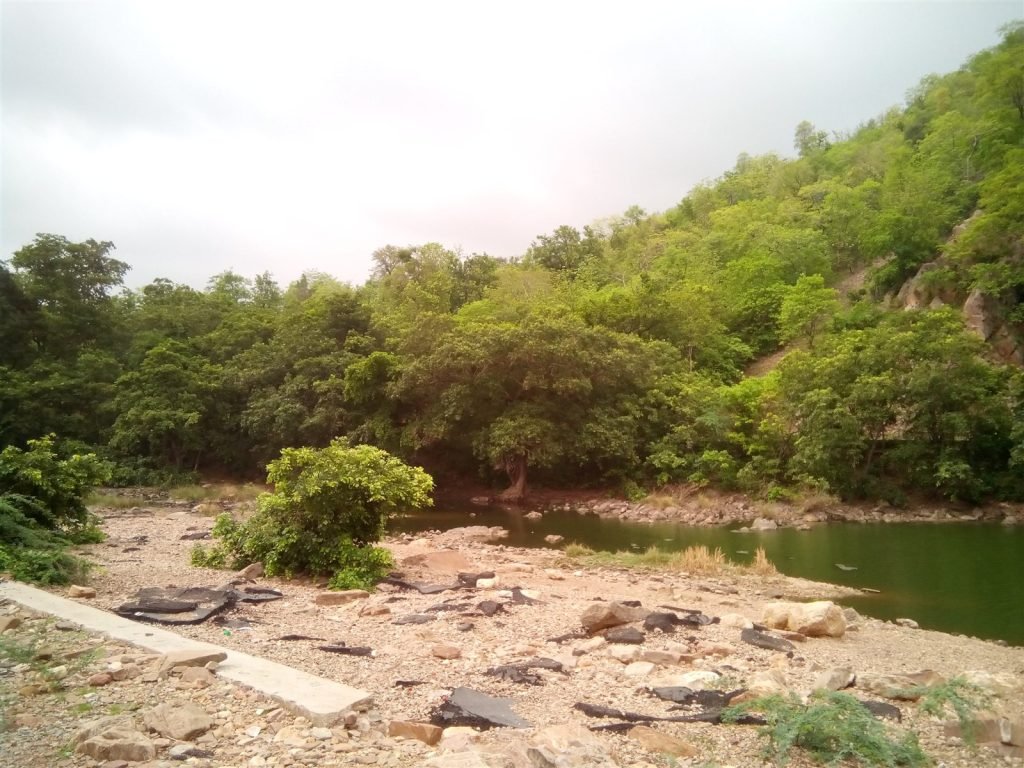
The coastline at Dandi where the 240-mile march reached the sea in 1930.
At the memorial's heart stands the statue of Mahatma Gandhi, the figure who led the march to Dandi.
Move among the 80 statues of the satyagrahis who walked beside Gandhi on the 240-mile journey.
Follow the story of the 240-mile, 24-day march from Sabarmati Ashram to the coast at Dandi.
Take in the reflecting pools designed to evoke the saltpans and the act of making salt.
Explore displays that retell the freedom story and the campaign of non-violent resistance.
Pause to consider how a single act of defiance became a symbol of non-violent protest worldwide.
Appreciate the commemorative architecture — a modern national memorial inaugurated in 2019.
Walk on to the shore where the historic march reached the sea and history turned.
Salt Satyagraha Memorial. Wikimedia Commons.
The National Salt Satyagraha Memorial, inaugurated in 2019, is a striking modern monument — statues of Gandhi and the 80 marchers, a central structure, and reflecting pools evoking the saltpans. The design commemorates the 1930 Salt March, the act of making salt in defiance of colonial law, and the spirit of non-violent resistance that made Dandi a name known around the world.
A national memorial, it rewards an unhurried visit: allow time for the monument and the exhibits, and check current timings before you travel. Set near the coast, the open, reflective spaces invite quiet contemplation of one of the defining moments of India’s freedom struggle.
Marks the end of Gandhi’s 1930 Salt March at Dandi
Statues of Gandhi and the 80 satyagrahis
Reflecting pools evoking the saltpans
A modern national memorial, opened in 2019
Cool and pleasant — ideal. Comfortable through the day and perfect for unhurried wandering.
Lush forests and a green coast. Showers are short and the surrounding Navsari countryside turns vivid.
Warm and humid, though a sea breeze helps. Best enjoyed early in the day or late afternoon.
⏰ Winter is ideal across coastal-and-forest Navsari; the monsoon greens the Vansda forests.
Surat airport lies about 40 km away, with flights from across India — roughly an hour by road to Dandi.
Navsari is the nearest main-line railway station, a major stop on the Mumbai–Ahmedabad route, about 20 km off.
Reach via NH-48 from Surat and Valsad; Dandi is an easy drive from Navsari town and the surrounding coast.
GOLDEN-HOUR FRIENDLY
Come early or late — low coastal sun rakes across the statues and lights the reflecting pools.
The Gandhi statue, the 80 marchers, the central structure and reflections in the saltpan pools.
This is a place of national pilgrimage; keep the mood calm and unstaged around the monument.
A wide lens captures the sweep of marchers; a longer lens isolates faces and fine detail.
Natural warm-water pools near Vansda
Where Jamsetji Tata was born
Time-worn agiaries and bungalows by the sea
Where Gandhi broke the salt law in 1930
◐ Dandi Shore
A quiet, palm-fringed stretch of coast
Navsari's Parsi heritage shows in dhansak and patra-ni-machhi — rich, distinctive home cooking.
South Gujarat snacks: soft, savoury locho and seasonal ponk from the Surat–Navsari belt.
Sweet chikoo from the Gandevi–Bilimora orchards, a speciality of this fertile coastal belt.
Expect Surti snacks, Parsi classics, orchard chikoo and comforting Gujarati thalis nearby.
Gandhi's 1930 march from Sabarmati Ashram to Dandi — a 24-day, 240-mile walk to break the British salt law.
It is where Gandhi made salt in defiance of the colonial monopoly, sparking a nationwide movement.
A modern monument with statues of Gandhi and the 80 marchers, a central structure and reflecting saltpans.
It was inaugurated in 2019.
The statues, the reflecting saltpan pools, the central structure and the exhibits telling the freedom story.
About 20 km from the memorial at Dandi.
October to March, when South Gujarat's coastal weather is cool and pleasant.
Via NH-48 from Surat or Valsad; the nearest railway station is Navsari and the nearest airport is Surat.
One to two hours is comfortable for the monument and the exhibits.
Yes — the open grounds and striking statues make it an engaging, educational stop for families.
WHERE TO STAY
Compare live prices across the big booking sites and reserve in a few taps. Booking happens securely on the partner's site — we may earn a small commission at no extra cost to you.
SHOP THE REGION
Hand-picked crafts and trip gear, available on Amazon.