
Heartland of the vav
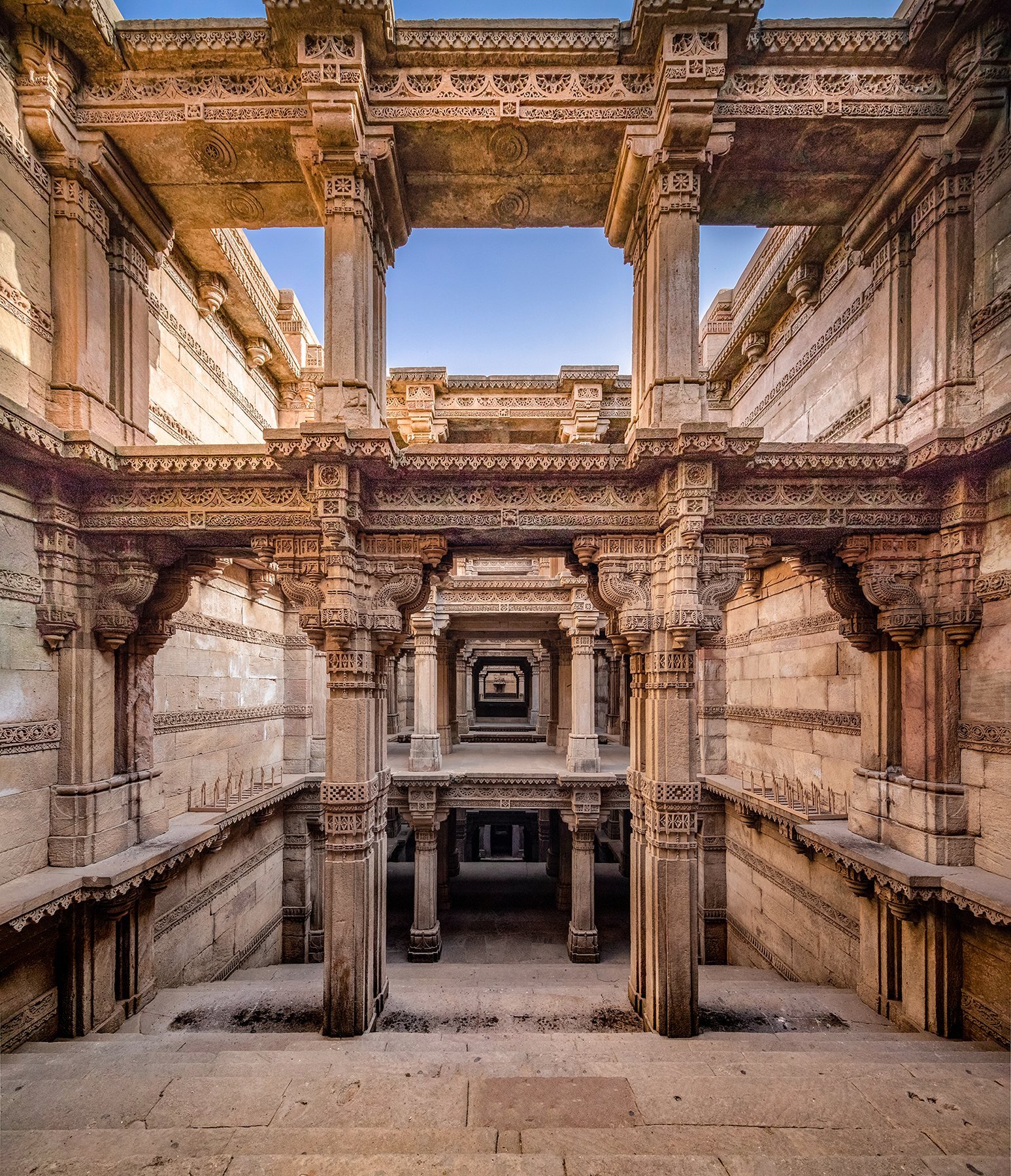
North Gujarat — and Mehsana district in particular — is the heartland of the vav, or stepwell, one of the region’s most extraordinary architectural traditions. In this arid land, communities dug deep, stepped subterranean wells that descended through pillared pavilions to the water table, providing water, cool shelter from the heat and, often, beautifully carved shrines and sculpture.
The region around Mehsana, Patan and the old Solanki heartland holds dozens of these structures — from world-famous masterpieces like Patan’s Rani ki Vav and the Adalaj stepwell nearby, to lesser-known carved vavs and humble village wells waiting to be discovered.
Touring this ‘stepwell country’ is a rewarding way to experience the ingenuity, artistry and water-culture of medieval Gujarat. Many vavs are open and free to visit; a few are protected monuments with nominal entry.
The golden age of the vav, and its rediscovery
Descending steps and pillared pavilions led generations down to the cool water table.
Under the Solanki (Chaulukya) dynasty, north Gujarat became the centre of stepwell building, with the form reaching its artistic peak.
Queen Udayamati commissions Patan's Rani ki Vav, an inverted temple of a stepwell, now a UNESCO World Heritage Site.
Smaller vavs and kund were dug across Mehsana's villages, blending water-storage with carved shrines and resting places.
For centuries the vavs served as wells, cool retreats and social hubs through Gujarat's long, dry summers.
Conservation and tourism are bringing the region's grand and humble stepwells back into the light.
Reasons to make the time
Many stepwells
Dozens of vavs are scattered across the region, from grand to humble.
Carved vavs
Stepwells rich in carved pillars, brackets, art and sculpture.
Water culture
A window into the medieval ingenuity of desert water-harvesting.
Masterpieces near
Patan's Rani ki Vav and the famous Adalaj stepwell are close by.
Hidden wells
Lesser-known village vavs reward the curious, off-the-map traveller.
Rewarding tour
A characterful route off the beaten track through north Gujarat.
How to spend an hour or two
Explore the stepwells
Descend the stepped pavilions of the region's vavs, from grand monuments to quiet village wells.
Take in the carving
Look closely at the carved pillars, brackets and shrine niches that line the steps.
Sense the cool below
Feel the temperature drop as you walk down toward the old water table — the original purpose of every vav.
Pair with masterpieces
Combine the route with Patan's Rani ki Vav and the celebrated Adalaj stepwell nearby.
Visit in cool hours
Come in the morning or late afternoon for soft light and comfortable temperatures.
Respect the sites
Many vavs sit within living villages — keep them clean and be considerate of locals.
Steps, pavilions and shrines
Mehsana and north Gujarat are the heartland of the vav — stepped subterranean wells that descend through tiers of pillared pavilions to the water table. From grand carved masterpieces like Rani ki Vav and Adalaj to quiet village wells, they form a tradition built around water, shelter and sculpture.
Each vav is a piece of inverted architecture: rather than rising into the sky, it sinks into the earth, lining the descent with carved columns, brackets and shrine niches. Touring ‘stepwell country’ reveals the ingenuity and art of medieval Gujarat, where engineering and devotion met underground.
More places to visit across the district are gathered in our Mehsana travel guide.
It is one of many — our guide to the stepwells of Gujarat covers the rest.
Heartland of the vav
Carved subterranean wells
Medieval water culture
From masterpieces to village wells
When to go
Cool and pleasant — the ideal season for exploring the stepwells in comfort.
Green and atmospheric after the rains, though some lower levels may hold water.
Hot and dry — start early and carry water if you visit in the warmer months.
⏰ Visit in the cooler months; pair it with Mehsana's nearby heritage and temple sights.
Timings & entry
- Open in daytime hours
- Best in the cool season
- An easy visit
- Pair with nearby sights
- Generally free to visit
- Respect the site & locals
- Carry water in warm months
- Few formal facilities
Getting there
By Air
Ahmedabad's Sardar Vallabhbhai Patel International Airport is the nearest hub, about 70 km from Mehsana, with onward taxis and buses into the district.
By Rail
Mehsana Junction is the district's main railhead, well connected to Ahmedabad and the wider north Gujarat network.
By Road
Good highways link Mehsana to Ahmedabad and beyond; a car is the easiest way to tour the scattered stepwells across the district.
Around Stepwell Country
PLACE & LIGHT
A district landmark — steps, stone and shadow rewarding an unhurried camera.
What to shoot
The descending steps, carved pillars and the geometry of the pavilions seen from above.
Setting
The surrounding villages, fields and the quiet approach to each well.
Respect
Be considerate of worshippers and locals; some vavs hold active shrines.
Best light
Golden hour, when low sun rakes across the carved stone and deepens the steps.
Know before you go
More to see close by
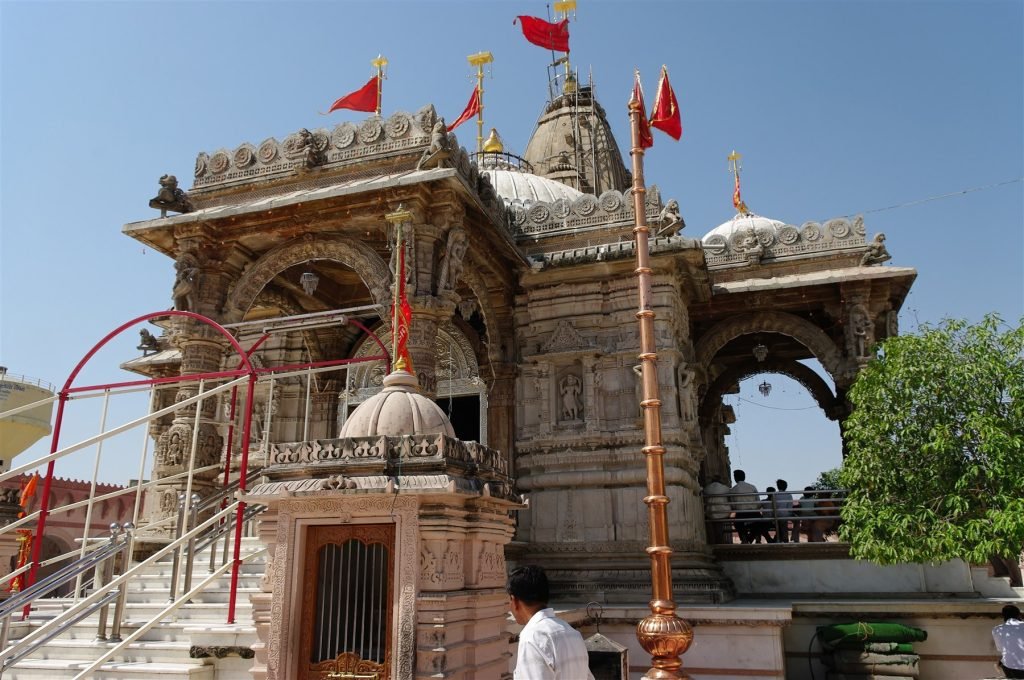
Unjha Umiya Mata
Sacred vavs across the district
 HERITAGE
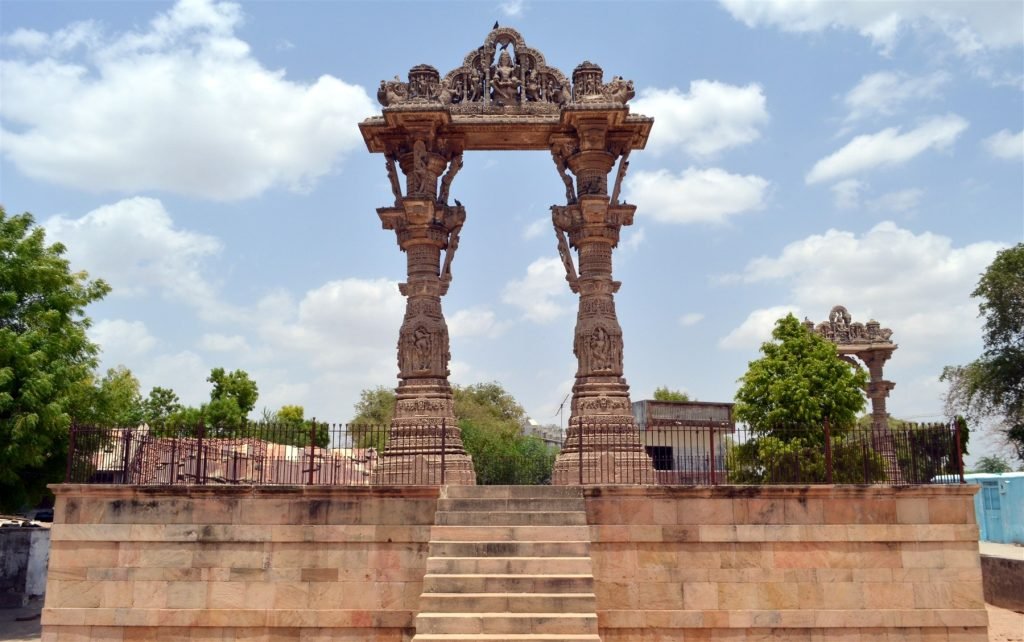
Kirti Toran
Soaring 12th-century ceremonial arches
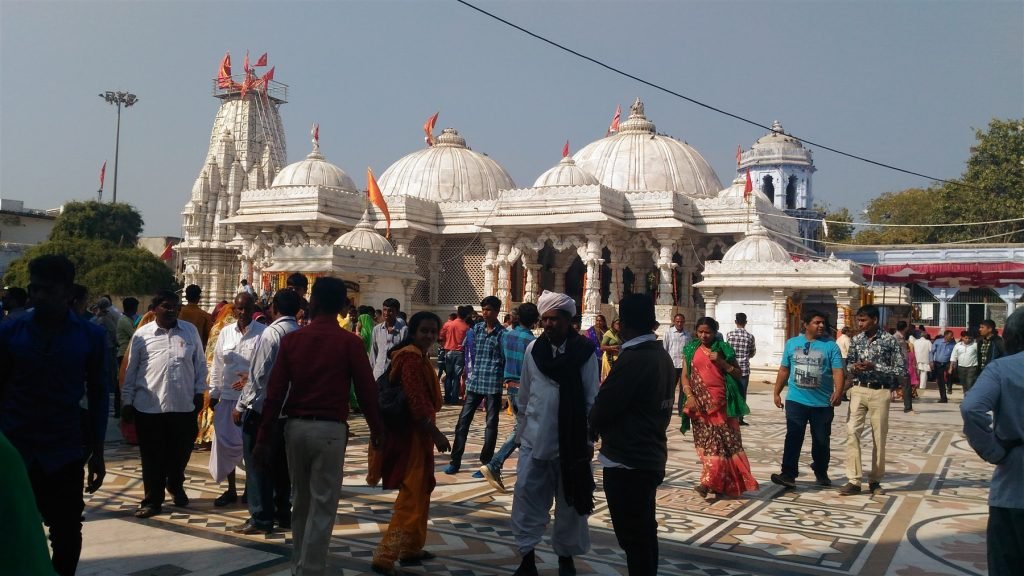
Bahuchara Mata, Becharaji
A revered Shakti Peeth of the goddess
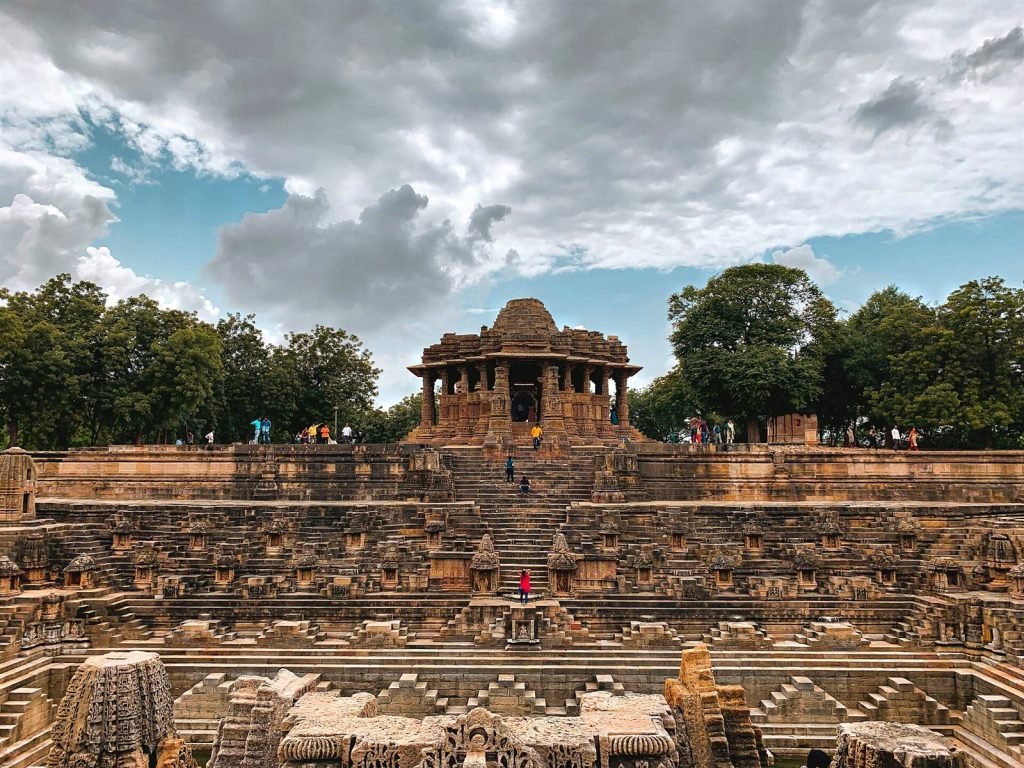
Modhera by Night
◐ The January light show
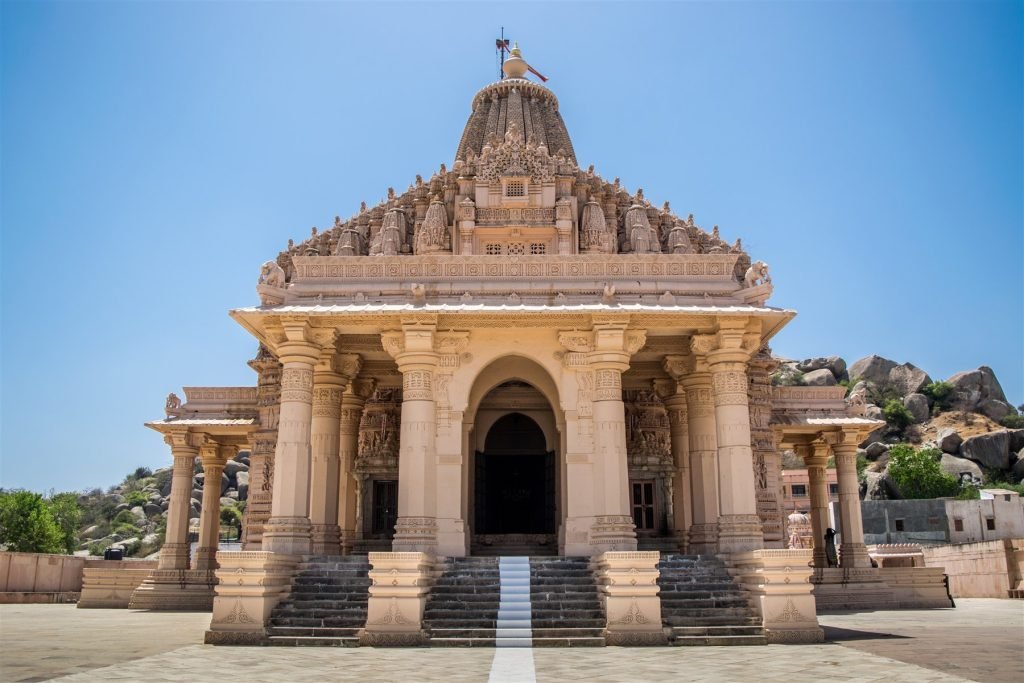
Taranga Jain Temple
Marble temples on the Taranga hills
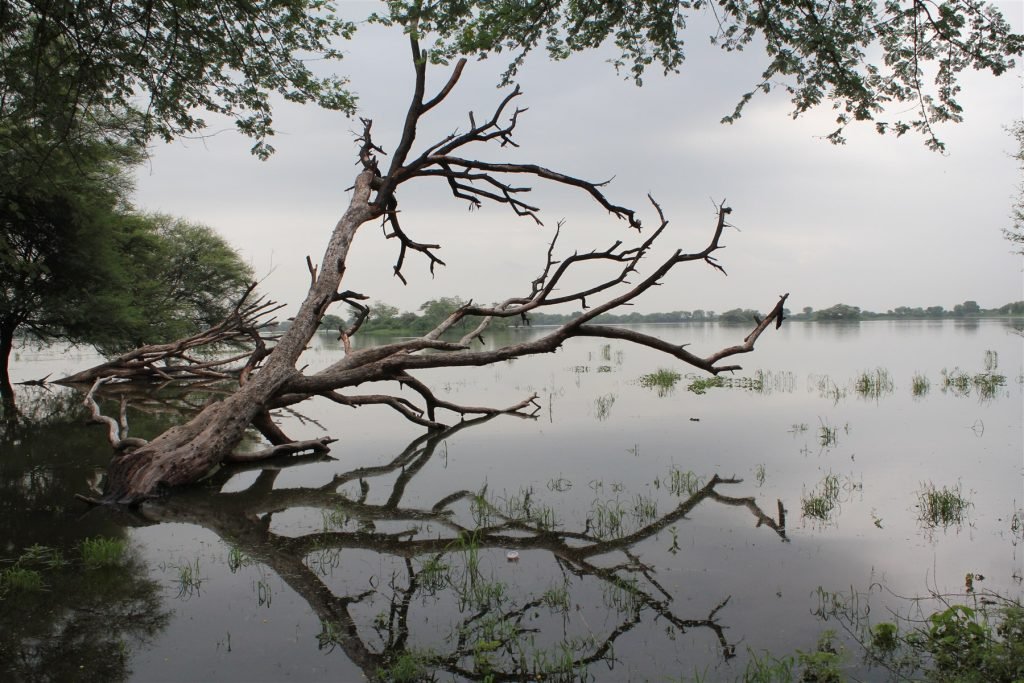 BIRD LAKE
Thol Lake
A wetland sanctuary of flamingos & pelicans
Where to eat near Stepwell Country
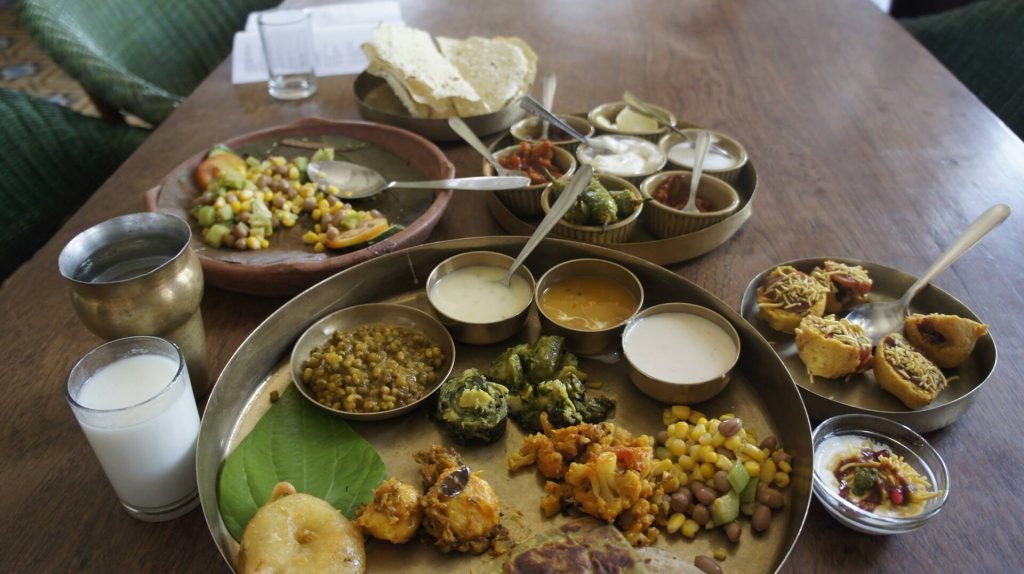
Gujarati Thali
Sweet-savoury full meals — the classic unlimited Gujarati spread.
Dhokla & fafda
Steamed and fried snacks that north Gujarat does especially well.
Chaat & snacks
Lively market fare found in Mehsana's towns and bazaars.
Dairy capital
Home of Dudhsagar Dairy and famous milk sweets — Mehsana is Gujarat's dairy heartland.
Stepwell Country FAQ
What is Stepwell Country?
North Gujarat — and Mehsana district in particular — is the heartland of the vav, or stepwell, with dozens of carved subterranean wells that descend through pillared pavilions to the water table, providing water, cool shelter and beautifully carved shrines.
Is there an entry fee?
Most vavs are generally free to visit; a few protected monuments charge a nominal entry fee.
When should I visit?
October to March, in the cooler season, is the most comfortable time to tour the stepwells.
What's nearby?
Other Mehsana sights pair well, including the Modhera Sun Temple, Vadnagar, Thol Lake and Taranga.
How long does it take?
It varies — a single vav is a short visit, while a full stepwell tour of the district can fill a day.
Any tips?
Carry water, go in the cooler hours, respect the sites and locals, and expect few formal facilities at the smaller wells.
Which are the most famous stepwells?
Patan's Rani ki Vav, a UNESCO World Heritage Site, and the nearby Adalaj stepwell are the best-known masterpieces of the region.
How do I get there?
Mehsana is about 70 km from Ahmedabad's airport, has its own railway junction at Mehsana, and is easily reached by road across north Gujarat.
Related places across Gujarat
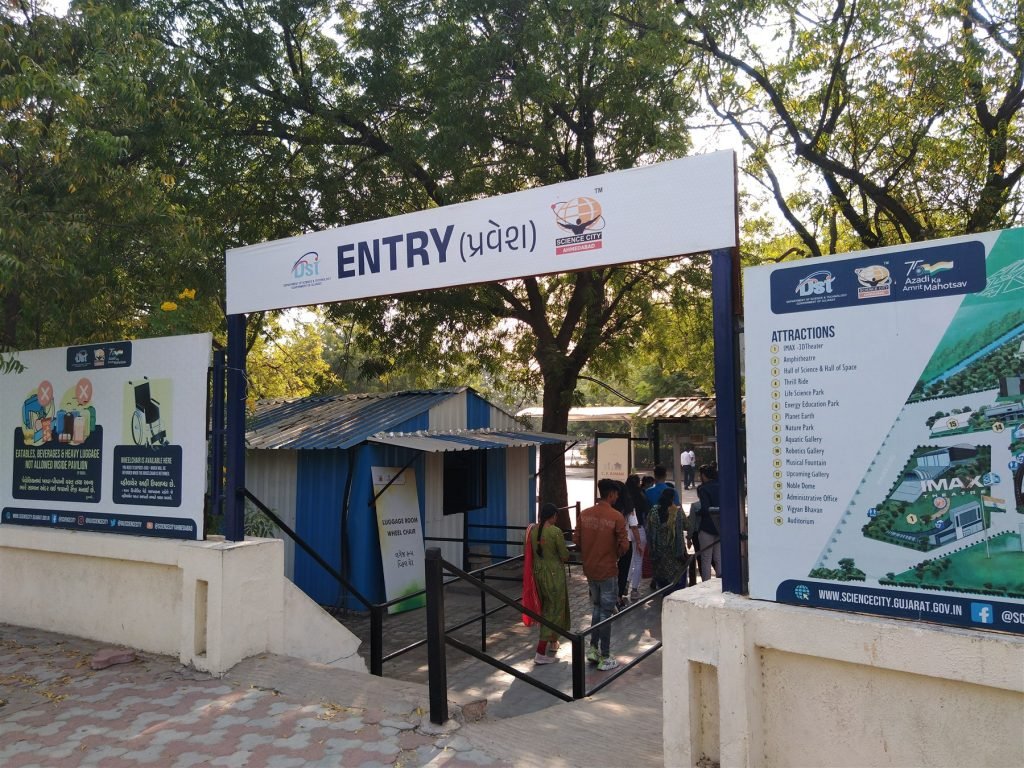
Gujarat Science City
Where curiosity comes to play — a giant aquarium, a robotics gallery, an IMAX dome and…
 FOREST
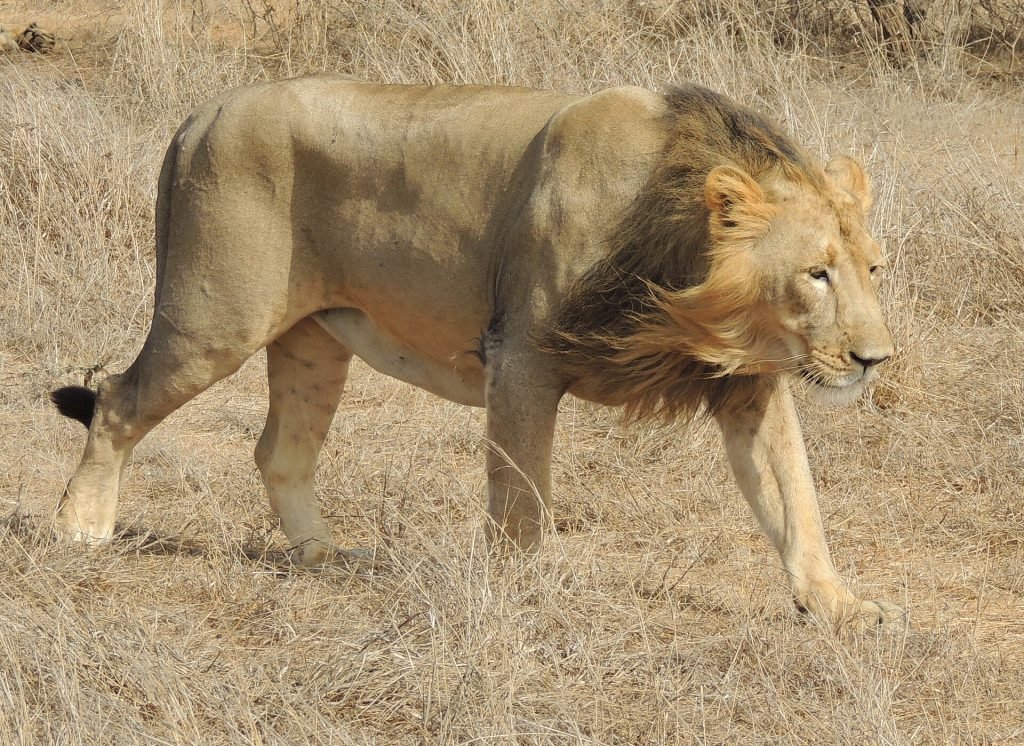
Iqbalgarh
Quiet woodlands & hill trails
Shoolpaneshwar Temple
A forest Shiva shrine that named the sanctuary
 VIEWPOINT
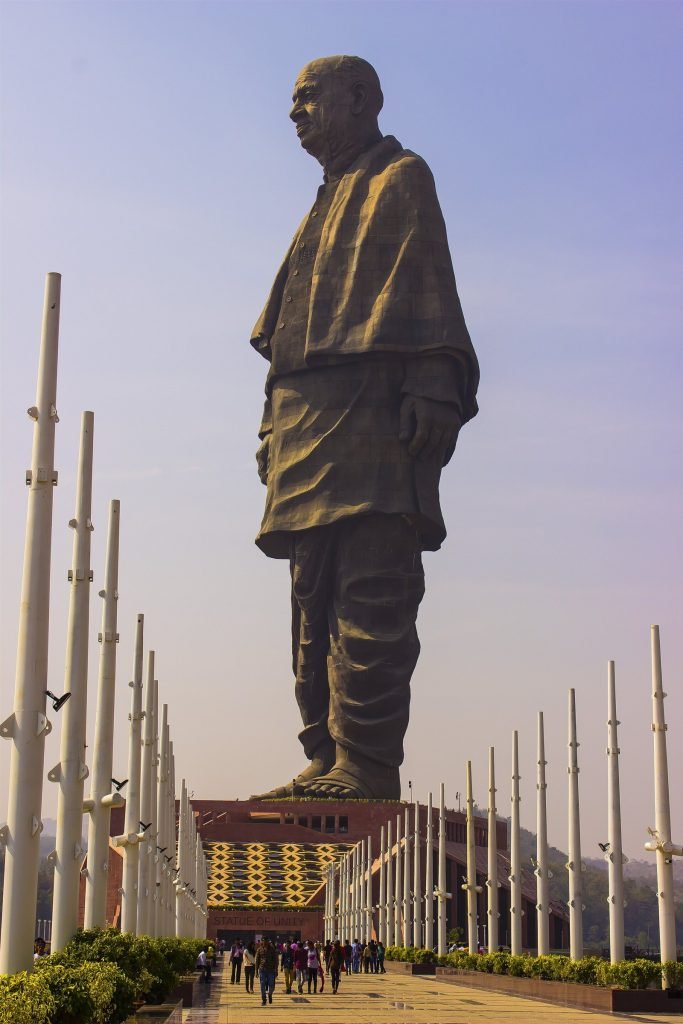
Viewing Gallery
A gallery at the statue’s chest, 153 m up
Bhidbhanjan Mahadev
A revered city Hanuman shrine
 PALACE
Nilambag Palace
A Gohil royal residence, now a heritage hotel
WHERE TO STAY
Find your stay in Gujarat
Compare live prices across the big booking sites and reserve in a few taps. Booking happens securely on the partner's site — we may earn a small commission at no extra cost to you.
Book directly on our partner sites — tap a provider to see live Gujarat hotels & prices:
SHOP THE REGION
Bring home Gujarat — & travel essentials
Hand-picked crafts and trip gear, available on Amazon.
Published 24 June 2026 · Updated 24 August 2026
We’re an independent group of writers and travellers documenting every corner of Gujarat — one place, plate and festival at a time.