Home › Dang › Forest Deities
CULTURE · TRIBAL · FAITHThe gods of the woods — the tribal forest deities of the Dangs, where the Bhil, Kunbi, Warli and other communities worship nature spirits, mother goddesses and sacred groves.
Beyond the famous temples, the deepest spiritual tradition of the Dangs is that of its tribal communities — the Bhil, Kunbi, Warli, Gamit and others — whose faith centres on nature itself. Across the forests stand shrines to mother goddesses, village deities (dev), nature spirits, ancestors, and the sacred groves and trees protected as the abodes of the divine.
Worship is woven into the rhythm of forest life, expressed in festivals, dances, the painting of homes, and offerings at simple shrines often marked by carved wooden or terracotta figures and votive horses. This living animist tradition, in which the forest is sacred, is among the most distinctive cultural treasures of the Dangs.
A faith as old as the forest. It is a living tribal tradition, so visit respectfully — these are working places of worship rather than monuments, and the communities who keep them are very much present.
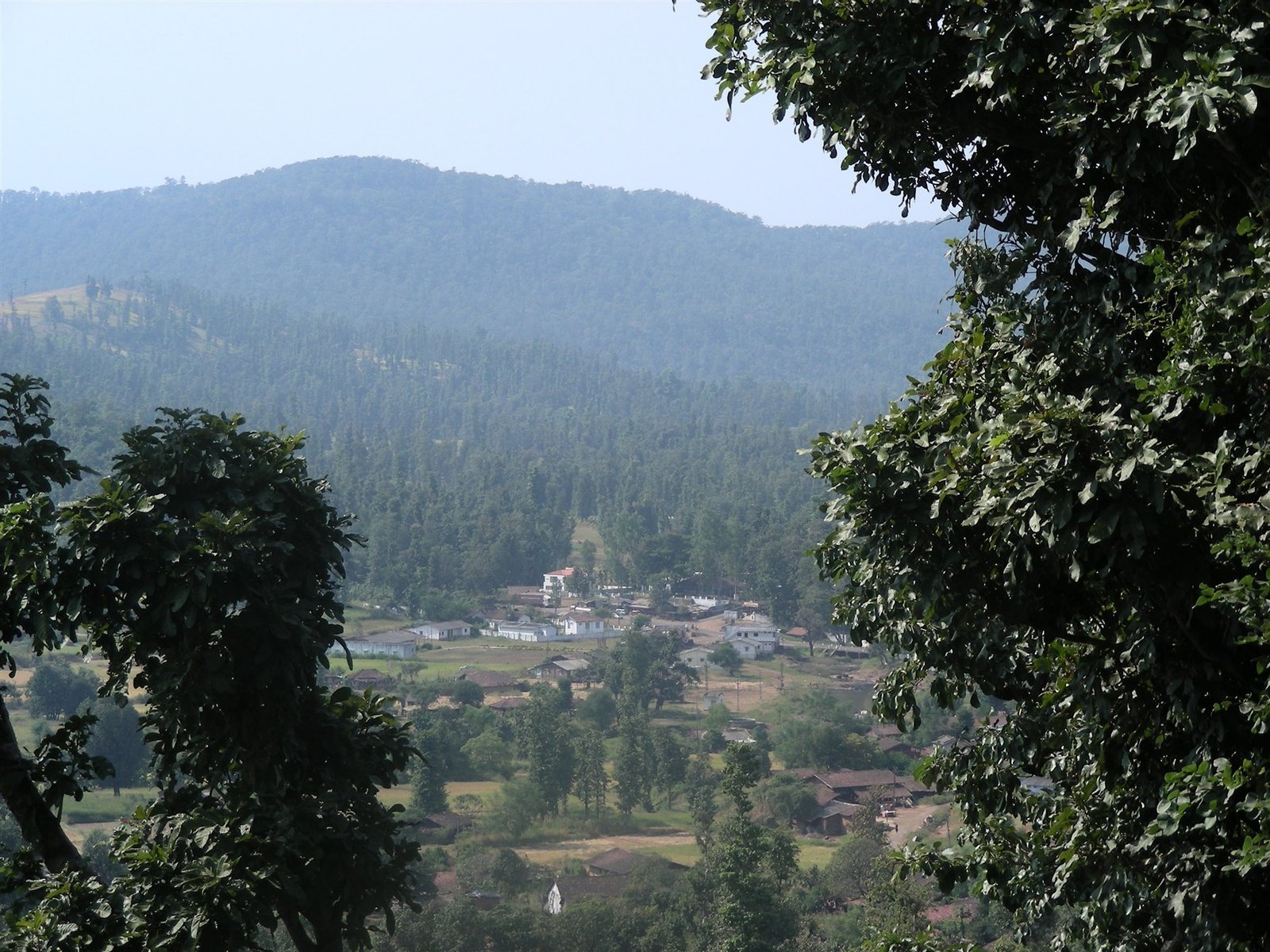
Illustration — a sacred grove of the Dangs, protected as the abode of the divine.
Votive figures — carved wooden and terracotta offerings left at simple forest shrines.
The animist faith of the Dangs' tribal communities — the Bhil, Kunbi, Warli, Gamit and others — centres on the forest itself.
Mother goddesses, village deities, nature spirits and ancestors are all honoured across the forested hills.
Whole groves and individual trees are protected as the abodes of the divine and left untouched.
The faith lives on in festivals, dance, painted homes and offerings made at simple shrines.
A living animist tradition centred on the forest.
Spirits, mother goddesses and village deities.
Forests and trees protected as divine.
Village deities watched over by the goddess.
Carved wooden and terracotta offerings.
Kept alive in festivals, dance and song.
Nature worship at the heart of Dangi tribal life.
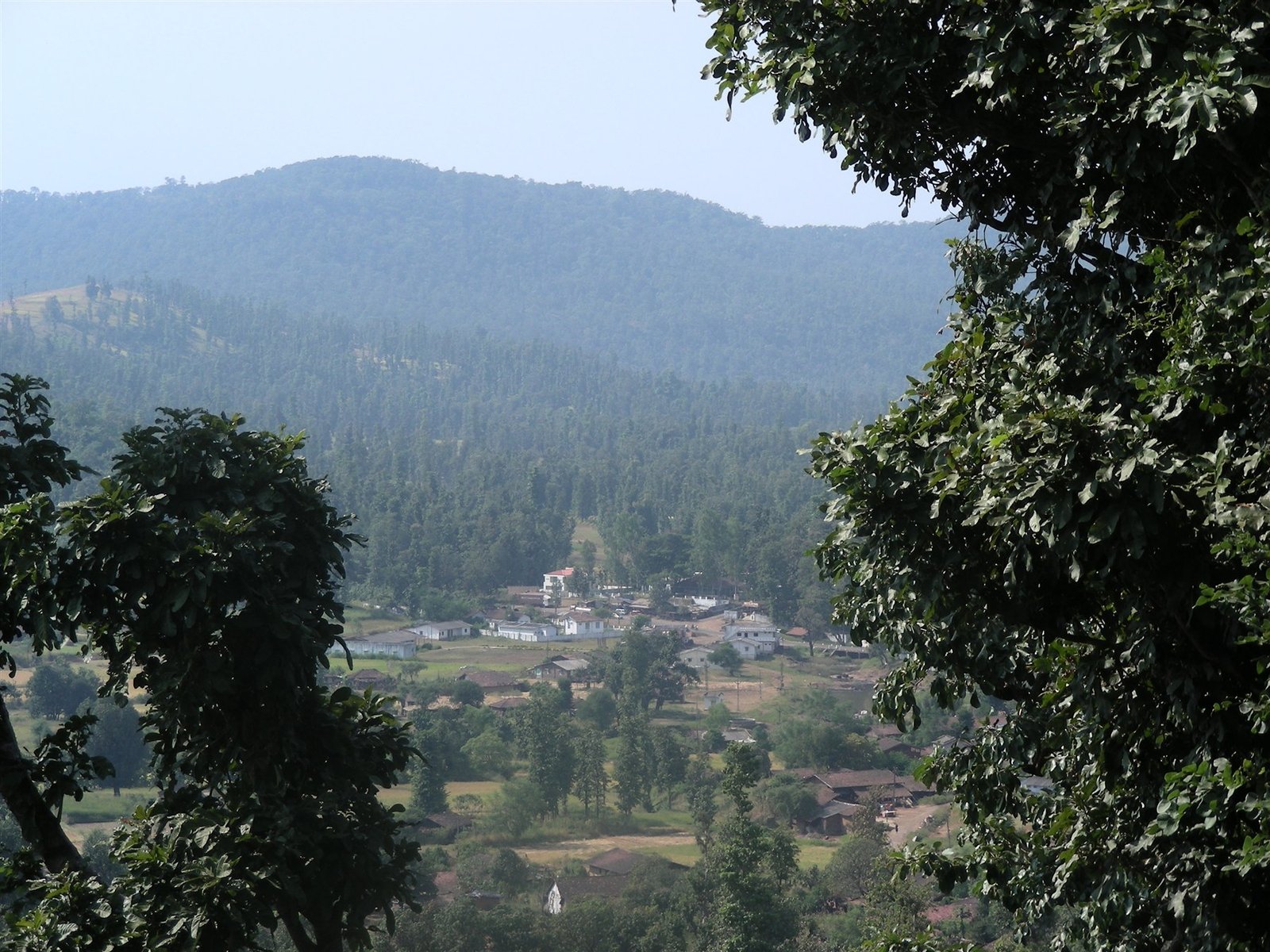
Groves and trees protected as abodes of the divine.
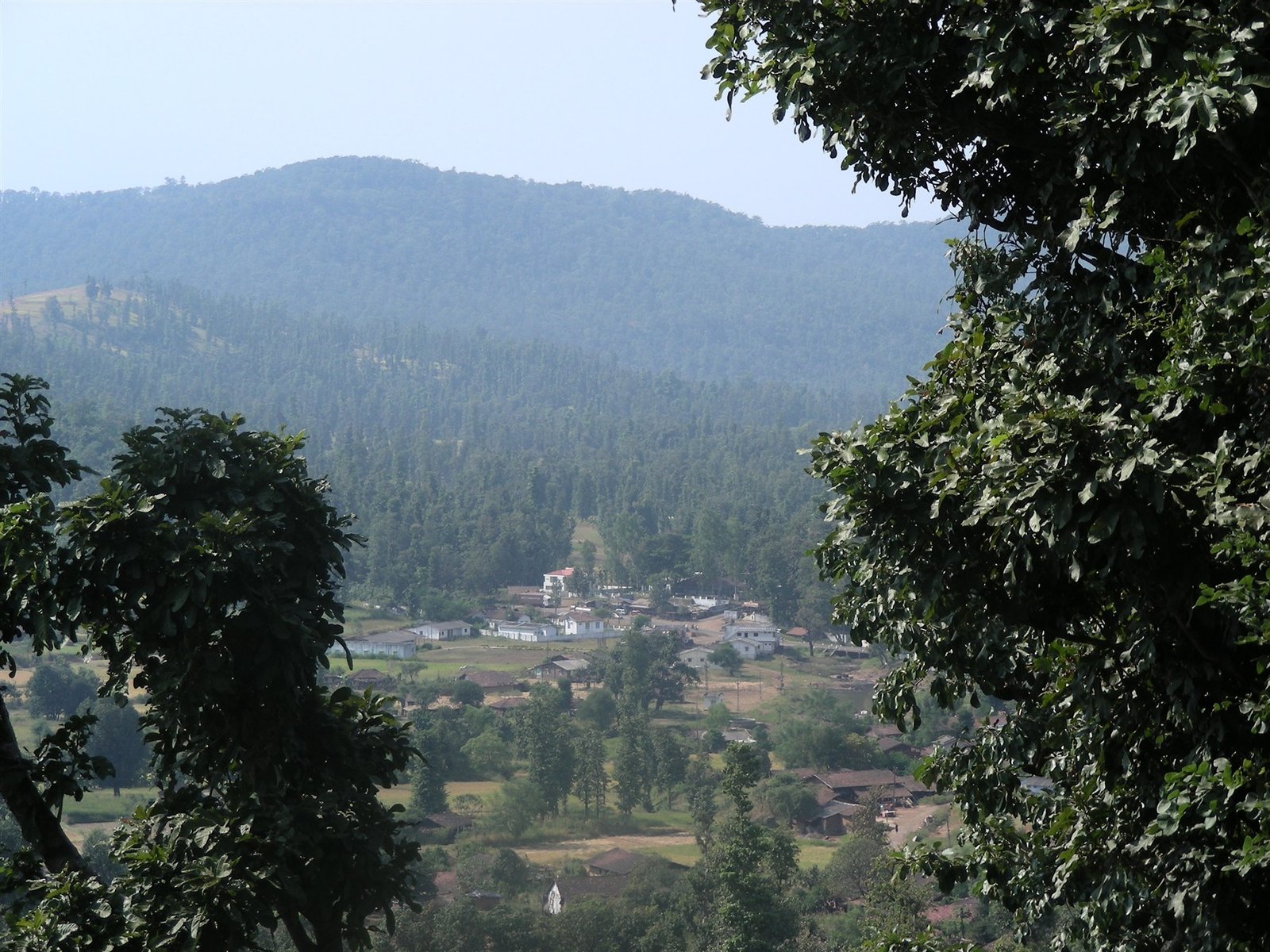
Village deities who watch over forest hamlets.
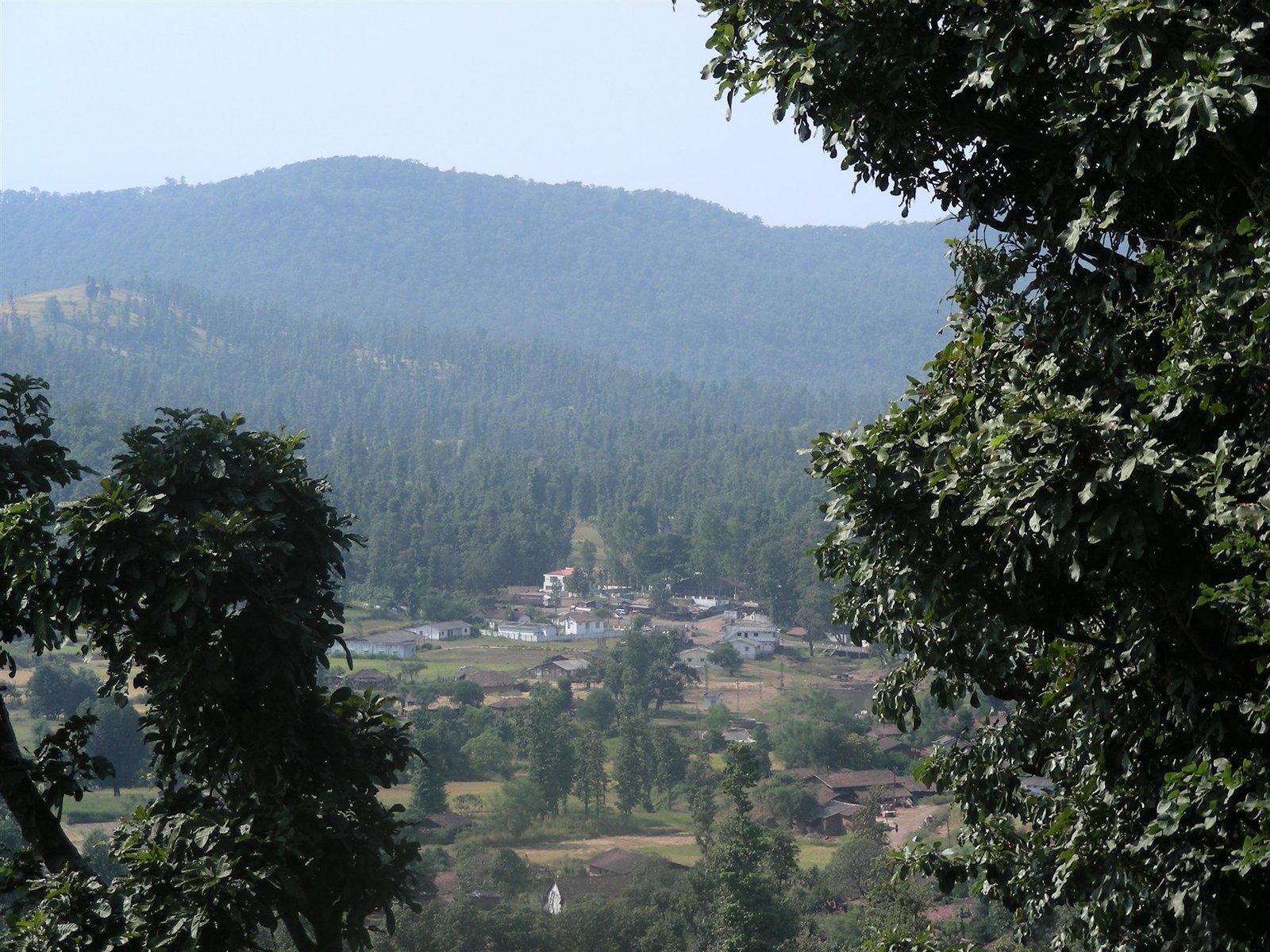
Wooden and terracotta horses left at the shrines.
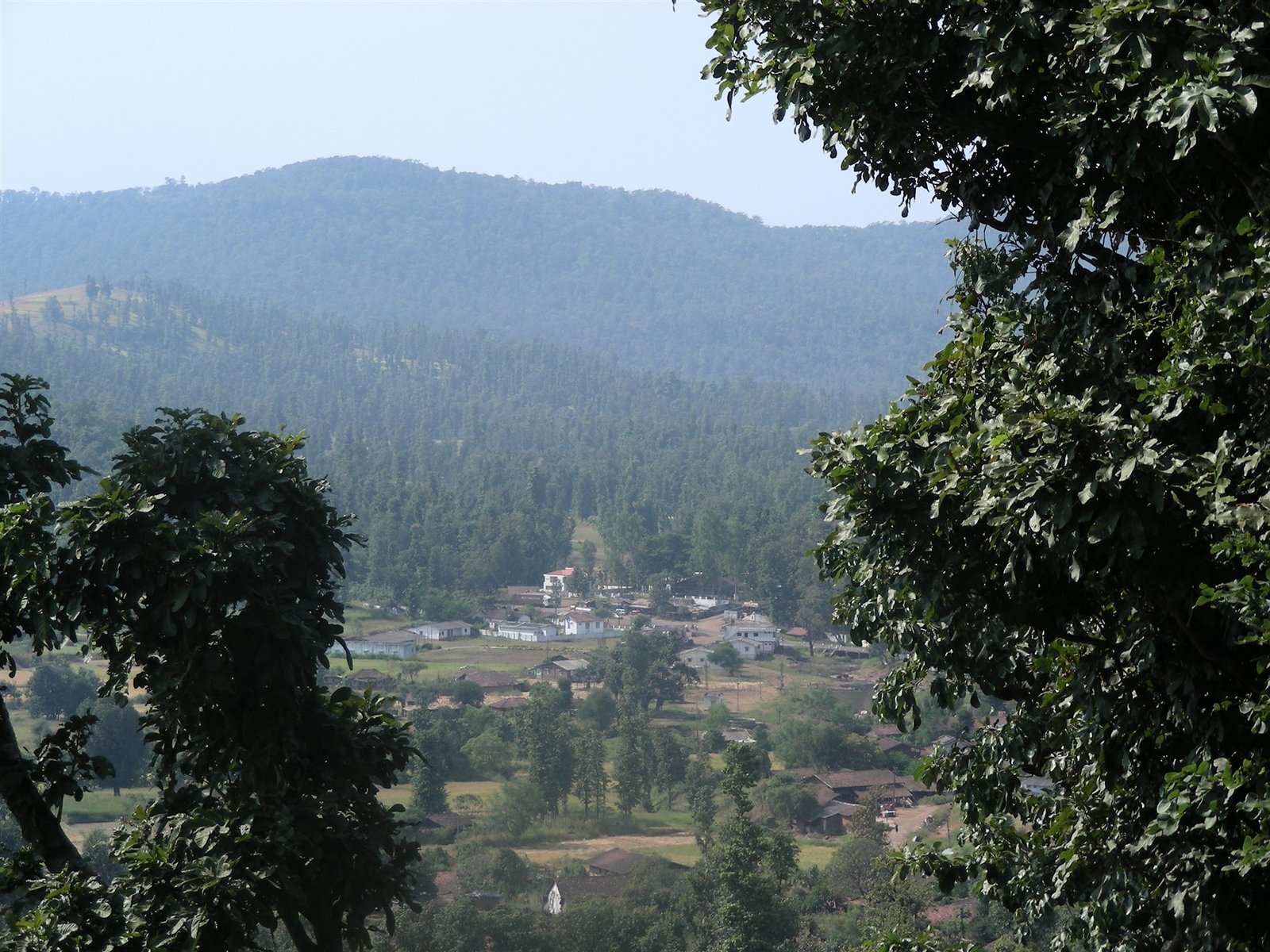
The tribal communities who keep the faith alive.
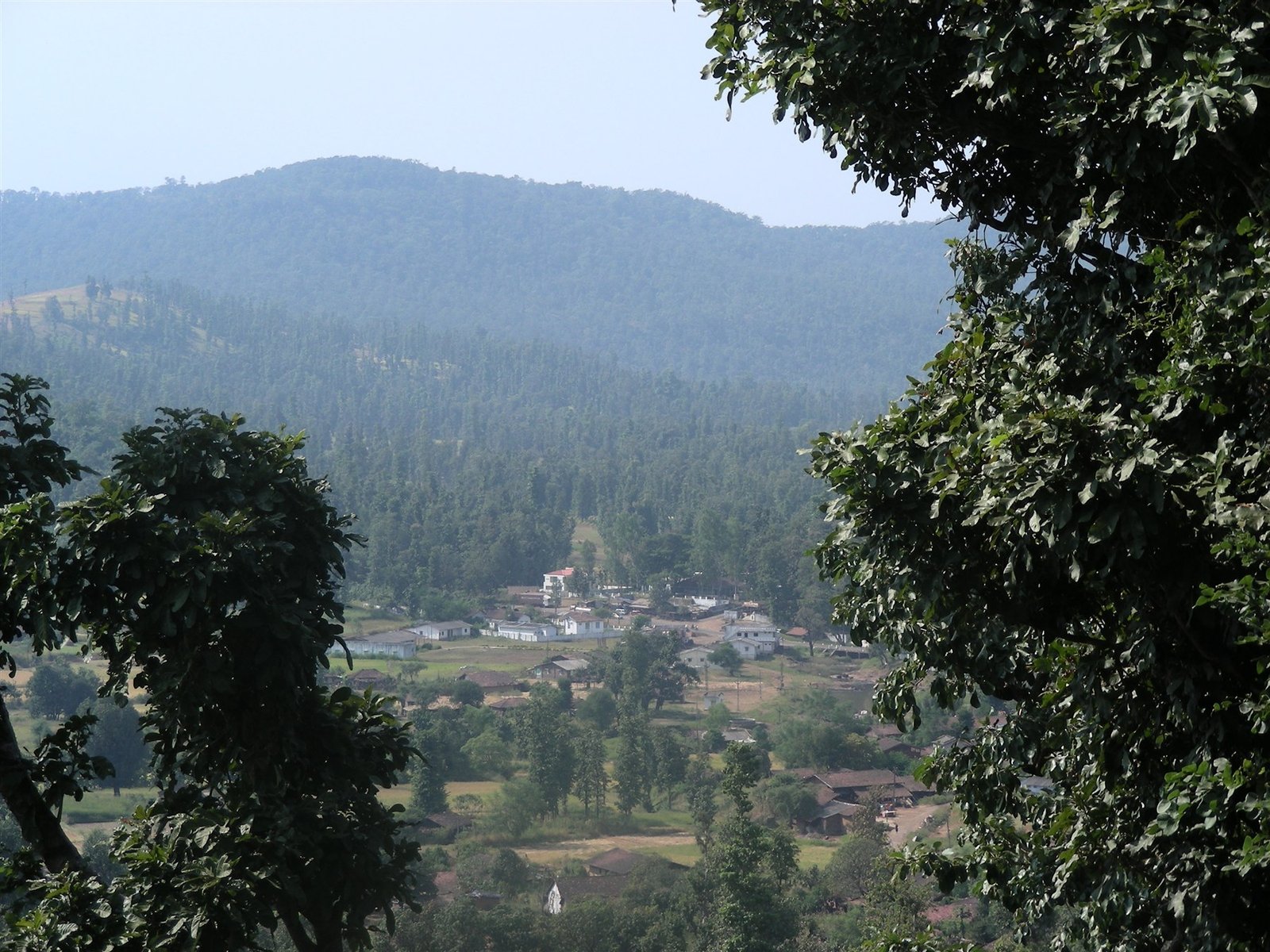
Worship expressed in festivals, dance and song.
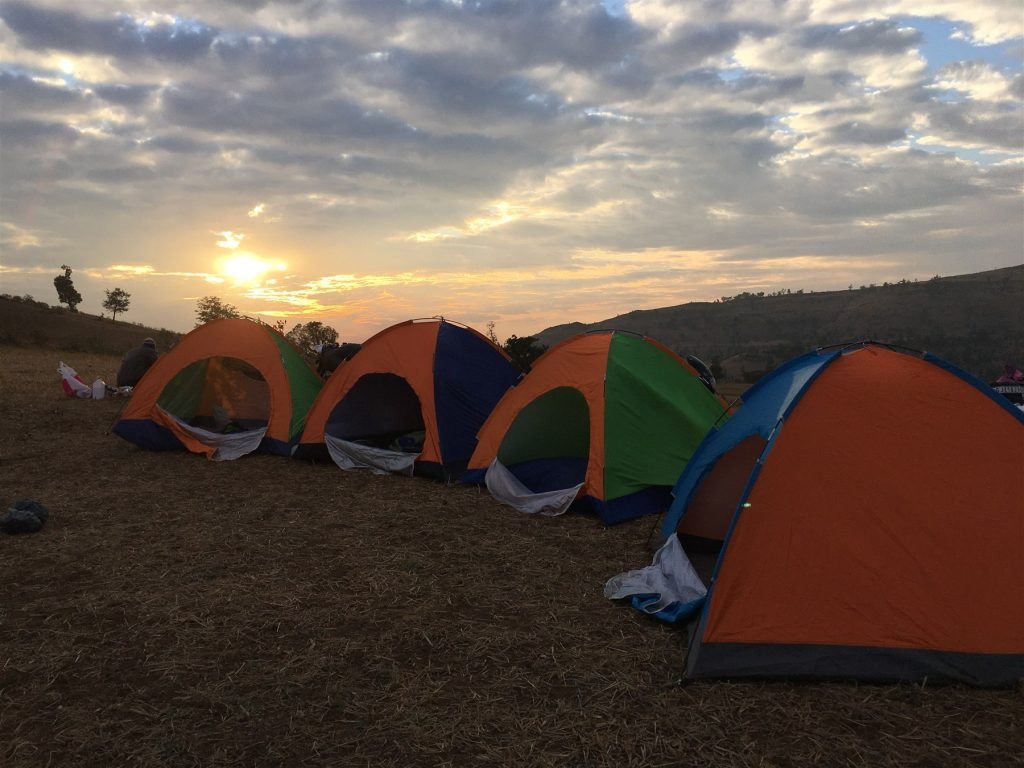
Understand the animist tradition of the Bhil, Kunbi, Warli and other communities of the Dangs.
Walk near the protected forests and trees that the tribal communities revere as divine.
Seek out the simple, sacred shrines marked by carved wooden and terracotta figures.
Feel how spirits, mother goddesses and village deities shape everyday forest life.
Time your visit for dance, offerings and the festivals that carry the faith forward.
Remember this is a living culture — observe quietly and ask before you photograph.
Illustration — the forest deities, the gods of the woods.
The deepest spiritual tradition of the Dangs is the animist faith of its Bhil, Kunbi, Warli and other tribal communities — worship of nature spirits, mother goddesses, ancestors and sacred groves, expressed in festivals, dance, painted homes and votive figures.
A faith as old as the forest. Visit respectfully: these are living places of worship, not museums, and the carved emblems and shrines you see are still in active use by the communities who tend them.
Tribal animist tradition
Nature spirits & goddesses
Protected sacred groves
Votive figures & festivals
Cool and pleasant — the ideal season. Comfortable all day for visiting the shrines and forests.
Green and atmospheric, with the forest at its most alive. Showers are short and the air is fresh.
Cooler than the plains thanks to the forested hills, but the warmest window — start early in the day.
⏰ Visit at aarti time in the cooler months; combine the shrines with Saputara and Pampa Sarovar.
Surat airport is the nearest, roughly 120 km away, with onward road connections into the Dang forests.
The Bilimora–Waghai narrow-gauge line and nearby stations bring you to the edge of the Dangs.
Reach the shrines via Saputara and Ahwa; local roads thread through the forest to the tribal areas.
CULTURE & NATURE
Sacred groves — with care, and never disturbing or entering the protected forest.
Votive figures — the carved wooden and terracotta horses left at the shrines.
Tribal culture — festivals, dance and painted homes that frame the faith.
Daytime, when the forest canopy lets soft, dappled light onto the shrines.
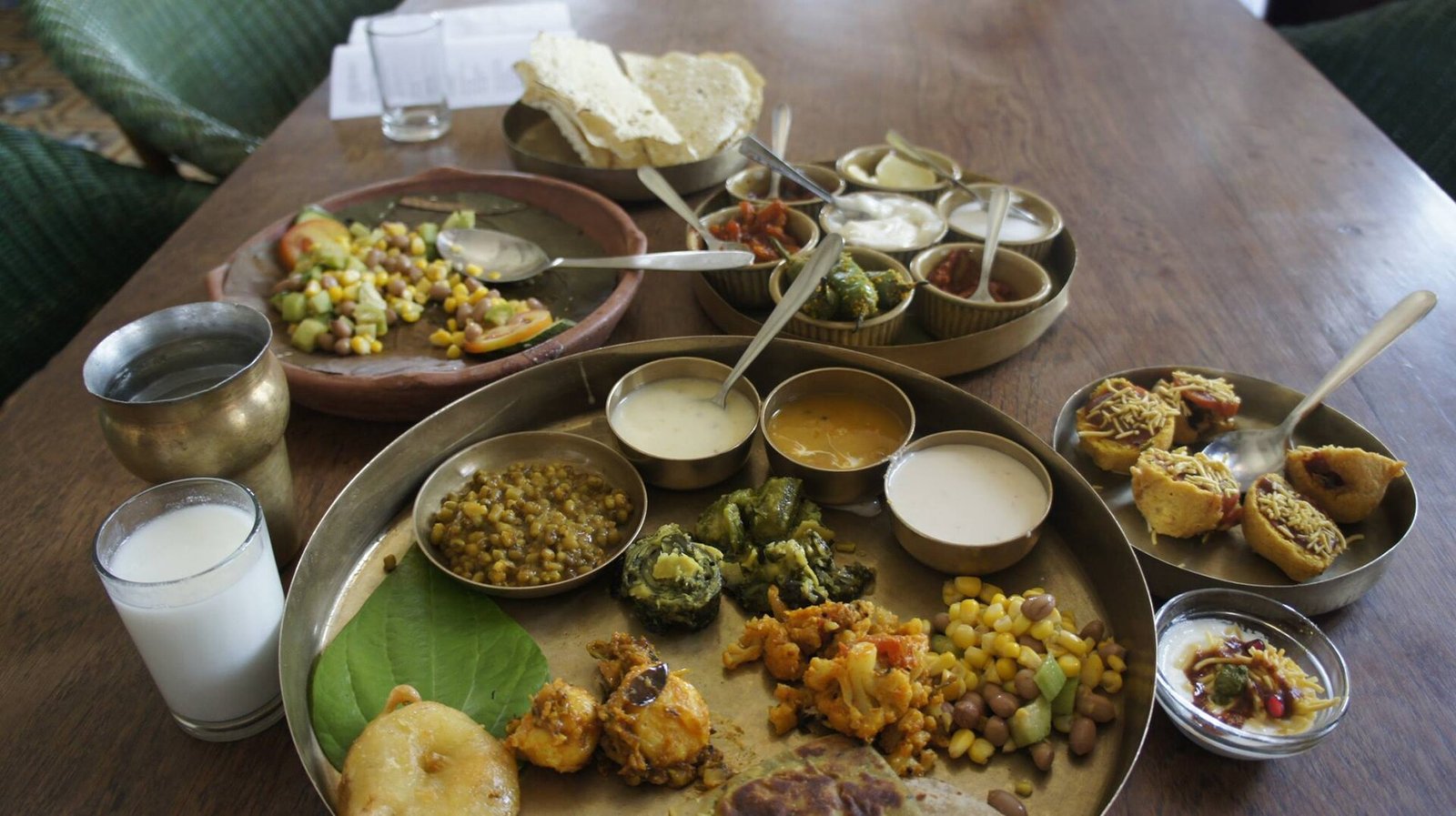
Hearty unlimited meals on the plains route up to the Dangs.
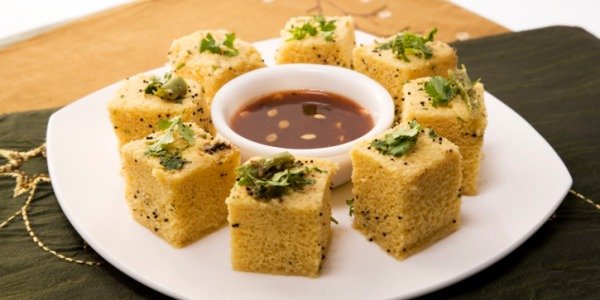
Light steamed snacks to carry into a day in the forest.

Roasted corn, snacks and chai at the nearby hill station.
Look for nagli rotla, bamboo shoots and forest produce — the real food of the Dangs.
Beyond the famous temples, the deepest spiritual tradition of the Dangs is that of its tribal communities — the Bhil, Kunbi, Warli, Gamit and others — whose faith centres on nature itself. Across the forests stand shrines to mother goddesses, village deities (dev), nature spirits, ancestors, and the sacred groves and trees protected as the abodes of the divine.
In the Dangs, the forested southern district of Gujarat, spread across the tribal villages rather than any single site.
There is no formal ticket — but this is a living tribal tradition, so visit respectfully and follow local customs.
October to March is best, and ideally at aarti time when the shrines are most active.
Saputara, Pampa Sarovar and the wider forests of the Dangs all pair well with a visit.
Allow about half a day to reach the shrines, take them in unhurried and combine them with nearby sights.
WHERE TO STAY
Compare live prices across the big booking sites and reserve in a few taps. Booking happens securely on the partner's site — we may earn a small commission at no extra cost to you.
SHOP THE REGION
Hand-picked crafts and trip gear, available on Amazon.