Gujarat Explorer

Home › Kheda › Kheda Satyagraha Memorial

FREEDOM HISTORY · GANDHI · SARDAR PATEL

Kheda Satyagraha Memorial

Where a movement found its footing — the Kheda Satyagraha of 1918, led by Gandhi and a young Sardar Patel, was one of the foundational struggles of India's freedom movement, and the district that gave it its name holds a proud place in the nation's history.

AT A GLANCE Quick Facts
📍 DISTRICT Kheda
🏷️ TYPE Freedom-movement landmark
🗺️ REGION Central Gujarat
🧭 CATEGORY Place
☀️ BEST TIME Oct – Mar
🎟️ ENTRY Open access
⏱️ DURATION 1–2 hrs
💡 IDEAL FOR Sightseeing
ABOUT THE PLACE

A foundational struggle of the freedom movement

The Kheda Satyagraha of 1918 holds a special place in the history of India’s freedom movement — one of the early campaigns of non-violent civil resistance led by Mahatma Gandhi, and the struggle in which a young Vallabhbhai Patel — later Sardar Patel, the “Iron Man of India” — first emerged as a mass leader.

The satyagraha arose from agrarian distress: the peasants of Kheda district, their crops failed by drought and disease, faced demands for the full land revenue from the colonial administration. Under the leadership of Gandhi and Patel, the farmers organised a disciplined, non-violent campaign to withhold the revenue until the demand was relaxed — a movement that built solidarity, dignity and self-respect among the rural population, and ultimately succeeded in winning concessions.

The Kheda Satyagraha, alongside the Champaran movement in Bihar, was a crucial early proving ground for Gandhi’s methods of non-violent resistance, and it cemented the partnership between Gandhi and Patel that would shape the freedom struggle. For the district of Kheda, it is a source of deep pride — a reminder of the role this quiet agricultural region played in the making of modern India.

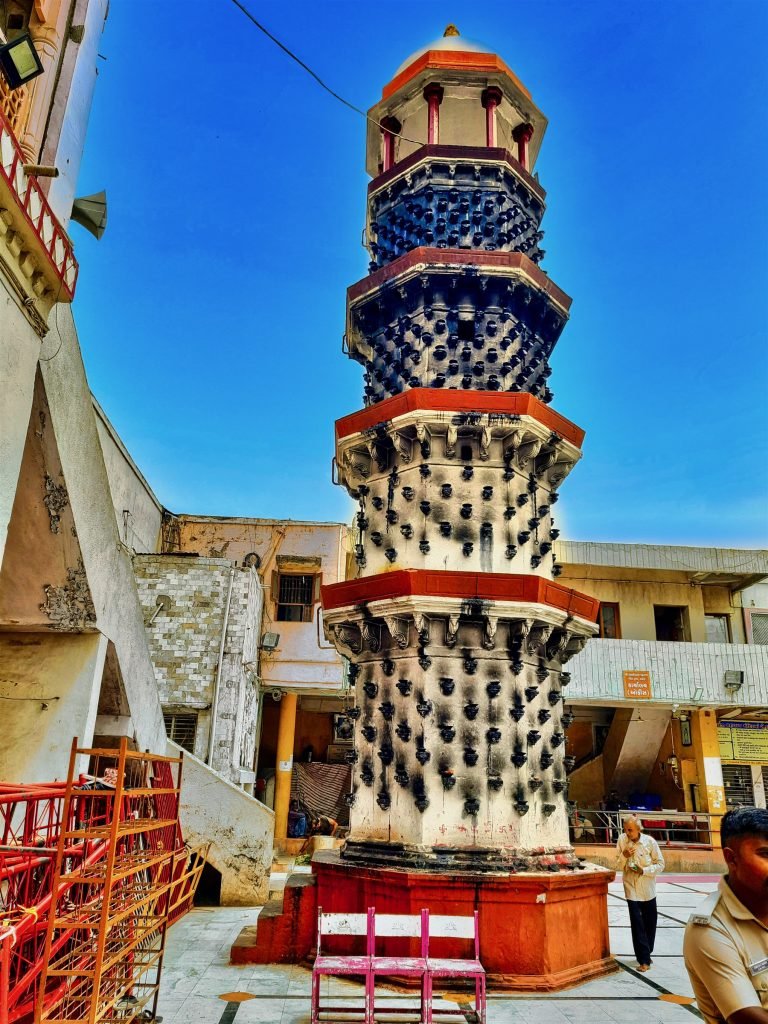
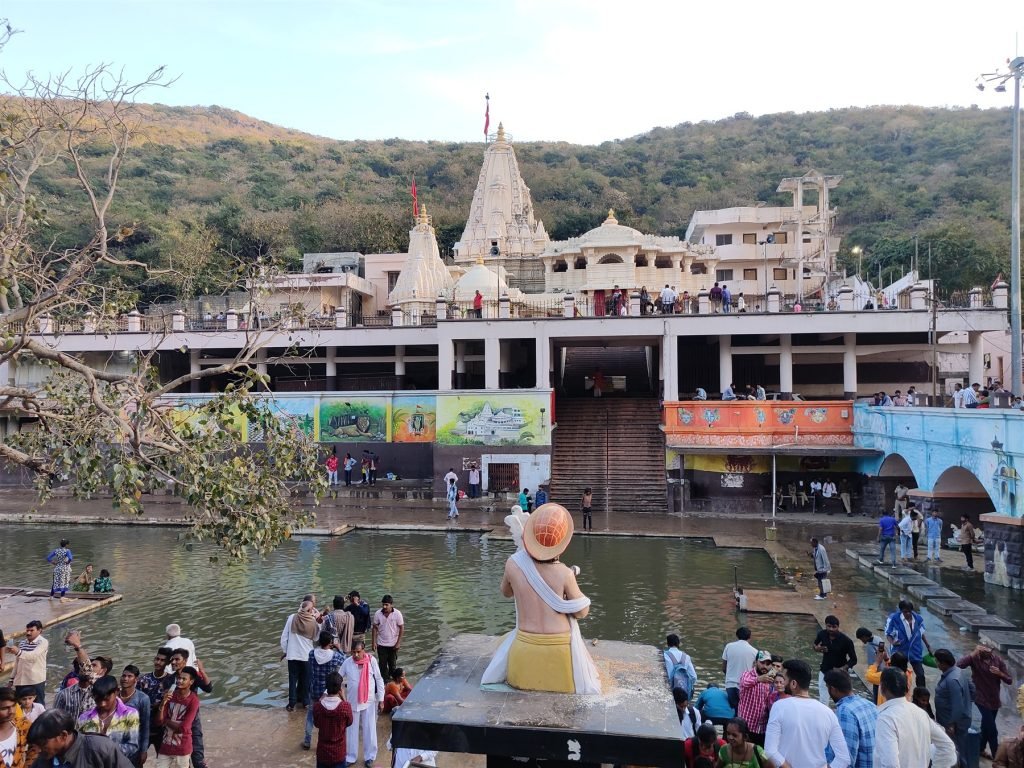
Illustration — Kheda Satyagraha memorial.

HISTORY

From a riverside experiment to the road to freedom

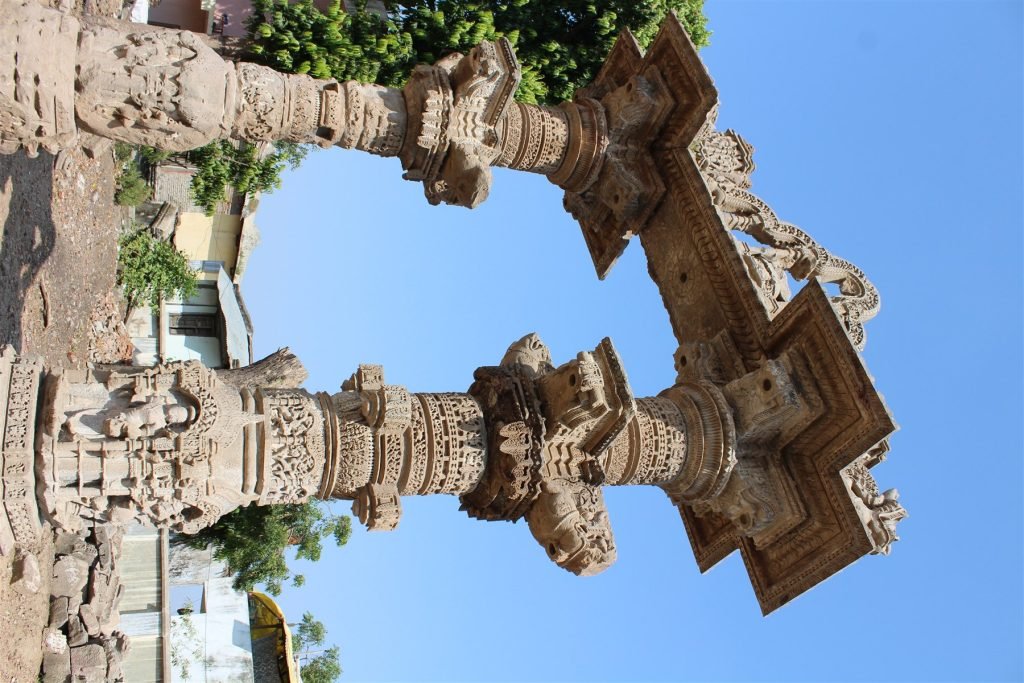
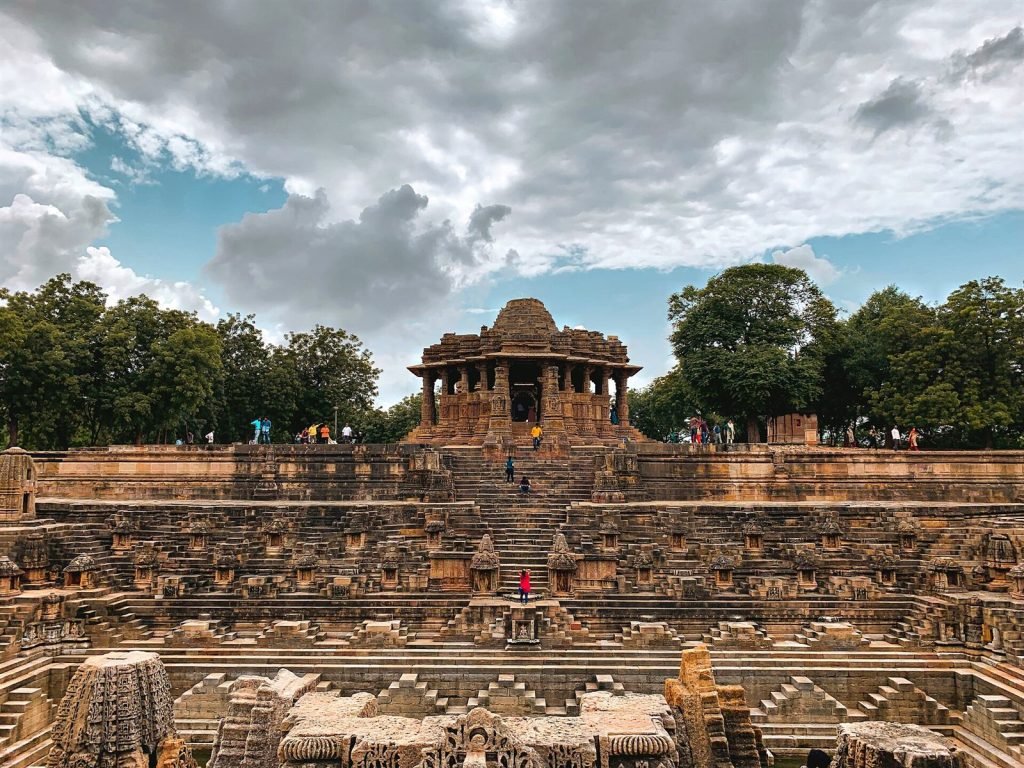
Illustration — Kheda Satyagraha.

1918

The Kheda Satyagraha of 1918 opens one of the early chapters of India's non-violent freedom struggle.

Distress

Failed crops and drought meet unrelenting revenue demands, pushing the district's farmers to breaking point.

Leaders

Mahatma Gandhi and a young Vallabhbhai Patel lead the disciplined, non-violent campaign.

Legacy

The struggle wins concessions, builds rural solidarity and becomes a landmark of the freedom movement.

WHY VISIT

Reasons to make the time

🇮🇳

Freedom

A 1918 landmark of India's freedom movement.

Satyagraha

A campaign of disciplined non-violent resistance.

👤

Sardar Patel

Where the Iron Man of India emerged as a leader.

🌾

Farmers

An agrarian struggle born of rural distress.

📜

History

A chapter in the making of modern India.

🏛️

Memory

A source of deep pride for the district.

HIGHLIGHTS

What to look for inside

SATYAGRAHA

1918

A freedom landmark — the Kheda Satyagraha.

GANDHI & PATEL

Leadership

Non-violent resistance led by Gandhi and Patel.

THINGS TO DO

How to spend an hour or two

01

Learn the history

Trace the story of the 1918 satyagraha and why it mattered to the freedom movement.

02

Reflect on the struggle

Consider the farmers' resistance — a disciplined, non-violent stand against unjust revenue demands.

03

Recall Patel's role

Remember how a young Vallabhbhai Patel first emerged here as a mass leader.

04

Understand the method

Grasp the non-violent satyagraha that Gandhi tested on this very ground.

05

Connect to the freedom story

Link Kheda with Champaran as the early proving grounds of Gandhi's methods.

06

Honour the district's pride

Appreciate Kheda's enduring place in the nation's history.

Illustration — Kheda Satyagraha.

ARCHITECTURE & SETTING

A landmark of the freedom struggle

The Kheda Satyagraha of 1918 was a foundational campaign of India’s freedom movement — a disciplined, non-violent struggle by the peasants of Kheda district, led by Gandhi and a young Vallabhbhai Patel, against unjust land-revenue demands during a time of agrarian distress.

It was a crucial proving ground for Gandhi’s methods and the campaign in which Patel emerged as a mass leader. The district commemorates this proud chapter of the nation’s history — a site of national historical significance, best combined with the heritage of the wider Charotar region.

The 1918 Kheda Satyagraha — a freedom-movement landmark

Led by Mahatma Gandhi and a young Sardar Patel

A non-violent peasant struggle against revenue demands

A crucial proving ground for Gandhi’s methods

BEST TIME TO VISIT

When to go

WINTEROct – Feb★★★★★

Cool and pleasant — ideal. Comfortable all day for unhurried exploring across the district.

MONSOONJul – Sep★★★☆☆

Green and fresh; the rivers run full. Showers are passing and the countryside looks its best.

SUMMERMar – May★★☆☆☆

Hot across the Charotar plains — visit early in the morning before the heat builds.

⏰ Winter is the most comfortable season across Kheda district.

PLANNING ESSENTIALS

Timings & entry

🕗BEST TIMEOctober – March
  • Cool, dry winter months are the most comfortable
  • Mornings and late afternoons are best for exploring
  • Allow 1–2 hours for an unhurried visit
  • Pair with other Charotar-region heritage stops
🎟️ENTRYOpen access
  • Open access to the commemorated site — no ticket required
  • Modest, comfortable clothing is recommended
  • Carry water, especially in the warmer months
  • Read a little about the 1918 satyagraha beforehand for context
HOW TO REACH

Getting there

✈️

By Air

Ahmedabad's Sardar Vallabhbhai Patel International Airport is about 55 km away, the nearest major air gateway to Kheda district.

🚆

By Rail

Nadiad and Anand junctions are the closest railheads, both well connected on the Ahmedabad–Vadodara line.

🚗

By Road

The district sits on the NH-48 Ahmedabad–Vadodara corridor, with easy road access from across central Gujarat.

NEARBY DISTANCES
Kheda / Nadiad · Anand — 20 km · Ahmedabad — 55 km · Vadodara — 80 km
PHOTOGRAPHY GUIDE

Photographing Kheda

HERITAGE & COUNTRYSIDE

Charotar's fields, temples and the quiet memory of 1918.

🌅

Best light

Come at dawn or in the late afternoon, when the Charotar plains catch a soft, golden light.

🌾

What to shoot

The open farmland, the district's temples and havelis, and the commemorative spaces that recall the satyagraha.

🤫

Be respectful

Treat memorial and temple spaces with care — keep things quiet and unstaged.

🎒

Gear tip

A versatile zoom suits the mix of wide fields and detailed temple carving across the district.

TRAVEL TIPS

Know before you go

1Visit in the cooler winter months for the most comfortable day out.
2Start early or go late to dodge the midday heat on the open plains.
3Read up on the 1918 Kheda Satyagraha first — the history lands far harder with context.
4Carry water and a hat; the Charotar countryside offers little shade.
5Combine the visit with Dakor, Nadiad and other Charotar-region heritage stops.
6Respect memorial and temple spaces — keep your voice down and dress modestly.
7Nadiad and Anand make convenient bases for exploring the district.
8Try the region's famous dairy and Gujarati thali while you are here.
NEARBY FOOD

Where to eat around the ashram

THALI

Gujarati Thali

Charotar comfort food — an unlimited spread of rotli, shaak, dal and rice.

SWEET

Doodhpak

A festive milk sweet, rich and slow-cooked, beloved across the region.

FARSAN

Khaman

Soft, savoury and steamed — the classic Gujarati snack.

DAIRY

Charotar dairy

Amul country — fresh milk and dairy from the heart of the milk district.

🍽️GOOD TO KNOW

Charotar's dairy belt

Kheda lies in the Amul milk district — expect superb dairy, sweets and vegetarian thalis.
FREQUENTLY ASKED

Kheda Satyagraha Memorial FAQ

What was the Kheda Satyagraha?

A 1918 non-violent peasant struggle led by Gandhi and Patel against unjust land-revenue demands.

Why is it significant?

It was a foundational campaign of India's freedom movement and an early proving ground for Gandhi's methods.

What was Patel's role?

He emerged here as a mass leader for the first time, beginning his rise in the national movement.

What caused it?

Revenue demands during agrarian distress, when failed crops and drought left the farmers unable to pay.

What was the outcome?

The campaign won concessions and built lasting solidarity and self-respect among the rural population.

Why does Kheda take pride in it?

The district gave the historic movement its name and its place in the making of modern India.

When is the best time to visit?

October to March, when the weather across Kheda district is cool and pleasant.

How do I reach Kheda?

Nadiad and Anand junctions are the nearest railheads; the district sits on the NH-48 about 55 km from Ahmedabad.

What else can I see nearby?

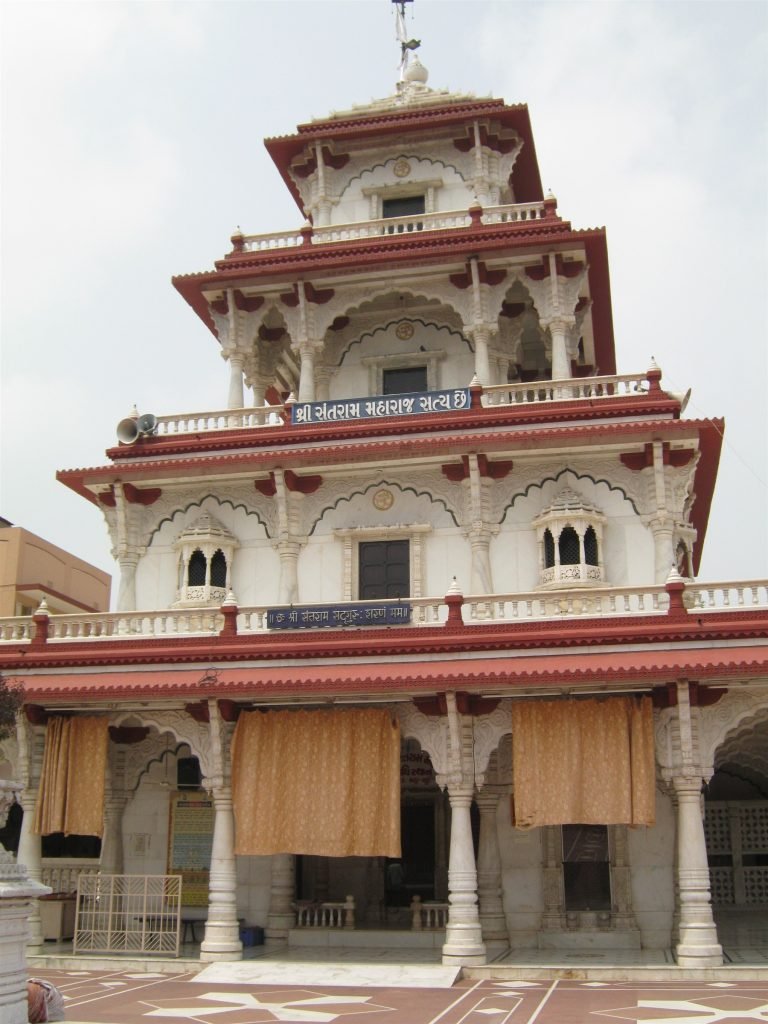
Dakor's Ranchhodrai temple, Nadiad's Santram Mandir, Galteshwar, Kapadvanj and Vadtal are all in the district.

What food is the region known for?

Charotar comfort food — Gujarati thali, doodhpak, khaman and the famous Amul-country dairy.

WHERE TO STAY

Find your stay in Gujarat

Compare live prices across the big booking sites and reserve in a few taps. Booking happens securely on the partner's site — we may earn a small commission at no extra cost to you.

📍 DestinationAnywhere in Gujarat 📅 Check-inAdd date 📅 Check-outAdd date 👥 Guests2 adults Search Hotels
🏨SAMPLE
Heritage Haveli
★ 4.5  ·  800 reviews
Book Now
🏨SAMPLE
Lakeside Resort
★ 4.6  ·  1140 reviews
Book Now
🏨SAMPLE
City Boutique
★ 4.7  ·  1480 reviews
Book Now
Affiliate links: prices and availability are shown by our partners. You pay the same price; we may earn a commission that helps keep Gujarat Explorer free.

SHOP THE REGION

Bring home Gujarat — & travel essentials

Hand-picked crafts and trip gear, available on Amazon.

🧵
Patola Silk Scarf
View on Amazon
🪔
Kutch Embroidery
View on Amazon
🎒
Travel Backpack 40L
View on Amazon
🍪
Gujarati Snack Box
View on Amazon
As an Amazon Associate, Gujarat Explorer earns from qualifying purchases. Product prices and availability are accurate as of the date/time shown on Amazon and are subject to change.
🚕
Book a cab anywhere in Gujarat
Airport transfers, day trips & intercity rides — reserve a comfortable cab, or just ask us on WhatsApp.
Enquiries are passed to independent, licensed local operators. Gujarat Explorer is a facilitator, not the transport provider.