

A window on Surat
The Sardar Vallabhbhai Patel Museum is Surat’s principal museum — established in the late 19th century as the Winchester Museum, and later renamed for the Iron Man of India. Housed in a colonial-era building, its galleries gather the art, history, crafts and natural history of the Surat region: textiles and the famous local zari work, miniatures, sculptures, coins, manuscripts, and exhibits on the city’s trading past and its many communities.
It is a modest but rewarding window into the heritage of one of India’s most historic mercantile cities. A good first stop for understanding Surat’s story.
Surat's principal museum, and its namesake
The galleries.
The museum was founded in the late nineteenth century as the Winchester Museum, one of the civic institutions established in Surat under colonial administration.
It was later renamed for Sardar Vallabhbhai Patel, the Iron Man of India, whose family came from this region.
Its galleries gather the art, craft and history of the Surat region — textiles, miniatures, sculpture, coins and manuscripts.
It remains Surat's principal museum and the best single introduction to the city's long history as a port.
Reasons to make the time
City museum
The collection is regional in focus, which makes it far more useful for understanding Surat than a general museum would be.
Zari & textiles
Zari — the metallic thread embroidery Surat is famous for — is well represented, alongside the city's wider textile trade.
Art & coins
Galleries run from miniatures and sculpture through coins and manuscripts to natural history.
Manuscripts
Exhibits cover the region's history as one of the great ports of Mughal India.
Colonial building
The building is a colonial-era structure and part of the interest in visiting.
A window
It is the clearest place in the city to understand what Surat was before the diamonds and textiles of today.
What to look for inside
Surat's heritage
Art, craft and history of the Surat region under one roof.
Zari & textiles
Zari work and textiles, the trades Surat built its name on.
Coins & manuscripts
Coins, manuscripts and documents from the region's mercantile past.
Colonial setting
A late-nineteenth-century colonial building, worth attention in itself.
Miniatures & more
Miniature painting, sculpture and natural-history galleries alongside the main collection.
A trading city
The story of a port that handled the Mughal empire's overseas trade.
How to spend an hour or two
See the textiles
Start with the regional history galleries, which frame everything else in the building.
View the art
Give the zari and textile collection proper time — it is the city's signature craft.
Learn city history
Look at the coins and manuscripts for the evidence of Surat's trading reach.
See the zari work
Note the building itself, a period piece of colonial civic architecture.
Explore the galleries
Check opening days before travelling; municipal museums here close one day a week.
Sense the heritage
Combine it with Surat Castle, Chowk Bazaar and the Tapi riverfront nearby.
A museum of the city
The Sardar Patel Museum (the old Winchester Museum, late 19th century) is Surat’s principal museum — a colonial building gathering the region’s art, textiles and famous zari work, miniatures, coins, manuscripts and history.
More places to visit across the district are gathered in our Surat travel guide.
It is one of many — our guide to museums and palaces in Gujarat covers the rest.
A rewarding window on a great mercantile city.
Founded as the Winchester Museum
Surat’s principal museum
Zari, textiles & art
Regional history galleries
When to go
November to February is the comfortable season in Surat for walking between the old-city sites.
The monsoon is heavy here from June to September, and an indoor museum is a sensible refuge.
March to May is hot and humid; the museum is one of the few cool places in the old city.
⏰ Visit in the cooler, drier months; pair it with Surat's riverfront and food streets.
Timings & entry
- Open daytime; check timings
- A colonial-era building
- Photography may vary
- Allow about an hour
- A modest entry fee
- Check current timings
- Good first stop in the city
- Pair with the old city
Getting there
By Air
Surat airport (~15 km).
By Rail
Surat railway station.
By Road
In/around Surat.
At Sardar Patel Museum
ART & HERITAGE
Surat's house of heritage
What to shoot
The building.
Detail
Zari & textiles.
Inside
Galleries (if allowed).
Best light
Facade by day.
Know before you go
More to see close by
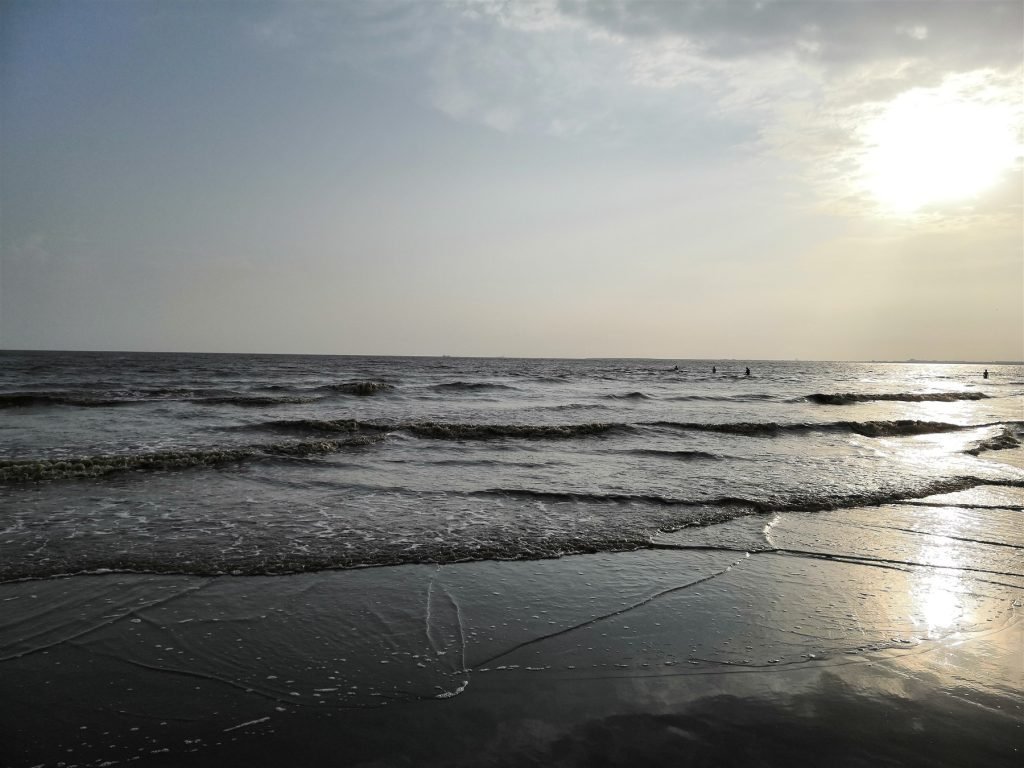 BEACH
BEACHDumas Beach
The city’s famous black-sand seaside escape
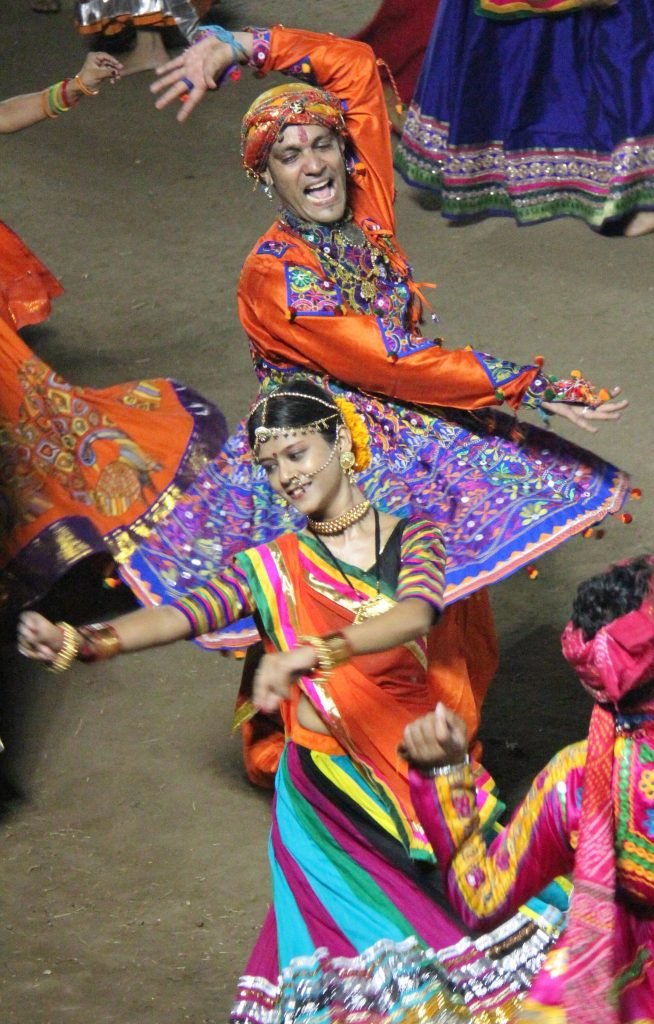
Old City Bazaars
◐ Colour & textiles
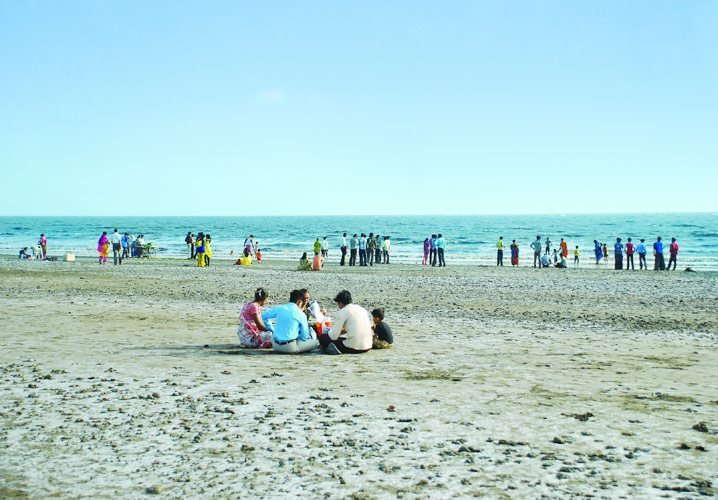 COAST
COASTDumas & Suvali
Black-sand beaches on the Arabian Sea
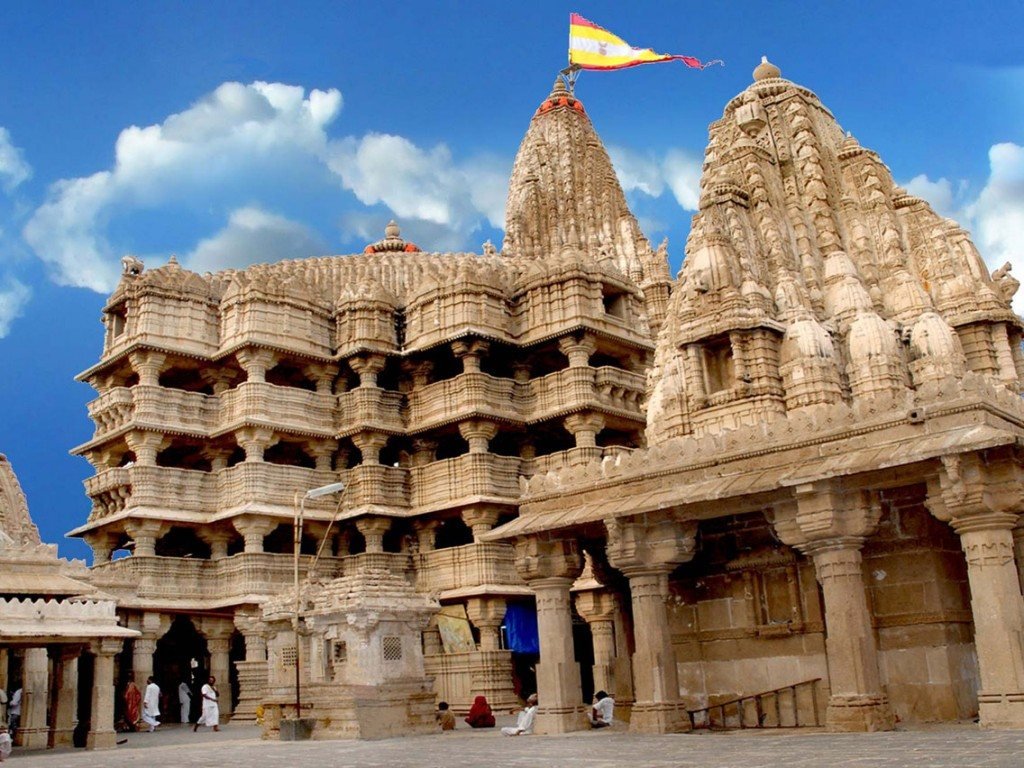
Chintamani Jain Temple
Centuries-old temple with fine wood carving

ISKCON Surat
A serene Krishna temple & cultural centre
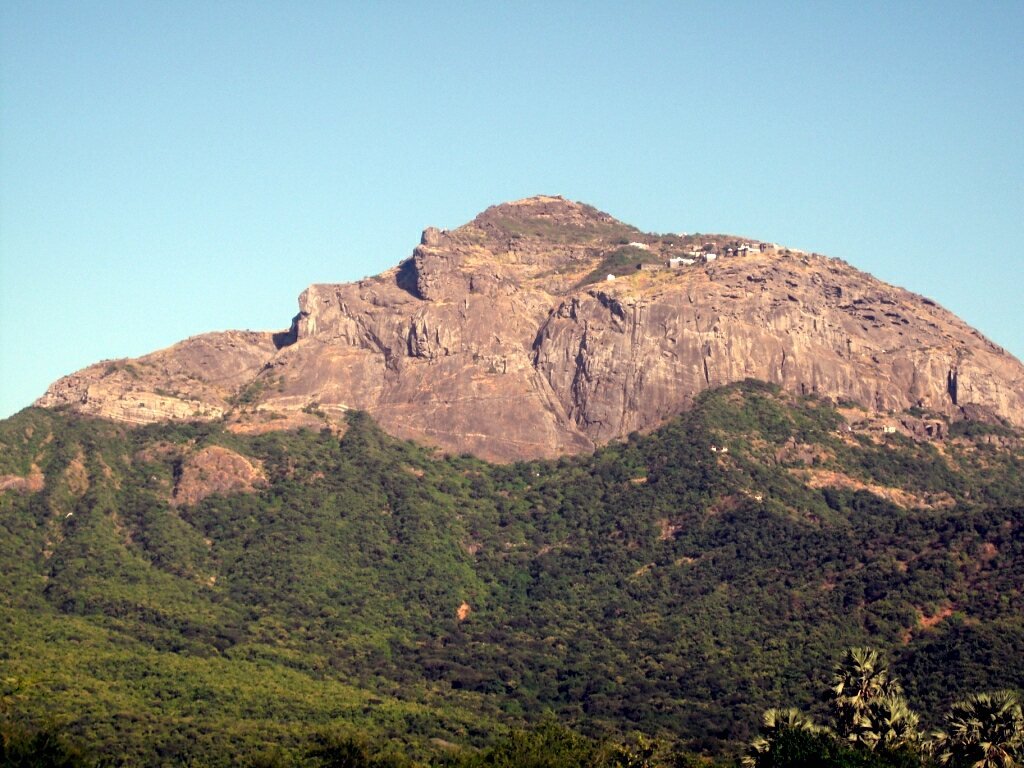
Dutch & Armenian Churches
Relics of Surat’s trading-port era
Where to eat near Sardar Patel Museum
Surti meals
Sweet-savoury thalis.
Locho & khaman
Surat's soft farsan.
Surti street food
Ghari, undhiyu & more.
Foodie city
Famous for locho, undhiyu, ghari & ponk.
Sardar Patel Museum FAQ
What is Sardar Patel Museum?
The Sardar Vallabhbhai Patel Museum is Surat's principal museum — established in the late 19th century as the Winchester Museum, and later renamed for the Iron Man of India. Housed in a colonial-era building, its galleries gather the art, history, crafts and natural history of the Surat region: textiles and the famous local zari work, miniatures, sculptures, coins, manuscripts, and exhibits on the city's trading past and its many communities.
Where is it?
Surat.
Is there an entry fee?
Nominal / free.
When should I visit?
October to March, the cool, dry season.
What's nearby?
Surat's fort, beaches, lake and food streets.
How long does it take?
About an hour.
Related places across Gujarat
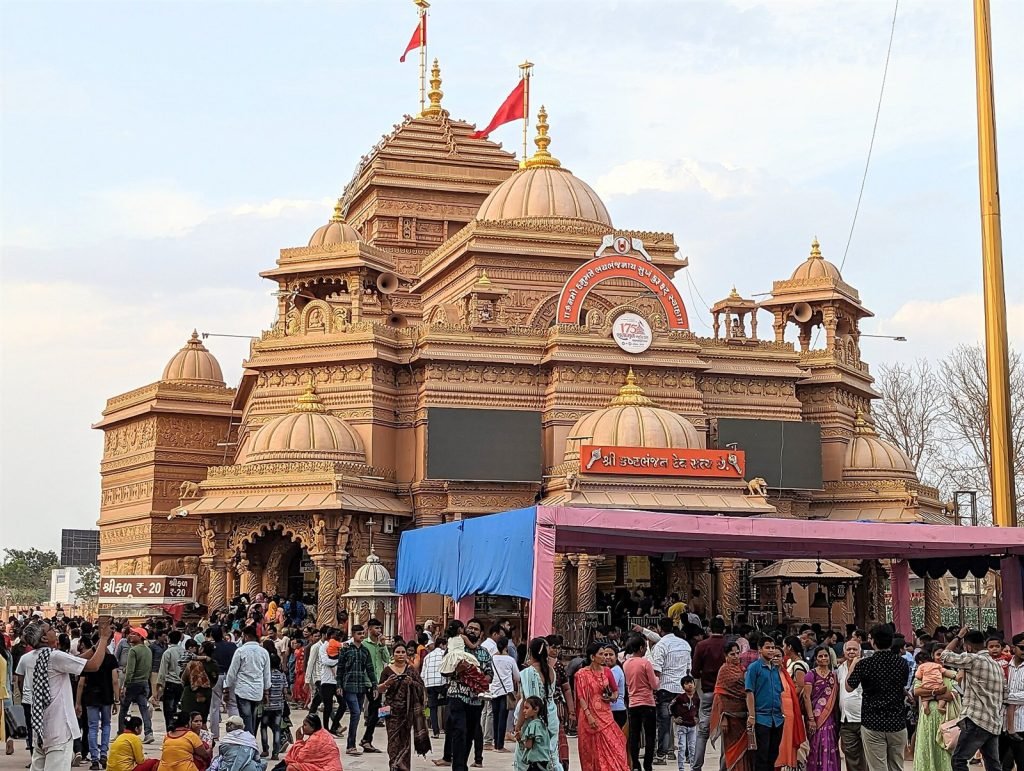
Hanuman Statue, Salangpur
A colossus of devotion — the towering Hanuman murti rising over the temple town of Salangpur…
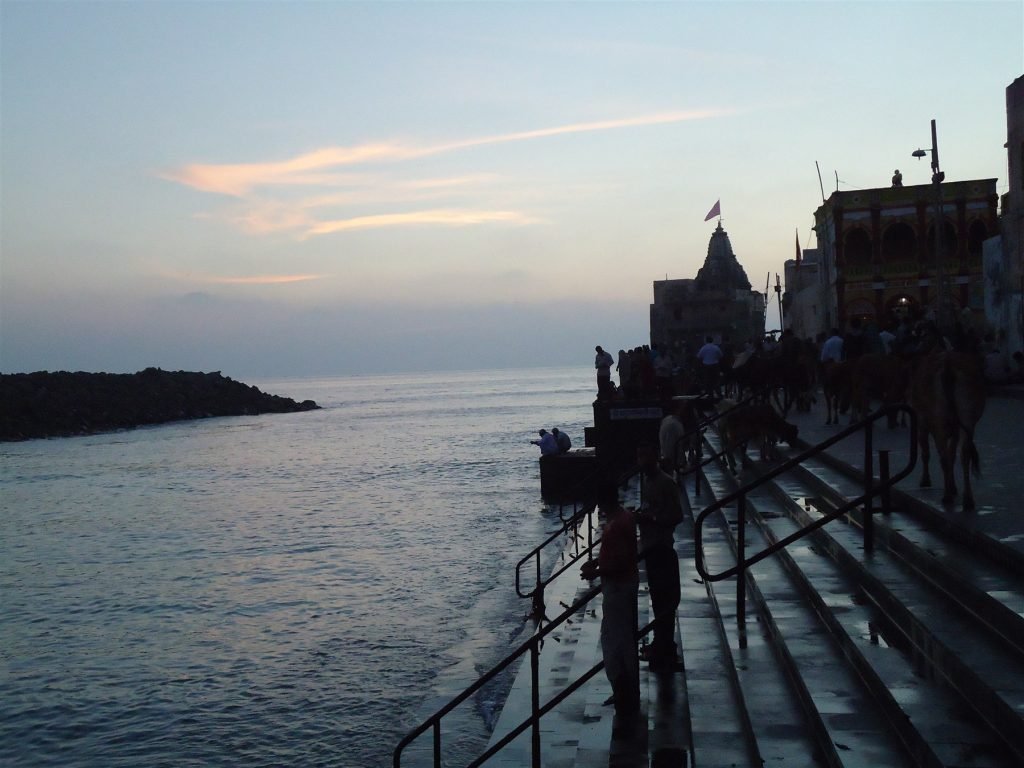 RIVERFRONT
Gomti Ghat
Bathing ghats & the Sudama Setu bridge
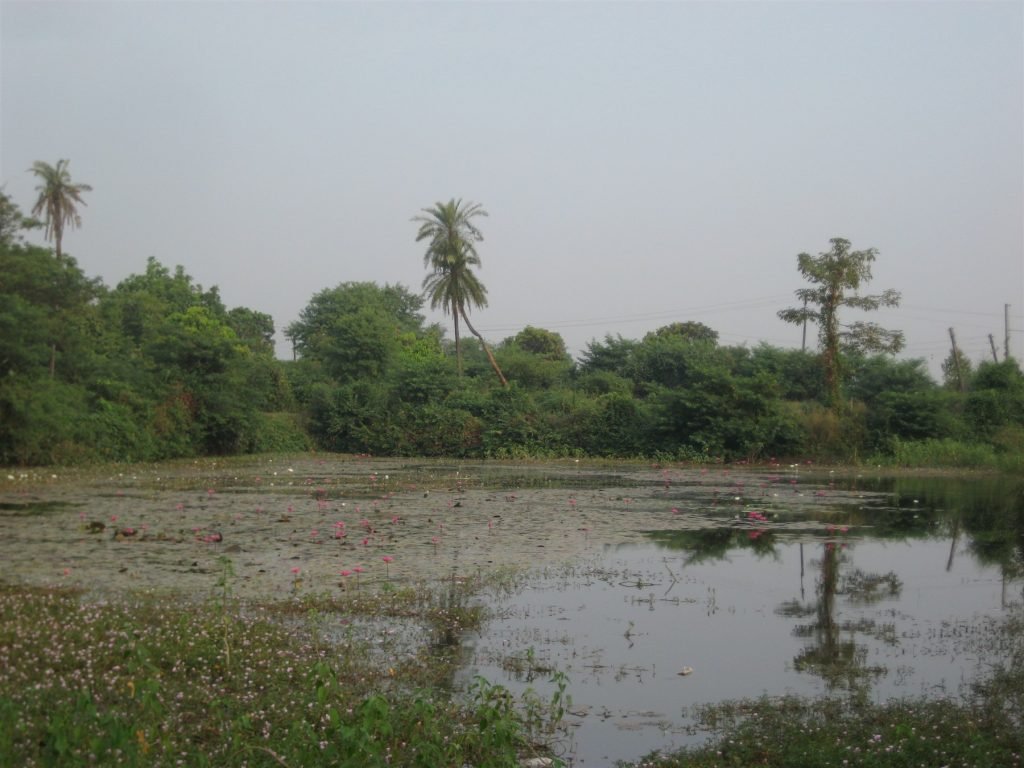 FARMLAND
Gandevi
Sweet sugar-cane & chikoo country
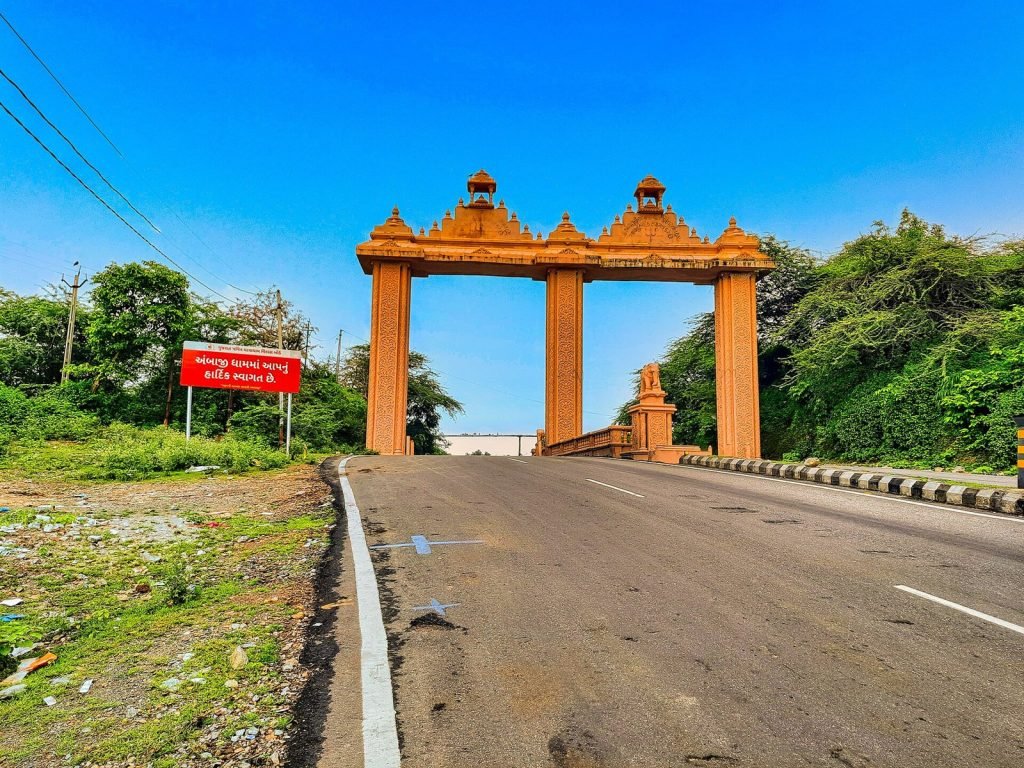 SACRED
Garudeshwar
A Dattatreya shrine on the Narmada
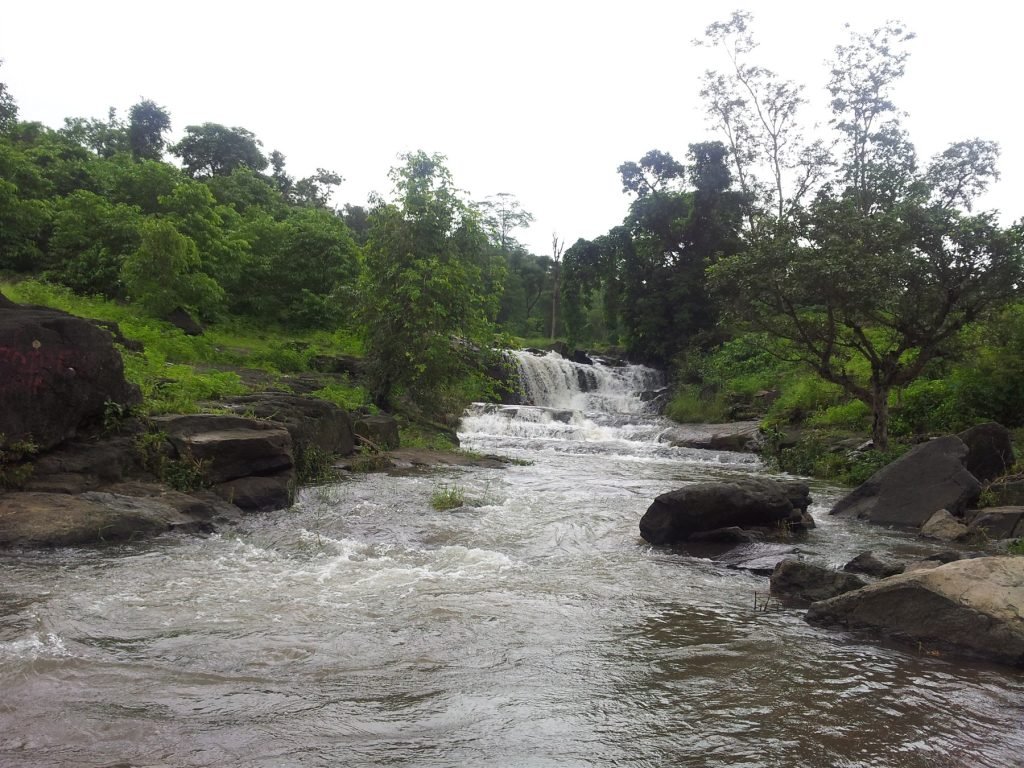 WATERFALL
Gira Falls
A wide curtain of water near Waghai
BEACHDumas Beach
The city’s famous black-sand seaside escape
WHERE TO STAY
Find your stay in Gujarat
Compare live prices across the big booking sites and reserve in a few taps. Booking happens securely on the partner's site — we may earn a small commission at no extra cost to you.
Book directly on our partner sites — tap a provider to see live Gujarat hotels & prices:
SHOP THE REGION
Bring home Gujarat — & travel essentials
Hand-picked crafts and trip gear, available on Amazon.
Published 24 June 2026 · Updated 24 August 2026
We’re an independent group of writers and travellers documenting every corner of Gujarat — one place, plate and festival at a time.