Jamnagar is widely known as the ‘Brass City’ of India — home to one of the largest clusters of brass-parts manufacturing in the country, exporting components across the world. This industrial heritage spills into the city’s lively bazaars, where shops and workshops trade in brass and metalware alongside Jamnagar’s other famous craft: bandhani, the intricate tie-and-dye textile work for which Saurashtra is renowned.
Wandering the old market lanes around the Darbargadh and Chandi Bazaar, visitors find a colourful, busy world of brassware, bandhani sarees and dupattas, bangles, spices and street food — a window into the city’s mercantile soul. For shoppers and culture-lovers, Jamnagar’s bazaars offer authentic crafts and the everyday buzz of a Gujarati trading town.
These are living markets, so bargain politely and explore on foot.
Brass vessels.
The bazaar trade.
Jamnagar becomes a huge brass-parts hub.
Components ship across the world.
Tie-dye craft thrives in the bazaars.
Lively brass-and-textile markets.
Jamnagar supplies a very large share of India's brass parts and exports components worldwide — the trade shapes the whole city.
The bazaars are where the industry meets retail: metalware, bandhani, silver and everyday trade in the same few lanes.
Bandhani is Saurashtra's signature textile, and Jamnagar's dyers are credited with the deepest and most durable reds.
Brass lamps, pots, bells and temple ware are sold alongside the engineering components the city is better known for.
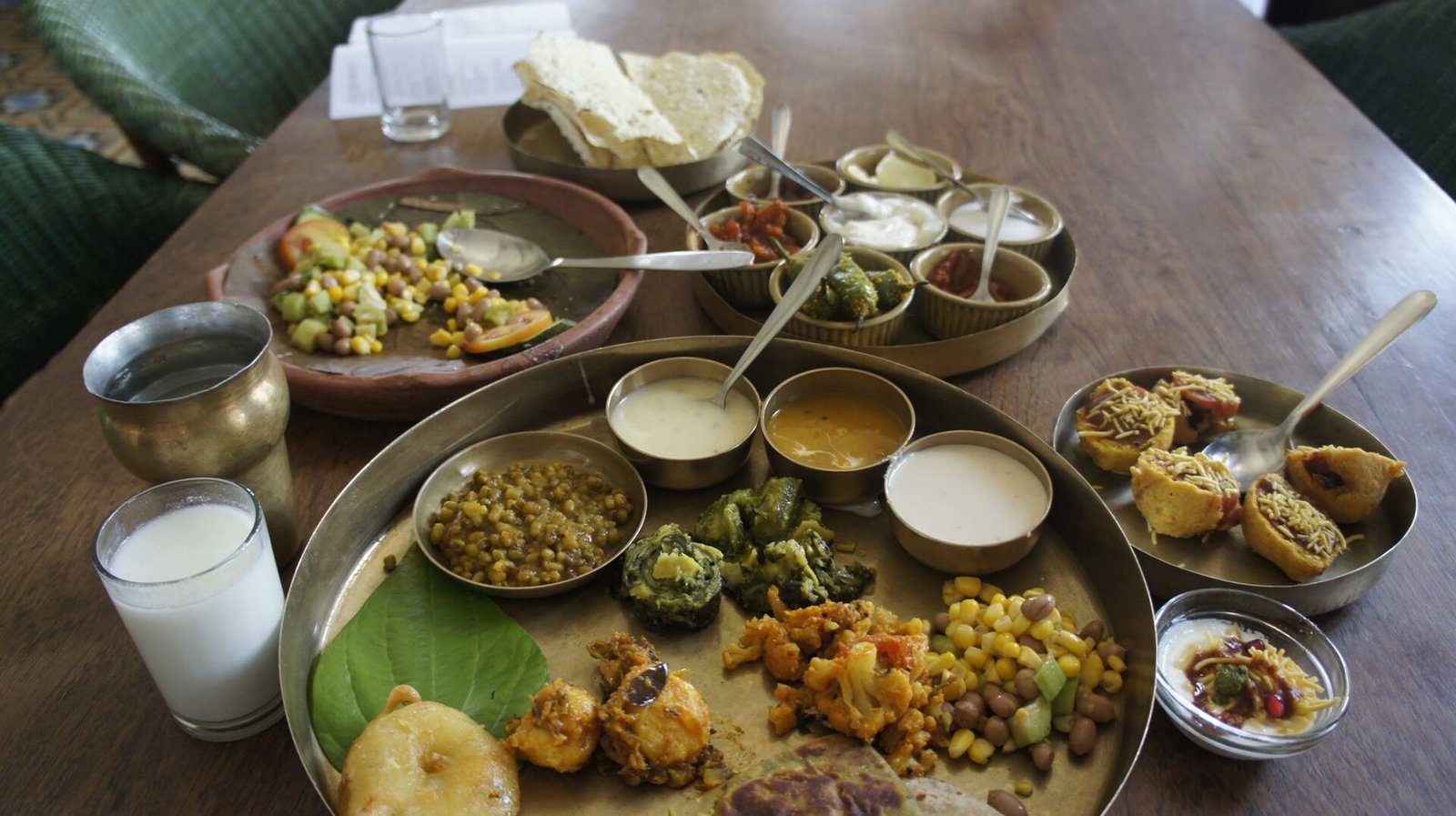
Spice shops and farsan stalls line the same lanes, and the food is a good reason to walk them slowly.
The old trading quarters around Darbargadh are the historic core, and the layout still follows the merchant city's plan.
Brass lamps, pots, bells and temple ware, sold by the makers and their families.
Bandhani saris and dupattas, tied and dyed in the city's own workshops.
Look at the brass first — lamps, pots and bells, and the sheer range of what one metal supports here.
Buy bandhani in the bazaar rather than a tourist shop, and judge quality by how finely the dots are tied.
Walk the lanes around Darbargadh, the old trading core of the city.
Find the silver market, which sits alongside the brass and textile trades in the same quarter.
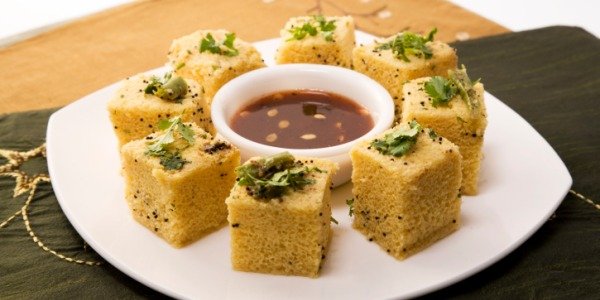
Eat the local farsan while you walk — Jamnagar's snack shops are a trade in their own right.
Read the city as a mercantile one. The bazaars, not the monuments, are what Jamnagar is about.
Jamnagar bazaar.
Jamnagar’s bazaars weave together its two famous trades: brass — the city is among India’s biggest brass-parts manufacturing hubs — and bandhani, the fine tie-and-dye textile craft. In the old lanes around the Darbargadh and Chandi Bazaar, brassware, bandhani, bangles, spices and street food fill a busy mercantile world worth exploring on foot.
Planning more of the area? Our Jamnagar guide covers the whole district.
Our overview of the living crafts of Gujarat puts it in context.
These are living markets, so bargain politely as you go.
Major brass-parts industry
Brassware markets
Bandhani tie-dye textiles
Old Darbargadh bazaars
November to February is the season for walking the bazaars — the lanes are narrow and the heat is otherwise punishing.
The monsoon is short here but the lanes flood quickly and trade slows.
April to June is hot and dry; shop early in the morning or after the evening reopening.
⏰ Explore the bazaars on foot in the cooler hours; bargain politely and look for genuine bandhani and brass.
Jamnagar airport.
Jamnagar station.
Central Jamnagar.
BRASS & COLOUR
Gleaming brassware.
Bandhani textiles.
Busy market lanes.
Lantern-lit evenings.
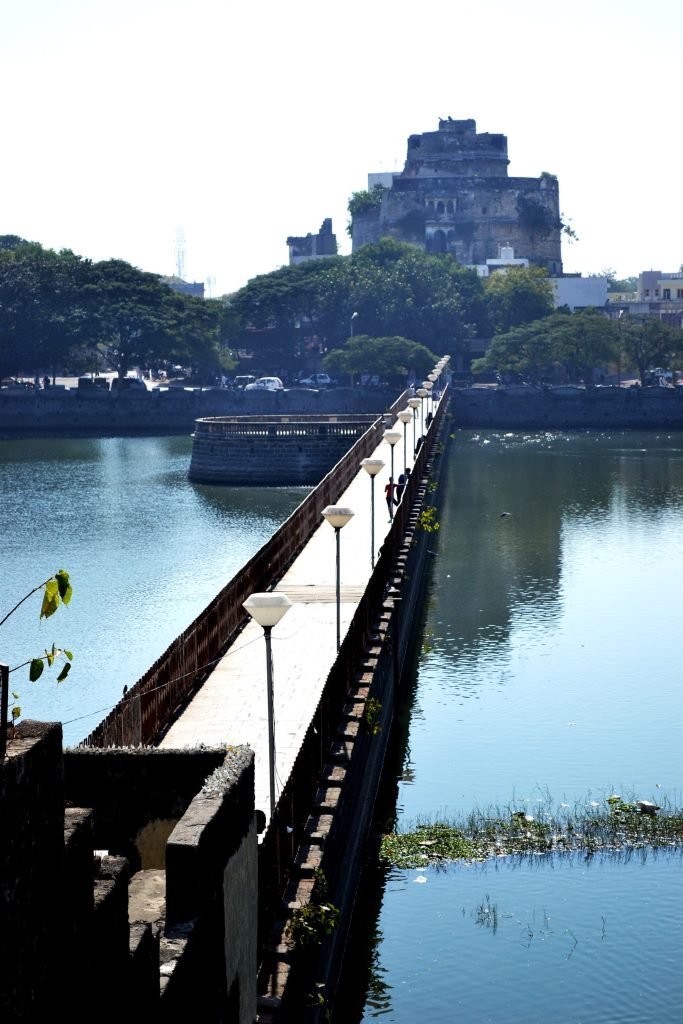
HERITAGEA historic fortified tower & water system
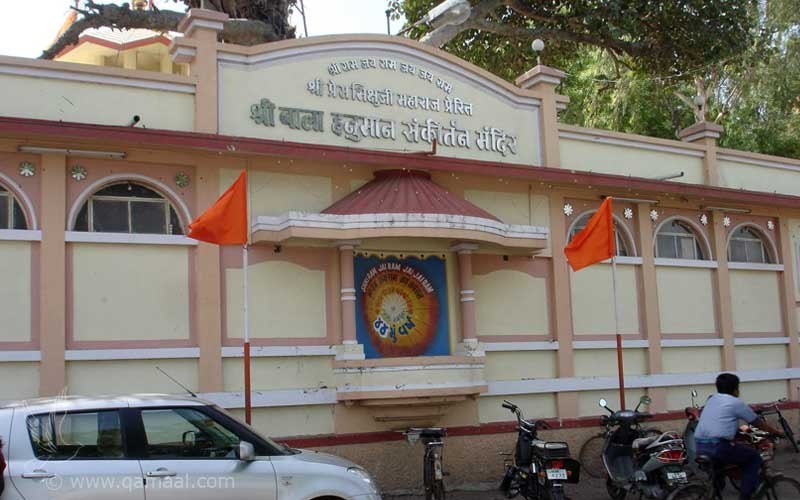
Site of a non-stop Ram chant since 1964
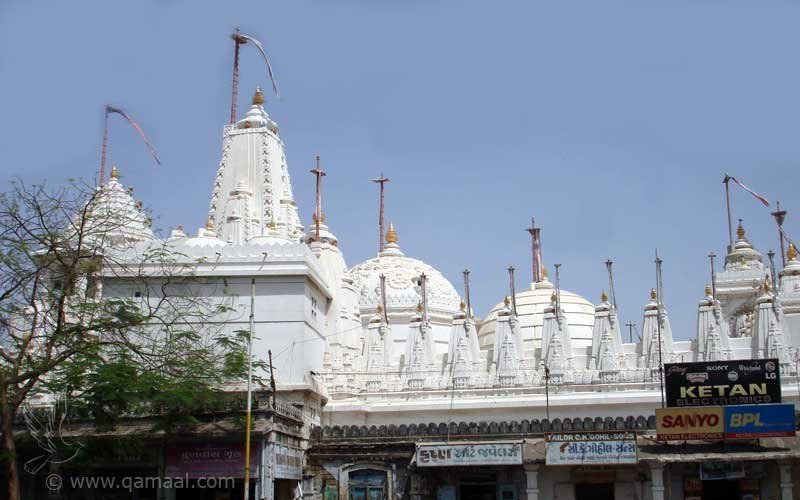
SPIRITUALOrnate Shwetambar temples in the old town
◐ Golden hour · the flats
AYURVEDAA renowned centre of traditional healing
A revered city Hanuman shrine
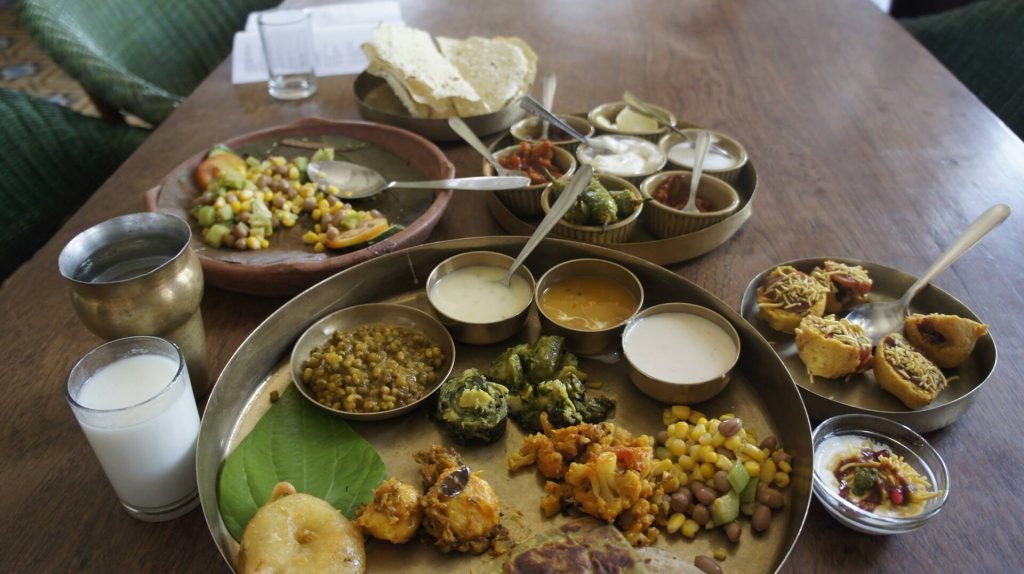
THALISweet-savoury full meals.
FARSANFried and steamed snacks.
STREETLively market-town fare.
Famous for ghughra, pendas & farsan.
It hosts one of India's largest brass-parts manufacturing clusters.
Brassware, bandhani tie-dye textiles, bangles and spices.
An intricate tie-and-dye textile craft of Saurashtra.
Around the Darbargadh and Chandi Bazaar in the old city.
No — the bazaars are free to wander.
October to March, in the cooler hours.
Yes, politely.
Lakhota Lake, the Darbargadh and Bala Hanuman temple.

An ancient sun shrine near Khedbrahma
MODERNPromenade & the flower-shaped Atal Bridge
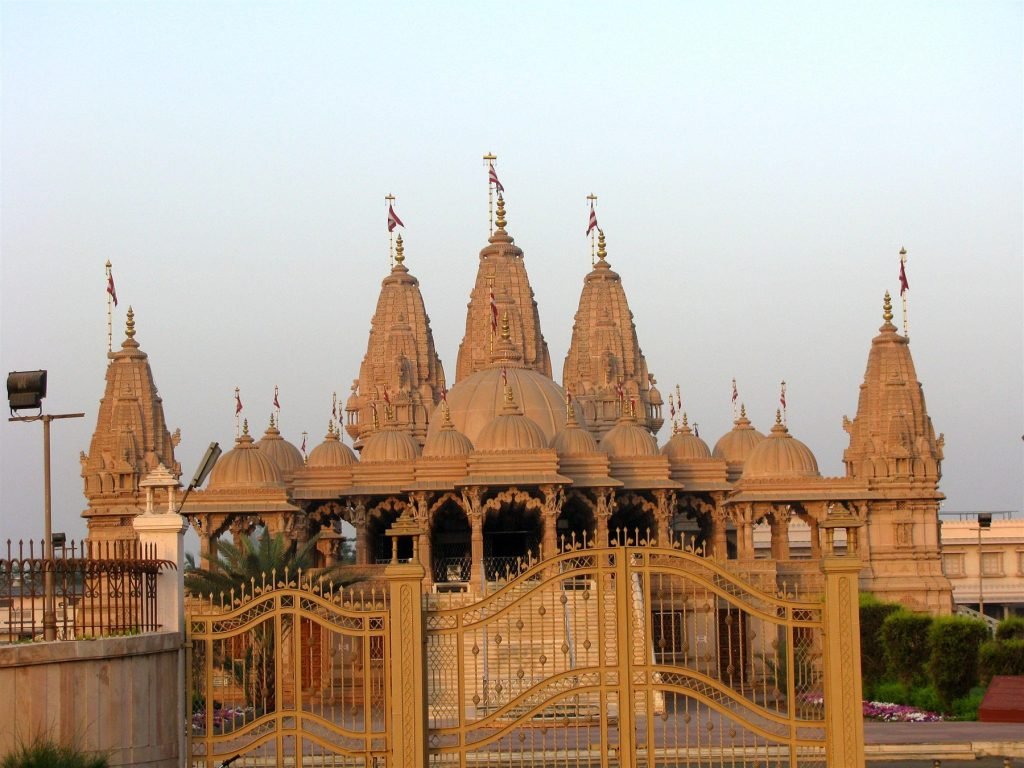
A vivid sampraday shrine on Tithal beach
A sacred forest pool by the falls
Peaceful shrines by the bird lake
A planetarium by the Porbandar shore
WHERE TO STAY
Compare live prices across the big booking sites and reserve in a few taps. Booking happens securely on the partner's site — we may earn a small commission at no extra cost to you.
Book directly on our partner sites — tap a provider to see live Gujarat hotels & prices:
SHOP THE REGION
Hand-picked crafts and trip gear, available on Amazon.
Published 24 June 2026 · Updated 24 August 2026
We’re an independent group of writers and travellers documenting every corner of Gujarat — one place, plate and festival at a time.
Search Gujarat Explorer
Find places, food, festivals and travel guides across Gujarat
Press Enter to search — or Esc to close
Plan Your Trip
Gujarat Explorer is an independent travel guide. We’re happy to help you shape an itinerary and point you to the right places, stays and experiences across Gujarat.
Book a Cab