
Region
Gulf of Kutch coast
Best time
Winter
Ideal duration
Half a day
Good for
Birdwatchers, nature lovers, photographers
The Gulf mudflats are the broad tidal flats fringing the Gulf of Kutch, expanses of shining mud and shallow water that are exposed and covered by the tides. Rich in marine life and food, they draw large numbers of shorebirds and waders, making them a haven for birdwatchers along Gujarat's northwestern coast. This is a subtle, atmospheric landscape rather than a dramatic one, best appreciated by those who enjoy quiet coastal ecology and the ever-changing interplay of water and land.
The character of the mudflats shifts constantly with the tides, revealing feeding grounds where flamingos, waders and other birds gather. The wider Gulf of Kutch region is ecologically important, encompassing marine habitats and protected areas. Facilities at the flats themselves are minimal, so come as a naturalist would: patient, well-equipped and mindful of tide timings. For birders and lovers of wild coastlines, the Gulf mudflats offer rewarding, low-key encounters with a living, breathing shore.
What to see and do at the Gulf mudflats
Birdwatching is the main draw, with the tidal flats attracting shorebirds, waders and sometimes flamingos as they feed on the exposed mud. Time your visit to the tides and bring binoculars for the best sightings across the wide, open shore.
The changing tidal landscape itself is quietly compelling, and photographers will find striking light and reflections. A local guide familiar with the coast and tide timings improves the experience considerably. Combine the flats with other natural attractions of the Gulf of Kutch region for a fuller coastal-ecology outing.
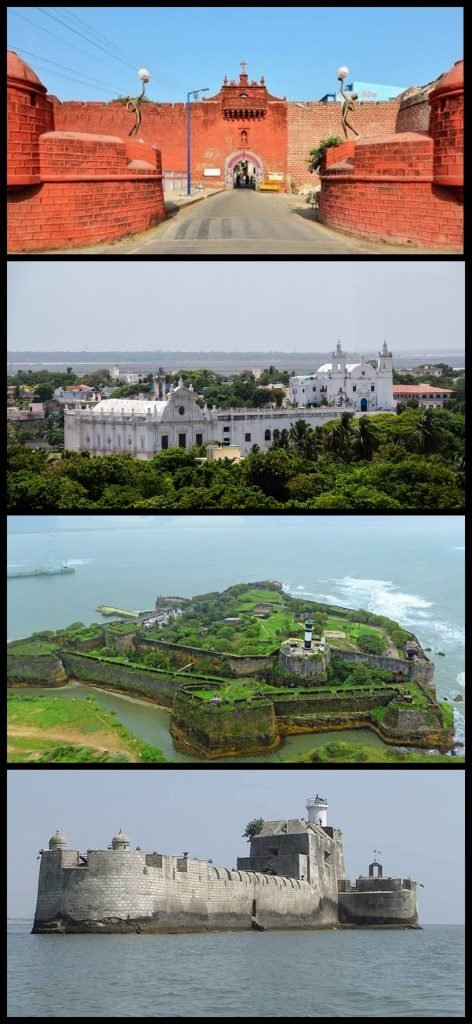
Gulf Mudflats
How to get there
The Gulf mudflats stretch along the Gulf of Kutch coast and are reached by road from coastal towns in the region, such as those around Jamnagar. A hired vehicle and a local guide who knows the access points and tides are the practical way to visit, as the flats are natural, undeveloped areas. Check tide timings and any access rules before setting out, since parts of the coast are ecologically protected.
Best time to visit the Gulf mudflats
Winter is the best season, when migratory birds are present and the weather is comfortable for coastal exploration. Timing your visit to the tides is just as important as the season, since the exposed mud is when birds feed. Summer is hot and humid on the coast, so the cooler months, combined with the right tide, make for the ideal outing.
Good to know
- Plan around the tide timings for the best birdlife.
- Carry binoculars and a zoom lens for distant birds.
- Use a local guide who knows access points and tides.
- Wear suitable footwear for soft, muddy ground.
Frequently asked questions
What are the Gulf mudflats?
They are the broad tidal flats along the Gulf of Kutch, exposed and covered by tides, rich in marine life and important feeding grounds for birds.
What birds can I see?
Shorebirds, waders and sometimes flamingos gather to feed on the exposed mud, especially in the winter migratory season.
Why do tides matter?
The flats are exposed only at certain tides, which is when birds feed, so timing your visit to the tide is essential for good sightings.
The larder between the tides
Twice a day the Gulf of Kutch drains and refills across some of India's biggest tides, and the land it uncovers — kilometres of glistening mudflat along the Jamnagar coast — is among the richest feeding ground on the whole Central Asian Flyway. The mud looks empty and is the opposite: every square metre holds worms, molluscs, crabs and shrimp in densities that make the flats a banquet, and the birds arrive in proportion. Winter counts along this coast run to hundreds of thousands of waterbirds — flamingos sieving the shallows in pink lines, crab plovers and oystercatchers working the edges, godwits, curlews, sandpipers and stints in mixed hordes that lift and turn like smoke.
The flats are also nursery and filter: their mangrove fringes seed the gulf's fisheries, the mud locks up carbon and buffers the shore, and the whole system underpins the Marine National Park's reefs a little further out. What reads as wasteland from a car window is the coast's working engine.
Watching well
The birding is tide-driven: arrive on a rising tide and the water pushes the feeding birds toward you; high water concentrates them at roosts — saltpan bunds, creek mouths, the Khijadiya wetlands just inland where fresh and salt water meet in one sanctuary. Mornings give the kindest light, and a telescope or good binoculars repay their weight; the flocks keep distance, and the spectacle is in the sweep as much as the species. November to February is peak, with passage birds adding to the cast in October and March.
Practical notes
Base at Jamnagar: Khijadiya Bird Sanctuary is half an hour east, the Narara reef causeway an hour west, and the working coast at Rozi and Bedi fills the middle. Respect the mud itself — it swallows boots and worse, and the safe viewing is from bunds, jetties and marked tracks, not the open flat. Local bird guides know the roosts by the day's tide; the forest office at Jamnagar arranges permits where needed. Pack sun protection even in winter — the flats double every hour of light.