Home › Mehsana › Taranga Jain Temple
TEMPLE · JAIN · HILLTOPA Solanki jewel of Jain architecture — the Taranga temples, a 12th-century hilltop complex of soaring carved white shrines amid wooded hills, a major Svetambara pilgrimage.
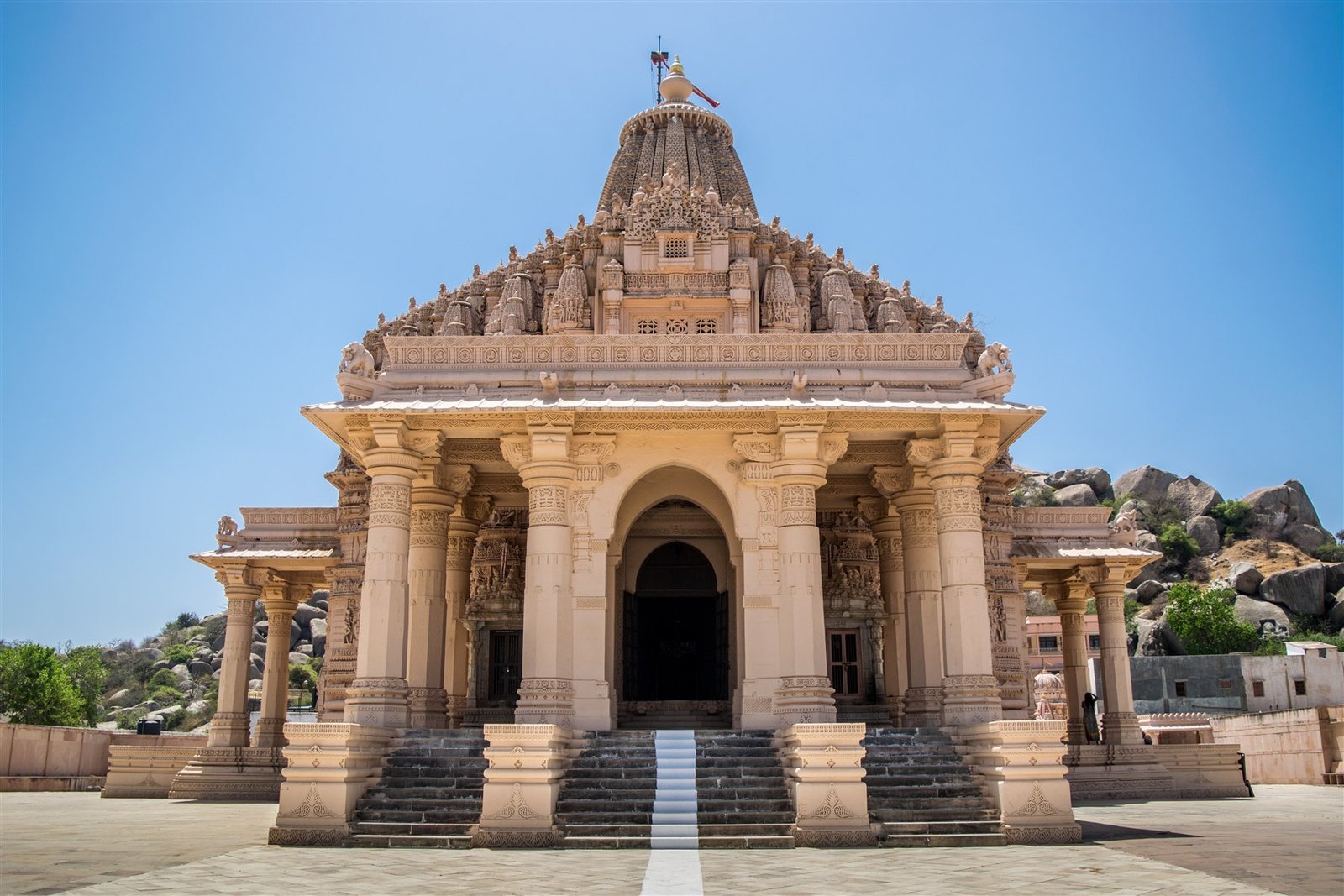
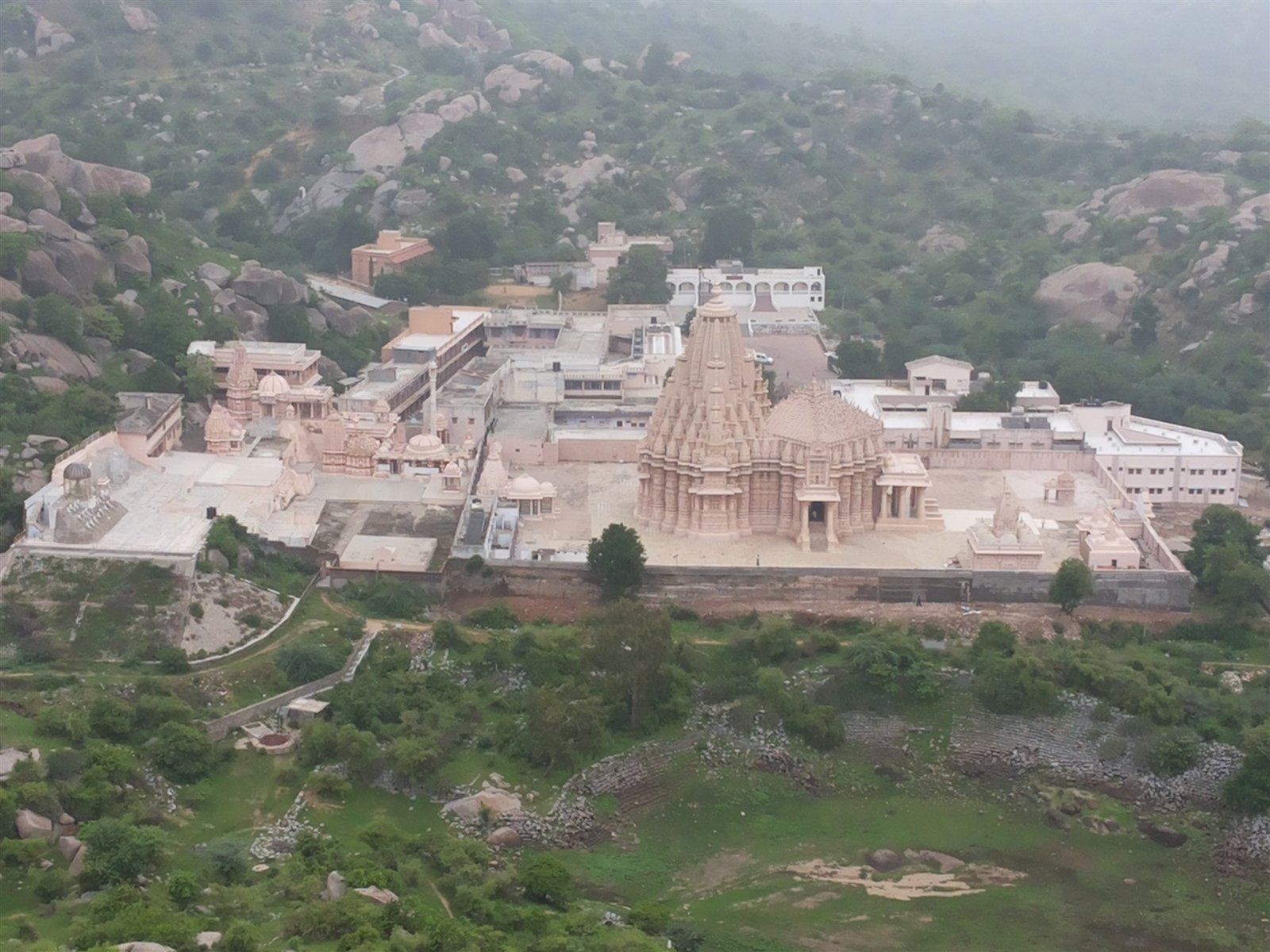
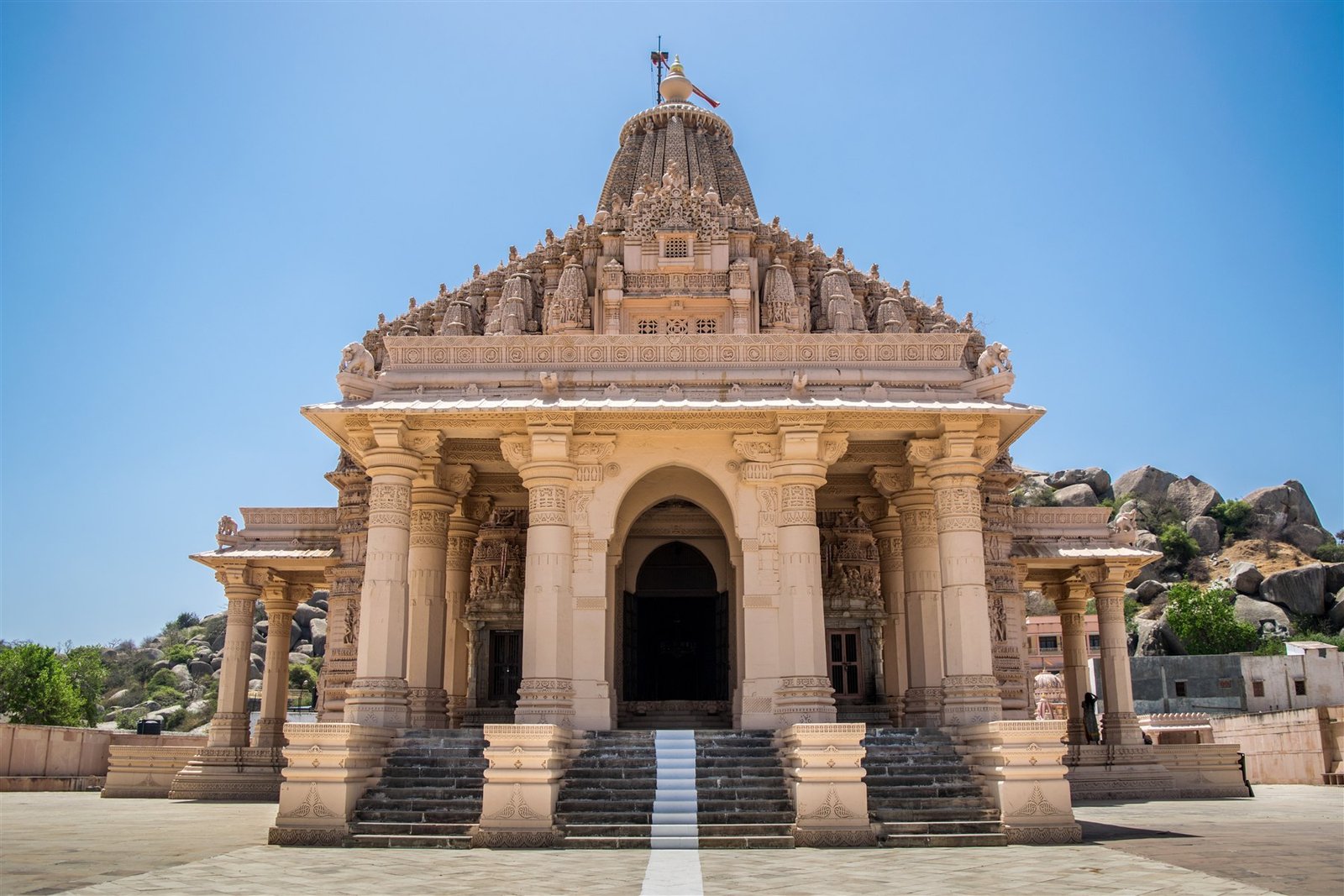
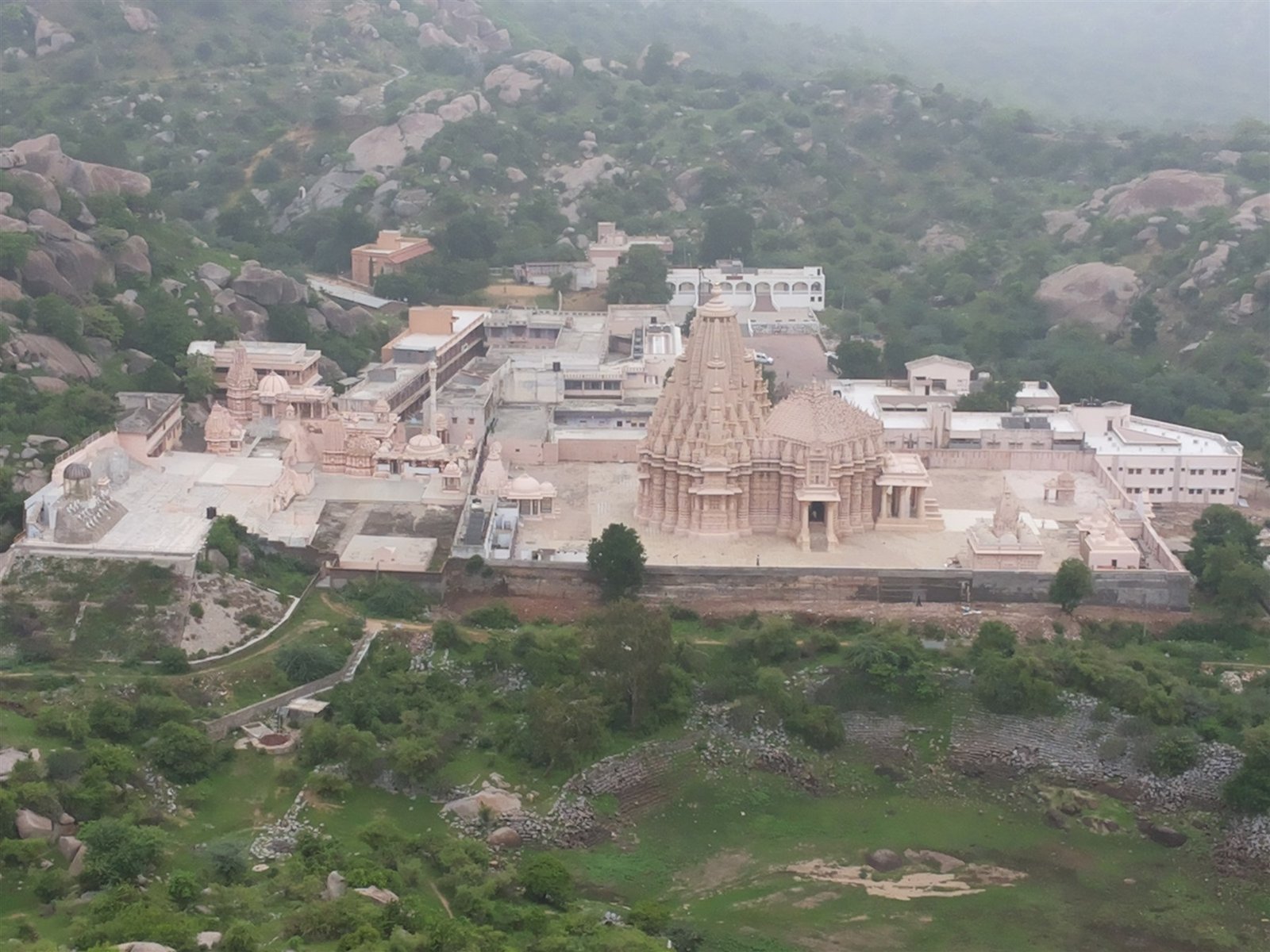
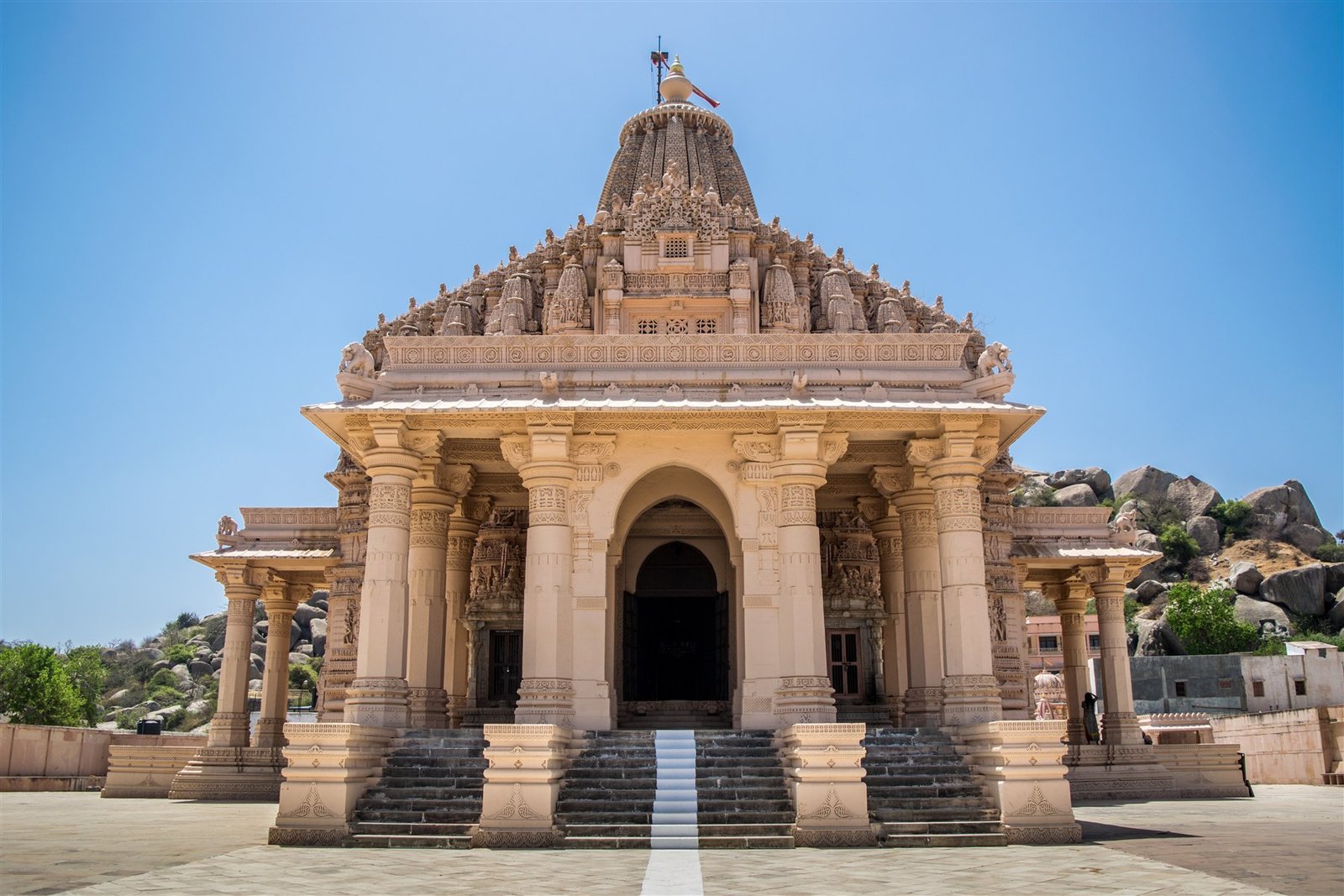
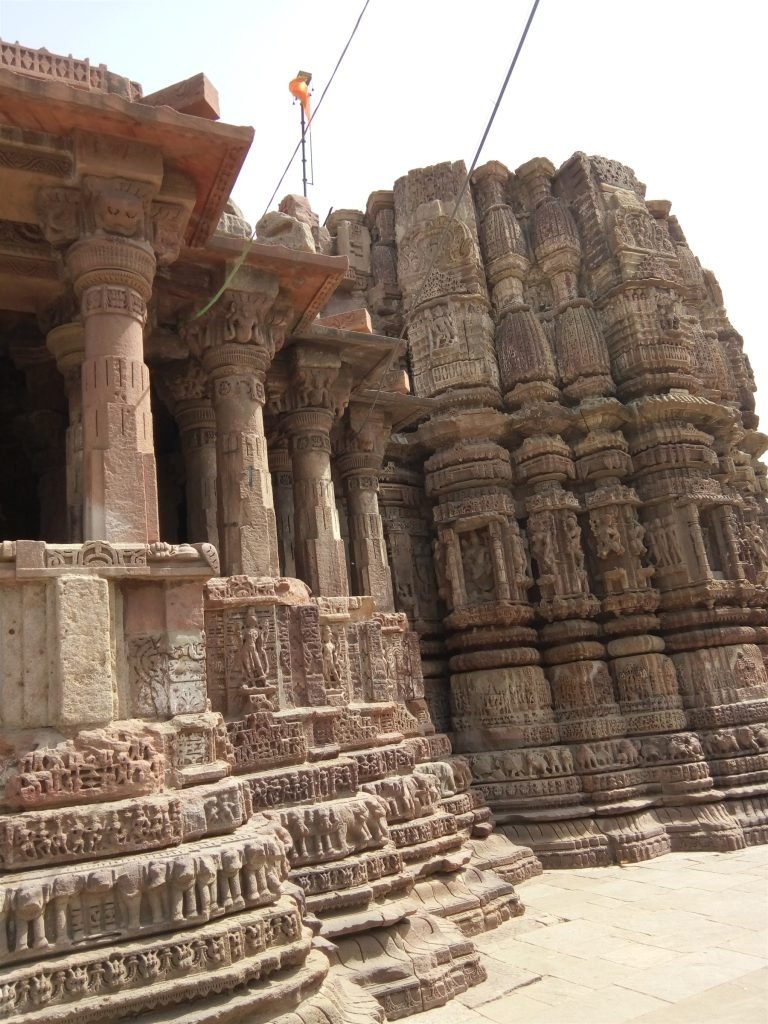
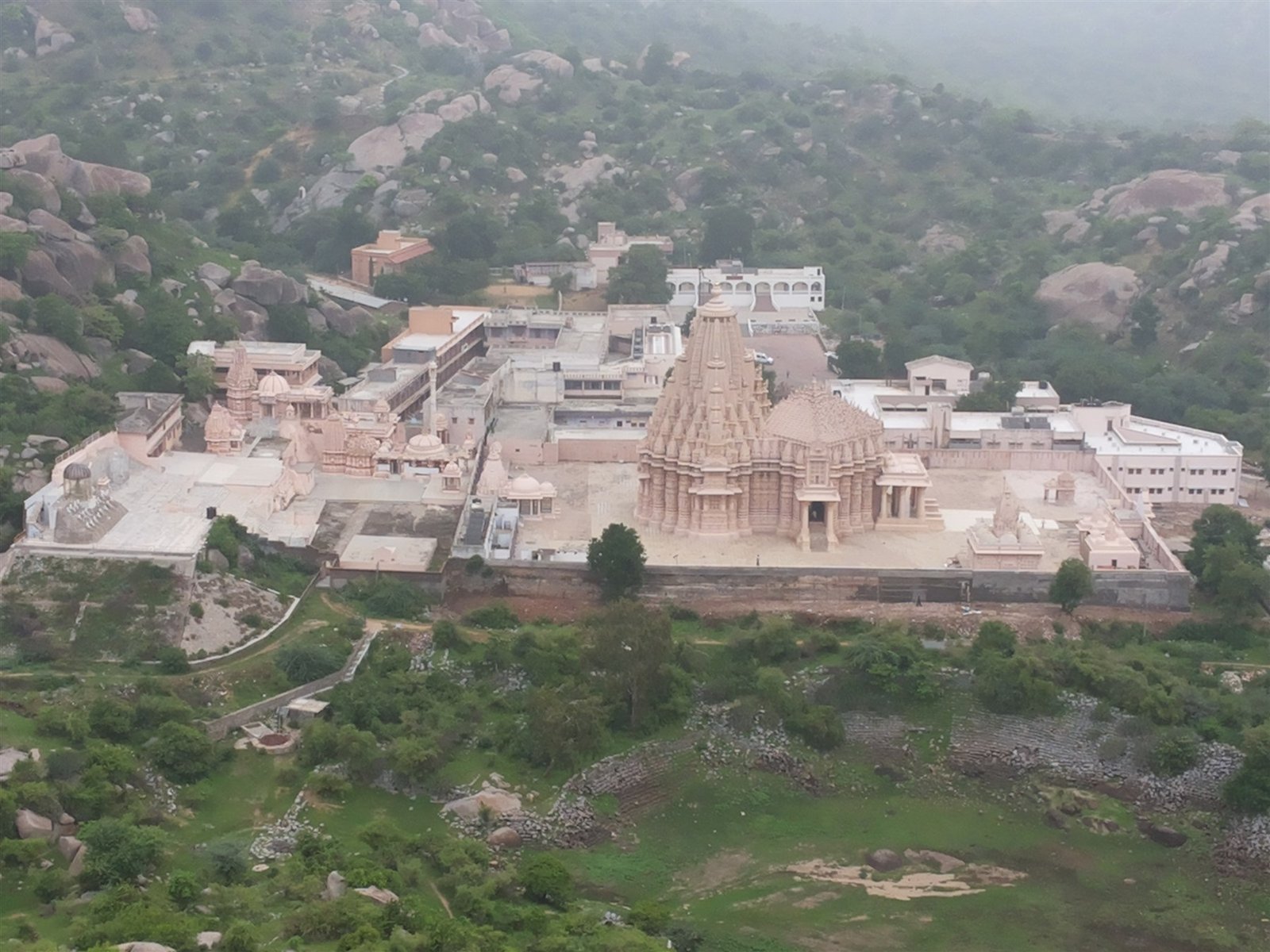
Set amid the wooded Taranga hills in the north of Mehsana district, the Taranga Jain temple complex is one of Gujarat’s finest and most atmospheric Jain pilgrimage sites. The principal temple, dedicated to the Tirthankara Ajitnath, was built in the 12th century under the Solanki king Kumarapala, a great patron of Jainism, and is a magnificent example of Maru-Gurjara architecture — a tall, intricately carved white shrine rising dramatically against the hills.
Around it cluster further temples of the Svetambara and Digambara traditions, making Taranga an important tirtha for both. The hills themselves are sacred and scenic, dotted with ancient shrines and, remarkably, early Buddhist rock-cut caves and sculptures, hinting at a religious history older still.
Tranquil, elevated and richly carved, Taranga rewards pilgrims and lovers of architecture alike. (An active Jain pilgrimage; observe temple customs.)
The Taranga temple complex.
The carved Ajitnath temple.
Kumarapala Solanki builds the Ajitnath temple.
It rises as a carved white shrine.
Svetambara and Digambara shrines cluster here.
Buddhist caves mark an earlier faith.
A 12th-century masterpiece.
The soaring main shrine.
Amid wooded hills.
Exquisite stonework.
Svetambara & Digambara.
An ancient layer.
Clustered shrines.
The carved white mandir.
A scenic, sacred elevation above the plains.
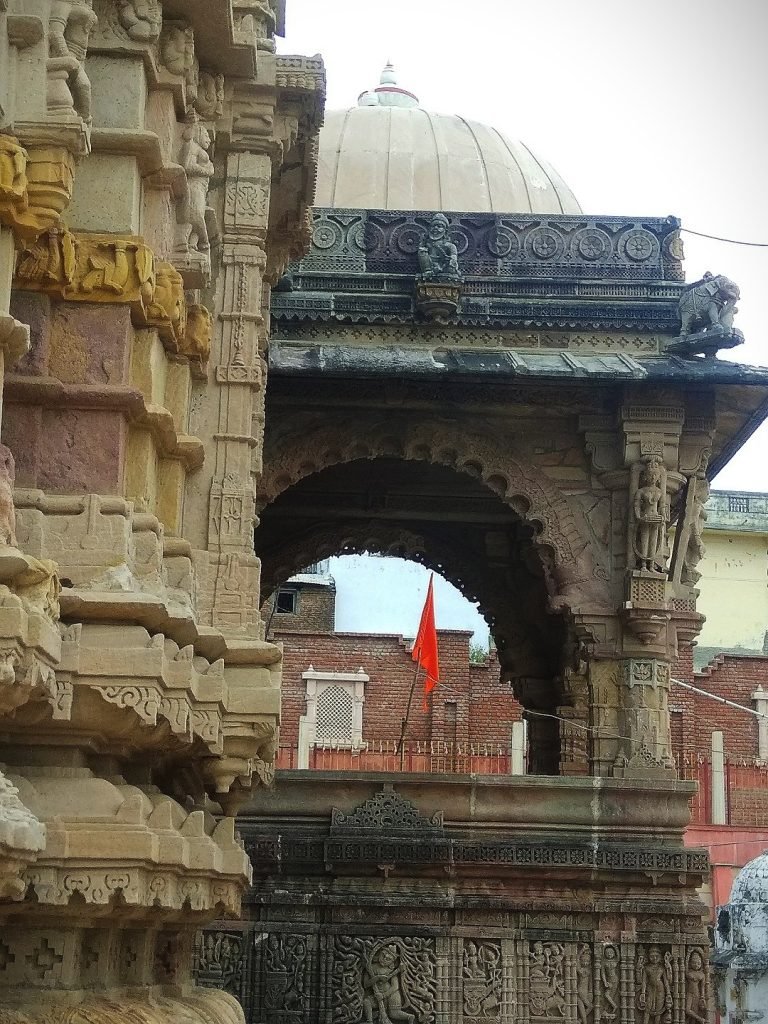
Intricate stonework on every surface.
Shrines of both Jain traditions cluster here.
Early rock-cut caves dot the sacred hills.
The soaring shrine.
Maru-Gurjara stonework.
Scenic and sacred.
Svetambara & Digambara.
An ancient layer.
A tranquil tirtha.
Taranga’s Jain temples.
The great Taranga temple is a tall, richly carved white Maru-Gurjara shrine to Ajitnath, set on a hilltop and surrounded by lesser Jain temples of both the Svetambara and Digambara traditions.
The sacred hills around carry ancient shrines and early Buddhist rock-cut caves, layering Jain, Hindu and Buddhist history in one scenic, elevated tirtha. (An active Jain pilgrimage; follow temple customs.)
12th-century Ajitnath temple
Carved Maru-Gurjara stone
Svetambara & Digambara shrines
Ancient Buddhist caves nearby
Cool and pleasant — the ideal season.
Green and atmospheric after rain.
Hot and dry — start early.
⏰ Combine Taranga with Vadnagar; wear modest dress and comfortable shoes for the hilltop shrines.
Ahmedabad airport (~130 km).
Taranga Hill / Mehsana stations.
~55 km from Mehsana.
STONE & HILLS
The white Ajitnath shrine.
Maru-Gurjara carving.
The wooded hills.
Shrines at golden hour.
Sacred vavs across the district
A vast modern non-sectarian temple
◐ Golden hour · the arches
The ornate Nagar Brahmin temple
Dance & projections at the Sun Temple
One of Gujarat's great goddess shrines
Sweet-savoury full meals.
Steamed and fried snacks.
Lively market-town fare.
Home of Dudhsagar Dairy & superb milk sweets.
A 12th-century Solanki hilltop Jain complex centred on the Ajitnath temple, in Mehsana district.
King Kumarapala of the Solanki dynasty, a patron of Jainism.
The Tirthankara Ajitnath.
Both traditions have temples here; it is a major Svetambara tirtha.
Yes — ancient Buddhist rock-cut caves are found in the hills.
No, darshan is free.
About 55 km.
October to March, in the cooler season.
Temples by the medieval fort gates
Shamlaji & Polo edge
A serene stream winding through tribal country
Themed gardens around Ekta Nagar
Carved Hindu & Jain temple remains
Serene waters around the royal town
WHERE TO STAY
Compare live prices across the big booking sites and reserve in a few taps. Booking happens securely on the partner's site — we may earn a small commission at no extra cost to you.
SHOP THE REGION
Hand-picked crafts and trip gear, available on Amazon.