
Home › Kheda › Mahemdavad Shrines
HERITAGE TOWN · TOMBS & TEMPLES · SULTANATEMahemdavad Shrines
Sacred heritage of a sultanate town — the shrines of Mahemdavad, from the Indo-Islamic Roza Rozi tombs to the town's Hindu temples, reflect the layered religious history of a settlement founded in the era of the Gujarat Sultanate.
The layered sacred heritage of Mahemdavad
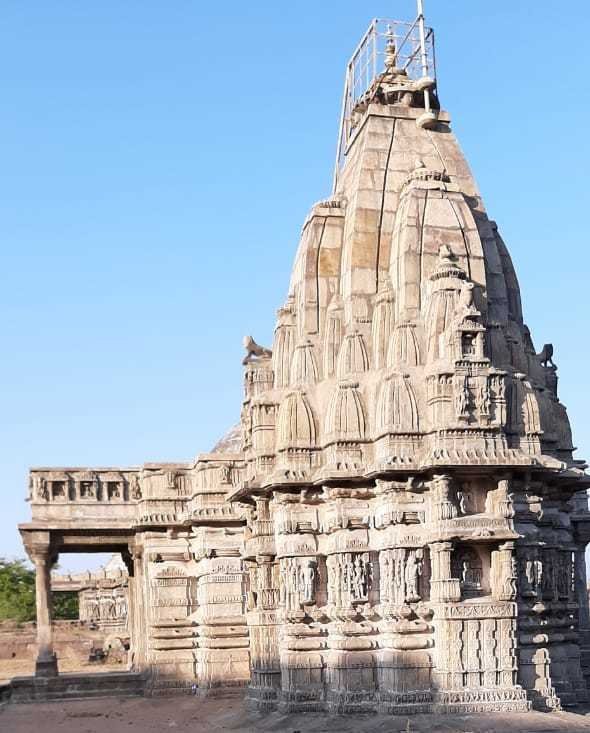
Mahemdavad (Mahmudabad), a historic town in Kheda district founded in the 15th century during the Gujarat Sultanate, has a layered sacred heritage that reflects the rich and varied religious history of central Gujarat. The town’s most distinctive heritage is the Roza Rozi — fine Indo-Islamic tomb structures of the Sultanate era, with domes, carved jali screens and graceful proportions, often set beside water in the manner of the period.
These monuments belong to the same architectural tradition that produced the great Indo-Islamic monuments of Ahmedabad and Champaner. Alongside this Indo-Islamic heritage, Mahemdavad has its Hindu temples and shrines serving the town’s community, and the area is also known for the Bhammariyo Kuvo stepwell and other heritage water structures.
Together, these sites reflect the layered history of a town that has seen the Sultanate, the Mughals, the Marathas and the colonial era. For the heritage traveller, the shrines and monuments of Mahemdavad offer an insight into the religious and architectural layers of central Gujarat — a quiet town where the Indo-Islamic and Hindu heritage coexist in the everyday fabric of the place.
Indo-Islamic tombs beside community shrines
Mahemdavad shrines.
The town is founded in the 15th century during the era of the Gujarat Sultanate.
Fine Sultanate-era tomb structures rise with domes, carved jali screens and graceful proportions.
Hindu temples and shrines grow to serve the devotion of the town's community.
A quiet town where Indo-Islamic and Hindu heritage coexist in the everyday fabric of the place.
Reasons to make the time
Roza Rozi
Sultanate tombs — fine Indo-Islamic monuments with domes and carved jali screens.
Temples
Hindu shrines that serve the everyday devotion of the town's community.
Heritage
Layered history spanning the Sultanate, Mughal, Maratha and colonial eras.
Stepwell
Heritage water architecture, including the area's Bhammariyo Kuvo.
History
A town that has seen the Sultanate through to the colonial era.
Hidden
A quiet town away from the crowds, rewarding the unhurried heritage traveller.
What to look for inside
Indo-Islamic
Sultanate tombs — domes, jali screens and graceful proportions set beside water.
Hindu shrines
Community devotion — the town's living Hindu temples and shrines.
How to spend an hour or two
See the Roza Rozi
Indo-Islamic tombs — the town's finest Sultanate-era monuments, with domes and carved jali.
Visit the Hindu temples
Community shrines that serve the everyday devotion of the town's residents.
Find the Bhammariyo Kuvo
A heritage stepwell — one of the area's old, evocative water structures.
Learn the town's history
Trace the layers from the Sultanate through the Mughal, Maratha and colonial eras.
Appreciate the layers
Two great traditions — Indo-Islamic and Hindu — meeting in one quiet town.
Explore unhurried
A quiet town best enjoyed slowly, wandering from shrine to monument.
Indo-Islamic and Hindu heritage
Mahemdavad’s sacred heritage spans two great traditions — the Indo-Islamic Roza Rozi tombs of the Gujarat Sultanate, with their domes and carved jali screens, and the Hindu temples and shrines of the town’s community.
Together with the area’s heritage water structures, these sites reflect the layered religious and architectural history of a town founded in the 15th century. Heritage monuments and active temples; reach with local directions; best in the cooler months.
Planning more of the area? Our Kheda guide covers the whole district.
The Indo-Islamic Roza Rozi tombs of the Sultanate era
Hindu temples and shrines of the town community
Heritage water structures including the Bhammariyo Kuvo
A layered sacred heritage of central Gujarat
When to go
Cool and pleasant — the ideal window. Comfortable all day for unhurried wandering.
The most vivid times to visit, when the town's shrines come alive.
Hot and dry. Still doable — just come right at opening or in the early morning.
⏰ Winter is most comfortable; festival days are the most vivid times to visit.
Timings & entry
- Cool, dry winter months are the most comfortable
- Festival and temple days are the most vivid
- Mornings are quietest and best for photographs
- Allow 30–45 minutes for an unhurried visit
- No ticket required at the shrines and monuments
- Active temples — dress modestly and respectfully
- Heritage monuments; reach with local directions
- Ideal for a short pilgrimage or heritage stop
Getting there
By Air
Ahmedabad's Sardar Vallabhbhai Patel International Airport is about 55 km away — roughly a 1–1.5 hour drive.
By Rail
Nadiad and Anand junctions are the nearest major railheads, both well connected on the Ahmedabad–Vadodara line.
By Road
Mahemdavad sits just off NH-48, the Ahmedabad–Vadodara highway, an easy drive from either city.
Shooting the shrines
HERITAGE & DEVOTION
Domes, jali screens and quiet temple courtyards in a layered town
Best light
Come in the cooler morning hours, when soft light rakes across the domes and carved stone.
What to shoot
The Roza Rozi domes and jali screens, the temple shrines, and the old Bhammariyo Kuvo stepwell.
Be respectful
These are active temples and monuments — keep quiet, dress modestly and ask before photographing devotees.
Gear tip
A wide lens suits the tombs and stepwell; a longer lens picks out carved jali detail.
Know before you go
More to see close by
 HERITAGE
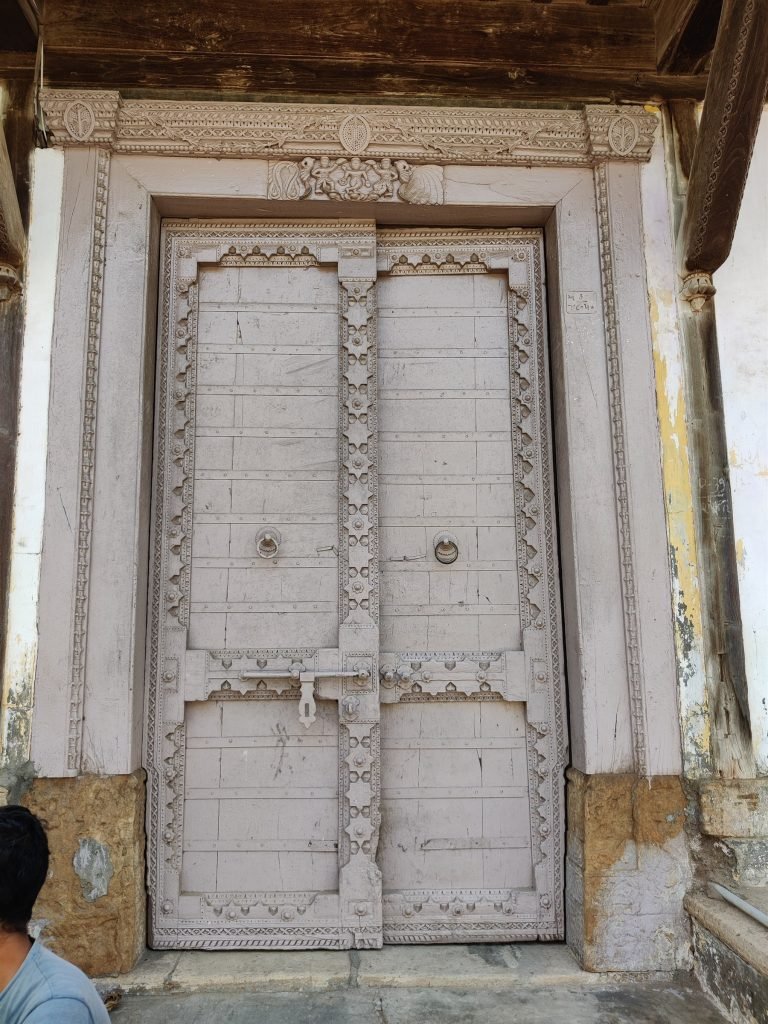
Vaso Wooden Havelis
Exquisitely carved wooden mansions
 4
4Kapadvanj Torans
Ancient ornamental gateways of a faded town
 OLD TOWN
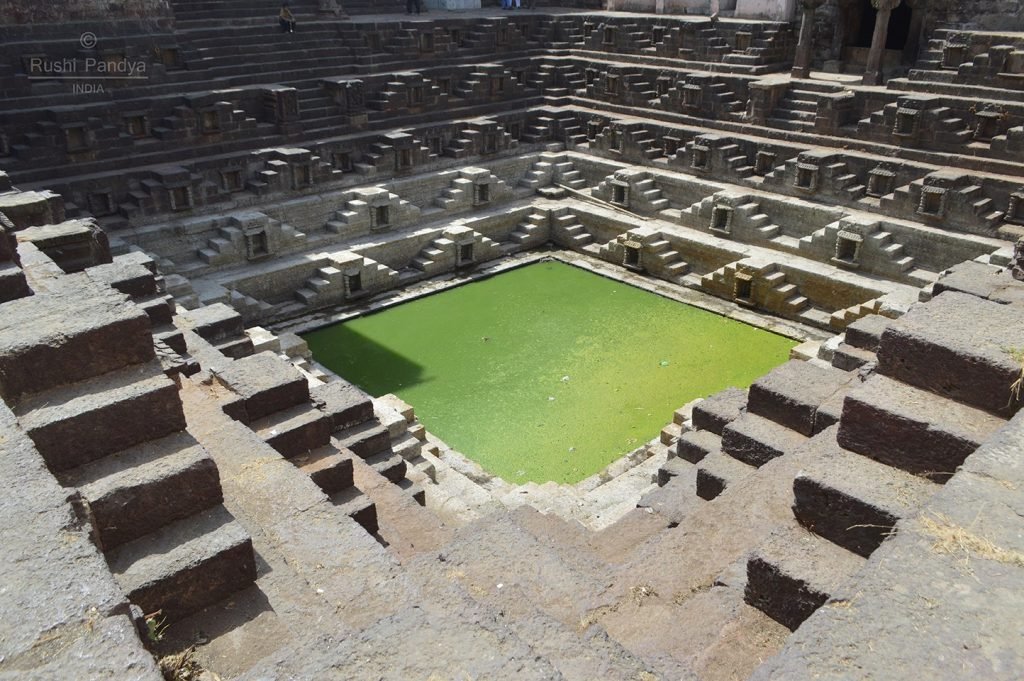
Kapadvanj
Ancient torans and a carved stepwell
 TOWN
TOWNDharmaj
A prosperous NRI Charotar town
 PILGRIMAGE
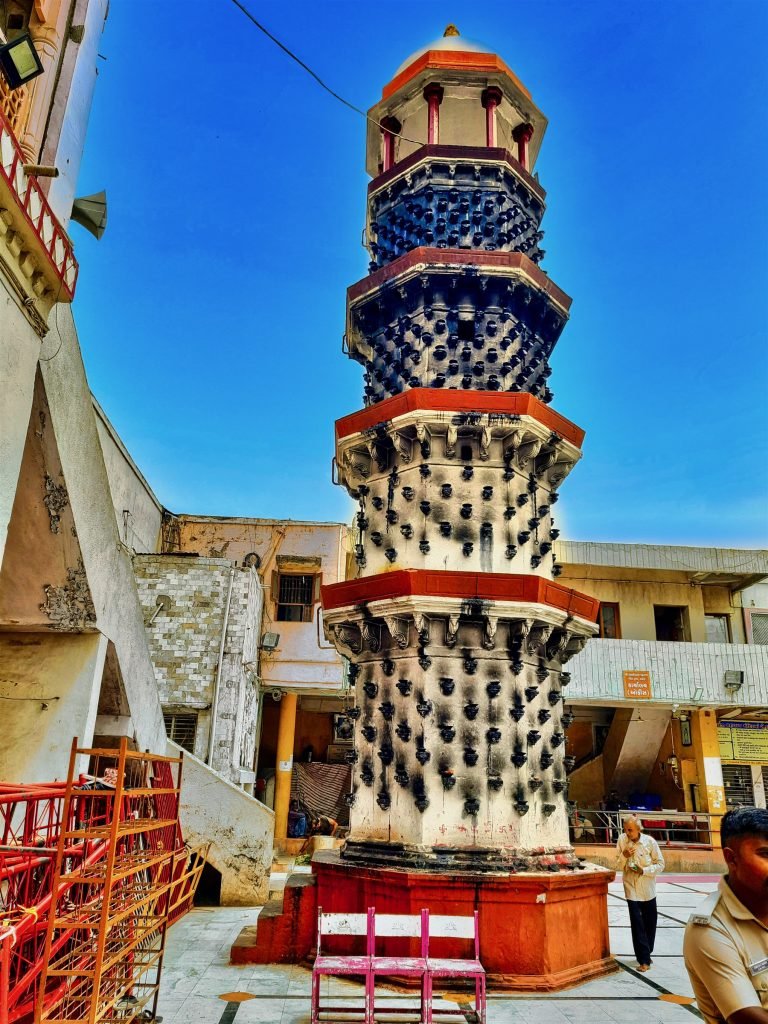
Dakor Ranchhodrai Temple
A great Krishna temple by Gomti lake
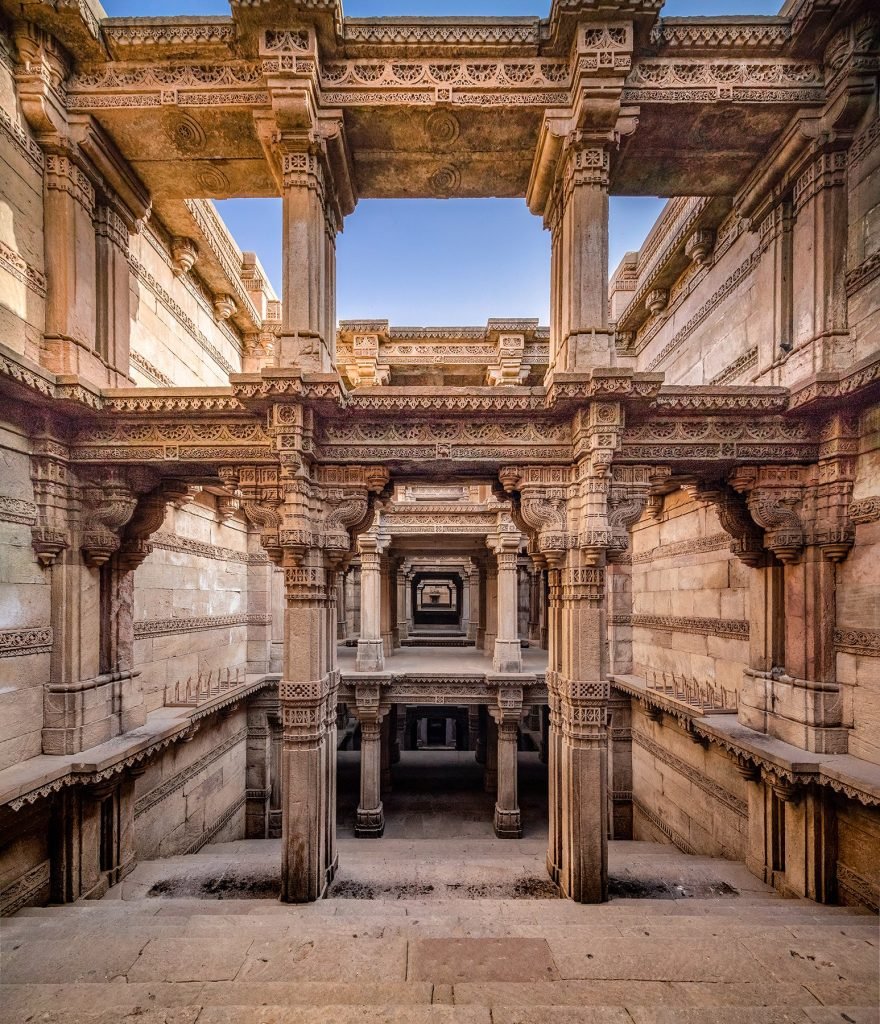 STEPWELL
Bhammariyo Kuvo
Mahemdavad’s helical step-well
Where to eat near Mahemdavad Shrines
Gujarati Thali
Charotar comfort food — an unlimited vegetarian thali of the central Gujarat heartland.
Doodhpak
A festive milk sweet, rich and slow-cooked, beloved across the region.
Khaman
Soft, savoury and steamed — the classic Gujarati farsan snack.
Charotar dairy country
This is Amul country — expect superb fresh milk, dairy sweets and a famously vegetarian table.
Mahemdavad Shrines FAQ
What are the Mahemdavad shrines?
The town's Indo-Islamic Roza Rozi tombs and its Hindu temples and community shrines.
What is the Roza Rozi?
Indo-Islamic tomb monuments of the Gujarat Sultanate era, with domes and carved jali screens.
When was Mahemdavad founded?
In the 15th century, during the era of the Gujarat Sultanate.
What else is there?
Hindu temples and the Bhammariyo Kuvo stepwell, among other heritage water structures.
Is it well known?
No — it is a quiet, layered heritage town away from the main tourist trail.
What is the best time to visit?
The cooler months, October to February, are the most comfortable.
How do I reach Mahemdavad?
It sits just off NH-48 between Ahmedabad and Vadodara, about 35 km from Ahmedabad.
Is there an entry fee?
No — the shrines and monuments are free to visit.
Related places across Gujarat

Gadhada
The sacred town of Gadhpur — where Lord Swaminarayan lived for years and where the Akshar…
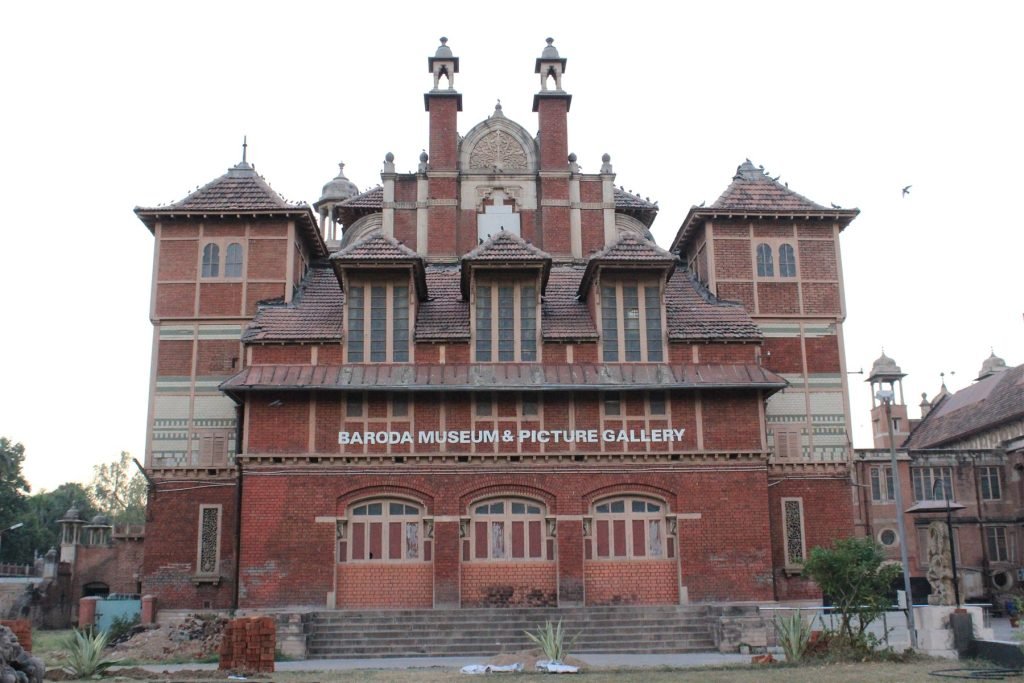 GALLERY
Baroda Museum
Art & picture gallery in Sayaji Baug
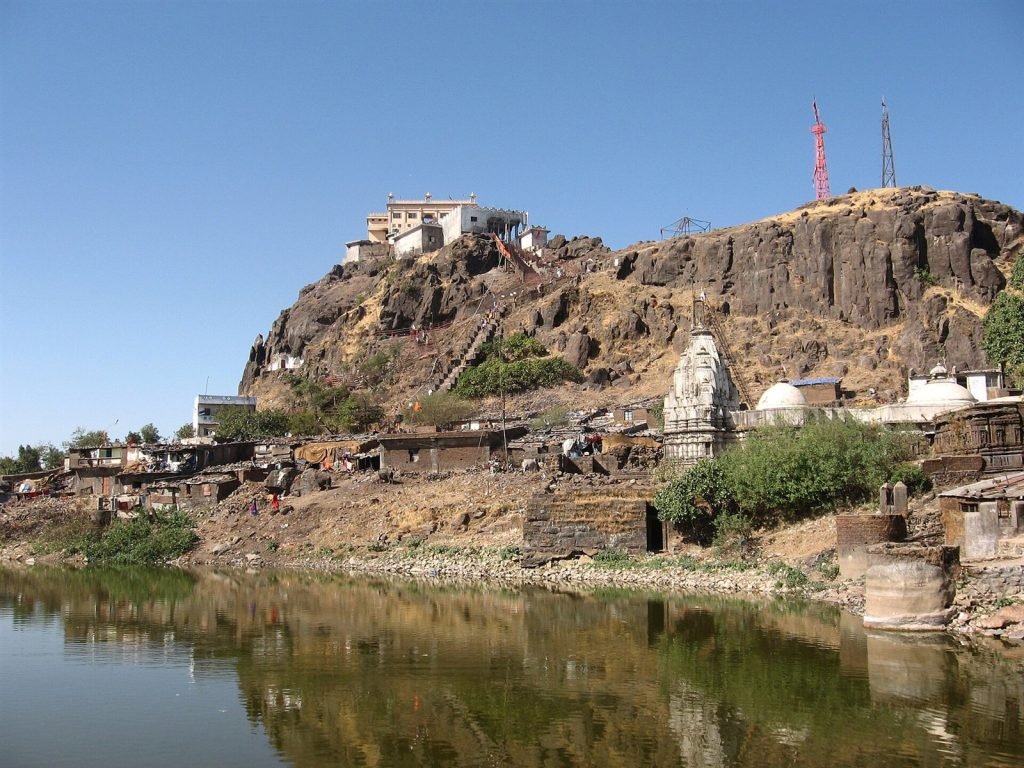 HILL
HILLPavagadh Slopes
A volcanic outcrop wrapped in green forest
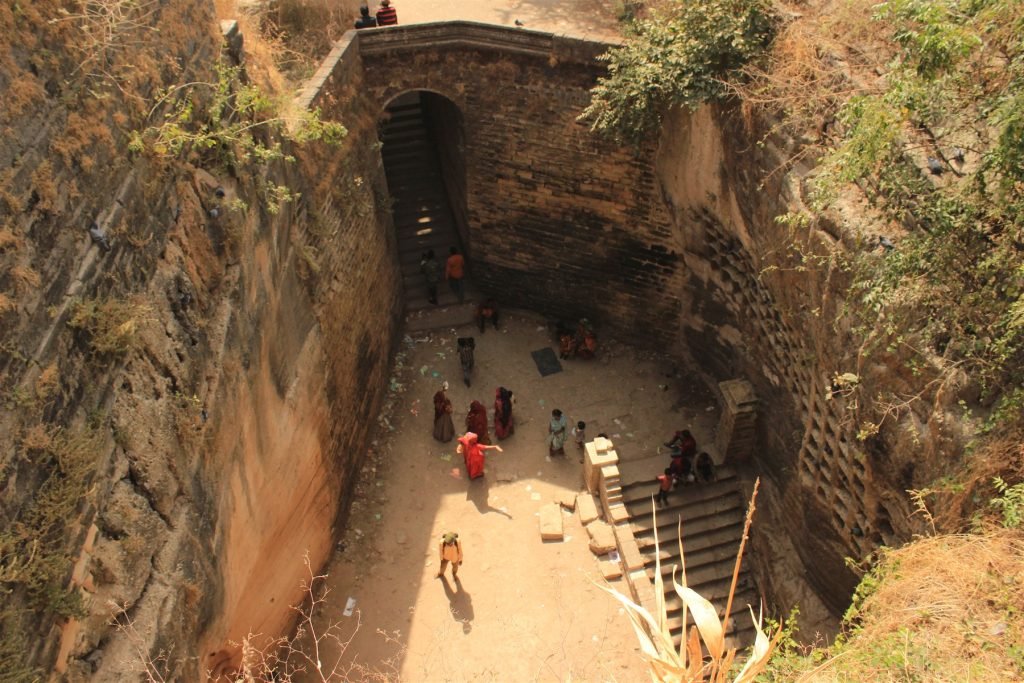 NATURE
Navghan Kuvo
Birdlife and still water below the massif
 DAM
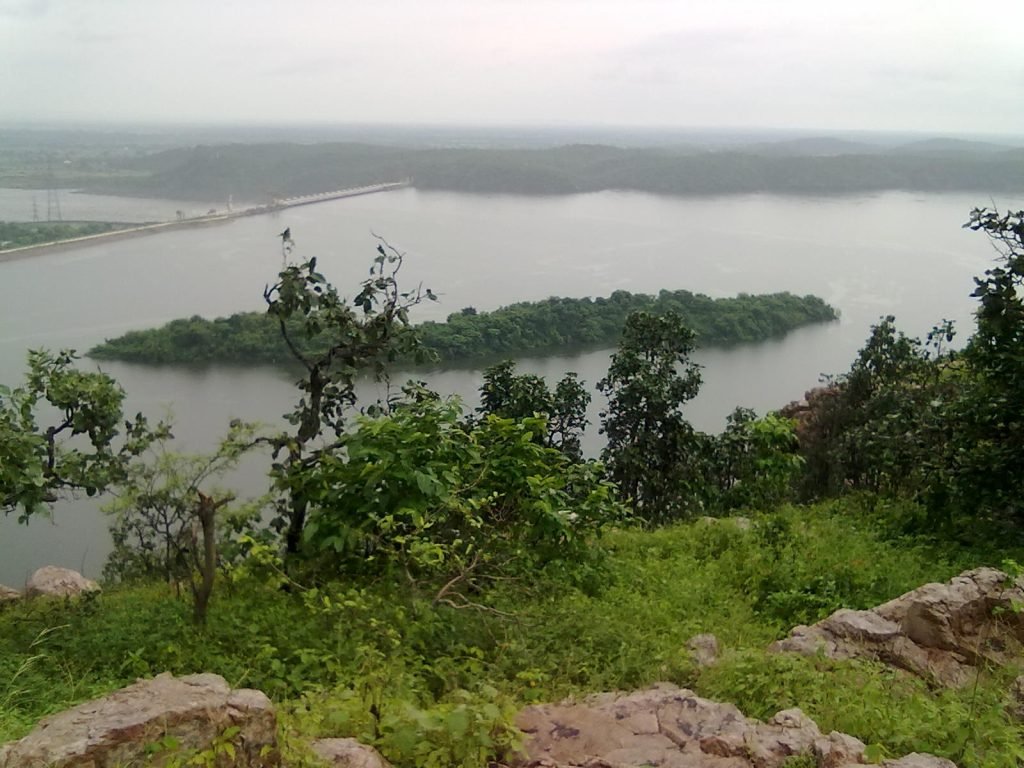
DAMKadana Dam
A mighty reservoir on the Mahi river

Kankai Mata Temple
Sacred confluence of rivers and sea
WHERE TO STAY
Find your stay in Gujarat
Compare live prices across the big booking sites and reserve in a few taps. Booking happens securely on the partner's site — we may earn a small commission at no extra cost to you.
Book directly on our partner sites — tap a provider to see live Gujarat hotels & prices:
SHOP THE REGION
Bring home Gujarat — & travel essentials
Hand-picked crafts and trip gear, available on Amazon.
Published 24 June 2026 · Updated 24 August 2026
We’re an independent group of writers and travellers documenting every corner of Gujarat — one place, plate and festival at a time.