Home › Destinations › Swaminarayan Kalupur
TEMPLE · SWAMINARAYANThe first Swaminarayan temple in the world — a riot of carved, painted teak in the heart of the old city, consecrated in 1822.
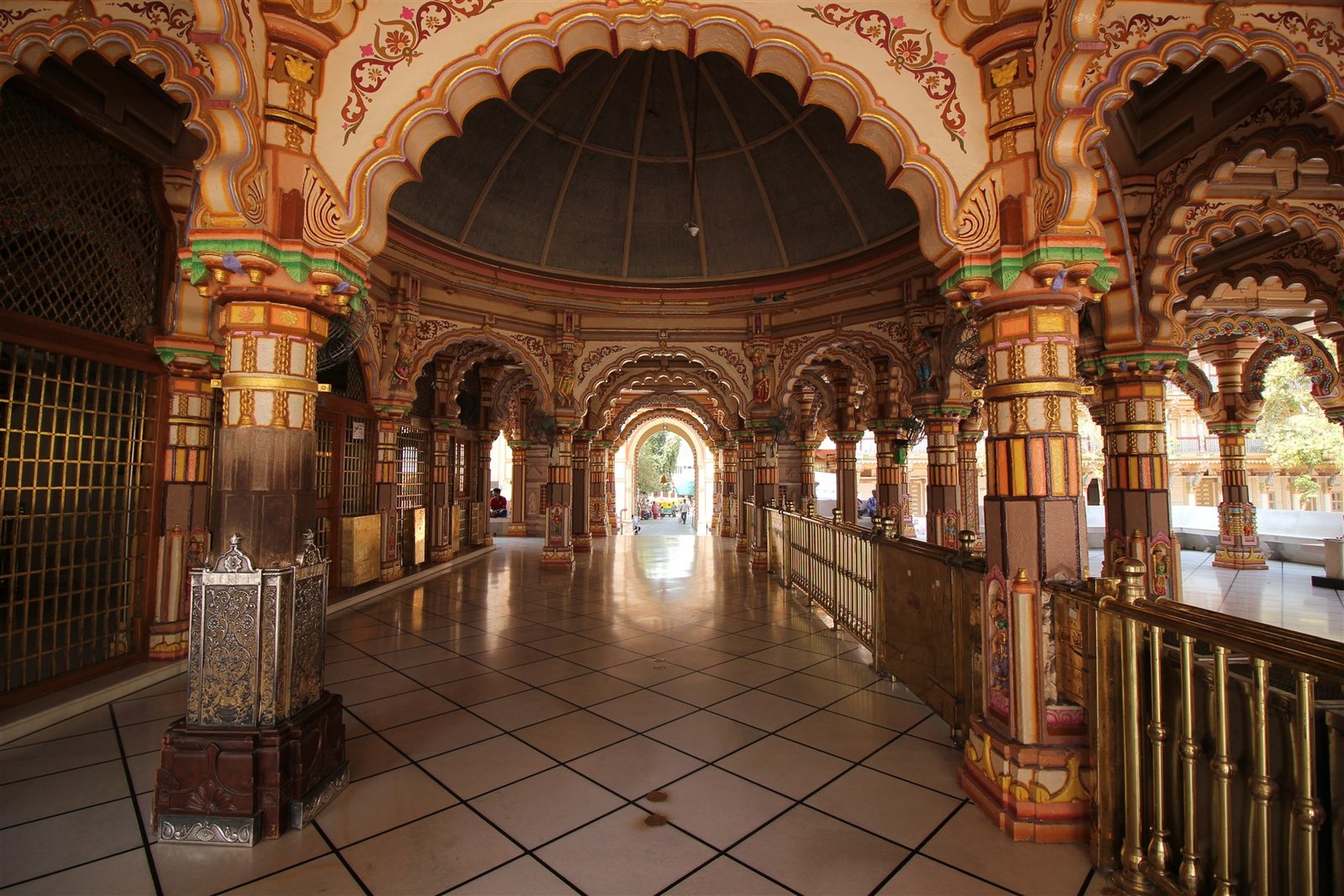
In the heart of the walled city stands a temple of quiet historic importance: the first Swaminarayan temple ever built, consecrated in 1822 under the guidance of Bhagwan Swaminarayan himself. It enshrines Nar Narayan Dev and remains the headquarters (Gadi) of one of the faith’s two great dioceses.
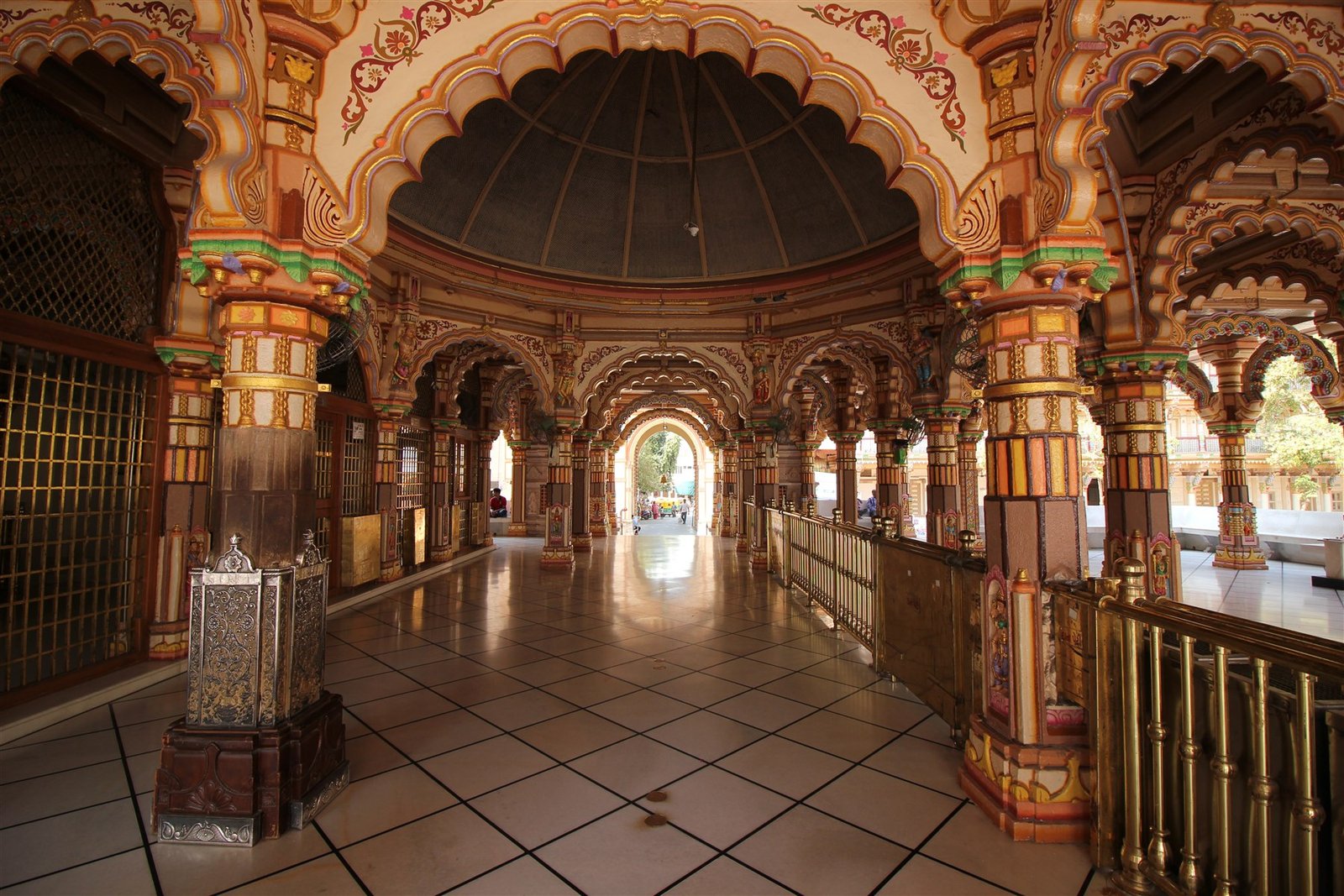
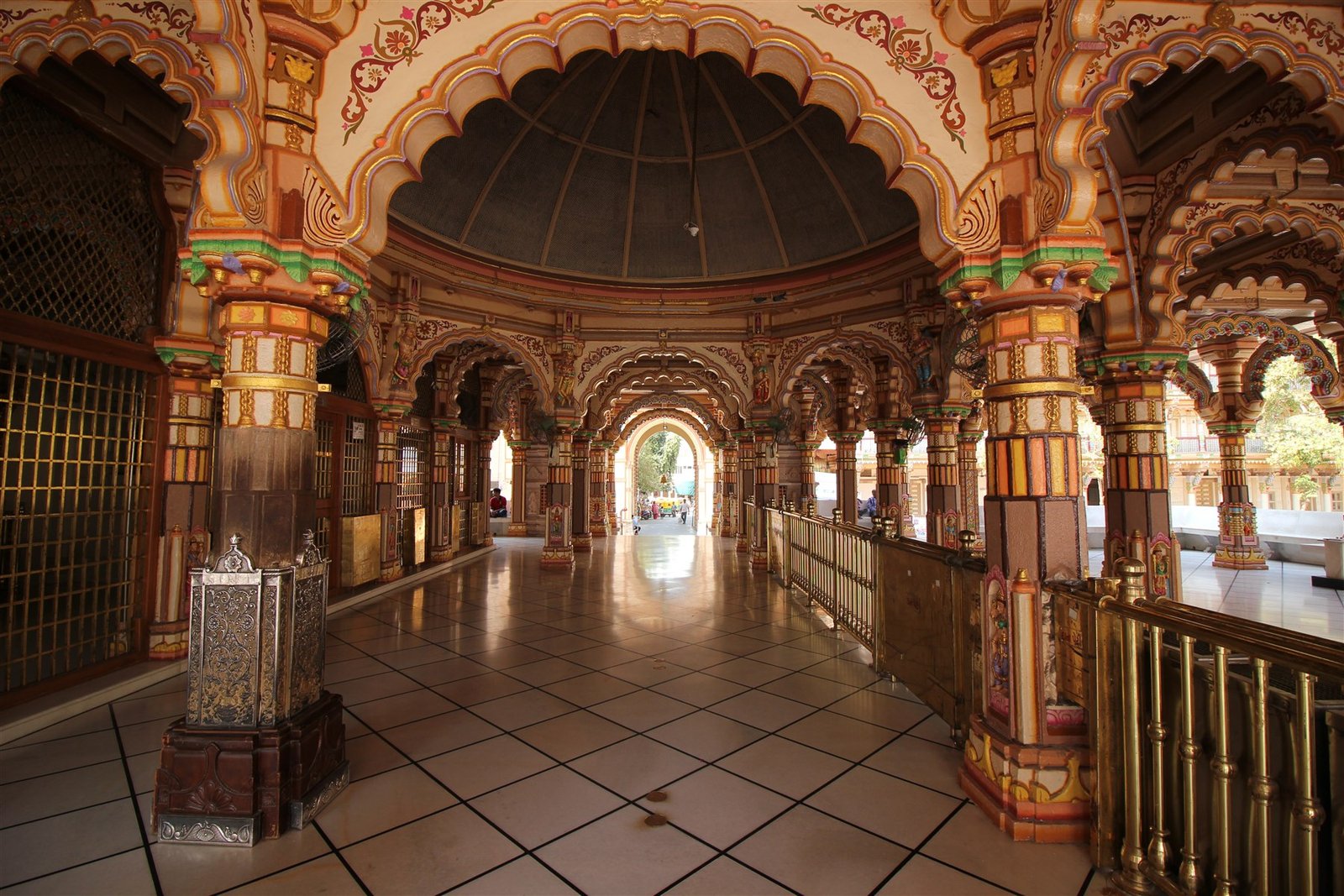
Where later Swaminarayan temples dazzle in marble, this one is a masterpiece of wood. Built largely of Burma teak, every column, arch and bracket is intricately carved and then brightly painted — gods, dancers, peacocks and floral scrollwork glowing in reds, blues and gold around a central courtyard.
It is both a living, busy place of worship and the traditional starting point of the city’s famous heritage walk through the pols — making it the perfect first stop in old Ahmedabad.
Carved and painted teak fills the temple interior.
Two centuries of devotion in carved teak.
Bhagwan Swaminarayan oversees the consecration of the very first Swaminarayan temple.
Built of Burma teak and richly carved, it becomes the NarNarayan Dev Gadi headquarters.
A haveli and community spaces grow around the temple courtyard.
A thriving temple and the traditional start of the old-city heritage walk.
The original temple of the worldwide Swaminarayan movement.
Woodwork carved and painted in extraordinary detail.
Gods, dancers and florals in vivid reds, blues and gold.
The traditional starting point of the pols walk.
A busy, working temple with daily darshan and ritual.
Free entry, in the thick of the old city.
Painted columns, arches and brackets.
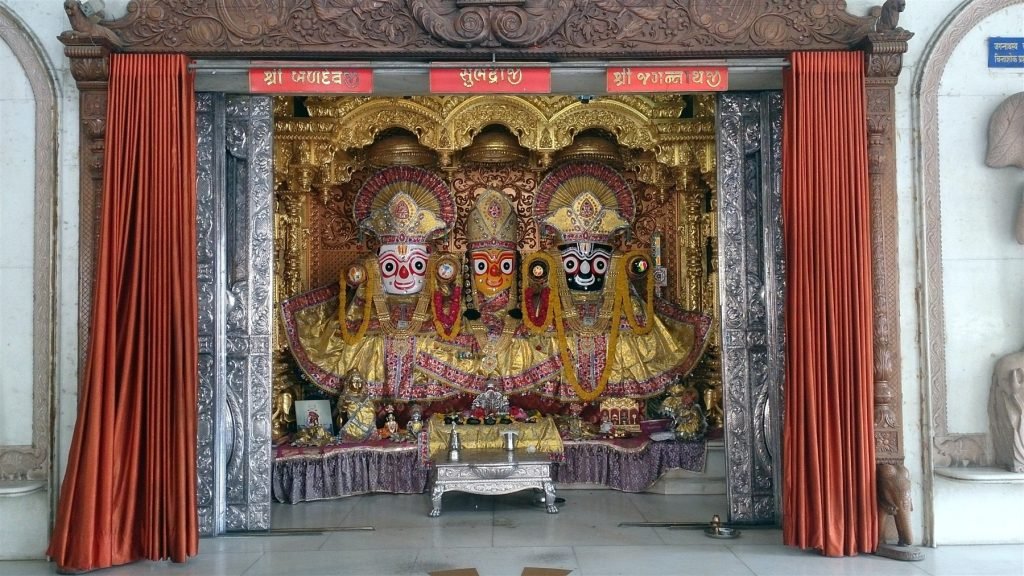
The central shrine of the first Swaminarayan temple.
Begin at the central shrine of Nar Narayan Dev.
Look closely at the carved and painted teak columns.
Circle the enclosed courtyard and its surrounding halls.
Time your visit for a morning or evening aarti if you can.
Set off into the pols from the temple gate.
Sit a while in one of Ahmedabad's most historic spaces.
Burma teak, carved and brightly painted.
Unlike the marble Swaminarayan temples of later years, the Kalupur temple is a triumph of carved wood. Burma teak columns, brackets and arches are worked with figures of deities, musicians, dancers, peacocks and dense floral scrolls, then finished in vivid polychrome paint.
The layout follows tradition — a central shrine for Nar Narayan Dev within a pillared hall, set around an open courtyard with subsidiary shrines and a haveli for the diocese. The effect is warm and human-scaled: a temple that feels handmade, every surface telling a story.
Built largely of Burma teak
Carved & painted polychrome detail
Central Nar Narayan Dev shrine
Courtyard, halls & haveli
Cool and bright — the most pleasant time to visit and join festival crowds.
Green and atmospheric; the great Rath Yatra season falls in this window.
Hot and dry; visit early morning or evening for cool darshan.
⏰ Come for the morning or evening aarti, then start the old-city heritage walk straight from the temple gate.
SVP International Airport is about 8 km away — roughly a 20-minute cab ride.
Ahmedabad Junction (Kalupur) is right beside the temple.
In Kalupur in the walled city; autos and the bus hub are minutes away.
WOOD & COLOUR
The carved, painted columns, brackets and courtyard.
Ask before shooting; the inner shrine is often off-limits.
Soft morning light reaches the courtyard beautifully.
Close-ups of the polychrome carving reward the effort.
By night the old jewellers' square turns into a buzzing street-food bazaar.

An evening lane of carts serving Gujarati chaat, sandwiches and sweets.

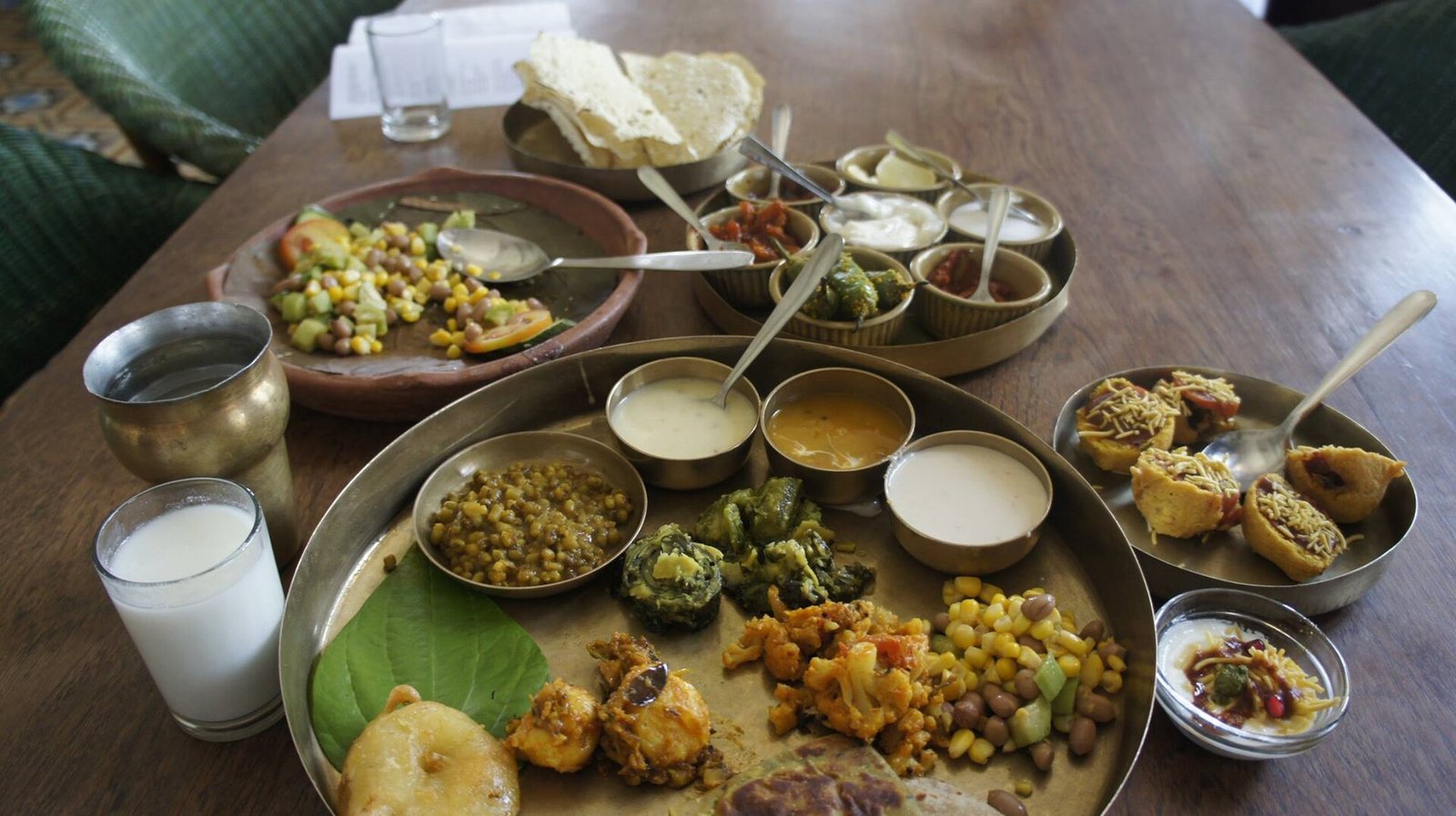
Fresh fafda-jalebi, dabeli and khaman in the lanes of the walled city.
Most temple areas are strictly vegetarian; many offer prasadam.
In Kalupur, in the walled city of Ahmedabad, right beside Kalupur railway station.
It is the first Swaminarayan temple in the world, consecrated in 1822.
Nar Narayan Dev; it is the seat of the NarNarayan Dev Gadi.
No, entry for darshan is free.
Roughly 6 AM to 7 PM, with morning and evening aartis.
Largely Burma teak, intricately carved and brightly painted.
Modest clothing; remove footwear and leather at the entrance.
Outdoor and courtyard photography is usually fine; the inner shrine may be restricted.
Yes — the city's old-city heritage walk traditionally starts here.
Kalupur station is adjacent; autos and buses serve the area.
WHERE TO STAY
Compare live prices across the big booking sites and reserve in a few taps. Booking happens securely on the partner's site — we may earn a small commission at no extra cost to you.
SHOP THE REGION
Hand-picked crafts and trip gear, available on Amazon.