Gujarat Explorer

Banni Grasslands

Home Kutch Banni Grasslands

NATURE · GRASSLAND · MALDHARI

Banni Grasslands

Asia's great arid grassland — the Banni of Kutch, a vast belt of seasonal grass and scrub on the edge of the Rann, home to Maldhari herders, hardy cattle and rare wildlife.

AT A GLANCE Quick Facts
📍 LOCATION Northern Kutch
🌾 TYPE Arid grassland
📐 AREA ~2,500 sq km
🐃 PEOPLE Maldhari herders
🦅 WILDLIFE Birds & mammals
🎟️ ENTRY Free (open)
☀️ BEST TIME Nov – Feb
⏱️ DURATION Half day
ABOUT THE PLACE

A pastoral sea of grass

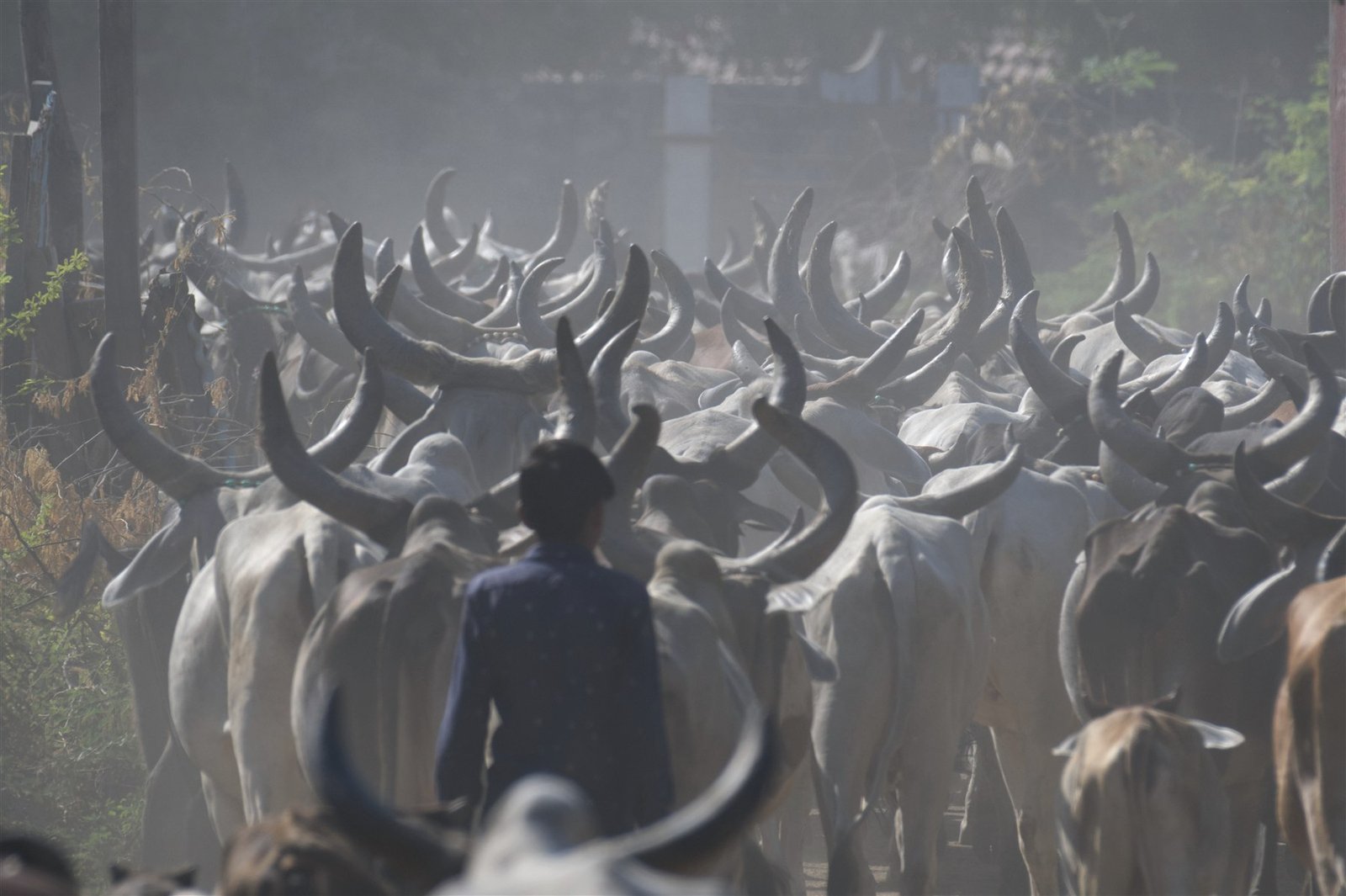
Stretching along the southern edge of the Great Rann, the Banni is one of the largest natural grasslands in Asia — a vast, flat expanse of seasonal grasses, scrub and wetland that springs to life after the monsoon. For centuries it has been the home of the Maldharis, semi-nomadic pastoralist communities who graze their famous Banni buffalo and Kankrej cattle across the plains and live in clusters of beautifully decorated mud-and-mirror bhungas (round huts).

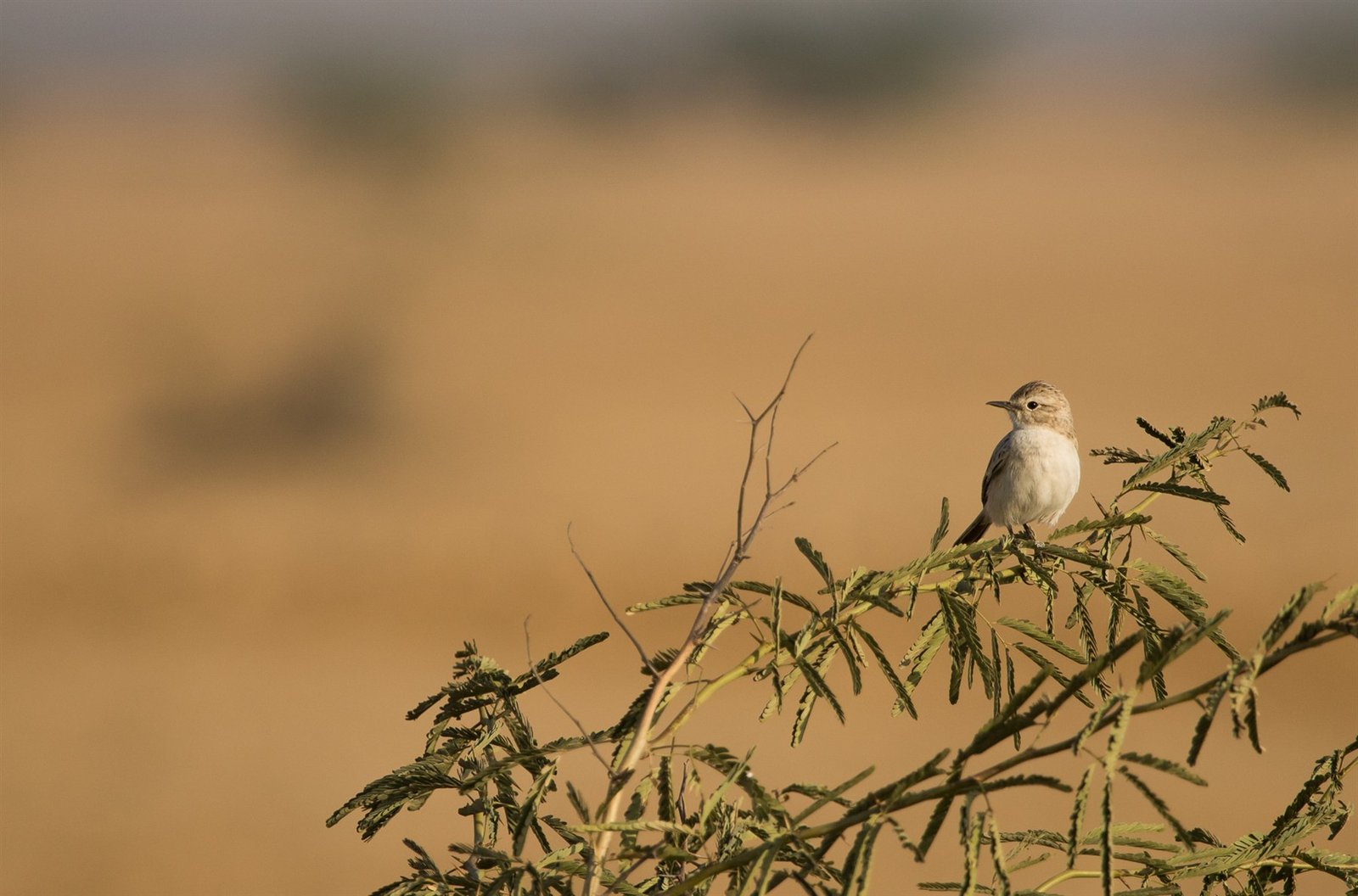
The Banni is also a haven for wildlife: it shelters birds of prey, larks, the rare Stoliczka’s bushchat and grey hypocolius, foxes, jackals, nilgai and more, making it a magnet for birdwatchers and naturalists. With its huge skies, pastoral culture, mirror-work craft and rich wildlife, the Banni offers a deep, authentic experience of Kutch beyond the white Rann.

An open grassland and living pastoral landscape; visit respectfully, ideally with a local guide.

A Banni grassland bird.

HISTORY

Grass, cattle and the herders who read them

Maldhari herders with cattle.

Grassland

Banni is one of the largest natural grasslands in Asia, spreading across roughly 2,500 square kilometres on the southern edge of the Rann of Kutch.

Maldharis

Pastoral communities settled here generations ago and built a way of life around grazing it — buffalo, cattle and seasonal movement.

Bhungas

Their bhungas, round mud-walled huts finished in mirror and relief work, stand in clusters across the plain.

Today

It remains a rare combination: significant wildlife habitat and a living pastoral culture occupying the same ground.

WHY VISIT

Reasons to make the time

🌾

Vast grassland

The Banni plain runs flat to the horizon in every direction, and its scale is difficult to convey until you are standing on it.

🐃

Maldhari culture

Maldhari herders live here in scattered settlements of bhungas, and their cattle set the rhythm of the day.

🐄

Banni buffalo

The Banni buffalo and Kankrej cattle are recognised native breeds, bred for exactly these conditions.

🦅

Rare birds

Grey hypocolius and white-eared bushchat are the birds specialists come for; Banni is one of very few reliable sites in India for both.

🪞

Mirror craft

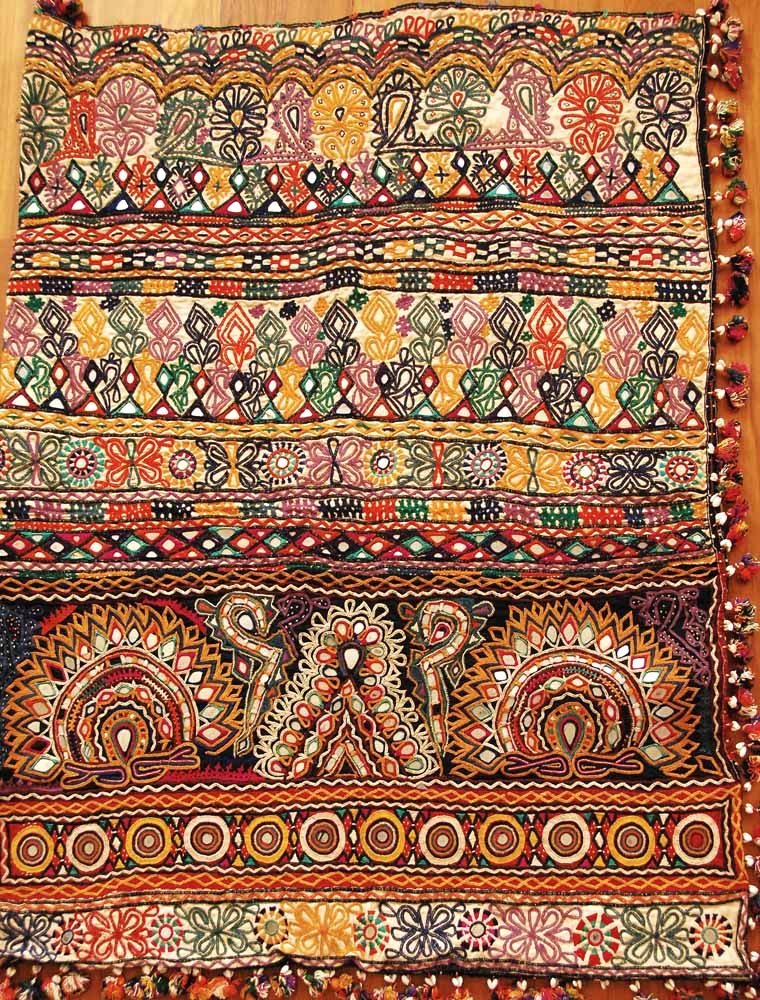
Kutchi mirror embroidery is made in these settlements, and buying it here puts the money where it belongs.

🌌

Big skies

The horizons are the point. There is very little vertical here, and the skies are enormous because of it.

HIGHLIGHTS

What to look for inside

Grassland birdsWILDLIFE

Grassland birds

Larks, bushchats, raptors and the winter hypocolius flocks.
Maldhari herdersCULTURE

Maldhari herders

Pastoral communities and their cattle out on the open plain.

BhungasBHUNGAS

Bhungas

Round mud huts finished in mirror and relief work, in clusters across the grassland.

Banni buffaloBUFFALO

Banni buffalo

A recognised native breed, bred over generations for this hard country.

Mirror embroideryCRAFT

Mirror embroidery

Kutchi mirror-work and embroidery made in the settlements themselves.

Open horizonsSKIES

Open horizons

Flat grassland and very big skies, particularly at dawn and dusk.
THINGS TO DO

How to spend an hour or two

01

Meet Maldhari herders

Spend time with the pastoral communities who have grazed these plains for generations; going with a local guide makes that possible rather than intrusive.

02

Watch the birds

Watch for the grassland specialists — larks, raptors, white-eared bushchat and the grey hypocolius that winters here.

03

See the bhungas

Visit a cluster of bhungas, the round mud-and-mirror huts the Maldharis build and decorate.

04

Buy mirror craft

Buy embroidery and mirror-work directly from the artisans rather than in Bhuj, where the margin goes elsewhere.

05

Soak the big skies

Stop somewhere on the plain at dawn or dusk and simply look. The light and the emptiness are the experience.

06

Pair with the Rann

Combine it with the white Rann just to the north, which is a completely different landscape half an hour away.

The Banni pastoral landscape.

ARCHITECTURE & SETTING

Grass, wetland and bhungas

The Banni is a vast arid grassland of seasonal grasses, scrub and shallow wetland along the southern Rann, grazed for centuries by Maldhari pastoralists and their Banni buffalo and Kankrej cattle.

Dotted with decorated mud-and-mirror bhungas and alive with grassland birds and small mammals, it is a living cultural and natural landscape — best explored slowly with a local guide. (An open grassland; visit respectfully.)

~2,500 sq km grassland

Maldhari pastoral culture

Mud-and-mirror bhungas

Rich grassland wildlife

BEST TIME TO VISIT

When to go

WINTERNov – Feb★★★★★

November to February is the season: cool, the grass gone gold, and the wintering birds including hypocolius present.

MONSOONJul – Sep★★★★☆

The monsoon revives the grasses and parts of Banni flood, which transforms it and brings the breeding birds.

SUMMERMar – Jun★★☆☆☆

March to June is very hot and dry with no shade at all; go at first light or leave it for another season.

⏰ Visit in winter with a local guide for birds and Maldhari villages; combine with the white Rann to the north.

PLANNING ESSENTIALS

Timings & entry

🕗TIMINGSDaylight
  • An open grassland, daytime
  • A local guide helps greatly
  • Winter for birds & culture
  • Allow a half day
🎟️ENTRYFree
  • Open grassland; no fee
  • Some areas need permits
  • Respect Maldhari villages
  • Carry water and sun cover
HOW TO REACH

Getting there

✈️

By Air

Bhuj airport (~60 km).

🚆

By Rail

Bhuj is the railhead.

🚗

By Road

North of Bhuj toward the Rann.

NEARBY DISTANCES
Bhuj — 60 km · White Rann — 30 km · Kala Dungar — 40 km · Nirona — 30 km
PHOTOGRAPHY GUIDE

In the Banni

GRASS & SKY

A pastoral grassland

🐃

What to shoot

Maldhari herders and their cattle on the plain.

🦅

Wildlife

Grassland birds, best worked at dawn.

🪞

Culture

Bhungas and the mirror craft made inside them.

🌌

Best light

Golden light at both ends of the day.

TRAVEL TIPS

Know before you go

1Come in winter. Between November and February the birds are in, the light is good and the heat is manageable.
2Go with a local guide. Banni has few landmarks, tracks that look alike, and settlements you should not simply drive into.
3Respect the Maldhari settlements. Ask before entering or photographing; these are homes, not an attraction.
4Carry water, a hat and sun cover. There is no shade anywhere on the grassland and no facilities.
5Some zones near the border require permits. Check before you travel rather than at the checkpoint.
6Pair it with the white Rann, Kala Dungar and the craft villages at Nirona and Hodka.
NEARBY FOOD

Where to eat near Banni Grasslands

DabeliSTREET

Dabeli

The Kutchi original.

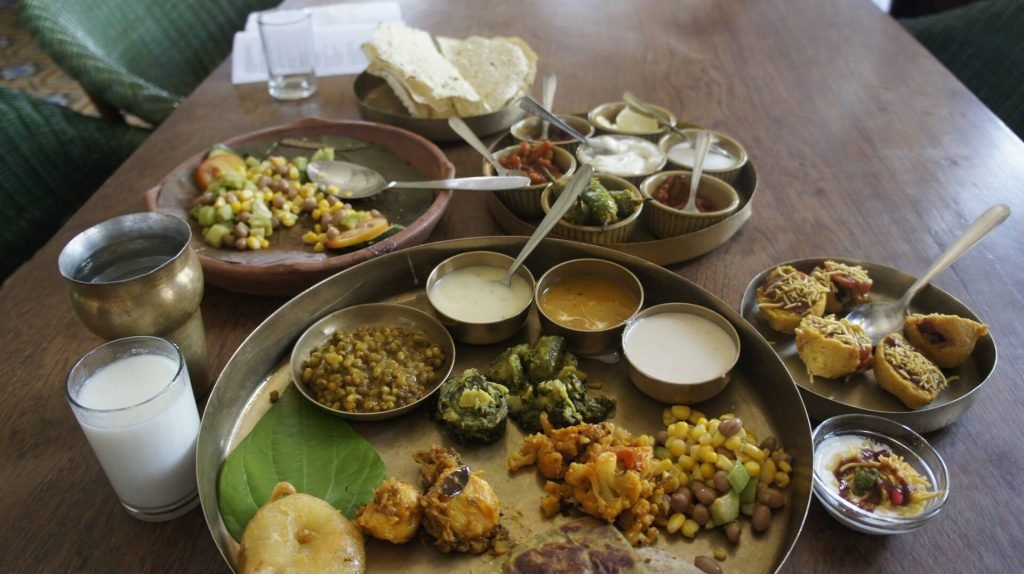
Kutchi ThaliTHALI

Kutchi Thali

Hearty desert meals.

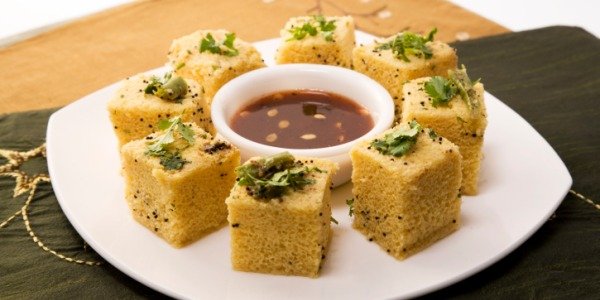
Dhokla & snacksFARSAN

Dhokla & snacks

Steamed Gujarati farsan.

🍽️GOOD TO KNOW

Desert flavours

Dabeli, bajra rotlo & kesar mango.
FREQUENTLY ASKED

Banni Grasslands FAQ

What is the Banni?

One of the largest grasslands in Asia, covering roughly 2,500 square kilometres along the southern edge of the Rann of Kutch. It is both important wildlife habitat and a living pastoral landscape.

Who lives there?

Maldhari pastoralist communities, who have grazed these plains for generations with their Banni buffalo and Kankrej cattle — both recognised native breeds developed for this country.

What is a bhunga?

A round mud-walled hut with a conical roof, finished inside and out with mirror-work and relief decoration. It is the traditional dwelling of Kutch and remarkably well suited to the climate and to earthquakes.

What wildlife is there?

Grassland birds above all — larks, raptors, white-eared bushchat and the grey hypocolius, for which Banni is one of the few reliable sites in India — along with desert fox, jackal and nilgai.

Is there an entry fee?

No, it is open grassland rather than a gated park, though some zones near the international border require permits. Check before you go.

When should I visit?

November to February, and ideally with a local guide who knows both the tracks and the settlements.

How far is Bhuj?

About 60 km from Bhuj, which is the practical base for any Banni trip.

What's nearby?

The white Rann at Dhordo, Kala Dungar for the view over the salt, and the craft villages at Nirona and Hodka.

WHERE TO STAY

Find your stay in Gujarat

Compare live prices across the big booking sites and reserve in a few taps. Booking happens securely on the partner's site — we may earn a small commission at no extra cost to you.

📍 DestinationAnywhere in Gujarat 📅 Check-inAdd date 📅 Check-outAdd date 👥 Guests2 adults Search Hotels

Book directly on our partner sites — tap a provider to see live Gujarat hotels & prices:

Affiliate links: prices and availability are shown by our partners. You pay the same price; we may earn a commission that helps keep Gujarat Explorer free.

SHOP THE REGION

Bring home Gujarat — & travel essentials

Hand-picked crafts and trip gear, available on Amazon.

🧵
Patola Silk Scarf
View on Amazon
🪡
Kutch Embroidery
View on Amazon
🎒
Travel Backpack 40L
View on Amazon
🔔
Brass Handicraft
View on Amazon
As an Amazon Associate, Gujarat Explorer earns from qualifying purchases. Product prices and availability are accurate as of the date/time shown on Amazon and are subject to change.
🚕
Book a cab anywhere in Gujarat
Airport transfers, day trips & intercity rides — reserve a comfortable cab, or just ask us on WhatsApp.
Enquiries are passed to independent, licensed local operators. Gujarat Explorer is a facilitator, not the transport provider.
WhatsApp Enquiry

Published 24 June 2026 · Updated 24 August 2026

GE
The Gujarat Explorer Team

We’re an independent group of writers and travellers documenting every corner of Gujarat — one place, plate and festival at a time.