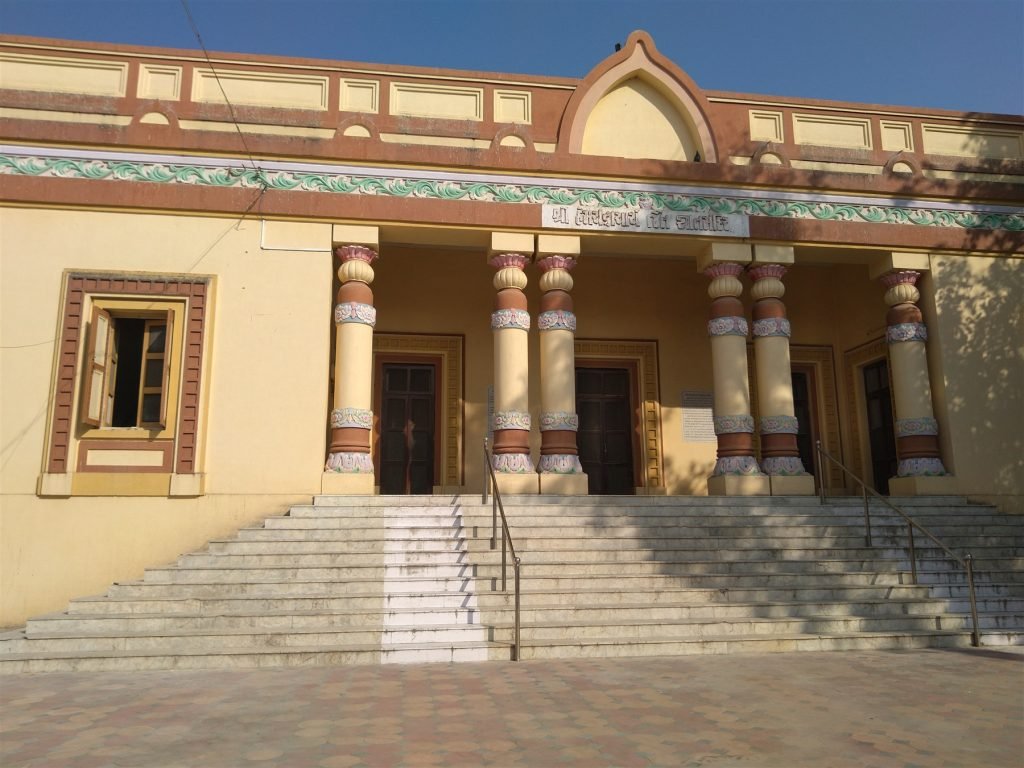
Home › Anand › Charotar Shrines
FOLK FAITH · SHRINES · ANANDThe sacred geography of the plain — the Charotar shrines, the scattered temples, devi mandirs and folk sacred sites that dot the villages of Anand district, a living folk religious landscape.
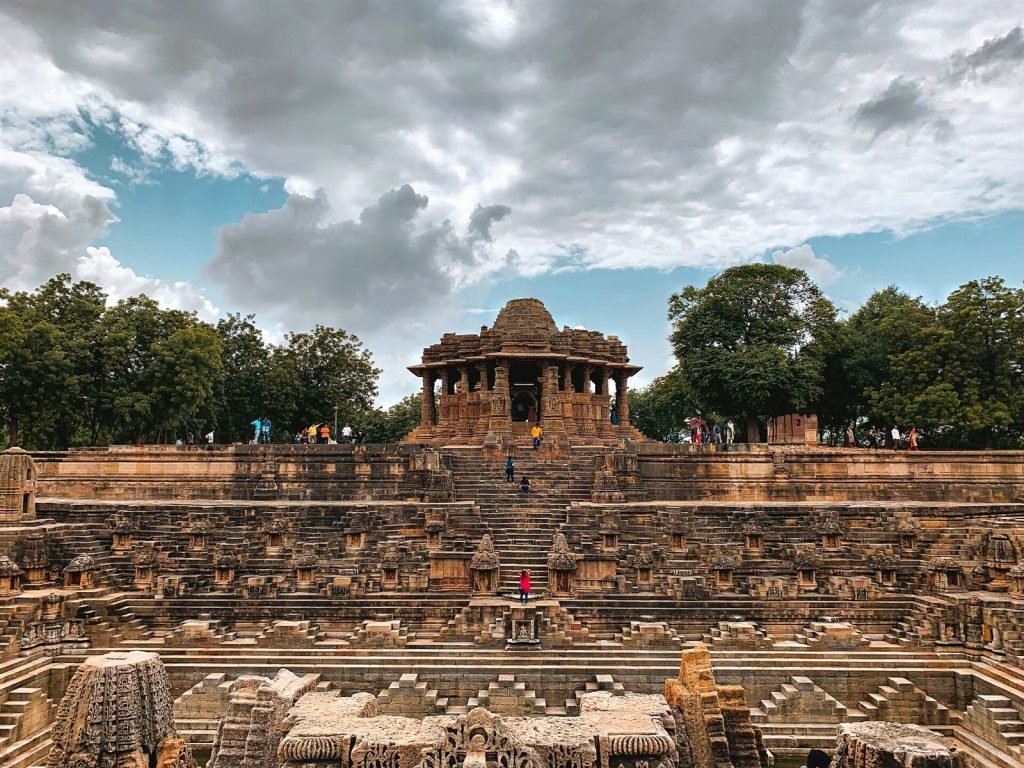
The Charotar plain of Anand district has a rich landscape of folk sacred sites: small temples to local devas and devis, roadside shrines (devli/devla), ancient peepal trees with stone platforms, and village mandirs. These are not major pilgrimage sites but the living sacred geography of the Charotar — the small gods of the fields and crossroads, the Shakta devi shrines, the ancestral hero shrines (vir-sthan), and the annual village fairs (mela) that are the heartbeat of rural religious life.
For a traveller willing to wander beyond the signposted sites, the Charotar’s roadside shrines offer some of the most authentic encounters with Gujarat’s living folk religious tradition. It is an informal, open landscape of sacred sites where respectful observation is welcome, and where every cluster of villages keeps its own gods, its own stories and its own calendar of fairs.
Unlike the grand temple towns of Gujarat, these shrines reward slow, unplanned wandering. Stop at a crossroads devli, follow a lane to a village devi mandir, sit under a sacred peepal — and you find a religious landscape that has shaped Charotar village life for centuries and remains entirely alive today.
Illustration — a Charotar village shrine.
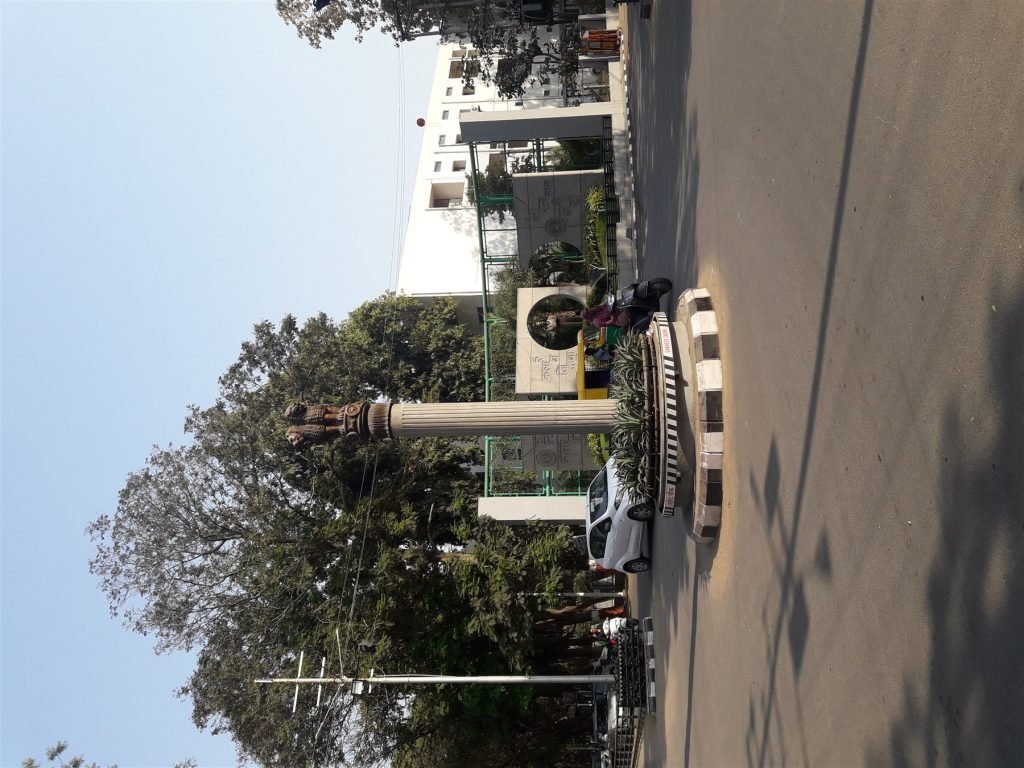
Illustration — a Charotar roadside shrine.
The Charotar plain has carried a folk sacred geography of village gods, crossroads shrines and sacred trees since ancient times.
Shakta devi shrines and folk deva mandirs took root across the villages, woven into the rhythm of farming life.
Each cluster of villages grew its own calendar of annual fairs (mela) — the social and sacred heartbeat of rural Charotar.
The shrines, mandirs and melas remain fully alive, a continuous folk religious tradition in today's farming communities.
A living tradition of village gods, devi shrines and roadside devli.
Authentic Gujarat — the sacred geography of the farming Charotar.
Sacred & social — shrines and melas at the heart of village life.
A visual landscape of shrines, trees and small mandirs.
Few visitors — an unsignposted world beyond the tourist sites.
A hospitable community, welcoming to the respectful wanderer.
Folk sacred sites — devli, devi shrines and crossroads gods.
A living landscape of small village mandirs across the plain.
The stone devli that mark crossroads and field edges.
Shakta shrines to the local goddesses of the villages.
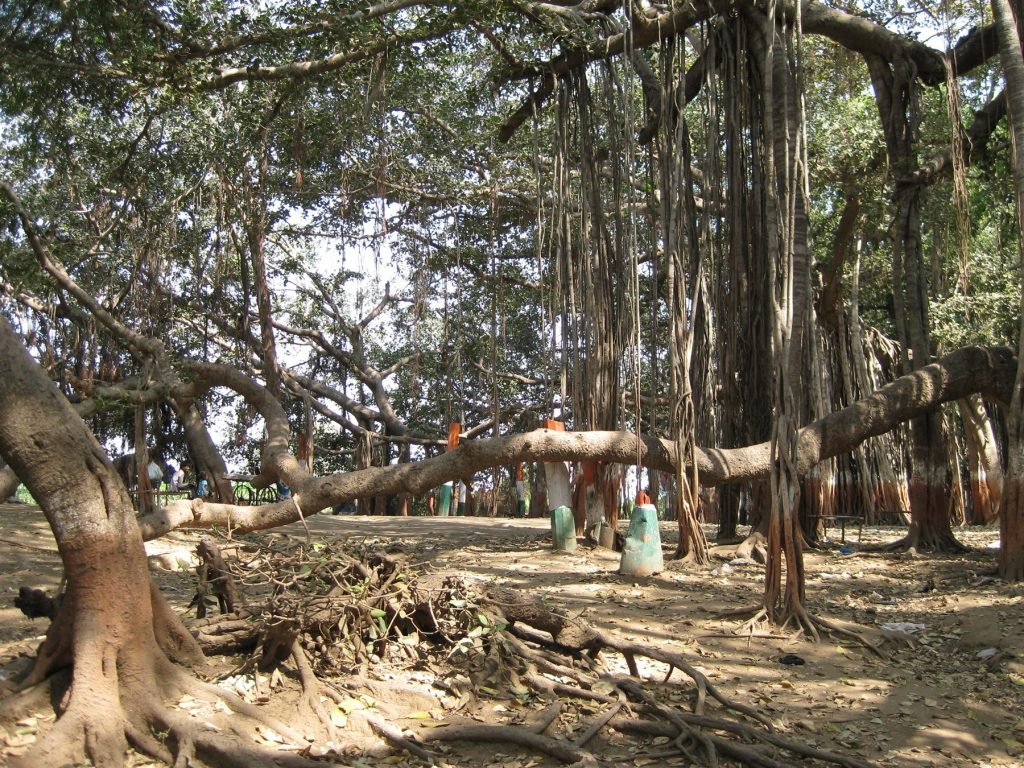
Ancient peepal trees with stone platforms, kept as sacred sites.
The village fairs that gather the community through the year.
Drive or cycle the lanes of the Charotar and look for shrines tucked into crossroads, fields and village squares.
Find the roadside devli — small stone shrines that mark the sacred edges of the farming landscape.
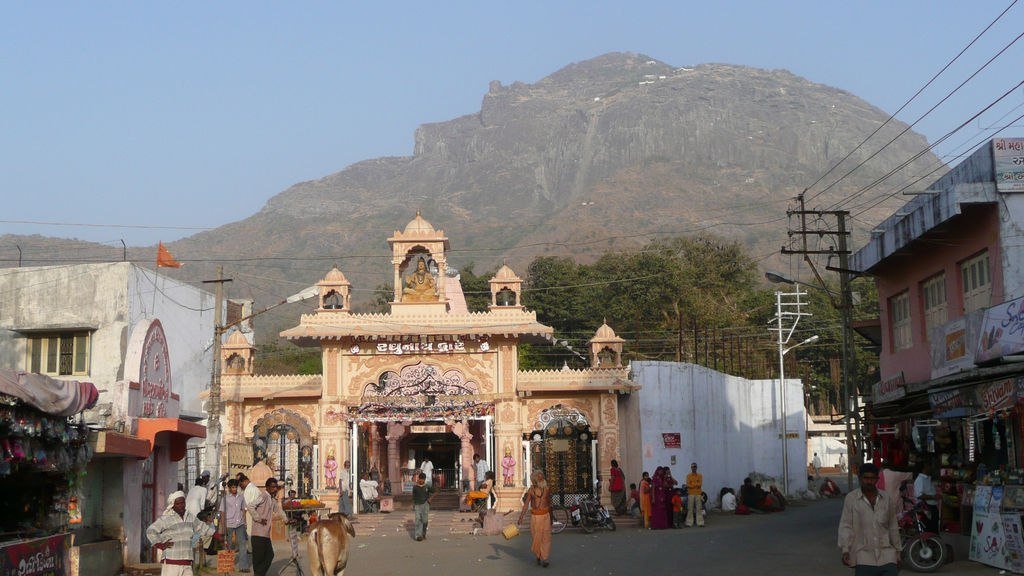
Step into a village temple, a community space as much as a sacred one, at the centre of rural life.
Watch a village puja respectfully, keeping a quiet distance and following local custom.
Look for the ancient peepal trees with their stone platforms, sacred sites in their own right.
Ask villagers for the stories behind the shrines — the legends and gods that give each site its meaning.
Illustration — a Charotar shrine.
The Charotar’s village shrines — devli (roadside shrines), devi mandirs and village temples — form the living sacred landscape of Anand district, a folk religious geography of ancient origin that remains vibrant in the farming communities of the region.
These are humble, informal structures: small stone platforms, modest brick mandirs, sacred trees ringed with offerings. There is no single grand monument here but a scattered, open network of sacred sites — an emblem of how folk faith is built into the everyday fabric of the Charotar plain.
A living folk sacred landscape
Devi shrines & roadside devli
Village mandirs & annual melas
A Charotar folk religious tradition
The ideal season for temple visits — cool, dry and comfortable for unhurried wandering through the villages.
Lush and green, with some festivals. Showers pass quickly and the fields turn vivid.
Hot across the plain; early morning visits are best before the day heats up.
⏰ October to March is the best season for temple visits in Anand.
Ahmedabad's Sardar Vallabhbhai Patel International Airport is roughly 70 km away, an easy drive to Anand.
Anand Junction is a major stop on the Mumbai–Ahmedabad line, well connected across the network.
Anand sits on the NH-48 corridor; the villages of the Charotar fan out from the town by local road.
SACRED SPACES
The roadside shrines that mark the crossroads and field edges of the plain.
The devli — small stone shrines, their offerings and worn carvings.
Village mandirs framed by lanes, trees and everyday village life.
Morning, when the light is soft and the villages are at their quietest.
Hearty Charotar meals — unlimited Gujarati thalis full of farsan and sweets.
Steamed snacks — soft khaman and the farsan the region is known for.
Street food in the town, from chaat carts to evening snack stalls.
Fresh shrikhand, basundi and doodh pak — Anand is dairy country, home of Amul.
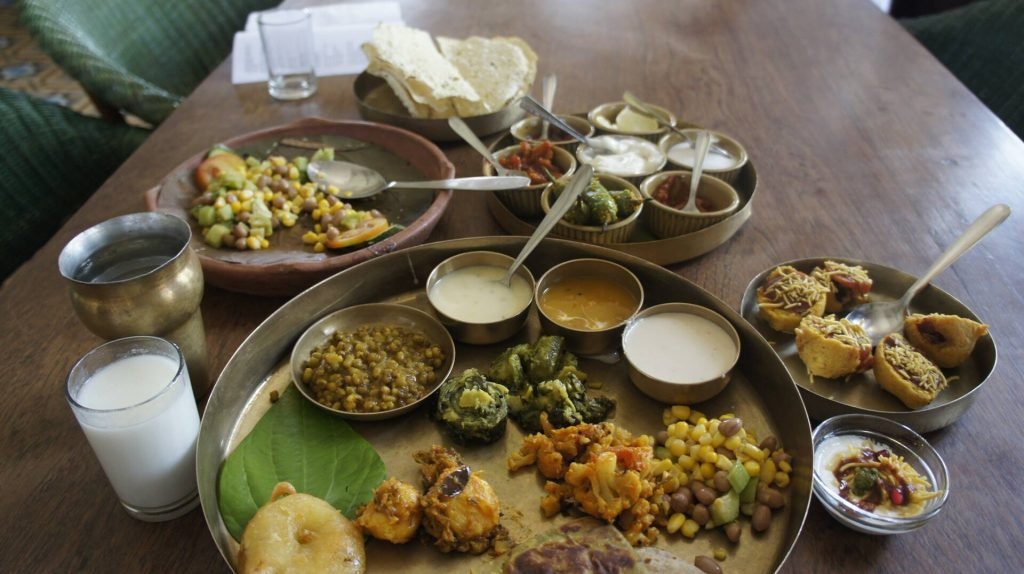
A living landscape of folk sacred sites — devli, devi mandirs and village temples across the Charotar plain.
Scattered across the villages of Anand district, off the main signposted routes.
No — the shrines are free and open.
October to March, when the weather is cool and comfortable.
Devli roadside shrines, devi mandirs and village temples, plus sacred peepal trees and annual melas.
A morning is enough to wander a cluster of villages and their shrines.
WHERE TO STAY
Compare live prices across the big booking sites and reserve in a few taps. Booking happens securely on the partner's site — we may earn a small commission at no extra cost to you.
SHOP THE REGION
Hand-picked crafts and trip gear, available on Amazon.