Home › Chhota Udaipur › Babo Pithoro Shrine
TRIBAL DEITY · RATHWA · SACRED ARTThe deity at the centre of the mural — Babo Pithoro, the Rathwa Adivasi deity-king whose image fills the sacred wall paintings of Chhota Udaipur, is venerated at shrines in the tribal villages, the meeting point of art and worship in the Rathwa religious tradition.
Babo Pithoro — variously described as a deity, a hero-ancestor, or a divine king — is the central figure of the Rathwa Adivasi religious tradition in Chhota Udaipur district. He is the subject of the Pithora mural paintings that cover the inner walls of Rathwa homes during sacred ceremonies, always depicted mounted on a white horse, accompanied by his brother, his wife, his court and a divine retinue of animals, birds and celestial figures.
Veneration of Babo Pithoro takes place in the domestic and ritual context — the commissioned Pithora painting is itself an act of worship, and the completed mural becomes the focus of ongoing veneration. There are also specific village shrines, sacred groves (oran) and ritual gathering places where Pithoro is honoured through festival, dance and offering.
The relationship between Pithoro and the Rathwa world is total: his story is the narrative content of the paintings, his image is the central motif, his protection is what the ceremony seeks, and his presence — in the painting, at the shrine, in the festival — is the sustaining religious reality of the community. (This is an active, living tribal religion. Visit shrines with a guide; maintain respectful behaviour; do not enter ritual spaces without invitation.)
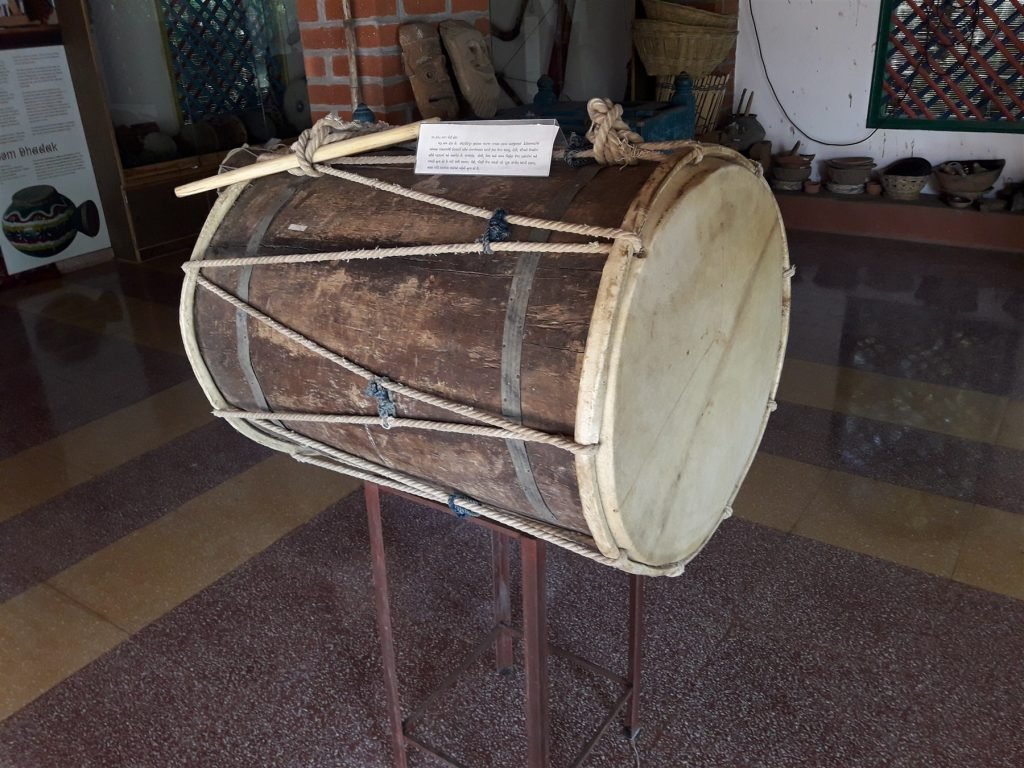
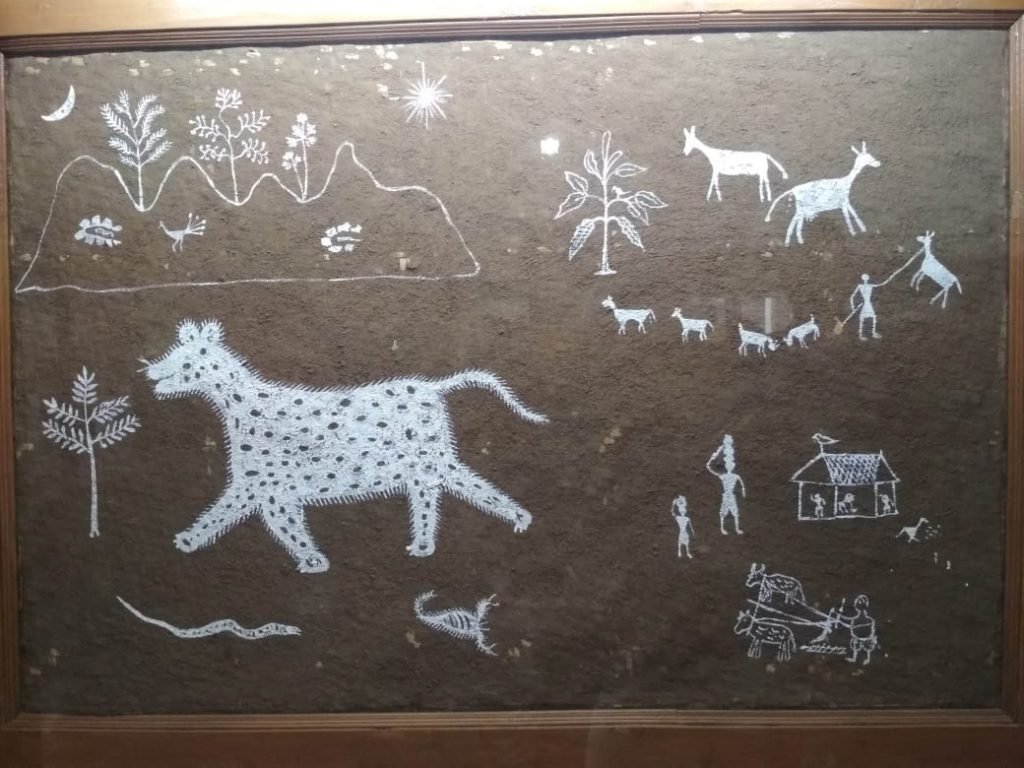
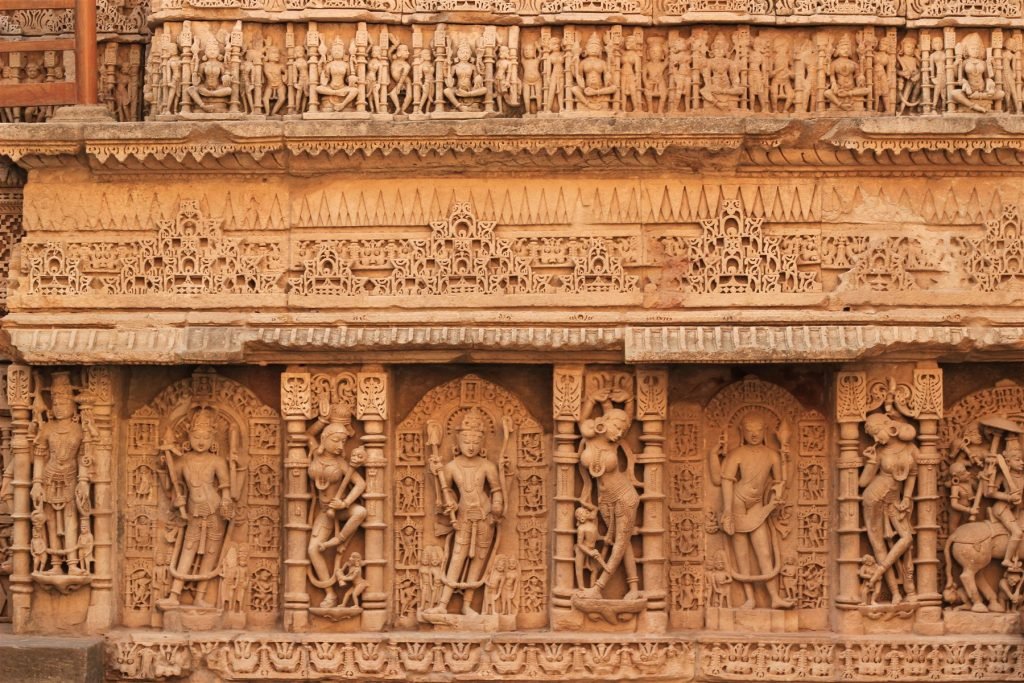
Illustration — Babo Pithoro, the Rathwa deity.
Illustration — Babo Pithoro.
The veneration of Babo Pithoro is rooted in the ancient religious world of the Rathwa Adivasi of eastern Gujarat.
Pithoro stands at the heart of every ceremony — a divine king-hero whose blessing the community seeks.
The commissioned mural is itself an act of devotion, and the finished painting becomes a focus of veneration.
The faith remains a living tribal religion, sustained through festival, dance, offering and the painting ceremony.
A living religion.
Pithora as devotion.
Pithoro's mount.
Tribal sacred ecology.
Ritual belonging.
An oral-visual cosmology.
On the white horse.
Tribal ritual.
Essential.
The deity depicted.
On a white horse.
The Pithora ritual context.
With permission.
Sacred space.
Illustration — Babo Pithoro.
Babo Pithoro is the supreme deity of the Rathwa Adivasi — a divine king-hero figure whose narrative is the content of the Pithora mural tradition. The Pithora ceremony is commissioned by families seeking Pithoro’s blessing, particularly at weddings and in times of illness. The lakhara artist who paints the mural is a ritual specialist, not merely a craftsperson. (Active tribal religion; enter sacred spaces only with guide and invitation.)
Babo Pithoro — supreme deity of the Rathwa Adivasi
Depicted in all Pithora murals on a white horse
Venerated at village shrines and sacred groves
The Pithora ceremony is itself an act of devotion
Cool — best for pilgrimage. Comfortable through the day and ideal for unhurried village visits.
Lush; flooding risk on paths. The forest turns green, but rural tracks can be difficult after heavy rain.
Hot; early morning best. Dry and warm — set out at first light and keep visits short.
⏰ October to February is ideal for spiritual visits in Chhota Udaipur.
Vadodara airport is the nearest, roughly 100 km away, with onward road connections into the Chhota Udaipur tribal belt.
Bodeli and Chhota Udaipur are the closest railheads, linking the district to Vadodara and the wider network.
NH-56 from Vadodara reaches Chhota Udaipur; from there local roads run out to the Rathwa villages.
RESPECT FIRST
Always seek explicit permission before photographing shrines, murals, people or any ritual.
With consent, the Pithora murals and their white-horse imagery are extraordinarily photogenic.
Do not photograph ceremonies, sacred groves or ritual spaces without an invitation.
A local guide secures access and ensures your presence is welcome and respectful.
Comfort home cooking.
Forest produce & millet.
Tribal staple.
From Adivasi villages.
Expect simple, hearty Rathwa cooking — millet rotis, forest produce and honey from the Adivasi villages.
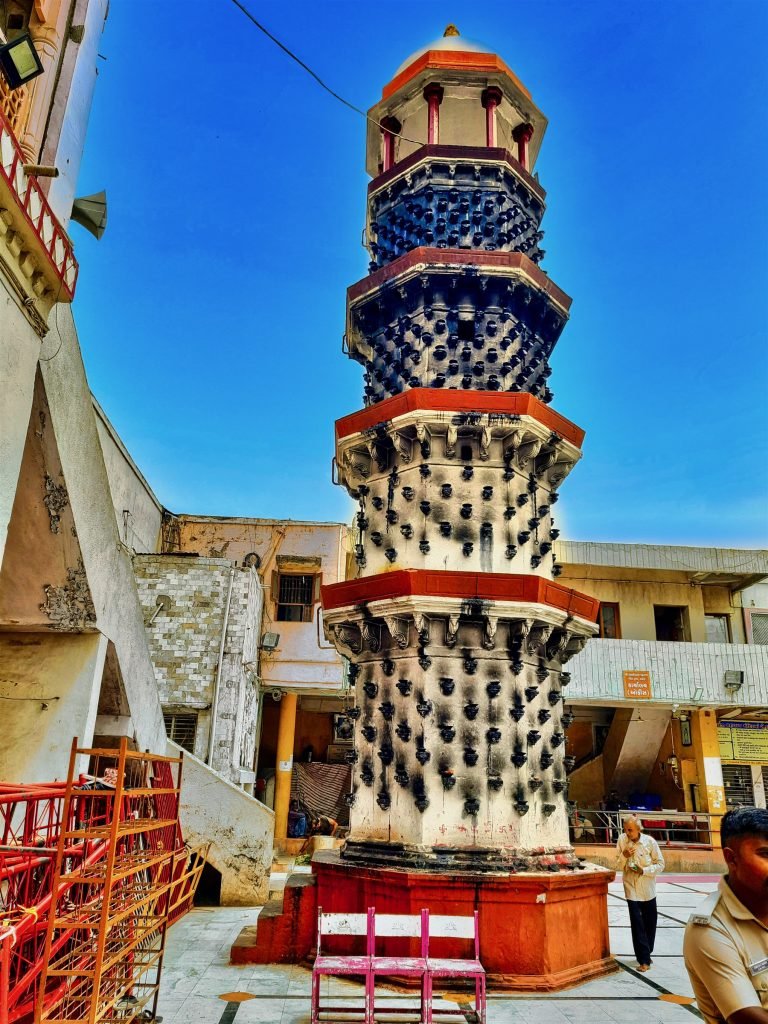
The supreme deity of the Rathwa Adivasi.
Village shrines and sacred groves — ask a guide.
Sometimes — with permission.
Never without explicit permission.
Yes — always.
On a white horse, with his court.
WHERE TO STAY
Compare live prices across the big booking sites and reserve in a few taps. Booking happens securely on the partner's site — we may earn a small commission at no extra cost to you.
SHOP THE REGION
Hand-picked crafts and trip gear, available on Amazon.