
Region
Eastern Gujarat hill belt
Best time
Winter and post-monsoon
Ideal duration
A day or more
Good for
Nature lovers and scenic drives
The eastern ghats, as this entry uses the term, describe the forested hill belt that runs along Gujarat's eastern edge, where the state rises toward the higher country of central India. Stretching through districts such as Chhota Udepur, Dahod and the Dangs, this is a landscape of wooded ridges, river valleys and tribal villages, quite different from the plains and coast most travellers associate with Gujarat. It offers cooler air, greenery and a strong sense of rural, tribal culture.
This eastern hill country is more about landscape and atmosphere than single headline sights, taking in forests, waterfalls, wildlife sanctuaries and craft and festival traditions along its length. It rewards slow, exploratory travel by road, with plenty of scope to combine nature and culture. Facilities are modest in places, so come prepared for rural conditions and let the region's quiet, green character set the pace of your trip.
What to see and do in the eastern ghats
Scenic drives through the wooded hills are a pleasure in themselves, linking forests, rivers and viewpoints. Along the way you can take in wildlife sanctuaries, waterfalls and the rural, tribal life of eastern Gujarat.
The region also holds craft towns and vivid festivals, so it suits travellers who like to mix nature with culture. Base yourself in a regional town and explore outward, combining several of the area's scattered highlights.
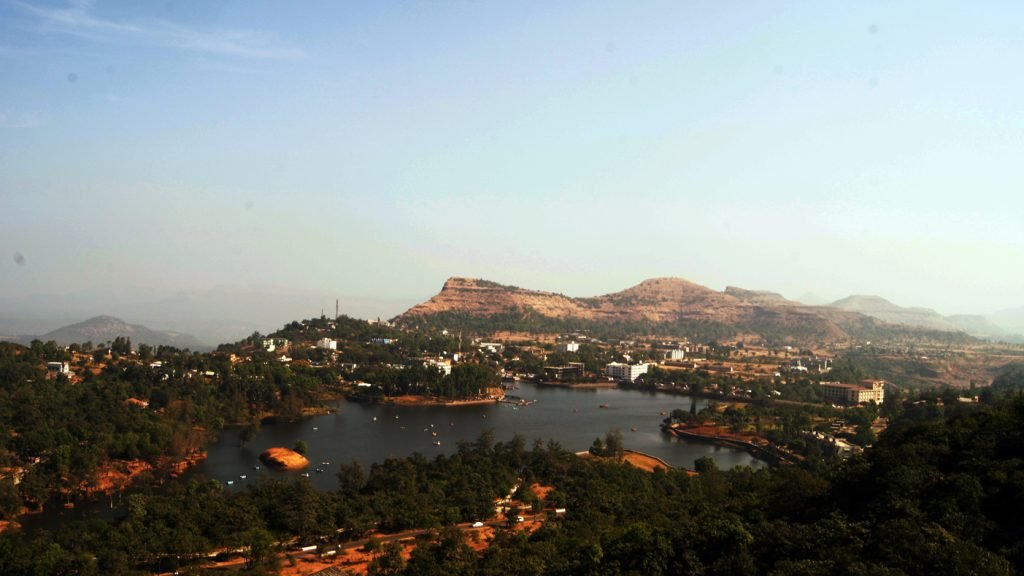
Eastern Ghats
How to get there
The eastern hill belt runs along Gujarat's border districts and is reached by road from hubs such as Vadodara for the Chhota Udepur side and from south Gujarat towns for the Dangs. A vehicle is essential for exploring this spread-out, rural region at your own pace.
Best time to visit the eastern ghats
The post-monsoon and winter months are the most rewarding, when the hills are green and the weather is comfortable for travel. The monsoon itself brings lush scenery and full waterfalls but tougher road conditions, so plan around the season that suits your priorities.
Good to know
- Explore by road at an unhurried pace.
- Combine nature, wildlife and tribal culture.
- Come prepared for rural, modest facilities.
- Visit post-monsoon for green, comfortable travel.
Frequently asked questions
What is meant by the eastern ghats here?
It refers to the forested hill belt along Gujarat's eastern edge, through districts like Chhota Udepur, Dahod and the Dangs.
What is there to do?
Scenic drives, forests, waterfalls, wildlife sanctuaries and tribal craft and festival culture.
When is the best time to visit?
The post-monsoon and winter months, for green scenery and comfortable travel.
Naming the hills properly
A note on names first: the true Eastern Ghats run along India's east coast, a thousand kilometres from here. What this page covers is Gujarat's own eastern hill belt — the chain that runs down the state's inland border where the Aravalli, Vindhya, Satpura and Sahyadri systems meet in succession. Locally the shorthand 'eastern ghats' gets used for these hills, and it is these — Gujarat's forested eastern edge — that a traveller in the state can actually reach.
The belt runs the full length of the border: Aravalli foothills in the north around Polo Forest and Shamlaji, the Vindhyan country of Chhota Udaipur and Dahod in the middle, the Satpura block above the Narmada at Shoolpaneshwar, and finally the Sahyadri proper in the Dangs, where Saputara sits at a thousand metres.
What the belt holds
This is Gujarat's forest. Rainfall along the eastern edge is the highest in the state, and the hills carry teak and bamboo in the north, mixed deciduous forest through the middle, and near-evergreen Sahyadri woodland in the far south. The state's best waterfalls are all here — Girmal, Ninai, Zarwani, Hathni — and they run from the monsoon into early winter.
It is also Adivasi Gujarat. Bhil, Rathwa, Vasava, Dhodia and Warli communities live along the whole belt, and their haats, fairs and wall-painting traditions are as much the region's substance as the forest. The Kawant fair near Chhota Udaipur and the Dangs Darbar at Ahwa are the calendar's peaks.
Working down the belt
North: Polo Forest's ruined temples in the Harnav valley, Vijaynagar's woodland, and the Shamlaji temple at the belt's gateway. Centre: Ratanmahal's sloth bear sanctuary above Dahod, the Pithora-painting villages of Chhota Udaipur, and Jambughoda's quiet reserve near Champaner. Narmada: Shoolpaneshwar sanctuary's deep forest, the Ninai and Zarwani falls, and the Statue of Unity where the river leaves the hills. South: the Dangs — Saputara, Girmal falls, Purna sanctuary and Don hill — the greenest country in Gujarat.
Planning a hill run
The belt is long; treat it as segments rather than one trip. Any single segment pairs a sanctuary, a waterfall and a market town into a comfortable two-day loop from Ahmedabad, Vadodara or Surat. A car is essential, roads are decent but slow, and accommodation is thin outside Saputara and Kevadia — book the forest lodges ahead.
Just after the monsoon, September to November, is the belt at its best: waterfalls full, forest dense, air washed clean. Winter is the comfortable season and fair season both. Summer is hot but the higher Dangs stay bearable. In the rains themselves the hills are spectacular and the driving is slow — go, but pad the schedule.