Home › Morbi › Maliya & Little Rann
FRONTIER · LITTLE RANN · SALTMorbi's wild northern frontier — Maliya-Miyana on the edge of the Little Rann of Kutch, a vast salt flat of shimmering horizons, salt pans and roaming wild asses.
At the northern edge of Morbi district, beyond the town of Maliya-Miyana, the land dissolves into the Little Rann of Kutch — a vast, surreal expanse of cracked salt flats and shimmering horizons that floods in the monsoon and bakes hard and white in the dry months. This is one of the strangest and most haunting landscapes in India.
It is also a crucial wildlife frontier. The Little Rann is the last refuge of the Indian wild ass (khur), and Maliya is one of the gateways to this wilderness of salt, scrub and mirage. The area is a centre of traditional salt-farming too, where the Agariya community harvests salt from the brine in geometric pans laid out across the flats.
Wild, empty and beautiful, the Maliya–Little Rann frontier offers an unforgettable contrast to Morbi’s busy heritage town — endless sky, roaming wildlife and the elemental landscape of the Rann.
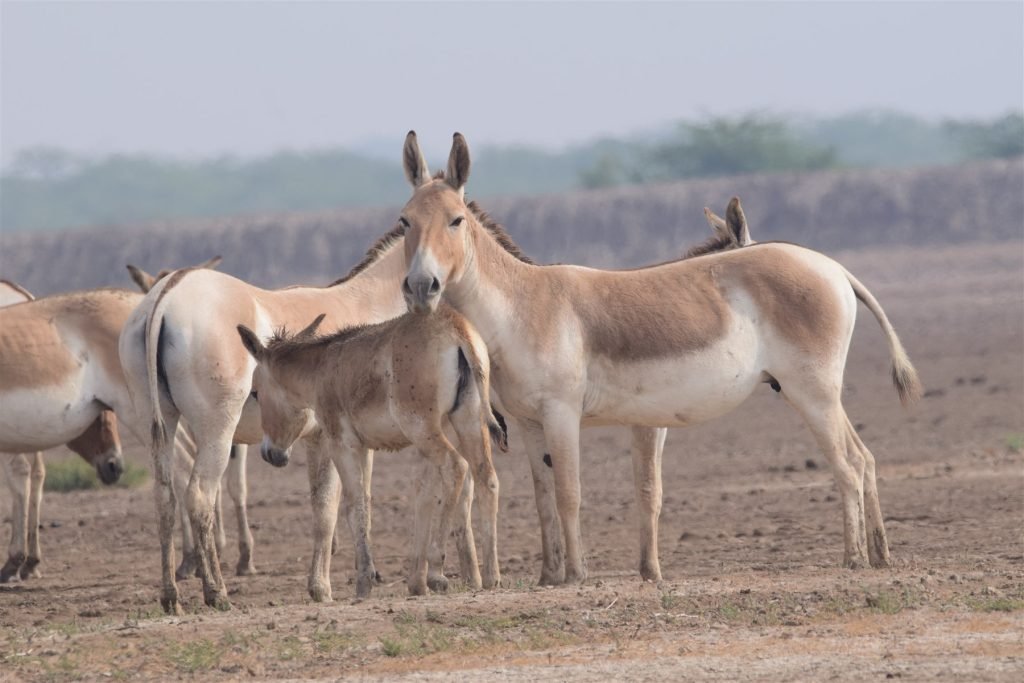
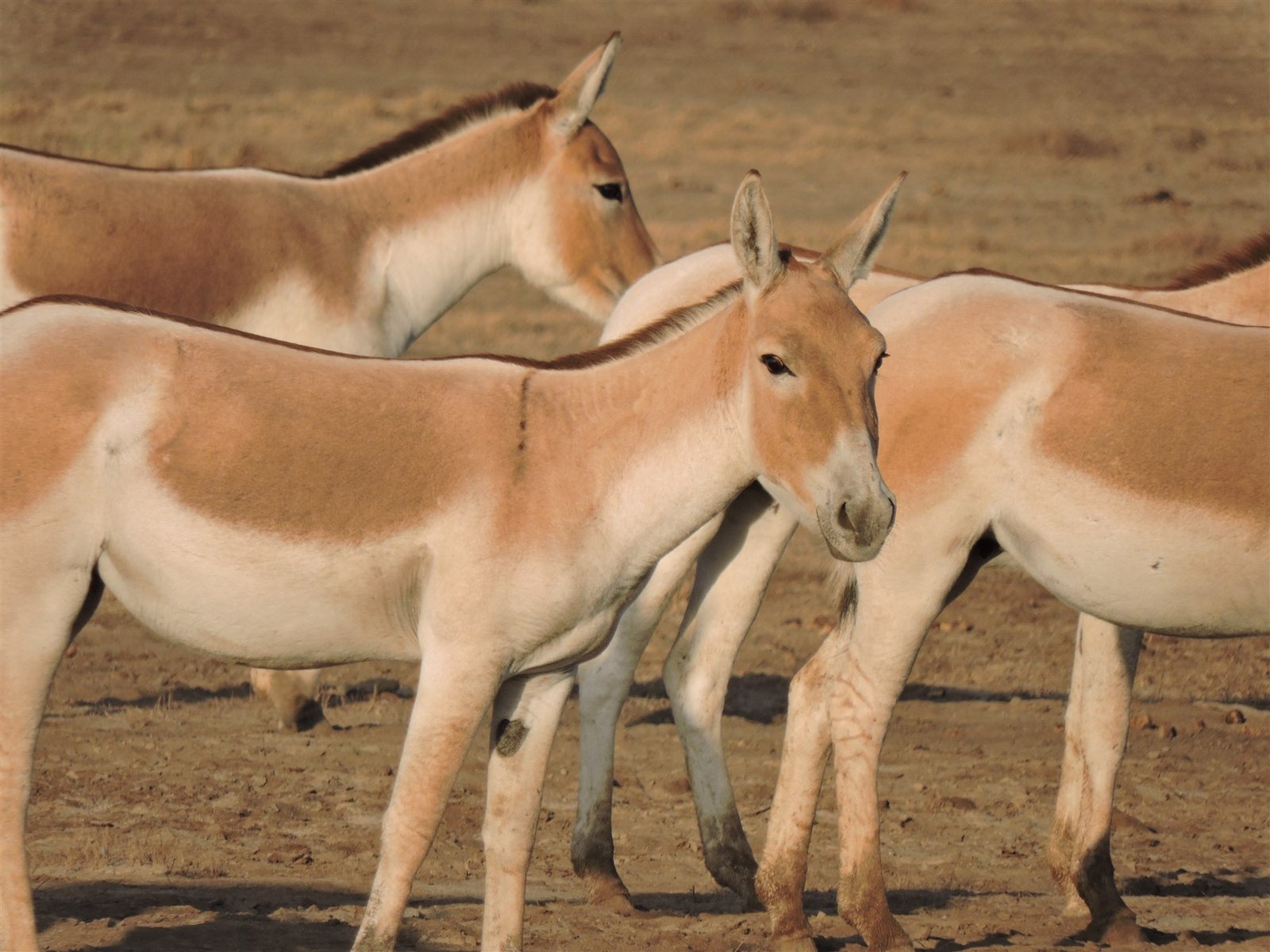
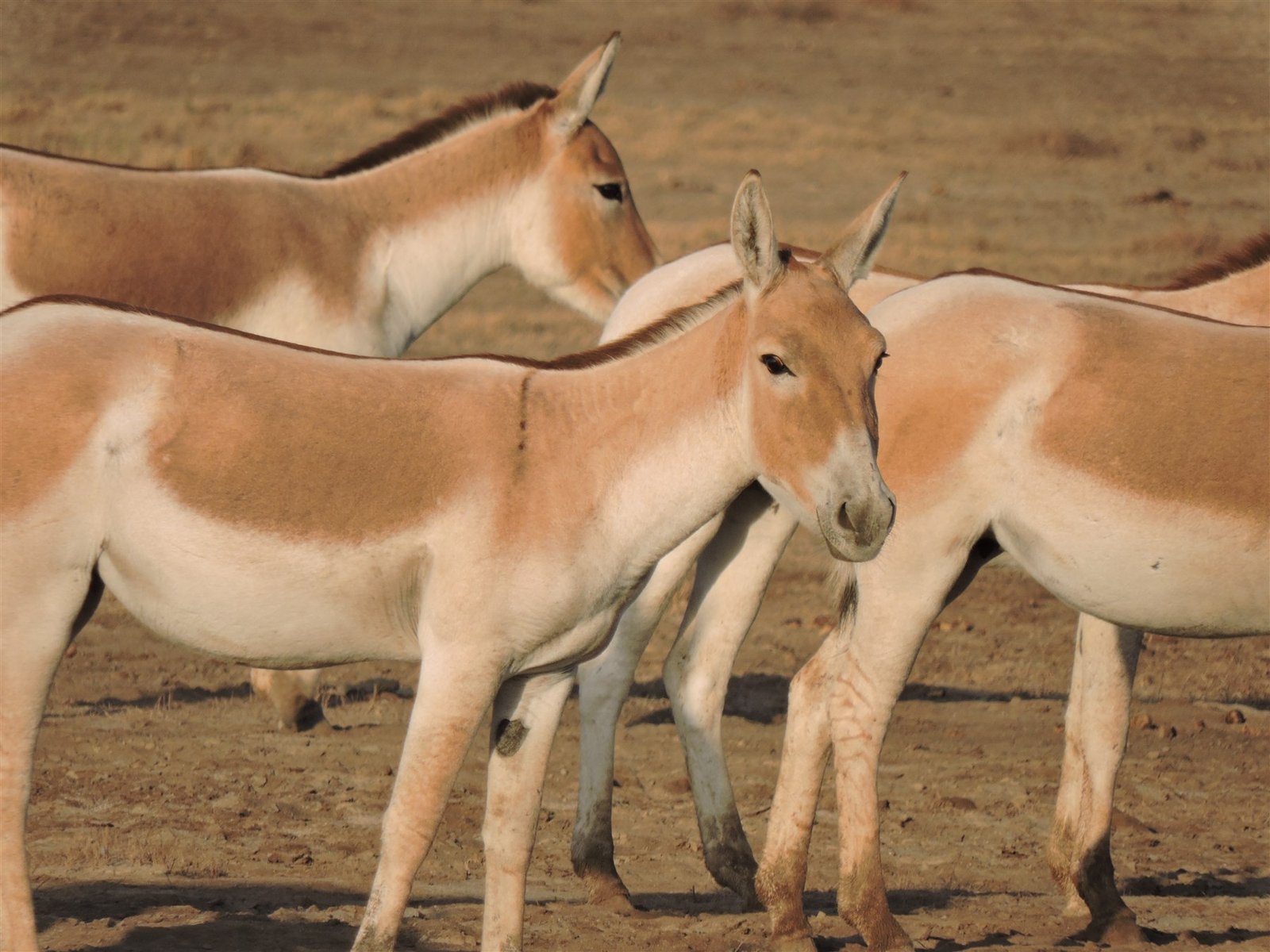
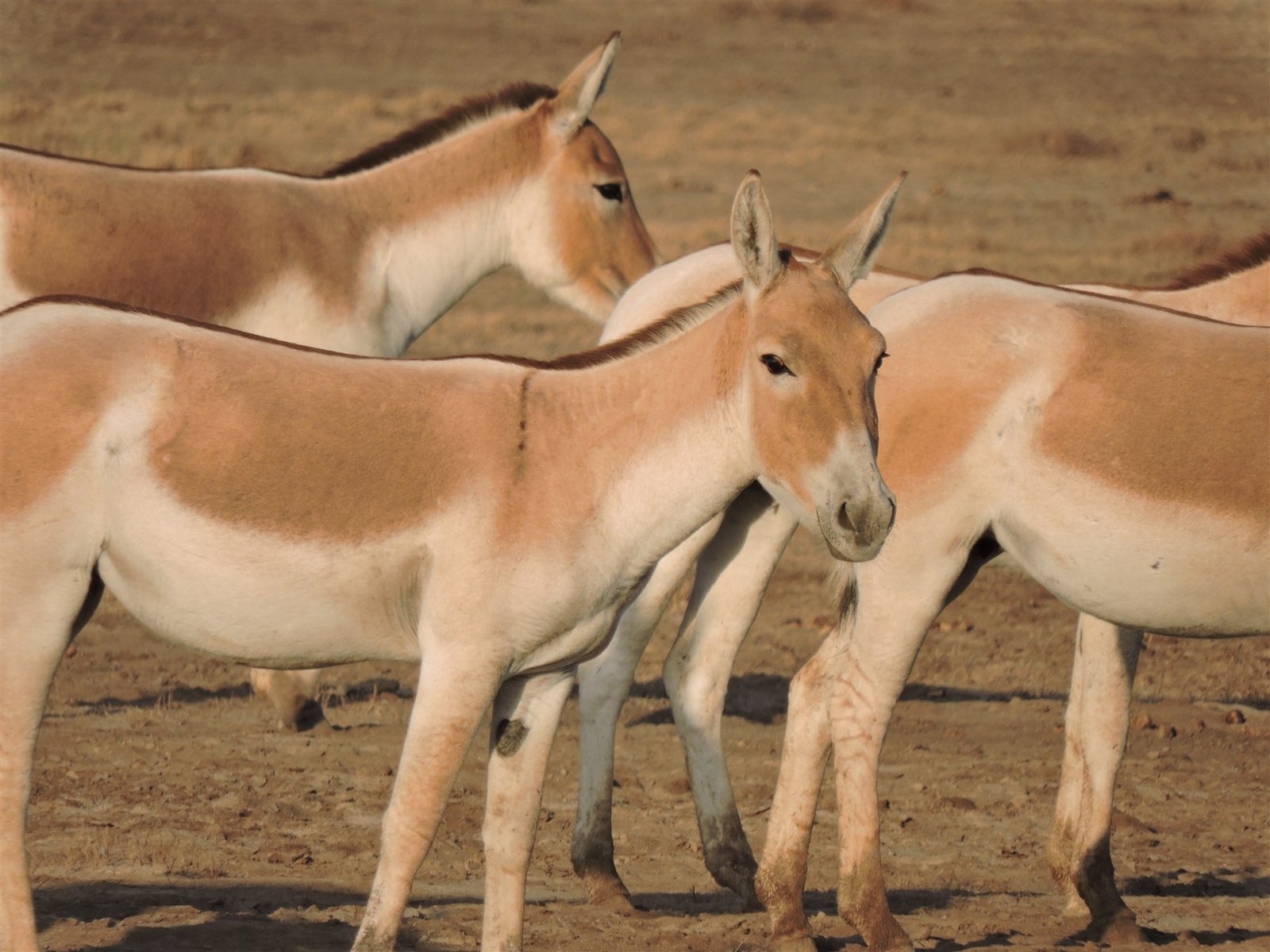
Wild asses on the Little Rann.
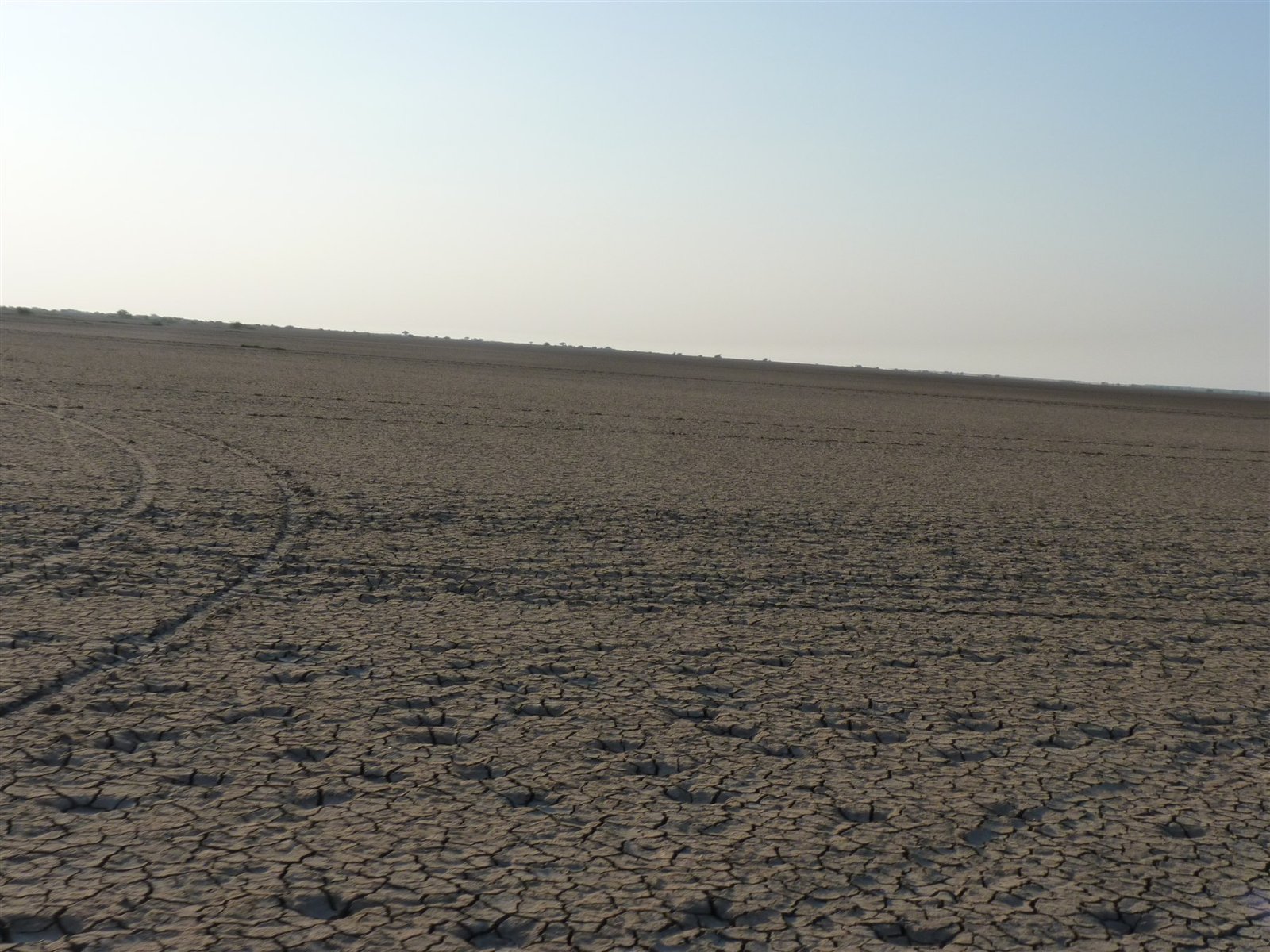
The shimmering Little Rann flats.
The Little Rann floods each monsoon and dries to a cracked white plain — a salt marsh that has shaped life on Morbi's frontier for centuries.
Over time the Rann became the last refuge of the Indian wild ass, protected today within the Wild Ass Sanctuary.
For generations the Agariya community has farmed salt on the flats, harvesting brine in geometric pans through the long dry season.
The frontier is reached via Maliya-Miyana and explored on permit-controlled safaris into the salt wilderness.
See the khur of the Rann — the endangered Indian wild ass that survives here in roaming herds.
Surreal white horizons of cracked salt stretch unbroken to a shimmering, mirage-blurred edge.
Watch traditional salt-farming, where brine is worked into geometric pans across the flats.
Flamingos, cranes and migratory flocks gather around the Rann's seasonal water and scrub islands.
Endless, empty land under enormous skies — among the quietest, widest horizons in India.
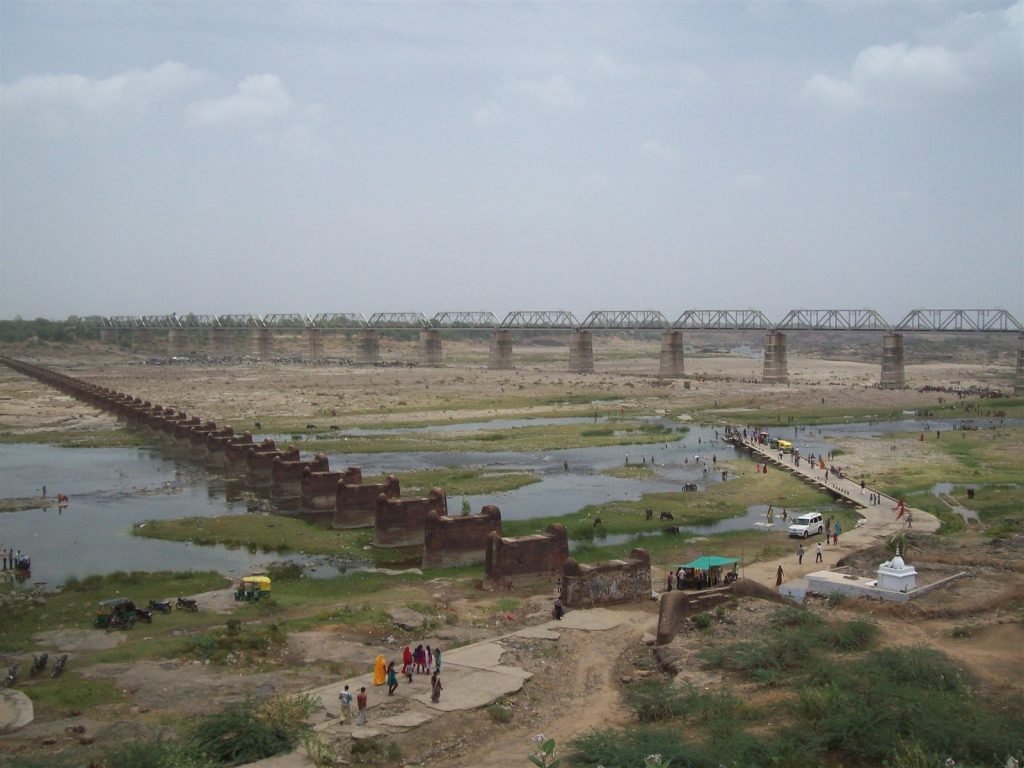
Maliya is one of the frontier towns from which the Little Rann wilderness opens up.
Herds of khur roaming the open flats — the Rann's iconic wildlife.
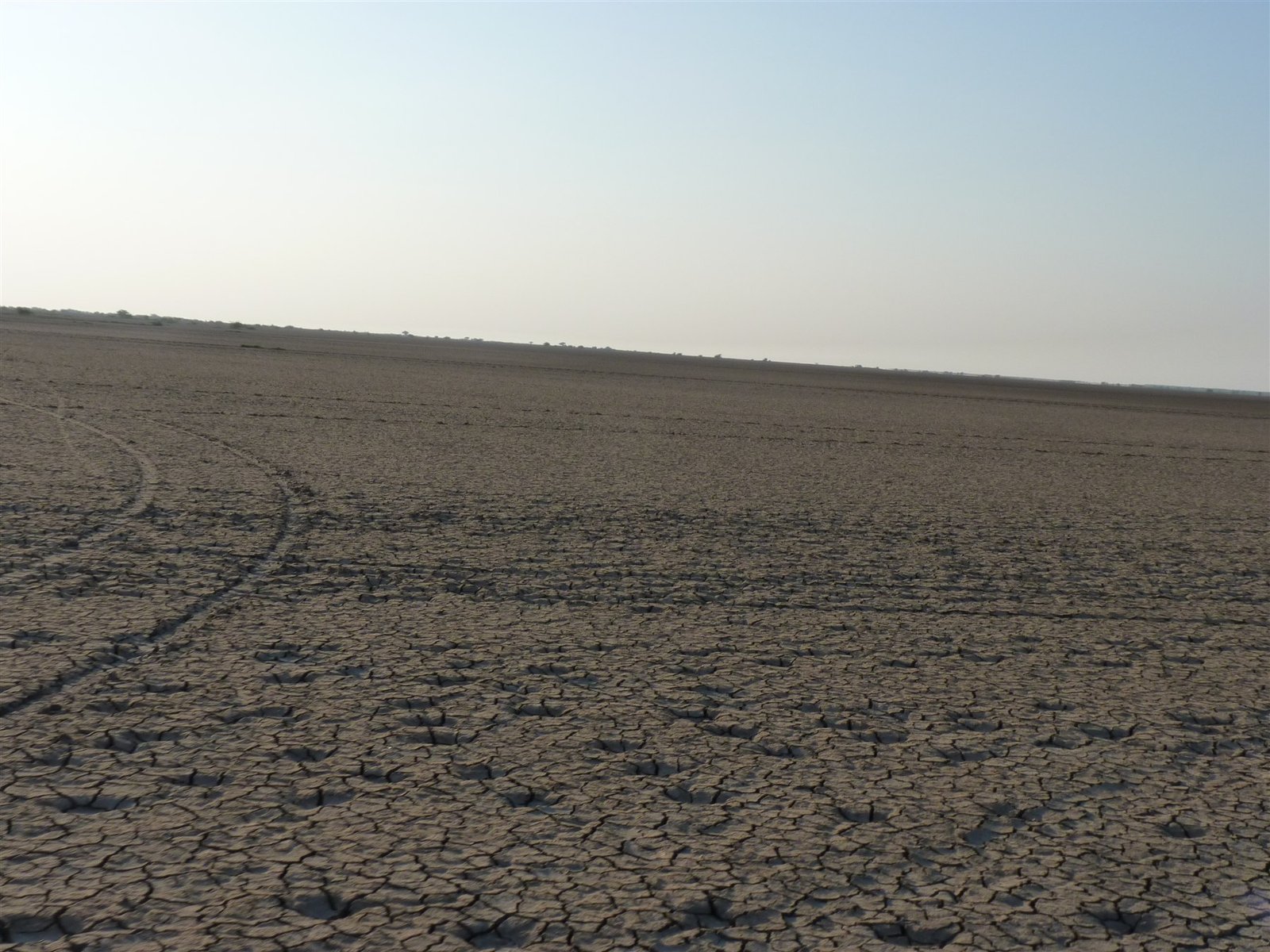
Shimmering horizons of cracked white salt under an immense sky.
Seasonal water draws flamingos, cranes and clouds of migratory birds.
Geometric salt pans worked by hand across the brine of the flats.
Grassy islands rise from the salt, sheltering nilgai, chinkara and foxes.
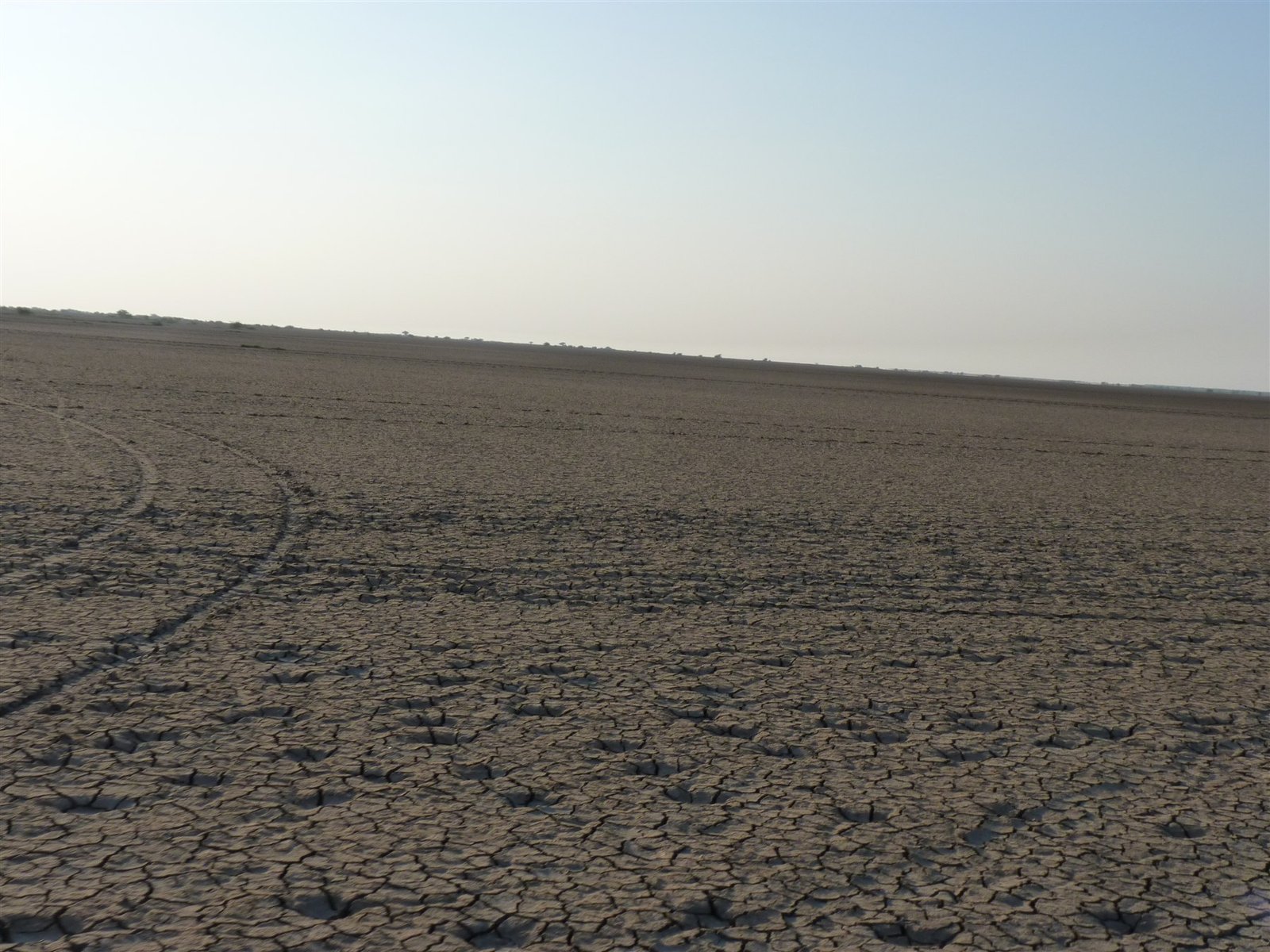
The frontier town and gateway on Morbi's wild northern edge.
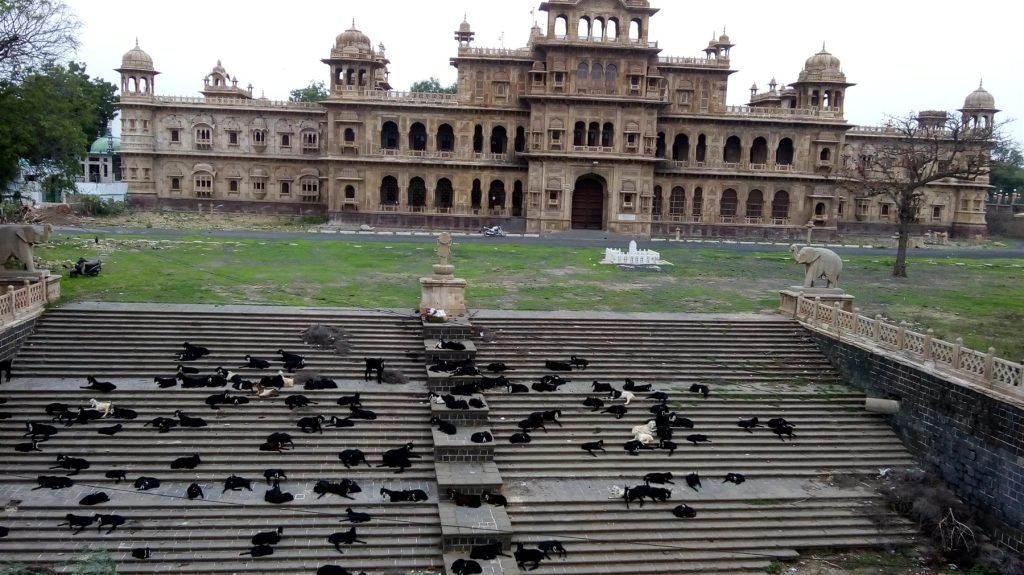
Make Maliya-Miyana your base — the frontier town that serves as a gateway to the Little Rann.
Head into the salt wilderness on a permit-controlled safari with a licensed guide or operator.
Track the khur herds across the open flats — the Rann's most famous and most endangered residents.
Scan the seasonal water and scrub islands for flamingos, cranes and migratory flocks.
Visit the Agariya salt pans to see how brine is harvested by hand across the flats.
Be on the flats at dawn or dusk, when low sun sets the salt and sky glowing.
Look for the grassy islands that rise from the salt, sheltering nilgai, chinkara and foxes.
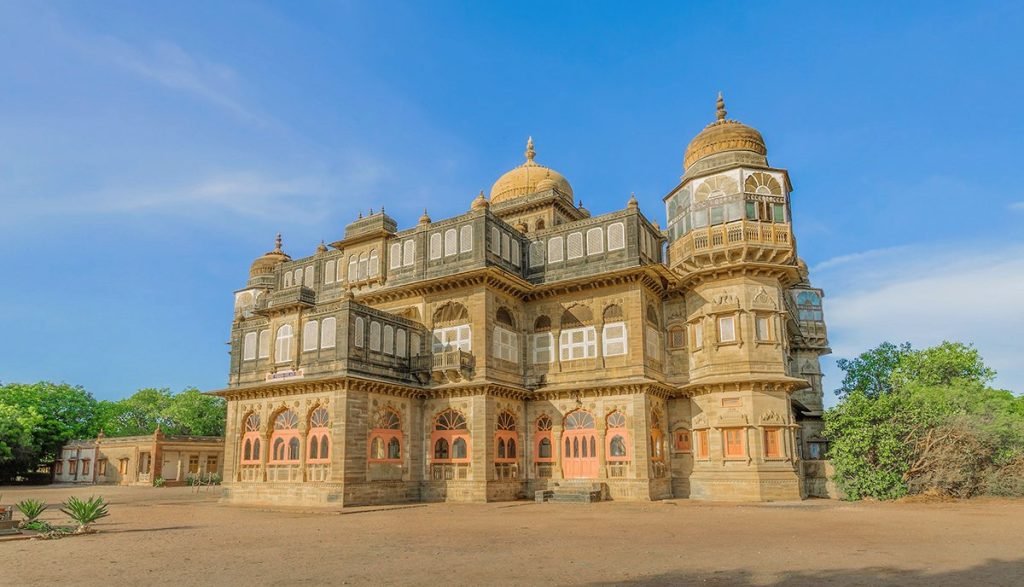
Balance the wild frontier with Morbi's heritage town — its temple-palaces and busy bazaars lie just south.
The wildlife of the Rann edge.
The Maliya frontier opens onto the Little Rann of Kutch: a seasonal salt marsh that floods in the monsoon and dries to a cracked white plain, dotted with grassy islands (bets) and crossed by salt-pans where the Agariya harvest salt.
Here the landscape, not architecture, is the wonder — an elemental expanse of salt, scrub and mirage that shelters the wild ass and a wealth of birds, best explored on a permit-controlled safari from the Rann’s gateways.
Edge of the Little Rann
Cracked salt flats & bets
Wild-ass habitat
Agariya salt-pans
Cool and clear — the best season for the Rann. Comfortable days and the prime window for wildlife and big skies.
The Rann floods and wildlife disperses; much of the flats becomes impassable salt marsh.
Hot, but wildlife gathers at the remaining water — rewarding if you start early and carry sun protection.
⏰ Visit in winter; explore the Rann on a permit-controlled safari, and catch the flats at dawn or dusk.
Rajkot airport is the nearest, with onward road connections; Ahmedabad's larger airport is a longer drive away.
The Maliya-Miyana and Morbi railheads serve the frontier, connecting onward to Rajkot and the wider network.
Maliya lies in north Morbi on the Rann's edge, reached by road via Morbi and the Kathiawar highways.
SALT & SKY
Wild asses on the flats — frame the herds against the empty white expanse.
Cracked salt and mirage, where the horizon dissolves into shimmering light.
Dawn and dusk, when low sun rakes warm colour across the salt and sky.
The Agariya salt-pans, their geometry catching the light in long, clean lines.
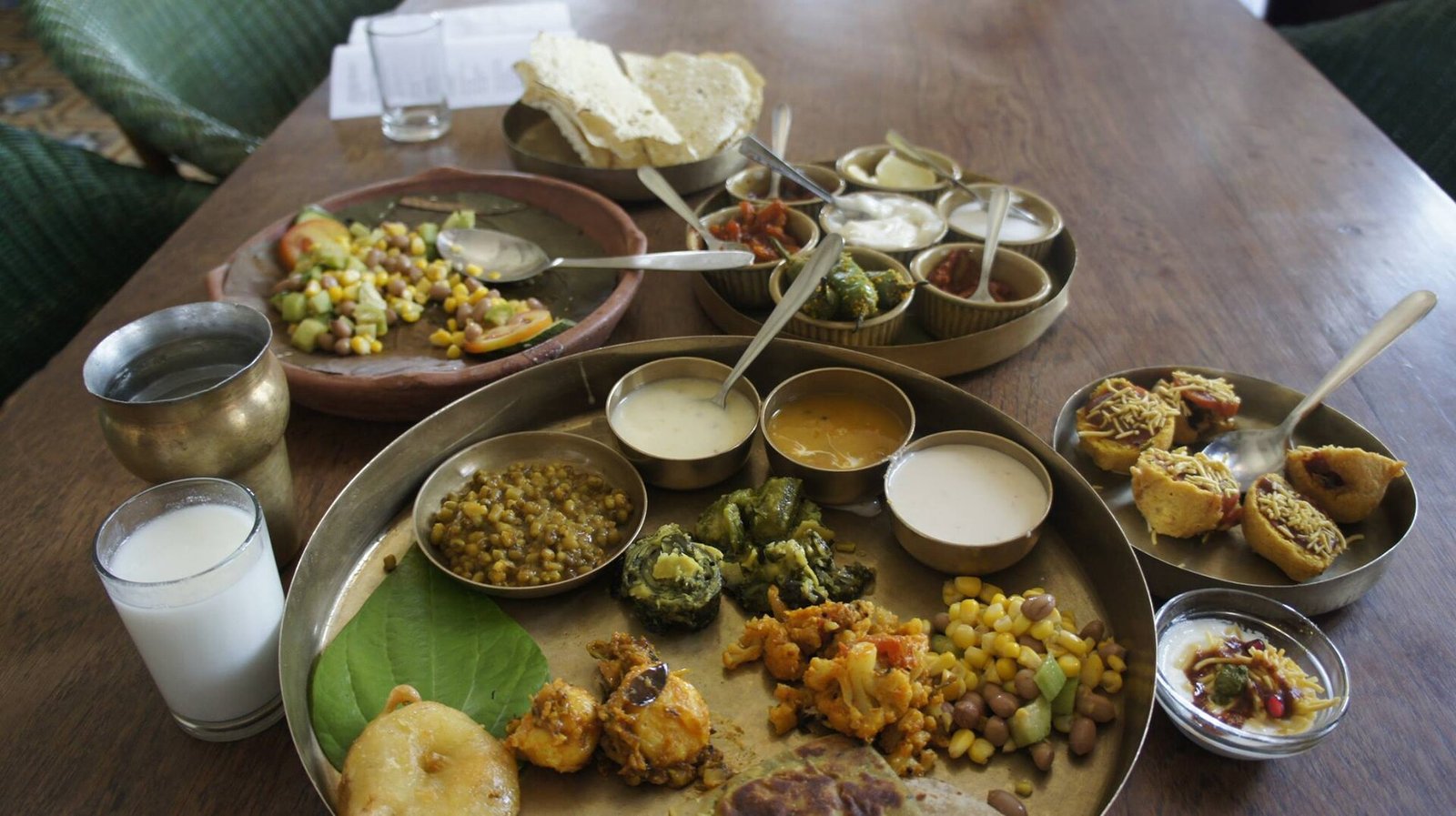
Rotla, kadhi, shaak and ghee-rich fare from the Saurashtra table.
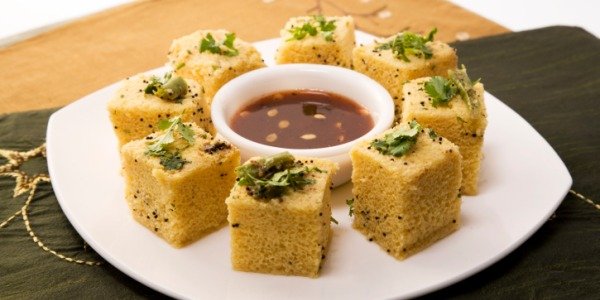
Saurashtra's beloved fried gram-flour snacks, fresh and crisp.
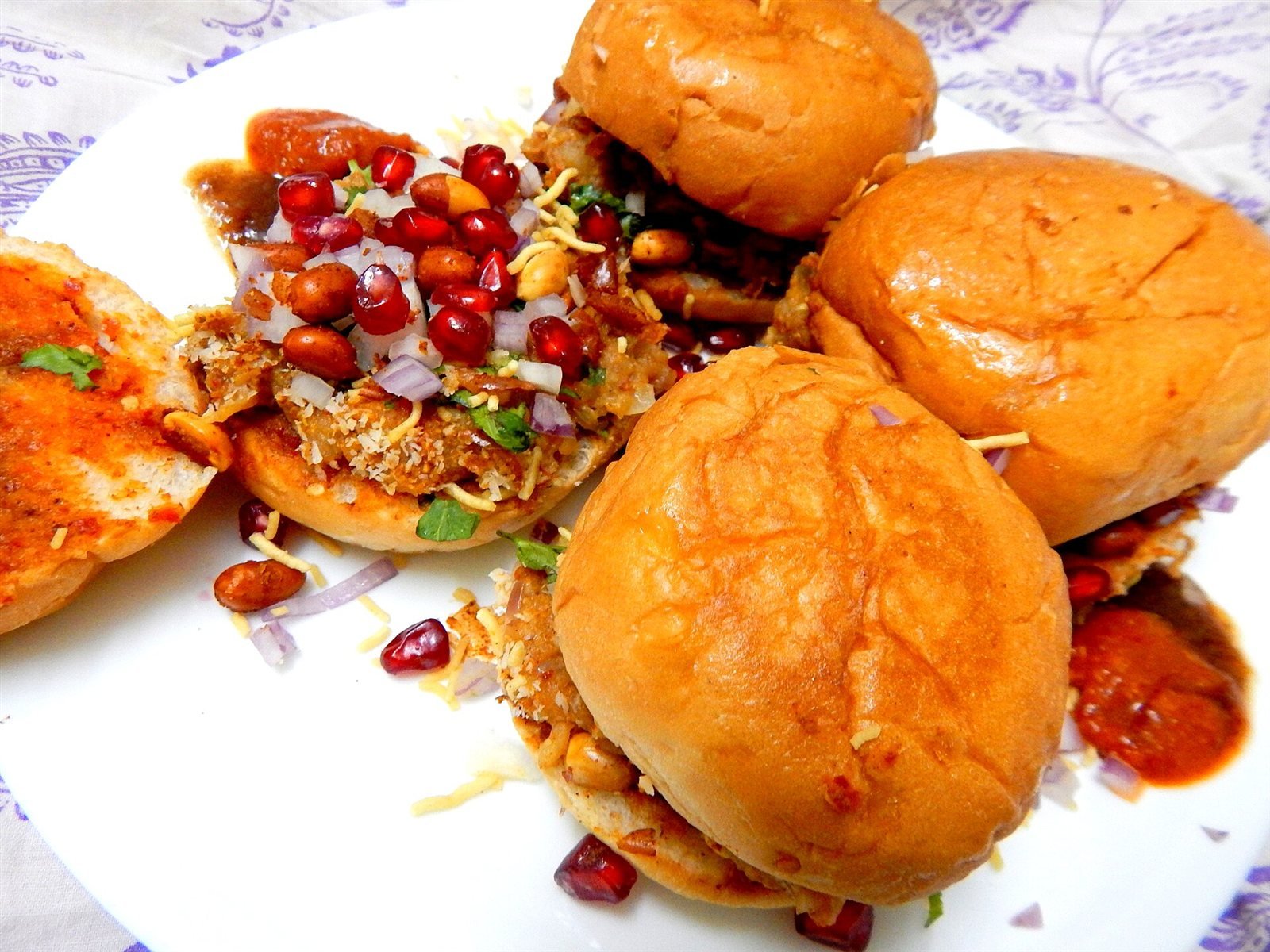
Lively local street food in Morbi's bazaars and roadside stalls.
Expect hearty Kathiawadi vegetarian fare and plenty of regional sweets.
A vast seasonal salt marsh north of Morbi, part of the Wild Ass Sanctuary, that floods in the monsoon and dries to a cracked white plain.
It's the last refuge of the Indian wild ass and a haunting salt-desert landscape of salt pans, scrub islands and shimmering horizons.
Maliya-Miyana is a town on Morbi's northern edge and one of the gateways to the Little Rann.
On a permit-controlled safari from the Rann's gateways, with a licensed guide or operator.
Salt traditionally farmed in pans on the flats by the Agariya community, harvested from brine through the dry season.
October to March, in the cool dry season; the Rann floods in the monsoon and is best avoided then.
Wild ass, nilgai, chinkara, foxes and many birds, including flamingos and migratory flocks around the seasonal water.
On the northern frontier of Morbi district, where the land meets the Little Rann of Kutch.
Yes — the Wild Ass Sanctuary requires permits; arrange them officially through a guide or operator.
No. This is a travel guide — please book any safari or permit through official channels.
Roughly 35 km south of the frontier, an easy onward drive.
Water, sun protection, neutral clothing and a camera with a longer lens for distant wildlife.
WHERE TO STAY
Compare live prices across the big booking sites and reserve in a few taps. Booking happens securely on the partner's site — we may earn a small commission at no extra cost to you.
SHOP THE REGION
Hand-picked crafts and trip gear, available on Amazon.