Home › Jamnagar › Pirotan Island
NATURE · MARINE-PARK ISLANDA tiny island in the Gulf of Kutch — heart of India's first Marine National Park — where coral reefs, mangroves, an old lighthouse and a shrine meet the sea.
Out in the Gulf of Kutch, a boat ride from the Jamnagar coast, lies Pirotan — a tiny, uninhabited island at the heart of India’s first Marine National Park. Despite its size, it brims with life: living coral reefs revealed at low tide, dense mangroves, and rock pools full of octopus, starfish, crabs and pufferfish, with clouds of seabirds and migratory waders overhead.
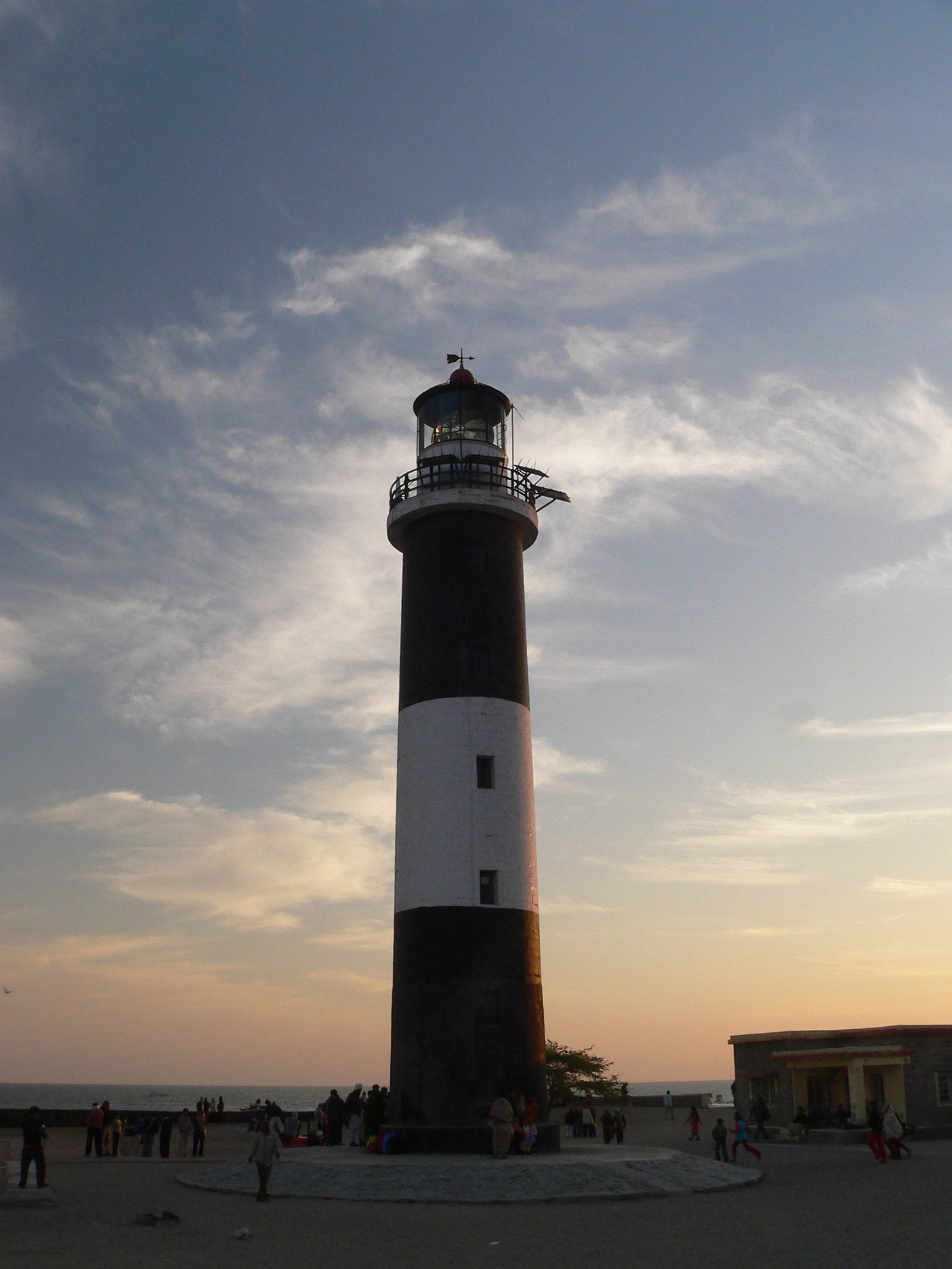
The island is watched over by an old lighthouse and a small dargah (shrine), lonely landmarks against the sea and sky. Visiting is a genuine expedition: it requires both forest and port permits, a boat, a guide and careful timing with the tides.
For those who make the effort, a low-tide reef walk on Pirotan is one of Gujarat’s most magical and least-known nature experiences — a hidden marine wilderness just off a busy industrial coast.
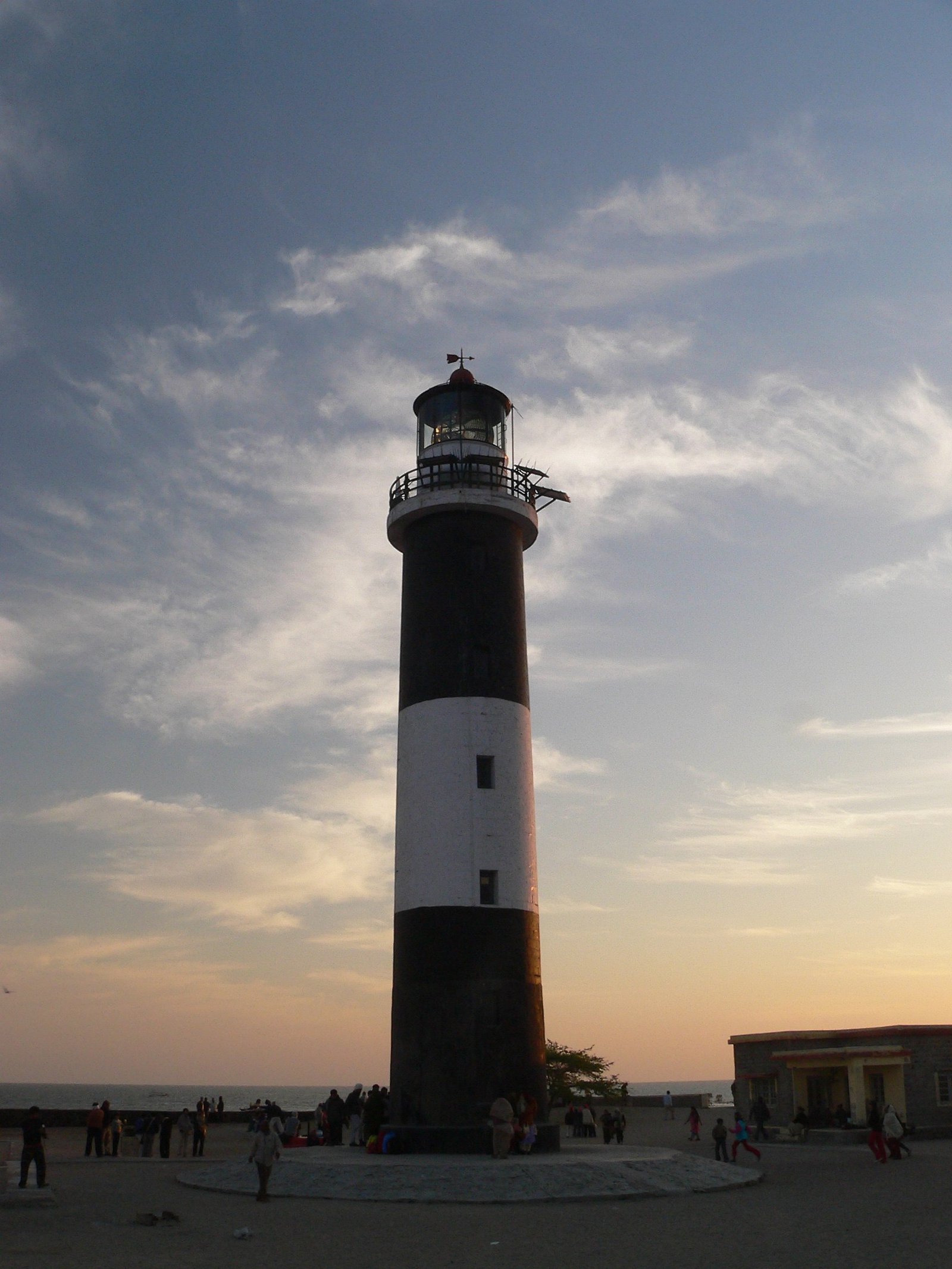
The old lighthouse on Pirotan.
Lighthouse, reef and mangrove.
The Gulf of Kutch holds India's first Marine National Park.
Pirotan, uninhabited, sits among its reefs and mangroves.
An old lighthouse and a dargah watch over it.
A permit-only island for guided marine exploration.
Living coral revealed at low tide.
Octopus, starfish, crabs and fish.
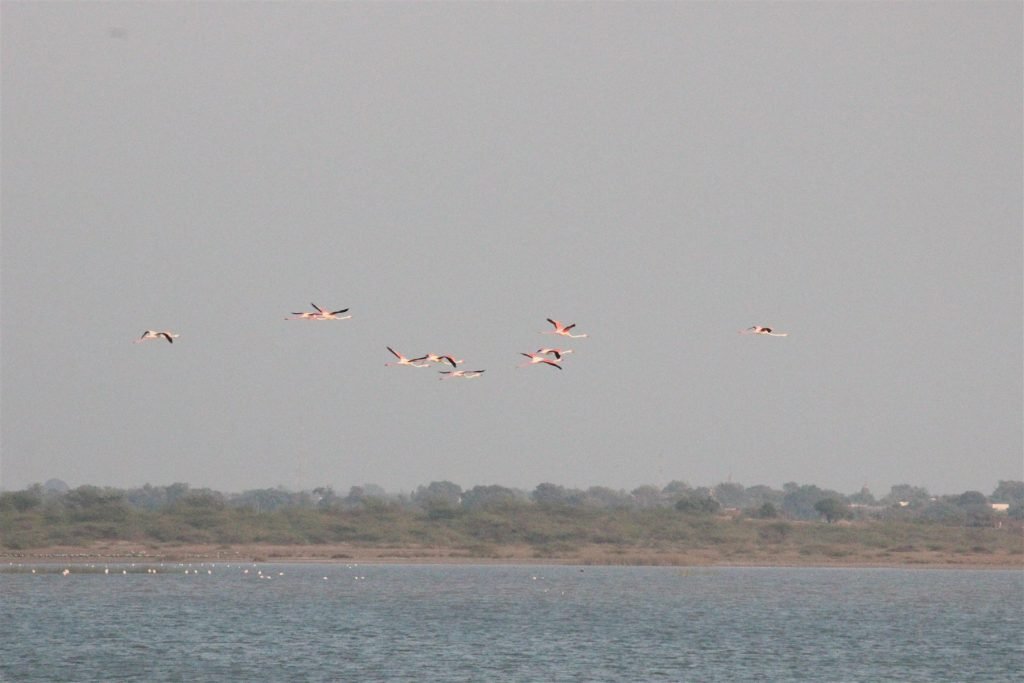
Waders and migratory flocks.
A lonely island landmark.
Dense coastal forest.
A hidden marine wilderness.
The old Pirotan lighthouse.
Coral and creatures at low tide.
Get forest and port permits ahead.
Sail out from Bedi or Rozi.
Plan the reef walk at low tide.
Spot octopus, starfish and coral.
Visit the island's old beacon.
Scan the mangroves and flats.
A tiny island in a vast gulf.
Pirotan is barely a few square kilometres of low, sandy and rocky land, ringed by the coral reefs, mudflats and mangroves that make it so rich. Its built features are few and solitary: an old lighthouse guiding ships through the gulf, and a small dargah that draws occasional pilgrims.
Everything else is nature, shaped by the tides — the sea advancing and retreating twice a day to alternately drown and reveal the reef. That tidal rhythm, not architecture, governs every visit.
Coral reefs & rock pools
Mangrove fringes
An old lighthouse
A small island dargah
Cool and clear — the best season for the coast and wildlife.
Green and humid; some coastal access is limited.
Hot — visit early; mind the tides and heat.
⏰ Plan well ahead: secure permits, book a boat and guide, and lock your trip to a winter low tide.
Jamnagar Airport, then the coast at Bedi/Rozi.
Jamnagar station, then road to the jetty.
From Bedi or Rozi jetty with permits.
TIDE & LIGHT
Coral and creatures in the tide pools.
The old lighthouse against the sky.
Seabirds over the mudflats.
Keep cameras safe on the wet reef.
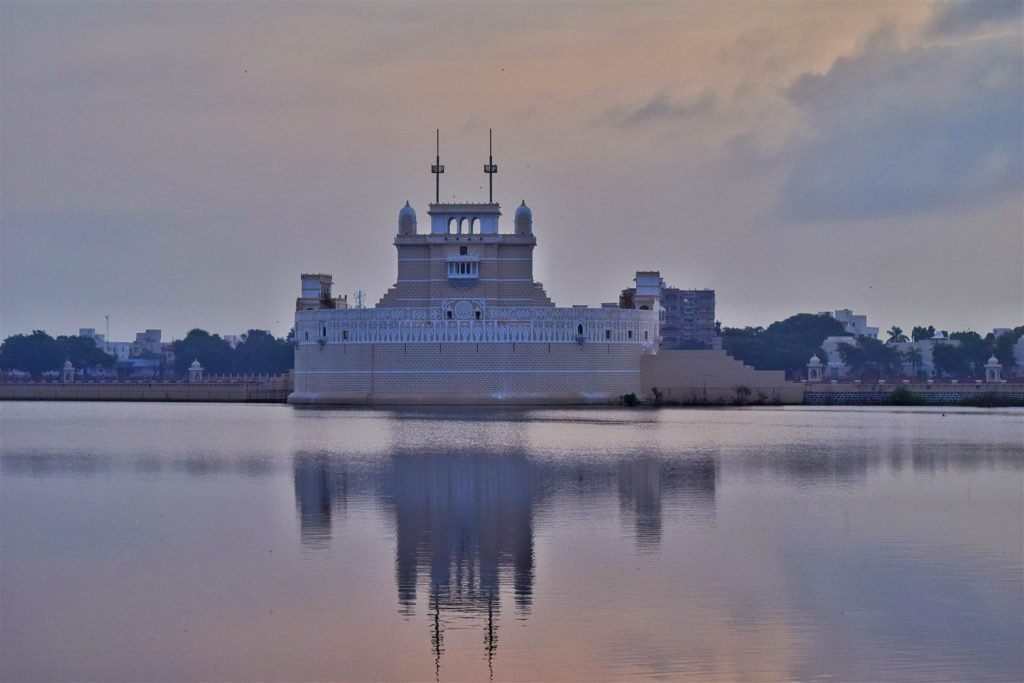
◐ Dawn · the island fort
Lanes of gleaming hand-beaten brassware
◐ Winter · flamingos
A revered city Hanuman shrine
Ornate Shwetambar temples in the old town
A grand European-style royal palace
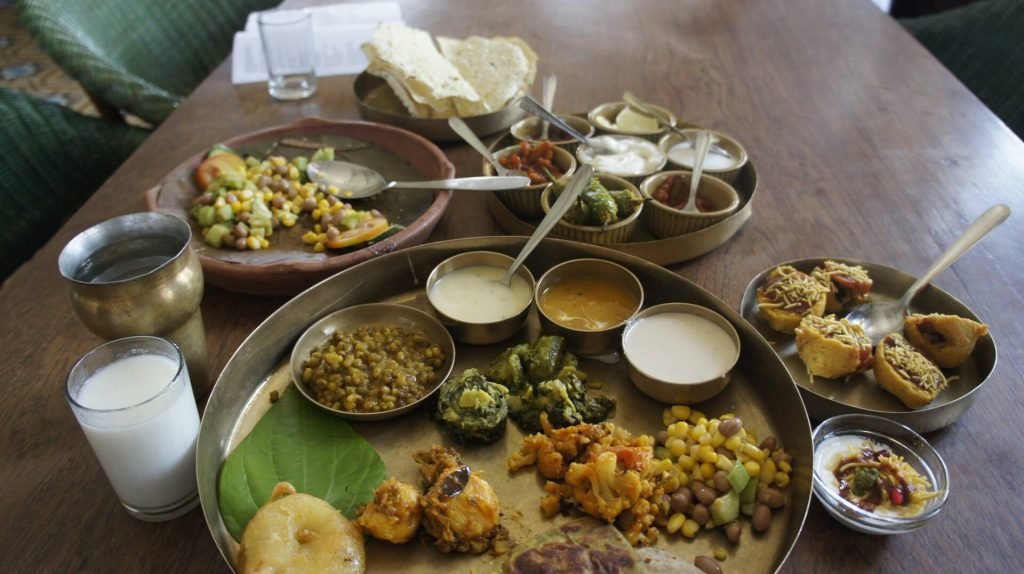
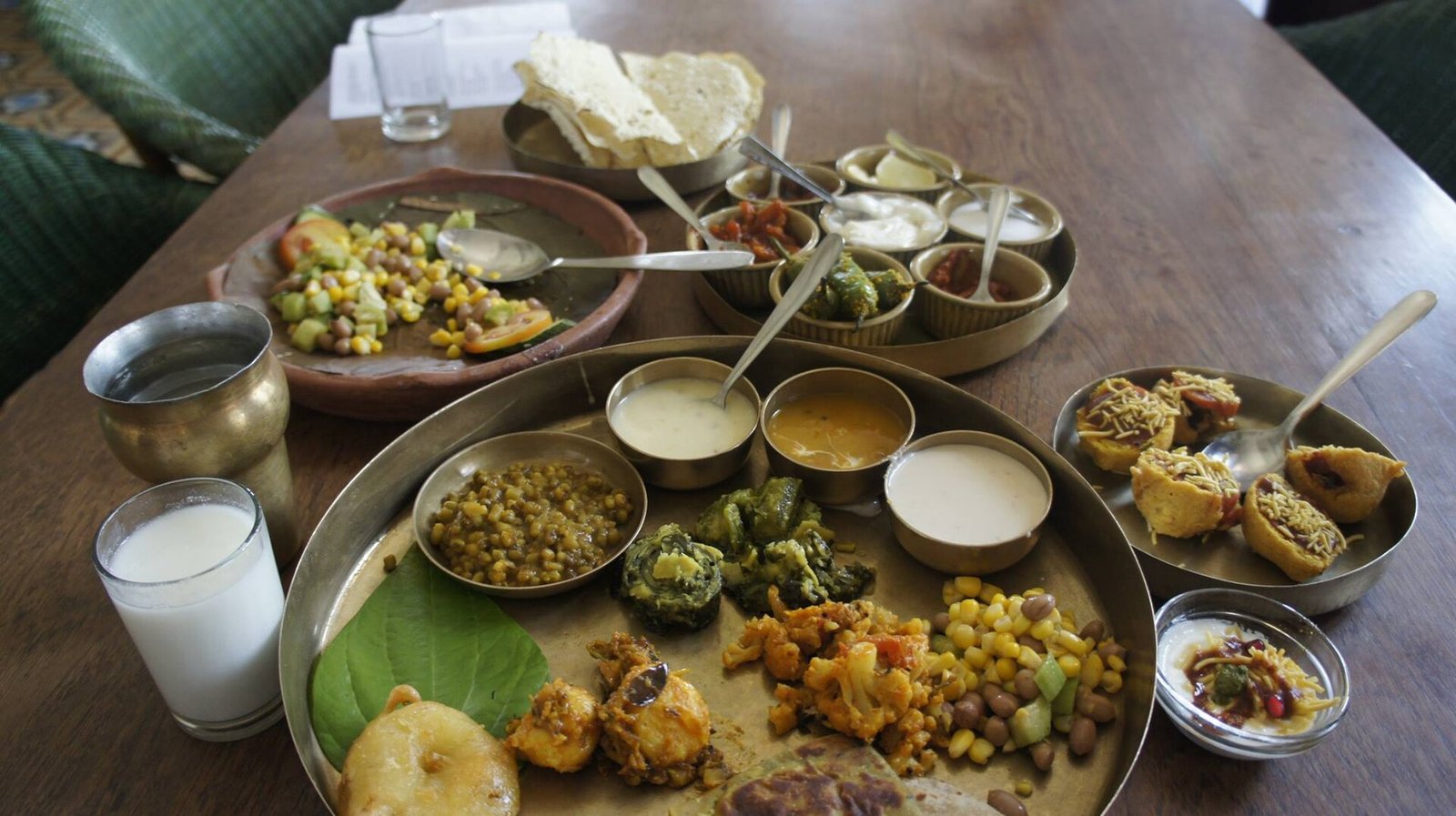
Rotla, kadhi, shaak and ghee-rich fare.

Gathiya and farsan, a Saurashtra staple.

The old city's bustling bazaar snacks.
Jamnagar's food is largely vegetarian.
A tiny island in the Gulf of Kutch, part of India's first Marine National Park.
Coral reefs, octopus, starfish, crabs, seabirds, mangroves and an old lighthouse.
By boat from Bedi or Rozi jetty, with permits and a guide.
Yes — both forest and port permits are required.
Winter, timed to a low tide for the reef walk.
Yes, a full-day expedition including the boat crossing.
No — it's uninhabited; carry everything you need.
It needs planning and effort, but rewards those who make it.
WHERE TO STAY
Compare live prices across the big booking sites and reserve in a few taps. Booking happens securely on the partner's site — we may earn a small commission at no extra cost to you.
SHOP THE REGION
Hand-picked crafts and trip gear, available on Amazon.