
Home › Gir Somnath › Prabhas Patan
HERITAGE · ANCIENT TOWNPrabhas Patan
The ancient, sacred town around Somnath — a tirtha of deep antiquity layered with temples, ruins and a museum, where Krishna's earthly journey reached its end.
Layer upon layer of history
The town that cradles the Somnath temple — Prabhas Patan (also Prabhas, Dev Patan or Somnath Patan) — is one of the most ancient sacred places in India, a tirtha named in the Mahabharata and revered for millennia. Beyond the great temple, its lanes and surrounds hold a remarkable density of heritage: the Prabhas Patan Museum, which preserves carved fragments of the earlier Somnath temples destroyed over the ages; old temples and Junagadh-era gates; and the deeply sacred Triveni Sangam and Bhalka nearby, tied to the last days of Lord Krishna. Archaeology has traced settlement here back to Harappan times. To explore Prabhas Patan is to walk through layer upon layer of Indian history — devotional, royal and archaeological — all gathered on one storied stretch of the Saurashtra coast.
The museum keeps modest hours with a weekly closing day and a nominal ASI ticket — check locally before building the visit around it. An hour serves; the fragments repay slow looking, especially the carved doorframes and the fallen amalaka stones of the medieval temples, each one a Somnath that history removed.
Prabhas Patan’s depth is the point: settlement here runs back to the Indus age, the Mahabharata sets the Yadavas’ last days on this shore, and the Somnath temple’s cycle of destruction and rebuilding left the ground itself layered with earlier shrines. The Prabhas Patan Museum, kept in an old temple courtyard, holds what the centuries left — carved fragments of the medieval Somnaths, inscriptions and sculpture that let you read the famous story in actual stone.
Walk the old town rather than only the temple precinct: Junagadh-era gates, the Triveni Sangam’s ghats, Dehotsarg and Bhalka within minutes, and the ancient Surya temple in the lanes — one small town carrying more sacred history per acre than anywhere else on Gujarat’s coast.
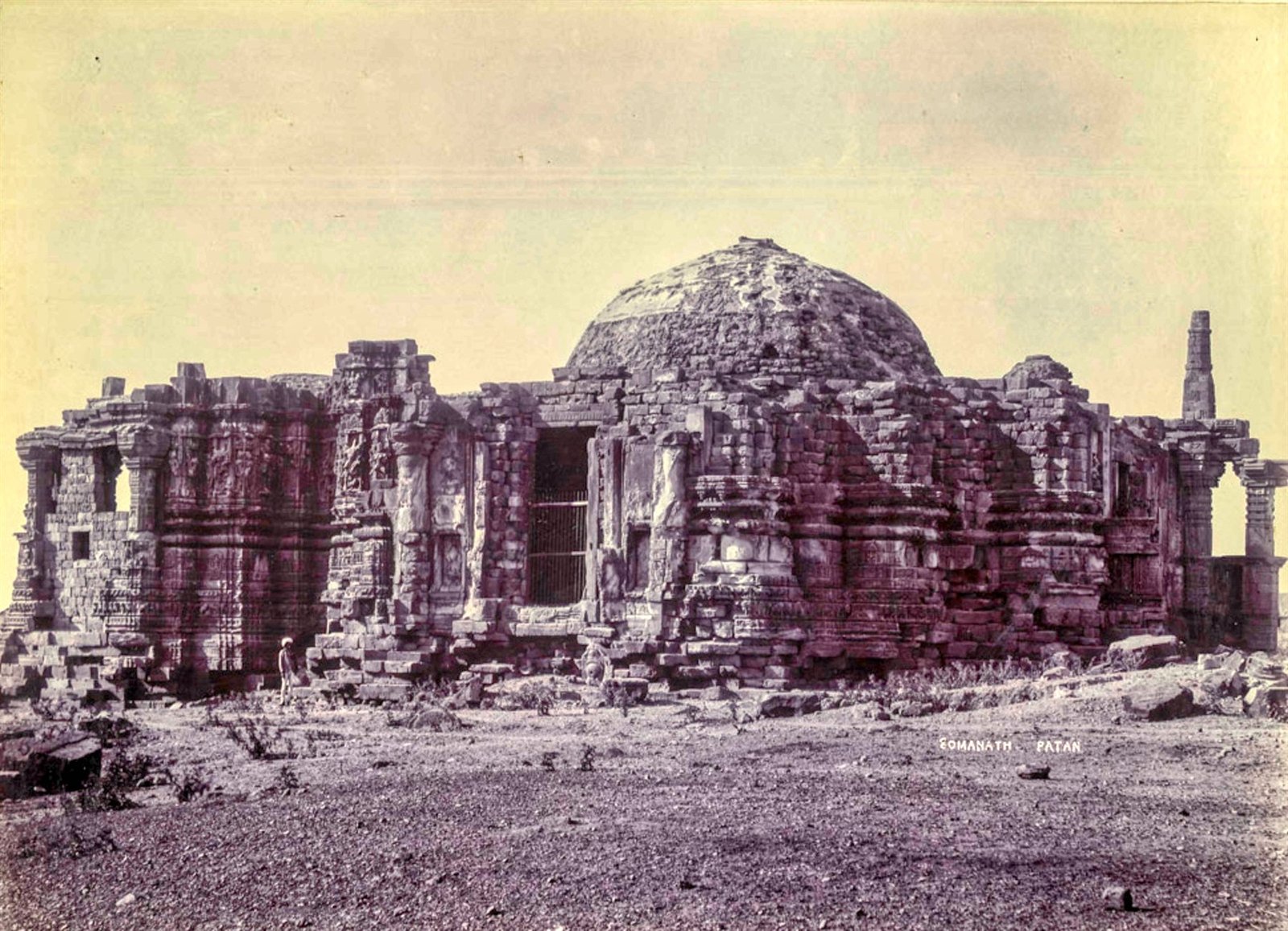
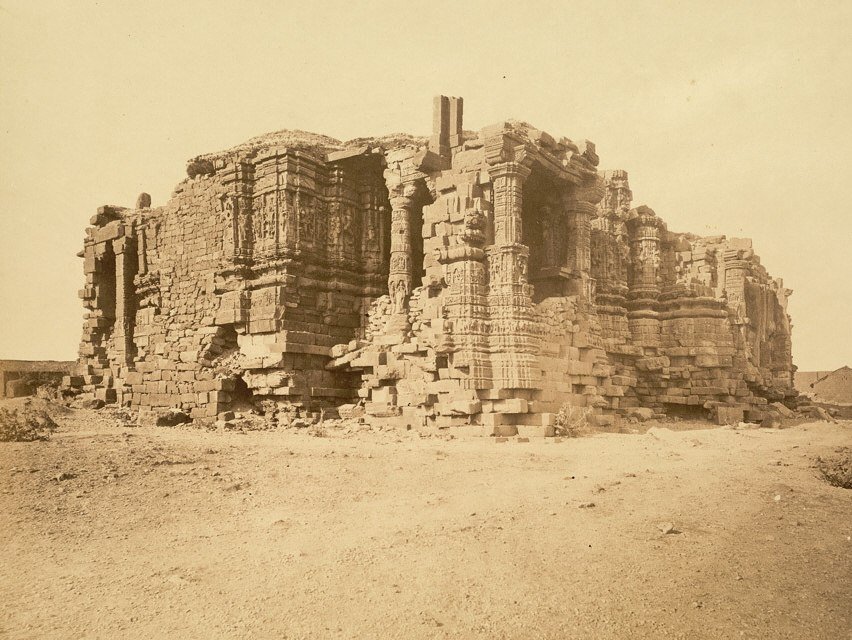
Old Somnath temple ruins (1869).
Harappan, epic and medieval, on one site
The temple ruins, 1895.
Archaeology traces settlement back to the Indus age.
Prabhas is revered in the Mahabharata.
The Somnath temple is destroyed and rebuilt repeatedly.
A museum preserves fragments of the old temples.
Reasons to make the time
Ancient tirtha
Sacred for thousands of years.
Patan Museum
Fragments of old Somnath.
Old temples
Layers of medieval shrines.
Krishna's last days
Dehotsarg and Bhalka nearby.
Harappan roots
Among Gujarat's oldest sites.
Around Somnath
The setting of the great temple.
What to look for inside
 HERITAGE
Old Somnath
Ruins of earlier temples.
 ARCHAEOLOGY
Ancient stones
Layers of the past.
How to spend an hour or two
Visit the museum
See fragments of old Somnath.
Explore old temples
Trace the medieval layers.
See the gates
Junagadh-era town gates.
Walk to Triveni
The sacred confluence nearby.
Recall Krishna
Dehotsarg and Bhalka close by.
Pair with Somnath
The great temple anchors it all.
Carved fragments of the past.
A town built of many ages
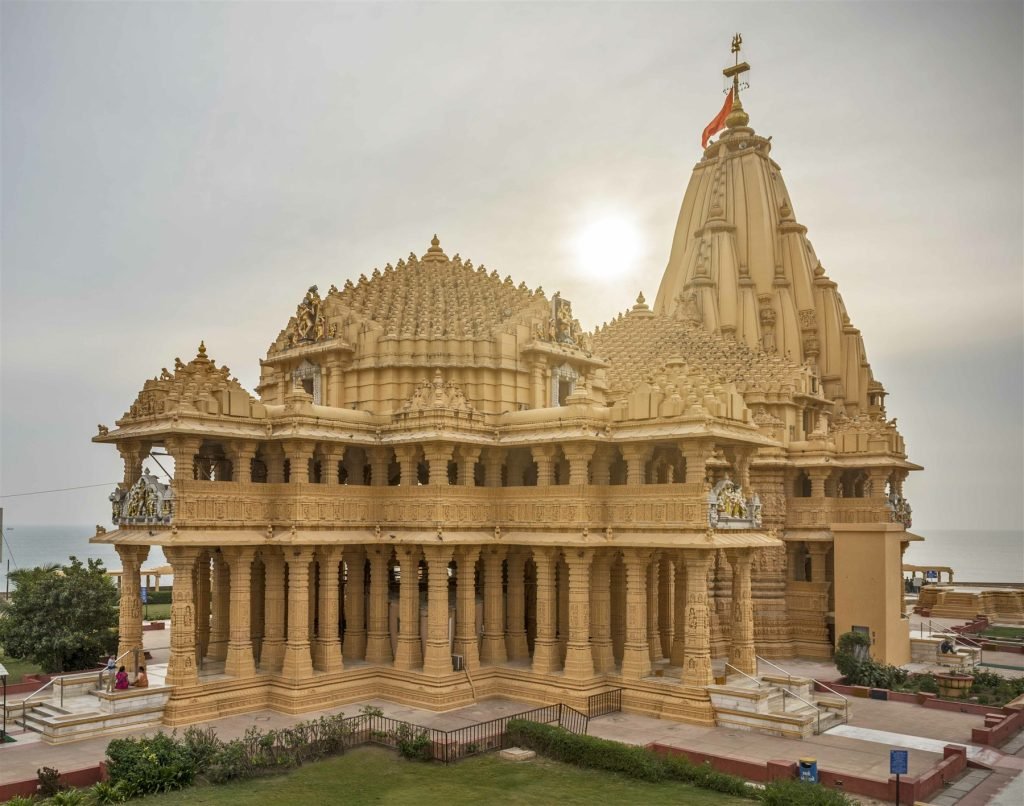
Prabhas Patan is less one monument than a palimpsest: the soaring 1951 Somnath temple stands amid the traces of its destroyed predecessors, whose carved stones are preserved in the Prabhas Patan Museum, while old temples, mosques and Junagadh-era gates dot the town and Harappan-era layers lie beneath. Wandering it, you read the whole sweep of the site — Indus settlement, epic tirtha, medieval grandeur, repeated destruction and rebirth — written into stone across a single sacred town. (Some images here are archival photographs of the old temple.)
More places to visit across the district are gathered in our Gir Somnath travel guide.
Prabhas Patan Museum
Fragments of old Somnath
Old temples & town gates
Harappan-era layers
When to go
Cool and clear — the best season on the Somnath coast.
Humid sea air; lush, with dramatic skies.
Hot but sea-cooled; sightsee early or late.
⏰ Pair it with the Somnath temple, Triveni and Bhalka; the museum adds vital context to the great shrine.
Timings & entry
- Museum and sites open daytime hours
- Some sites may close weekly — check
- Combine with Somnath, Triveni, Bhalka
- Allow a half day
- The museum charges a small fee
- Many temple sites are free
- Be respectful at active shrines
- Photography rules vary by site
Getting there
By Air
Diu (~85 km) and Rajkot airports.
By Rail
Veraval station (~7 km) is nearest.
By Road
Around the Somnath temple at Prabhas Patan.
Around the town
STONE & TIME
Fragments and layers of a sacred town
What to shoot
Museum fragments and old temples.
Heritage
Gates and medieval stones.
Best light
Soft daytime light on stone.
Be discreet
Respect active shrines.
Know before you go
More to see close by
 JYOTIRLINGA
Somnath Temple
The first of the twelve, rebuilt at the ocean’s edge
 PORT
PORTVeraval
One of India’s busiest fishing ports
 MARINE
Sutrapada Coast
Seasonal whale sharks off the shore
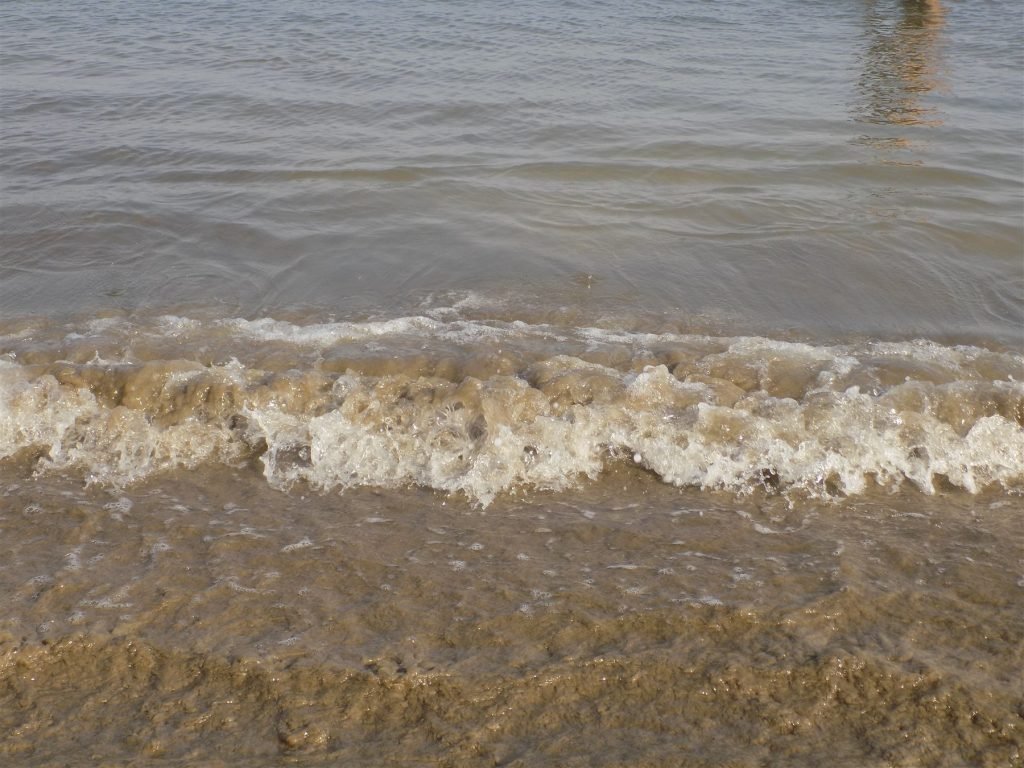 BEACH
BEACHSomnath Beach
Golden sands beside the great temple
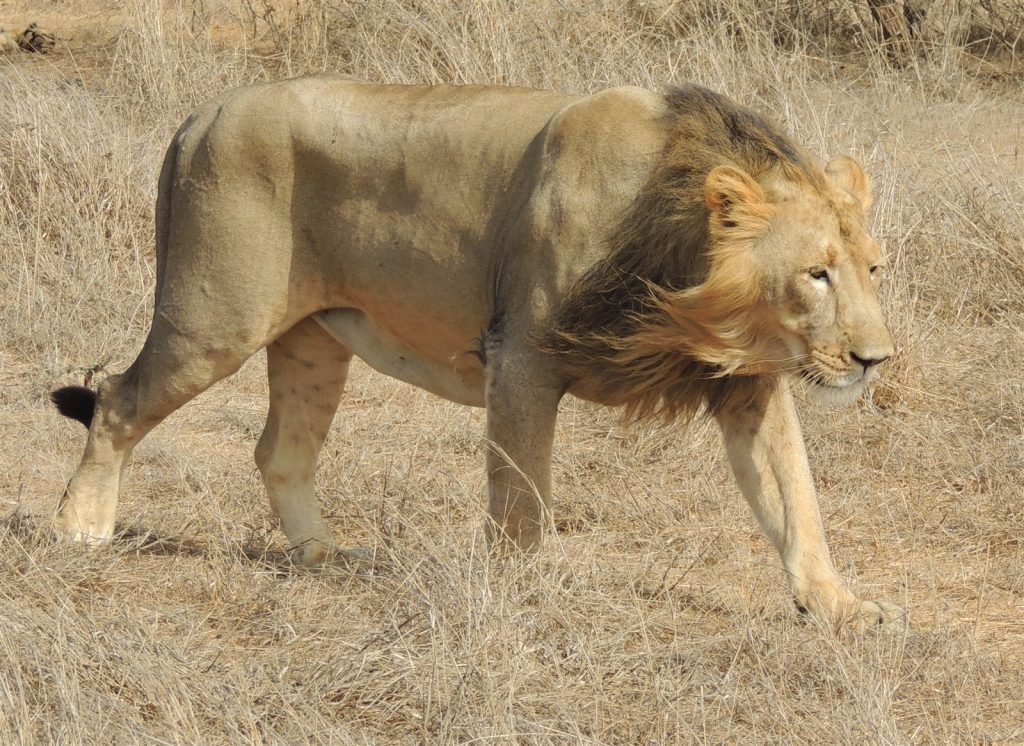 RIVER
RIVERHiran & Kamleshwar
Gir’s lifeline river, dam & birdlife
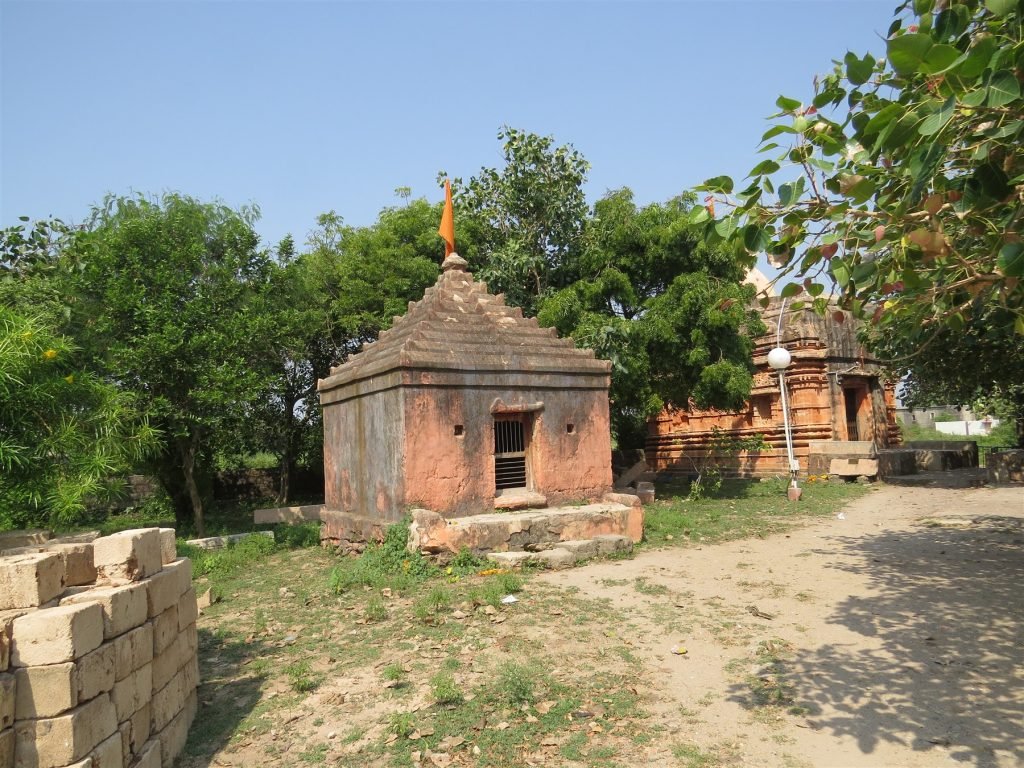
Gita Mandir
A riverside temple near Somnath
Where to eat near Prabhas Patan
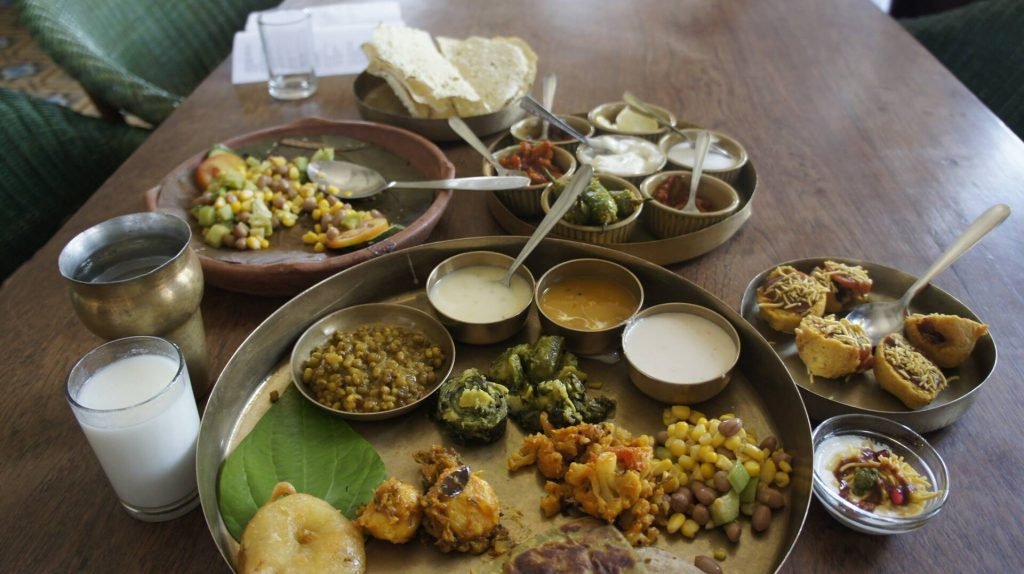
 THALI
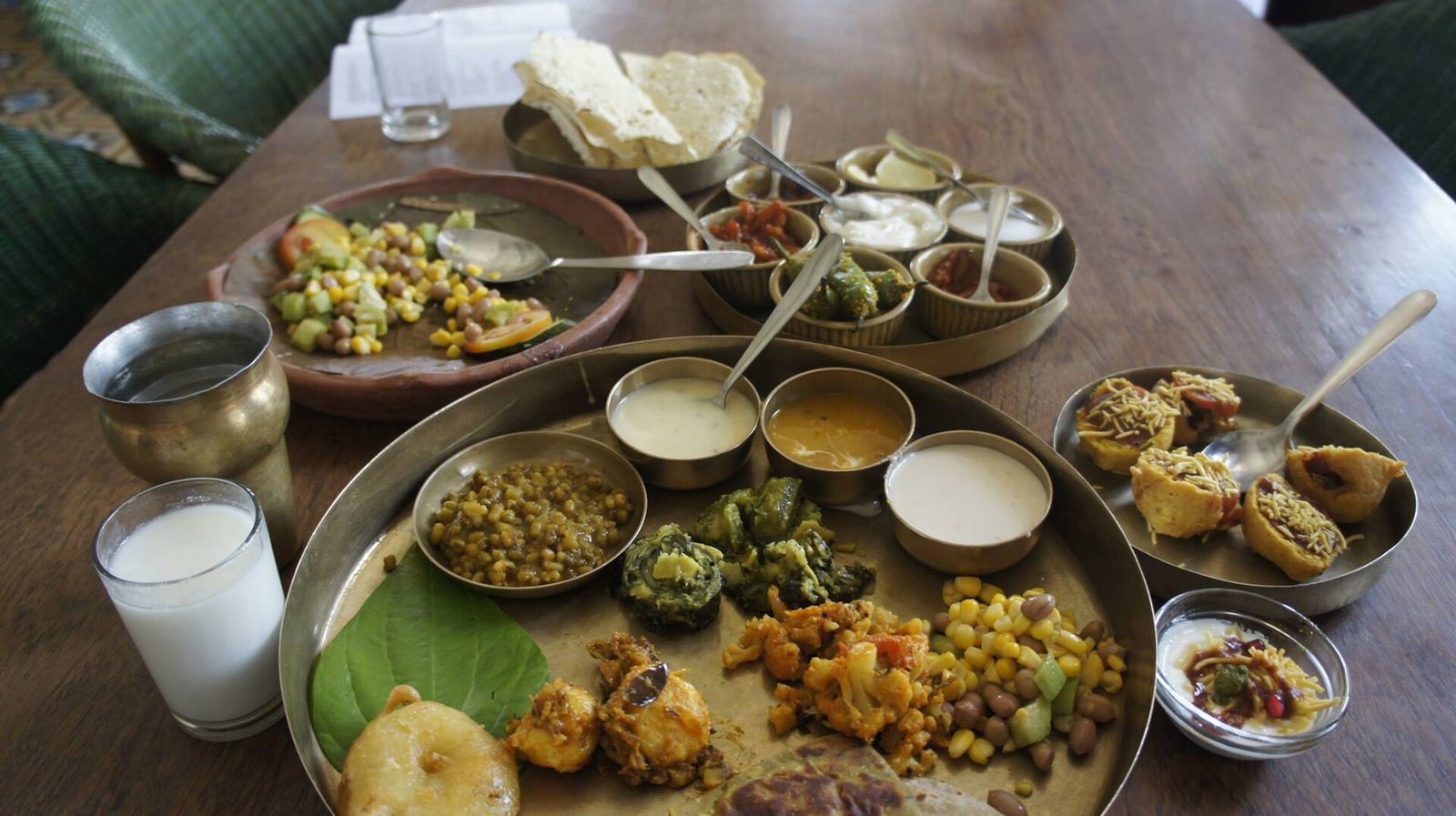
THALIKathiawadi Thali
Rotla, kadhi, shaak and ghee-rich fare.
 SNACKS
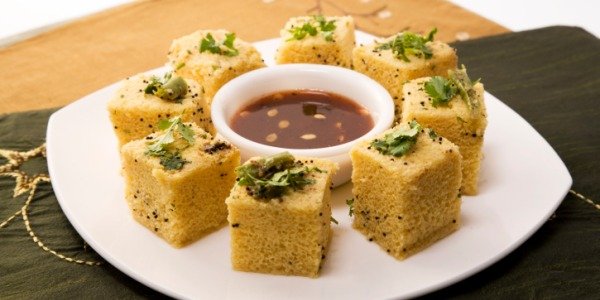
Ganthiya & fafda
Saurashtra's beloved fried snacks.
 PRASAD
Temple-town bites
Sweets and snacks near Somnath.
Pure-veg & Kesar
Pilgrim-town veg fare; Gir Kesar mangoes in summer.
Prabhas Patan FAQ
What is Prabhas Patan?
The ancient sacred town around the Somnath temple, also called Prabhas or Dev Patan.
Why is it important?
It's a tirtha of deep antiquity, named in the Mahabharata, with layers back to Harappan times.
What can I see?
The Prabhas Patan Museum, old temples, town gates, and nearby Triveni and Bhalka.
What's in the museum?
Carved fragments of the earlier Somnath temples destroyed over the ages.
Where is it?
Around Somnath, near Veraval on the Saurashtra coast.
Is there an entry fee?
The museum charges a small fee; many sites are free.
What's the Krishna connection?
The nearby Dehotsarg and Bhalka mark his last earthly days.
How long should I spend?
About half a day, with Somnath and Triveni.
Related places across Gujarat
 STEPWELL
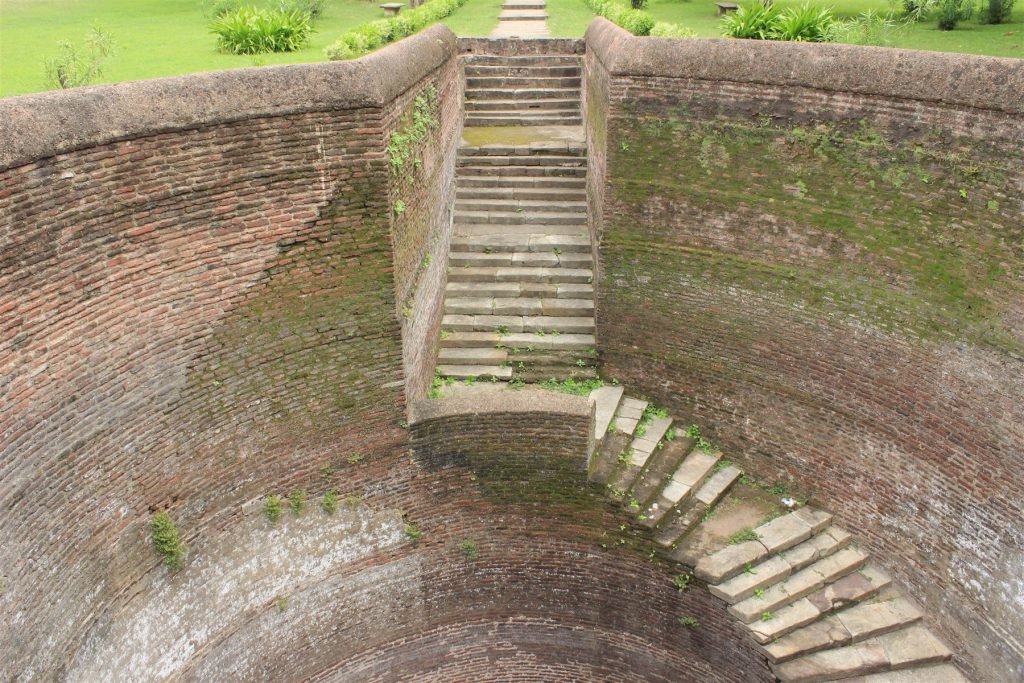
Helical Stepwell
A rare spiralling water structure
 BIRDS
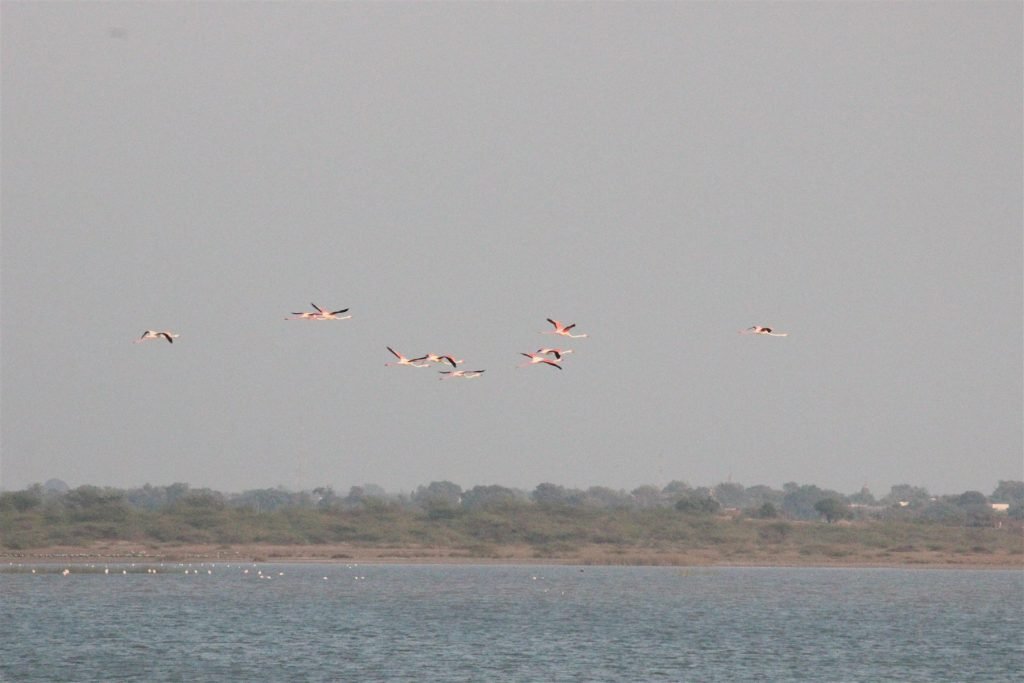
BIRDSKhijadiya Bird Sanctuary
Where freshwater & marine birds gather

Forest Deity Shrines
Sacred groves of the Rathwa people
 TEMPLE
Kamnath Mahadev
A revered Shiva shrine near Veraval
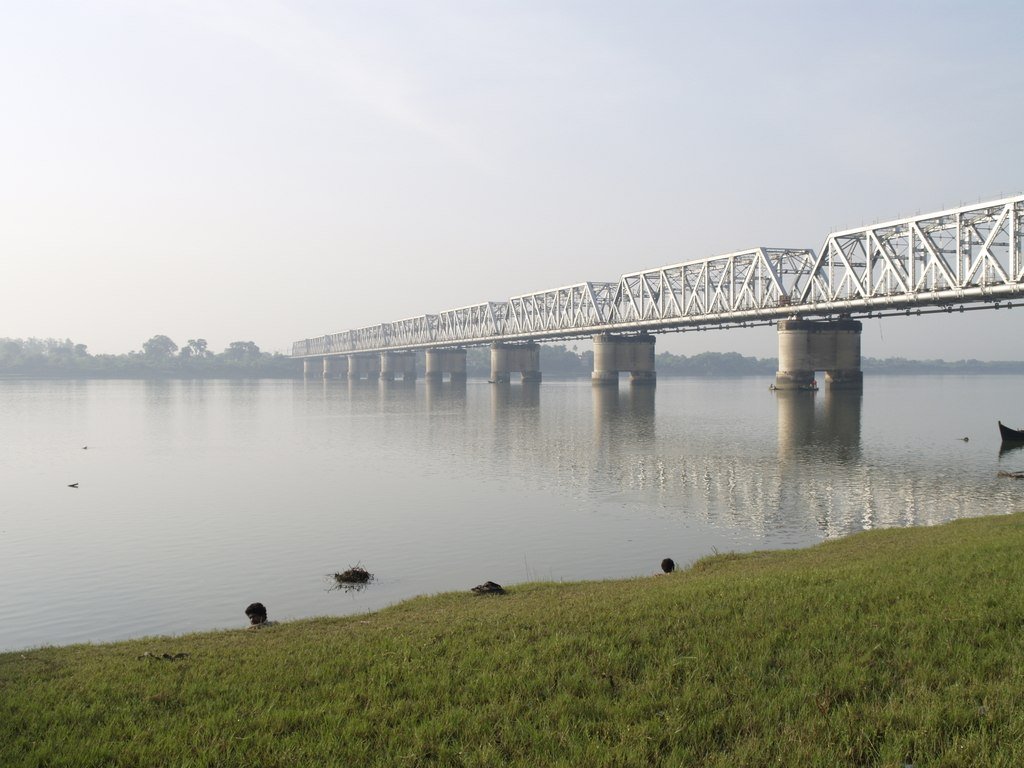 RITUAL
Narmada Aarti
Evening river worship on the banks
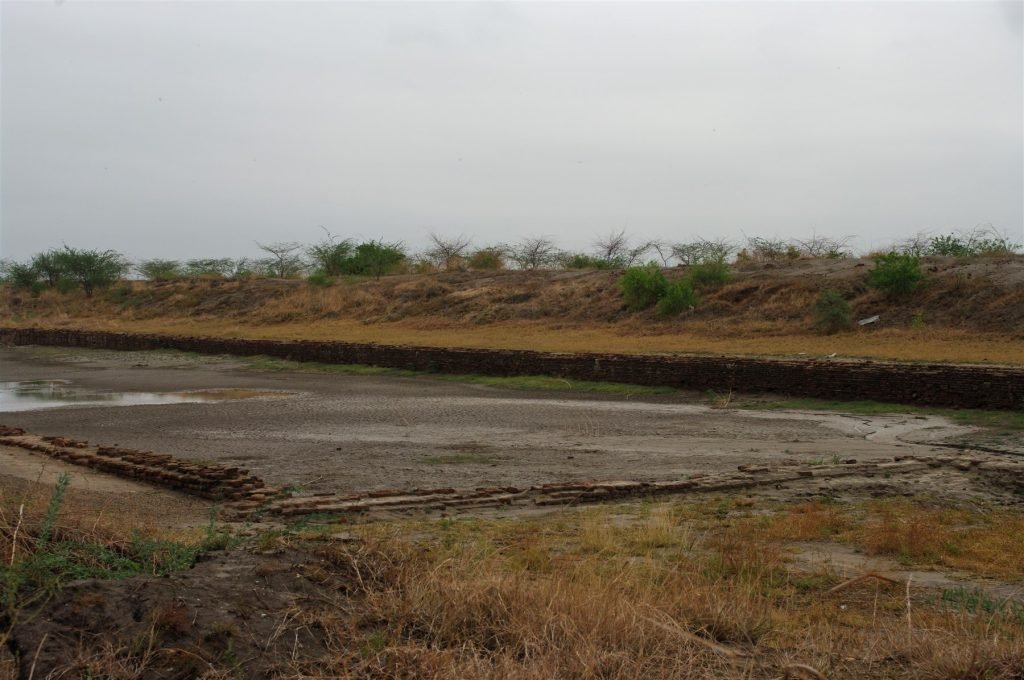
Lothal
A 4,500-year-old Harappan port city
WHERE TO STAY
Find your stay in Gujarat
Compare live prices across the big booking sites and reserve in a few taps. Booking happens securely on the partner's site — we may earn a small commission at no extra cost to you.
Book directly on our partner sites — tap a provider to see live Gujarat hotels & prices:
SHOP THE REGION
Bring home Gujarat — & travel essentials
Hand-picked crafts and trip gear, available on Amazon.
Published 24 June 2026 · Updated 24 August 2026
We’re an independent group of writers and travellers documenting every corner of Gujarat — one place, plate and festival at a time.