Home › Gir Somnath › Kamleshwar Dam
NATURE · GIR RESERVOIRThe great reservoir at the heart of Gir — the 'lifeline of Gir' — where crocodiles bask, lions and deer come to drink, and waterbirds throng the shores.
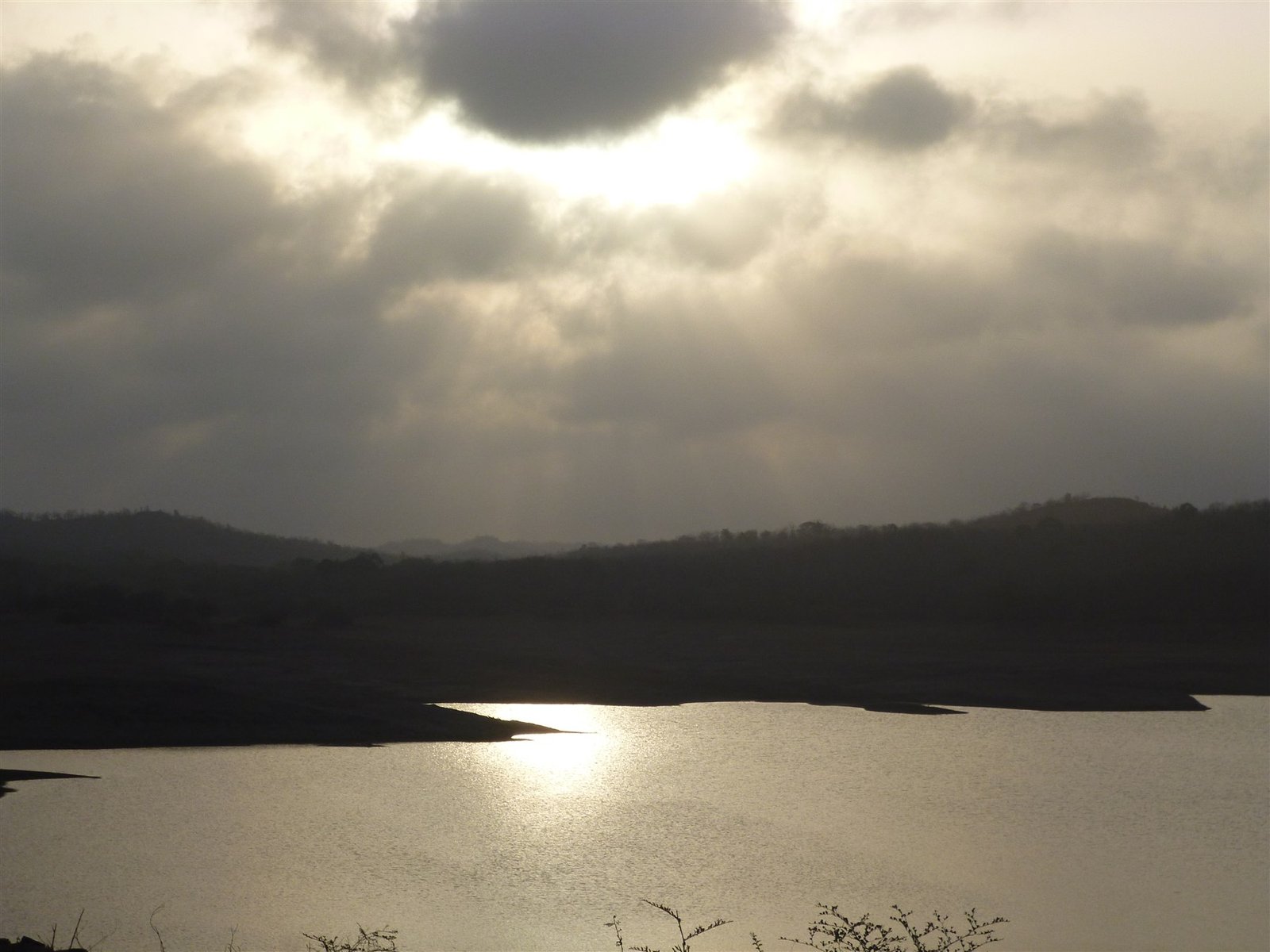
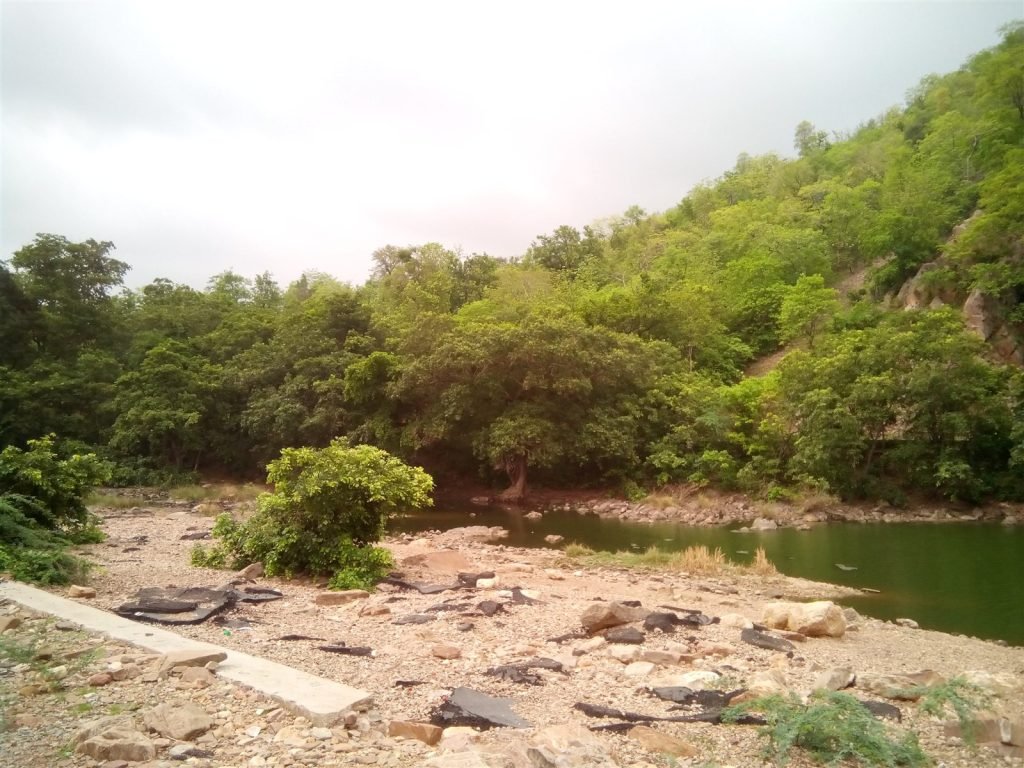
Deep inside Gir National Park lies the Kamleshwar Dam, the largest reservoir in the sanctuary and so vital to its ecosystem that it is called the ‘lifeline of Gir’. Its wide waters and marshy shores are a magnet for wildlife: large numbers of marsh crocodiles (muggers) bask along its banks and float in its shallows, while lions, leopards, deer, nilgai and wild boar come down to drink, and pelicans, storks, ducks and other waterbirds crowd the reservoir, especially in winter.
Keep binoculars handy and stay in the vehicle throughout — the crocodiles’ stillness is a hunting posture, not tameness, and the shore that looks empty rarely is. Guides know the reliable basking banks by season and will time the reservoir leg of the route for the morning light when they can.
Kamleshwar is Gir’s waterworks and its crocodile capital at once: the dam raised on the Hiran river in the 1950s backs up the forest’s largest reservoir, and its shores hold one of India’s biggest wild populations of marsh crocodiles — muggers hauled out on the banks in dozens on a winter morning, motionless as driftwood until they aren’t. The water tables the whole sanctuary’s dry-season life, so lions, leopards and the big deer herds all cross the safari tracks that loop toward it.
The reservoir features on standard Gir safari routes from Sasan when zone allocations run that way — the draw is luck-of-the-route, not a bookable stop — and the birdlife alone justifies the detour: pelicans and painted storks working the shallows, ducks rafting mid-water, ospreys overhead. December to March gives the best crocodile basking and the busiest shores; the sanctuary closes mid-June to mid-October for the monsoon.
Glimpsed on a Gir safari, the dam is one of the most rewarding stops in the park — a place where the forest’s drama gathers around the water. Its calm expanse, ringed by wooded hills and teeming with life, is a striking and beautiful counterpoint to the dry forest all around.
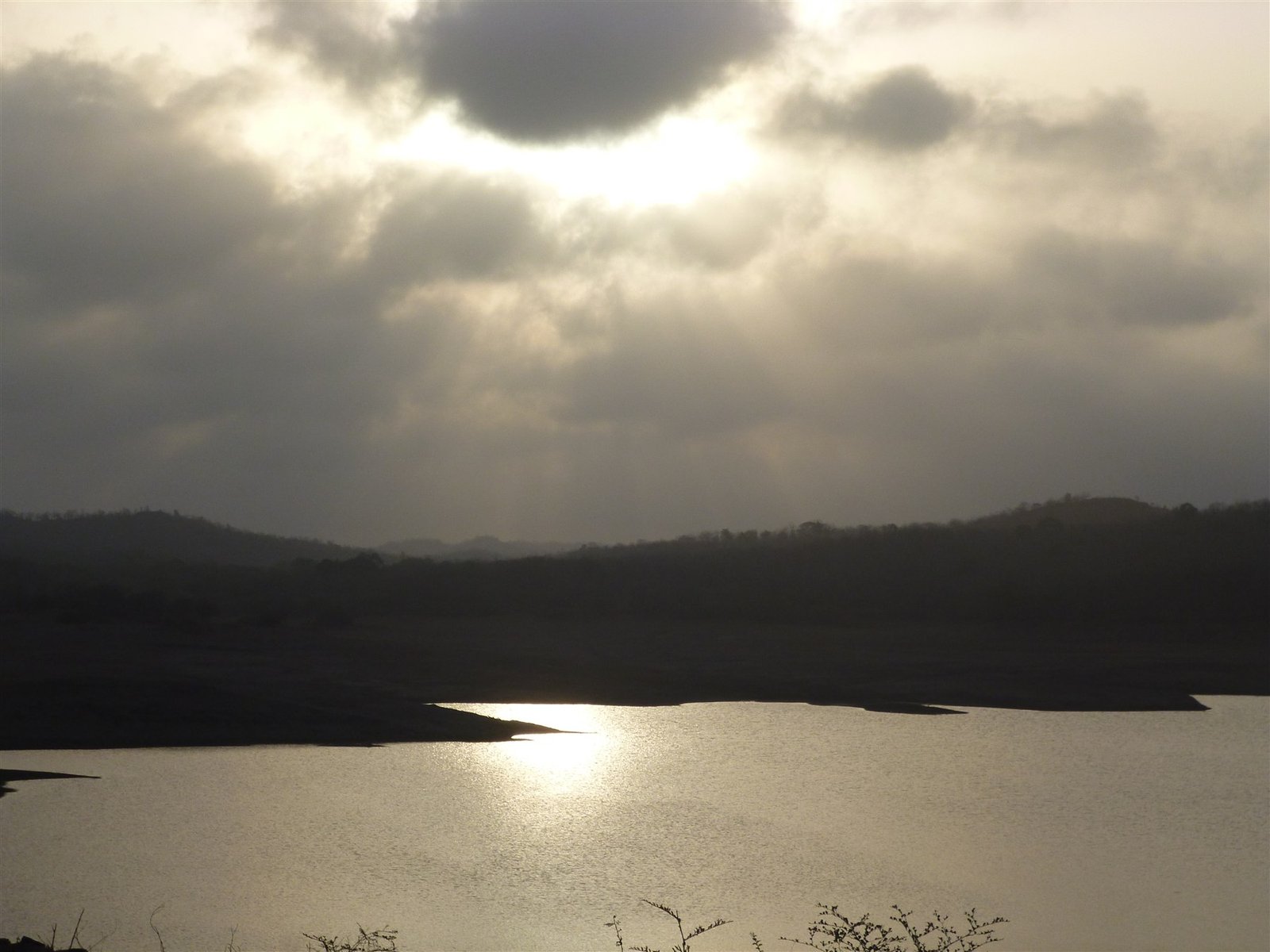
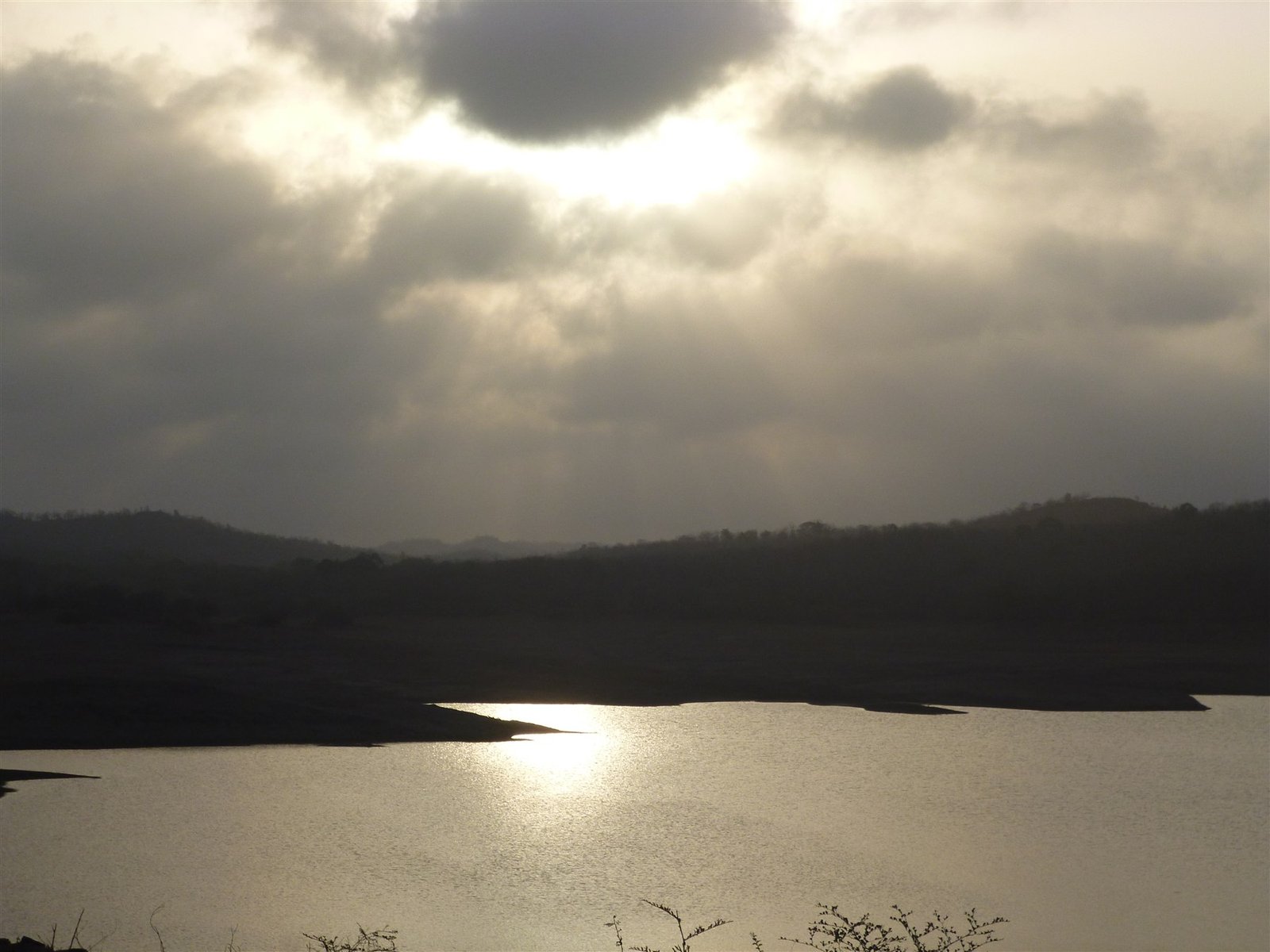
The Kamleshwar reservoir at dusk.
The reservoir, ringed by Gir.
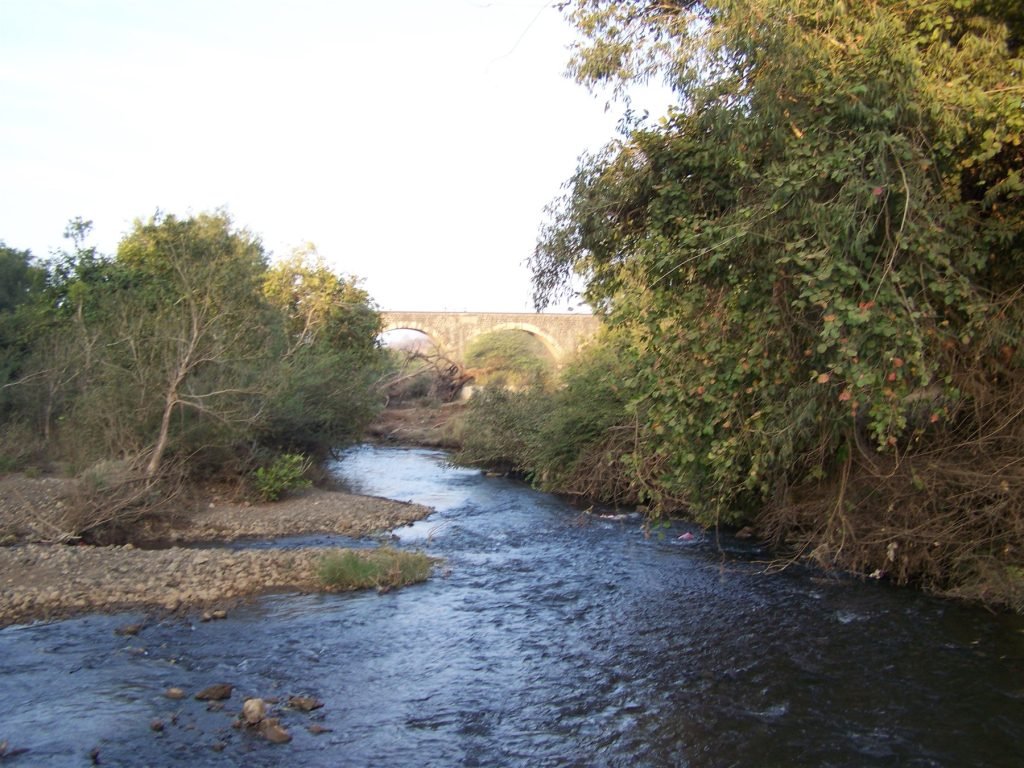
A dam is raised within the Gir forest to hold water.
Its reservoir becomes vital to the sanctuary's wildlife.
Marsh crocodiles thrive along its shores.
A key wildlife stop on Gir safaris.
Muggers bask along the banks.
The forest's vital water.
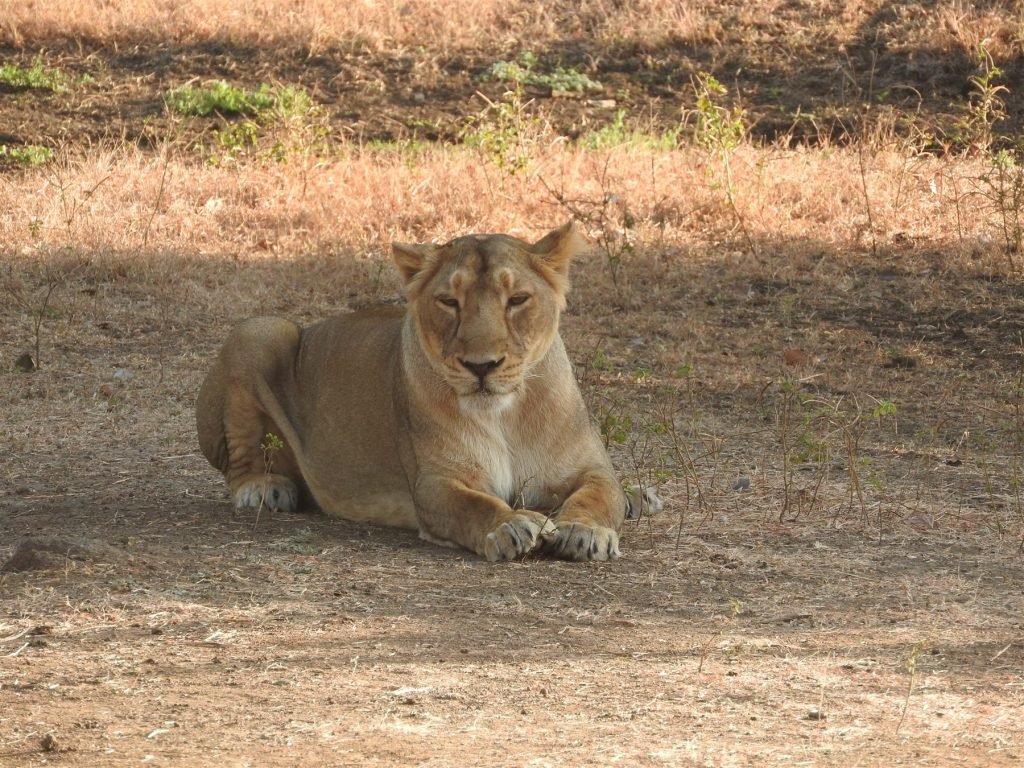
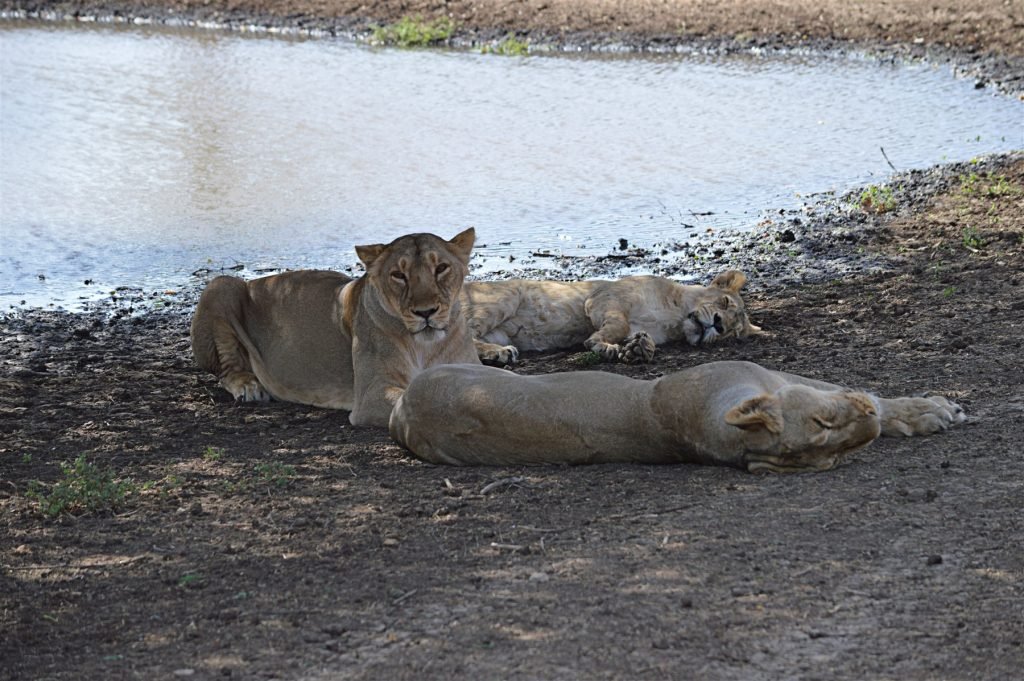
Lions and deer at the water.
Pelicans, storks and ducks.
Calm water ringed by hills.
A highlight of the route.
THE RESERVOIRThe lifeline of Gir.
WILDLIFELife around the water.
The dam lies on Gir routes.
Muggers bask on the banks.
Birds and animals at the edge.
Dusk over the reservoir.
For distant wildlife.
Stay in the vehicle; keep quiet.
A reservoir alive with wildlife.
Kamleshwar is an earthen-and-masonry dam impounding a broad reservoir within the heart of Gir. Its open water and marshy fringes create a habitat quite different from the surrounding dry teak forest, drawing crocodiles, waterbirds and thirsty mammals to its shores.
The ‘structure’ that matters is ecological: by holding water through the dry months, the dam sustains the whole sanctuary — earning its name as the lifeline of Gir — while offering visitors on safari one of the park’s most wildlife-rich and scenic stops.
Our Gir Somnath travel guide maps out the other places worth your time here.
Largest reservoir in Gir
Marsh-crocodile habitat
Waterbird congregations
On the safari routes
Cool and clear — the best season for Gir and the coast.
Lush, but Gir's core largely closes.
Hot, but the best season for Gir wildlife sightings.
⏰ Visit on a winter safari toward dusk, when crocodiles and animals gather at the water; carry binoculars.
Diu and Rajkot are the nearest airports.
Sasan Gir / Junagadh, then safari.
Within Gir, reached on the safari circuit from Sasan.
WATER & WILD
Crocodiles basking on the banks.
Pelicans and storks on the water.
Dusk over the reservoir.
A long lens from the safari vehicle.
WILDLIFEThe last wild home of the Asiatic lion
PORTOne of India’s busiest fishing ports
HERITAGEAn ancient holy town with a fine museum
NATUREThe lifeline river of the lion forest
SACREDWhere three rivers meet the Arabian Sea

The first Jyotirlinga, rebuilt at the ocean’s edge
THALIRotla, kadhi, shaak and ghee-rich fare.
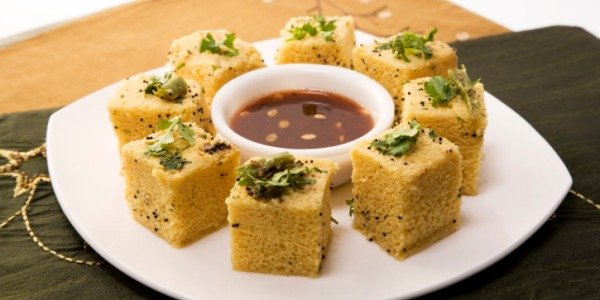
SNACKSSaurashtra's beloved fried snacks.
PRASADSweets and snacks near the temples.
Pilgrim-town veg fare; Gir Kesar mangoes in summer.
The largest reservoir inside Gir National Park, called the 'lifeline of Gir'.
It holds water that sustains the whole sanctuary's wildlife.
Marsh crocodiles, waterbirds, and animals coming to drink.
Only on a permit-controlled Gir safari — there's no independent entry.
Winter, toward dusk.
Binoculars and a long lens; stay in the vehicle.
Yes — large numbers of marsh crocodiles (muggers).
The Gir core zone and the Devalia safari park.

◐ Morning · birdlife
Town temples at the district heart
SIDHPURPastel European-style mansions in Sidhpur

A serene Krishna temple & centre
ANCIENTA grand stepwell & temples of a lost capital
DAIRYThe milk-rich heartland behind Amul
WHERE TO STAY
Compare live prices across the big booking sites and reserve in a few taps. Booking happens securely on the partner's site — we may earn a small commission at no extra cost to you.
Book directly on our partner sites — tap a provider to see live Gujarat hotels & prices:
SHOP THE REGION
Hand-picked crafts and trip gear, available on Amazon.
Published 24 June 2026 · Updated 24 August 2026
We’re an independent group of writers and travellers documenting every corner of Gujarat — one place, plate and festival at a time.
Search Gujarat Explorer
Find places, food, festivals and travel guides across Gujarat
Press Enter to search — or Esc to close
Plan Your Trip
Gujarat Explorer is an independent travel guide. We’re happy to help you shape an itinerary and point you to the right places, stays and experiences across Gujarat.
Book a Cab