Best time
November to February
Ideal duration
2-3 days
Good for
Heritage, food, architecture
Nearest airport
Ahmedabad (AMD)
Ahmedabad is Gujarat's largest city and, in 2017, became India's first UNESCO World Heritage City, an award earned by the astonishing old walled town on the east bank of the Sabarmati river. This is a place with six hundred years of layered history: a sultanate capital famous for its mosques and step-carved architecture, a Mughal and Maratha trading hub, a cotton-mill powerhouse that earned it the nickname the Manchester of the East, and the city from which Gandhi launched his freedom movement. Modern Ahmedabad spreads west of the river in a grid of malls and design institutes.
For a visitor the heart of it is the old city, a warren of gated residential quarters called pols, where carved wooden houses lean over narrow lanes, secret passages once helped residents escape trouble, and communal bird-feeders still stand in tiny squares. Alongside the pols sit some of the finest Indo-Islamic monuments in India. The food is reason enough to visit on its own, and the whole compact old town is best explored slowly, on foot, ideally starting at dawn before the heat and traffic build.
Why go to Ahmedabad
This is one of India's great heritage cities and one of its most underrated. The walled old town packs mosques, temples, carved havelis and the pol neighbourhoods into a walkable maze that rewards curiosity at every turn, and the early-morning heritage walk run in the city is one of the best urban walks in the country. Add the emotional weight of Sabarmati Ashram, the intricate stone lattice of the Sidi Saiyyed mosque, and a street-food culture that runs from crisp fafda to late-night Manek Chowk, and you have a city that gives history-lovers and food-lovers equal reason to linger. It is also a natural launchpad for the rest of Gujarat.
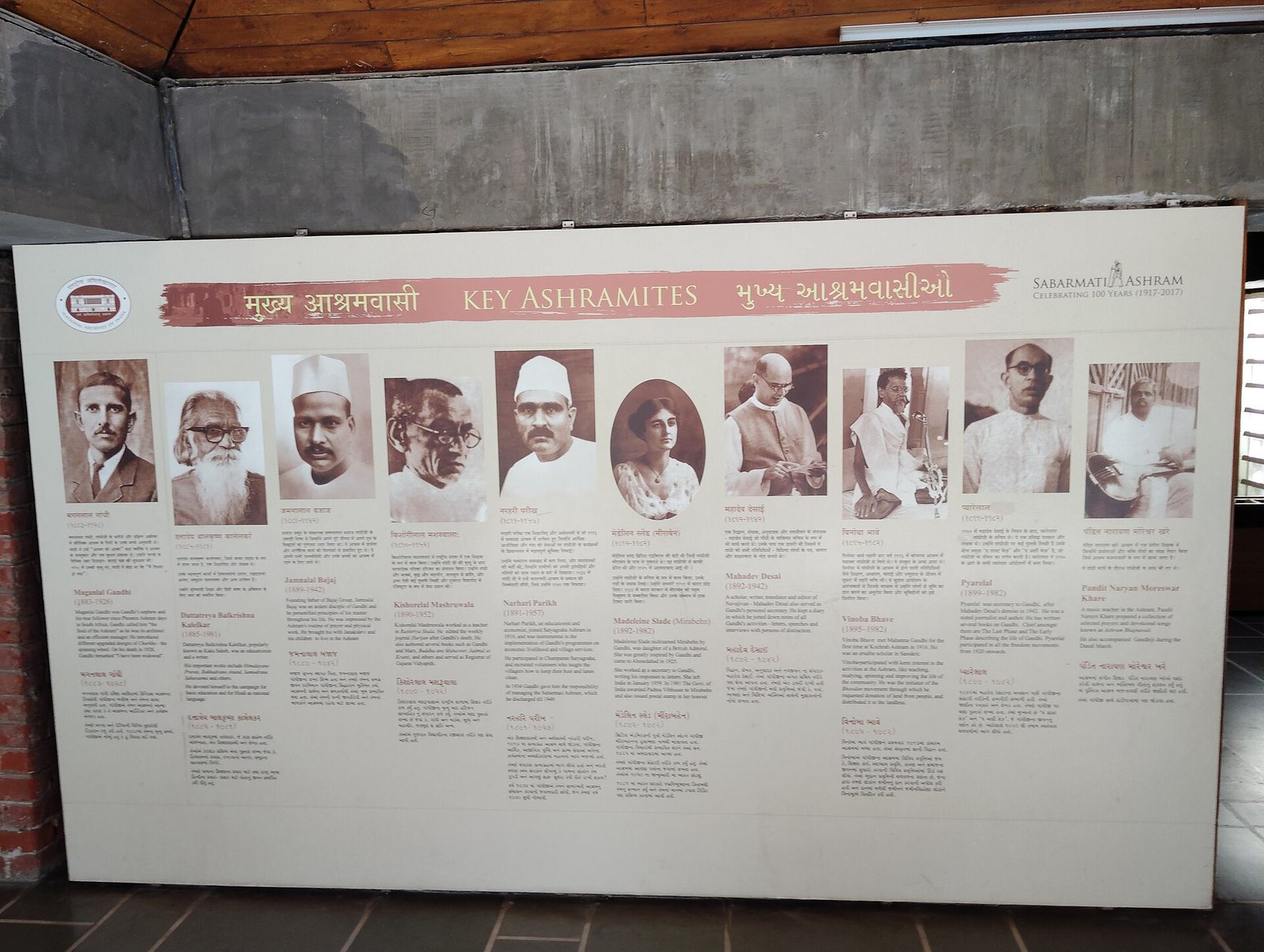
The quiet prayer ground at Sabarmati Ashram, where Gandhi lived and planned the Salt March.
Top things to do
- Walk the old-city polsJoin the early-morning heritage walk or wander the gated lanes yourself to see carved wooden houses, hidden squares and bird-feeders.
- See the Sidi Saiyyed jaaliThe mosque's stone lattice screen of a tree and vines is Ahmedabad's unofficial emblem and a masterpiece of carving.
- Visit Sabarmati AshramGandhi's riverside home for over a decade, now a simple, moving museum overlooking the Sabarmati.
- Eat your way through Manek ChowkA jewellery market by day that turns into a buzzing street-food bazaar at night; come hungry after 9 pm.
- Day-trip to Adalaj stepwellA five-storey carved stepwell about 18 km north, one of the most beautiful in India and blissfully cool inside.
How to get there
Ahmedabad is Gujarat's main gateway. Sardar Vallabhbhai Patel International Airport (AMD) has wide domestic connections and a growing list of international flights. The city is a major railway junction with fast trains from Mumbai, Delhi, Jaipur and beyond, including premium services, and it anchors the state highway and expressway network, with Mumbai about 530 km south and Udaipur around 260 km north. Getting around is easy with app-based taxis and auto-rickshaws, plus a metro and a bus rapid transit system. For the old city, though, your own two feet beat any vehicle in the narrow lanes.
Where to stay
The western, newer side of the river around areas like Navrangpura, Ellisbridge and the SG Highway has the biggest cluster of business hotels, from budget chains to international five-stars, and is convenient for restaurants and the airport. For atmosphere, a handful of restored heritage havelis inside or near the old city let you sleep among the carved wood and courtyards, which is a memorable experience if you want to be steps from the pols and monuments. Backpackers will find guesthouses and hostels near the railway station and old city. Choose the old town for character, the west bank for comfort and convenience.
Best time to visit
Winter, from November to February, is comfortably the best time, with warm days, cool evenings and clear skies ideal for walking the old city. January brings the International Kite Festival around Uttarayan, when the skies over Ahmedabad fill with thousands of kites and the rooftops come alive; it is spectacular but the city gets busy, so book ahead. Navratri in autumn is another high point, with nights of garba dancing. Summers, from April to June, are punishingly hot and best avoided, while the monsoon brings humidity and downpours that make old-city walking tricky.
Practical tips
- Do the official heritage walk early; it starts near Swaminarayan temple and ends at the Jama Masjid, and a guide unlocks the pols.
- Ahmedabad is largely vegetarian and alcohol is prohibited across Gujarat, so plan meals and drinks accordingly.
- Start sightseeing at dawn to beat both the heat and the traffic, then rest indoors at midday.
- Carry small cash for street food and rickshaws, and agree the fare or use the meter before you set off.
- Dress modestly for the mosques and the ashram, and cover your head where required.
Frequently asked questions
How many days do you need in Ahmedabad?
Two to three days covers the old city, Sabarmati Ashram, the main monuments and the food, with time for a stepwell day-trip. Add days if you use it as a base for wider Gujarat.
Is Ahmedabad good for food?
Very. It is famous for Gujarati thali, farsan snacks like fafda and dhokla, and a lively night street-food scene at Manek Chowk. Note the city is mostly vegetarian.
What is a pol?
A pol is a traditional gated residential quarter in the old city, a cluster of carved wooden houses along narrow shared lanes, often built around a single community.
Is alcohol available in Ahmedabad?
No. Gujarat is a dry state and alcohol is prohibited. Tourists can apply for a limited permit, but it is easiest to plan on going without.
Ahmedabad rewards travellers who slow down and look up: at a carved bracket, a lattice screen, a rooftop bird-feeder worn smooth by a century of hands. Give it a couple of unhurried days, walk the pols at dawn, eat late at Manek Chowk, and sit quietly for a while at Sabarmati Ashram. It is a city that carries its long history lightly, and it makes a superb first stop before you head deeper into Gujarat.