
Home › Near Gujarat › Ujjain
PILGRIMAGE · MPUjjain
An ancient holy city on the Kshipra river, home to the Mahakaleshwar Jyotirlinga and a Kumbh Mela site.
One of India's oldest and holiest cities
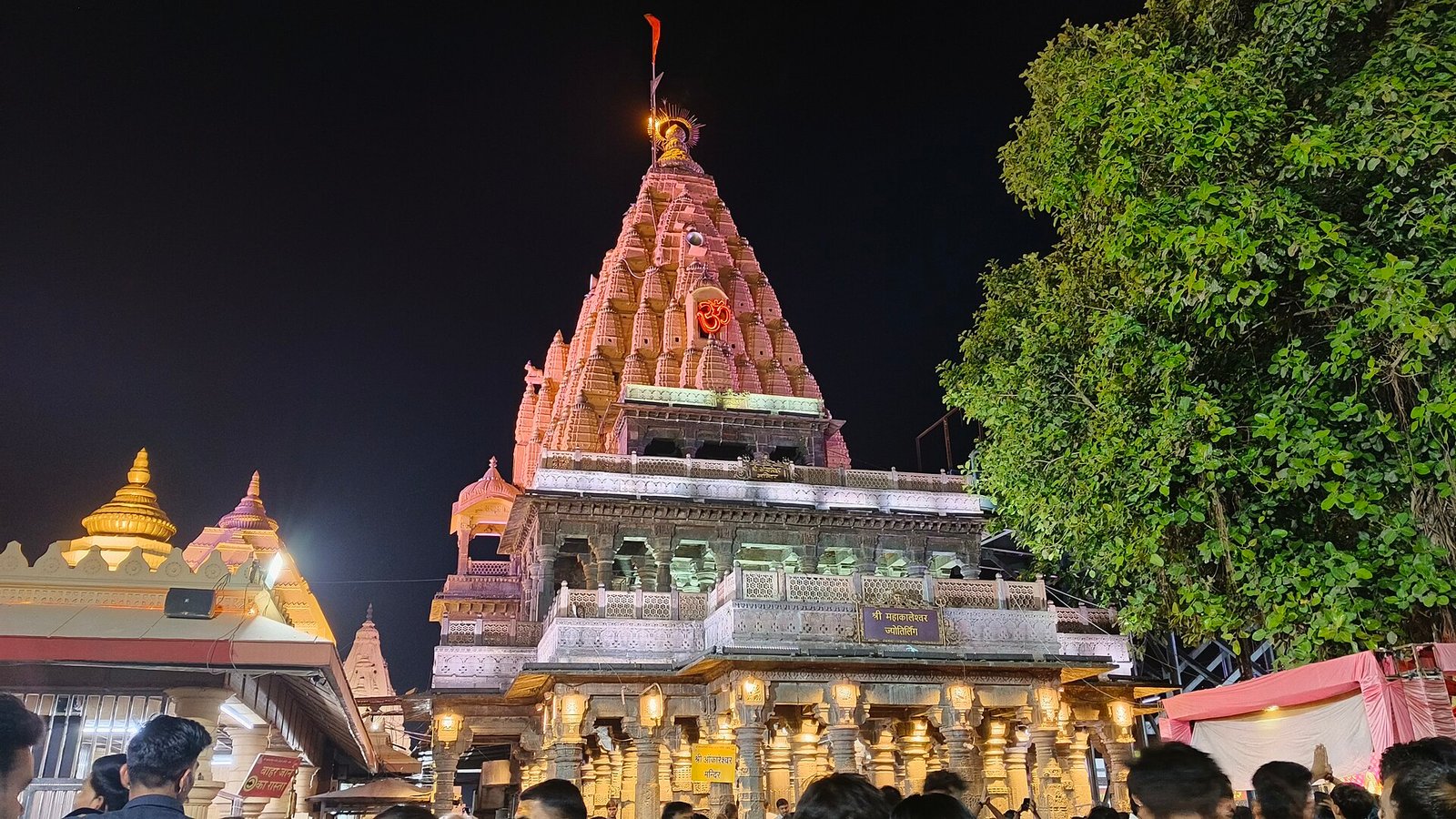
Ujjain is one of the oldest and holiest cities in India, set on the banks of the Kshipra river in Madhya Pradesh. At its heart stands the Mahakaleshwar temple, home to one of the twelve sacred Jyotirlingas of Shiva.
Kal Bhairav’s temple adds Ujjain’s famous curiosity: the city’s guardian deity receives offerings of liquor, poured before the image by the priests in a custom that startles first-timers and delights the devout — one more sign of a city whose sacred customs kept their own counsel across the centuries.
It is famous for the Bhasma Aarti, a pre-dawn ritual performed with sacred ash, and is one of the four cities that host the great Kumbh Mela, known here as the Simhastha, once every twelve years.
Beyond Mahakaleshwar, the city is dense with temples, ghats and legend, having been a seat of learning and astronomy for centuries — a meaningful trip for pilgrims and history-minded travellers from Gujarat.
The Bhasma Aarti is the pilgrimage’s summit experience: in the black hours the Mahakal linga is bathed and then adorned with sacred ash in a ritual unique among the Jyotirlingas — Mahakal is Shiva as time and death itself, and the ash makes the point — while drums and chants build an intensity that regulars say no other temple hour in India matches. Seats are limited and booked through the temple’s official channels days or weeks ahead; the unbooked can watch the relay in the courtyard, which carries most of the charge.
Ujjain’s deeper resume rewards a second day: the city was ancient Avantika, capital of legendary Vikramaditya, the zero meridian of classical Indian astronomy — the Vedh Shala observatory continues the tradition — and a seat of Sanskrit learning where Kalidasa is placed by tradition. From Gujarat the city rides the Ahmedabad–Indore corridor by rail and road; pair it with Omkareshwar for the two-Jyotirlinga circuit, and avoid — or embrace — the Simhastha years, when the city becomes one of the largest gatherings on earth.
Pilgrims gather at the ghats along the sacred Kshipra river.
Reasons to make the time
Mahakaleshwar
One of the twelve Jyotirlingas of Shiva.
Bhasma Aarti
A famous pre-dawn ritual with sacred ash.
Kshipra ghats
Sacred bathing ghats along the river.
Astronomy heritage
Once the reference for Indian timekeeping.
Top sights in Ujjain
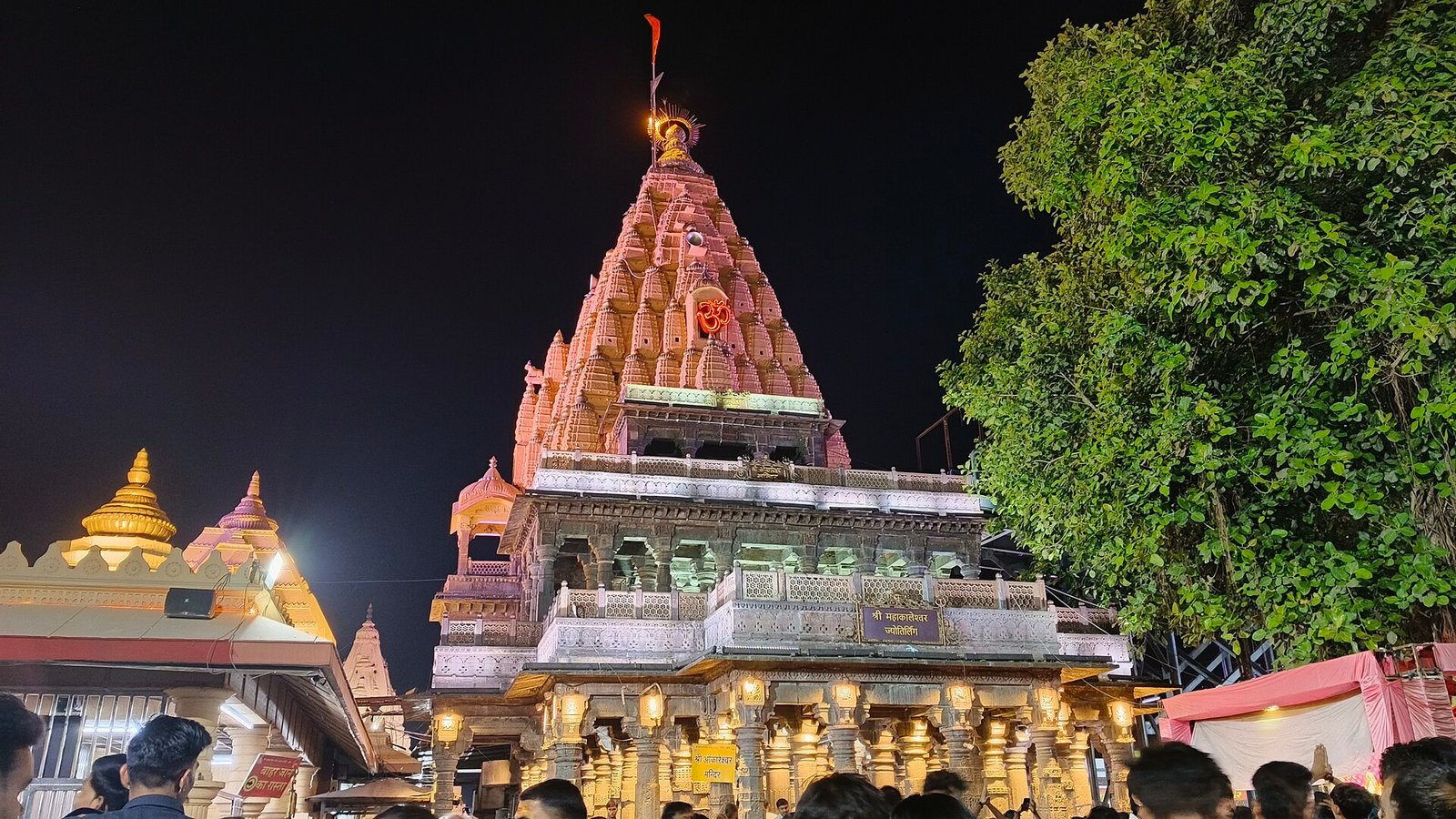
Mahakaleshwar Temple
The Jyotirlinga at the city's spiritual heart.
Ram Ghat
The atmospheric riverside heart of Ujjain.
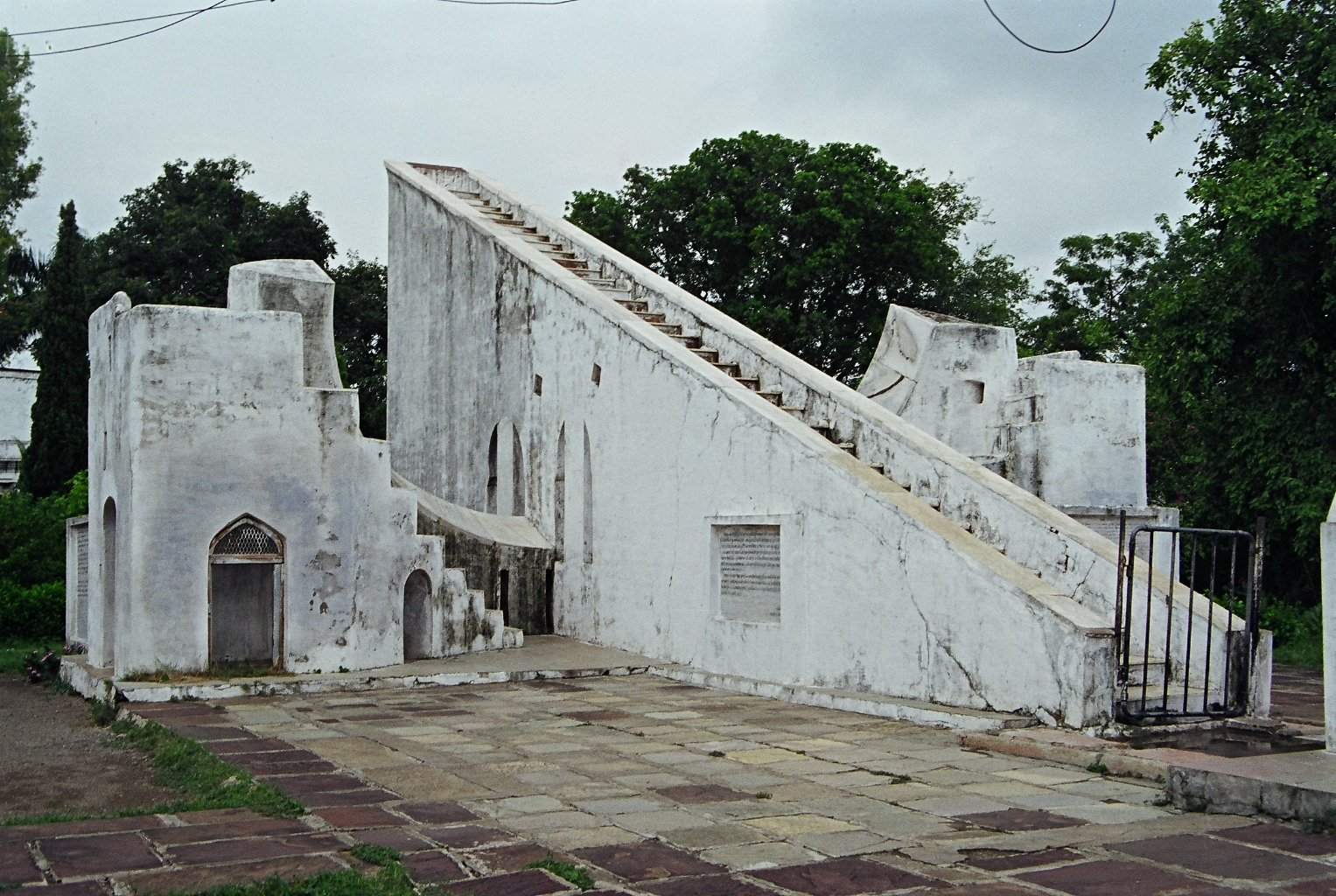
Vedha Shala
The historic astronomical observatory.
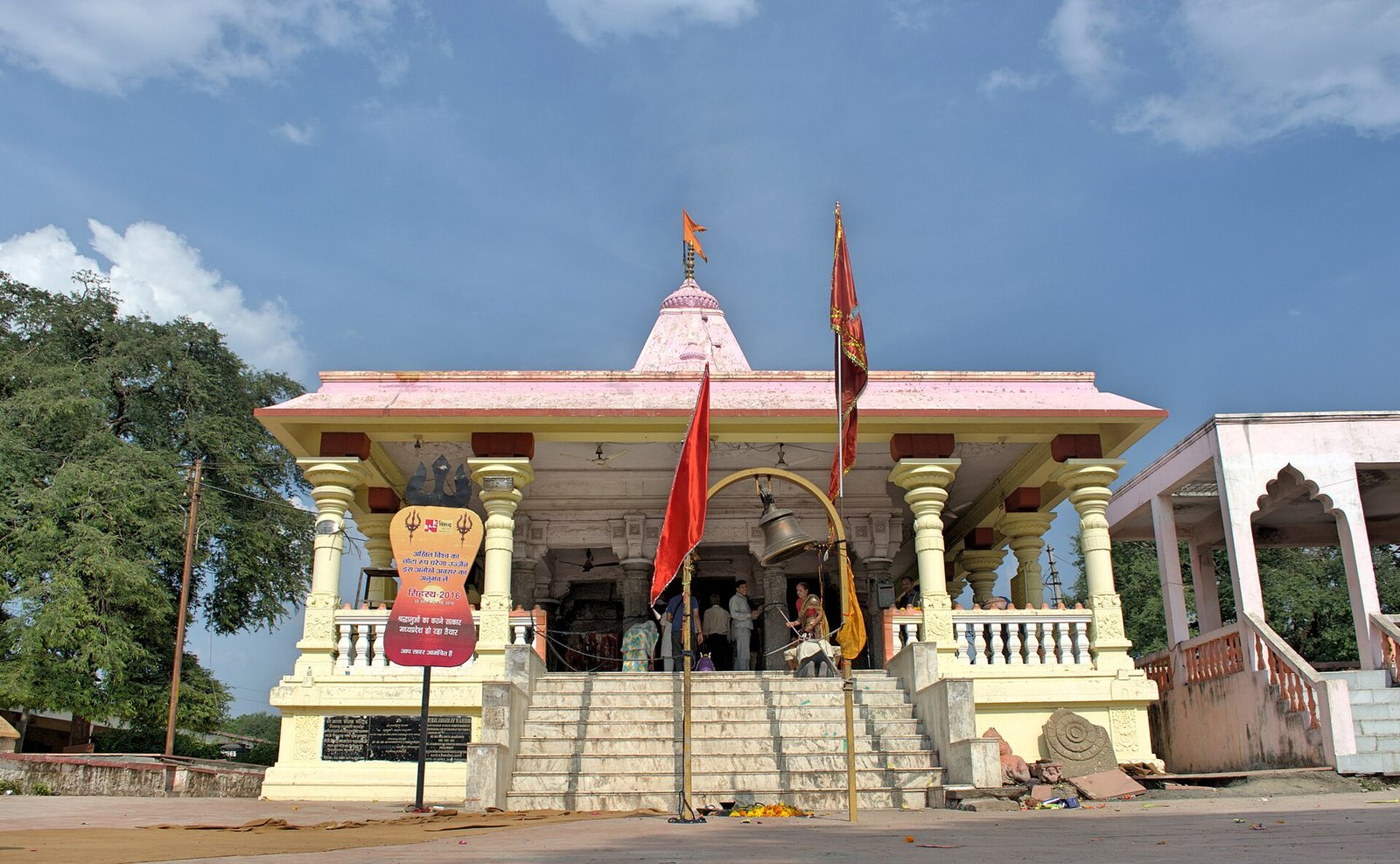
Kal Bhairav Temple
Known for its unusual ritual offerings.
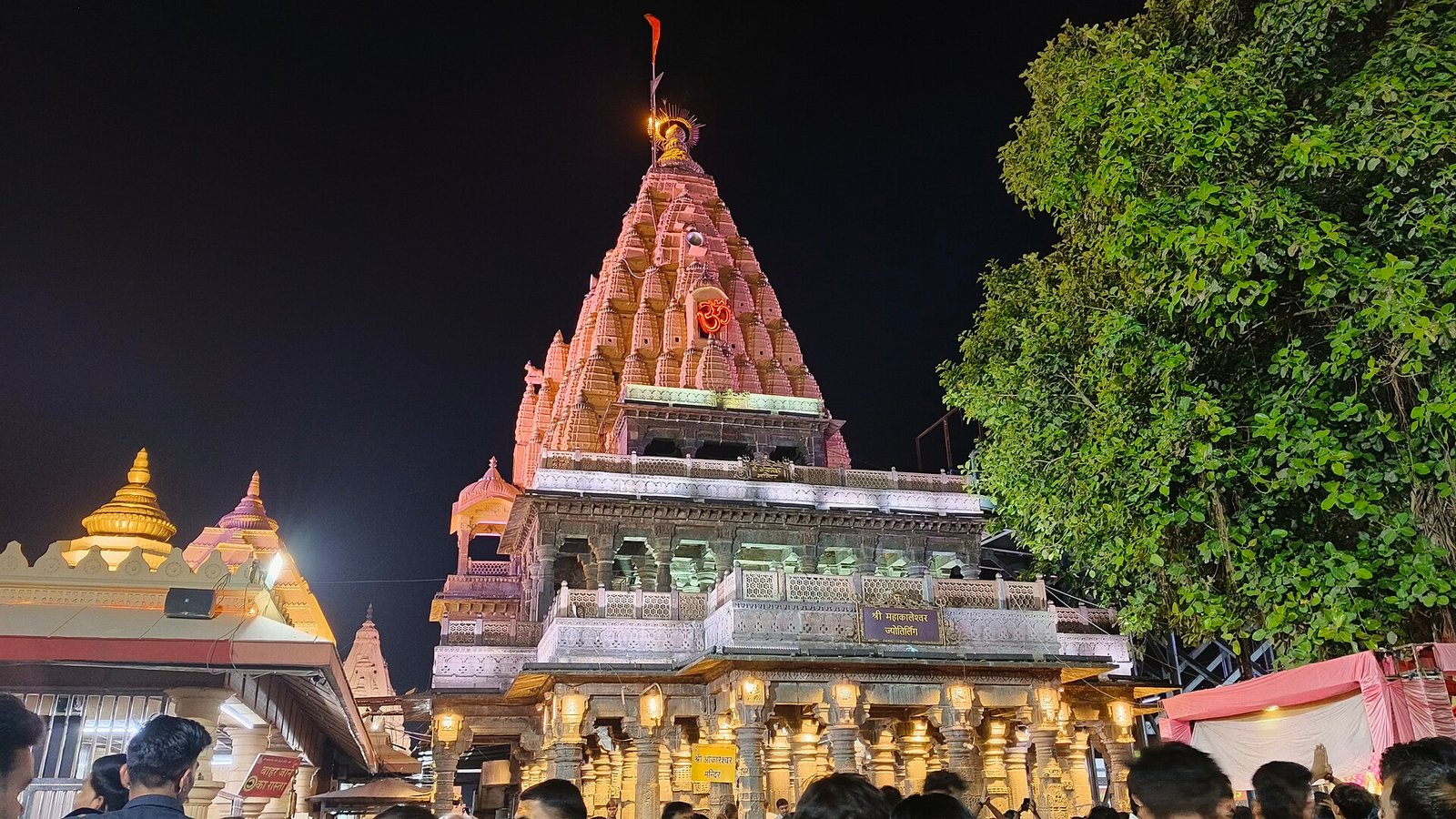
Harsiddhi Temple
A Shakti Peeth with towering lamp pillars.
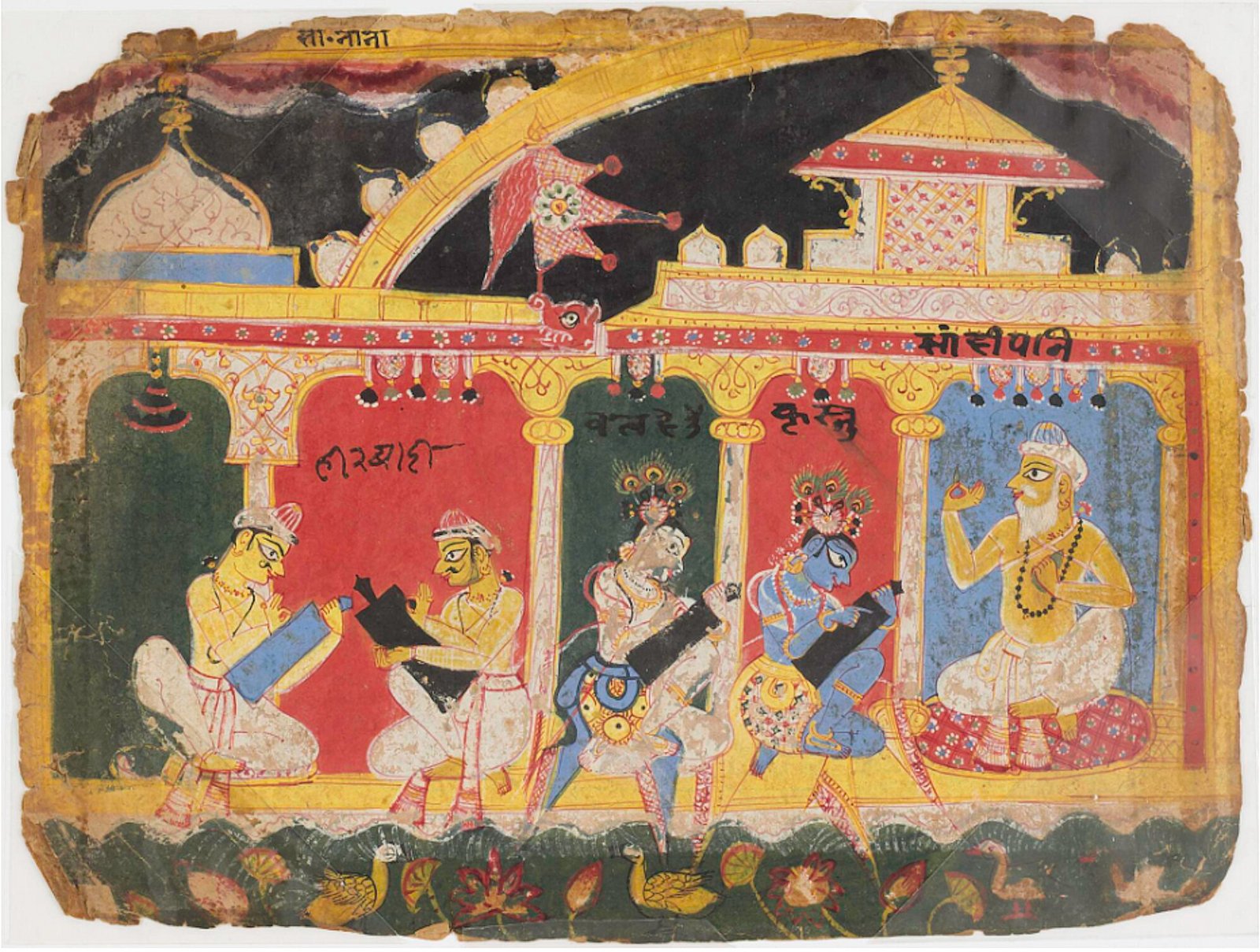
Sandipani Ashram
Linked to Krishna's education in legend.
Photos via Wikimedia Commons
How to spend an hour or two
Attend the Bhasma Aarti
Book the pre-dawn Bhasma Aarti well ahead and arrive by 3 a.m. sharp.
Take darshan at Mahakaleshwar
Take Mahakaleshwar's darshan through the day's regular queues otherwise.
Sit by Ram Ghat
Walk Ram Ghat at dusk for the Kshipra's evening aarti and lamps.
See Kal Bhairav
Visit Chintaman Ganesh and the Harsiddhi temple's lamp towers.
Explore the observatory
See the Vedh Shala observatory, where India's meridian once ran.
When to go
October to March gives comfortable weather for temples and ghats.
The monsoon fills the Kshipra and cools the queues, with some rain.
Summer heat makes the daytime queues genuinely tiring.
🔥 The pre-dawn Bhasma Aarti usually needs prior booking — arrange it well in advance.
Timings & entry
- Mahakaleshwar opens very early for the Bhasma Aarti.
- Phones and cameras are restricted in the main temple.
Getting there
By Air
Indore airport, about 55 km, has flights from major cities.
By Rail
Ujjain Junction is well connected across India.
By Road
About 400 km from Ahmedabad; often part of a Jyotirlinga circuit.
Know before you go
Ujjain FAQ
Why is Ujjain famous?
For the Mahakaleshwar Jyotirlinga, its pre-dawn Bhasma Aarti, and being one of the four Kumbh Mela cities.
What is the Bhasma Aarti?
A special pre-dawn ritual at Mahakaleshwar using sacred ash; it usually requires advance arrangement to attend.
How far is Ujjain from Gujarat?
Roughly 400 km from Ahmedabad, with the nearest airport at Indore about 55 km away.
Can I pair it with Omkareshwar?
Yes, Omkareshwar, another Jyotirlinga, is a common add-on to an Ujjain trip.
When is the Kumbh here?
The Simhastha Kumbh Mela is held in Ujjain once every twelve years, drawing enormous crowds.
WHERE TO STAY
Find your stay in Gujarat
Compare live prices across the big booking sites and reserve in a few taps. Booking happens securely on the partner's site — we may earn a small commission at no extra cost to you.
Book directly on our partner sites — tap a provider to see live Gujarat hotels & prices:
SHOP THE REGION
Bring home Gujarat — & travel essentials
Hand-picked crafts and trip gear, available on Amazon.
Published 7 July 2026
We’re an independent group of writers and travellers documenting every corner of Gujarat — one place, plate and festival at a time.