Best time
November to February
From Bhuj
About 80 km, roughly 90 minutes
Good for
White Rann access, full moon, families
Recognition
UNWTO Best Tourism Village, 2023
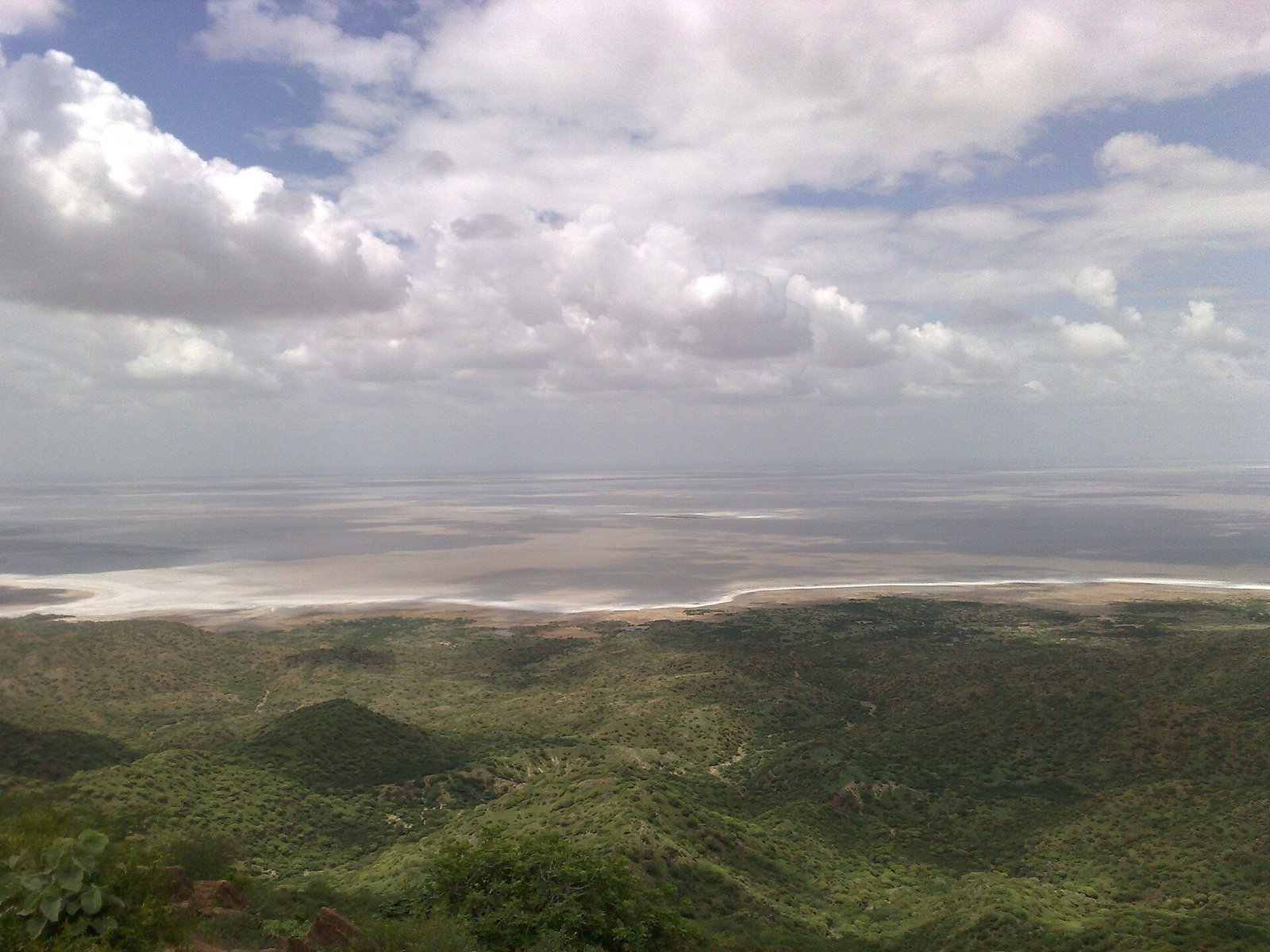
Dhordo is a village of a few hundred people at the edge of the Great Rann of Kutch, about 80 km north of Bhuj and close to the Pakistan border. For most of the year it is a quiet Banni settlement of mud-and-mirror bhungas known for embroidery. For a few months each winter it becomes the address everyone in Gujarat tourism is talking about — the site of the Rann Utsav tent city and the main gateway to the white salt desert.
In 2023 the United Nations World Tourism Organization named Dhordo one of its Best Tourism Villages, recognising a community that rebuilt after the 2001 earthquake and turned its position on the edge of the salt into a livelihood. This guide is about the practical side of staying here: what the accommodation options actually are, how the permits and viewing timings work, and how to use Dhordo as a base rather than a one-night stop.
Why stay at Dhordo
Because of proximity, and proximity is everything with the white Rann. The salt viewing area is a short drive or walk from the accommodation, which means you can go out for sunset, come back for dinner, and go out again later when the moon is up and the crowds have gone. Visitors who stay in Bhuj and day-trip get one shot at the light and a long dark drive home; visitors who stay at Dhordo get the plain twice in a night, which is where the experience actually lives.
And because the village itself is worth something. This is Banni country — mud bhungas with mirrored interiors, some of the finest embroidery traditions in India, and communities including the Mutwa whose fine mirror-and-thread work is exceptional. Staying locally, particularly in a family-run camp or homestay, puts you in contact with that rather than with a catering operation. The surrounding Banni grasslands are also good for birds at dawn: larks, sandgrouse, harriers, and with luck desert cat or chinkara.
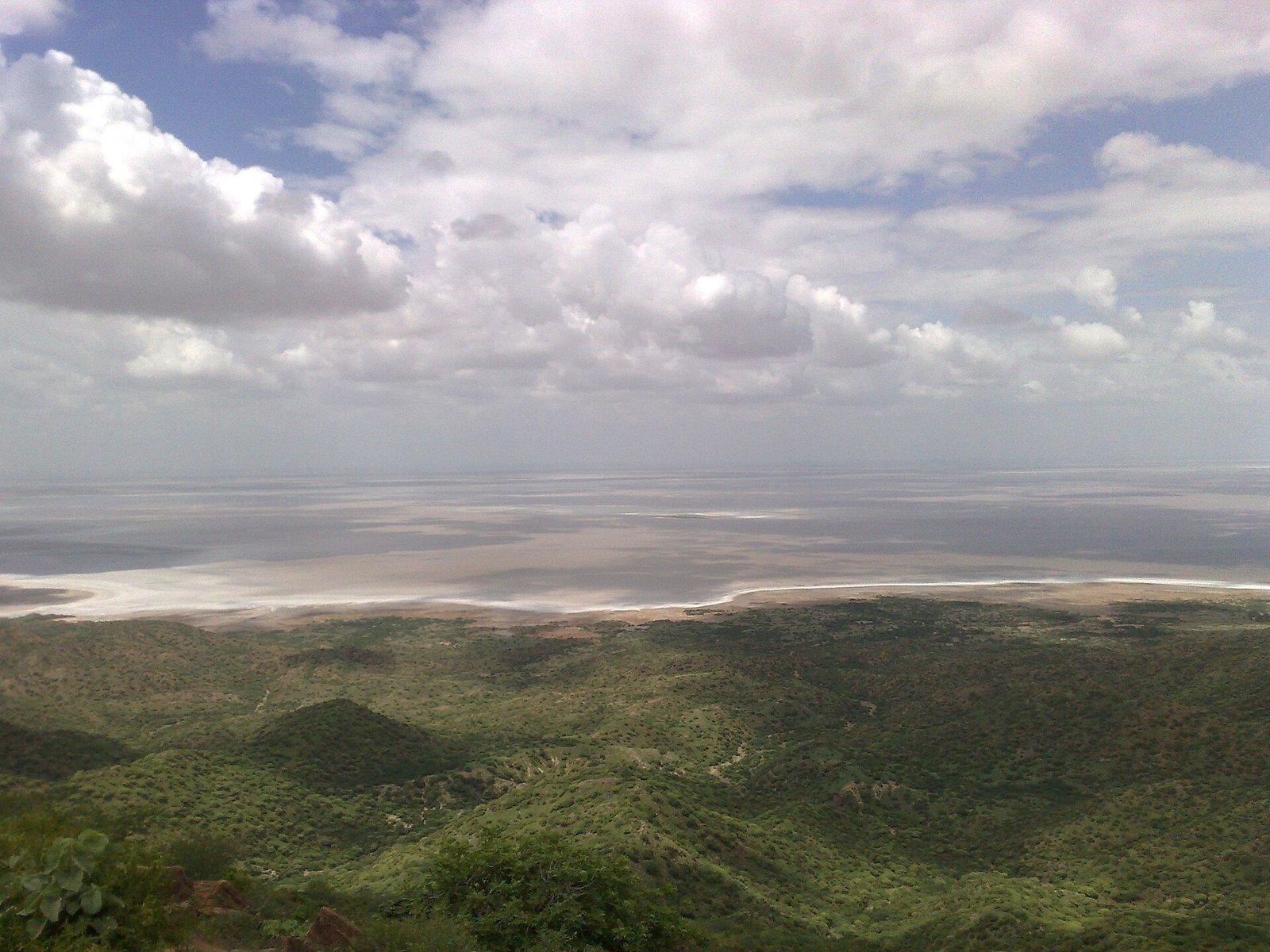
A village of a few hundred people that becomes Gujarat's best-known winter address.
How to plan a Dhordo stay
- Come between November and FebruaryThe salt crust needs the monsoon flood to have dried out. Earlier and it is still wet; later and the heat builds fast. There is no white Rann in the monsoon.
- Pick your date around the moonFull-moon nights are the reason to come and they book out months ahead. A night either side of full is nearly as good and considerably easier to get.
- Decide: tent city or village homestayThe Rann Utsav tent city offers scale, facilities and a cultural programme. Independent camps and family homestays at Dhordo, Hodka and Ludiya offer quiet, better food and real contact with the community.
- Arrange the border permitTake photo ID for everyone travelling. Permits are issued at the Bhirandiyara checkpoint on the way up, or arranged by your camp. Foreign nationals need passports and more time.
- Check the salt viewing timingsAccess to the white Rann viewing area is controlled and has set hours, which shift with the season. Confirm on arrival so you are not caught out at sunset.
- Plan the drive up as part of the tripNirona for rogan art, copper bells and lacquer; Khavda for pottery; Bhirandiyara for mawa. The road from Bhuj is genuinely one of the best craft routes in India.
How to get there
Bhuj is the hub for everything in Kutch — an airport with flights from Mumbai and Ahmedabad, a railway station, and taxis and buses in all directions. From Bhuj to Dhordo is about 80 km and an hour and a half by road, north through Bhirandiyara where the permit checkpoint sits. The road is good.
During the Rann Utsav season there are organised transfers from Bhuj, and packages usually include them. Otherwise a hired car with a driver is the right call, both for the flexibility to stop at the craft villages and because you will want a vehicle for the salt viewing area and the Banni grasslands. Public buses do run north from Bhuj but they will not serve the Rann access or the villages usefully.
Where to stay
The Rann Utsav tent city is the largest option by a wide margin: several hundred tents across categories from basic to luxury, all with attached bathrooms and hot water, plus dining halls, a stage, craft stalls and organised activities. It is comfortable and efficient, and it is a temporary construction that comes down each spring. Book through official channels for the season you want.
The alternatives are where Dhordo gets interesting. Independent camps and family-run homestays operate in and around the village, several owned by local craft families, and the well-known village-run resort at nearby Hodka has been a model for community tourism in India for years. Expect mud bhunga accommodation, home cooking, and hosts who can actually explain the embroidery on the wall. These are limited in number and go early. Bhuj hotels remain the fallback, with the day-trip compromise that entails.
Best time to visit
November to February. December and January are the heart of it: full salt crust, cold clear nights, the festival in full swing and the highest prices and crowds. November and late February are quieter shoulders that still deliver a proper white Rann, and are worth considering if flexibility matters more to you than the peak buzz.
March can still work in a cool year but the heat starts to assert itself. From April onwards Kutch becomes one of the hottest places in India and the flat, shadeless salt is genuinely dangerous in the middle of the day. Through the monsoon and into October the Rann is flooded — a shallow inland sea rather than a desert. The season is short and non-negotiable, so build the trip around it rather than the other way round.
Practical tips
- Pack properly warm layers. Desert nights in December and January are cold and the open salt is windy after dark.
- Keep photo ID on you, not in your luggage — you will need it at the Bhirandiyara permit checkpoint.
- Go out onto the salt a second time, late. That is when the plain goes silent and the moonlight does its work.
- Buy embroidery and craft directly from artisan families in the Banni villages rather than from resort stalls.
- Give the drive from Bhuj half a day, stopping at Nirona and Khavda; treat it as part of the destination.
Frequently asked questions
How far is Dhordo from Bhuj?
About 80 km north, roughly an hour and a half by road via the Bhirandiyara permit checkpoint.
Do I need a permit to visit Dhordo and the white Rann?
Yes. It is a border area and a permit is required, taken at Bhirandiyara or arranged by your camp. Everyone needs photo ID; foreign nationals should carry passports.
Is the Dhordo tent city open all year?
No. It operates only for the winter season, roughly November to February or March, and is dismantled afterwards. The Rann itself floods in the monsoon.
Are there alternatives to the Rann Utsav tent city?
Yes — independent camps and family-run homestays at Dhordo and nearby Hodka and Ludiya, several run by local craft communities. They are quieter and more personal but limited in number.
Why is Dhordo famous?
It is the main gateway to the white Rann of Kutch and the site of the Rann Utsav tent city, and in 2023 it was named one of the UN World Tourism Organization's Best Tourism Villages.
Dhordo is worth staying at rather than passing through, and the reason is simple arithmetic: sleeping here means you get the white Rann at sunset and again under the moon, while day-trippers get one and a long drive. Come between November and February, aim for a full moon and book it early, keep your ID handy for the checkpoint, and consider a village homestay over the tent city. Then give the craft villages on the road up from Bhuj the half-day they deserve.