Home › Destinations › Calico Museum
MUSEUM · TEXTILESOne of the world's finest textile collections — centuries of Indian weaving, block-print and embroidery, hidden inside a serene garden retreat.
Quietly famous among textile lovers worldwide, the Calico Museum holds one of the greatest collections of Indian fabric anywhere. Founded in 1949 by Gautam and Gira Sarabhai, it gathers centuries of the subcontinent’s weaving, dyeing, printing and embroidery — from regal Mughal-era textiles and temple cloths to tie-dye, brocade and vast ceremonial tents.
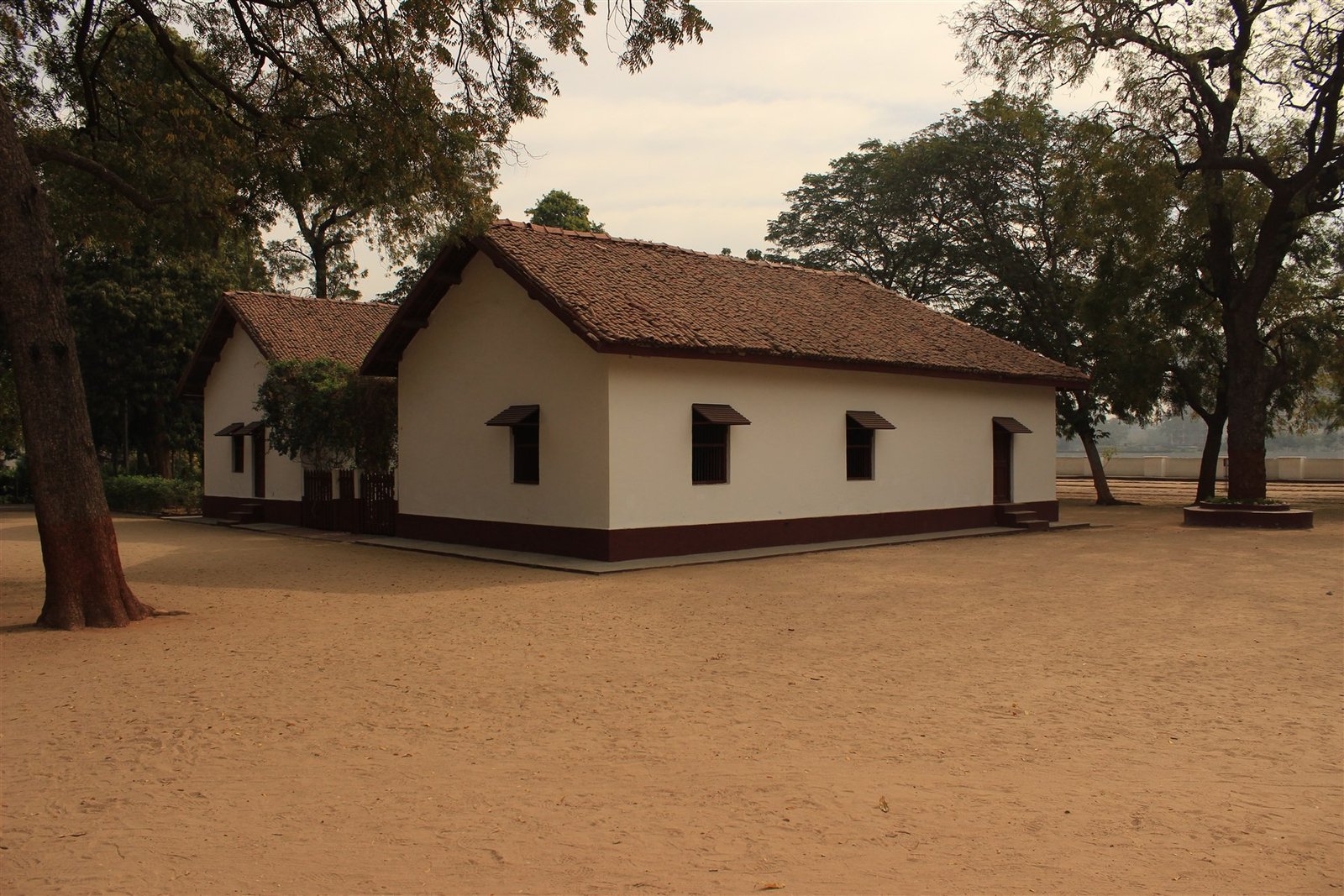
The museum is housed in beautifully reassembled carved-wood havelis within the leafy Sarabhai Retreat at Shahibaug, so a visit feels like stepping into a private estate. Conservation comes first: there’s no photography inside, and entry is strictly by a small, free guided tour each day.
For anyone who loves craft, design or history, securing a place on that tour is one of Ahmedabad’s most rewarding experiences.
Patola double-ikat — the calibre of work the museum holds.
Centuries of Indian textile artistry, preserved.
Gautam and Gira Sarabhai found the museum, drawing on the family's textile heritage.
The collection grows into one of the world's foremost textile archives.
Housed in carved havelis in the Sarabhai Retreat; entry by guided tour only.
Strict conservation — no indoor photography, limited daily visitors.
Among the finest textile museums on the planet.
Rare royal and religious textiles centuries old.
Set in carved havelis within the leafy Sarabhai estate.
Expert-led visits, at no charge, in small groups.
Weaving, block-print, tie-dye, brocade and embroidery.
Quiet, exclusive and unknown to most visitors.
Mughal-era fabrics, temple cloths and tents.
Weaving, printing, dyeing and embroidery.
Reassembled wooden havelis set among gardens.
Regional weaves, ikat and rich embroidery.
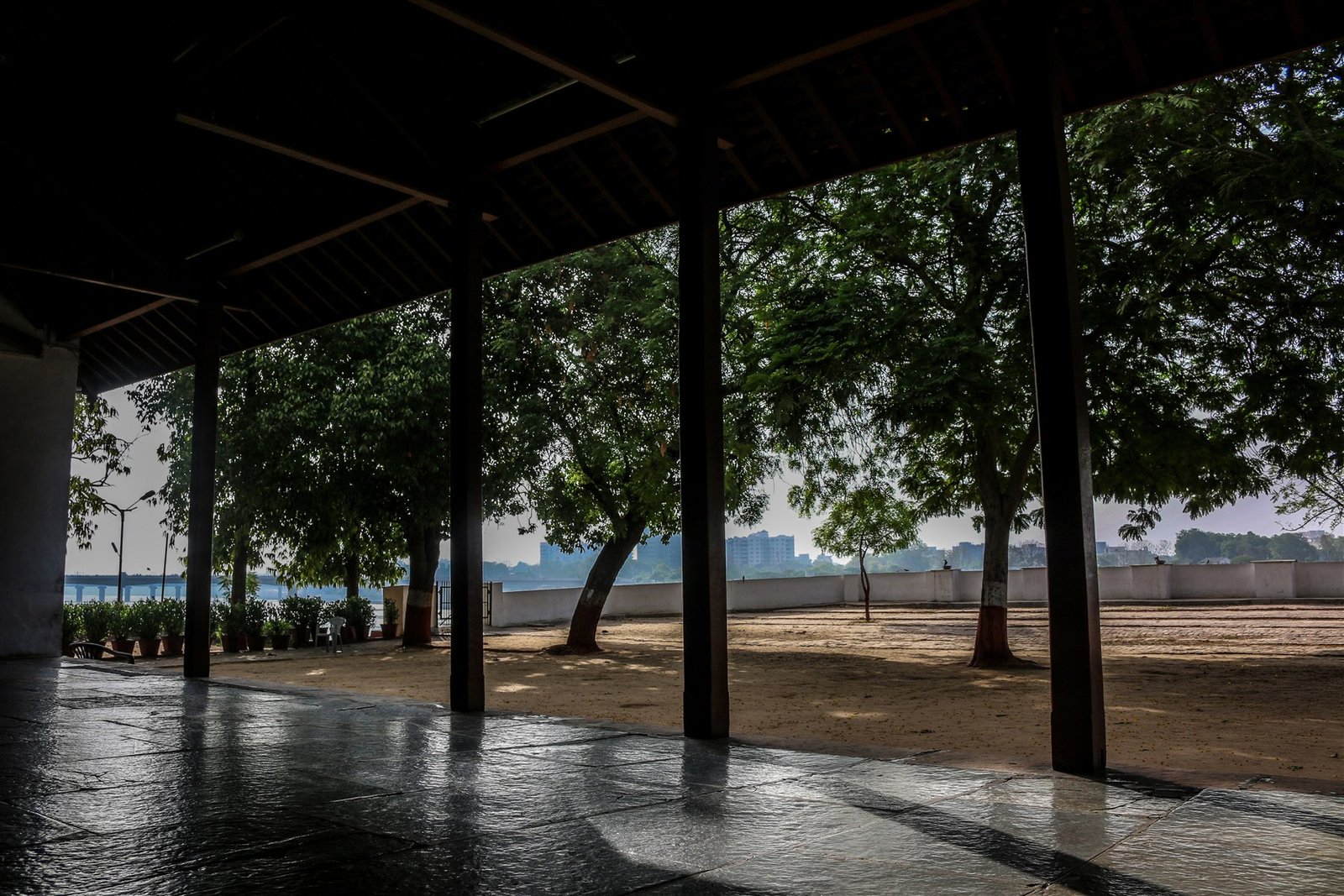
A green, garden-like estate at Shahibaug.
Small-group, expert-led visits each day.
Reserve a place on a guided tour well in advance — slots are limited.
Tours run to a strict schedule; latecomers may miss entry.
The collection is seen only on the curated, walked tour.
Look closely at the rare royal and religious textiles.
Compare weaving, block-print, ikat and embroidery up close.
Take in the calm, garden-like Sarabhai estate around the galleries.
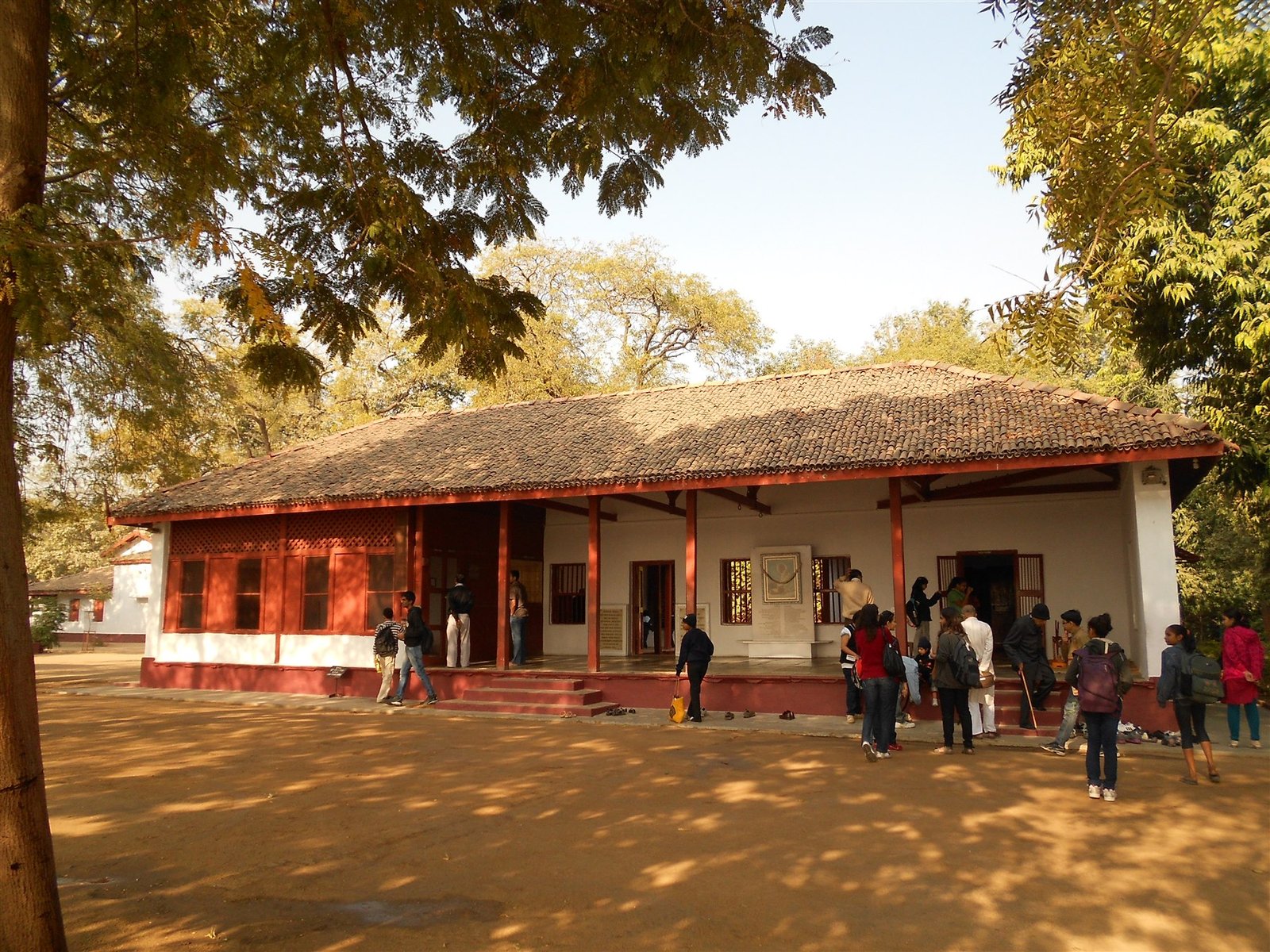
Heritage textiles displayed in haveli galleries.
The museum’s setting is part of its magic. The galleries occupy carefully reassembled carved-wood havelis set within the green Sarabhai Retreat at Shahibaug, so the architecture echoes the craft it houses. Cool, dim rooms protect the fragile textiles, while courtyards and gardens link one gallery to the next.
Displays are arranged by technique and tradition — court textiles, religious cloths, regional weaves and tie-dyes — and explained by the guide as you walk. The whole experience is designed around conservation and contemplation rather than crowds.
Carved-haveli galleries
Set in the Sarabhai Retreat
Climate-controlled display
Guided, small-group access
Cool and bright — the most pleasant time to be out across Ahmedabad.
The city greens up and the heat breaks with brief, refreshing showers.
Hot and dry, often 40°C+. Best enjoyed early morning or after sunset.
⏰ Book your free tour days ahead and arrive early — places are strictly limited and the museum is closed on Wednesdays.
SVP International Airport is about 8 km away — roughly a 20-minute cab ride.
Ahmedabad Junction is around 4 km; Shahibaug is well connected.
In the Shahibaug area; autos and app-cabs reach the Sarabhai Retreat easily.
LOOK, DON'T SHOOT
Photography is not allowed within the museum, to protect the textiles.
The garden estate and haveli exteriors can be enjoyed without cameras out.
With no screens between you and the cloth, simply look and remember.
Carry a small notebook if you'd like to record details and techniques.
Host of the grand Rath Yatra procession
The mysterious 'shaking minarets'
Flamingos & migratory birds nearby
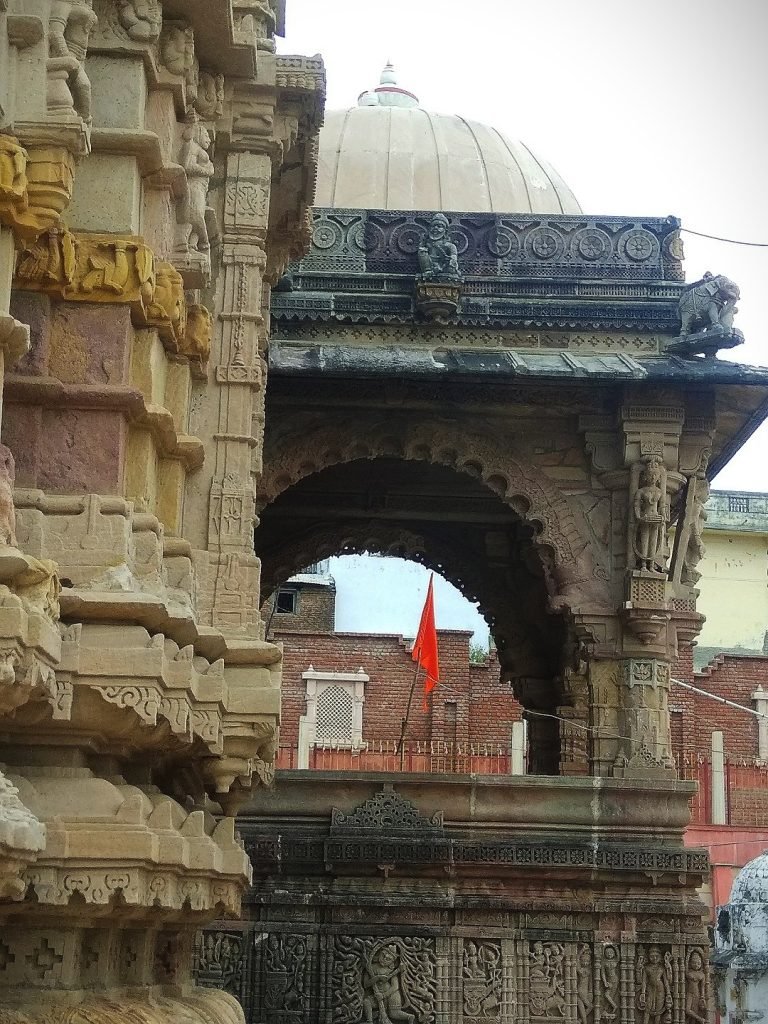
1424 mosque on 250+ carved pillars
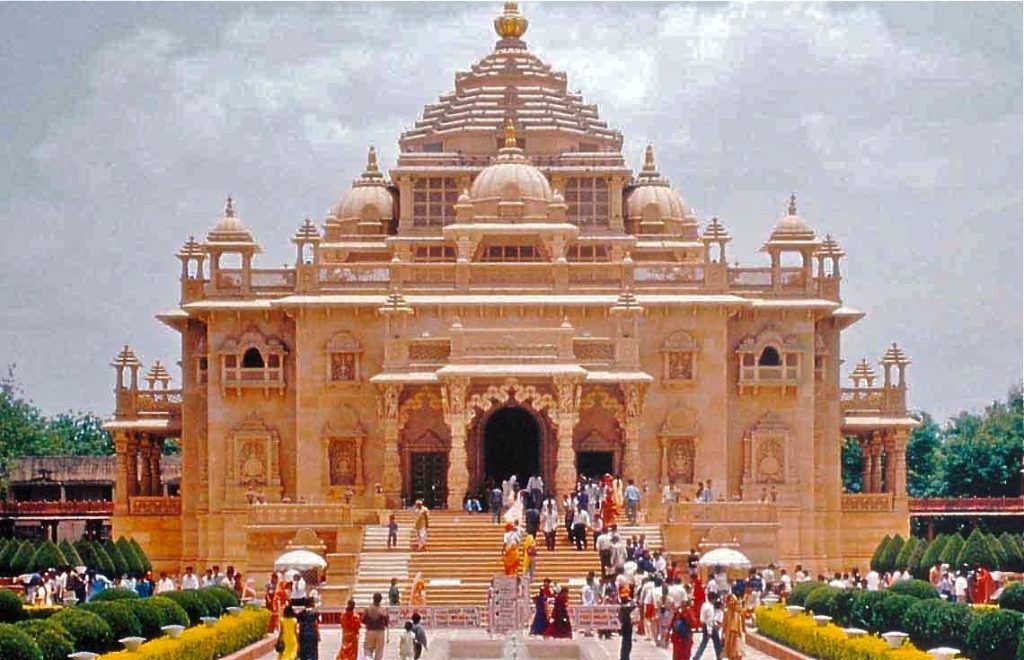
The first-ever Swaminarayan temple (1822)
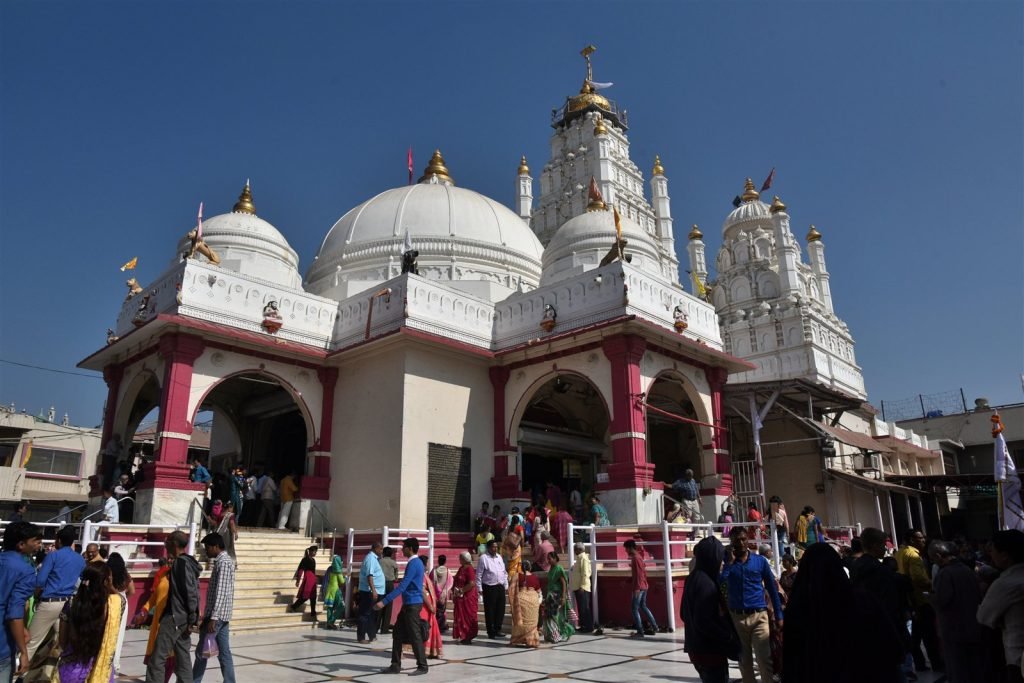
Exquisite 1848 white-marble Jain temple
By night the old jewellers' square turns into a buzzing street-food bazaar.

An evening lane of carts serving Gujarati chaat, sandwiches and sweets.

Fresh fafda-jalebi, dabeli and khaman in the lanes of the walled city.
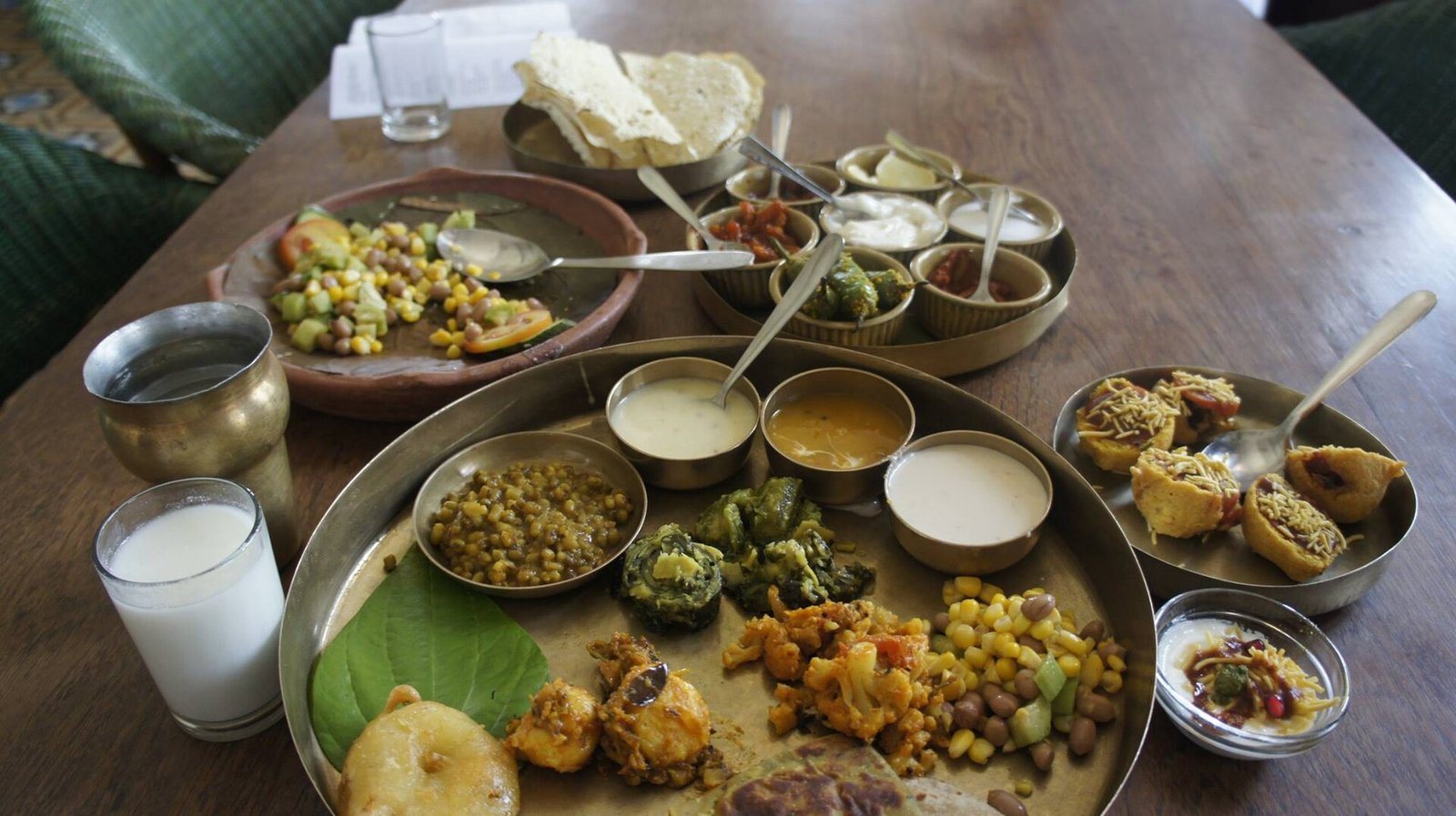
Ahmedabad is famously veg-friendly — expect superb thalis and farsan.

In the Shahibaug area of Ahmedabad, within the Sarabhai Foundation's retreat.
No — entry is free, but only by advance-booked guided tour.
Yes; daily visitor numbers are strictly limited, so book ahead.
Entry is by guided tour at set times; the museum is closed on Wednesdays.
No — photography is not permitted inside, to protect the textiles.
Centuries of Indian textiles: Mughal-era fabrics, temple cloths, weaves, tie-dye and embroidery.
Gautam and Gira Sarabhai, in 1949.
About two hours.
It's best for those genuinely interested in textiles and craft.
It's regarded as one of the finest textile museums in the world.
WHERE TO STAY
Compare live prices across the big booking sites and reserve in a few taps. Booking happens securely on the partner's site — we may earn a small commission at no extra cost to you.
SHOP THE REGION
Hand-picked crafts and trip gear, available on Amazon.