Gujarat Explorer

Home › Banaskantha › Mangalya Van

NATURE · GARDEN · AMBAJI

Mangalya Van

A sacred forest garden — Mangalya Van at Ambaji, a landscaped spiritual garden of trees, plants and shrines created as a green, meditative space for pilgrims.
AT A GLANCE Quick Facts
📍 LOCATION Ambaji
🌳 TYPE Spiritual garden
🌿 THEME Sacred plants
🛕 HAS Shrines & paths
🧘 GOOD FOR Pilgrims
🎟️ ENTRY Free
☀️ BEST TIME Oct – Mar
⏱️ DURATION 1 hour
ABOUT THE PLACE

A green, meditative space

Mangalya Van is a landscaped ‘spiritual forest’ or garden developed at Ambaji as a green and meditative space for the many pilgrims who visit. Planted with trees and plants of religious and medicinal significance — including species associated with the nakshatras (birth stars) and Hindu tradition — and dotted with shrines, water features and walking paths, it offers a calm, shaded retreat amid the bustle of the pilgrimage town.

Part of the greening and development of the Ambaji area, it combines devotion with nature and environmental awareness — a restful, green pause on the pilgrimage. A spiritual garden, free to enter, and a genuinely calm retreat from the crowds gathered around the great goddess shrine.

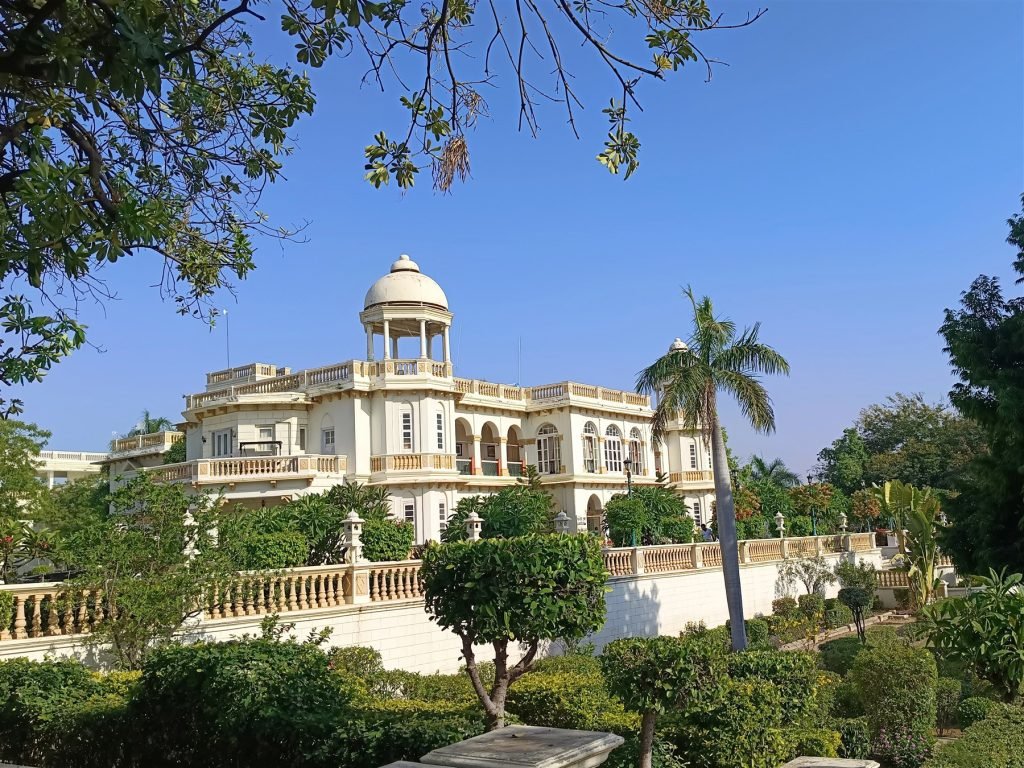
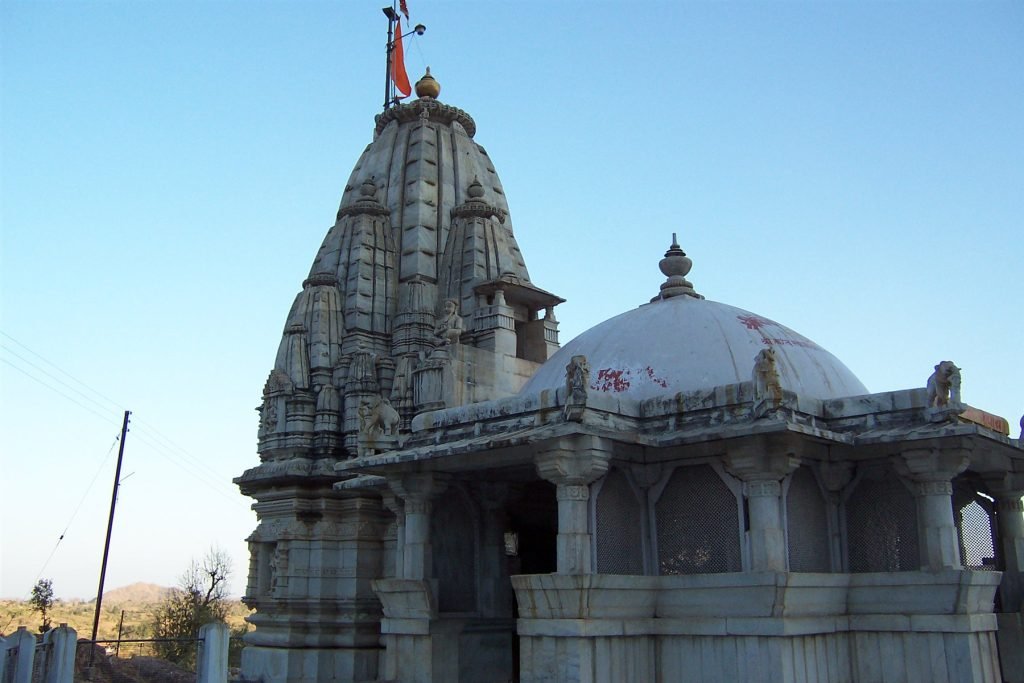
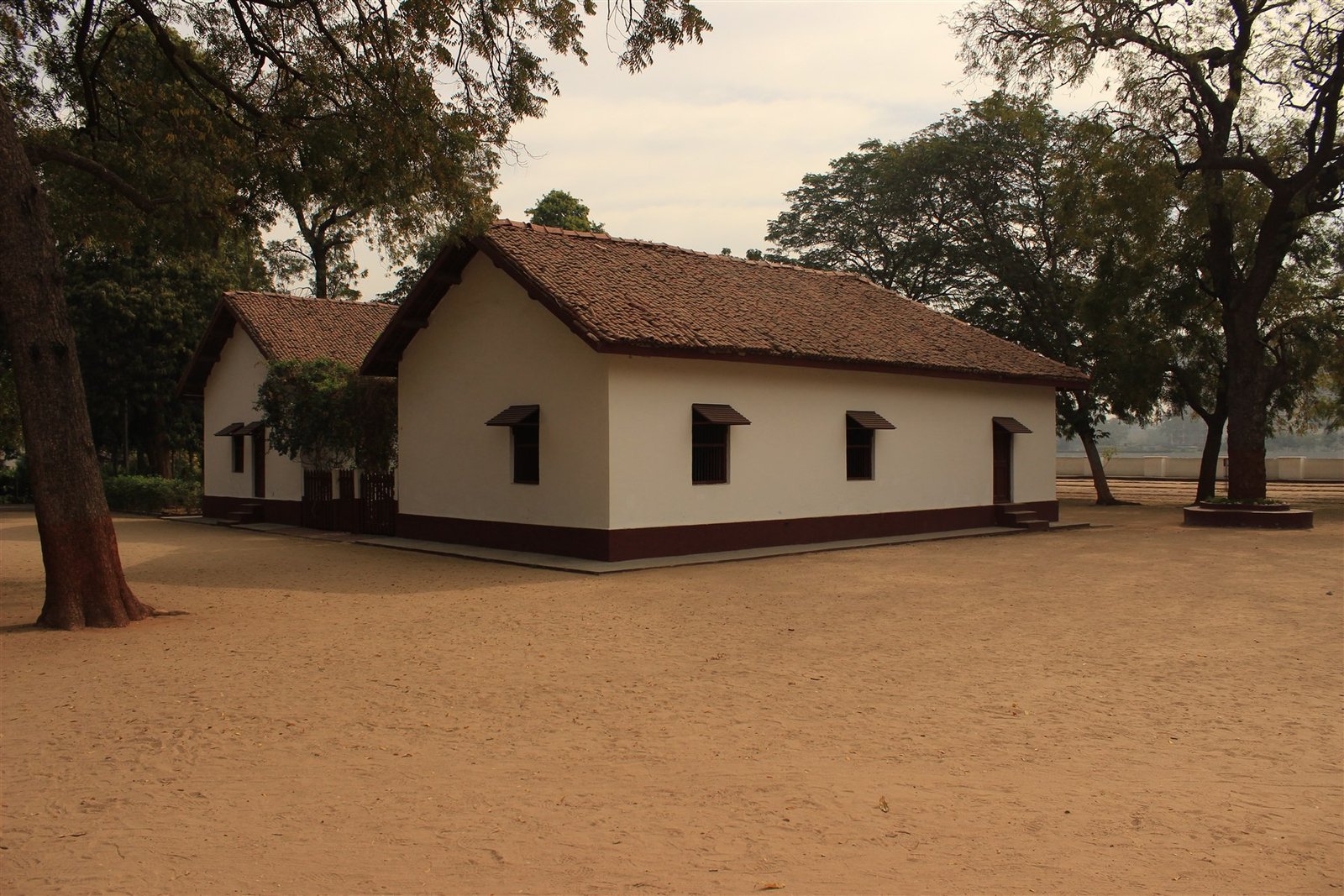
Illustration — Mangalya Van.

HISTORY

From a riverside experiment to the road to freedom

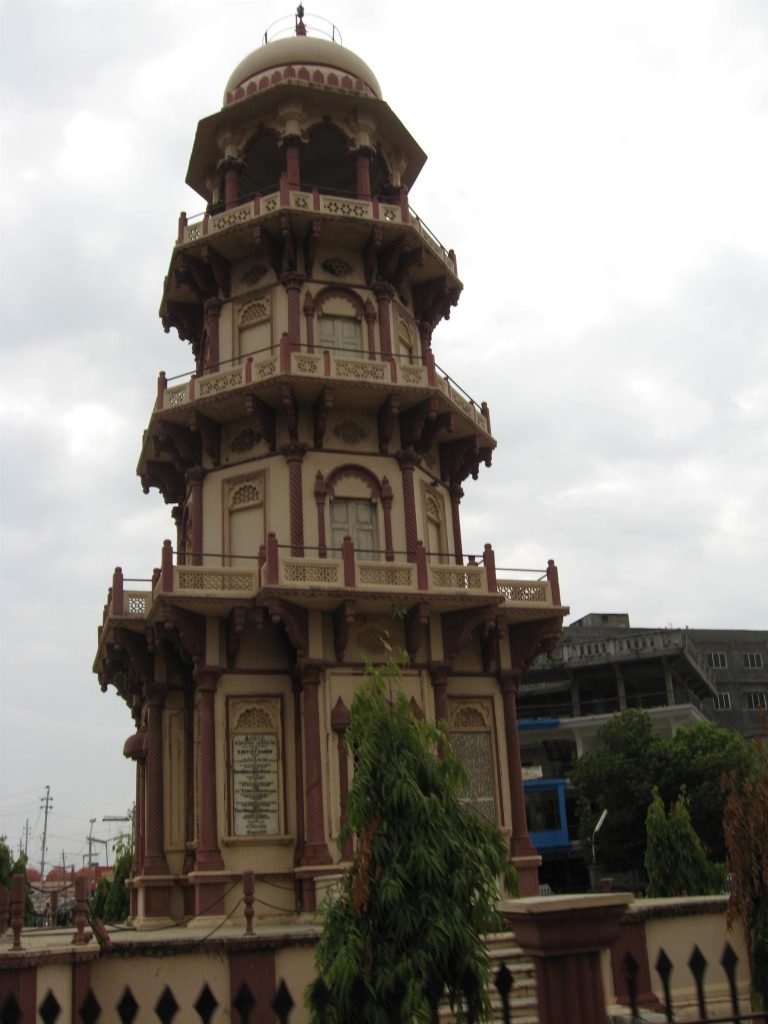
Illustration — sacred plants.

A spiritual garden

A landscaped 'forest' garden developed at Ambaji as a calm, green space for the many pilgrims who arrive at the shrine.

Sacred plants

Trees and plants of religious and medicinal significance, including species associated with the nakshatras and Hindu tradition.

Shrines & paths

Small shrines, water features and walking paths thread through the planting, giving the garden its meditative rhythm.

Greening Ambaji

Part of the wider greening and development of the Ambaji area, it pairs devotion with nature and environmental awareness.

WHY VISIT

Reasons to make the time

🌳

Spiritual garden

A green space — a landscaped 'forest' garden made for pilgrims at Ambaji.

🌿

Sacred plants

Nakshatra and medicinal species, planted with religious significance.

🛕

Shrines & paths

Small shrines and walking paths thread amid the greenery.

🧘

Meditative

A calm retreat — a quiet, shaded pause from the pilgrim bustle.

♻️

Eco-awareness

Greening Ambaji — devotion paired with nature and the environment.

🕊️

Restful

A shaded pause, minutes from the great goddess shrine.

HIGHLIGHTS

What to look for inside

THE GARDEN

Mangalya Van

Sacred greenery — the landscaped spiritual forest at Ambaji.
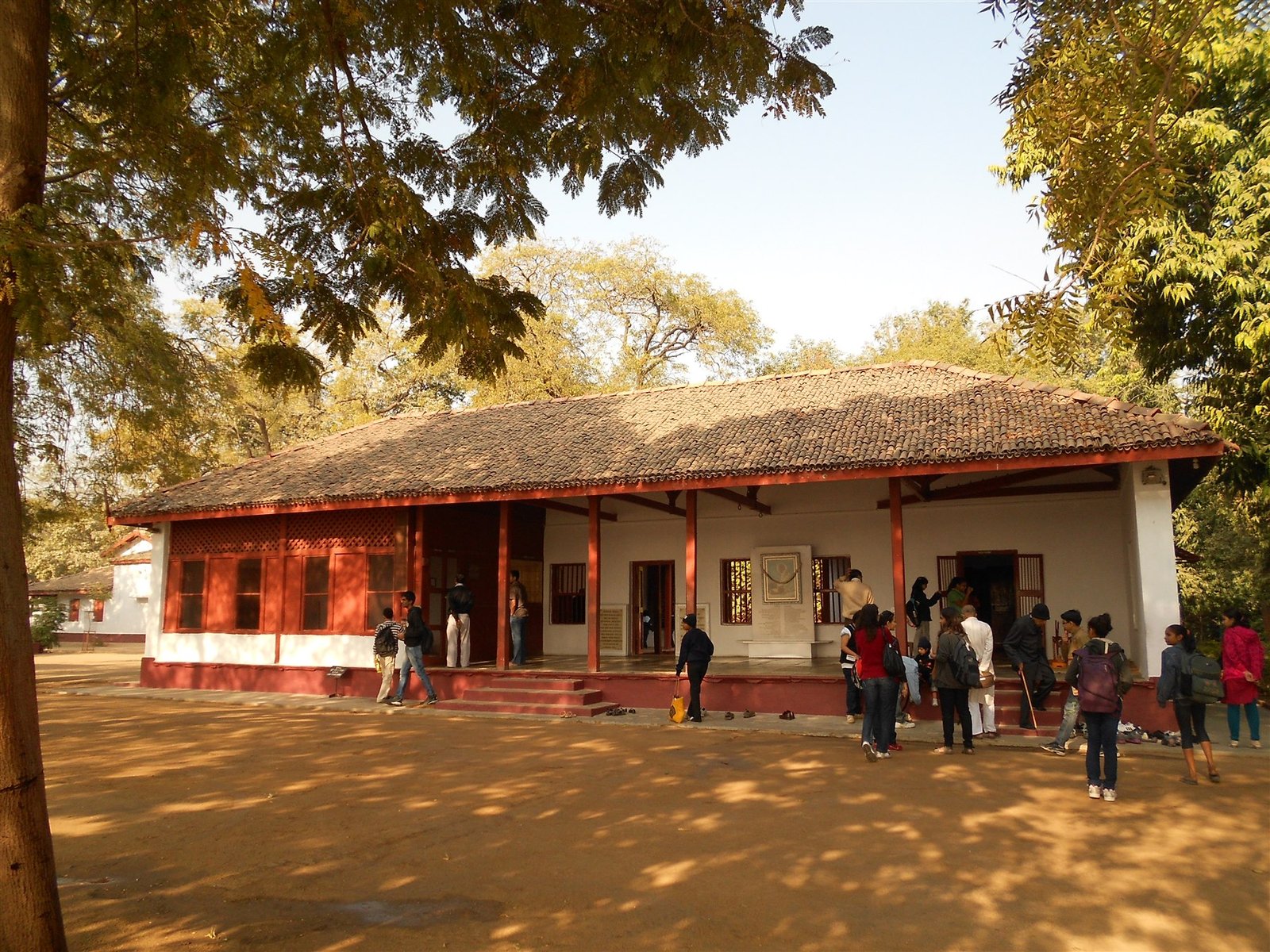
THE RETREAT

Shrines & paths

A calm space — small shrines and shaded walking paths amid the trees.
THINGS TO DO

How to spend an hour or two

01

Walk the garden

Wander among the trees and shaded paths of the landscaped spiritual forest.

02

See the sacred plants

Look for the nakshatra and medicinal species planted with religious significance.

03

Find the shrines

Small shrines sit amid the greenery, giving the garden its devotional rhythm.

04

Rest in the shade

Take a calm pause on a bench beneath the trees, away from the crowds.

05

Sense the calm

Let the meditative, green space settle the pace after the busy temple town.

06

Pair with the temple

Combine your visit with Ambaji, the great goddess shrine just nearby.

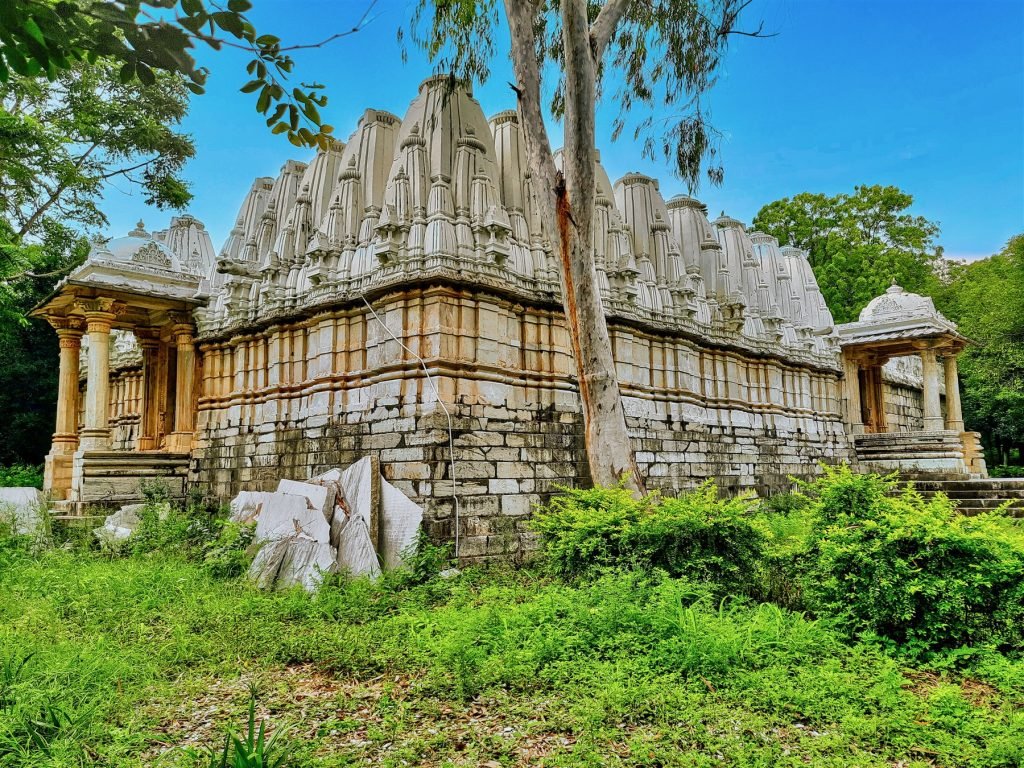
Illustration — Mangalya Van.

ARCHITECTURE & SETTING

A spiritual forest garden

Mangalya Van is a landscaped spiritual garden at Ambaji — planted with religious and medicinal trees, including nakshatra species, and dotted with shrines, water features and paths. It is a calm, shaded, meditative retreat for pilgrims amid the bustle of the town.

Rather than a built monument, the garden is shaped by its planting and its quiet — a deliberate green counterpoint to the busy pilgrimage precinct, where devotion, nature and environmental awareness meet.

A spiritual ‘forest’ garden

Sacred & medicinal plants

Shrines, water & paths

A meditative pilgrim retreat

BEST TIME TO VISIT

When to go

WINTERNov – Feb★★★★★

Cool and pleasant — the ideal season. Comfortable all day for unhurried wandering.

MONSOONJul – Sep★★★★☆

Green hills and waterfalls around Ambaji; the garden is fresh and softly lit.

SUMMERMar – May★★☆☆☆

Hot and dry — start early in the day and rest in the shade through midday.

⏰ Visit at aarti time in the cooler months; combine the shrines with Ambaji and the hills.

PLANNING ESSENTIALS

Timings & entry

🕗TIMINGSAarti hours
  • Open at worship hours
  • Morning & evening aarti
  • Best in the cool season
  • Near Ambaji
🎟️ENTRYFree
  • Free entry
  • Modest dress; remove footwear
  • Respect worshippers
  • Photography may vary
HOW TO REACH

Getting there

✈️

By Air

Ahmedabad airport is the nearest major hub, roughly 180 km away, with onward taxis to Ambaji.

🚆

By Rail

Palanpur Junction and Abu Road are the closest railheads, with road connections to Ambaji.

🚗

By Road

Ambaji is well connected by road; Palanpur and Mount Abu are the main nearby towns.

NEARBY DISTANCES
Ambaji — hub · Palanpur — 65 km · Mount Abu — 45 km · Ahmedabad — 180 km
PHOTOGRAPHY GUIDE

At Mangalya Van

GREEN & FAITH

A sacred garden

🌳

What to shoot

The garden — its trees, shaded paths and the green sweep of the spiritual forest.

🌿

Detail

Sacred plants — the nakshatra and medicinal species labelled through the garden.

🛕

Context

Shrines within — small shrines and water features set amid the planting.

🌅

Best light

Morning — soft, cool light filters through the canopy before the day heats up.

TRAVEL TIPS

Know before you go

1A calm retreat near the temple.
2Walk the shaded paths.
3Respect the shrines.
4Good for a restful pause.
5Cooler months are best.
6Pair with Ambaji.
NEARBY FOOD

Where to eat around the ashram

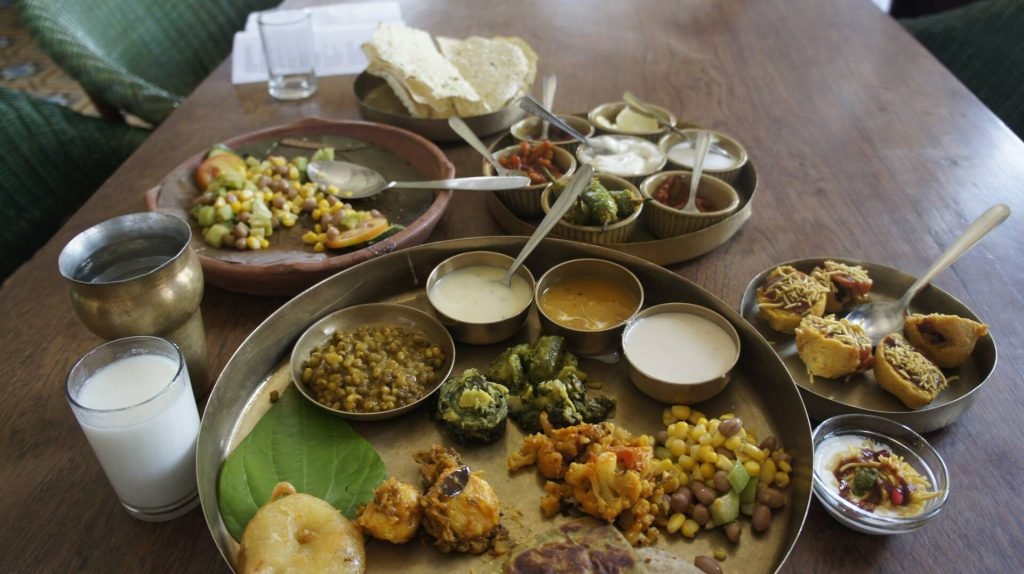
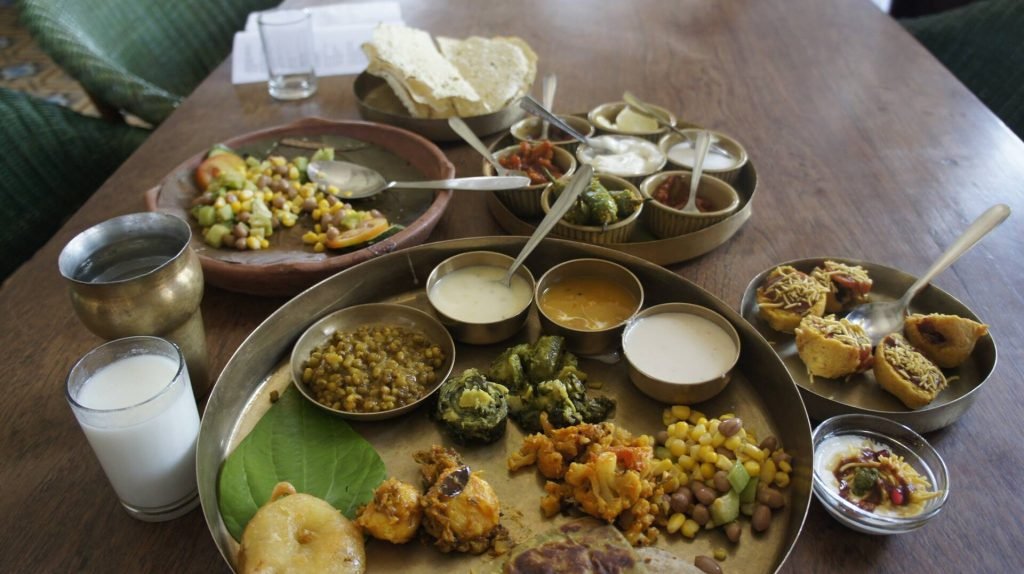
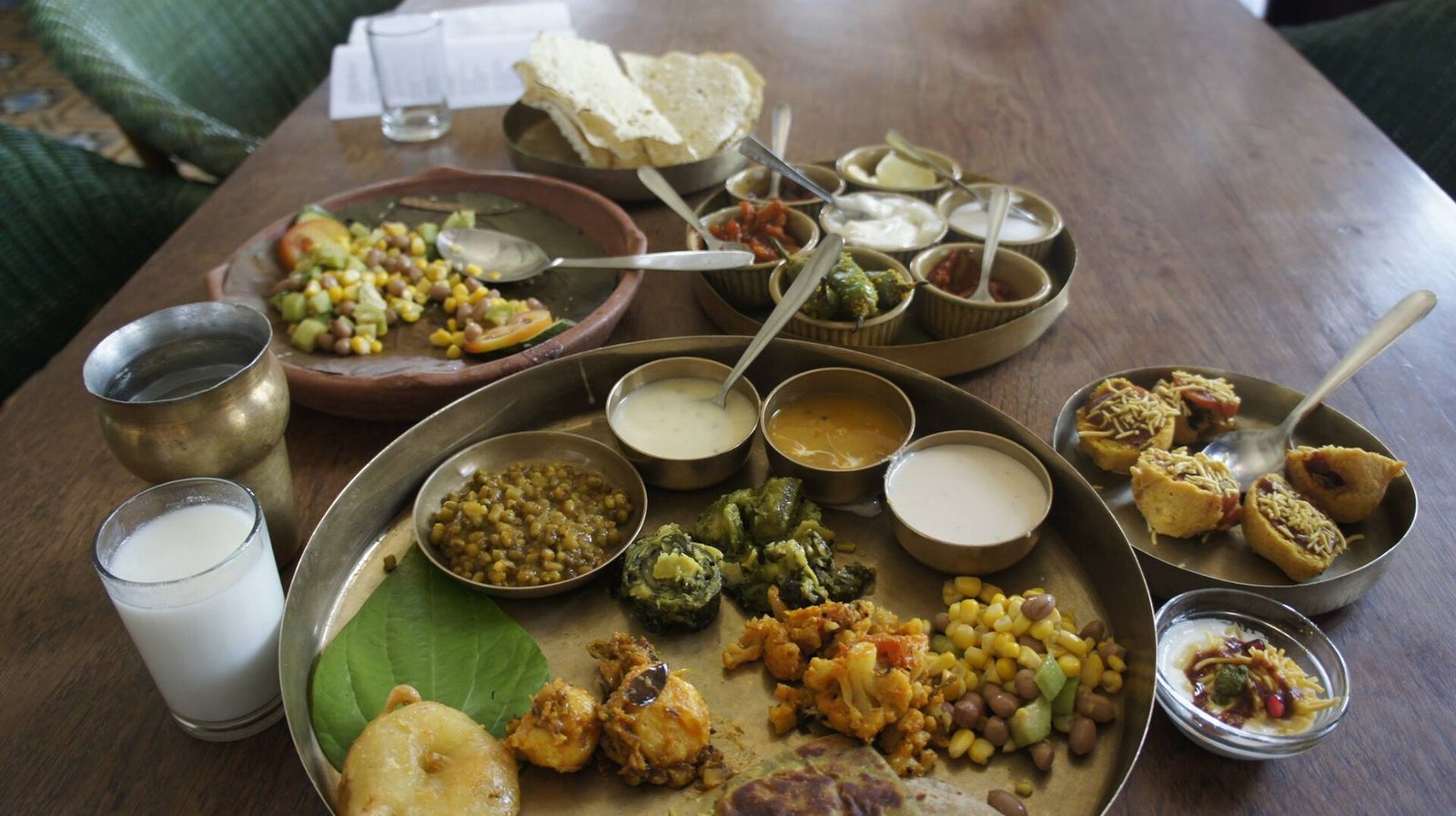
THALI

North Gujarati Thali

Hearty regional meals — the satisfying full plate of the region.

FARSAN

Dhokla & farsan

Steamed snacks — light, savoury Gujarati bites to graze on.

STREET

Ambaji prasad & street

Sweets & snacks — temple prasad and simple street fare around the shrine.

🍽️GOOD TO KNOW

Local fare

Simple North-Gujarat food and Ambaji sweets — vegetarian, hearty and easy to find near the shrine.
FREQUENTLY ASKED

Mangalya Van FAQ

What is Mangalya Van?

Mangalya Van is a landscaped 'spiritual forest' or garden developed at Ambaji as a green and meditative space for the many pilgrims who visit. Planted with trees and plants of religious and medicinal significance — including species associated with the nakshatras (birth stars) and Hindu tradition — and dotted with shrines, water features and walking paths, it offers a calm, shaded retreat amid the bustle of the pilgrimage town.

Where is it?

Ambaji, Banaskantha.

Is there an entry fee?

Free.

When should I visit?

October to March; at aarti time.

What's nearby?

Ambaji, Kumbhariya and the Aravalli hills.

How long does it take?

About an hour.

WHERE TO STAY

Find your stay in Gujarat

Compare live prices across the big booking sites and reserve in a few taps. Booking happens securely on the partner's site — we may earn a small commission at no extra cost to you.

📍 DestinationAnywhere in Gujarat 📅 Check-inAdd date 📅 Check-outAdd date 👥 Guests2 adults Search Hotels
🏨SAMPLE
Heritage Haveli
★ 4.5  ·  800 reviews
Book Now
🏨SAMPLE
Lakeside Resort
★ 4.6  ·  1140 reviews
Book Now
🏨SAMPLE
City Boutique
★ 4.7  ·  1480 reviews
Book Now
Affiliate links: prices and availability are shown by our partners. You pay the same price; we may earn a commission that helps keep Gujarat Explorer free.

SHOP THE REGION

Bring home Gujarat — & travel essentials

Hand-picked crafts and trip gear, available on Amazon.

🧵
Patola Silk Scarf
View on Amazon
🪔
Kutch Embroidery
View on Amazon
🎒
Travel Backpack 40L
View on Amazon
🍪
Gujarati Snack Box
View on Amazon
As an Amazon Associate, Gujarat Explorer earns from qualifying purchases. Product prices and availability are accurate as of the date/time shown on Amazon and are subject to change.
🚕
Book a cab anywhere in Gujarat
Airport transfers, day trips & intercity rides — reserve a comfortable cab, or just ask us on WhatsApp.
Enquiries are passed to independent, licensed local operators. Gujarat Explorer is a facilitator, not the transport provider.