Home › Anand › Khambhat Agate Workshops
HIDDEN GEM · CRAFT · KHAMBHATA thousand years of grinding stone — the agate workshops of Khambhat, where craftsmen still use age-old techniques to cut, polish and bead the brilliant carnelian and agate stones washed from the Narmada estuary.
The agate and carnelian craft of Khambhat (Cambay) is one of the oldest continuously-practised craft traditions in India — and indeed in the world. The town’s craftsmen have been cutting, drilling, polishing and beading agate and carnelian stones for at least a thousand years, using techniques that trace back to the Harappan civilization, where Khambhat carnelian beads have been found across the ancient world.
The stones come from the Narmada river estuary and the surrounding geological formations — the beautiful banded agates and brilliant orange carnelians that wash from the riverbed and are collected from the mudflats and riverbeds of the Gulf of Khambhat. Today, the craft workshops are scattered through the old city: small family operations where the sounds of grinding stone fill the lanes.
The craftsmen work low foot-powered lathes and polishing wheels, the finished beads and pendants piling up on worn wooden tables. For those who can find them, the workshops offer an extraordinary window into a living ancient craft — and the stones are available to buy directly from the makers. It is a living craft, best explored on foot in the old city.
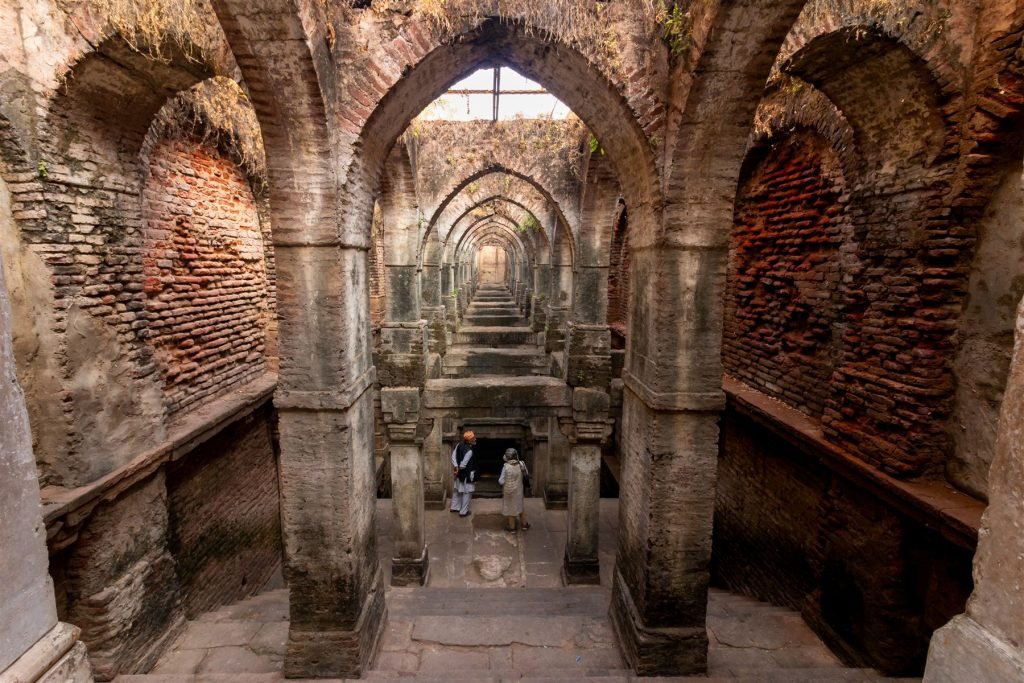
Illustration — agate gem craft, Khambhat.
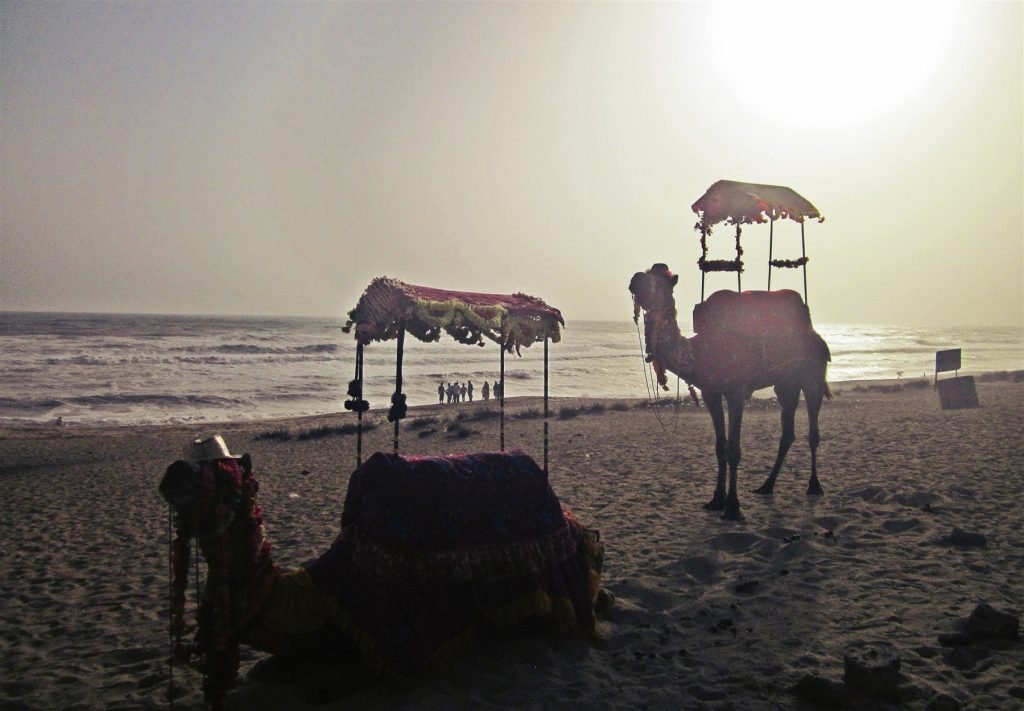
Illustration — Khambhat gem craft.
Khambhat carnelian beads from the Harappan period have been found at sites across the ancient world.
The agate and bead trade flourished through the medieval Arab and Indian Ocean commerce networks.
Cambay was famed as a great gem-cutting city, its agates known to travellers and merchants alike.
The craft survives in the old-city lanes, where families still grind, drill and polish the stone by hand.
A working tradition more than 1000 years old, still practised by hand in the old city.
Brilliant agate and carnelian, washed from the Narmada estuary and worked on the spot.
A genuine hidden gem — very few tourists ever find these workshops.
Beads, pendants and raw stones, available straight from the craftsmen who make them.
A craft that traces directly from the Harappan civilization to today.
A sensory walk through lanes filled with the sound of grinding stone.
A living tradition — small family workshops tucked through the old-city lanes.
Ancient and beautiful banded agates and brilliant orange carnelians.
Craftsmen still work low, foot-powered lathes and polishing wheels by hand.
Finished beads and pendants pile up on worn wooden tables, ready to trade.
Khambhat's beads have reached gem traders across the world for centuries.
The sound of grinding stone fills the old city's narrow, working lanes.
Wander the narrow lanes and find the working agate and carnelian workshops.
See the makers grinding stone over foot-powered wheels, just as their forebears did.
Watch the ancient technique of cutting and drilling agate on simple foot-powered lathes.
Trace a craft that runs in an unbroken line from the Harappan era to today.
Pick up beads and pendants straight from the craftsmen who shaped them.
Admire the beautiful banded agate and brilliant carnelian in their rough state.
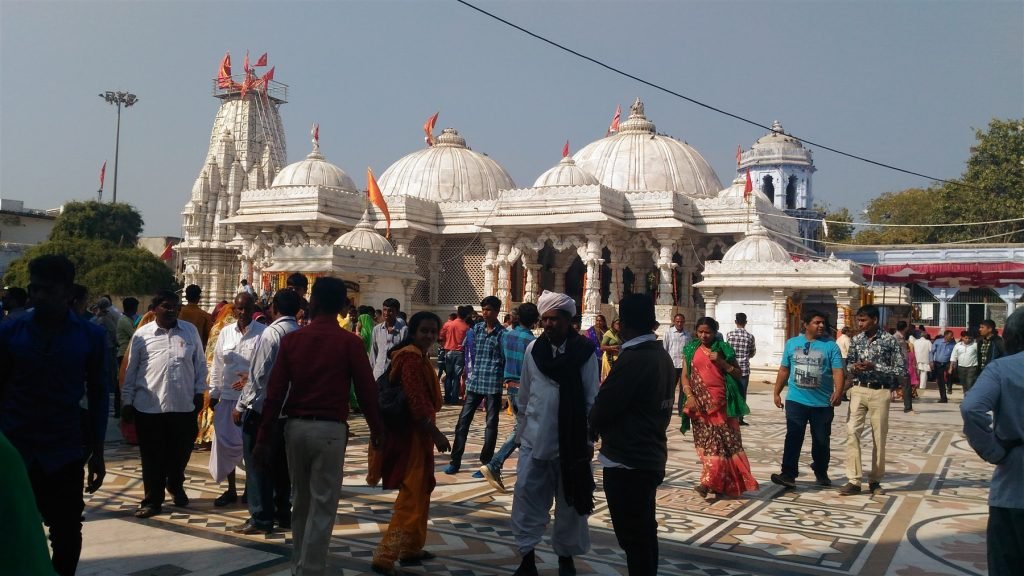
Illustration — Khambhat agate workshops.
The agate and carnelian craft of Khambhat is one of the oldest in the world — directly tracing to the Harappan civilization. Craftsmen in the old city still work foot-powered lathes and polishing wheels, producing the brilliant beads and pendants sold to gem traders worldwide.
It is a living craft, free to observe, where the techniques have changed remarkably little over a thousand years. The stones — agate and carnelian — come from the Narmada estuary, and the finished work still carries the unmistakable colour and banding that made Cambay famous.
One of the world’s oldest continuous craft traditions
Directly traces to Harappan civilisation
Foot-powered lathes & polishing wheels still used
Agate & carnelian from Narmada estuary stones
The ideal season. Cool, dry and comfortable all day — perfect for walking the old-city lanes.
Lush and green, though some activities are limited. Mornings stay fresh and workable.
Hot and dry — early mornings are best if you visit in the warmer months.
⏰ October to March is the best season for all Anand experiences.
Ahmedabad's Sardar Vallabhbhai Patel International Airport is about 70 km away, with flights from across India and the Gulf.
Anand Junction is the nearest major railhead, with onward road connections to Khambhat's old city.
Khambhat sits off NH-48 via Anand; the old-city workshops are reached on foot once you arrive.
HIDDEN GEMS · ANAND
The craftsmen at work over their foot-powered lathes and grinding wheels.
The raw stones — banded agate and brilliant carnelian, close up.
The old-city lanes, worn wooden tables and piles of finished beads.
Morning, when the workshops are busiest and the light is soft.
Hearty Charotar meals — unlimited, varied and deeply satisfying.

Light, steamed snacks that are a Gujarati speciality.

Lively street food across the city, from chaat to sweets.
Fresh shrikhand, basundi and doodh pak — this is dairy country.

An ancient tradition of cutting, polishing and beading agate and carnelian stones in Khambhat's old city.
At least 1000 years — the craft traces directly to the Harappan civilisation.
In the old city lanes of Khambhat; ask locally, as they are scattered and not signposted.
Yes — beads, pendants and raw stones are available direct from the craftsmen.
No, it is free to observe the workshops; you only pay if you choose to buy.
One to two hours is enough to walk the lanes and see a few workshops.
WHERE TO STAY
Compare live prices across the big booking sites and reserve in a few taps. Booking happens securely on the partner's site — we may earn a small commission at no extra cost to you.
SHOP THE REGION
Hand-picked crafts and trip gear, available on Amazon.