Gujarat Explorer

Khambhat Jami Masjid

Home Anand Khambhat Jami Masjid

HERITAGE · MEDIEVAL MOSQUE

Khambhat Jami Masjid

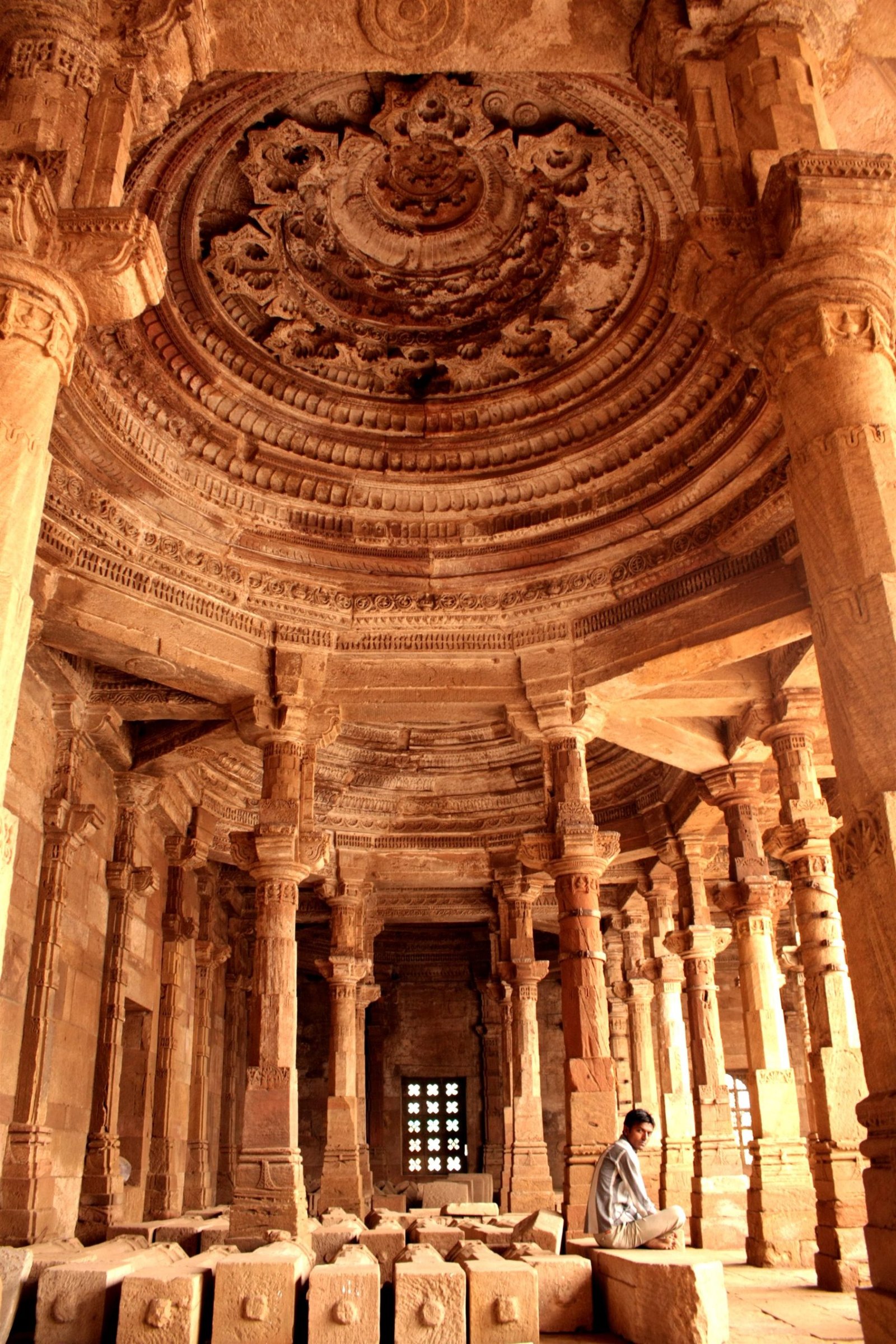
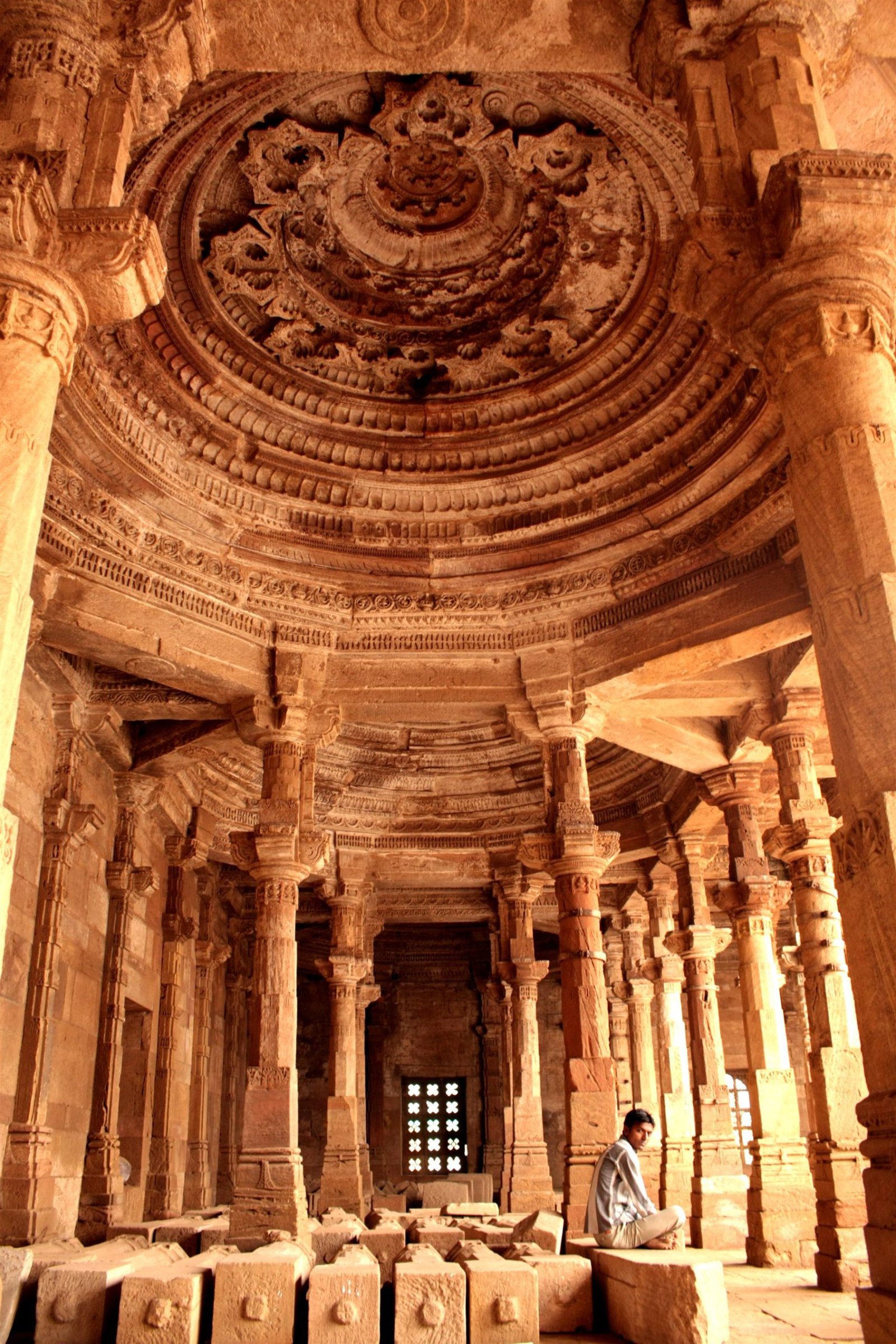
A forest of repurposed pillars — the Khambhat Jami Masjid, a medieval mosque whose interior of elaborately carved Hindu and Jain columns documents the layered, cosmopolitan history of this ancient port-city.

AT A GLANCE Quick Facts
📍 LOCATION Khambhat, Anand
🕌 TYPE Medieval mosque
🗓️ ERA Gujarat Sultanate
🏛️ FEATURE Repurposed columns
CONTEXT Ancient port city
🎟️ ENTRY Free
☀️ BEST Oct – Mar
⏱️ DURATION 30–60 min
ABOUT THE PLACE

A mosque of repurposed columns

The Jami Masjid of Khambhat (Cambay) is a medieval mosque built during the Gujarat Sultanate, and its interior is one of the most historically layered spaces in central Gujarat. Like many mosques built in Gujarat during the Sultanate era (14th–15th centuries), the Khambhat Jami Masjid incorporates columns from older Hindu and Jain temples — a documented building practice of the period that created a remarkable palimpsest of architectural traditions.

The result is an interior of elaborately carved columns with lotus motifs and figural reliefs alongside the mihrab and qibla wall — a space that embodies centuries of cosmopolitan Khambhat. (An active mosque; modest dress required; follow mosque etiquette.)

The carved interior pillars of Khambhat Jami Masjid.

HISTORY

A mosque built from older columns

Repurposed temple columns in the Jami Masjid.

Gujarat Sultanate

The mosque is raised during the Gujarat Sultanate period, when Khambhat was the wealthiest port on India's western seaboard and the sultans were building on a scale that matched it.

Columns

Its columns, brackets and ceiling slabs are taken from dismantled Hindu and Jain temples in and around the city — a well-documented building practice across Sultanate Gujarat, driven as much by the availability of dressed stone as by anything else.

Khambhat

Khambhat at this date is genuinely cosmopolitan: Arab, Persian, Armenian and Jain merchant communities all trading through the same harbour, and the mosque serves a congregation drawn from several of them.

Heritage

The harbour silts up and the trade moves to Surat, but the mosque remains in continuous use — which is why it survives as a working building rather than an archaeological ruin.

WHY VISIT

Reasons to make the time

🕌

Medieval mosque

A major congregational mosque of the Gujarat Sultanate, and one of the oldest surviving buildings in a city that was once India's richest port.

🏛️

Repurposed columns

The interior is a literal palimpsest: temple pillars carrying Islamic arches, with two architectural traditions standing in the same room.

📜

History

Khambhat — Cambay to European traders — handled textiles, indigo, carnelian and horses across the Arabian Sea for centuries. This mosque is the clearest surviving trace of that wealth.

💎

Carving

The reused columns keep their original carving: lotus medallions, dancing figures, kirtimukha faces and bands of foliate ornament, all worked before the mosque existed.

🌍

Cosmopolitan

Few buildings anywhere let you read three phases of a city's history — temple, sultanate, port town — in a single interior.

🧭

Unique

Comparable spolia mosques exist at Ahmedabad and Champaner, but Khambhat's is less visited and considerably easier to look at closely.

HIGHLIGHTS

What to look for inside

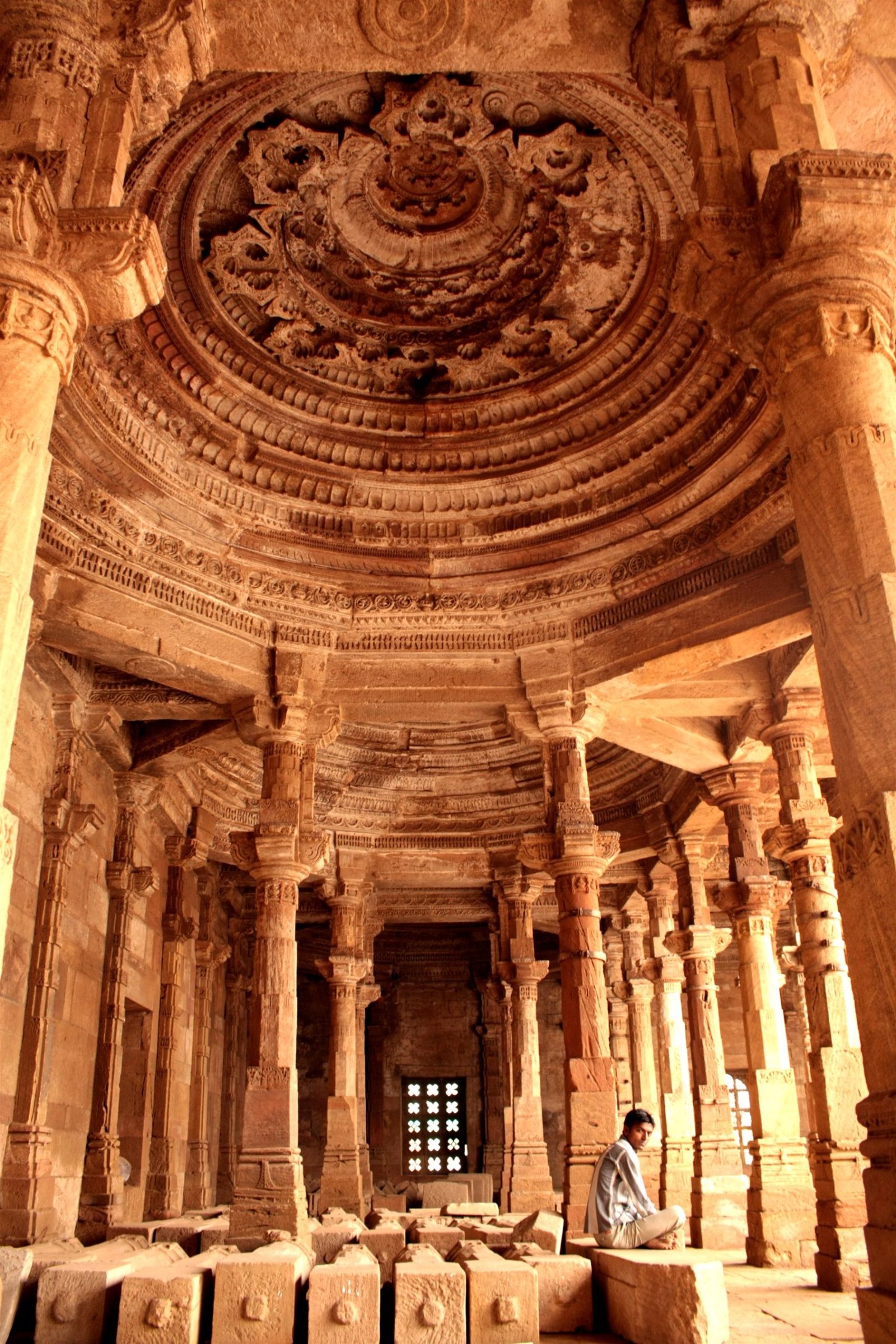
Carved pillarsTHE COLUMNS

Carved pillars

Columns lifted whole from earlier temples and re-erected in rows, their carved shafts and brackets left largely as they were found.
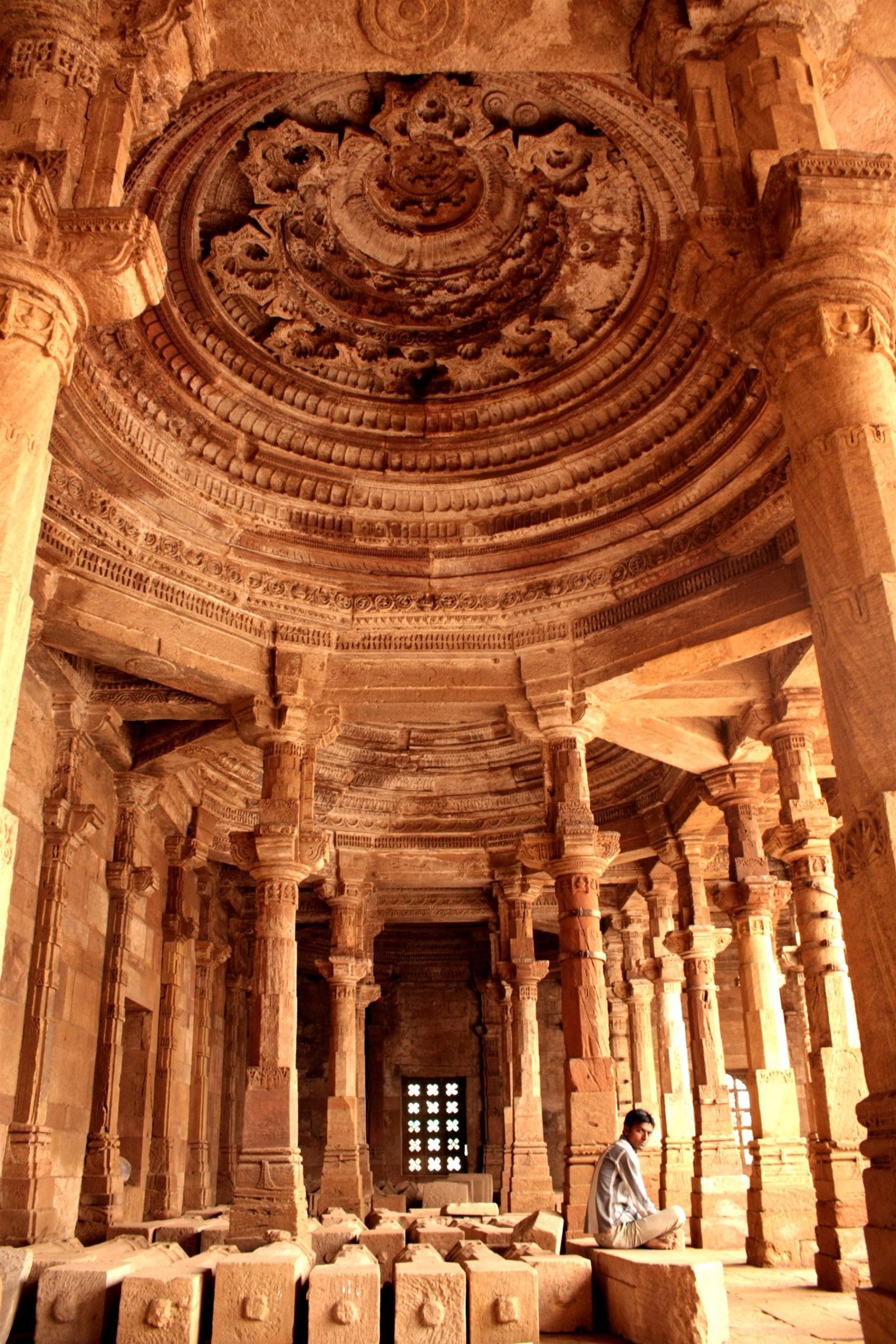
A prayer hallTHE INTERIOR

A prayer hall

Two building traditions in one interior — trabeated temple stonework beneath the arched, axial plan of a congregational mosque.
The qibla wallTHE MIHRAB

The qibla wall

The mihrab in the western wall marks the qibla, the direction of prayer, and is the one element built new for the mosque.
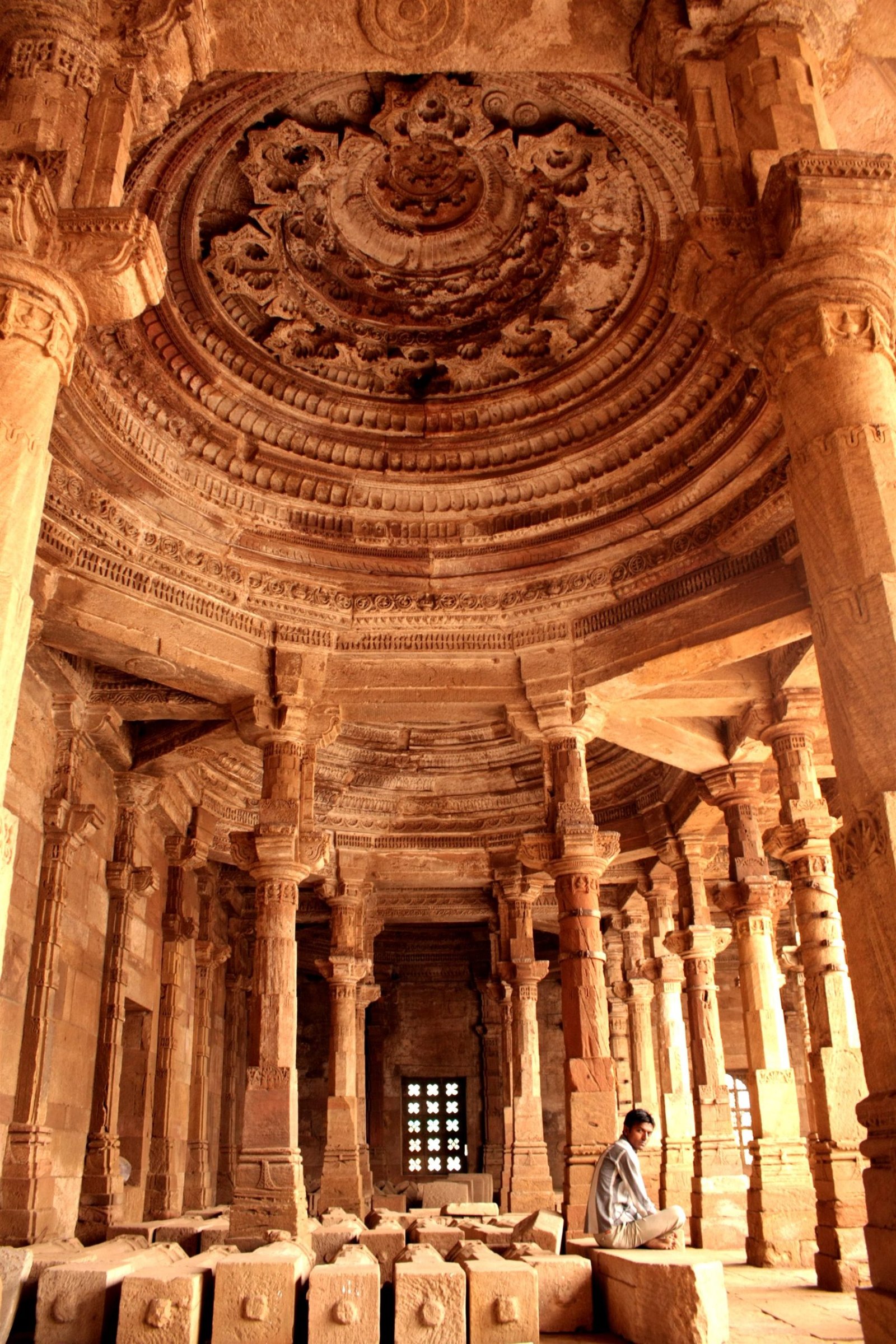
Lotus & figural motifsTHE CARVING

Lotus & figural motifs

Lotus medallions, figural reliefs and foliate bands survive on the reused shafts, in places deliberately defaced and in places untouched.
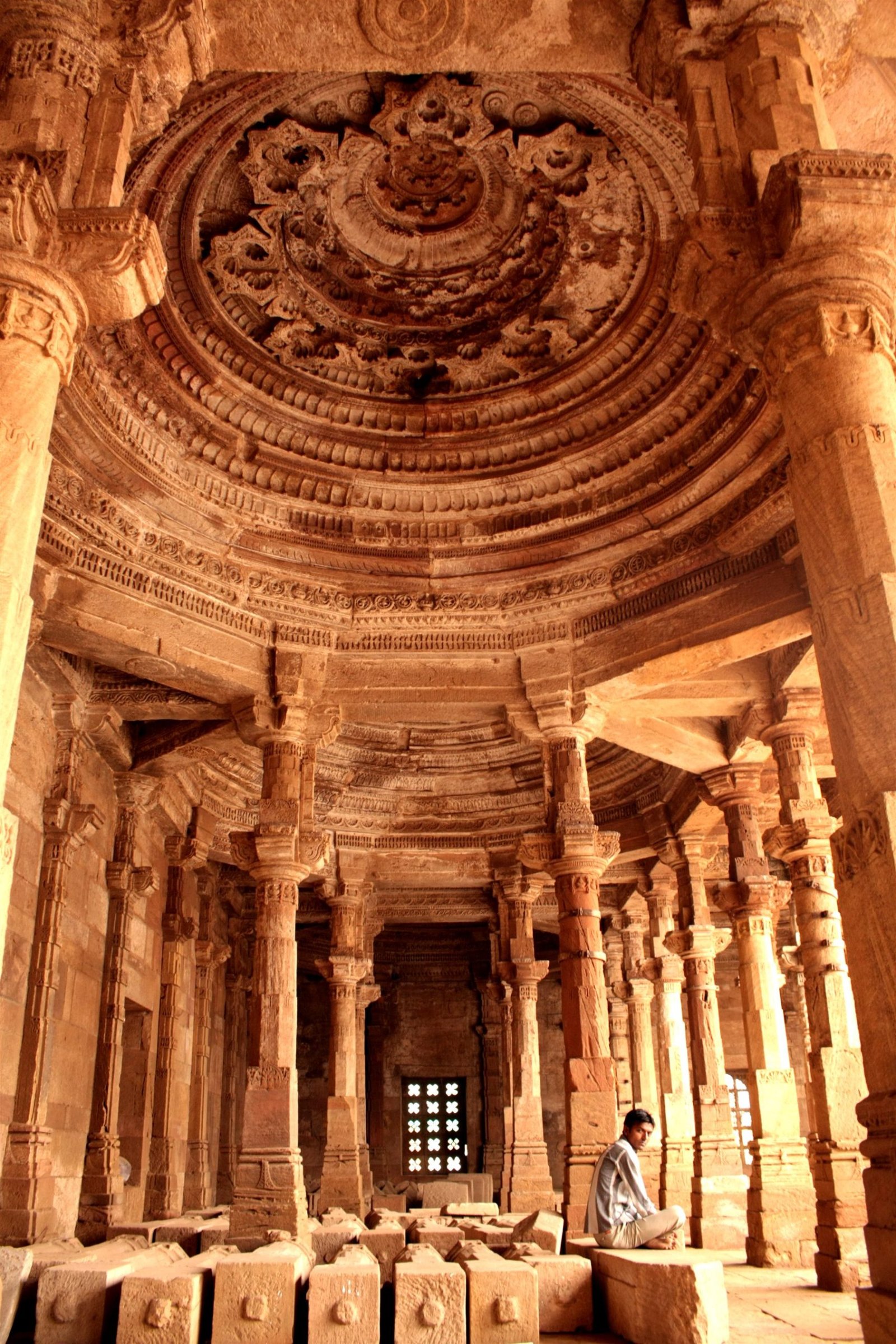
Cosmopolitan KhambhatTHE PORT

Cosmopolitan Khambhat

The surrounding lanes still hold merchant houses, agate workshops and older mosques from the port's long commercial life.
A living documentTHE SITE

A living document

The building compresses several centuries of Gujarat's architectural history into one courtyard and prayer hall.

THINGS TO DO

How to spend an hour or two

01

See the columns

Look first at the columns. Almost every one came from an earlier building, and no two rows quite match — the variety is the point.

02

Note the carving

Pick out the lotus medallions and figural carving on the shafts, and note where figures have been chiselled flat and where they have not.

03

See the mihrab

Find the mihrab in the western wall — the niche marking the direction of prayer, and the element that turned a hall of temple pillars into a mosque.

04

Understand the context

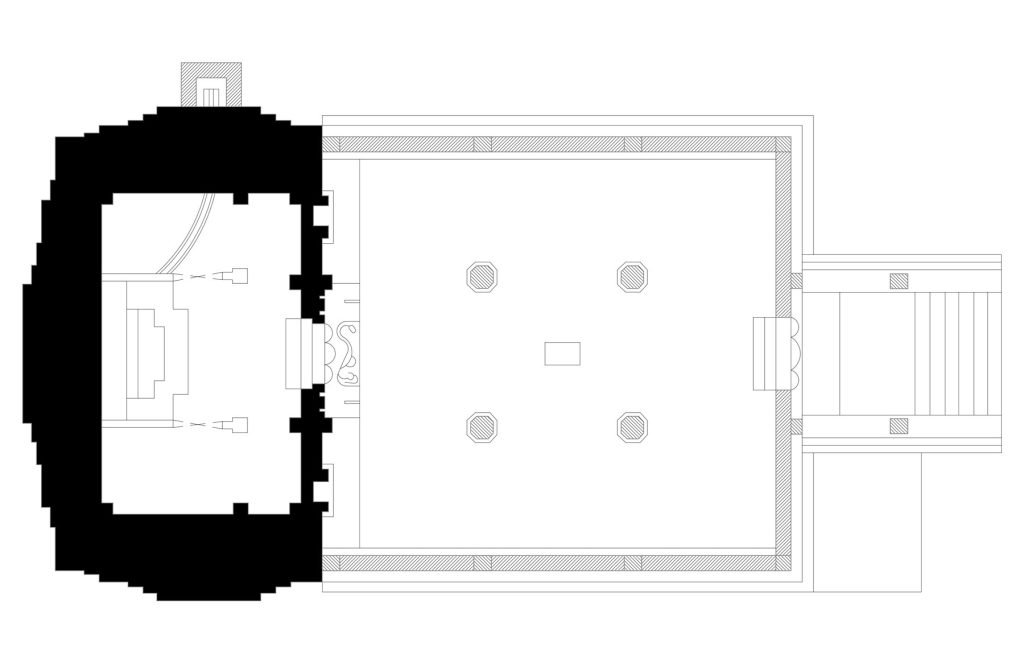
Step back into the courtyard to read the plan: an open sahn with the prayer hall on the qibla side, the standard Sultanate arrangement.

05

Walk the old city

Walk the old lanes around the mosque, where agate and carnelian workshops still operate on the trade that made Khambhat wealthy.

06

Visit the Jain temples

Pair the visit with Khambhat's other Sultanate-era monuments and the shore of the gulf that the port once commanded.

Interior columns of Khambhat Jami Masjid.

ARCHITECTURE & SETTING

Gujarat Sultanate layered architecture

The Khambhat Jami Masjid is a Gujarat Sultanate mosque (14th–15th c.) whose interior incorporates columns from older Hindu and Jain temples — an architectural palimpsest embodying the layered heritage of this great medieval port. The carved temple pillars under the mosque arches are historically documented. (An active mosque; modest dress; follow etiquette.)

Gujarat Sultanate period (14th–15th c.)

Incorporates repurposed Hindu/Jain temple columns

A historically documented architectural practice

One of Khambhat’s most layered heritage spaces

BEST TIME TO VISIT

When to go

WINTEROct – Feb★★★★★

The ideal season for temple visits.

MONSOONJul – Sep★★★☆☆

Lush and green, some festivals.

SUMMERMar – May★★☆☆☆

Hot; early morning visits best.

⏰ October to March is the best season for temple visits in Anand.

PLANNING ESSENTIALS

Timings & entry

🕗TIMINGSDaytime
  • Open in daytime hours
  • Cool season preferred
  • Morning visit best
  • Festival season crowded
🙏DRESS CODEModest
  • Dress modestly
  • Remove footwear inside
  • Follow customs
  • Photography rules vary
HOW TO REACH

Getting there

✈️

By Air

Ahmedabad airport (~70 km).

🚆

By Rail

Anand Junction.

🚗

By Road

NH-48 / Anand.

NEARBY DISTANCES
Khambhat — old city · Anand — 45 km · Vadodara — 75 km · Ahmedabad — 90 km
PHOTOGRAPHY GUIDE

Capturing the temple

SACRED SPACES

Khambhat Jami Masjid

🕌

What to shoot

The pillared prayer hall is the shot — shoot down a colonnade to stack the carved shafts in receding rows.

💎

Detail

The carving rewards a close lens; look for the lotus medallions and bracket figures at eye level on the reused shafts.

🏛️

Context

Frame a temple column directly beneath an Islamic arch — one image carries the whole history of the building.

🌅

Best time

Come in the morning, when light reaches into the hall through the courtyard and the mosque is quiet between prayers.

TRAVEL TIPS

Know before you go

1Dress modestly (mosque etiquette).
2Cover head where appropriate.
3Remove footwear.
4A short but historically significant stop.
5Pair with Jain temples.
6Ask locally for opening times.
NEARBY FOOD

Where to eat near Khambhat Jami Masjid

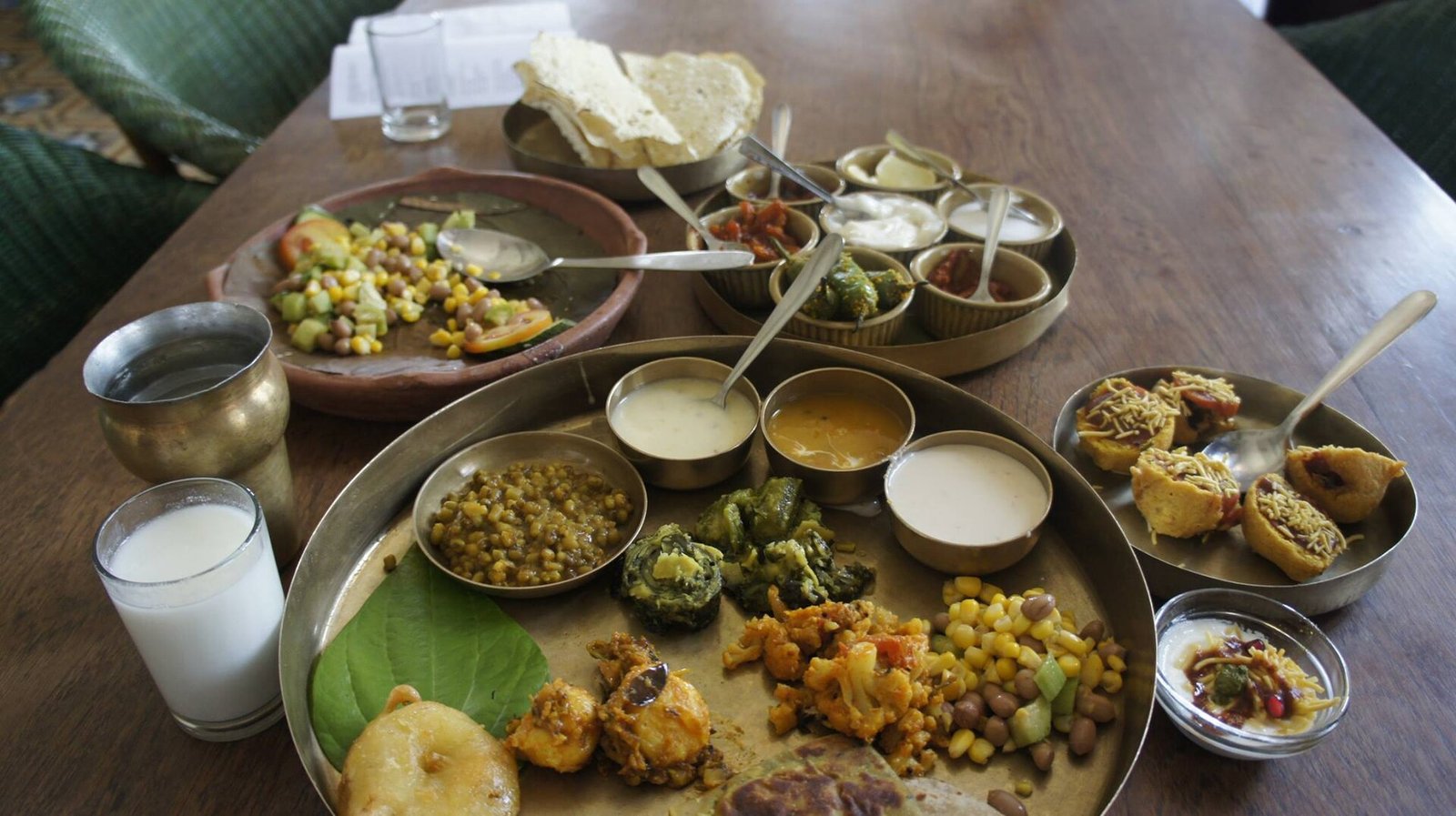
Gujarati ThaliTHALI

Gujarati Thali

Hearty Charotar meals.

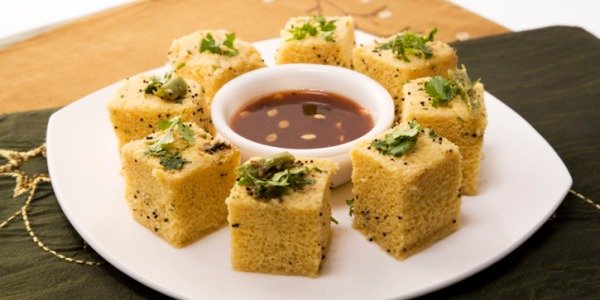
Khaman & farsanFARSAN

Khaman & farsan

Steamed snacks.

Anand streetSTREET

Anand street

Street food in the city.

🍽️GOOD TO KNOW

Milk sweets

Fresh shrikhand, basundi, doodh pak.

FREQUENTLY ASKED

Khambhat Jami Masjid FAQ

What is the Khambhat Jami Masjid?

A Gujarat Sultanate mosque with repurposed temple columns.

Where?

Old Khambhat city.

Entry fee?

Free.

When to visit?

October to March.

What's special?

Carved Hindu/Jain temple columns inside the mosque.

Duration?

30–60 minutes.

WHERE TO STAY

Find your stay in Gujarat

Compare live prices across the big booking sites and reserve in a few taps. Booking happens securely on the partner's site — we may earn a small commission at no extra cost to you.

📍 DestinationAnywhere in Gujarat 📅 Check-inAdd date 📅 Check-outAdd date 👥 Guests2 adults Search Hotels

Book directly on our partner sites — tap a provider to see live Gujarat hotels & prices:

Affiliate links: prices and availability are shown by our partners. You pay the same price; we may earn a commission that helps keep Gujarat Explorer free.

SHOP THE REGION

Bring home Gujarat — & travel essentials

Hand-picked crafts and trip gear, available on Amazon.

🧵
Patola Silk Scarf
View on Amazon
🪡
Kutch Embroidery
View on Amazon
🎒
Travel Backpack 40L
View on Amazon
🔔
Brass Handicraft
View on Amazon
As an Amazon Associate, Gujarat Explorer earns from qualifying purchases. Product prices and availability are accurate as of the date/time shown on Amazon and are subject to change.
🚕
Book a cab anywhere in Gujarat
Airport transfers, day trips & intercity rides — reserve a comfortable cab, or just ask us on WhatsApp.
Enquiries are passed to independent, licensed local operators. Gujarat Explorer is a facilitator, not the transport provider.
WhatsApp Enquiry

Published 26 June 2026 · Updated 24 August 2026

GE
The Gujarat Explorer Team

We’re an independent group of writers and travellers documenting every corner of Gujarat — one place, plate and festival at a time.