Home › Anand › Khambhat Jain Temples
JAIN HERITAGE · MEDIEVALA medieval Jain constellation — the Khambhat Jain temple cluster, a group of historic tirths in the ancient port-city of Cambay, funded by the merchant princes of the medieval Indian Ocean.
Khambhat — the ancient Cambay — was once one of the wealthiest ports on the medieval Indian Ocean, a place Marco Polo and Arab geographers wrote about with wonder. Long before Surat eclipsed it, ships from Arabia, East Africa and the Far East crowded its harbour, and the merchant families who grew rich on that trade left their faith carved in marble.
Among those merchants were prosperous Jain communities, whose wealth funded a remarkable constellation of temples and tirths across the old city. The Khambhat Jain cluster gathers several marble shikhara temples of different Jain sects — quiet, finely worked sanctuaries tucked into the lanes of a town that most travellers know better for its agate workshops and its grand Friday mosque.
For anyone exploring Khambhat’s layered past, the Jain temples add a third dimension to a city already rich in Islamic monuments and gem craft. Entry is free and the temples remain living places of worship, so come dressed modestly, slip off your shoes, and let the cool marble and merchant-funded detail tell the story of a port that once helped run an ocean.
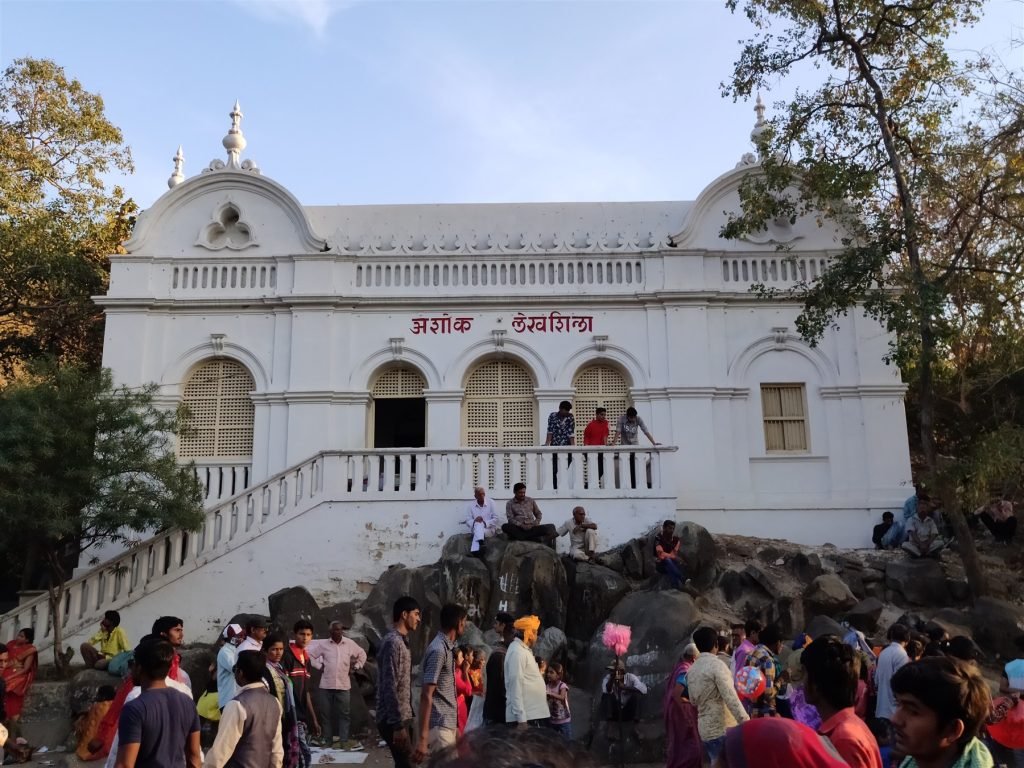
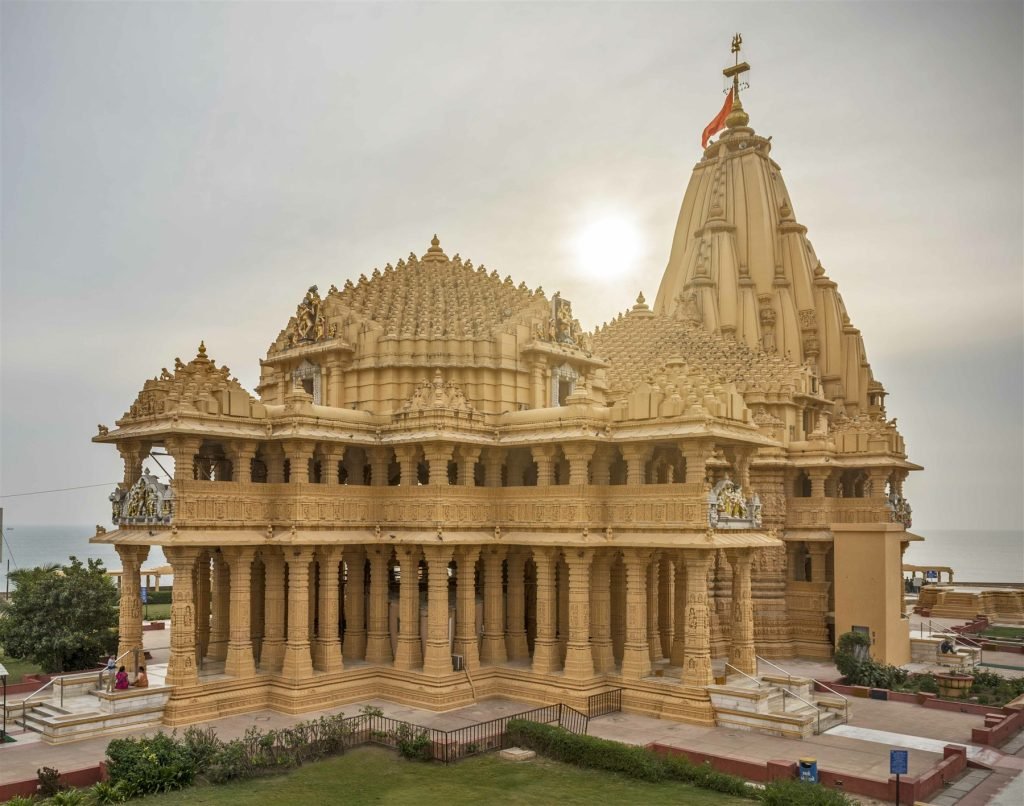
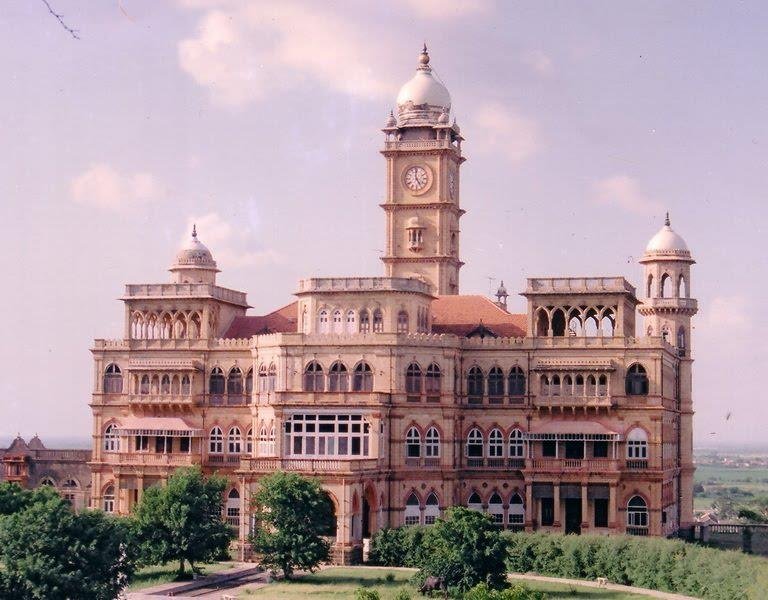
Illustration — the Khambhat Jain temple cluster of old Cambay.
Cambay was a great medieval port; its Jain merchants funded the temples.
Cambay rises as one of the busiest harbours of the western Indian Ocean, trading textiles, indigo and agate across Arabia and Africa.
Wealthy Jain merchant families channel their fortunes into building marble temples and endowing tirths across the city.
The temples are raised in the Gujarat Jain tradition — slender marble spires and intricately carved interiors.
As the Gulf of Cambay silts and trade shifts to Surat, the city quietens, but its temples and faith endure.
Several of the temples remain living pilgrimage sites, cared for by the community that built them centuries ago.
A cluster of marble temples funded by the city's medieval Jain merchant families.
Gujarat Jain shikhara architecture, finely carved and centuries old.
The cosmopolitan, sea-facing heritage of one of India's great old harbours.
Cambay was famous enough that medieval travellers wrote of its wealth.
Detailed stone carving that rewards an unhurried, close look.
Jain temples sit alongside the city's mosques and shrines — heritage layered on heritage.
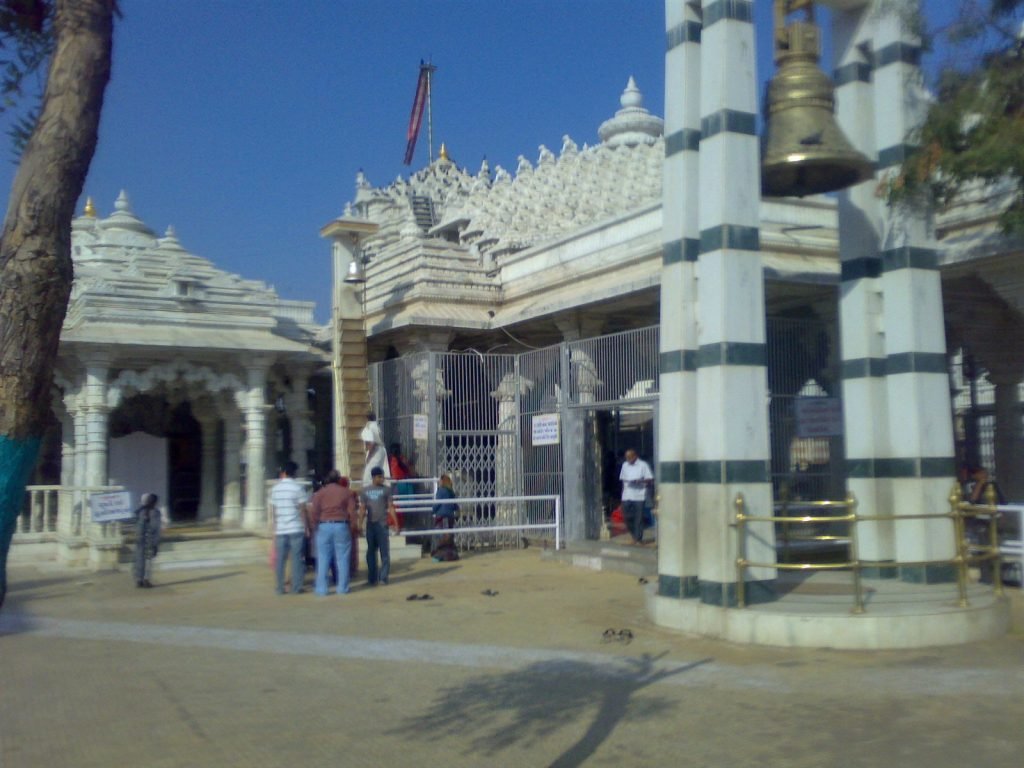
The marble temples at the heart of the cluster.
Where Jain and Islamic heritage meet in one old port.
Slender Gujarat-style spires rising over the lanes.
Finely worked marble interiors funded by merchant wealth.
Several temples remain active places of pilgrimage.
Temples set into a town that once ran an ocean of trade.
Step into the principal marble shrines of the cluster, where cool stone and carved detail reward a slow look.
Several tirths are scattered through the old lanes — wander between them to feel how the faith threaded the city.
Khambhat's grand Jami Masjid and other Islamic monuments make the perfect counterpoint to the Jain temples.
Khambhat is India's agate-cutting capital; watch craftsmen shape carnelian and agate a short walk away.
Lose an hour in the heritage lanes of Cambay, reading the bones of a port that once rivalled any in India.
Understand the Jain trading families whose Indian Ocean fortunes paid for every spire you see.
Illustration — the Gujarat Jain marble temple tradition of Khambhat.
Khambhat’s Jain temple cluster preserves the merchant-funded religious heritage of the ancient port. Built over the medieval centuries by the Jain merchant families of Cambay, the temples follow the Gujarat Jain tradition: marble shikhara spires rising over richly carved interiors, every surface a quiet display of the wealth that ocean trade once brought to the city.
Set against Khambhat’s Islamic monuments and gem workshops, the temples form a counterpoint that makes the city’s layered history legible. Several remain active tirths in the old city — not museum pieces but living sanctuaries, cared for by the community that raised them, where the marble is still cool underfoot and the carving still draws the eye upward.
Merchant-funded Jain marble temples
Gujarat Jain shikhara tradition
Medieval Cambay port heritage
Several active tirths in the old city
The ideal season for temple visits — cool, dry and comfortable all day for unhurried wandering through the lanes.
Lush and green, with some festivals bringing life and colour, though showers can interrupt an outdoor walk.
Hot and humid by the gulf; if you do come, keep to early-morning visits before the heat builds.
⏰ October to March is the best season for temple visits in Anand; major festivals bring additional life and colour.
Ahmedabad's Sardar Vallabhbhai Patel International Airport is roughly 90 km away — about a two-hour drive via NH-48.
Anand Junction, around 45 km off, is the nearest major railhead on the Ahmedabad–Vadodara line, with onward road links to Khambhat.
Khambhat sits at the head of the gulf; good roads connect it to Anand (45 km), Vadodara (75 km) and Ahmedabad (90 km).
SACRED SPACES
The marble shikharas rising over the lanes, and the temple facades framed by old Cambay's streets.
Carved stone — the close, intricate marble work that merchant wealth paid for centuries ago.
A multi-faith city — set the Jain spires against Khambhat's mosques to tell its layered story.
Morning, when soft early sun falls warm on the marble and the lanes are still quiet.
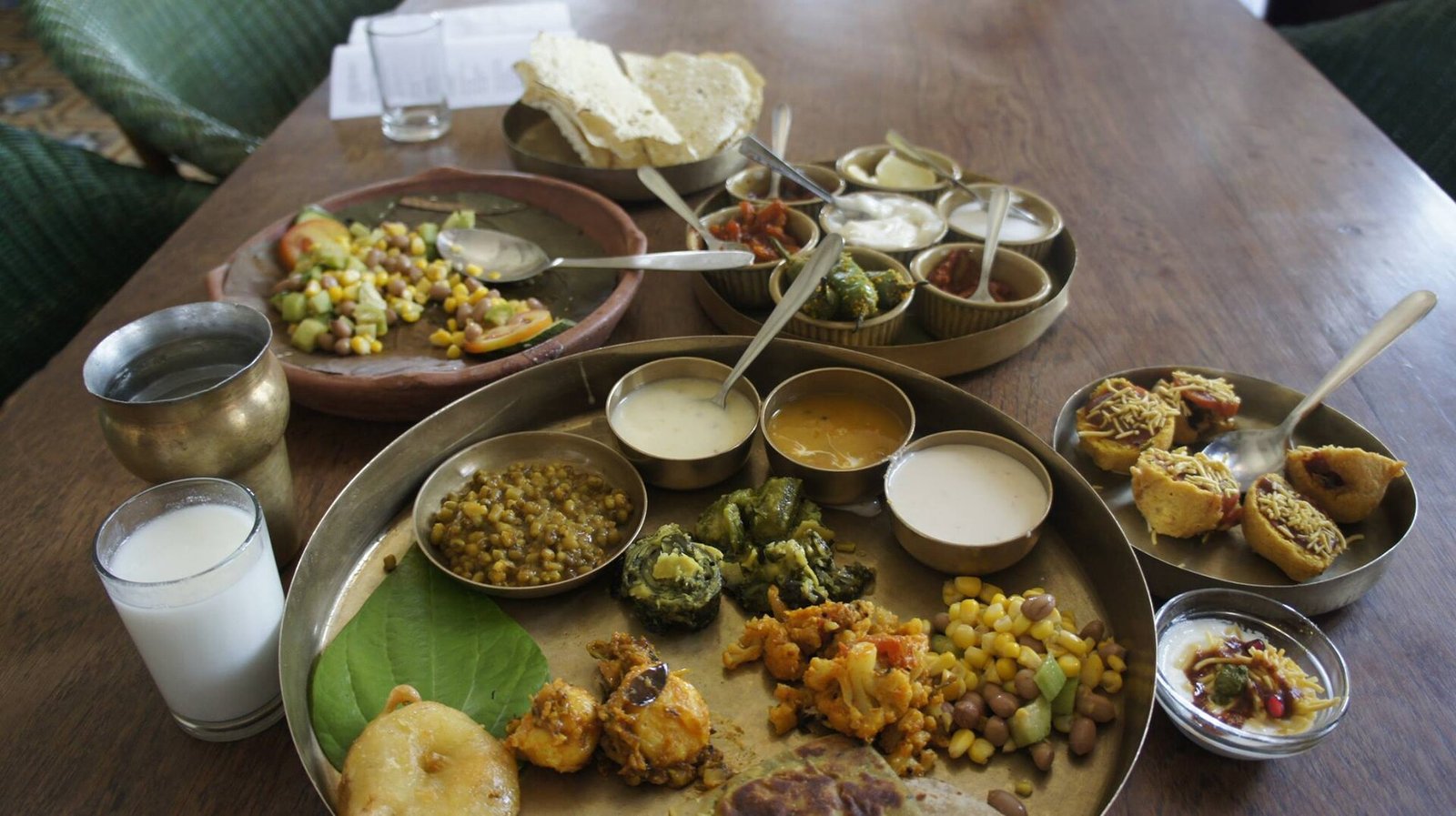
A hearty Charotar-style thali of rotli, shaak, dal, rice and sweet farsan.

Soft steamed khaman and other Gujarati farsan, best eaten fresh and warm.

Chaat, sandwiches and snacks from the carts and stalls of the city.
Anand is dairy country — seek out fresh shrikhand, basundi and doodh pak.
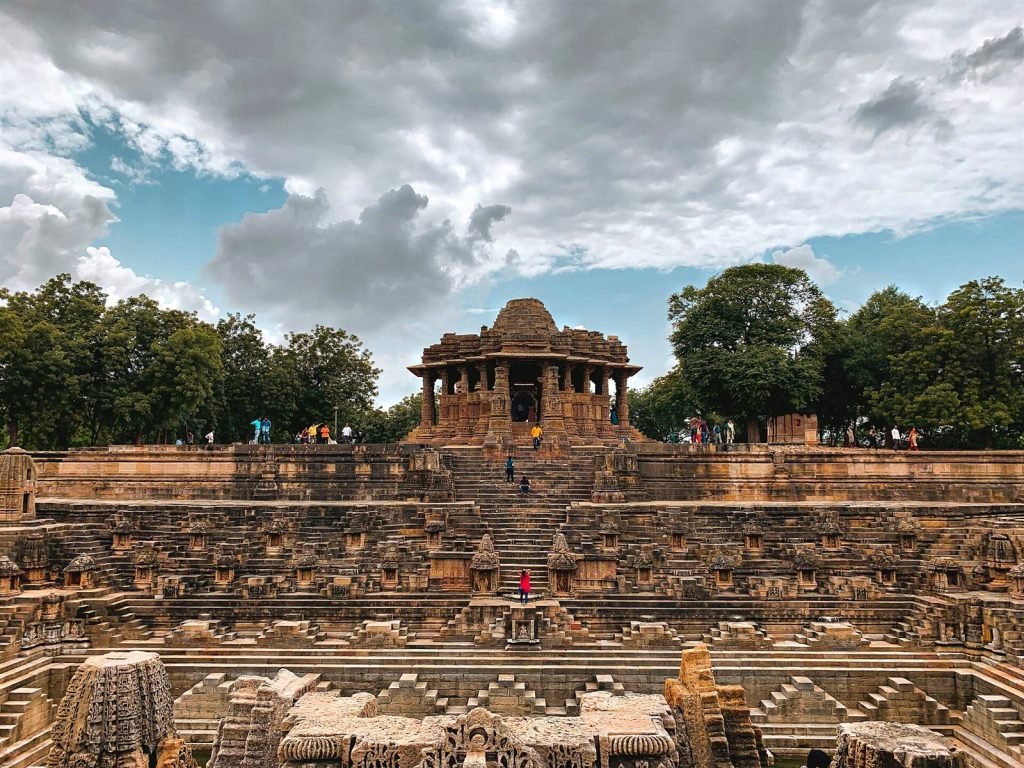
A group of historic Jain marble temples and tirths in the old port-city of Khambhat (Cambay), funded by its medieval merchant families.
In the old city of Khambhat, in Anand district of Gujarat, at the head of the Gulf of Cambay.
No — the Jain tirths are free to enter, though modest dress and temple customs are expected.
October to March, when the weather is cool and comfortable for walking the old city.
Khambhat's grand mosques, its famous agate and gem workshops, and the heritage lanes of the old city.
One to two hours is enough to see the main temples; longer if you walk the wider old city.
WHERE TO STAY
Compare live prices across the big booking sites and reserve in a few taps. Booking happens securely on the partner's site — we may earn a small commission at no extra cost to you.
SHOP THE REGION
Hand-picked crafts and trip gear, available on Amazon.