
Region
Anand district area, central Gujarat
Best time
October to February
Ideal duration
About an hour
Good for
History and heritage travellers
The Sardar Patel memorial commemorates Sardar Vallabhbhai Patel, the leader remembered for integrating hundreds of princely states into a single India after independence. The Charotar region of central Gujarat is closely tied to his life and family, and memorials here honour that legacy in a fittingly grounded way. The focus is on remembrance and reflection rather than grandeur.
A visit suits anyone drawn to the figures who shaped modern India. You come to learn a little more about Patel's role and the values of duty and unity associated with him. Exact facilities and displays vary by site, so it is worth confirming details locally, but the memorial fits well into a route through the Anand and Karamsad heritage of central Gujarat.
What to see and do at the Sardar Patel memorial
Take time to reflect on Sardar Patel's role in unifying India and to read any interpretive displays that set out his life and work. The setting encourages a quiet, considered visit.
Connect the memorial with other Patel-related sites in the region, such as those around Karamsad and Anand. Together they build a fuller picture of the statesman and the Charotar landscape that shaped him.
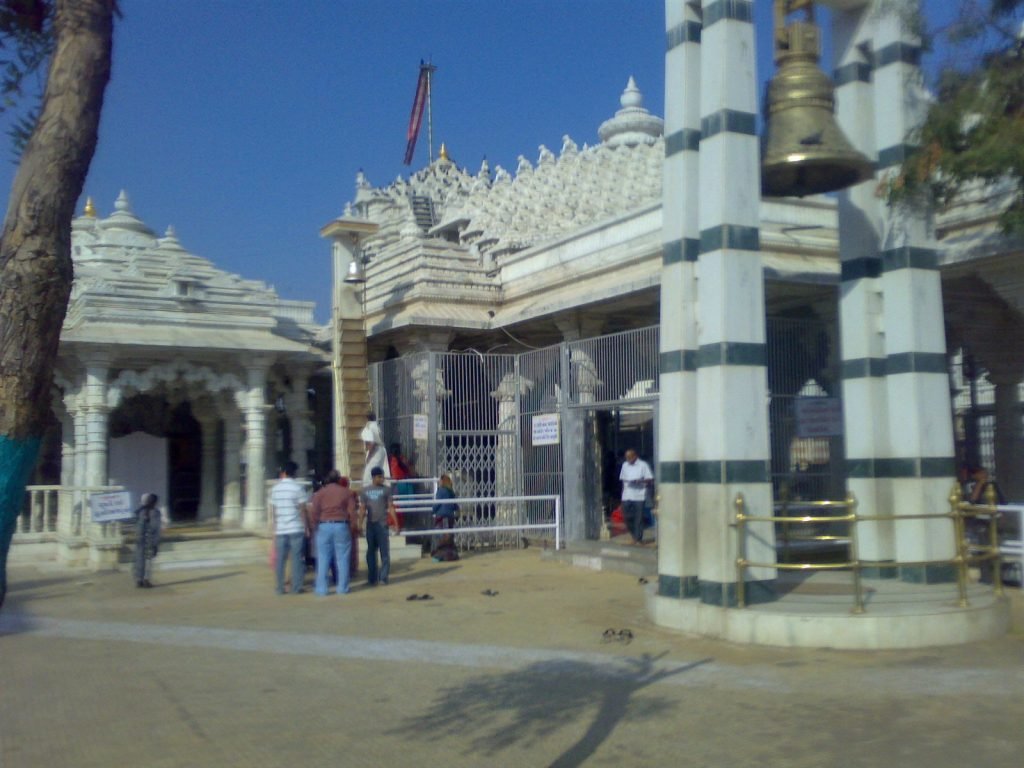
Sardar Patel Memorial
How to get there
The memorial is reached by road within the Anand area of central Gujarat, with Anand offering the nearest strong rail connections. Local transport covers the short distances between related sites, so it is easy to fold this stop into a broader day of regional heritage.
Best time to visit the Sardar Patel memorial
The cooler months from October to February are the most pleasant for visiting. Days that nationally commemorate Sardar Patel can see more visitors and a stronger sense of occasion, so plan around them depending on whether you prefer crowds or calm.
Good to know
- Confirm opening details and displays locally before visiting.
- Pair it with Karamsad and other Patel-related sites.
- Allow a little quiet time for reflection.
- Read up on Patel's life beforehand for context.
Frequently asked questions
Who does the memorial honour?
It honours Sardar Vallabhbhai Patel, remembered for unifying India's princely states after independence.
Is it near other Patel sites?
Yes. The Charotar region around Anand and Karamsad holds several related sites worth combining.
How long should I plan for?
About an hour is usually enough, more if you visit several linked sites together.
Why Karamsad
Vallabhbhai Patel was born at Nadiad in 1875 and grew up at Karamsad, a village in what is now Anand district. The family were Patidar farmers of modest means; he studied late, qualified as a barrister in London in his thirties, and built a successful practice in Ahmedabad before Gandhi pulled him into the national movement.
The memorial here is built around that beginning. It is not a grand civic monument — it is the place a village boy came from, preserved because of what he went on to do.
What he actually did
Two things above all. The first was Bardoli. In 1928 Patel led the peasants of Bardoli taluka in a refusal to pay a steep revenue increase, held the movement together through arrests and land seizures, and won. It was that campaign that earned him the title Sardar — leader — and it was given by the farmers, not conferred by anyone.
The second was the integration of the princely states. At independence, more than five hundred princely states had the legal option of remaining outside India. As Home Minister and Deputy Prime Minister, Patel and his officials brought almost all of them in, through a combination of negotiation, persuasion and — in a small number of cases — force. India as a single country is substantially his work, and it was done in under two years.
He died in December 1950, barely three years into the job.
The memorial and what is there
Expect a modest, reflective site rather than a spectacle. The collection runs to photographs, documents and personal effects, with the emphasis on the independence movement and the integration years. It is the kind of place that rewards reading the captions rather than walking through.
Allow about an hour. Entry is free or nominal, and it is worth checking the weekly closing day before travelling — small memorial museums in Gujarat commonly close one day a week.
Fitting it into a day
Karamsad sits in the Charotar, the prosperous farming belt between Ahmedabad and Vadodara, and the memorial combines naturally with the rest of it. Anand and the Amul dairy are minutes away, Vallabh Vidyanagar — the education township named for him — is adjacent, and Nadiad, where he was born, is a short drive north.
For the fuller picture, the Statue of Unity at Kevadia, about three hours east on the Narmada, was raised in his memory and carries an extensive museum on the same subject. The two make a natural pairing across a longer trip: the village he came from, and the monument built to him seventy years later.
When to go
October to February is the comfortable season across the Charotar plain. March to June is hot, and the memorial is best visited early in the day then. The monsoon greens the whole district and the drive out from Ahmedabad is pleasant, though the visit itself is indoors either way.