
A masterpiece to the sun
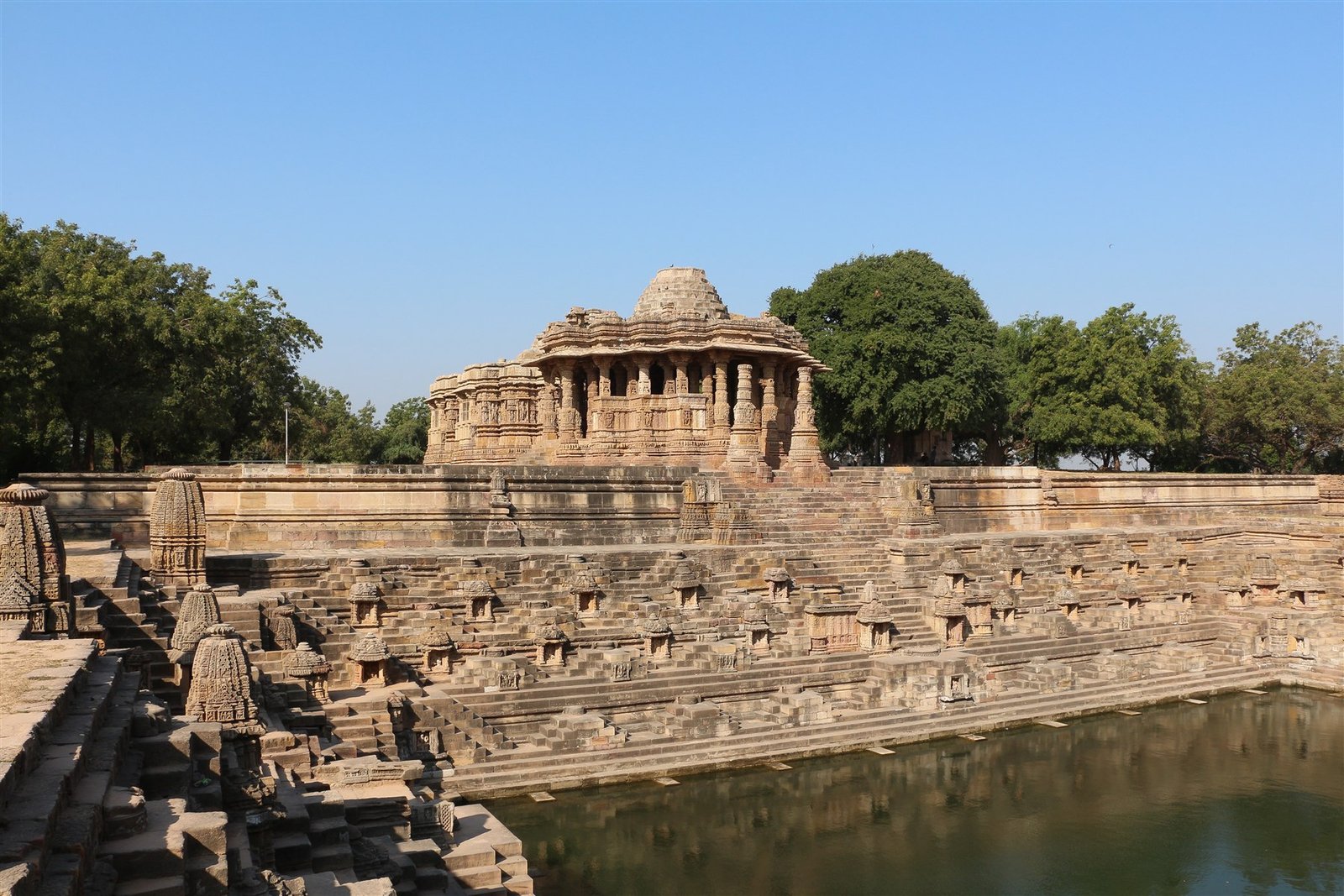
At Modhera, on the banks of the Pushpavati river, stands one of the supreme achievements of Indian temple architecture — the Sun Temple, built in 1026–27 CE under the Solanki king Bhima I and dedicated to Surya, the sun god. Though no longer used for worship, the complex is breathtakingly complete: three perfectly aligned elements unfold along one axis — the great Surya Kund, a vast rectangular stepped tank ringed by 108 miniature shrines and descending in a geometric cascade of steps; the Sabha Mandap, an open pillared assembly hall of astonishing carved richness; and the Guda Mandap, the main shrine sanctum.
Every surface is worked with gods, dancers and floral motifs in the Maru-Gurjara style, and the temple is so oriented that, at the equinoxes, the first rays of the rising sun would illuminate the sanctum. A masterpiece of the Solanki golden age, Modhera is today celebrated as a heritage monument and the setting for the annual Modhera Dance Festival. (Maintained by the ASI; entry by ticket; not an active temple.)
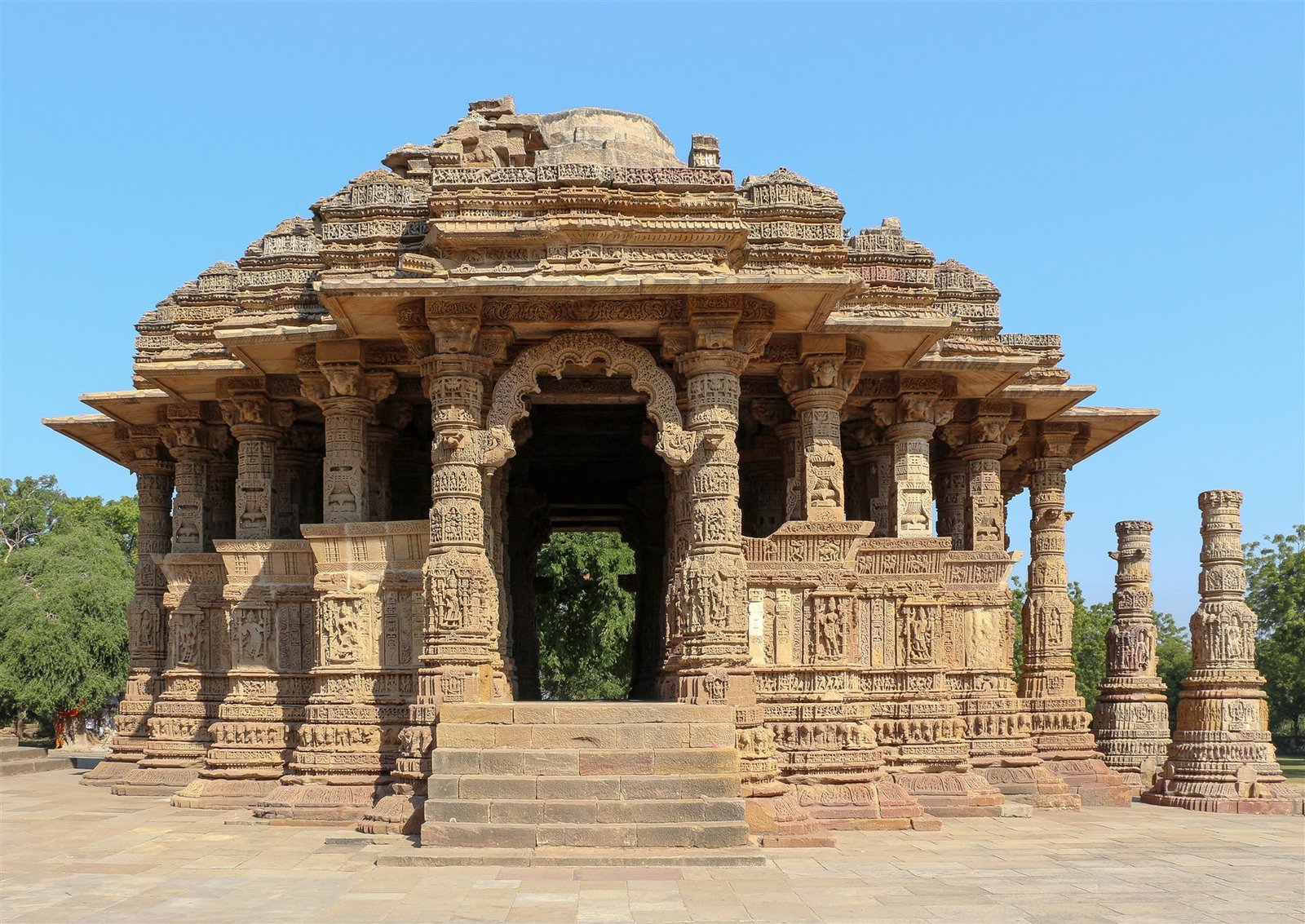
The carved Sabha Mandap, Modhera.
Bhima I built this to face the sunrise
The Surya Kund and temple.
The temple was built in 1026-27 CE under Bhima I of the Solanki line, on the bank of the Pushpavati in what is now Mehsana district.
It is the high point of Solanki temple architecture — the same tradition that produced Rani ki Vav at Patan a generation later.
The whole complex is laid out on an east-west axis so that the equinox sunrise reaches straight into the sanctum.
Worship ended long ago. It is now an ASI monument, and the setting for a classical dance festival each January.
Reasons to make the time
Solanki masterpiece
Modhera is generally reckoned among the finest surviving temples in western India, and the carving is the reason why.
Surya Kund
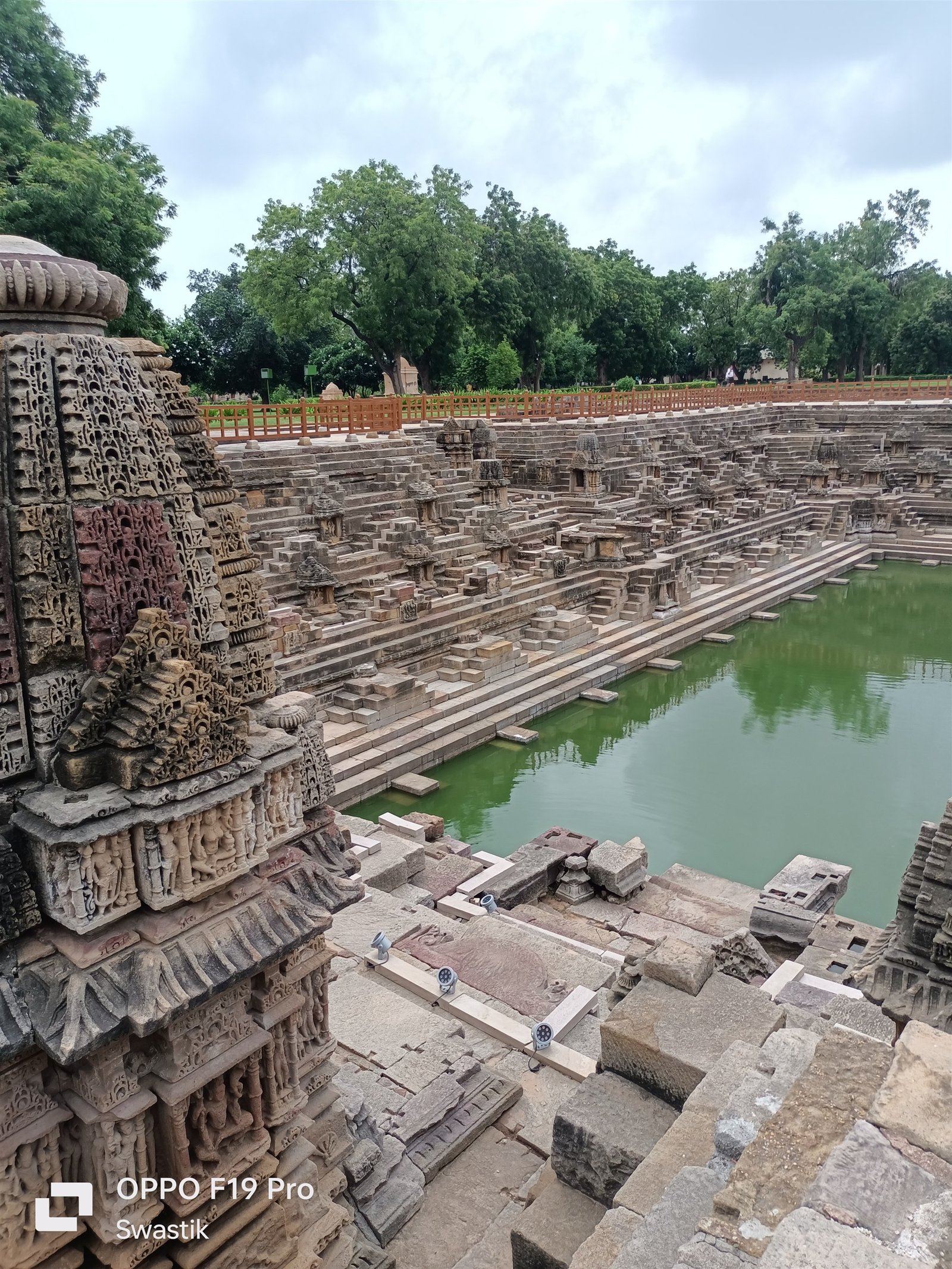
The Surya Kund is a vast rectangular stepped tank, its sides cut into geometric flights of steps and ringed by 108 miniature shrines.
Sabha Mandap
The Sabha Mandap is an open pillared hall, every pillar carved from base to capital, and it stands separate from the shrine itself.
Sun-aligned
At the equinoxes the rising sun runs the length of the axis and lights the sanctum — the building's whole orientation is deliberate.
Maru-Gurjara art
Gods, dancers, elephants, floral bands and narrative panels cover almost every available surface.
Dance festival
The Uttarardh Mahotsav dance festival each January puts classical dance back into the hall it was designed around.
What to look for inside
 THE HALL
Sabha Mandap
The open assembly hall, carved on every pillar and bracket.
 THE TANK
Surya Kund
The great stepped tank, geometric on all four sides and ringed with small shrines.
How to spend an hour or two
See the Surya Kund
Start at the Surya Kund. It is the first thing you reach and the single most photographed structure in Gujarat.
Admire the Sabha Mandap
Work slowly through the Sabha Mandap, where no two pillars carry quite the same carving.
Study the carvings
Look for the figures — gods, dancers, musicians and narrative panels run through the whole scheme.
Note the sun alignment
Stand on the axis and look east. The alignment towards the equinox sunrise is the key to the whole plan.
Walk the tank steps
Count off the small shrines around the tank; there are 108, and each holds its own image.
Time the dance festival
Come in January for the dance festival if your dates allow — the setting makes it extraordinary.
The Sun Temple at Modhera.
Kund, hall and sanctum
Modhera unfolds as three aligned elements: the vast Surya Kund stepped tank with its 108 miniature shrines, the open Sabha Mandap assembly hall on a star-shaped plinth, and the Guda Mandap sanctum — all carved in fine Maru-Gurjara work. The whole is oriented to the sun, so that the equinox sunrise would reach the inner shrine: architecture, astronomy and sculpture fused into one Solanki masterpiece. (An ASI monument; not in active worship.)
More places to visit across the district are gathered in our Mehsana travel guide.
This belongs to a wider story: temples across Gujarat.
Surya Kund stepped tank
108 miniature shrines
Carved Sabha Mandap
Sun-aligned sanctum
When to go
October to March is the season in north Gujarat, and the January dance festival falls right in the middle of it.
The monsoon fills the kund and greens the site, which changes its character entirely and is worth seeing.
April to June is hot and there is no shade on the stone; go at opening time or not at all.
⏰ Visit in the cool morning for the best light on the kund; the Modhera Dance Festival (Jan) is spectacular.
Timings & entry
- Open daily, daytime hours
- Mornings give the best light
- Maintained by the ASI
- Not an active temple
- A modest ASI entry ticket
- Allow 1–2 hours
- Wear sun protection
- Respect the heritage fabric
Getting there
By Air
Ahmedabad airport (~100 km).
By Rail
Mehsana Junction (~25 km).
By Road
Short drive from Mehsana.
At Modhera
STONE & SUN
A Solanki temple masterpiece
What to shoot
The stepped geometry of the Surya Kund.
Detail
Carved pillars and brackets in the Sabha Mandap.
Best light
Early morning light across the tank.
Composition
Symmetry and reflections in the water below.
Know before you go
More to see close by
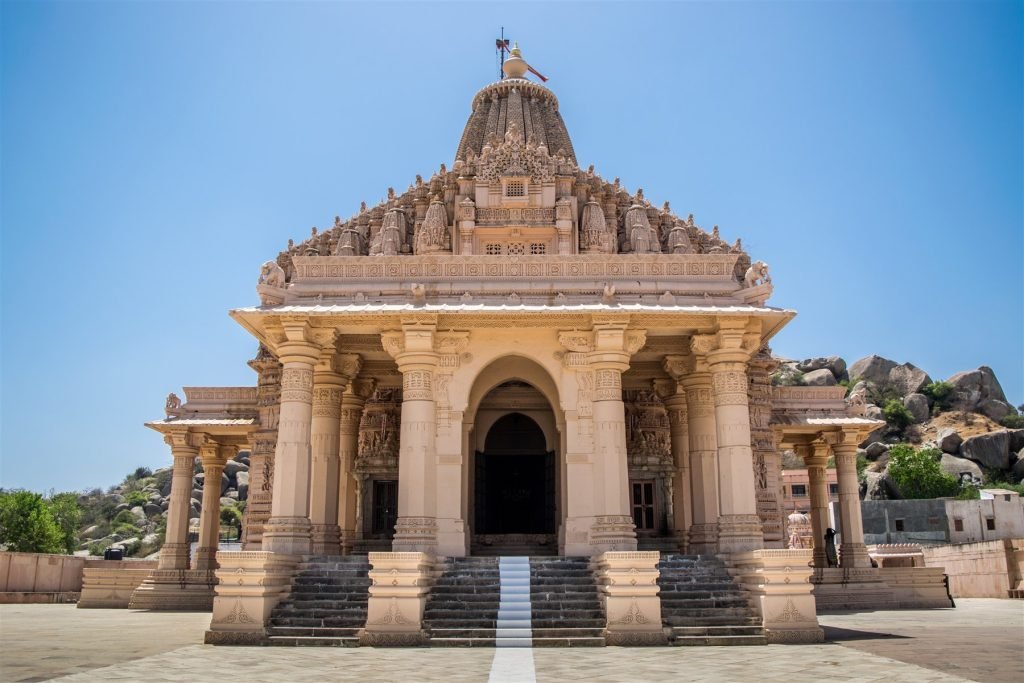
Taranga Jain Temple
Marble temples on the Taranga hills
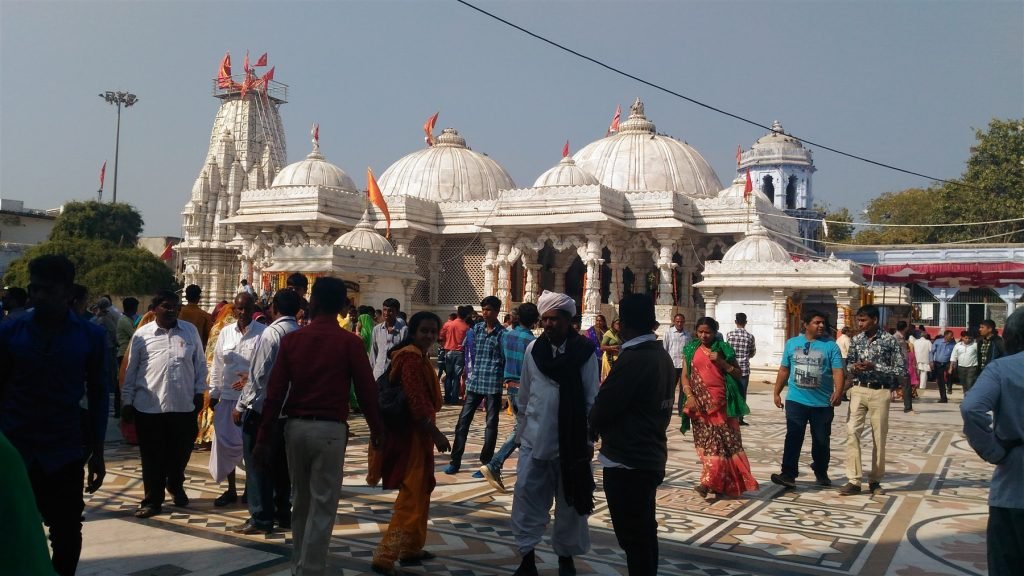
Bahuchara Mata, Becharaji
A revered Shakti Peeth of the goddess
 ANCIENT
Vadnagar Excavations
Buddhist monastery & 2,000 years of history
 NATURE
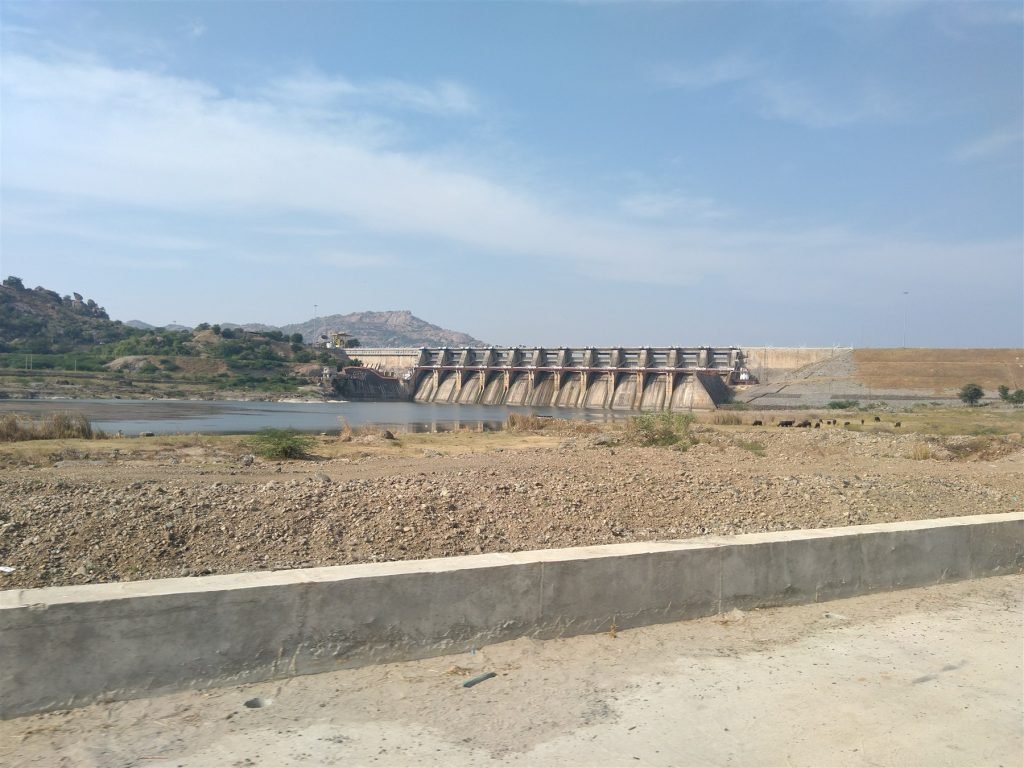
Dharoi Dam
A scenic reservoir on the Sabarmati
 STEPWELL
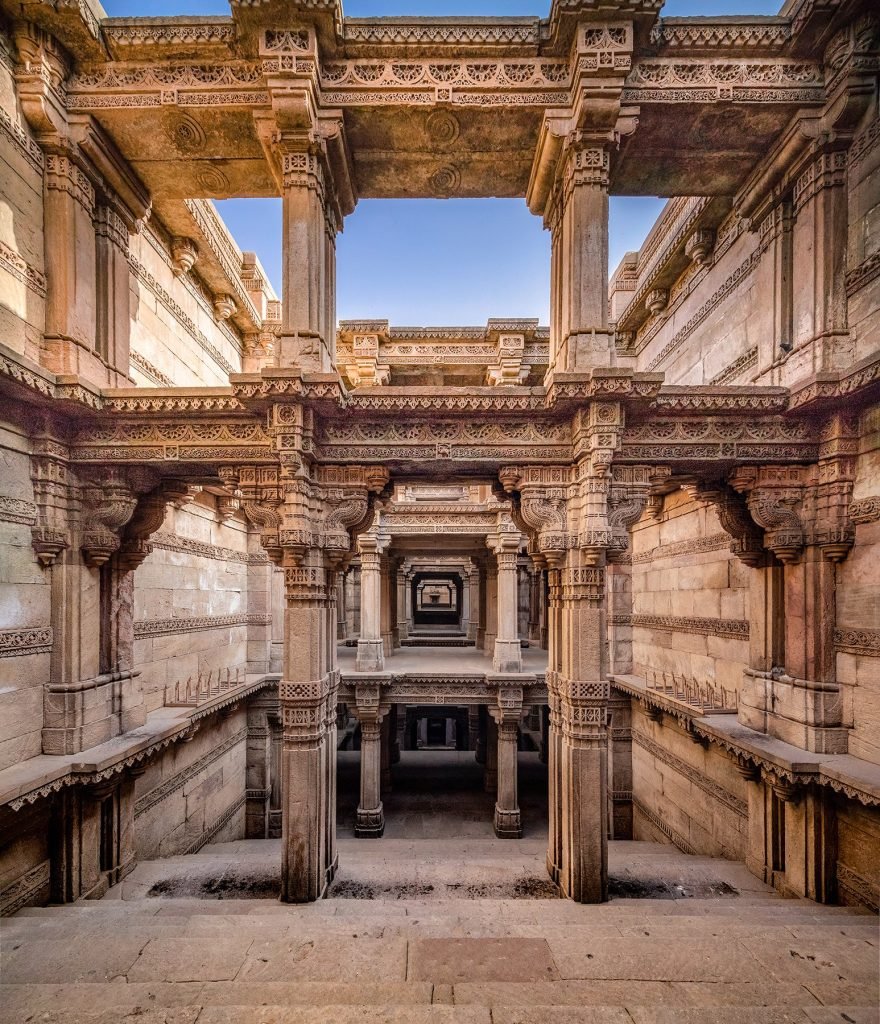
Stepwell Country
Gateway to Patan’s Rani ki Vav & Adalaj
 LIGHT SHOW
Modhera Surya Kund
Dance & projections at the Sun Temple
Where to eat near Modhera Sun Temple
 THALI
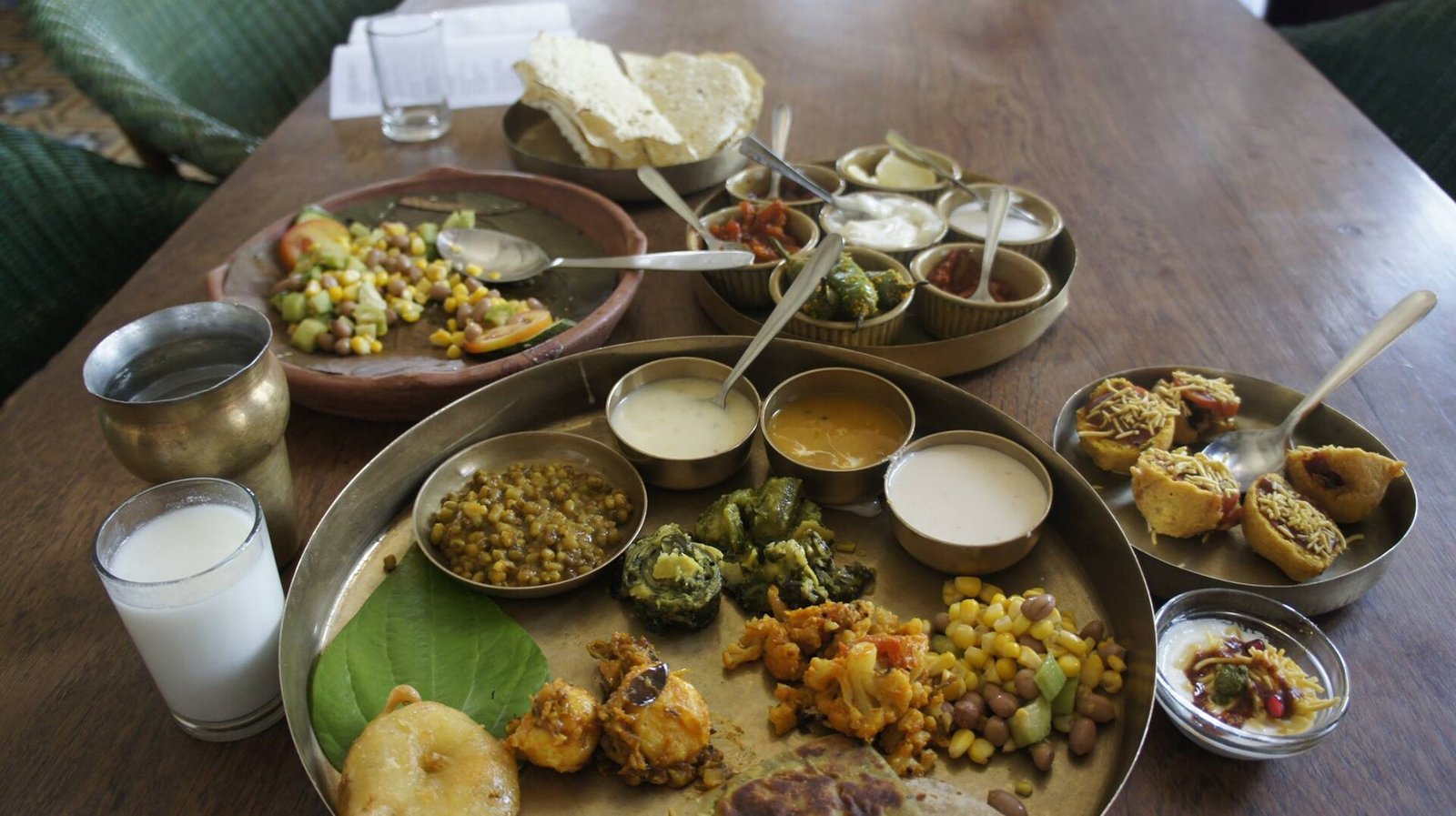
THALIGujarati Thali
Sweet-savoury full meals.
 FARSAN
Dhokla & fafda
Steamed and fried snacks.
 STREET
Chaat & snacks
Lively market-town fare.
Dairy capital
Home of Dudhsagar Dairy & superb milk sweets.
Modhera Sun Temple FAQ
What is Modhera Sun Temple?
An eleventh-century Solanki temple dedicated to Surya, the sun god, celebrated for its great stepped Surya Kund, its carved pillared assembly hall and its precise solar orientation.
When was it built?
In 1026-27 CE, under King Bhima I of the Solanki dynasty, on the bank of the Pushpavati river.
Is it an active temple?
No. Worship ceased long ago and the temple is now a heritage monument maintained by the Archaeological Survey of India.
What is the Surya Kund?
A vast rectangular stepped tank in front of the temple, its four sides cut into interlocking flights of steps and ringed by 108 miniature shrines. It is the image most people know Modhera by.
Is there a sun alignment?
Yes. The complex is laid out on an east-west axis so that the rising sun at the equinoxes reaches directly into the sanctum.
Is there an entry fee?
Yes, a modest ASI entry ticket, bought at the gate.
How far is Mehsana?
About 25 km from Mehsana and roughly 100 km from Ahmedabad, which makes it comfortable as a day trip from either.
When should I visit?
October to March. The Uttarardh Mahotsav classical dance festival each January is the single best time to be there.
Related places across Gujarat
 HERITAGE
Lang Library
A historic 19th-century reading hall
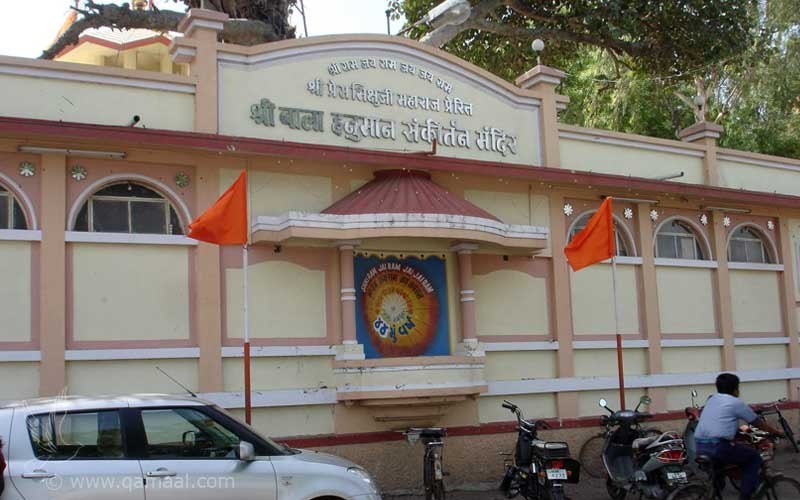
Bala Hanuman Temple
Site of a non-stop Ram chant since 1964
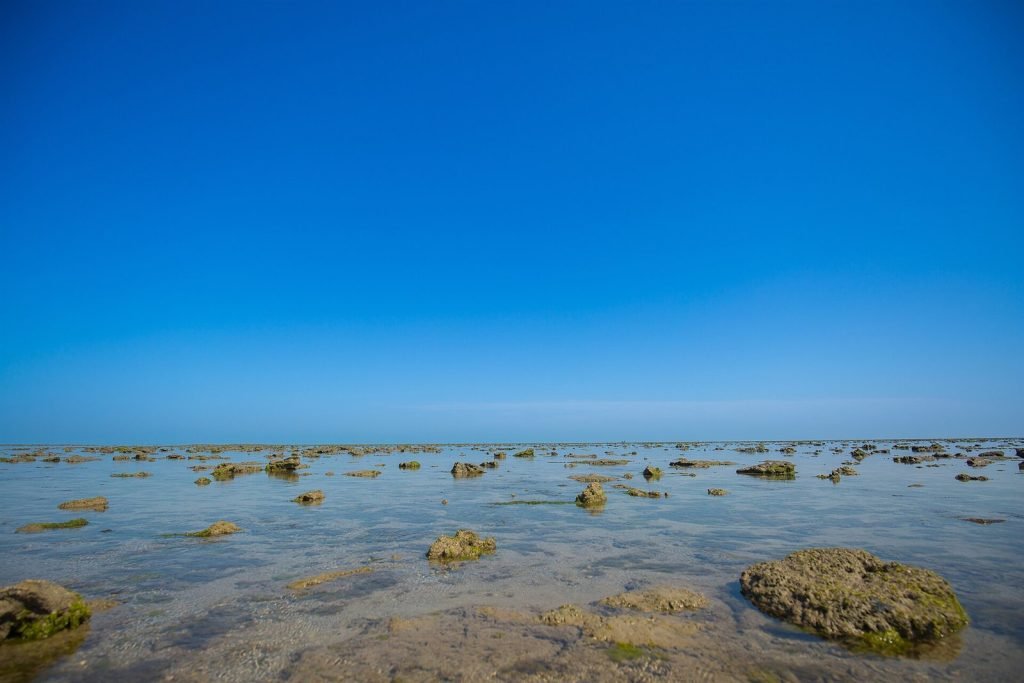 MARINE
Marine National Park
Coral, dolphins & seabirds near Positra
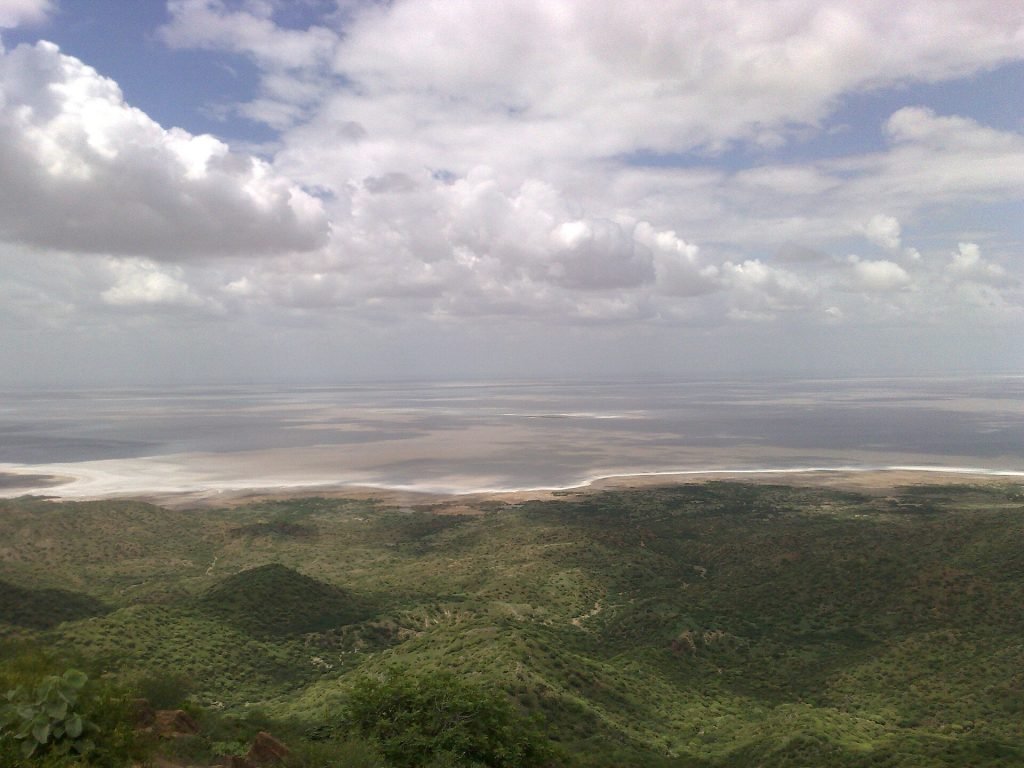
The White Rann
◐ Full moon · blue hour

King of Salangpur
A colossal new icon of Botad — the ‘King of Salangpur’, a giant statue of Hanuman…
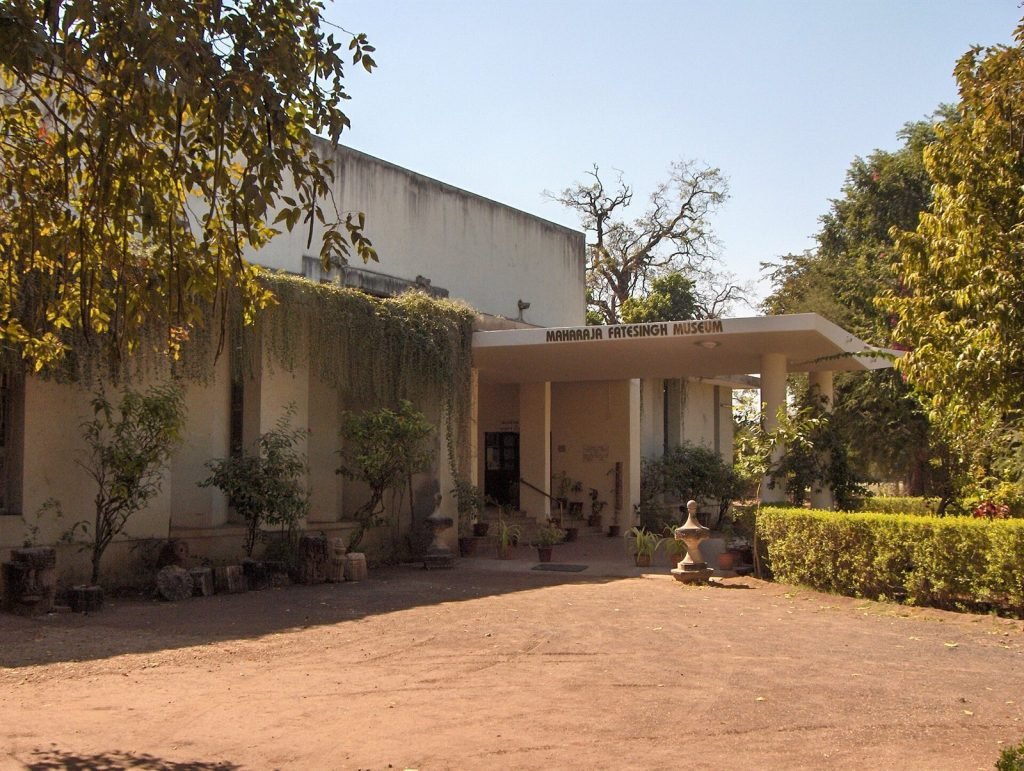 MUSEUM
Fateh Singh Museum
Royal art collection inside the palace grounds
WHERE TO STAY
Find your stay in Gujarat
Compare live prices across the big booking sites and reserve in a few taps. Booking happens securely on the partner's site — we may earn a small commission at no extra cost to you.
Book directly on our partner sites — tap a provider to see live Gujarat hotels & prices:
SHOP THE REGION
Bring home Gujarat — & travel essentials
Hand-picked crafts and trip gear, available on Amazon.
Published 24 June 2026 · Updated 24 August 2026
We’re an independent group of writers and travellers documenting every corner of Gujarat — one place, plate and festival at a time.