Gujarat Explorer

Taranga Jain Temple

Home Mehsana Taranga Jain Temple

TEMPLE · JAIN · HILLTOP

Taranga Jain Temple

A Solanki jewel of Jain architecture — the Taranga temples, a 12th-century hilltop complex of soaring carved white shrines amid wooded hills, a major Svetambara pilgrimage.

AT A GLANCE Quick Facts
📍 LOCATION Taranga hills, Mehsana
🛕 TRADITION Jain (Svetambara)
🗓️ BUILT 12th c. (Kumarapala)
🙏 MAIN DEITY Ajitnath
⛰️ SETTING Wooded hills
🎟️ ENTRY Free
☀️ BEST TIME Oct – Mar
☸️ ALSO Ancient Buddhist caves
ABOUT THE PLACE

A hilltop Jain tirtha

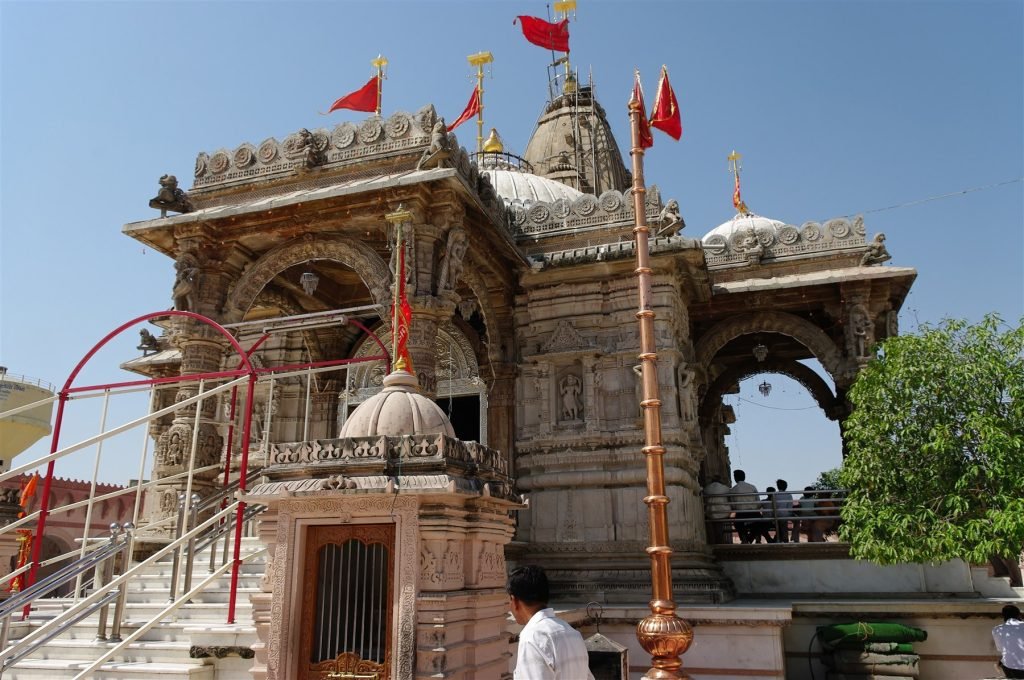
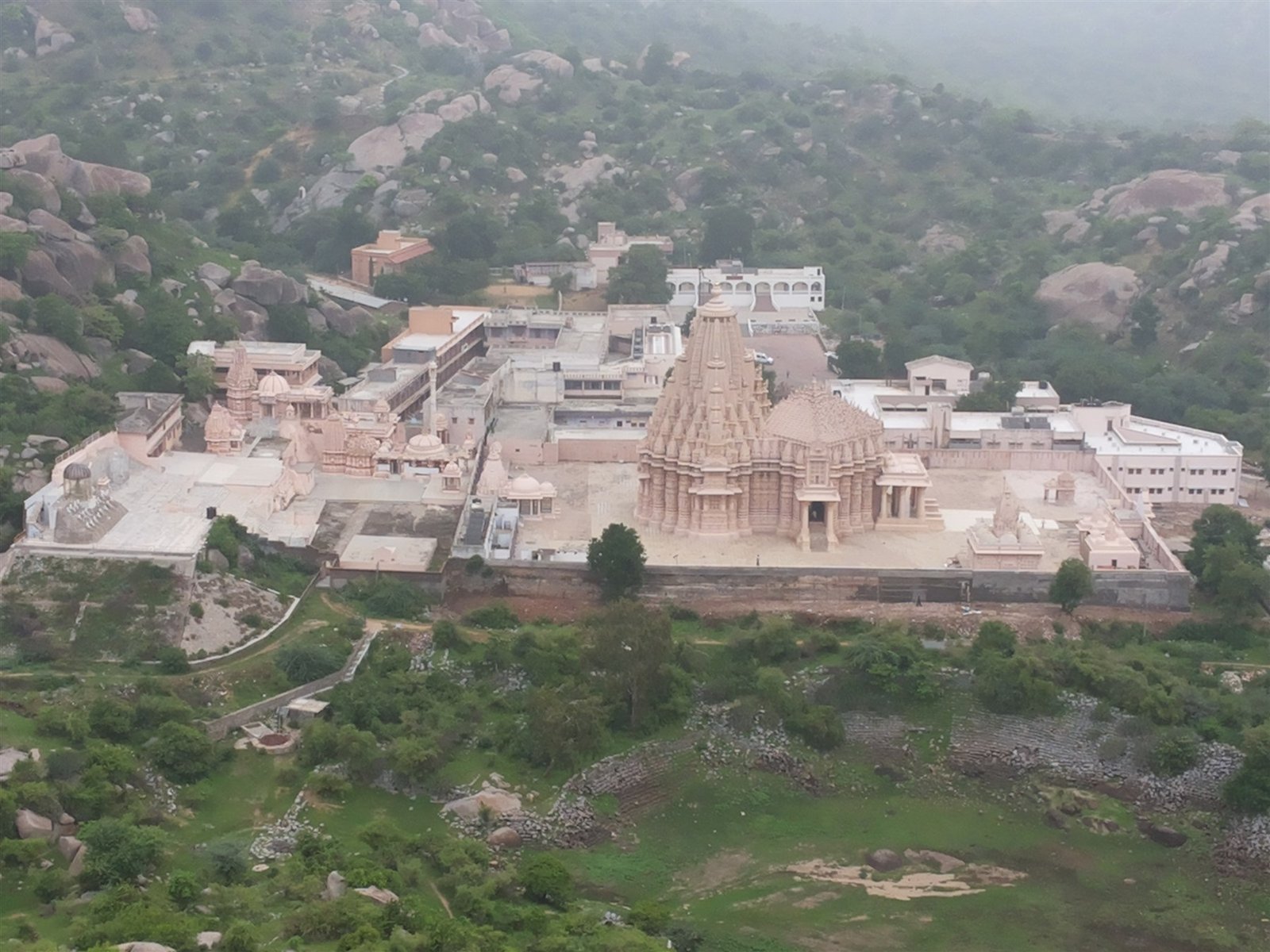
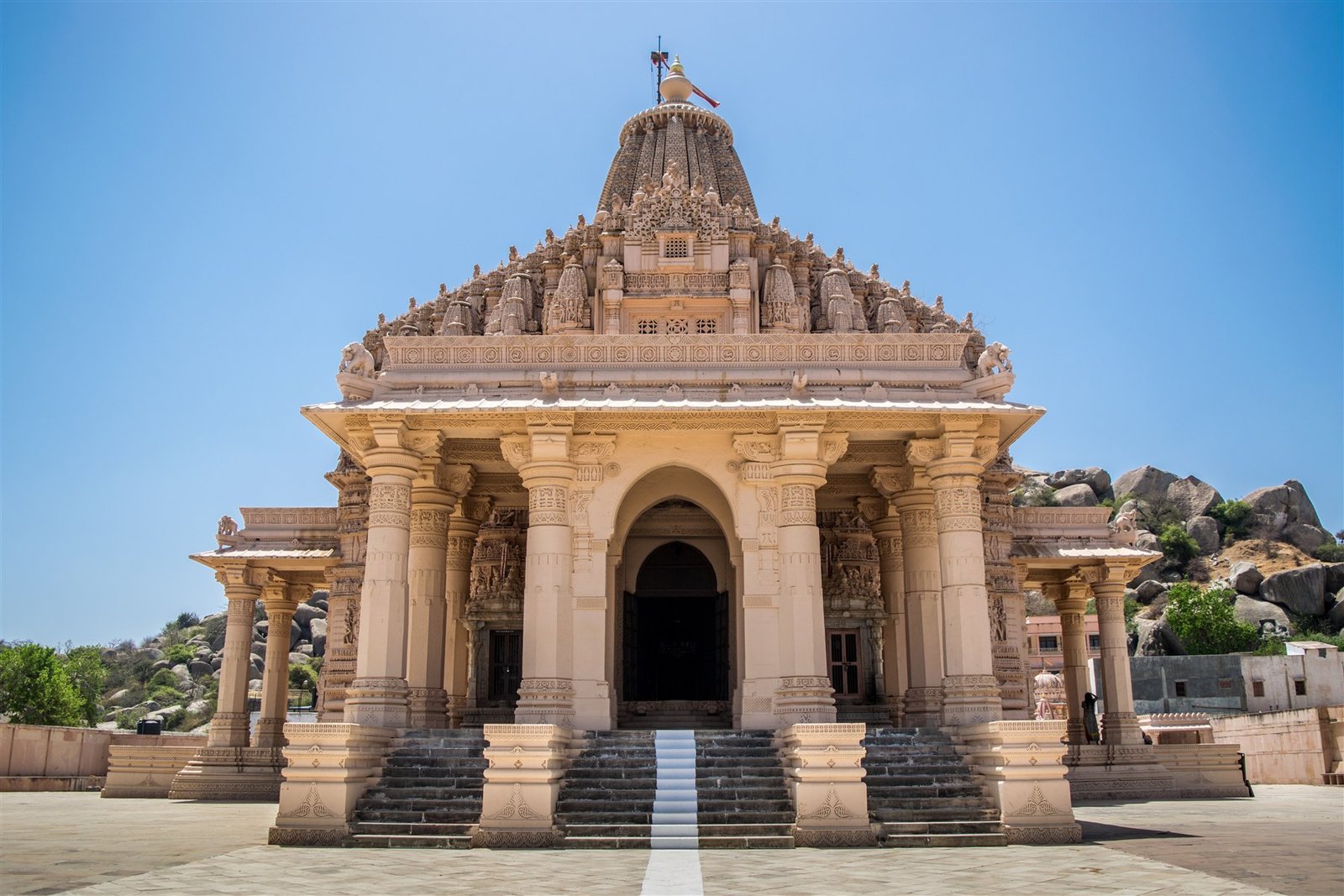
Set amid the wooded Taranga hills in the north of Mehsana district, the Taranga Jain temple complex is one of Gujarat’s finest and most atmospheric Jain pilgrimage sites. The principal temple, dedicated to the Tirthankara Ajitnath, was built in the 12th century under the Solanki king Kumarapala, a great patron of Jainism, and is a magnificent example of Maru-Gurjara architecture — a tall, intricately carved white shrine rising dramatically against the hills.

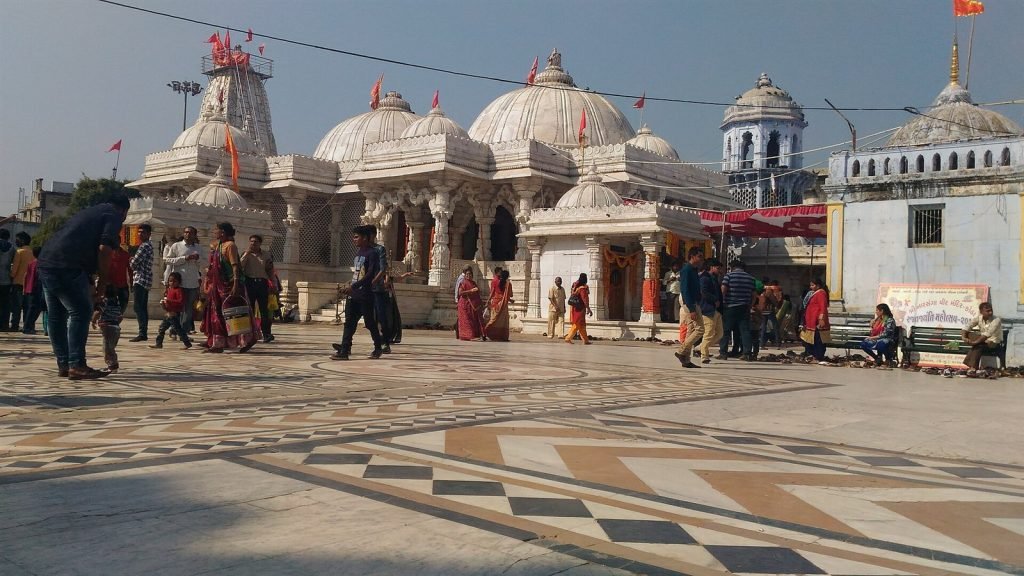
Around it cluster further temples of the Svetambara and Digambara traditions, making Taranga an important tirtha for both. The hills themselves are sacred and scenic, dotted with ancient shrines and, remarkably, early Buddhist rock-cut caves and sculptures, hinting at a religious history older still.

Tranquil, elevated and richly carved, Taranga rewards pilgrims and lovers of architecture alike. (An active Jain pilgrimage; observe temple customs.)

The Taranga temple complex.

HISTORY

Kumarapala's white shrine on the hill

The carved Ajitnath temple.

12th c.

The Ajitnath temple was built in the twelfth century by Kumarapala of the Solanki dynasty, a ruler who became a committed patron of Jainism.

Maru-Gurjara

It rose as a tall white shrine on the hill, carved on every surface in the Maru-Gurjara manner of its period.

Two traditions

Both Svetambara and Digambara traditions built here, and their shrines cluster across the same hillside.

Older still

Rock-cut Buddhist caves in these hills record an earlier faith on the same ground, centuries before the Jain temples.

WHY VISIT

Reasons to make the time

🏛️

Solanki Jain gem

Taranga is one of the finest surviving Solanki-period buildings anywhere, and it stands almost complete rather than restored.

🙏

Ajitnath temple

The main shrine rises steeply above its base, and the height is what strikes you first on the approach.

⛰️

Hilltop setting

The setting is wooded hill country, quiet and green, quite unlike the flat plain below.

🎨

Maru-Gurjara carving

The stonework runs to figures, dancers, floral bands and ceiling medallions, worked into every available surface.

☸️

Two Jain traditions

Svetambara and Digambara temples stand together here, which is not the case at most Jain tirthas.

🪨

Buddhist caves

The Buddhist caves add a layer most visitors never expect on a Jain hill.

HIGHLIGHTS

What to look for inside

The Jain templesTHE COMPLEX

The Jain temples

Shrines of both traditions clustered across the wooded hillside.
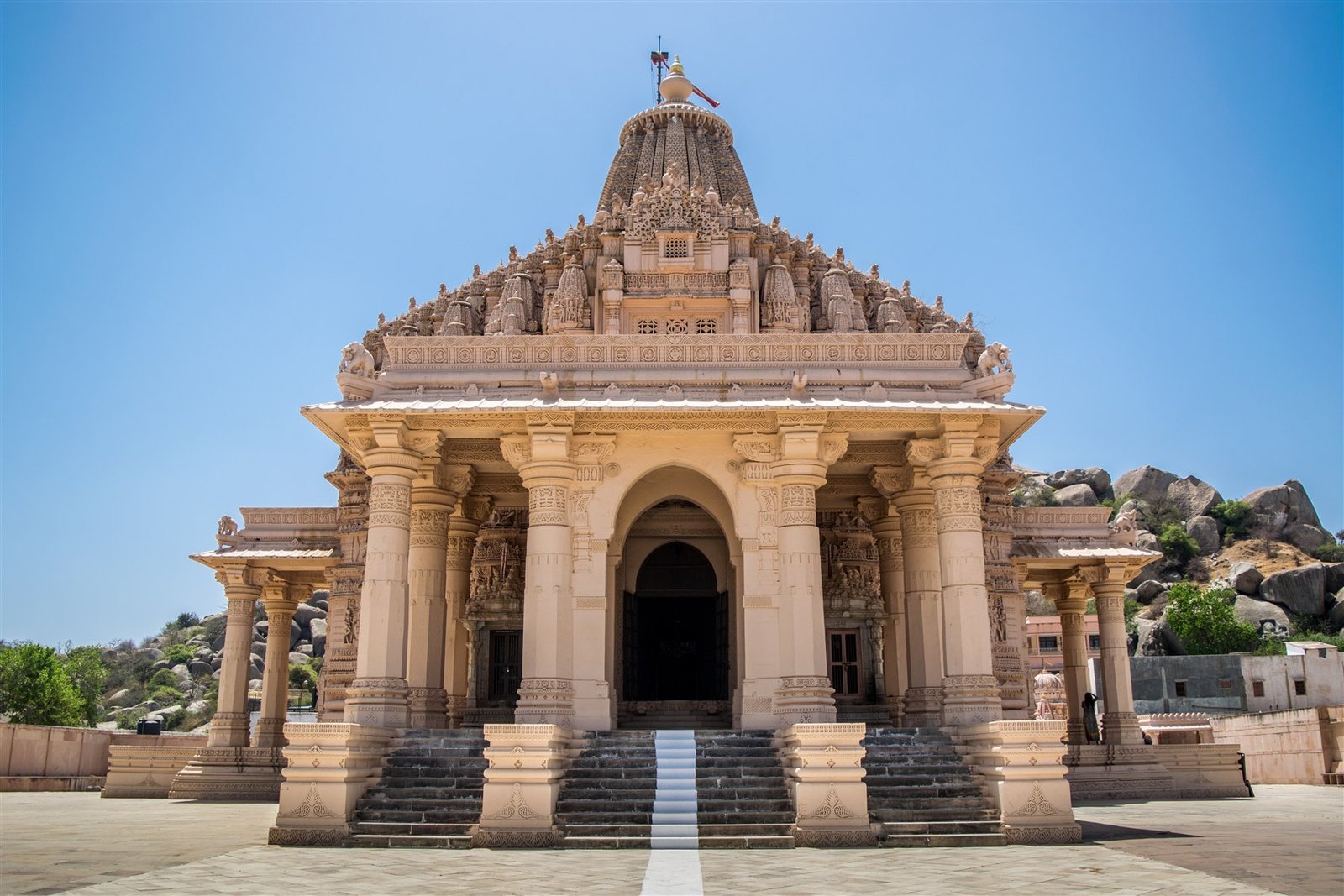
Ajitnath templeTHE SHRINE

Ajitnath temple

The tall white twelfth-century shrine that anchors the whole complex.
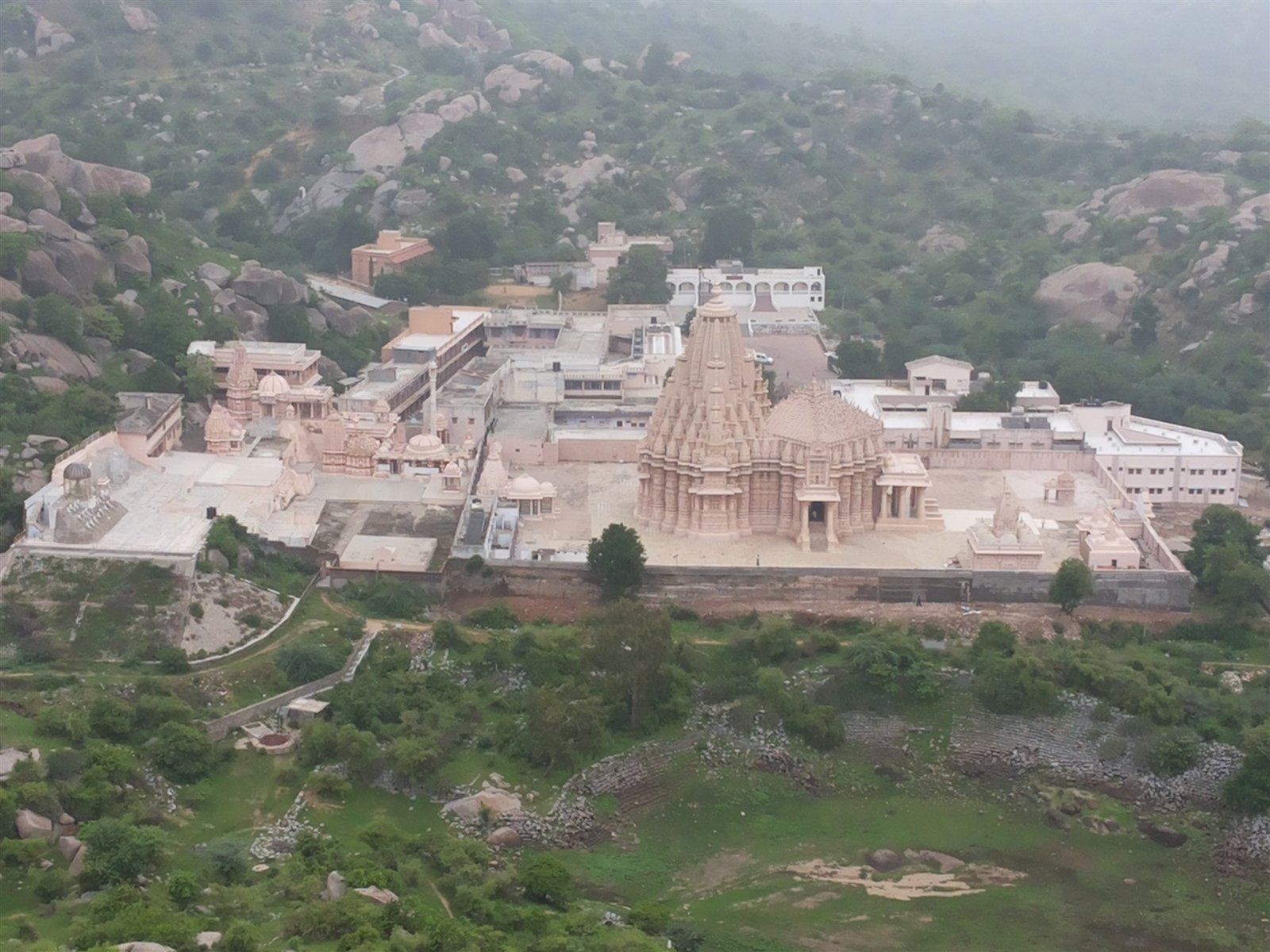
Wooded hillsHILLTOP

Wooded hills

A green, sacred elevation standing above the north Gujarat plain.
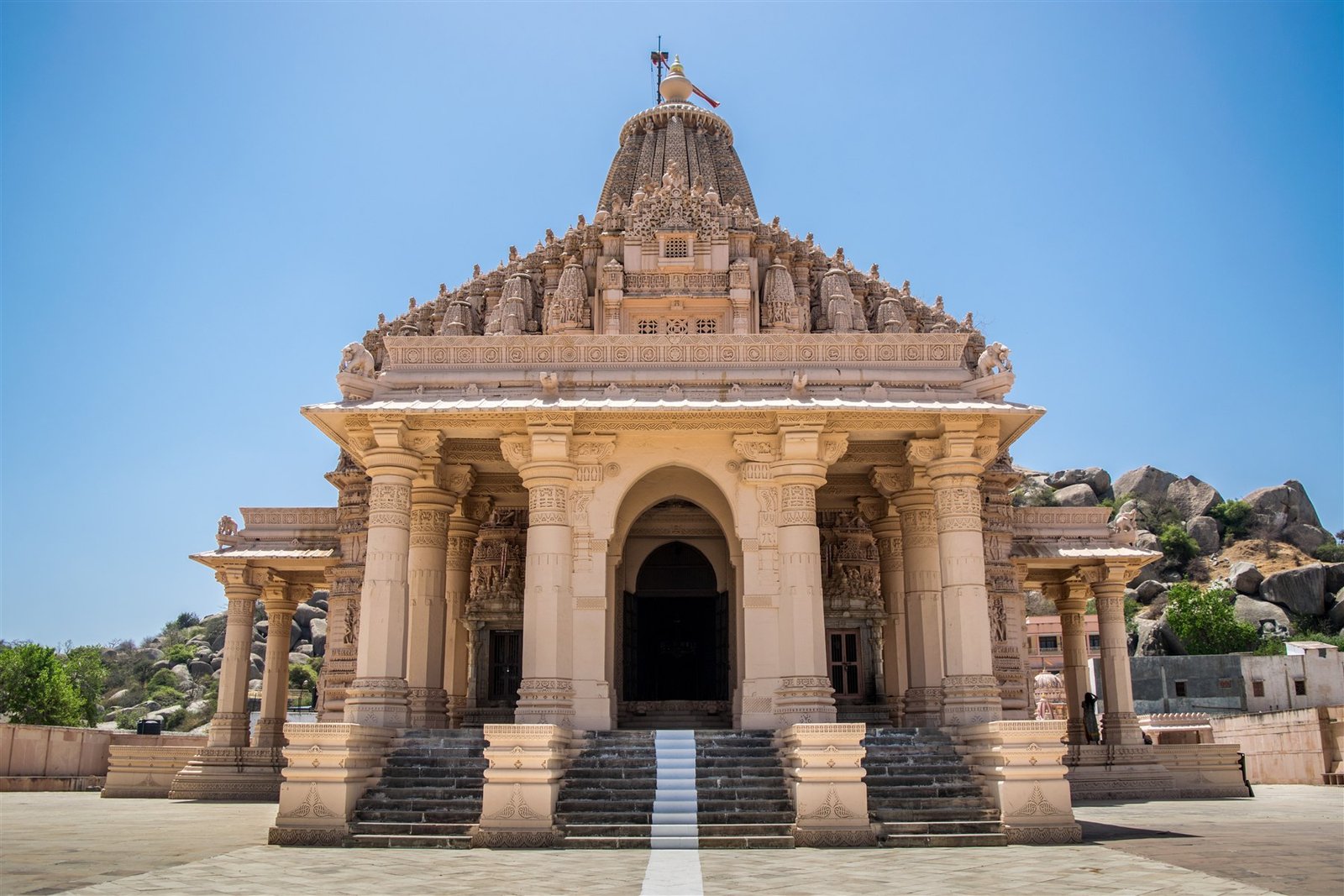
Maru-Gurjara carvingCARVING

Maru-Gurjara carving

Dense figurative and floral stonework across every surface of the shrine.
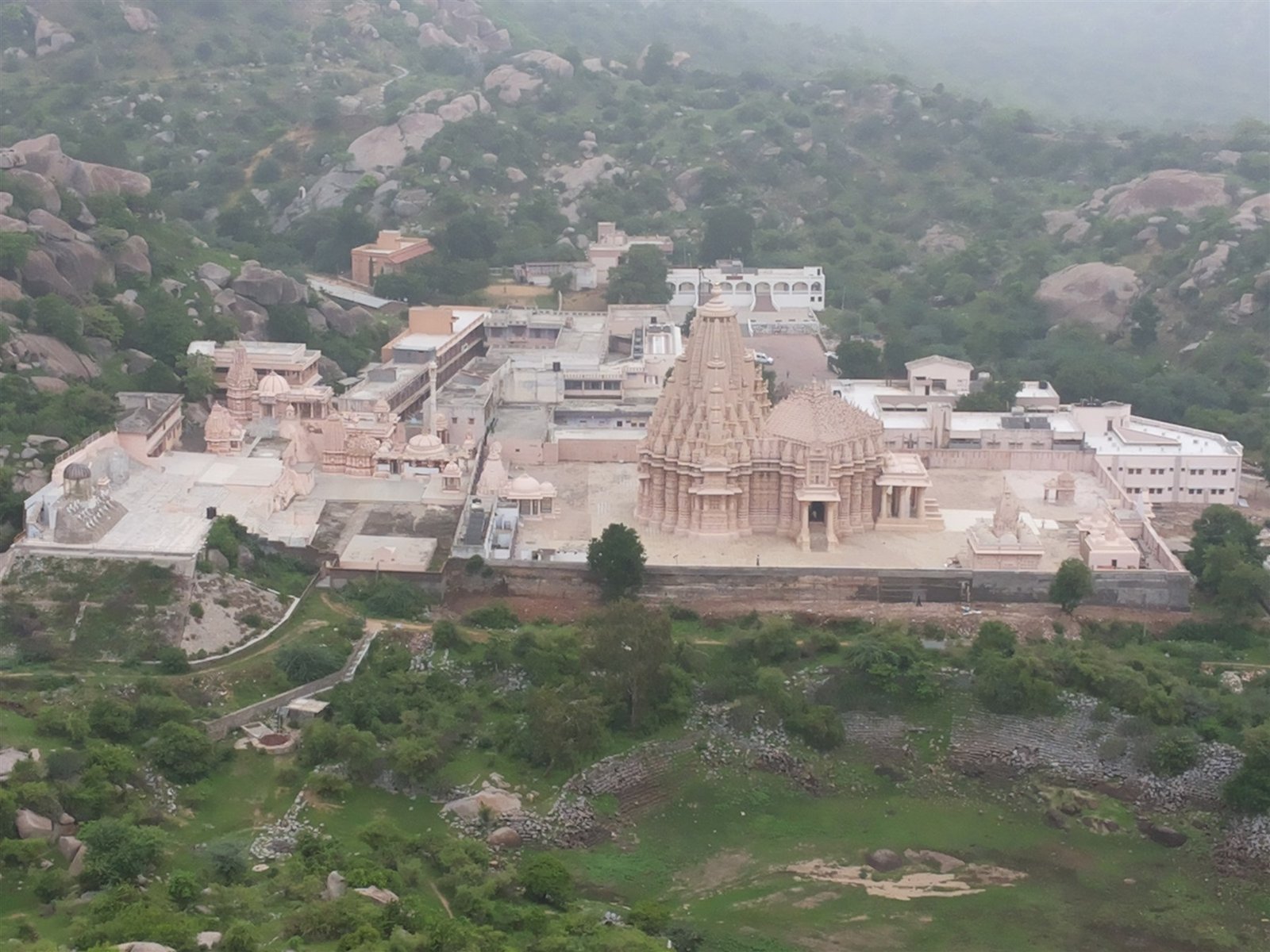
Both traditionsTRADITIONS

Both traditions

Svetambara and Digambara temples side by side on the same hill.
Buddhist cavesOLDER STILL

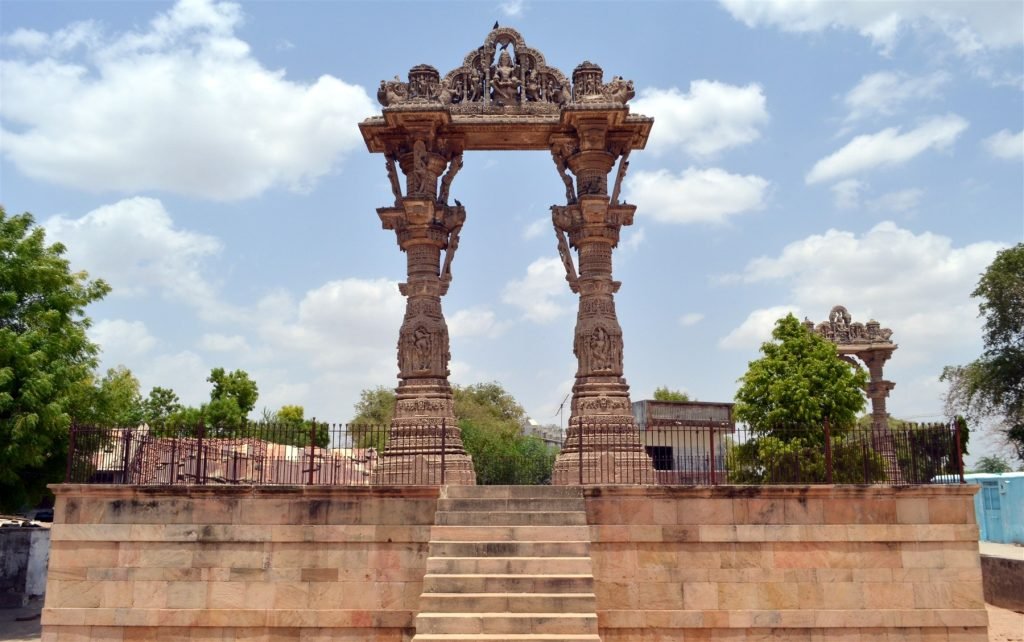
Buddhist caves

Early rock-cut caves in the hills, from a faith that was here first.
THINGS TO DO

How to spend an hour or two

01

See the Ajitnath temple

Start with the Ajitnath shrine itself, which is the reason to make the drive and repays a slow circuit.

02

Admire the carving

Look closely at the Maru-Gurjara carving — the ceilings in particular are worth craning your neck for.

03

Climb the hills

Walk between the shrines across the hillside; the setting is half the experience here.

04

Visit other shrines

Note the Svetambara and Digambara temples standing together, which is genuinely unusual.

05

Seek the Buddhist caves

Ask about the Buddhist caves in these hills, an older layer on the same sacred ground.

06

Soak the calm

Give it time. Taranga is quiet, almost unvisited, and rushing it wastes the best thing about it.

Taranga’s Jain temples.

ARCHITECTURE & SETTING

A carved white shrine

The great Taranga temple is a tall, richly carved white Maru-Gurjara shrine to Ajitnath, set on a hilltop and surrounded by lesser Jain temples of both the Svetambara and Digambara traditions.

The sacred hills around carry ancient shrines and early Buddhist rock-cut caves, layering Jain, Hindu and Buddhist history in one scenic, elevated tirtha. (An active Jain pilgrimage; follow temple customs.)

12th-century Ajitnath temple

Carved Maru-Gurjara stone

Svetambara & Digambara shrines

Ancient Buddhist caves nearby

BEST TIME TO VISIT

When to go

WINTERNov – Feb★★★★★

October to March is ideal — cool enough for walking between the hilltop shrines and clear enough for the views.

MONSOONJul – Sep★★★★☆

The monsoon turns the Taranga hills green and atmospheric, and the approach through them is at its best.

SUMMERMar – May★★☆☆☆

April to June is hot and dry on the hill with limited shade; come at opening and finish before midday.

⏰ Combine Taranga with Vadnagar; wear modest dress and comfortable shoes for the hilltop shrines.

PLANNING ESSENTIALS

Timings & entry

🕗DARSHAN HOURSDaily darshan
  • Open daily for darshan
  • Mornings are cool and calm
  • An active Jain tirtha
  • Wear comfortable shoes
🎟️ENTRYFree
  • No entry fee for darshan
  • Dress modestly
  • Remove leather items at shrines
  • Carry water for the hills
HOW TO REACH

Getting there

✈️

By Air

Ahmedabad airport (~130 km).

🚆

By Rail

Taranga Hill / Mehsana stations.

🚗

By Road

~55 km from Mehsana.

NEARBY DISTANCES
Mehsana — 55 km · Vadnagar — 35 km · Ambaji — 50 km · Ahmedabad — 130 km
PHOTOGRAPHY GUIDE

At Taranga

STONE & HILLS

A hilltop Jain masterpiece

🛕

What to shoot

The white Ajitnath shrine rising above the hillside.

🎨

Detail

Maru-Gurjara carving on walls, brackets and ceilings.

⛰️

Setting

The wooded hills around the complex.

🌅

Best light

The shrines in late afternoon light.

TRAVEL TIPS

Know before you go

1Combine Taranga with Vadnagar, which is close and one of the most interesting towns in north Gujarat.
2Dress modestly, with shoulders and legs covered, as at any working Jain tirtha.
3Wear comfortable shoes; the shrines are spread across a hillside and involve steps and slopes.
4Remove leather items — belts, wallets and bags — before entering the temples.
5Carry water. There is little on the hill and the walking between shrines adds up.
6October to March is the season; the hill is exposed and summer is genuinely hard work.
NEARBY FOOD

Where to eat near Taranga Jain Temple

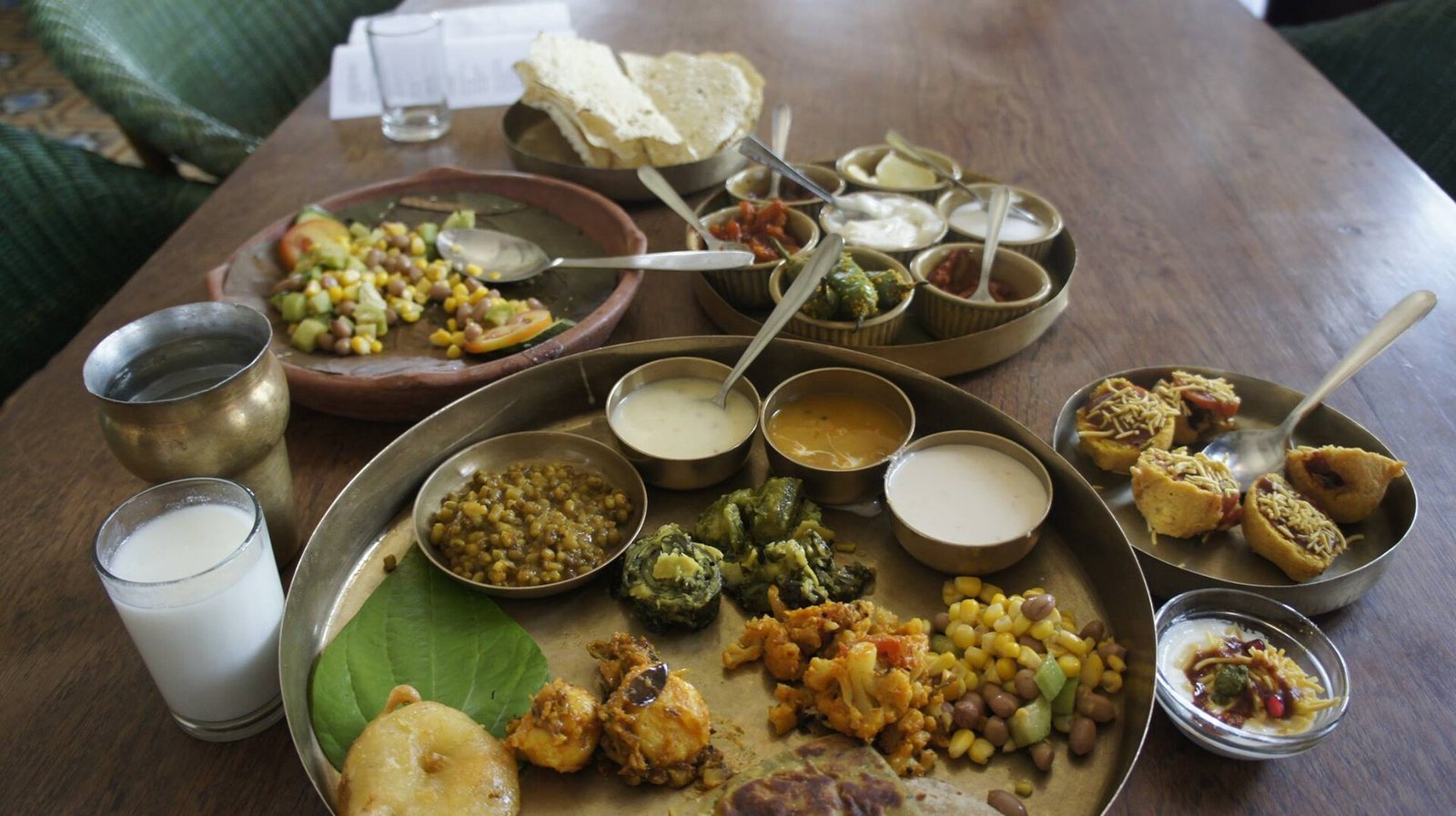
Gujarati ThaliTHALI

Gujarati Thali

Sweet-savoury full meals.

Dhokla & fafdaFARSAN

Dhokla & fafda

Steamed and fried snacks.

Chaat & snacksSTREET

Chaat & snacks

Lively market-town fare.

🍽️GOOD TO KNOW

Dairy capital

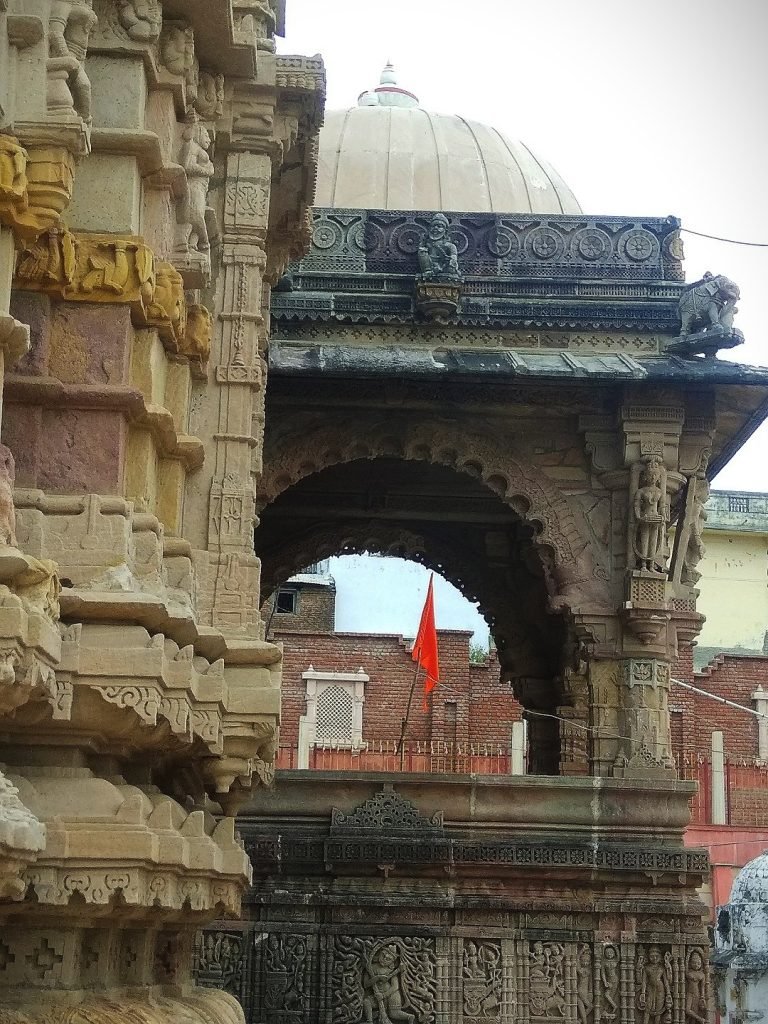
Home of Dudhsagar Dairy & superb milk sweets.
FREQUENTLY ASKED

Taranga Jain Temple FAQ

What is Taranga Jain Temple?

A twelfth-century Solanki hilltop Jain complex in Mehsana district, centred on the great Ajitnath temple and surrounded by shrines of both Jain traditions.

Who built it?

King Kumarapala of the Solanki dynasty, a ruler who became a major patron of Jainism, built the Ajitnath temple in the twelfth century.

Which deity is it dedicated to?

Ajitnath, the second Tirthankara. The main shrine is dedicated to him and it is the focus of the whole complex.

Is it Svetambara or Digambara?

Both. It is a major Svetambara tirtha, but Digambara temples stand on the same hill — an arrangement that is uncommon at Jain sites of this importance.

Are there Buddhist remains?

Yes. Ancient Buddhist rock-cut caves are found in the Taranga hills, marking an earlier religious presence on the same ground.

Is there an entry fee?

No, darshan is free. It is a working tirtha rather than a ticketed monument.

How far is Mehsana?

About 55 km from Mehsana, and comfortably combined with Vadnagar on the same day out.

When should I visit?

October to March, when the hill is cool enough for walking between the shrines and the views are at their clearest.

WHERE TO STAY

Find your stay in Gujarat

Compare live prices across the big booking sites and reserve in a few taps. Booking happens securely on the partner's site — we may earn a small commission at no extra cost to you.

📍 DestinationAnywhere in Gujarat 📅 Check-inAdd date 📅 Check-outAdd date 👥 Guests2 adults Search Hotels

Book directly on our partner sites — tap a provider to see live Gujarat hotels & prices:

Affiliate links: prices and availability are shown by our partners. You pay the same price; we may earn a commission that helps keep Gujarat Explorer free.

SHOP THE REGION

Bring home Gujarat — & travel essentials

Hand-picked crafts and trip gear, available on Amazon.

🧵
Patola Silk Scarf
View on Amazon
🪡
Kutch Embroidery
View on Amazon
🎒
Travel Backpack 40L
View on Amazon
🔔
Brass Handicraft
View on Amazon
As an Amazon Associate, Gujarat Explorer earns from qualifying purchases. Product prices and availability are accurate as of the date/time shown on Amazon and are subject to change.
🚕
Book a cab anywhere in Gujarat
Airport transfers, day trips & intercity rides — reserve a comfortable cab, or just ask us on WhatsApp.
Enquiries are passed to independent, licensed local operators. Gujarat Explorer is a facilitator, not the transport provider.
WhatsApp Enquiry

Published 24 June 2026 · Updated 24 August 2026

GE
The Gujarat Explorer Team

We’re an independent group of writers and travellers documenting every corner of Gujarat — one place, plate and festival at a time.