
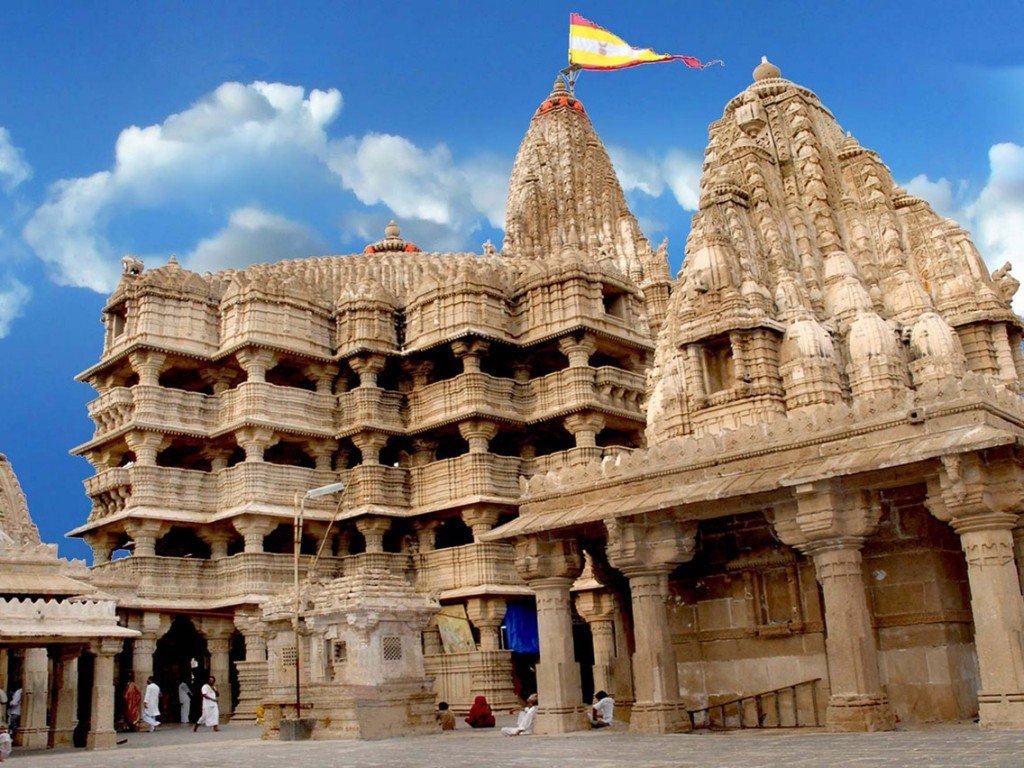
Faith in a royal town
As the historic capital of the Rajpipla princely state, the town of Rajpipla has long been a centre not just of royal life but of religion, and is home to a number of temples that serve its people and the surrounding tribal hill country.
From Shiva and Devi shrines in and around the town to temples patronised by the former rulers, and the sacred sites along the nearby Karjan and Narmada rivers, these places of worship are woven into the rhythm of Rajpipla life, especially during festivals.
For visitors, they offer a quieter, devotional counterpoint to the town’s grand palaces and the spectacle of nearby Kevadia — the spiritual side of a princely town. Town temples; modest dress.
Royal patronage, in a royal town
Rajpipla shrines.
As the capital of a princely state, Rajpipla accumulated temples the way capitals do — some raised by the Gohil rulers, others by merchant families and the town's own neighbourhoods.
Royal patronage shaped the more substantial shrines, which were endowed with land and maintained by the state rather than by donation alone.
Shiva and Devi shrines predominate, as they do across this stretch of the Narmada valley, alongside Vaishnav temples serving the trading families.
The Karjan and the Narmada run close by, and riverside worship — bathing, ancestral rites and the evening aarti — is as much a part of religious life here as the town temples.
Reasons to make the time
Town temples
These are working neighbourhood temples, busiest at dawn and dusk, serving the town rather than drawing pilgrims from outside.
Royal patronage
Several were endowed by the Gohil rulers, and the better stonework and larger compounds mark them out from the rest.
Shiva & Devi
Smaller shrines are scattered through the lanes and along the riverbank, many with no name beyond the deity they hold.
Hill country
The surrounding hill country is largely Adivasi, and its own shrines and observances sit alongside the town's temple tradition.
Festival life
Festival days transform them — Mahashivratri, Navratri and Janmashtami are when the town's religious life is most visible.
A counterpoint
They make a quiet counterweight to the palaces and to the scale of Kevadia half an hour away.
What to look for inside
Town temples
Shiva and Devi shrines dominate, reflecting the wider devotional pattern of the Narmada valley.
Rajpipla
A princely capital's religious fabric, built up over generations of royal and merchant patronage.
Royal patronage
The temples the Gohil rulers endowed, larger and better built than the neighbourhood shrines.
Hill country
The Adivasi traditions of the surrounding hills, distinct from the town's temple worship.
Festival life
Festival days, when processions and decoration take over the streets around the shrines.
Karjan & Narmada
The Karjan and Narmada nearby, where riverside rites carry on independently of the town temples.
How to spend an hour or two
Visit the town shrines
Start with the main Shiva and Devi shrines in the town centre, the busiest and best kept of the group.
Seek darshan
Time a visit to the morning or evening aarti, when the temples are active rather than empty.
Sense the royal patronage
Look for the royally endowed temples — the stonework and compound size give them away.
See the festivals
Come during Mahashivratri or Navratri if you can, when the whole town's religious life is on the street.
Pair with the palaces
Walk the older lanes between the shrines; the temples make more sense seen as part of the town's fabric.
Learn local faith
Go down to the Karjan and Narmada for the riverside worship, which is a different tradition from the town temples.
Shrines of a princely town
Rajpipla, capital of a former princely state, holds a number of temples — Shiva and Devi shrines and others patronised by the rulers — serving the town and the surrounding tribal hill country, woven into local festival life.
See what else is nearby in our guide to Narmada.
More of the same kind is gathered in temples across Gujarat.
A devotional counterpoint to the grand palaces. Modest dress is expected at these working shrines.
Temples of a princely town
Royal-patronised shrines
Shiva & Devi worship
Woven into festival life
When to go
Cool and pleasant — the ideal season.
Lush and green by the river.
Hot — start early.
⏰ Visit at aarti time in the cooler months; combine it with the Narmada ghats and Kevadia.
Timings & entry
- Open at worship hours
- Morning & evening aarti
- Best in the cool season
- By the sacred Narmada
- Free entry
- Modest dress; remove footwear
- Respect worshippers
- Photography may vary
Getting there
By Air
Vadodara airport (~90 km).
By Rail
Ekta Nagar (Kevadia) station.
By Road
Kevadia / Rajpipla.
At Rajpipla Temples
FAITH & TOWN
Shrines of a royal town
What to shoot
The shrines.
Context
The royal town.
Moment
Festival worship.
Best light
Morning.
Know before you go
More to see close by
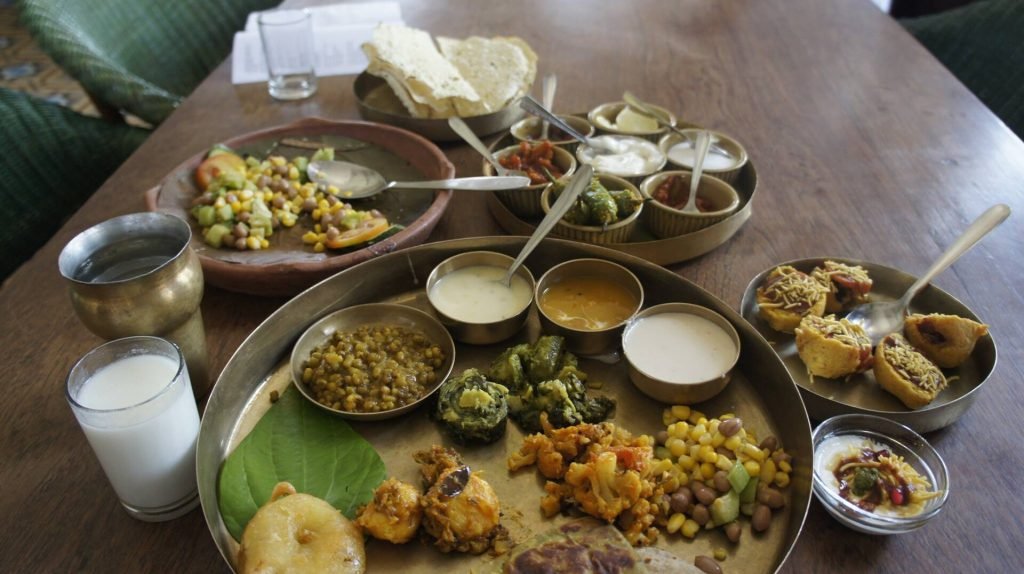
Karnali — Kuber Bhandari
An ancient Shiva temple by the river
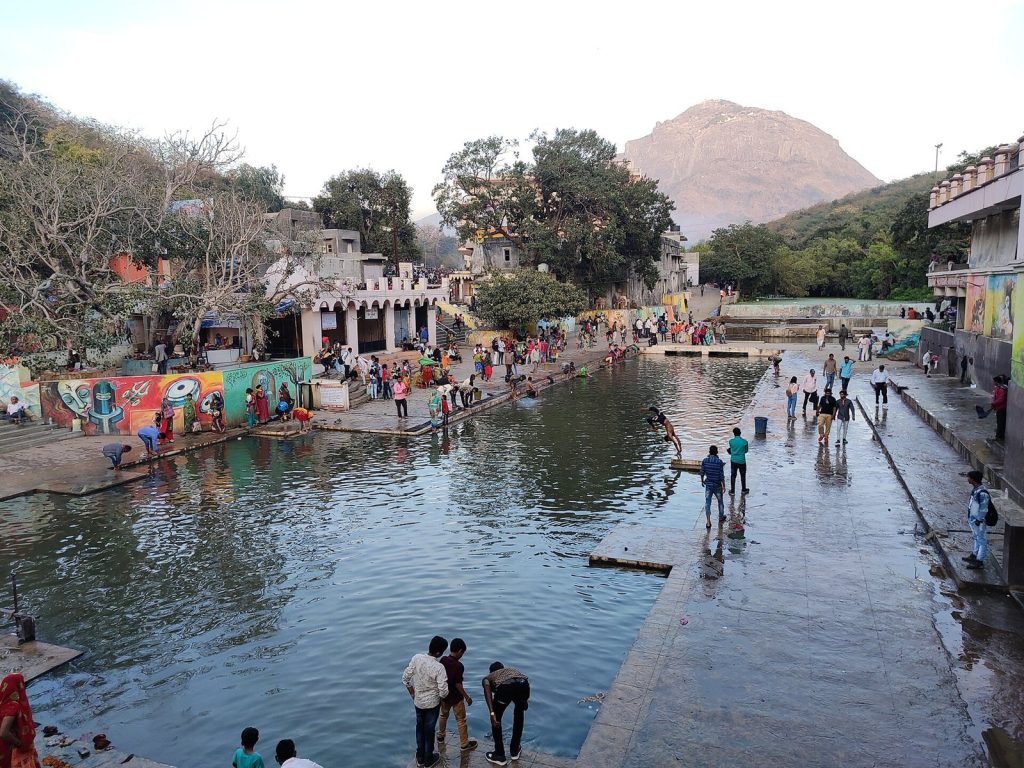 BOATING
Ekta Cruise
River cruises & a sea-plane to the statue
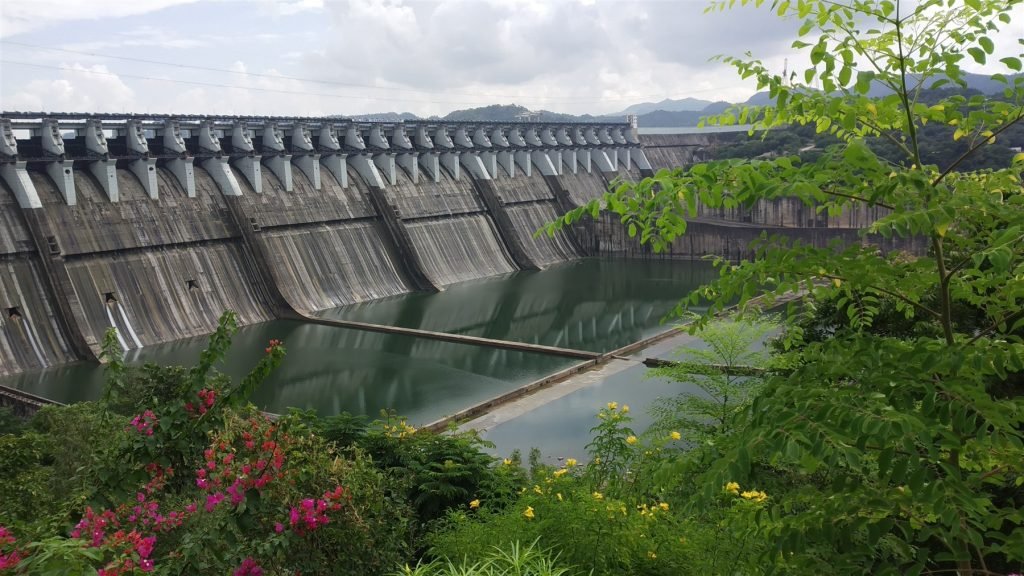 DAM
DAMSardar Sarovar Dam
A colossal dam across the Narmada river
 WILDLIFE
Jungle Safari
A modern multi-level zoo at Kevadia
 AFTER DARK
Laser Show
The nightly light-and-sound spectacle
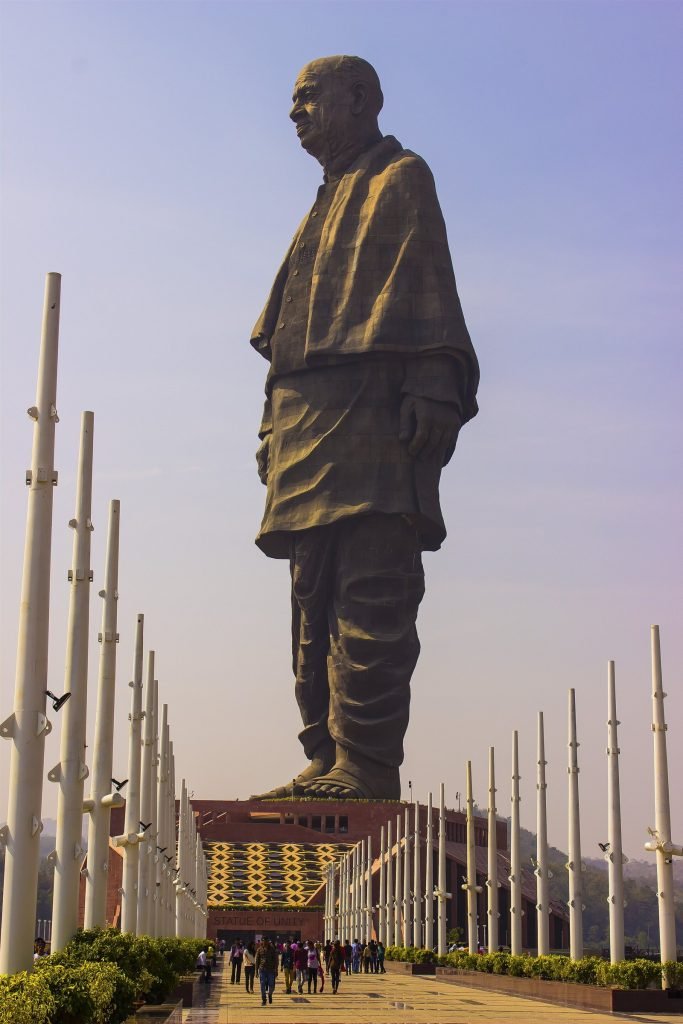 ICONIC
Statue of Unity
The world’s tallest statue — 182 m of Sardar Patel
Where to eat near Rajpipla Temples
Gujarati Thali
Full sweet-savoury meals.
Dhokla & farsan
Steamed snacks.
Kevadia food courts
Snacks for visitors.
Local fare
Gujarati & tribal food; Kevadia food courts.
Rajpipla Temples FAQ
What is Rajpipla Temples?
As the historic capital of the Rajpipla princely state, the town of Rajpipla has long been a centre not just of royal life but of religion, and is home to a number of temples that serve its people and the surrounding tribal hill country. From Shiva and Devi shrines in and around the town to temples patronised by the former rulers, and the sacred sites along the nearby Karjan and Narmada rivers, these places of worship are woven into the rhythm of Rajpipla life, especially during festivals.
Where is it?
Rajpipla, Narmada district.
Is there an entry fee?
Free.
When should I visit?
October to March; at aarti time.
What's nearby?
The Narmada ghats, Statue of Unity and Kevadia.
How long does it take?
About an hour.
Related places across Gujarat
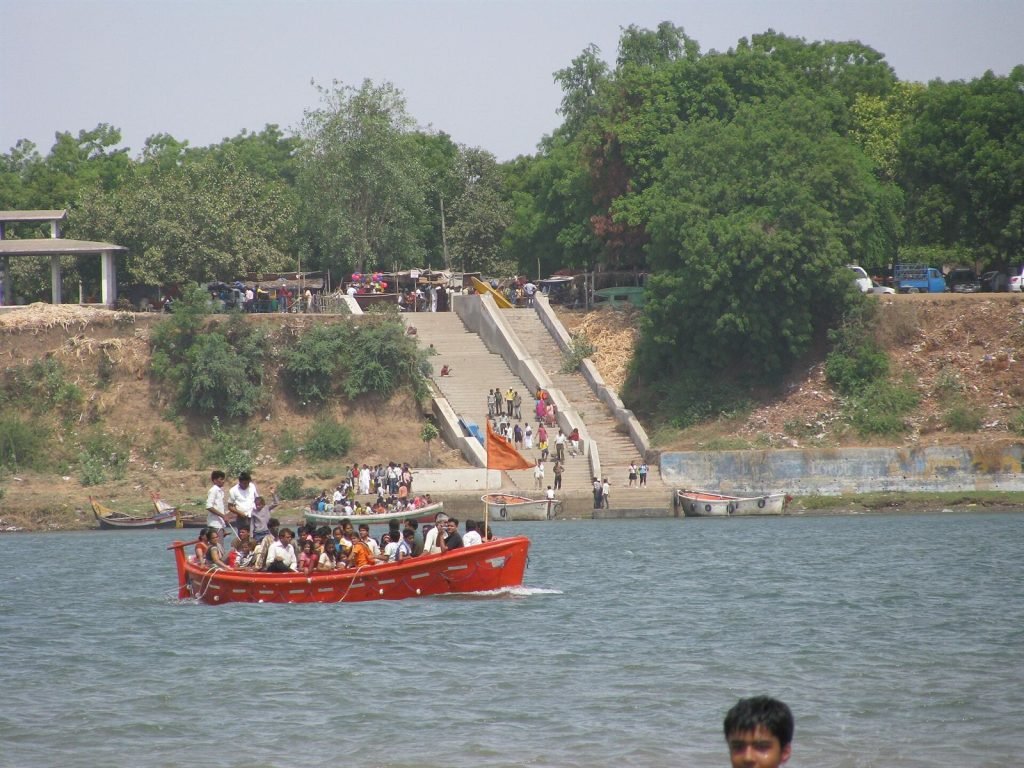 LAKE
LAKEGomti Lake, Dakor
The sacred tank beside Dakor
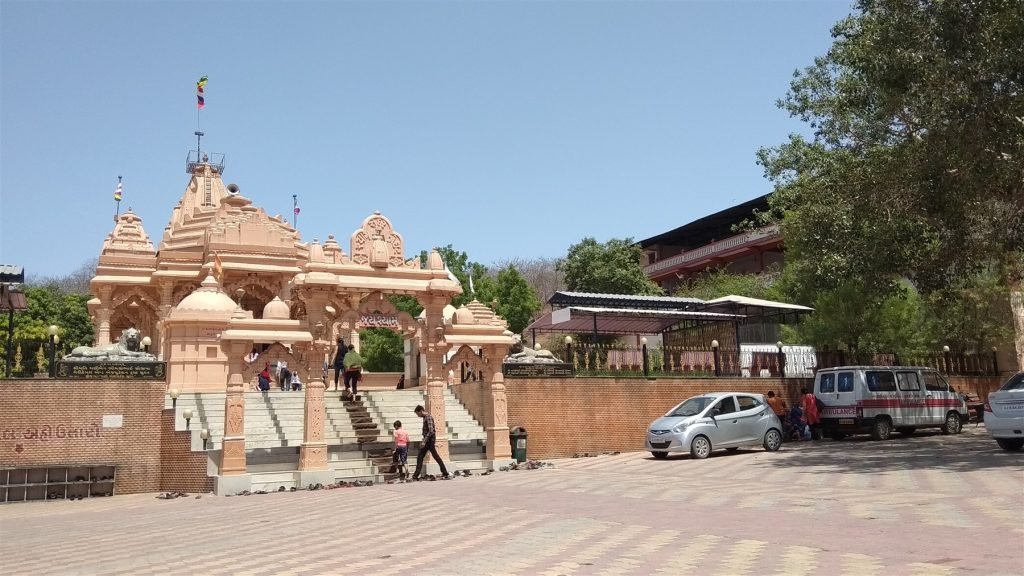
Tulsishyam
The first Jyotirlinga, rebuilt at the ocean’s edge
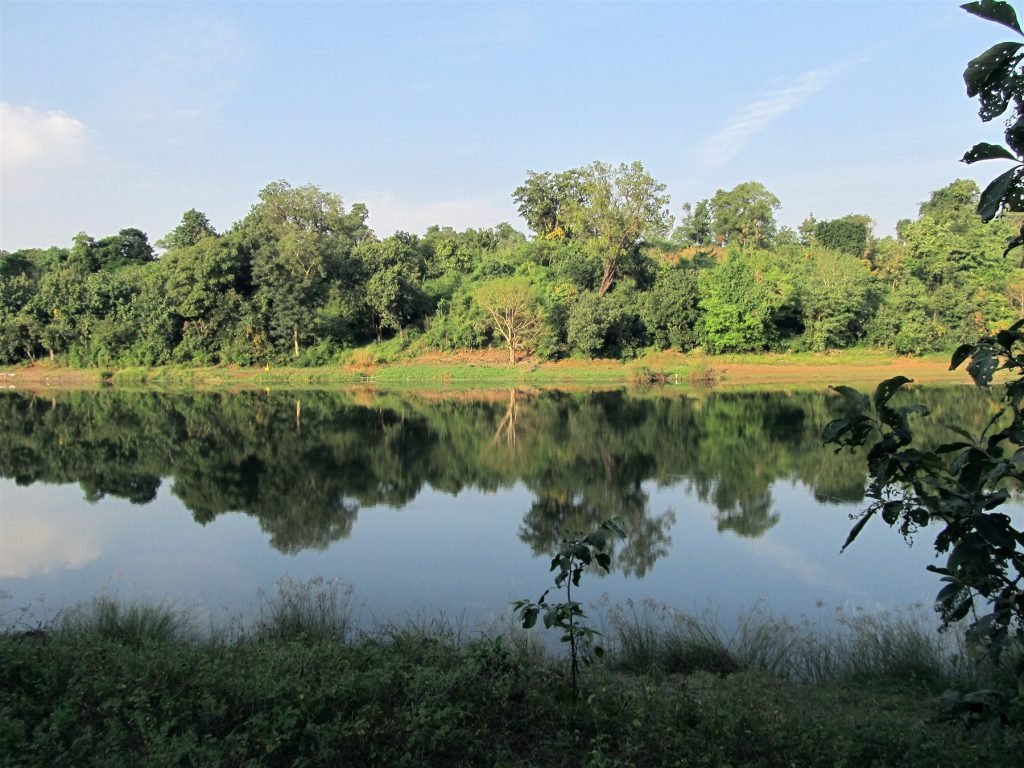 WILDLIFE
Purna Sanctuary
Dense forest of leopards & birds
 4
4Anjan & Padmadungari
Hidden waterfalls and forest eco-trails
Ramdevpir Piplidham
Shrines of the ‘Bhagat’ saint-town
 GARDEN
Waghai Botanical Garden
A lush garden of native Ghat flora
WHERE TO STAY
Find your stay in Gujarat
Compare live prices across the big booking sites and reserve in a few taps. Booking happens securely on the partner's site — we may earn a small commission at no extra cost to you.
Book directly on our partner sites — tap a provider to see live Gujarat hotels & prices:
SHOP THE REGION
Bring home Gujarat — & travel essentials
Hand-picked crafts and trip gear, available on Amazon.
Published 24 June 2026 · Updated 24 August 2026
We’re an independent group of writers and travellers documenting every corner of Gujarat — one place, plate and festival at a time.