Best time
Monsoon (Jul–Sep) & winter (Nov–Feb)
Ideal duration
1–2 days / weekend
Good for
Nature, heritage, camping, birding
Region
Sabarkantha, North Gujarat
Most people do not think of Gujarat as a forest destination, which is exactly why Polo Forest surprises them. Tucked into the Aravalli hills of Sabarkantha, near the Rajasthan border, it is a stretch of dense teak forest wrapped around the ruins of forgotten 15th-century temples. Rivers run through it, birds fill the canopy, and in the monsoon the whole valley turns an improbable green. It is one of the closest genuine nature escapes to Ahmedabad and Gandhinagar.
Pair it with the old town of Idar, perched below dramatic granite hills and known for a long tradition of hand-turned wooden toys, and you have a satisfying weekend that combines heritage, forest and a bit of small-town Gujarat that most itineraries skip. This guide covers what to see, when to come, and how to do it comfortably.
What makes Polo special
Polo, sometimes called the Vijaynagar forest after the nearby town, was once a settlement between the Idar and Mewar kingdoms, and the temples scattered through the trees date from roughly the 15th century, with some older shrines. What gives the place its atmosphere is the combination: intricately carved Hindu and Jain ruins that you reach on foot through forest, with hardly any of the crowds or ticketing you would find at a famous monument. Add the Harnav river, seasonal waterfalls, and a bird and butterfly population that draws naturalists, and it becomes a rare Gujarat destination that appeals to history buffs and outdoors people equally.
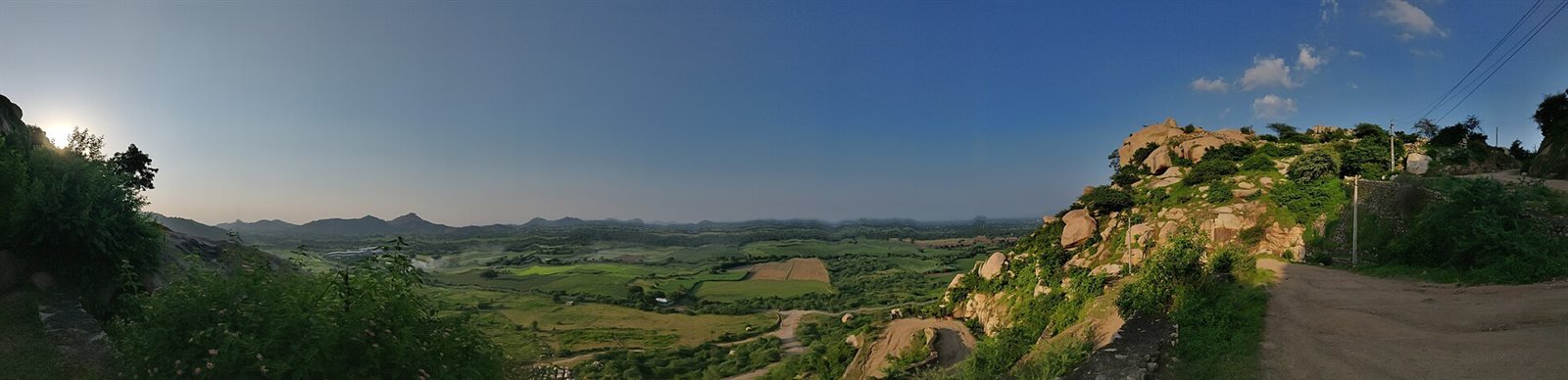
Ruined temples of the Polo heritage site stand among Aravalli teak forest.
Top things to do
- Explore the Polo temple ruinsWalk the trails linking the Shiv temples, the Jain temple ruins and the Sharneshwar Mahadev shrine, all set among teak trees. The carving detail and the forest setting are the main draw.
- Chase the monsoon waterfallsAfter good rain the streams and small falls around the forest come alive and the valley turns emerald. This is when Polo looks its most dramatic.
- Camp overnightTented camps run near the forest edge, and a night under the trees with a campfire is the classic way to do Polo, especially for groups and families.
- Birding and nature walksThe forest is a known spot for birds, butterflies and small wildlife. Early morning walks with a local guide reward patient watchers.
- Visit Idar town and its wooden toysBelow the granite hills, Idar is famous for brightly painted, hand-turned wooden toys and lacquerware. Climb toward the hilltop fort for views over the town and pick up toys made by local craftsmen.
How to plan around it
Polo Forest sits roughly three to four hours by road from Ahmedabad and Gandhinagar, which makes it a comfortable weekend rather than a day trip if you want to enjoy it properly. The easiest way is to drive or hire a car, since the forest and its ruins are spread out and public transport is limited once you leave the main road. Idar lies on the way, near Himatnagar, so it slots neatly into the same route — stop there on the drive up or back. Roads are decent, but the forest's internal tracks are rough, so a higher-clearance vehicle helps in the monsoon.
Where to stay
The signature option is camping: several operators run tented camps near the forest with meals, bonfires and guided walks, which suits the setting and is popular with weekend groups from the cities. For more comfort, there are a handful of forest resorts and simple hotels in and around Vijaynagar and Idar, plus more choice back in Himatnagar if you want a proper hotel base. Facilities inside the forest zone are basic, so set expectations accordingly — the appeal is the location, not luxury. Book camps ahead in the monsoon, the peak season, when weekend spots fill quickly.
When it happens
Polo has two good seasons. The monsoon, roughly July to September, is when the forest is greenest, the waterfalls flow and the valley is at its most photogenic — this is the signature time to come, though tracks get muddy and leeches appear. Winter, November to February, is drier and cooler, better for long walks and comfortable camping, and easier underfoot. Avoid the peak of summer, when Sabarkantha is hot and the forest loses much of its magic. For the classic lush Polo experience, aim for the monsoon or the weeks just after it.
Practical tips
- Come by private car; the ruins are spread out and public transport thins near the forest.
- In the monsoon, wear grippy footwear and carry salt or repellent for leeches on the trails.
- Start temple walks early to beat the heat and catch the best birding.
- Carry water, snacks and cash — shops and connectivity are limited inside the forest zone.
- Book weekend camping in advance during the monsoon peak, and respect the site by carrying your litter out.
Frequently asked questions
Where is Polo Forest?
In the Aravalli hills of Sabarkantha district in north Gujarat, near Vijaynagar and the Rajasthan border, about three to four hours from Ahmedabad.
What is the best time to visit Polo Forest?
The monsoon (July–September) for lush greenery and waterfalls, or winter (November–February) for comfortable walking and camping. Avoid the hot summer.
Can you camp at Polo Forest?
Yes, several operators run tented camps near the forest with meals, campfires and guided walks. It is the most popular way to experience the area overnight.
What is Idar known for?
Idar sits below dramatic granite hills and is known for hand-turned, brightly painted wooden toys and lacquerware, plus a hilltop fort with views over the town.
Polo and Idar are the kind of places locals guard a little jealously — close enough for a weekend, wild enough to feel like a proper escape, and layered with history that almost nobody else is queueing to see. Come in the green months, sleep under the teak, walk out to the ruins at dawn, and you will understand why this quiet corner of Sabarkantha keeps pulling people back.