In a Rathwa house in the hills of eastern Gujarat, a wall is being painted. Not decorated — painted, as an act with consequences. A ritual specialist called a lakhara is filling a prepared surface with ranks of horses and riders in flat bright colour, while another specialist, the badva, sits nearby and recites, and the household provides what the process requires. When it is finished the family will have discharged a vow, and the wall will hold a Pithora, one of the most striking ritual art forms in India.
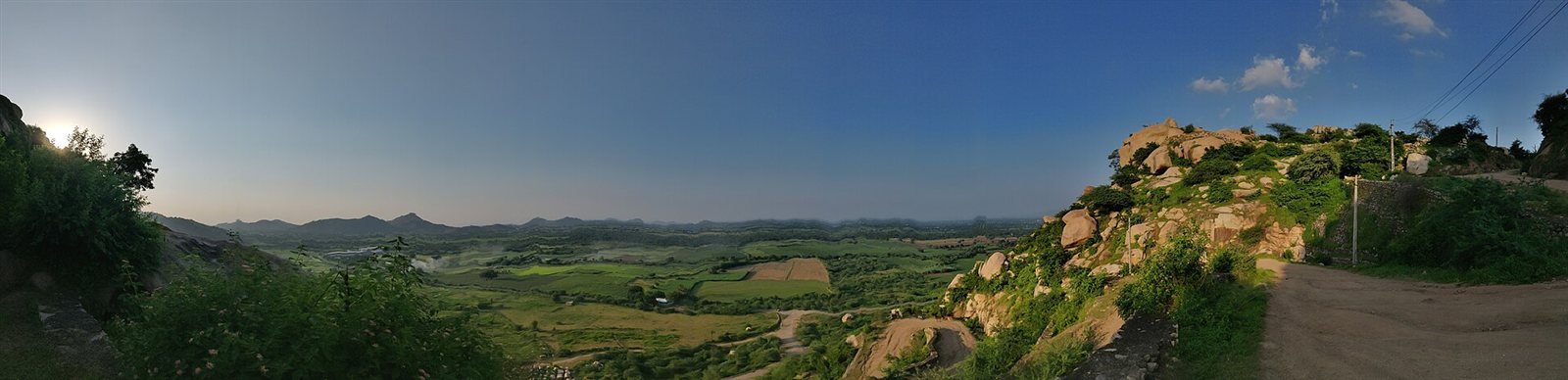
Chhota Udaipur, a small district in eastern Gujarat on the Madhya Pradesh border, is the heartland of this tradition. It is Adivasi country — predominantly Rathwa, with Bhil and other communities — hilly, forested in patches, and almost entirely outside the tourist economy. What brings the few visitors who come is Pithora painting, the weekly tribal markets, and a couple of unexpectedly grand palaces in the district town.
What a Pithora actually is
The first thing to understand is that a Pithora is not a picture. It is a ritual undertaking, performed on the interior wall of a house, usually in fulfilment of a vow made in a time of difficulty — illness, childlessness, a run of bad harvests, a family crisis — and it involves specialists, a sequence of observances, offerings and a substantial cost to the household. The painting is the visible residue of a religious transaction, and it is not something a family commissions casually or repaints for effect.
The imagery is dominated by horses. Ranked rows of them, in flat bright pigment, ridden or riderless, filling the wall in registers — the mounts of the deities of the Rathwa pantheon, with Pithoro or Pithora Dev at the centre. Around and between them the painting fills with the world: the sun and moon, cultivators and their oxen, a train, a bus, a bicycle, drummers, dancers, animals, insects, sometimes an aeroplane, sometimes a mobile phone. This inclusiveness is characteristic. A Pithora records the cosmos and the village together, and contemporary objects enter it without any sense of contradiction.
The colours were traditionally made from earths, minerals and vegetable sources mixed with milk and liquor, and applied with a stick or a chewed twig; commercial pigments are now widely used. The lakhara who executes the painting works within a strong iconographic convention while leaving room for individual hand, and the whole undertaking is accompanied by the badva's recitation of the associated narratives, without which the painting is not complete.
Ranks of horses on an interior wall — not decoration, but the discharge of a vow.
Looking at it without turning it into a souvenir
This creates an obvious problem for a visitor. The real Pithoras are on the interior walls of people's houses, made for religious reasons, in villages that are not organised for tourism. They are not on display. Walking into a village and asking to photograph the inside of somebody's home is not acceptable, and turning up expecting an experience will get you, at best, politely nothing.
The real Pithoras are inside people's houses, made to discharge a vow. They are not on display, and they are not a photo stop
There are decent ways to engage. Go through a local guide or a craft organisation that already works with Rathwa artists and can arrange an introduction on terms the household has agreed to. Buy work directly from lakharas who now also paint on canvas, paper and board for sale — a genuine adaptation that provides income without compromising the ritual paintings, and which has brought some artists national recognition, including state and national craft honours. Visit museums and craft centres that hold and interpret Pithora work, in Vadodara, Ahmedabad and Delhi.
And if you are invited into a house to see one, treat it as the privilege it is: shoes off, no photography without explicit permission, no touching, and a proper thank-you that is not only verbal. The distinction that matters is between a painting made for a wall and a painting made for a market. Both are legitimate. Confusing them, or pressing a family to show you the first while offering to buy the second, is where visitors go wrong.
Market day, and two palaces
The other reason to come is the haat. Weekly markets in Chhota Udaipur and the surrounding villages are the social and economic engine of the district, and they are extraordinary — Adivasi families arriving from the hills, silver ornaments and beadwork worn as everyday dress rather than costume, livestock, grain, vegetables, tools, cloth, medicinal roots, and a great deal of talking. Market days vary by village, so ask locally which day is which. Photograph the produce freely; photograph people only after asking.
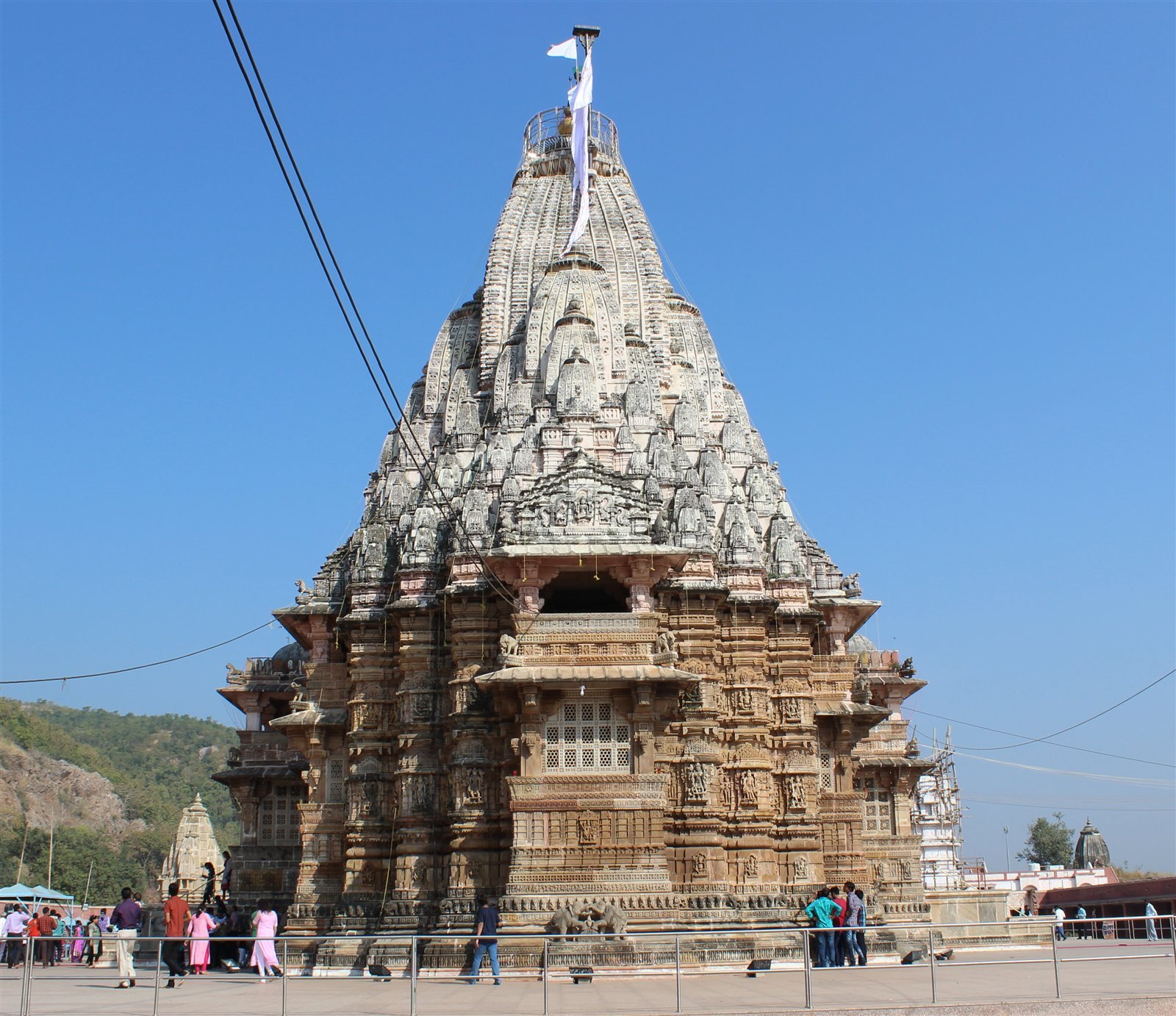
Chhota Udaipur town also has, unexpectedly, real architecture. It was the seat of a princely state, and its rulers built well: Prem Bhavan and the Kusum Vilas Palace are handsome early-twentieth-century buildings, and there is a fortified older core and a scatter of period structures around the town. They are not always open and are not organised for visitors, but they are worth a walk past and an enquiry. Kadipani, nearby, is known for its dolomite quarrying.
Getting there and planning it
Chhota Udaipur is around 120 km east of Vadodara, roughly three hours by road, and Vadodara is the gateway — airport, major railway station, and the museums and collections that make the best introduction to Pithora before you go anywhere near a village. There is a railway line to Chhota Udaipur and buses run from Vadodara and Bodeli, but a hired car is close to essential for reaching villages and markets.
October to March is the comfortable season. The monsoon makes the hills green and is when agricultural life is at its most intense, but roads in the interior get difficult. Accommodation in the district is very basic; most visitors stay in Vadodara and make a long day trip, or overnight simply in Chhota Udaipur town. The natural extension is west to Jambughoda's teak forest and the Champaner-Pavagadh World Heritage Site, or east across the border towards Madhya Pradesh. Anyone whose main interest is the art rather than the district should consider starting and ending in Vadodara.
If you go
- Arrange access through a local guide or a craft organisation already working with Rathwa artists — do not walk into villages unannounced.
- Never photograph the interior of a house, or a Pithora, without explicit permission, and never assume it is available to be seen.
- Buy canvas and paper work directly from lakharas; it supports the artists without commodifying the ritual paintings.
- Ask which day the haat falls in which village, and go — the markets are as remarkable as the art.
- Start at the museums in Vadodara for context, stay there or overnight simply in town, and combine with Jambughoda and Champaner.
Chhota Udaipur asks more of a visitor than most places in Gujarat, and for good reason: its great art form lives on the inside walls of people's homes and exists to discharge religious vows, not to be looked at. Go through someone who already has relationships there, start with the collections in Vadodara, buy canvases directly from the artists, and spend a morning at a weekly haat where silver ornaments are working dress. Done that way it is one of the most rewarding corners of the state.