Number of sites
Four, inscribed 2004–2021
Best time
October to March
Good for
Heritage routes, archaeology
Minimum time
Six to eight days for all four
Gujarat has four UNESCO World Heritage Sites, and they are strikingly different from one another: a ruined medieval Islamic capital with a sacred hill above it, the finest stepwell ever built, the walled old city of Ahmedabad as a living urban ensemble, and a Harappan city on an island in a salt desert. They were inscribed across seventeen years, from 2004 to 2021.
They are also spread right across the state, from Kutch in the far west to Panchmahal in the east, which means doing all four is a proper itinerary rather than a weekend. This guide covers each site, what it actually offers, how much time it needs, and how to sequence them into a workable route.
The four sites, briefly
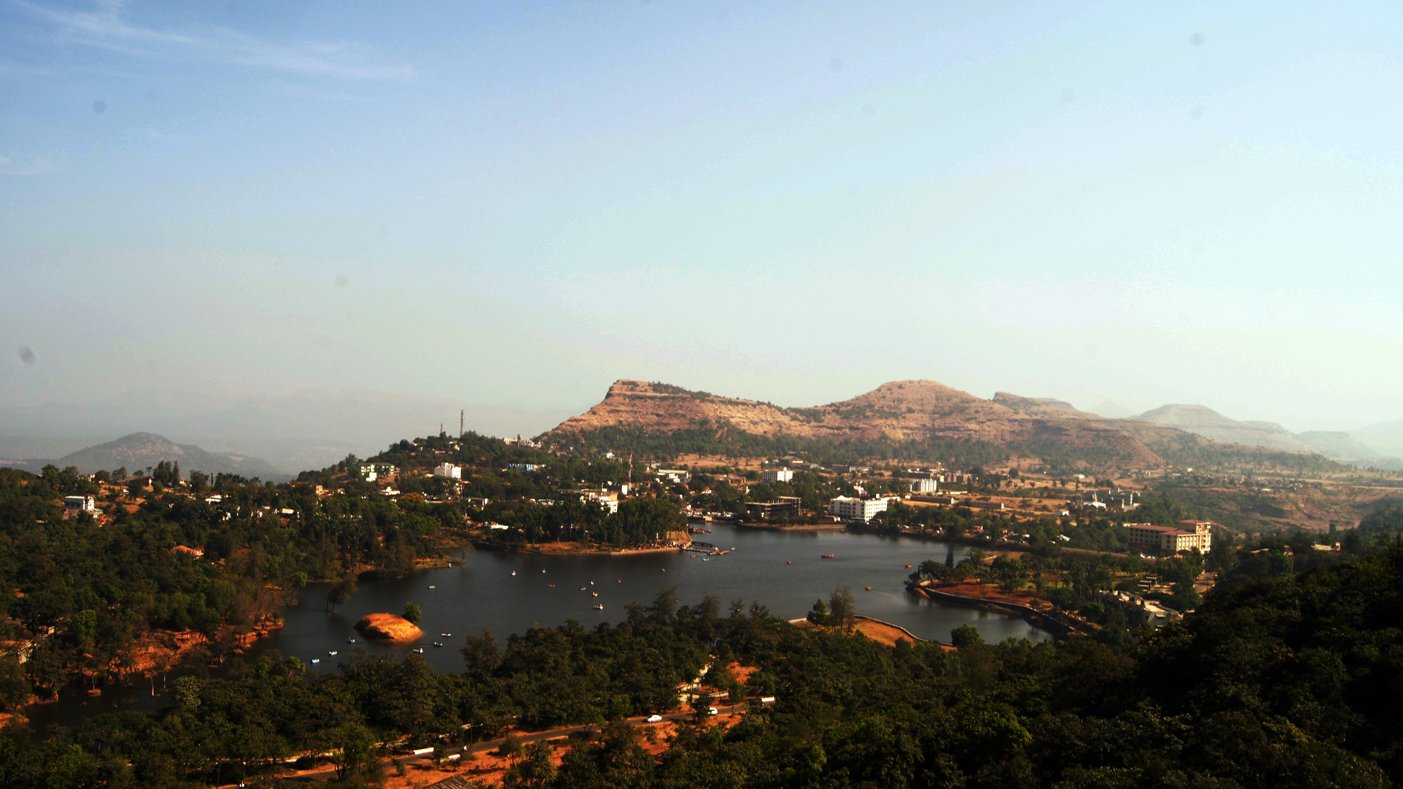
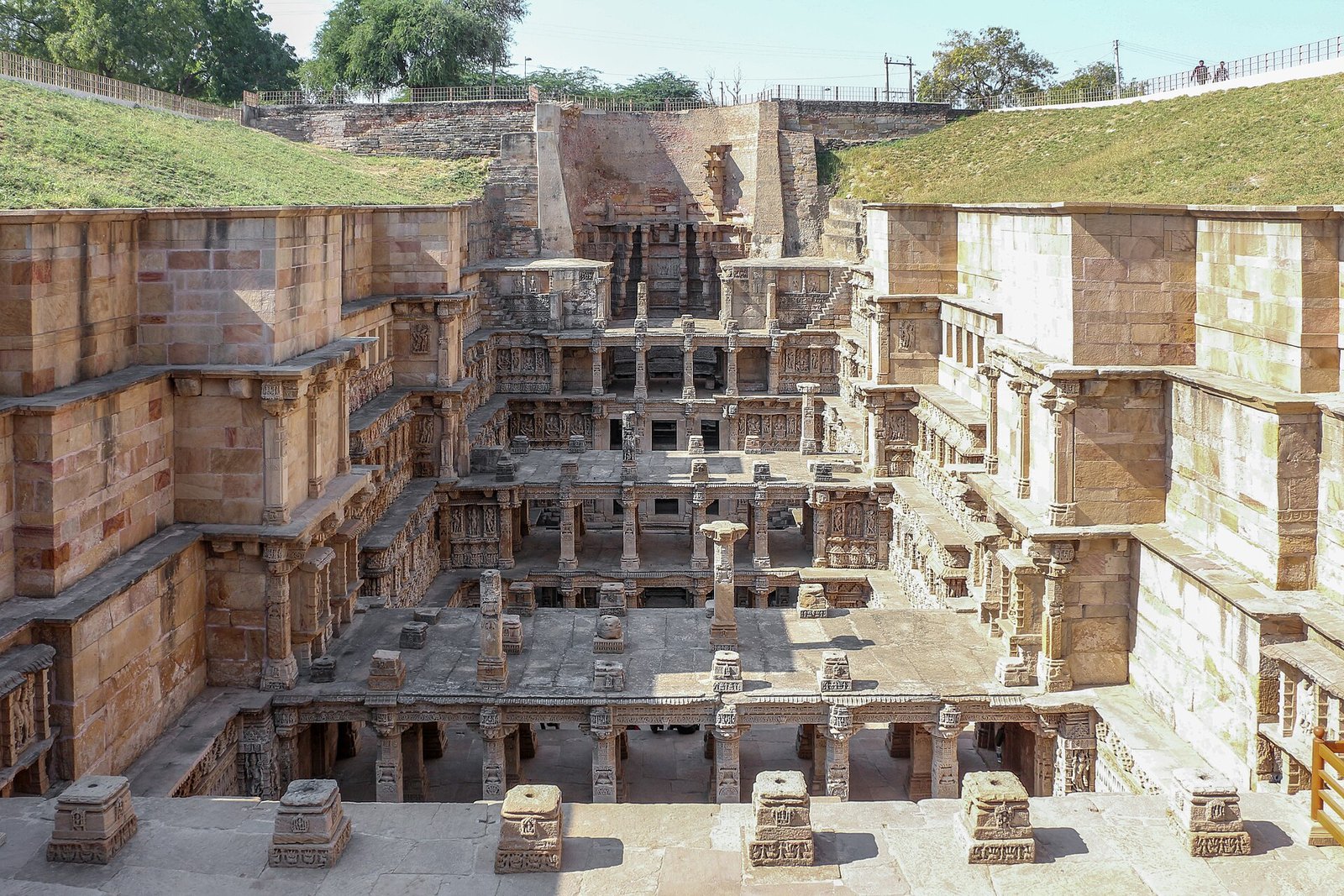
Champaner-Pavagadh Archaeological Park, inscribed in 2004, is a ruined sixteenth-century capital of the Gujarat sultanate at the foot of Pavagadh hill, with mosques, gateways, stepwells and palaces in an extraordinary Indo-Islamic style — plus, on the hill above, the Kalika Mata temple, a major Shakti shrine reached by steps or ropeway. Rani ki Vav at Patan, inscribed 2014, is a seven-storey eleventh-century stepwell with over five hundred principal sculptures, buried for centuries and therefore remarkably preserved.
The Historic City of Ahmedabad, inscribed in 2017, is India's first World Heritage City — not a monument but the whole walled old city, with its pols (dense residential clusters), the Jama Masjid, Sidi Saiyyed's stone jali, Bhadra Fort, Jain temples and Hindu shrines, all still lived in. And Dholavira, inscribed 2021, is one of the five great cities of the Indus Valley Civilisation, built in dressed stone on an island in the Great Rann of Kutch, with sixteen rock-cut reservoirs and the largest known Indus script inscription.
Four sites, four centuries apart, and one of them is a whole living city.
How to do each one
- Champaner-Pavagadh — one long dayAbout 50 km from Vadodara. Do the monuments on the plain — Jama Masjid, Kevada and Nagina mosques, the stepwells — in the cool of the morning, then the hill by ropeway or steps. Busy with pilgrims at weekends and festivals.
- Rani ki Vav — half a day, at opening125 km from Ahmedabad, 35 km from Modhera. Arrive when it opens for soft light down the tiers and near-solitude. One to two hours inside, then Patan's Patola weavers in the afternoon.
- Historic Ahmedabad — two days minimumTake the official morning heritage walk through the pols, then explore separately: Jama Masjid, Sidi Saiyyed, Bhadra Fort, Dada Harir stepwell, the Calico Museum. It is a city, not a site.
- Dholavira — two days including travel250 km from Bhuj on Khadir Bet in the Rann. Stay overnight in the village so you can be on the citadel at opening; the museum first, then the ruins. Approach via the Khavda salt causeway if the season is dry.
- Link Rani ki Vav with ModheraThe Sun Temple at Modhera is 35 km from Patan, the same dynasty and century, and though not itself inscribed it belongs in any Solanki-architecture day.
- Allow six to eight days for all fourThe sites are at opposite ends of the state. Ahmedabad is the natural hub and Kutch the long leg. Trying to do them in less means spending the trip in a car.
How to get around
Ahmedabad is the hub for the whole circuit: an international airport, the main railway station, and the Historic City site itself. From there, Patan and Rani ki Vav are about 125 km north, Champaner-Pavagadh roughly 150 km south-east via Vadodara, and Dholavira around 360 km west — with Bhuj, 250 km from Dholavira, as the practical Kutch base, reachable by air or rail.
A hired car with a driver is the sensible way to do this. Trains work well for the long hops — Ahmedabad to Bhuj, Ahmedabad to Vadodara — but the sites themselves, particularly Dholavira and Champaner, need road transport. Roads throughout are good. Budget realistically for driving time: the Kutch leg alone is two long days on the road unless you fly to Bhuj.
Where to stay
Ahmedabad for the Historic City, and it is worth staying inside the walled city in one of the restored haveli hotels rather than in the modern west — it puts you in the middle of the site itself and makes the early-morning heritage walk trivially easy. Vadodara is the base for Champaner-Pavagadh, with a full range of hotels and considerable attractions of its own.
Patan or Mehsana for Rani ki Vav and Modhera; staying in Patan lets you be at the stepwell for opening, which materially improves the visit. For Dholavira, Bhuj is the regional base and the Dholavira village itself has a Gujarat Tourism resort plus homestays and tented camps — staying at the site is strongly recommended over a day trip from Bhuj, which means twelve hours of driving.
Best time to visit
October to March across the board, and December to February for the westerly sites in particular. Dholavira is stone, open and shadeless in a salt desert and is genuinely punishing from March onwards; Champaner involves a hill climb; Rani ki Vav requires crossing open ground; and Ahmedabad's old city is walked. Winter makes all four comfortable.
April to June is hot everywhere in Gujarat and severe in Kutch, where temperatures are among the highest in India. The monsoon, late June to September, floods the Rann and can close the Khavda causeway to Dholavira, though Champaner and Ahmedabad are atmospheric in the rains. If you can only travel in the hot months, prioritise Ahmedabad and Rani ki Vav and leave Dholavira for another trip.
Practical tips
- Do Rani ki Vav and Dholavira at opening time — both are transformed by early light and empty of visitors.
- Book the official Ahmedabad heritage walk; the pols are hard to read without a guide.
- Stay overnight at Dholavira rather than day-tripping from Bhuj, which costs you twelve hours in a car.
- Check ASI weekly closure days and ticket rates before travelling to Champaner, Rani ki Vav and Dholavira.
- Allow six to eight days for all four, and consider flying or taking a train to Bhuj to shorten the Kutch leg.
Frequently asked questions
How many UNESCO World Heritage Sites are in Gujarat?
Four: Champaner-Pavagadh Archaeological Park (2004), Rani ki Vav at Patan (2014), the Historic City of Ahmedabad (2017) and Dholavira (2021).
Which was Gujarat's first UNESCO site?
Champaner-Pavagadh Archaeological Park, inscribed in 2004.
Is Ahmedabad a UNESCO World Heritage City?
Yes — the Historic City of Ahmedabad was inscribed in 2017, India's first World Heritage City, covering the walled old city with its pols and monuments.
How long does it take to see all four Gujarat UNESCO sites?
Six to eight days realistically, since they are spread from Kutch in the west to Panchmahal in the east. Ahmedabad is the natural hub.
When is the best time to visit Gujarat's UNESCO sites?
October to March. Dholavira in particular is very hot from March onwards and the Rann floods in the monsoon.
Gujarat's four World Heritage Sites are unusually varied — a ruined sultanate capital under a sacred hill, the finest stepwell ever cut, a living walled city, and a Bronze Age stone metropolis in a salt desert. Doing all four properly takes six to eight days with Ahmedabad as the hub, and two decisions make the difference: arrive at Rani ki Vav and Dholavira as they open, and sleep at Dholavira rather than driving out and back from Bhuj.