Home › Chhota Udaipur › Hafeshwar Narmada Temple
SHIVA TEMPLE · NARMADA TIRTHA · PILGRIMAGEWhere the sacred river meets the forest — Hafeshwar is the principal Shiva temple of Chhota Udaipur district, a sacred Narmada tirtha on the banks of the river in the tribal forest, a site of pilgrimage that has welcomed Narmada Parikrama walkers for centuries.
Hafeshwar is the most significant religious site in Chhota Udaipur district — a Shiva temple on the banks of the Narmada river where the river passes through the forested hills of the tribal heartland, a sacred conjunction of Narmada pilgrimage and forest landscape.
The Narmada is one of India’s most sacred rivers — more sacred in the Hindu tradition than even the Ganga in some interpretations, because the Narmada is considered intrinsically pure: every stone of the Narmada is itself a Shivalinga, requiring no consecration. Hafeshwar occupies a traditional tirtha position on the Narmada bank at this point of the river’s passage through tribal Gujarat.
The Narmada Parikrama — the circumambulation of the Narmada’s full length, a pilgrimage of more than 3,000 kilometres that takes between 3 and 5 years on foot — passes through Hafeshwar, and pilgrims in Parikrama stop and worship here. Their presence gives the temple an atmosphere of deep, slow pilgrimage that is quite different from the faster rhythms of festival temples. The surrounding forest and the sound of the river are as important as the temple building itself. (No entry fee; Parikrama pilgrims present year-round; respectful dress required.)
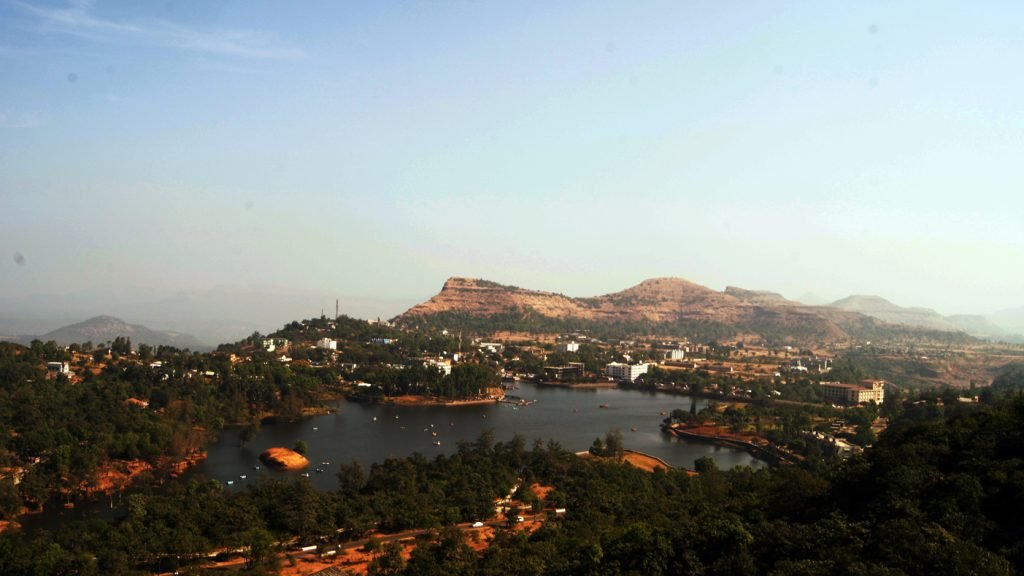
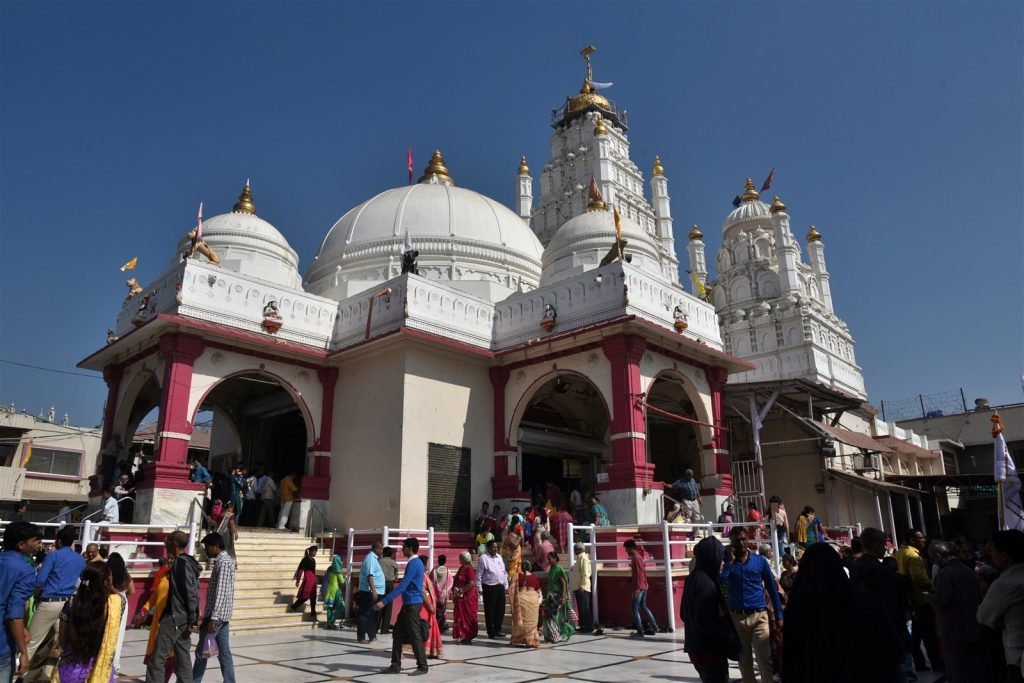
Illustration — Hafeshwar temple on the Narmada.
Illustration — Hafeshwar.
The Narmada has been venerated as one of India's most sacred rivers since antiquity, its every stone held to be a Shivalinga.
A Shiva shrine is established on the Narmada bank at Hafeshwar, taking the characteristic form of a riverside tirtha.
Hafeshwar becomes a recognised stop on the Narmada Parikrama, the 3,000 km circumambulation walked over three to five years.
The site remains an active Shiva tirtha, with Parikrama pilgrims present year-round on the forested riverbank.
Sacred Narmada site.
The sacred river.
Pilgrims on foot.
Tribal landscape.
Slow pilgrimage.
River and forest.
Narmada tirtha.
Sacred waters.
Bathing and ritual.
River and trees.
The central deity.
Walkers rest here.
Begin with the morning puja at the Hafeshwar shrine, where the Shivalinga is the focus of devotion.
Step down to the Narmada itself — the river is the central sacred element of the whole site.
Look out for pilgrims walking the Narmada Parikrama; they stop and worship here on their years-long journey.
Find a quiet spot on the bank where the river runs sacred and slow, and simply be still.
Watch the river worship — the offerings and prayers made to the Narmada at the ghat.
Come back for the evening aarti, when lamps are offered to the river and the forest falls quiet.
Illustration — Hafeshwar.
Hafeshwar occupies the characteristic form of a Narmada tirtha temple — a Shivalinga shrine on or near the riverbank, with a ghat for bathing and ritual, and the river itself as the central sacred element.
In the Narmada pilgrimage tradition, the river’s presence is inseparable from the temple’s significance. (Narmada Parikrama pilgrims present year-round; respectful dress required.)
Shiva temple on the Narmada bank — a sacred tirtha
Stop on the Narmada Parikrama (3,000 km pilgrimage)
Forest setting — the tribal frontier of eastern Gujarat
The river itself is the central sacred element
Cool — best for pilgrimage. Comfortable all day and ideal for unhurried worship on the riverbank.
Lush; flooding risk on paths. The forest turns green but the river runs high, so tread carefully.
Hot; early morning best. Plan visits right at dawn before the heat builds on the open bank.
⏰ October to February is ideal for spiritual visits in Chhota Udaipur.
The nearest airport is Vadodara, about 100 km away, with onward road connections into the tribal interior of Chhota Udaipur.
The closest railheads are Bodeli and Chhota Udaipur, from where local transport reaches the Hafeshwar riverbank.
Approach via NH-56 from Vadodara, then through Kawant; the final stretch winds through forested tribal country to the river.
RIVER & FOREST
Come at dawn or dusk, when low light catches the river and the forest softens around the shrine.
The Narmada itself, the riverside ghat, the Shiva shrine and any Parikrama pilgrims who pause here.
Keep a quiet distance from worshippers and pilgrims; this is a place of slow, serious devotion.
A standard zoom suits the shrine and river; pack for forest humidity and uneven riverbank ground.
Comfort home cooking.
Forest produce & millet.
Tribal staple.
Expect simple Gujarati thalis and Rathwa tribal cooking — millet, bajra roti and forest honey from Adivasi villages.

Shiva — as Hafeshwar, in the form of a Shivalinga on the Narmada bank.
Yes — a major stop on the Narmada Parikrama, the river's 3,000 km circumambulation.
None. Hafeshwar is free for every visitor.
October to March, when the weather is cool and comfortable for riverbank pilgrimage.
Respectful — cover shoulders and knees, as at any active temple.
The Narmada bank and the surrounding tribal forest, plus the wider art and culture of Chhota Udaipur.
WHERE TO STAY
Compare live prices across the big booking sites and reserve in a few taps. Booking happens securely on the partner's site — we may earn a small commission at no extra cost to you.
SHOP THE REGION
Hand-picked crafts and trip gear, available on Amazon.